
-
1.
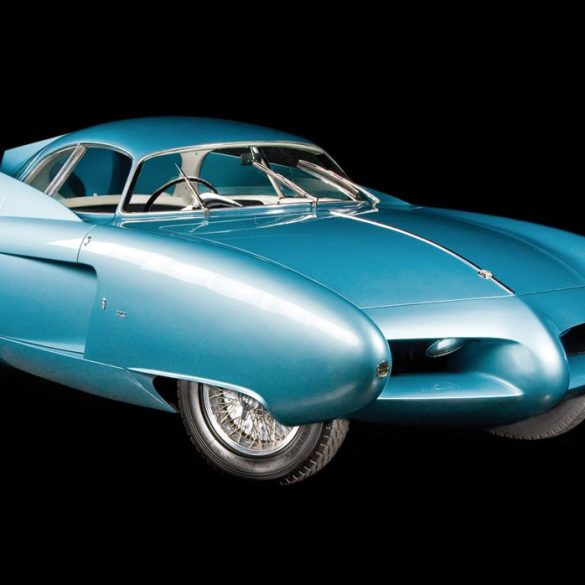
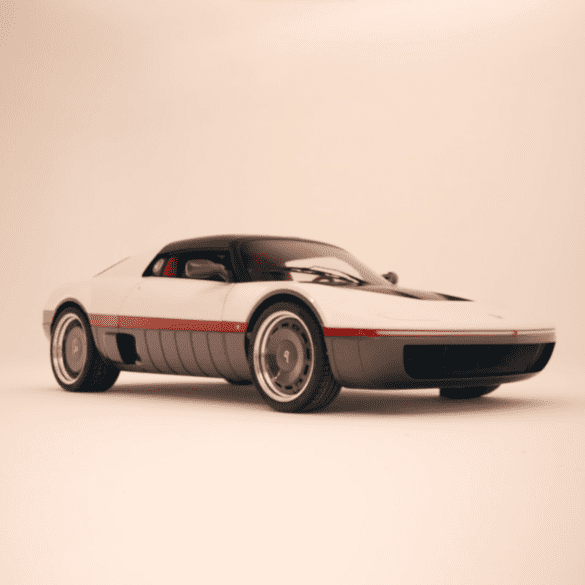
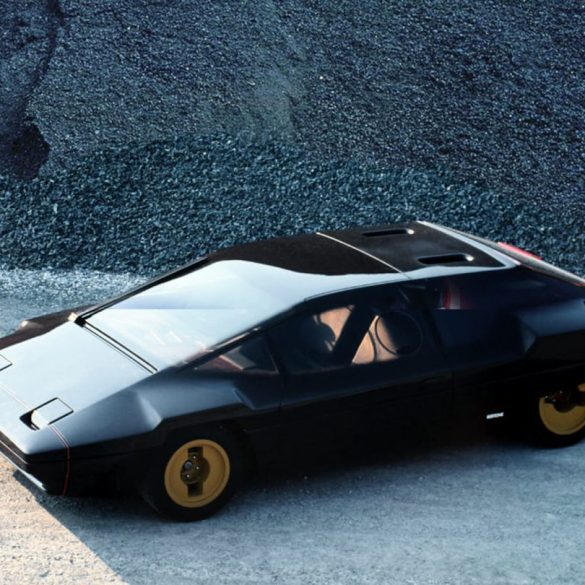
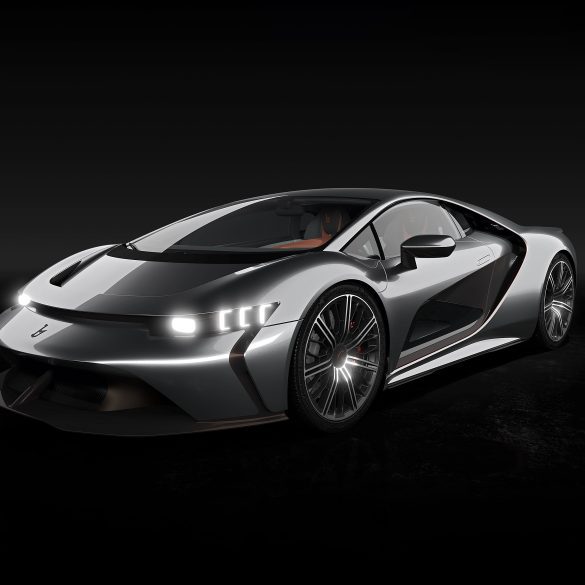
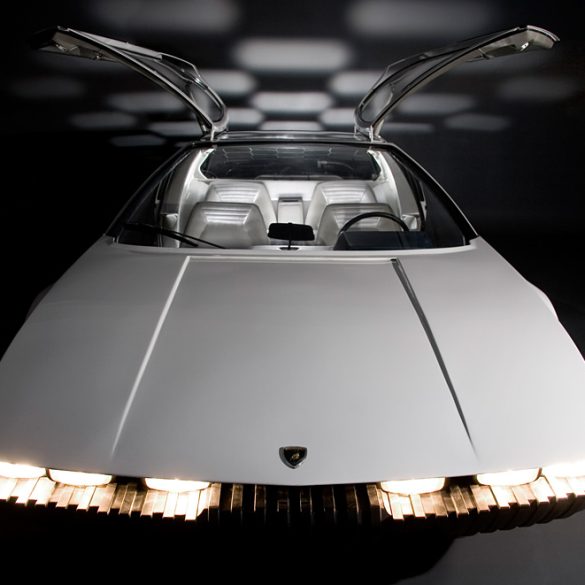
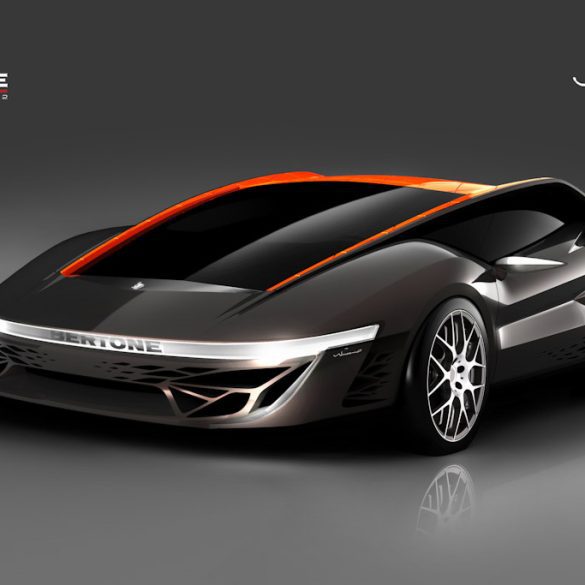
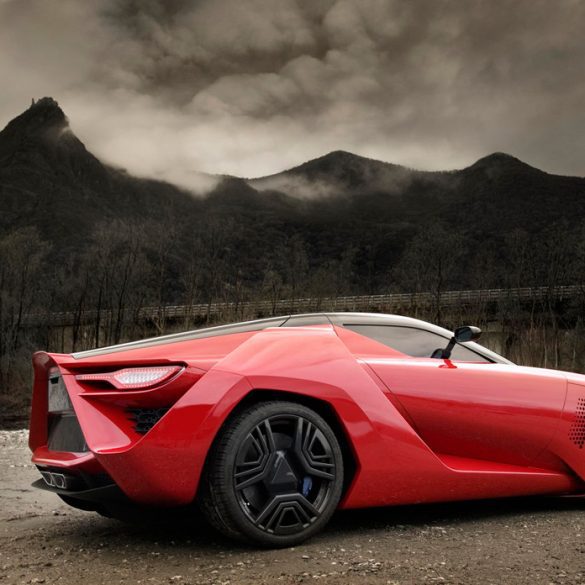
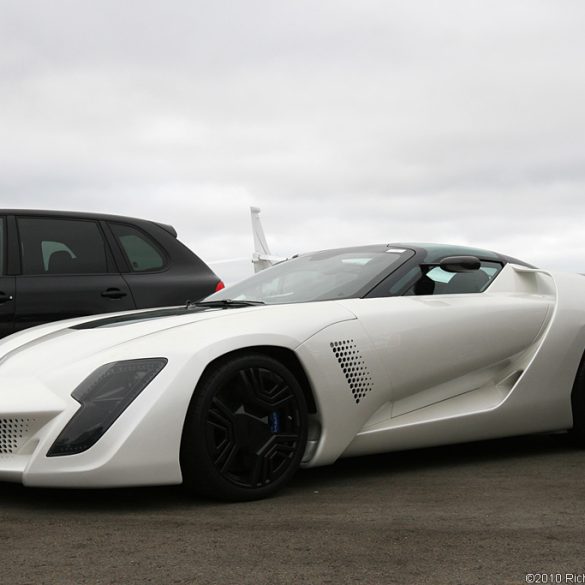
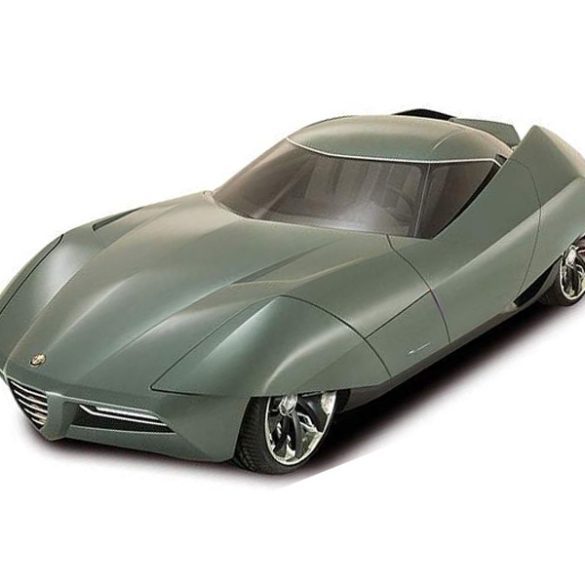
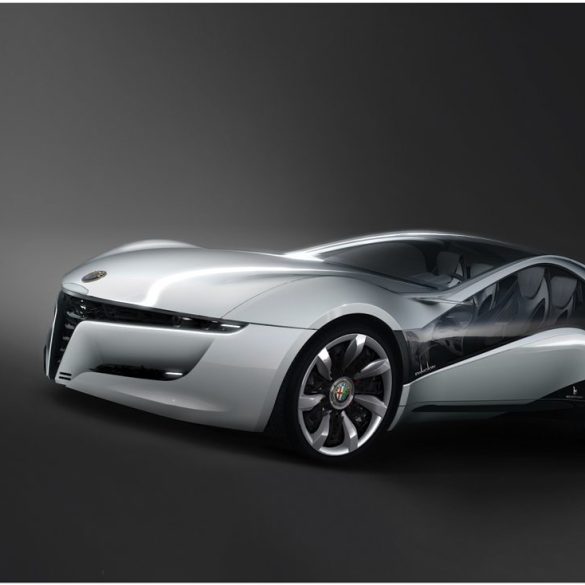
Using a Corvette chassis and engine, the designers at Bertone have fabricated this fabulous prototype called the Mantide. The shape was slowly revealed over a series of youtube videos known simply as Project M.
-
2.
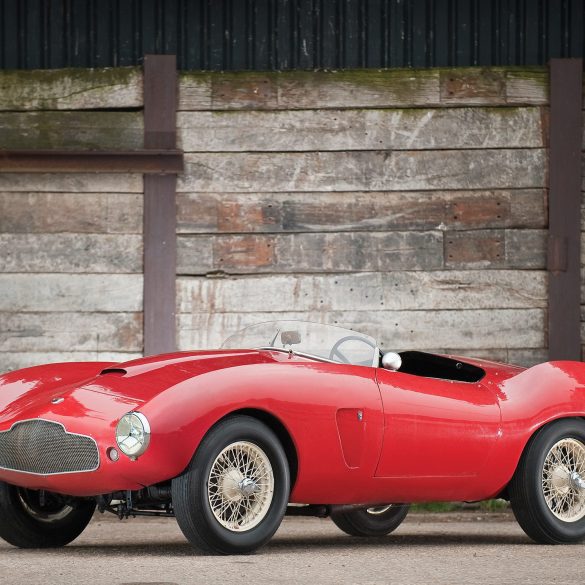
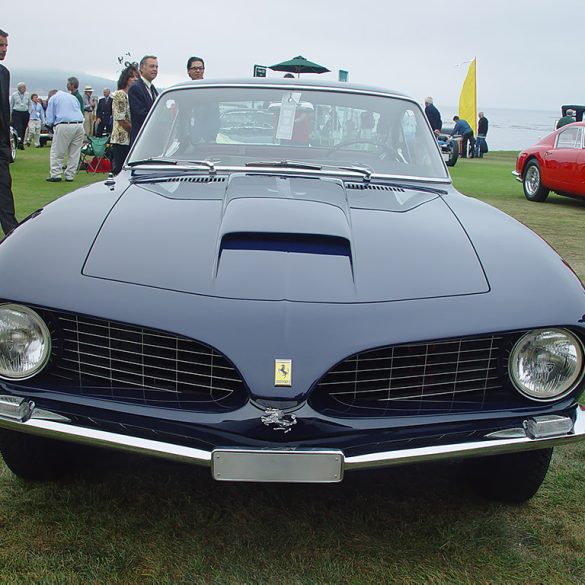
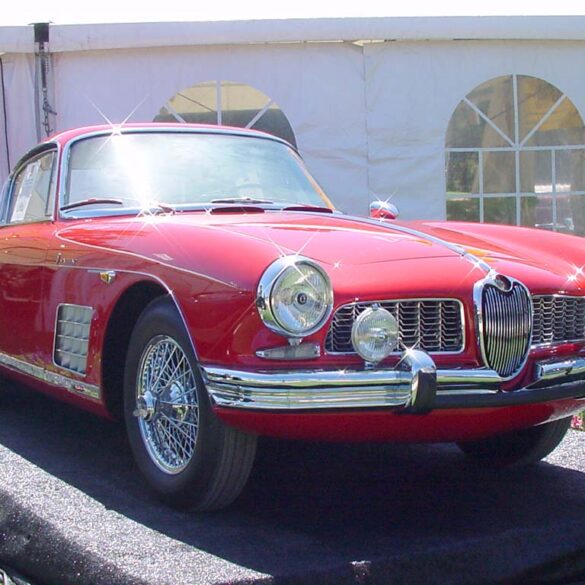
Commissioned by Enrico Wax of Genoa and badged as the 'Prototype EW' this car debuted at the 1960 Turin Motor Show as a new 2+2 Ferrari design. Wax was a long-time Ferrari customer who had the finances to support a new model and ordered other daring cars such as 0671SA.
-
3.
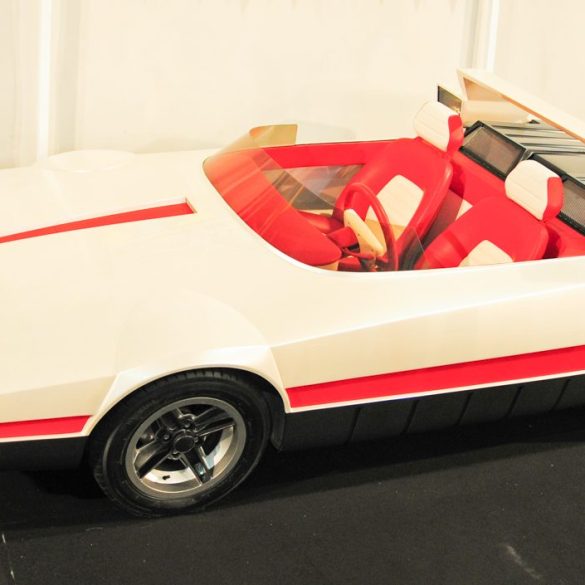
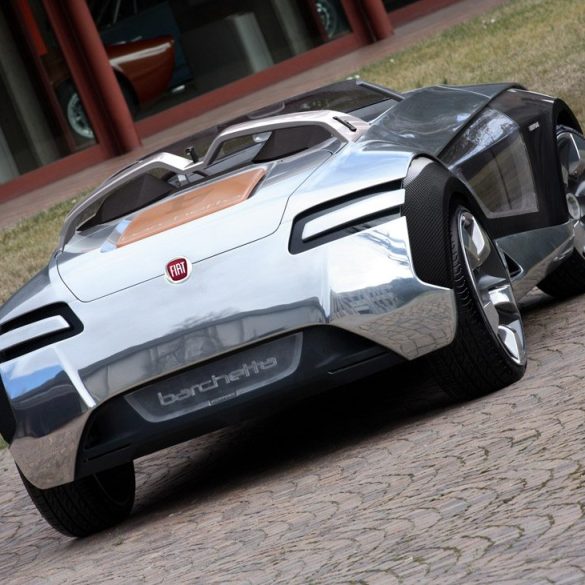
Bertone presents the Barchetta concept car in celebration of its 95th anniversary. Based on the floorpan and mechanicals of the Fiat Panda 100 HP, the Bertone Barchetta is an open-topped strictly two-seater sports car that calls to mind the Italian racing cars of the 1950s. In this case, the design explicitly cites the Fiat 500 with Barchetta bodywork created by the young Nuccio Bertone in 1947 as...
-
4.
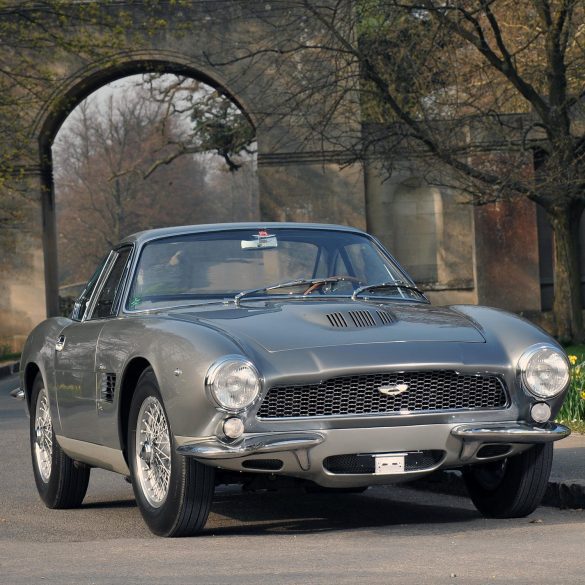
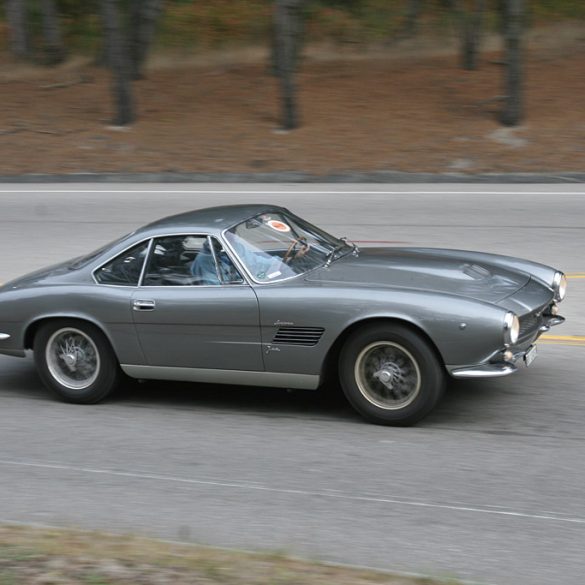
0201L, the last DB4 chassis, was given to the Italian coachbuilder Bertone to receive a custom body. After completion, the car was shown with a light-green paint job at the 1961 Geneva Auto Show.
-
5.
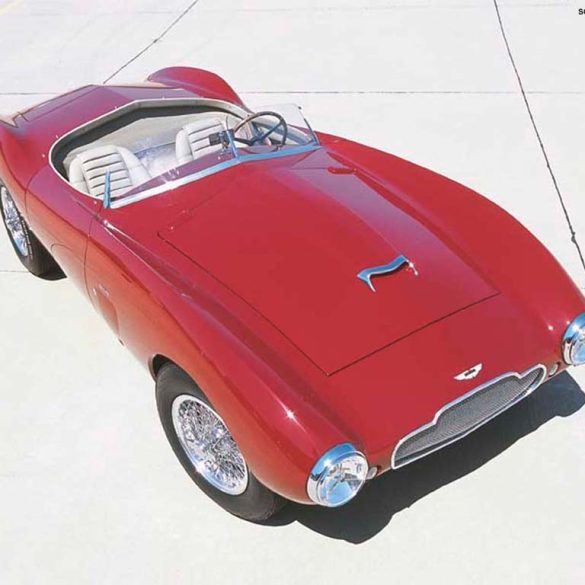
A year after the introduction of the DB2/4, Stanley Harold Arnolt ordered several bare chassis for Bertone bodywork. Among a few different designs, he had three of these Spyders made.
-
6.
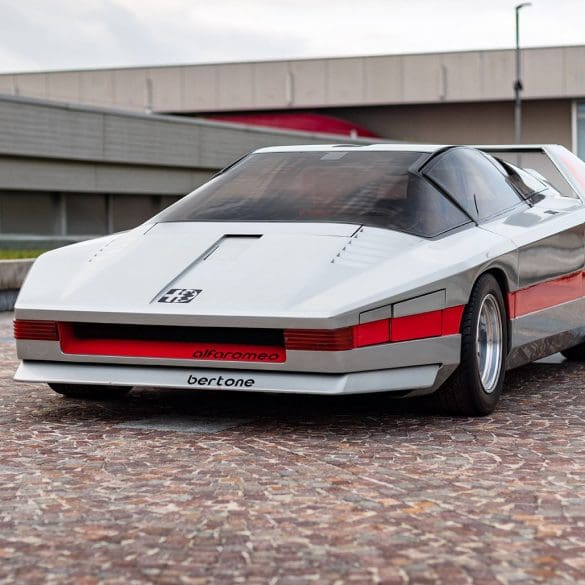
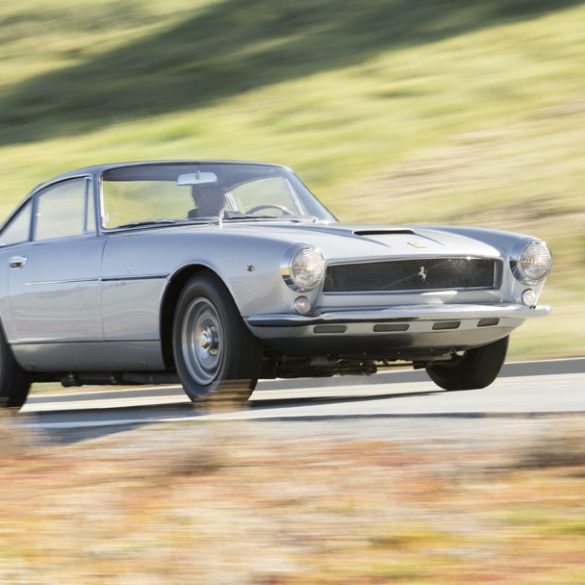
Bertone was one of the few great Italian design houses that didn't establish any great relationship with Ferrari. Instead, Bertone focused on Alfa Romeo but a few distinct projects between Ferrari and Bertone did get finished.
-
7.
-
8.
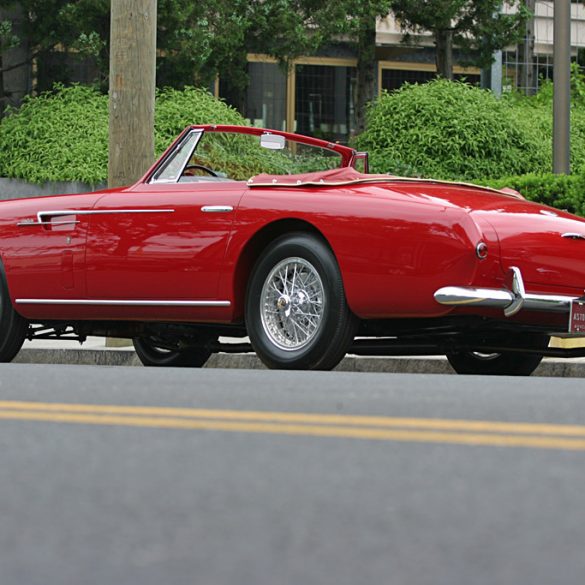
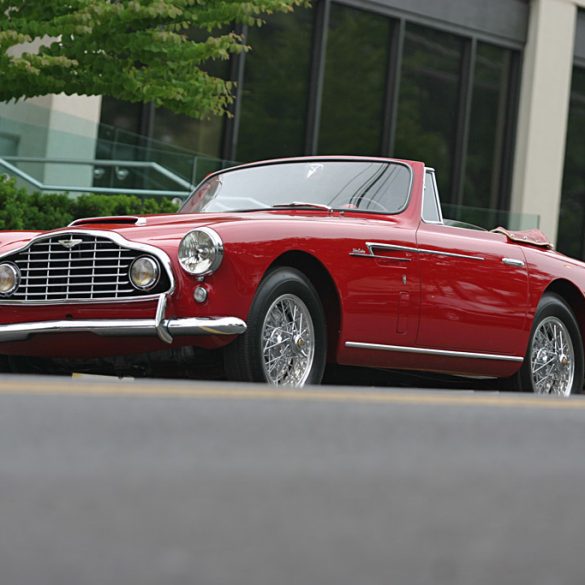
In 1953 the managers of Brown & Bigelow pitched in to buy this unique Drophead Coupé for their president and manager Charles A. Ward. They turned to Stanley H 'Wacky' Arnolt, and his dealership to source a unique car and he ordered a design from Bertone. The design was used again for chassis LML/506.
-
9.
-
10.
-
11.
The Filo concept uses 'drive by wire' technology engineered by SKF, enabling a radical re-evaluation of the man-machine interface and the car's interior. Steering, acceleration, braking, gear changes and clutch are all controlled 'by wire'. The driver has no direct control over the vehicle.