

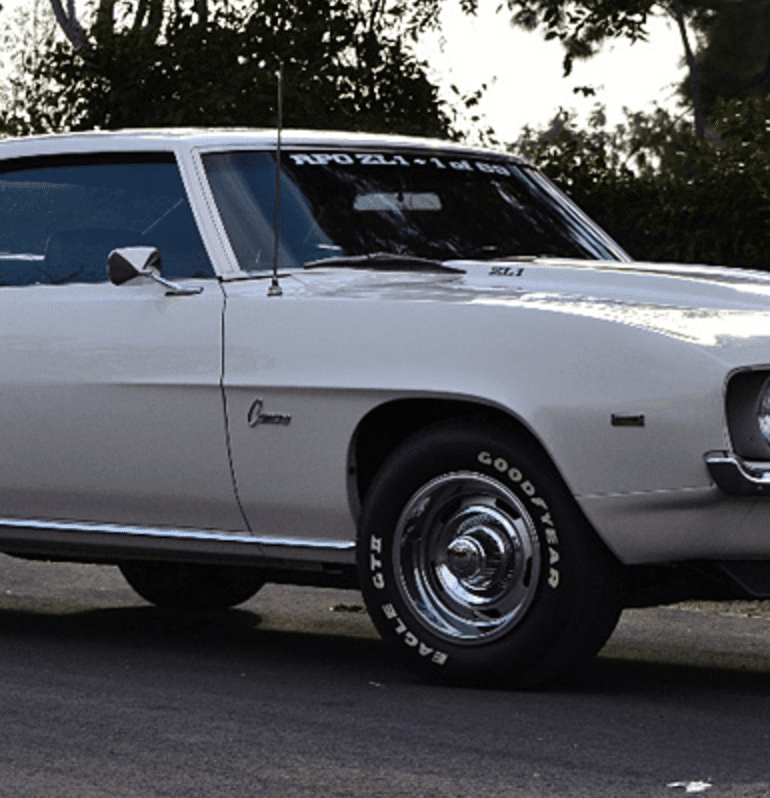
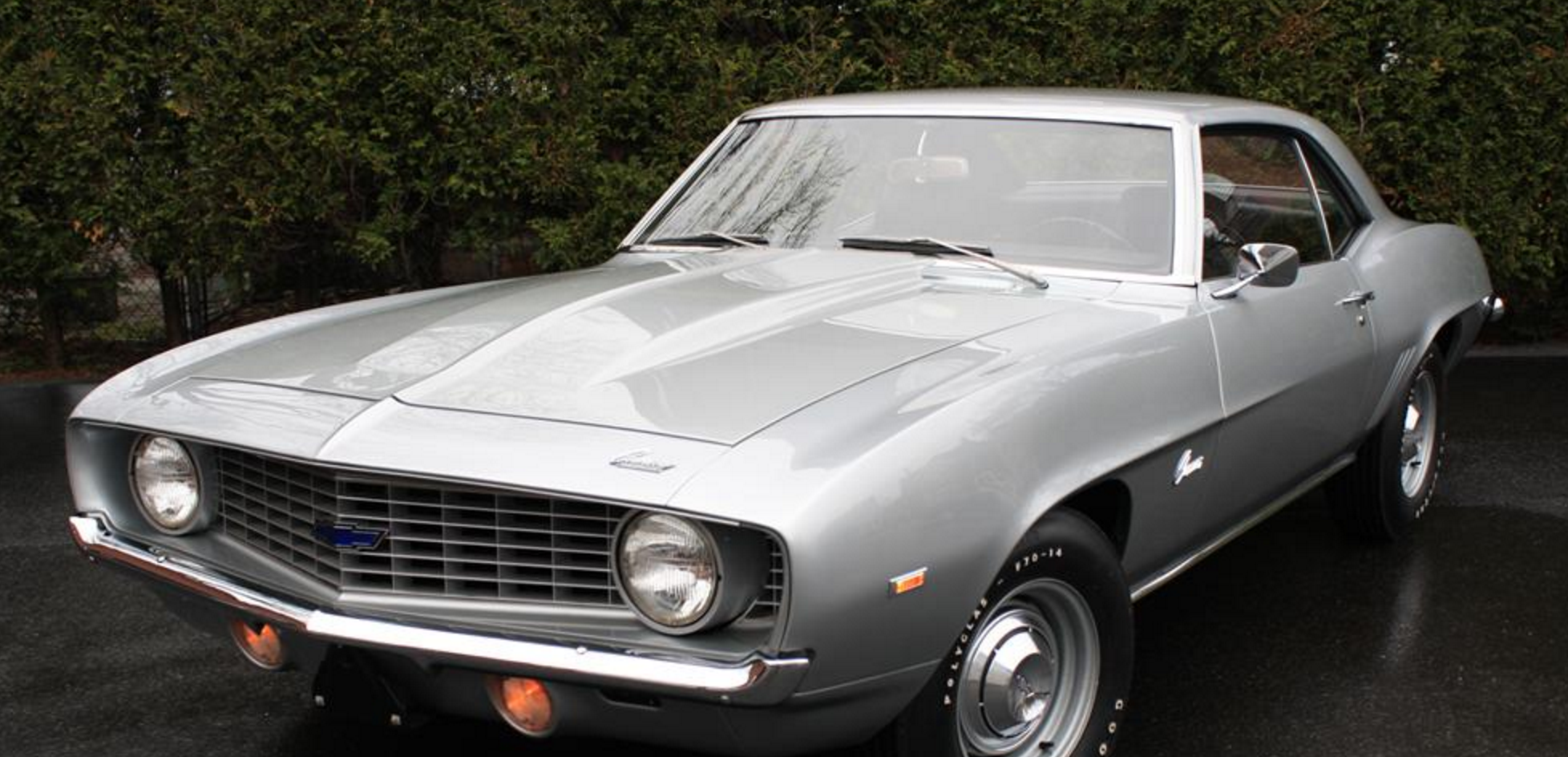
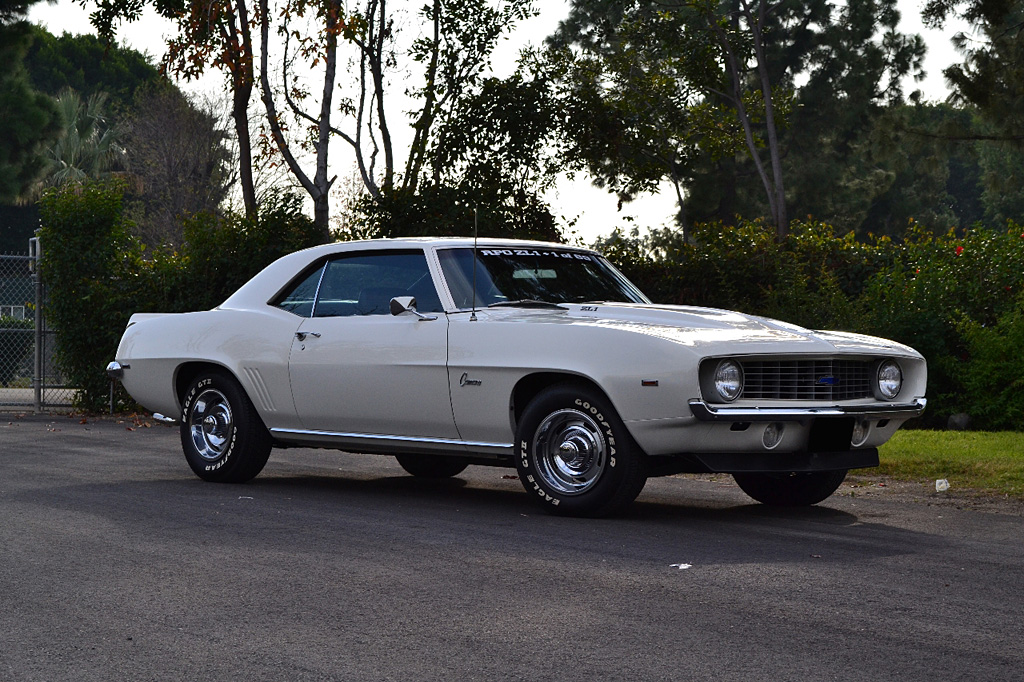
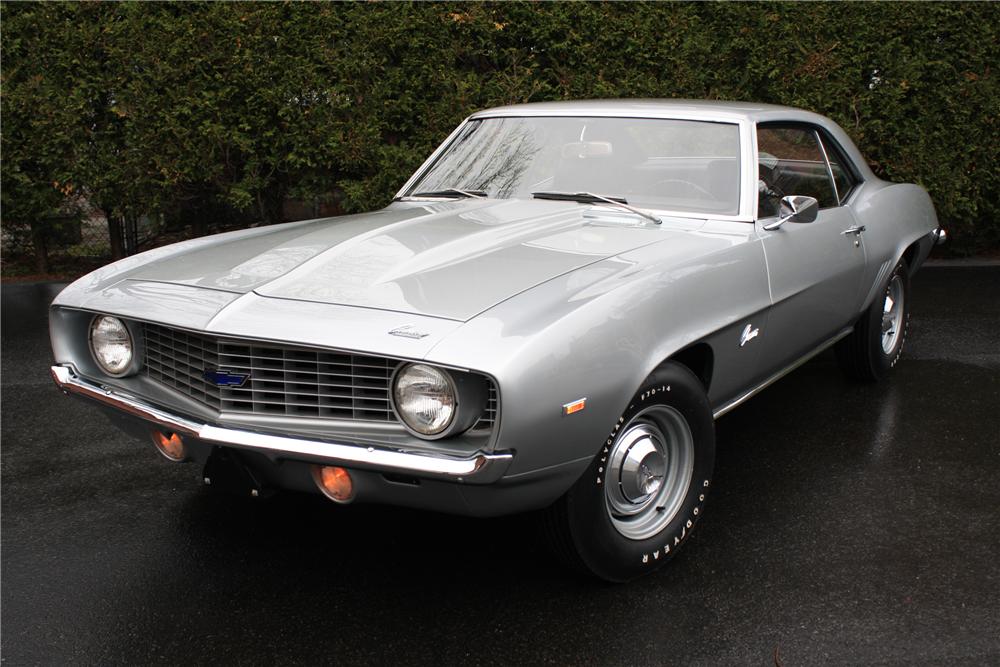
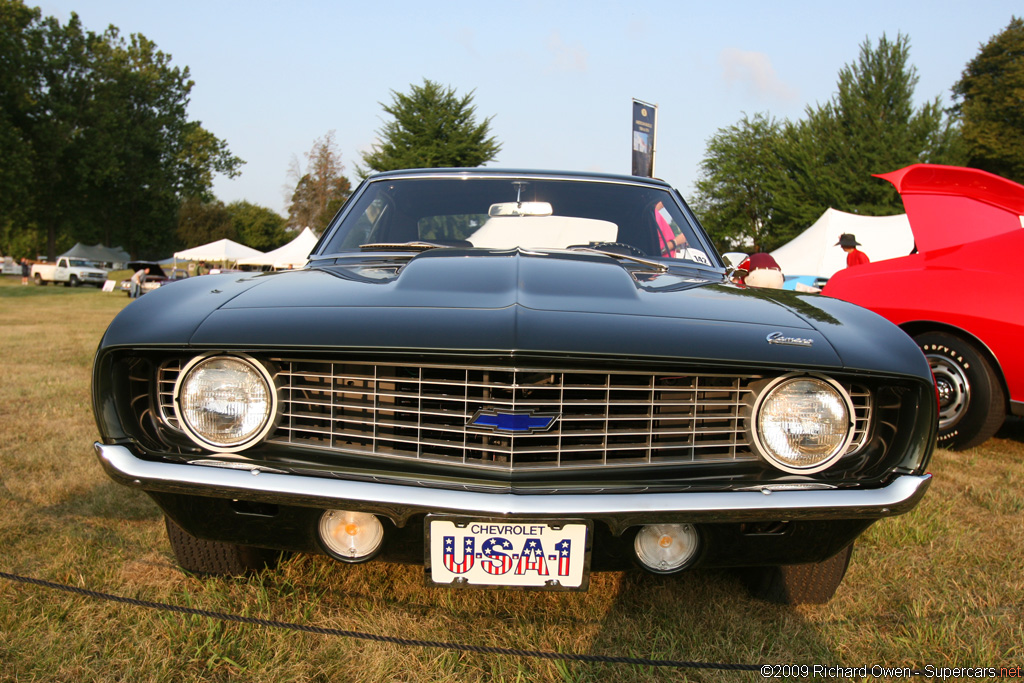
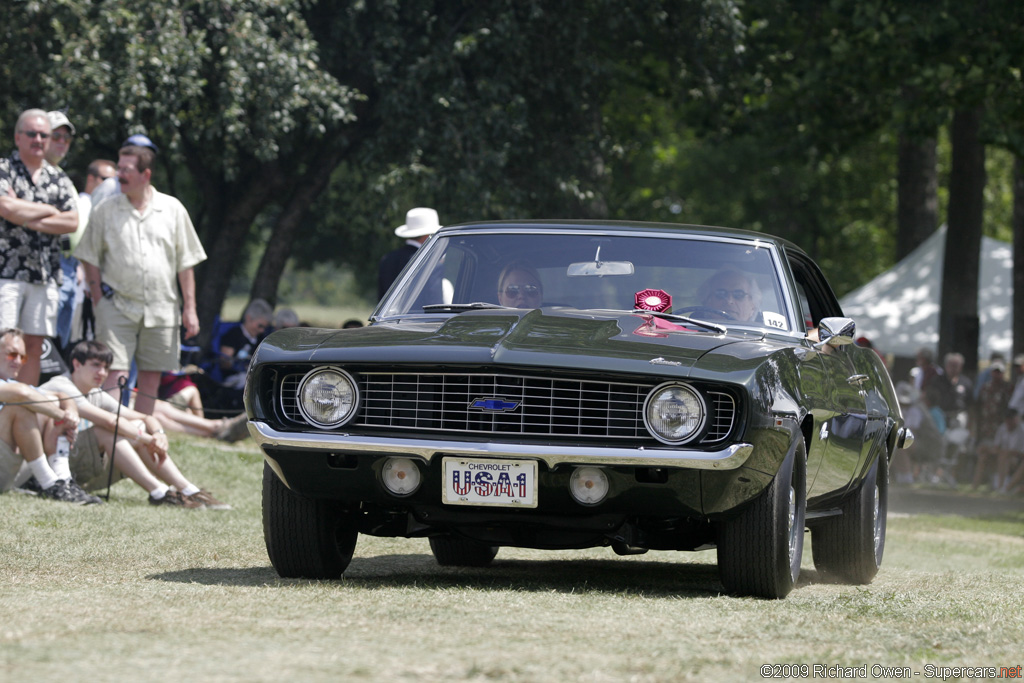
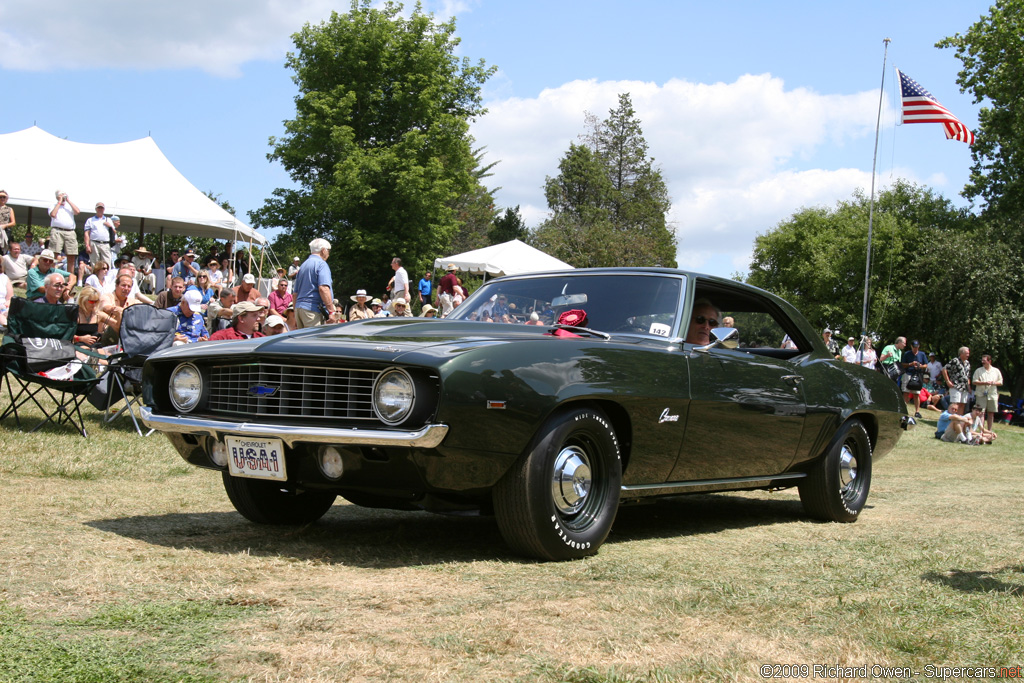
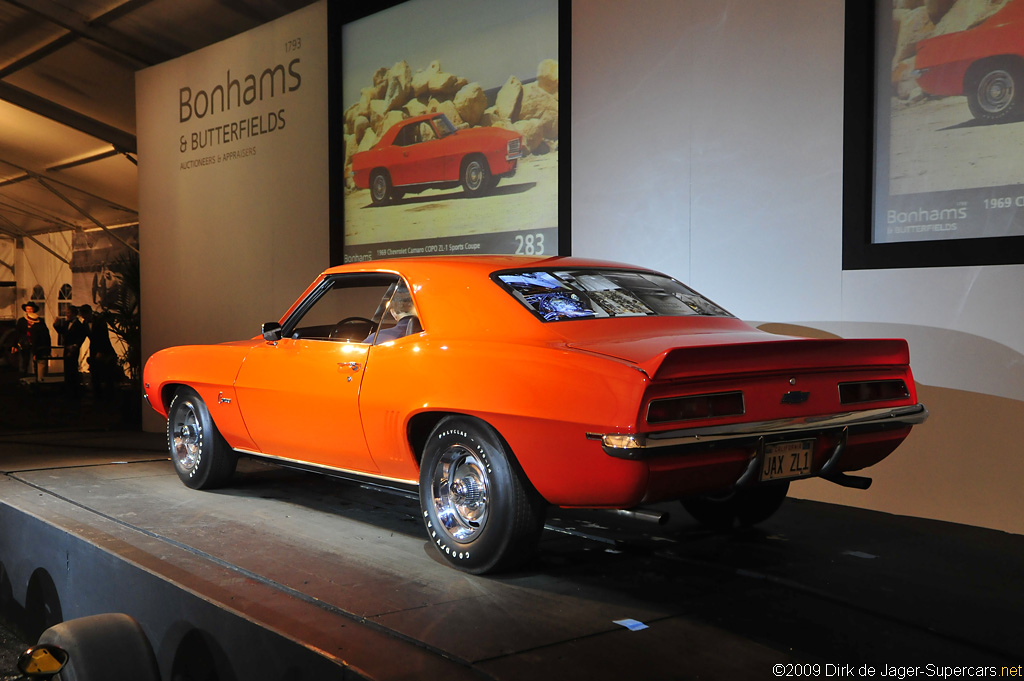
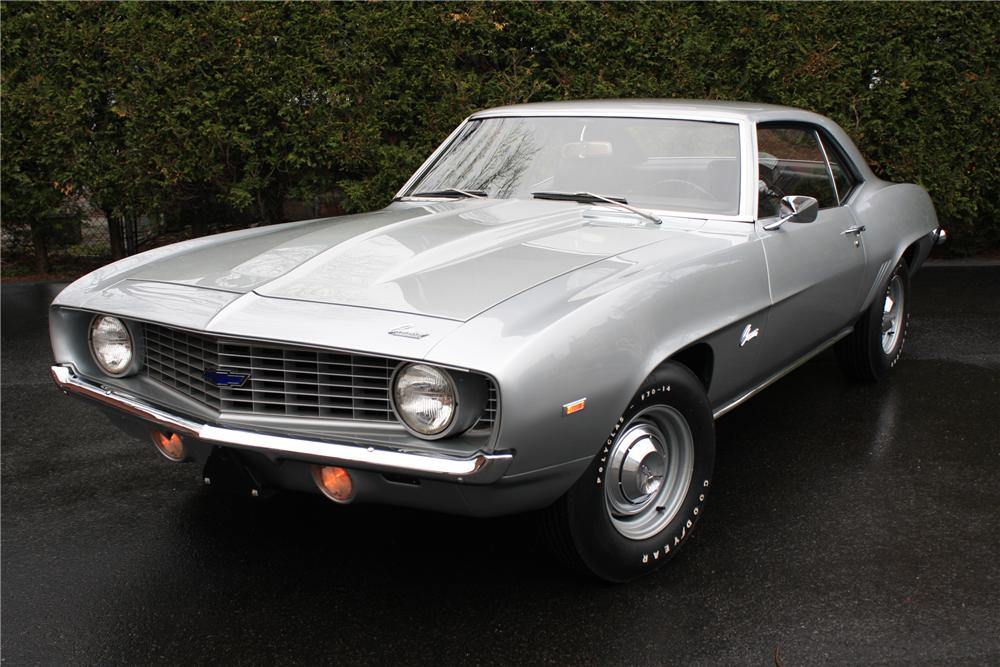
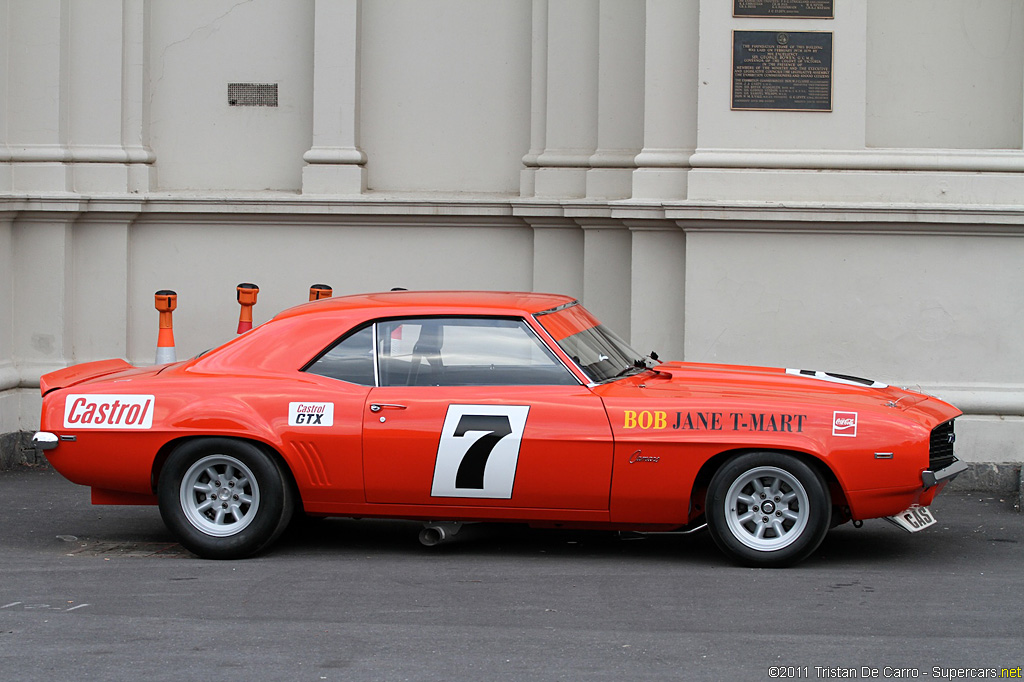
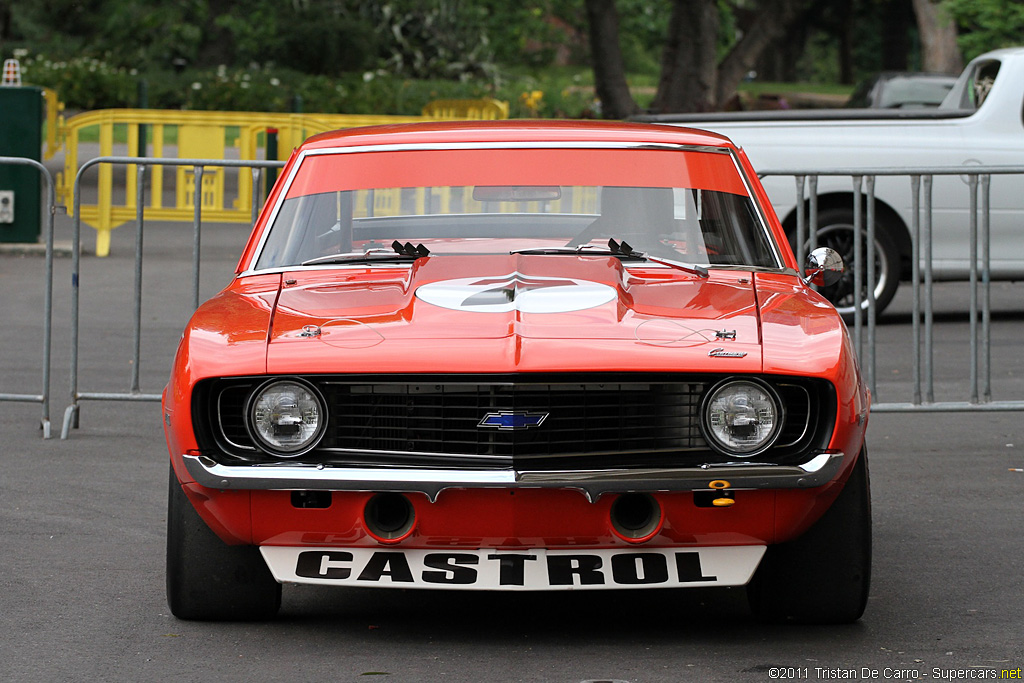
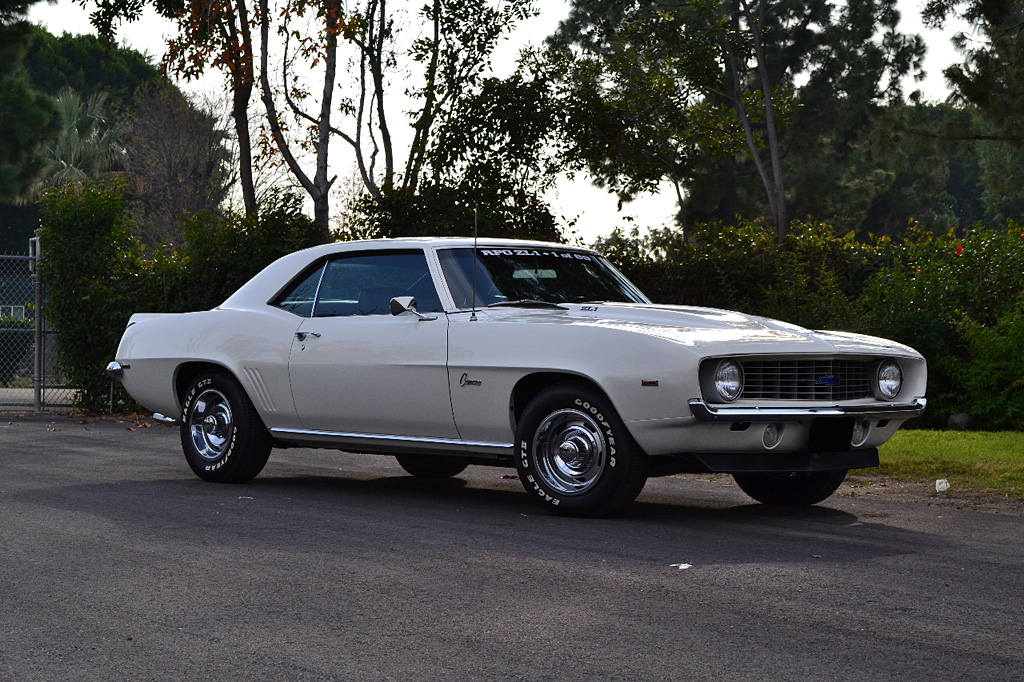
1969 Chevrolet Camaro ZL1 COPO 9560
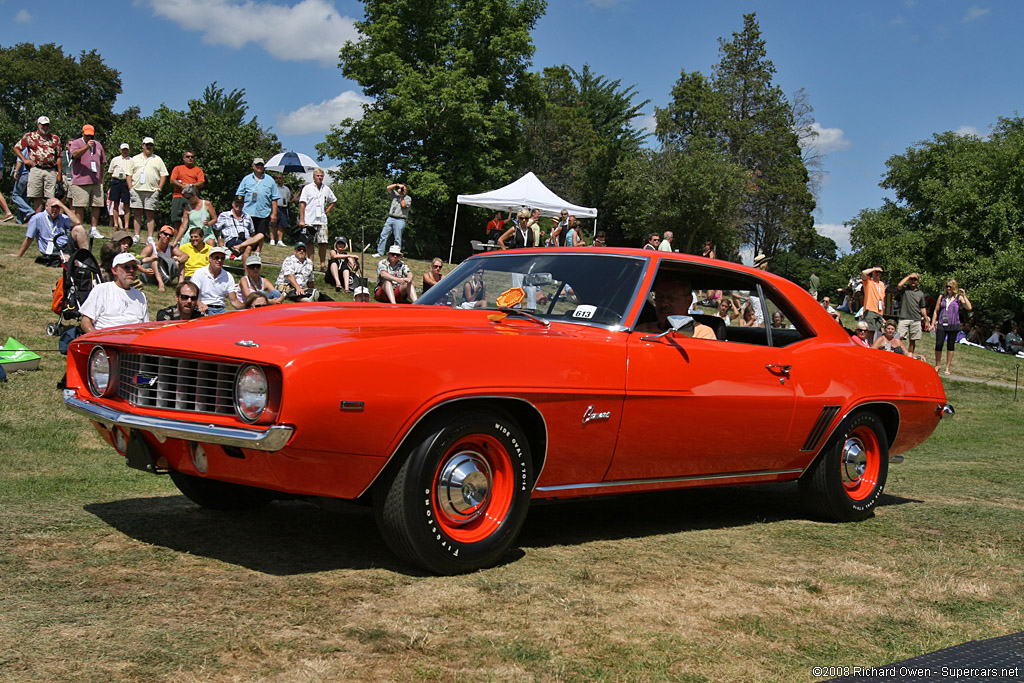
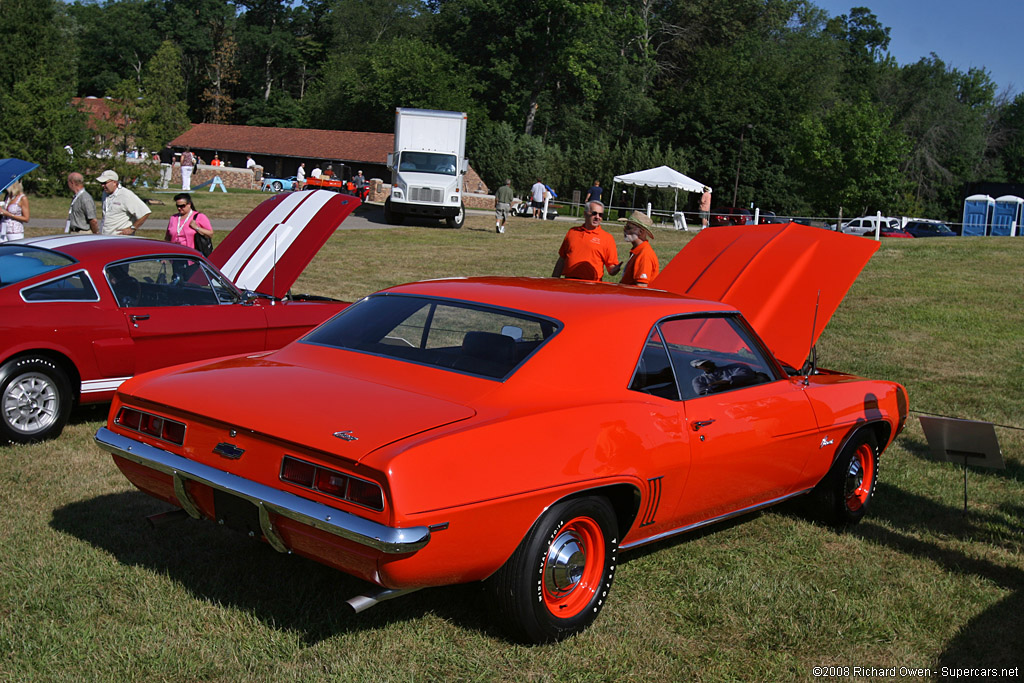
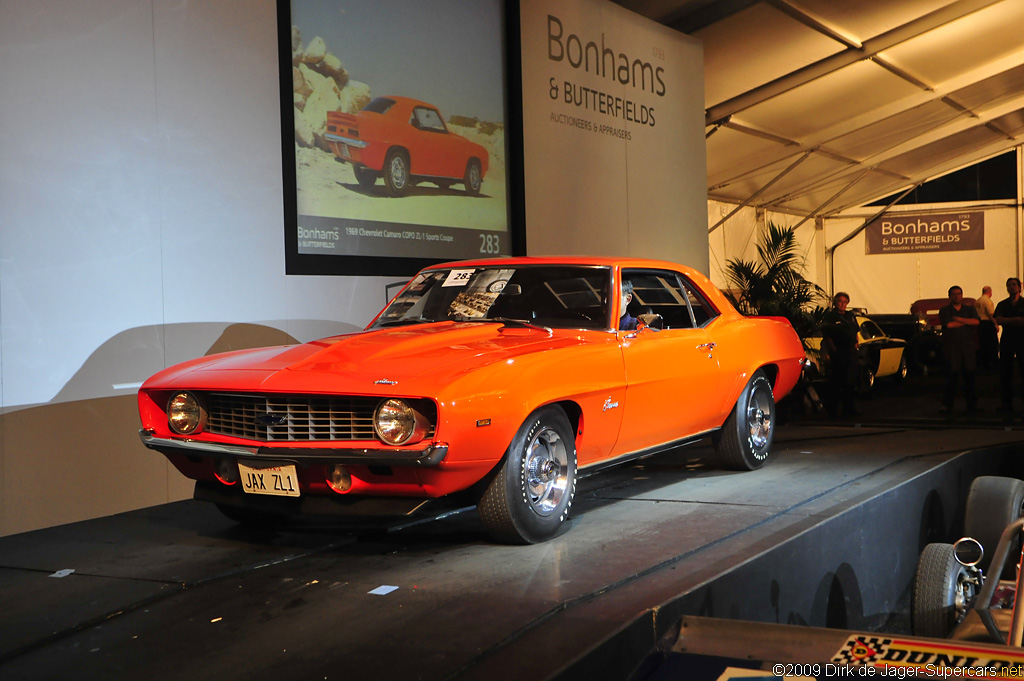
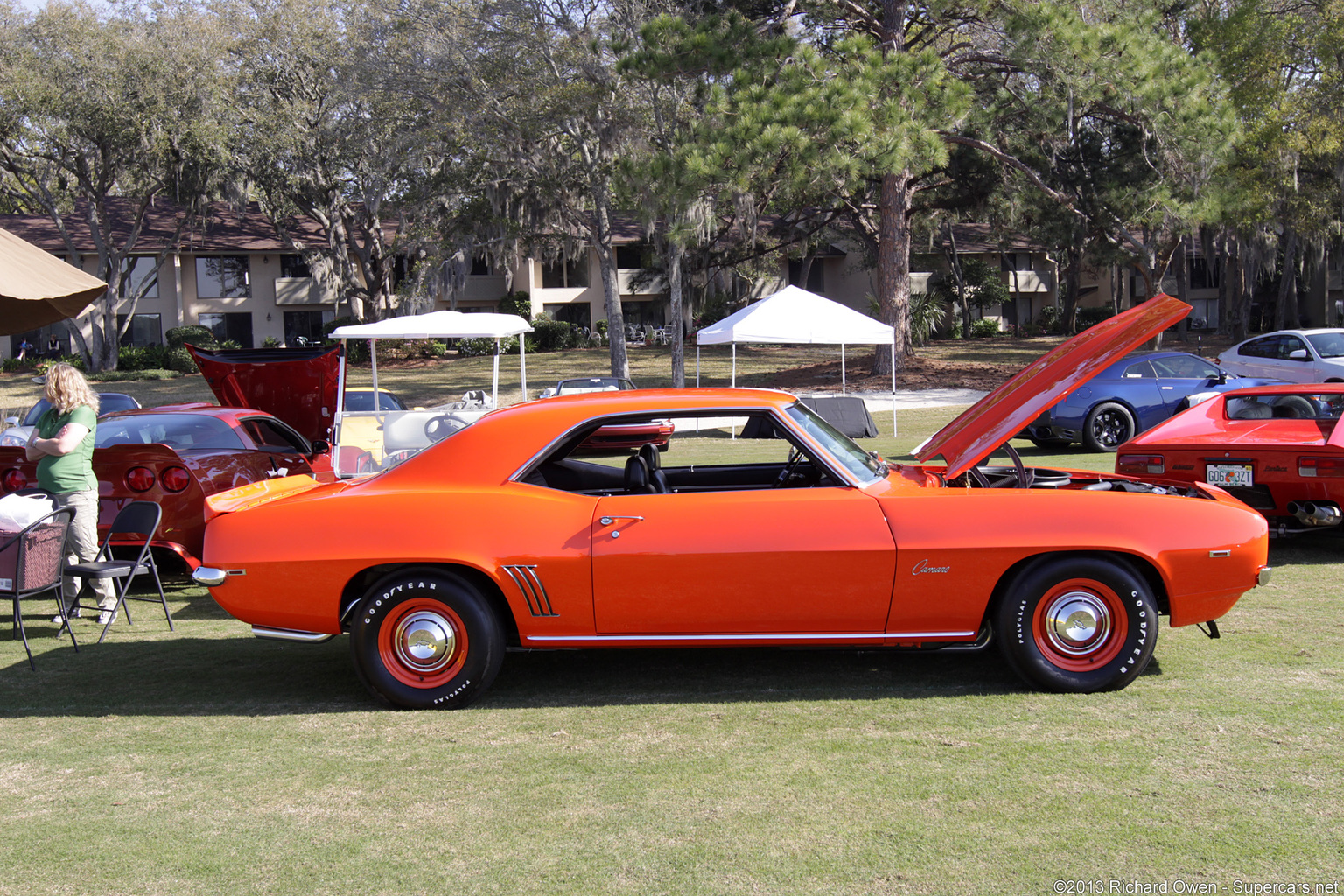
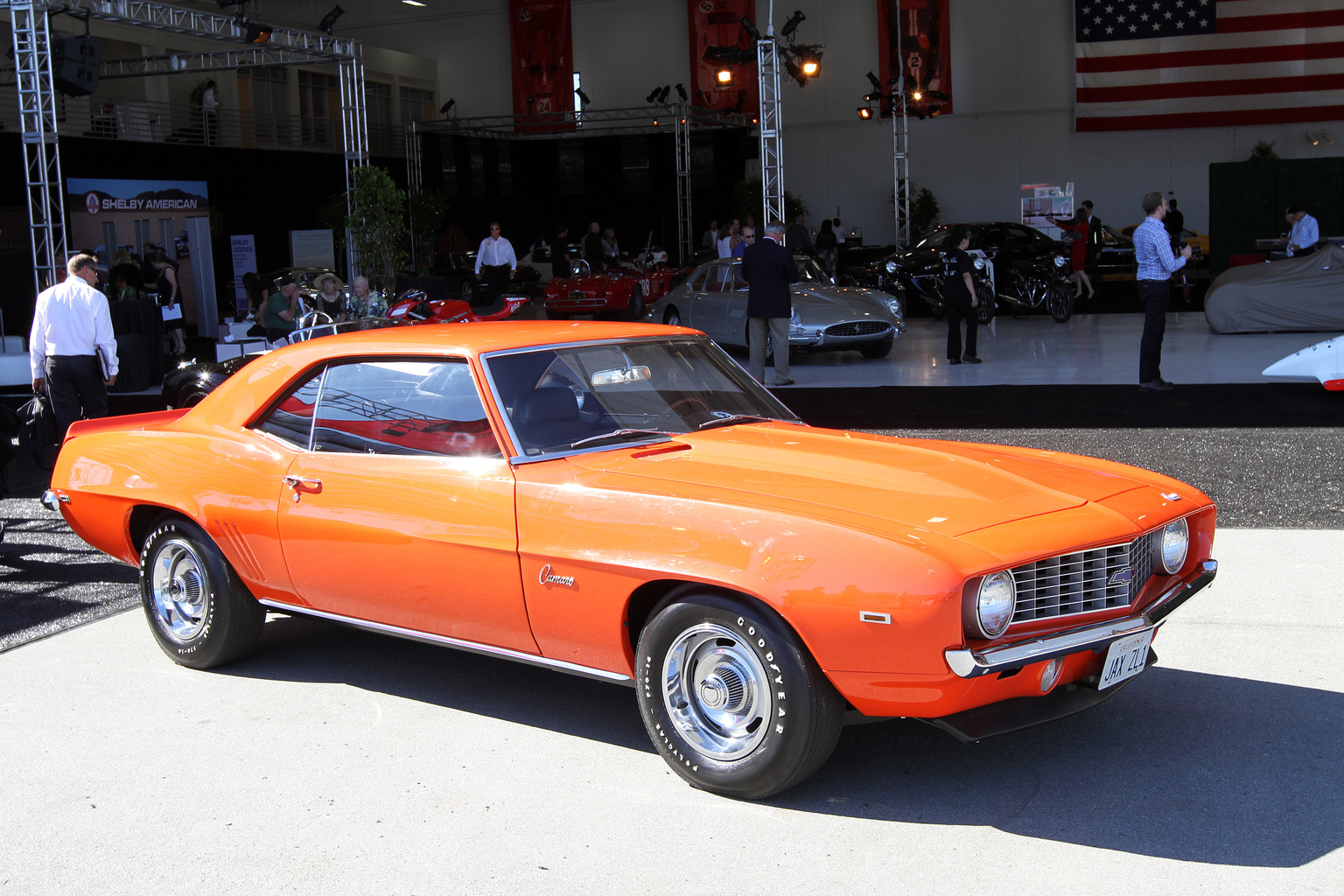
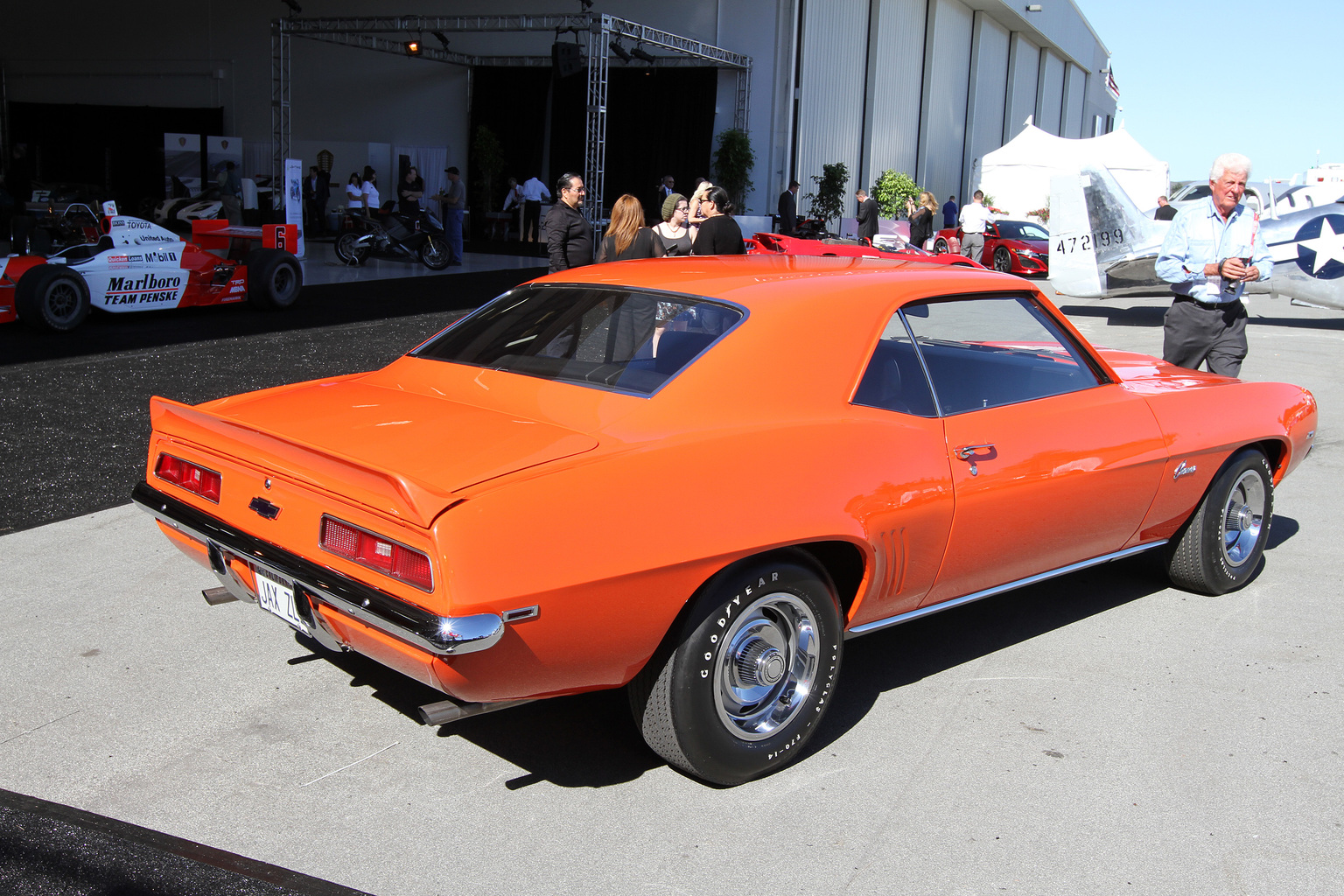
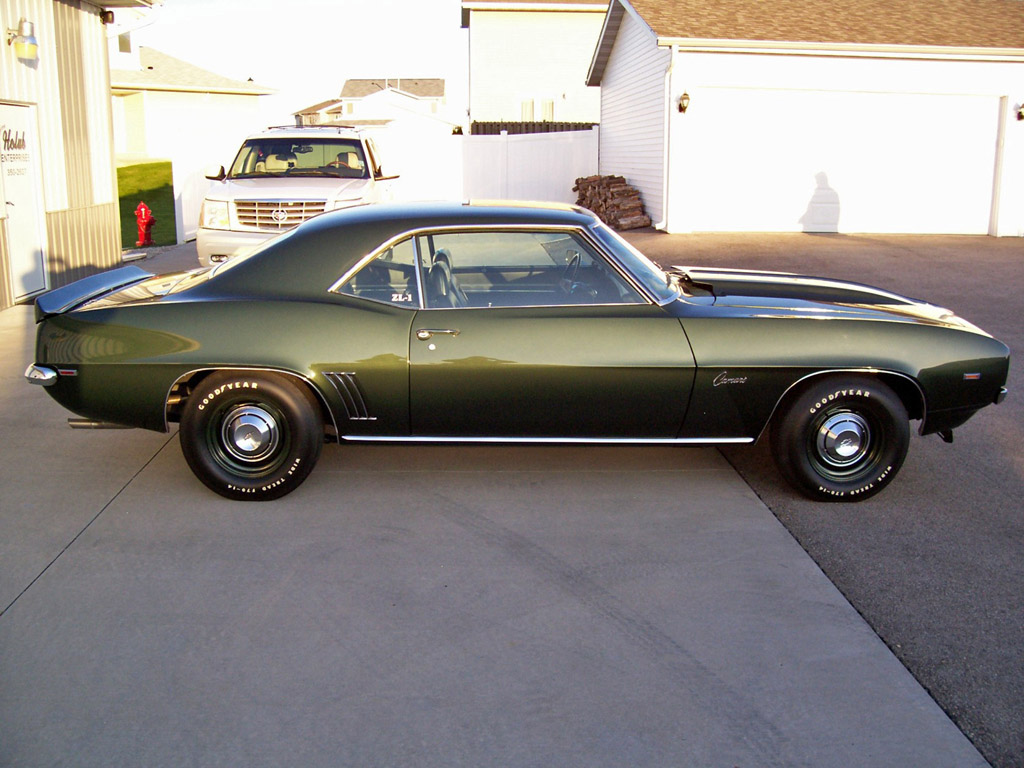
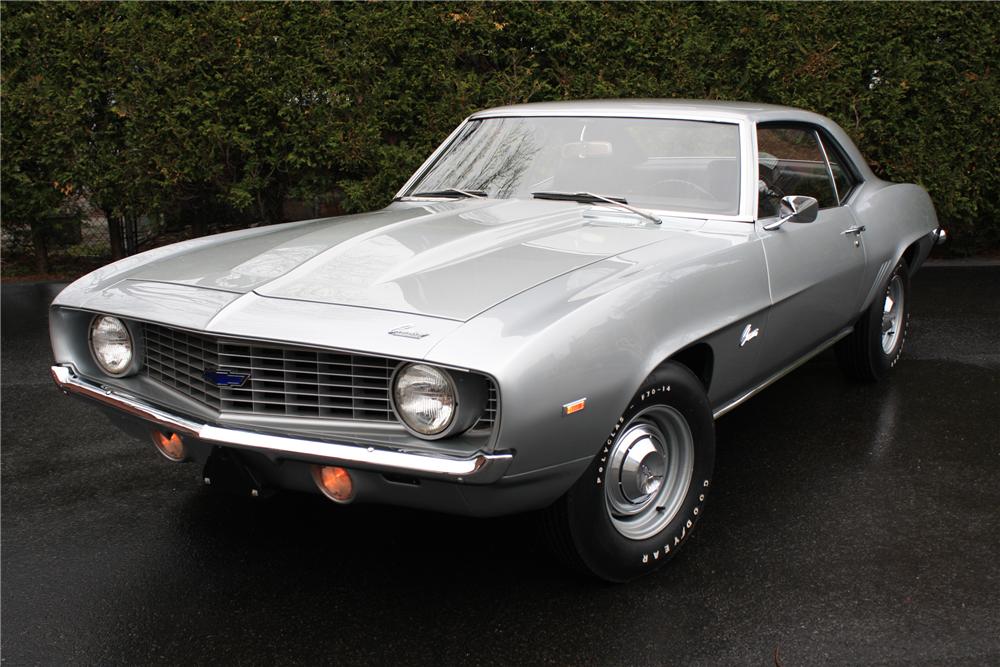
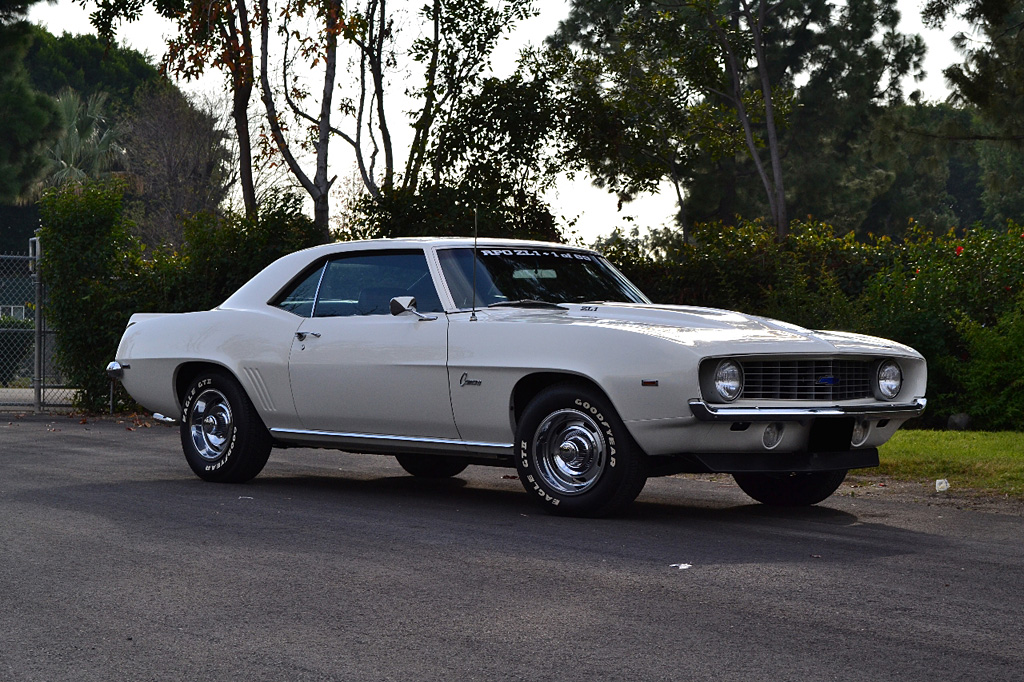
In 1969, Chevrolet offered a wide range of engines for both the Camaro and the mightiest of these was the aluminum block, 427 cubic inch V8 known as the ZL1.When equipped in the small Camaro, it could run circles around most of the Corvettes on the street.
The ZL1 was Central Office Production Order 9560 (COPO) that could be specially ordered for an additional $4,160 over the base price of the Camaro. This internal ‘fleet’ order helped overcome the restrictions GM placed on Chevrolet to only offer engines smaller than 400 cubic inches in the Camaro. Since COPO was really meant for special paint and options on commercial vehicles, the ZL1s were not exempt from warranties and they were 100% street legal.
The ZL1 came at the request of Fred Gibb who wanted a more powerful option for NHRA drag racing. A minimum of 50 cars had to be made to go racing and eventually only 69 were ordered. It was intended only for professional drag racers that could recoup the expensive list price.
Gibb intended to sell the entire production run from his dealership in La Harpe, Illinois. His ‘what wins on Sunday sells on Monday’ ethos struck a chord with Chevrolet’s manager Pete Estes. Offered at a price tag of $7,269, the ZL1 was almost twice the cost of a cast-iron V8. Fred had trouble selling the 50 which were worth over $363,000 combined. Many cars were redistributed through the Chevrolet dealer network and others had their engines removed to try out in different projects.
Only 13 ZL1s were sold directly by Fred’s dealership. Some were further prepared by the dealership and tuned by Dick Harrell. Around 20 cars were prepared for the NHRA Super Stock series, and when tuned right and with slicks could reach low tens in the quarter mile.
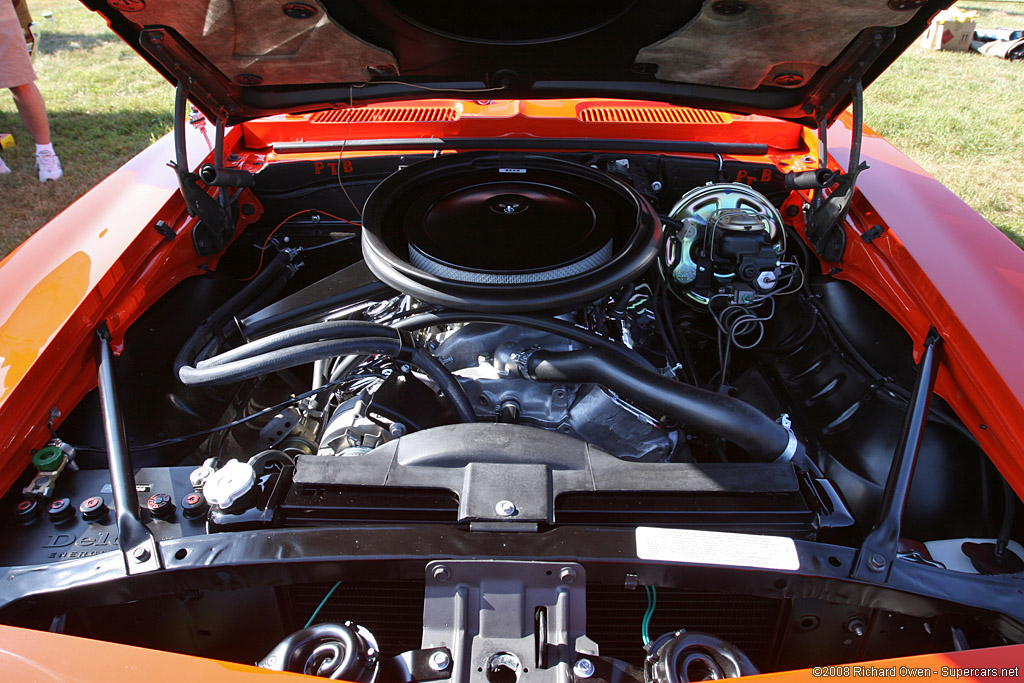
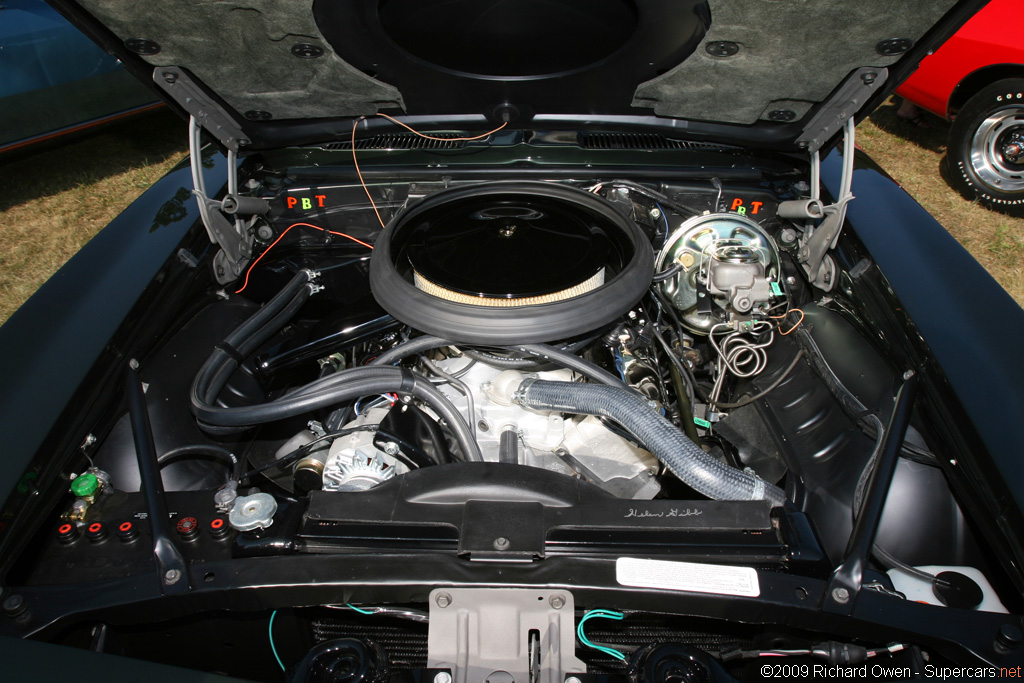
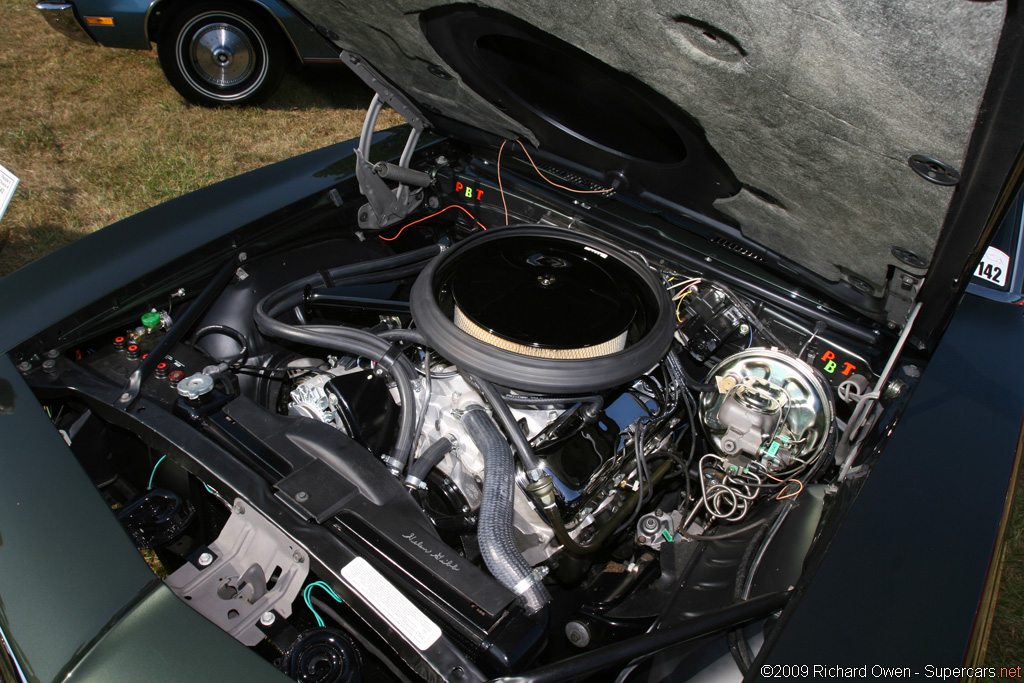
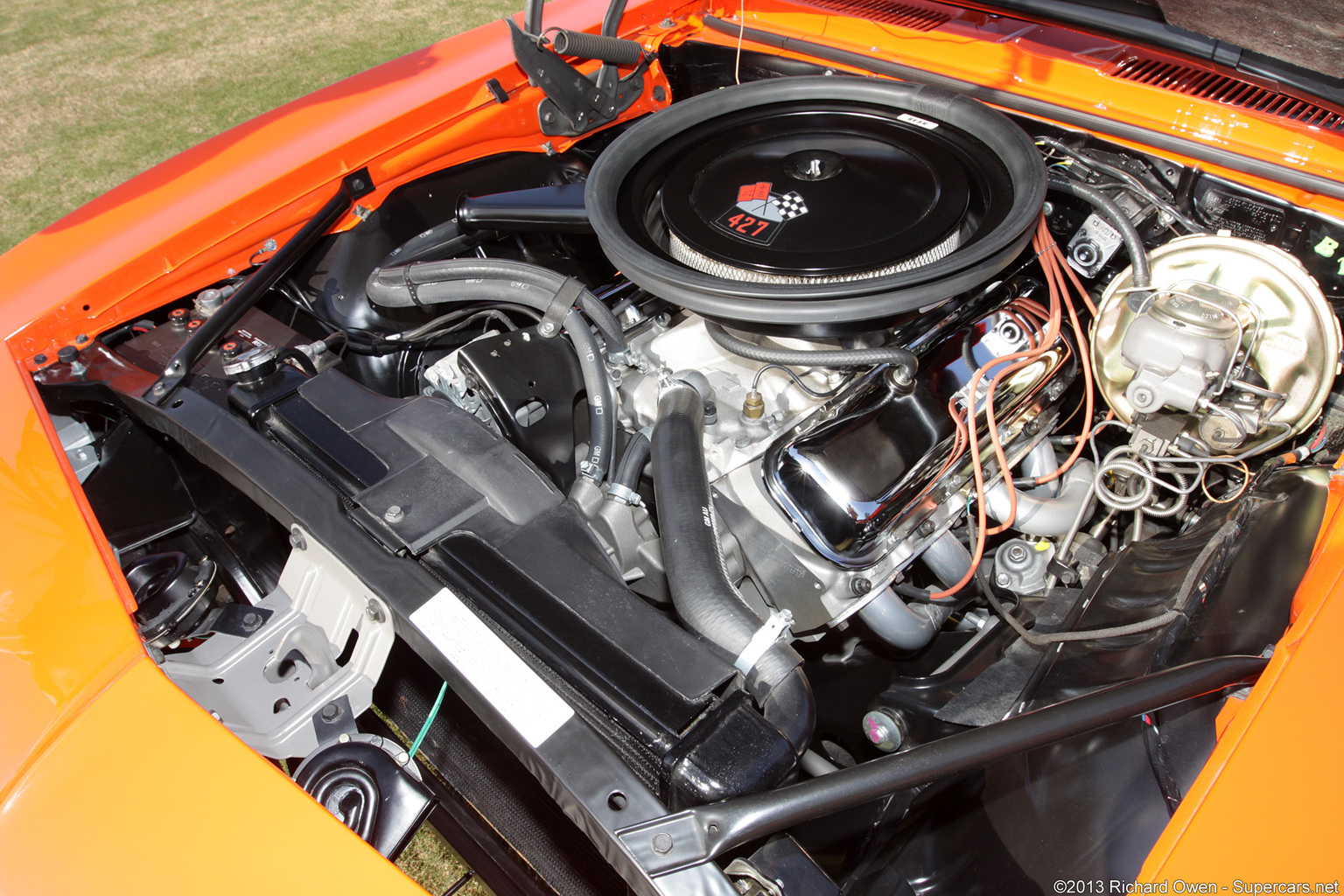
At the center of ZL1 was a fire-breathing V8 originally developed for the Can-Am Chaparral. It used cylinder heads similar to aluminum-head L88 engine, but had an entirely aluminum block with steel liners. Unlike the Can-Am unit, the ZL1 had wet-sump lubrication, K66 transistorized ignition system and accommodations for a mechanical fuel pump. Fed by a single Holley 4-barrel, it was the most powerful engine GM offered to the public and produced around 500 honest horsepower. This was attached to a new positraction differential with larger pinion and axle gears. While 69 of these were included in the Camaro, only a handful came equipped in the Corvette.
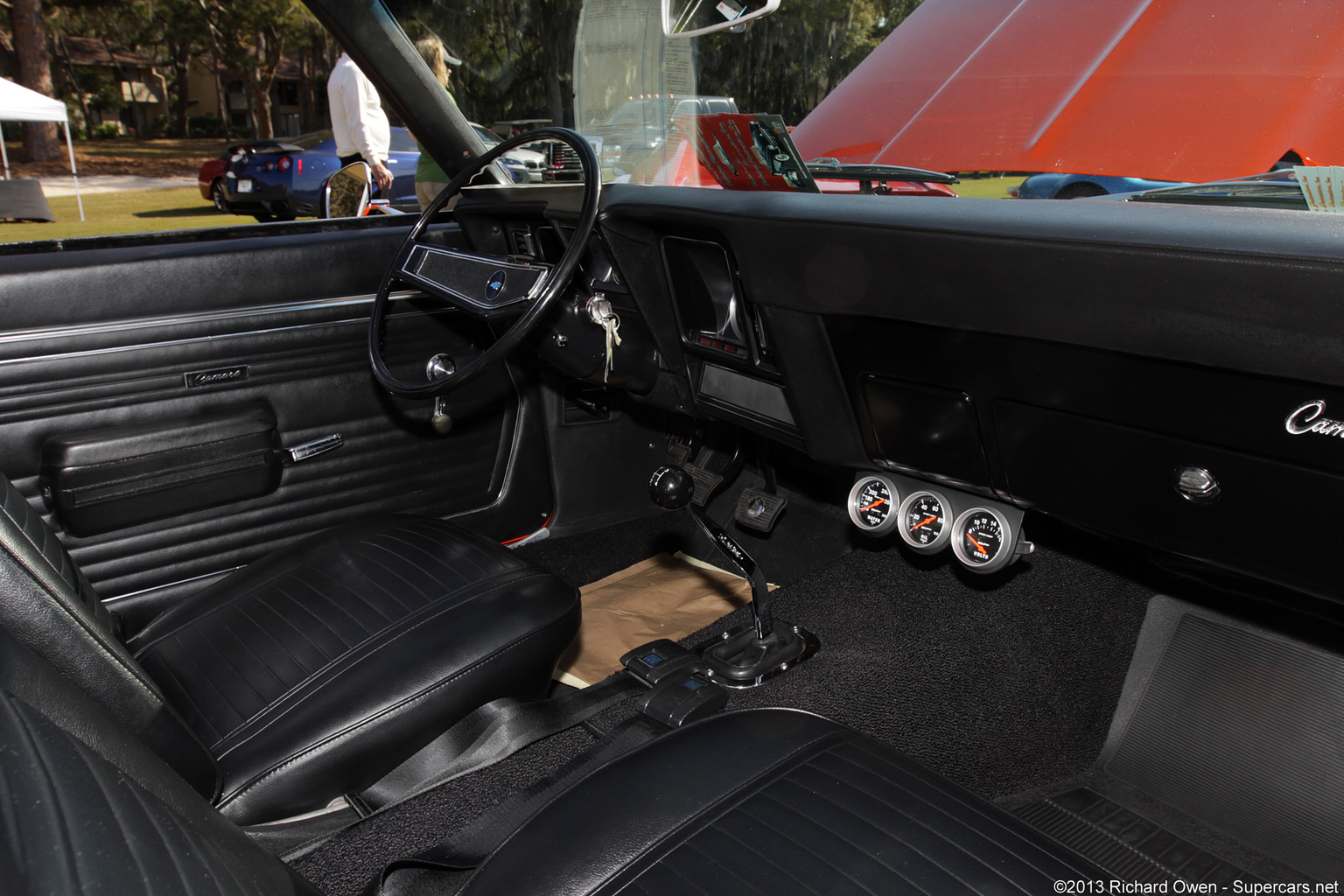
The ZL1 Camaro started as a 396 SS body, but had the F4l suspension, ZL2 cowl-induction hood, heavy duty front springs, heavy duty front brakes and a four-speed sometimes ordered with the M21 close ratios. With the stock tires, the ZL1 could do the ¼ mile in the low 13 second range.
Many of the ZL1 Camaros received hard race lives and were rebodied or modified in drastic ways for racing.
Gallery
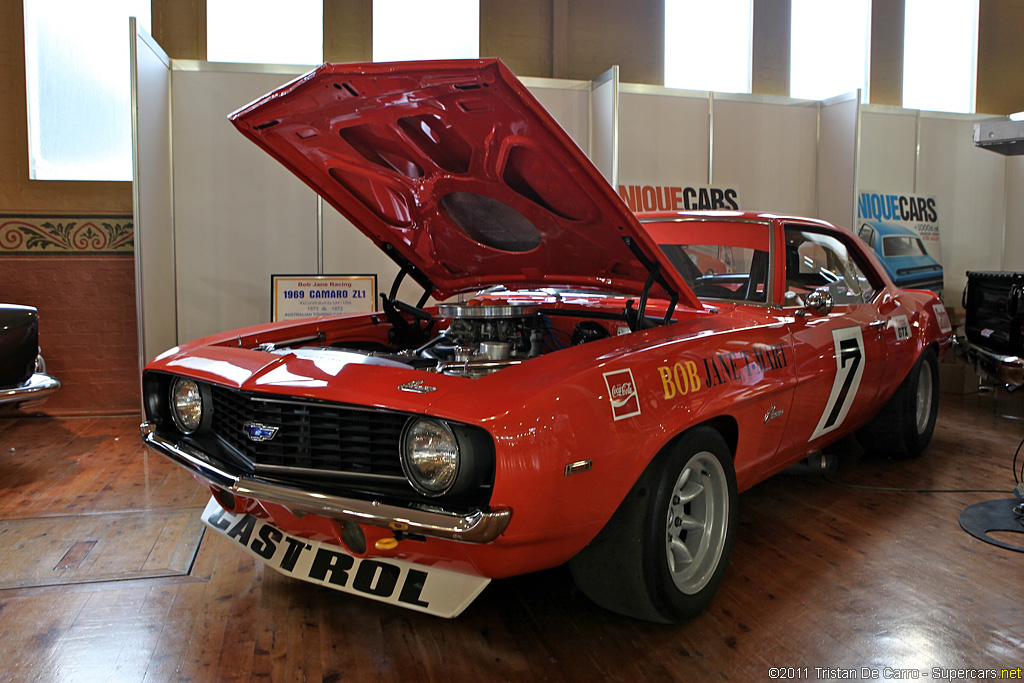
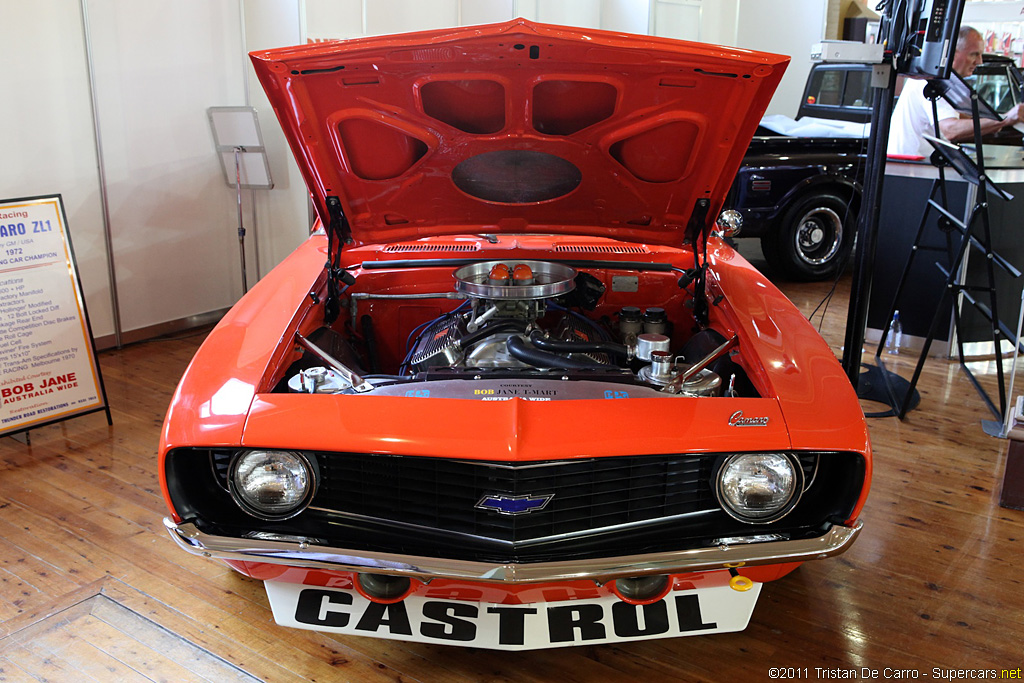
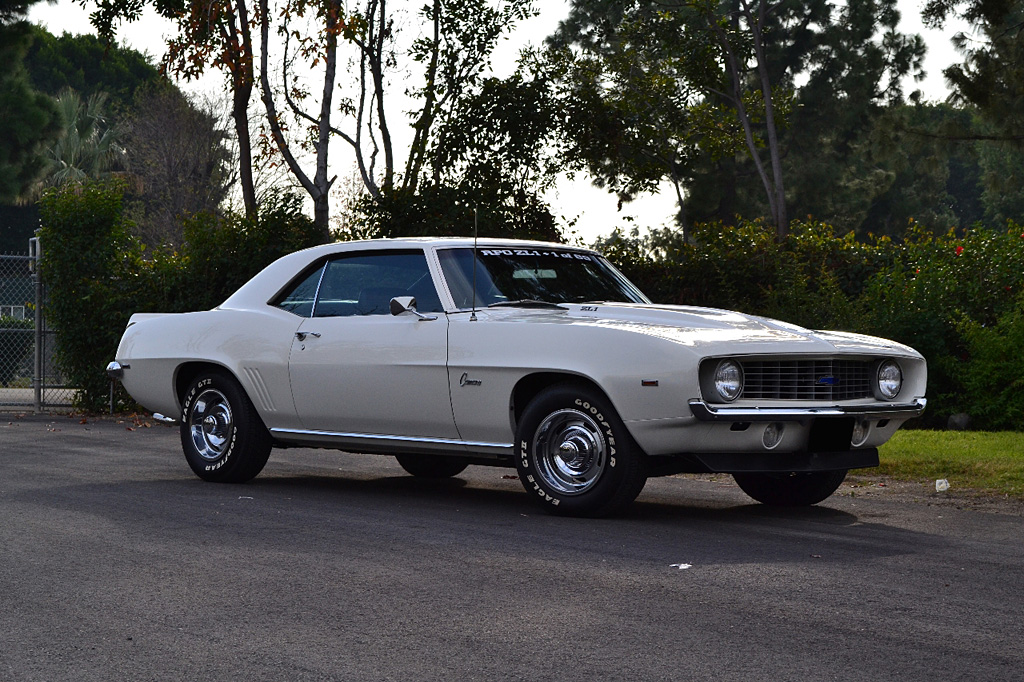
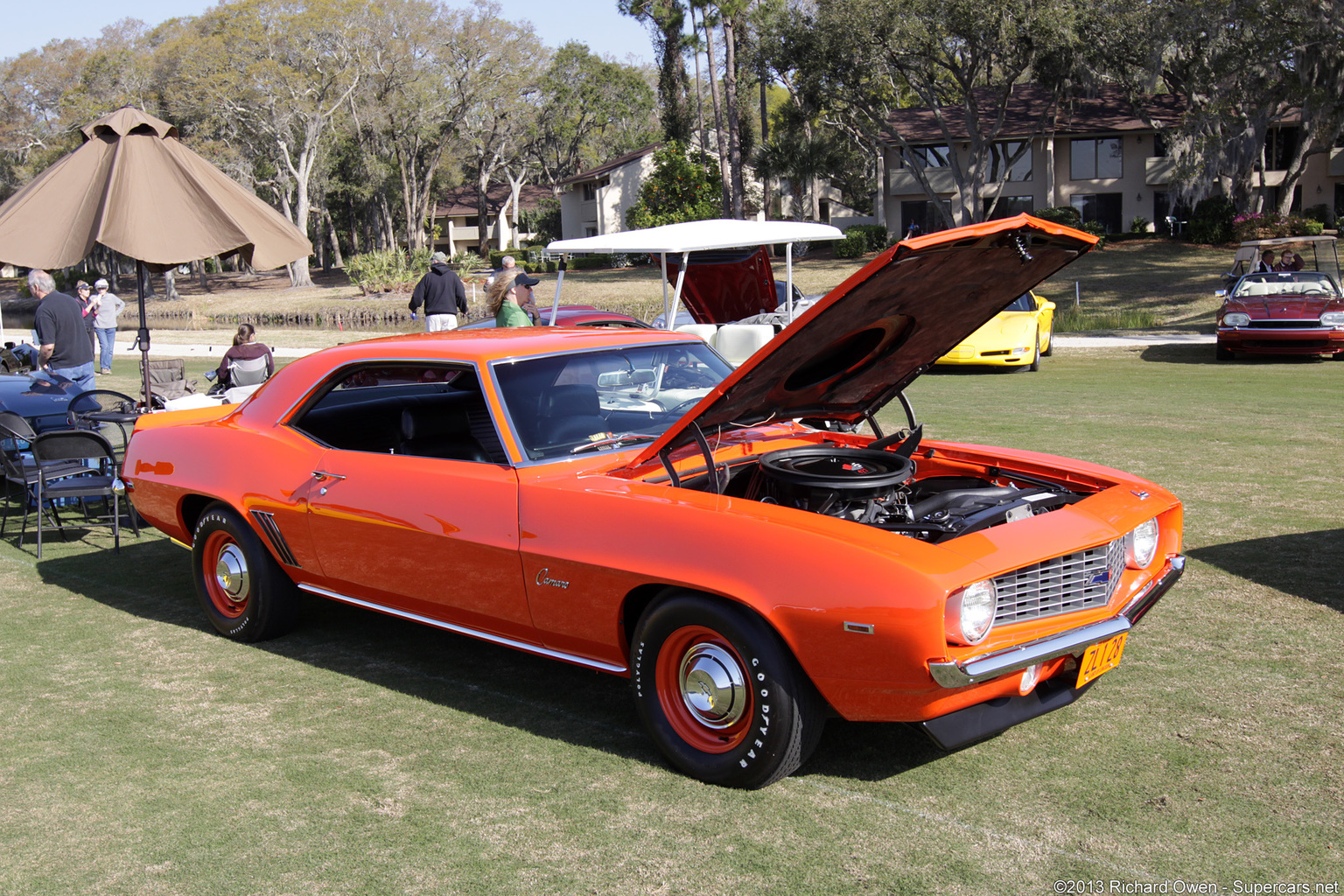
Video
In Detail
| submitted by | anonymous |
| type | Series Production Car |
| built at | USA |
| production | 69 |
| price $ | $ 7,269 |
| engine | V8 |
| position | Front, Longitudinal |
| aspiration | Natural |
| block material | Aluminum |
| valvetrain | Two valves per cylinder |
| fuel feed | 780 cfm Holley 4-Barrel 4346 Carburettor |
| displacement | 6997 cc / 427 in³ |
| bore | 107.9 mm / 4.25 in |
| stroke | 95.5 mm / 3.76 in |
| compression | 12.0:1 |
| power | 372.9 kw / 500 bhp @ 5200 rpm |
| specific output | 71.46 bhp per litre |
| bhp/weight | 333.78 bhp per tonne |
| torque | 610.1 nm / 450 ft lbs @ 4400 rpm |
| body / frame | Unitary Steel |
| driven wheels | RWD |
| wheel type | Steel |
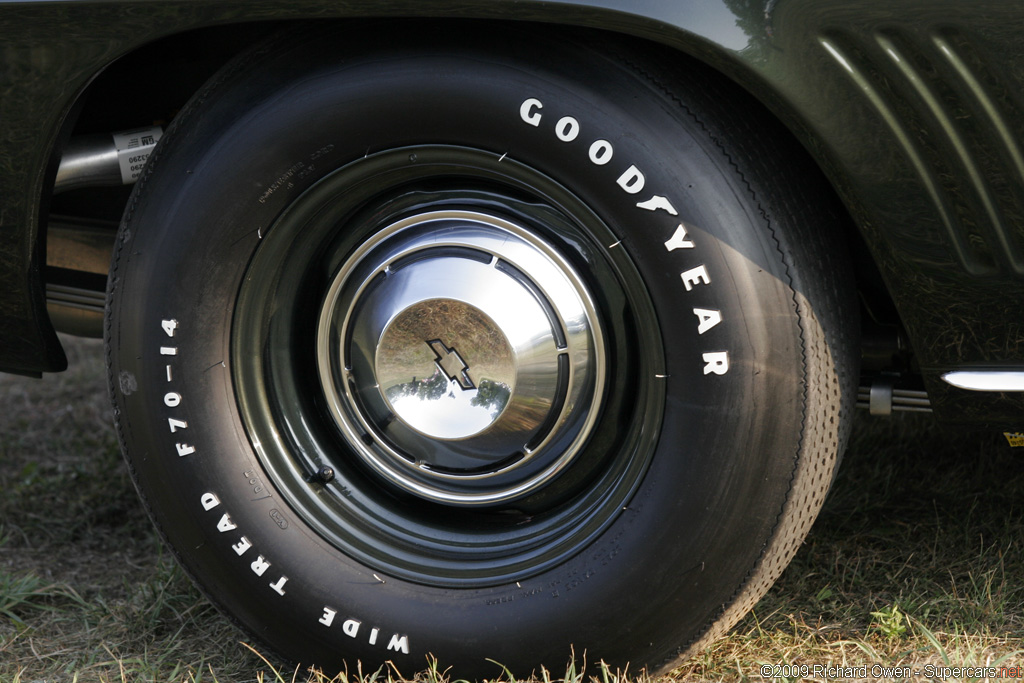
| front tires | F70x14 RWL |
| rear tires | F70x14 RWL |
| front brakes | Discs w/Power Assist |
| steering | Recirculating ball |
| f suspension | Double Wishbones w/Coil Springs |
| r suspension | Live Axle w/Leaf Springs |
| curb weight | 1498 kg / 3300 lbs |
| wheelbase | 2743.2 mm / 108 in |
| front track | 1513.8 mm / 59.6 in |
| rear track | 1511.3 mm / 59.5 in |
| length | 4724.4 mm / 186 in |
| width | 1879.6 mm / 74 in |
| height | 1295.4 mm / 51 in |
| transmission | Muncie 4-Speed Manual |
| tran clutch | 10.34 inch Clutch |
| top speed | ~201.13 kph / 125 mph |
| 0 – 60 mph | ~5.3 seconds |
| 0 – 1/4 mile | ~13.16 seconds |
Auction Sales History
1969 Chevrolet Camaro ZL1 COPO 9560 – sold for $451,000 An outstanding example of one of the original COPO ZL1 aluminum block 427 Camaros, this particular car is #9 of the total production run of 69 cars produced. This car is very well documented from its original delivery to Fred Gibb Chevrolet of LaHarpe, Illinois, the dealer that spearheaded the original concept of an all-aluminum motor ZL1 Camaro.Included with this car is an amazing collection of historical documentation including the Dealers Shippers copy of the original window sticker, the customer copy of the original bill of sale, a copy of the Chevrolet MSO and much more. Having been through a very expensive, cost-no-object restoration, this particular ZL1 Camaro is “one of the finest in existence”, exactly as it states in the accompanying Cuneen report by Ed Cuneen of COPO Connection. Only the highest quality components were used in this restoration with a strong emphasis on New Old Stock pieces instead of more readily available reproduction items. A GM factory assembled body shell was used to correct the extensive body modifications performed during this cars long term drag race history. Look beyond the show-quality paint, beautifully-fitted body and flawless-trim to see one of the most top notch Camaro restorations in the world. The workmanship employed to complete this car is the best you will find and the direction to recapture assembly line correct details is evident throughout the entire car, in particular with engine compartment and chassis assemblies. The Cuneen Report that is included with this car features extensive photography and a certification of numbered and coded components. While this car has been driven only a few miles since completion, it has been mechanically sorted and performs flawlessly with no issues needing attention. Offered here today by collector George Lyons of Erie, Pennsylvania, this 1969 ZL1 Camaro is stunning, highly documented, correctly restored example from this historic run of just 69 cars. Auction Source: 2012 Barrett-Jackson Scottsdale Auction
1969 ZL1 Camaro #53 of 69, 4-Speed – sold for $305,000 COPO 9560 ZL1 Camaro. #53 of 69 built, plus 2 prototypes. Dover White with standard Black interior. M22 Rock Crusher close ratio transmission. COPO 9560 options, functional cowl hood, HD 4-core radiator with curved neck, transistorized ignition and Hi Performance rear end. Drag raced since 1969. Correct replacement ZL1 block. Period photos. ET time slips from drag strip. Chambered exhaust system. Runs and drives as well as any new ZL1 Camaro. Formerly from the Floyd Garret Muscle Car Museum. Auction Source: 2011 Mecum Indy Spring Classic