
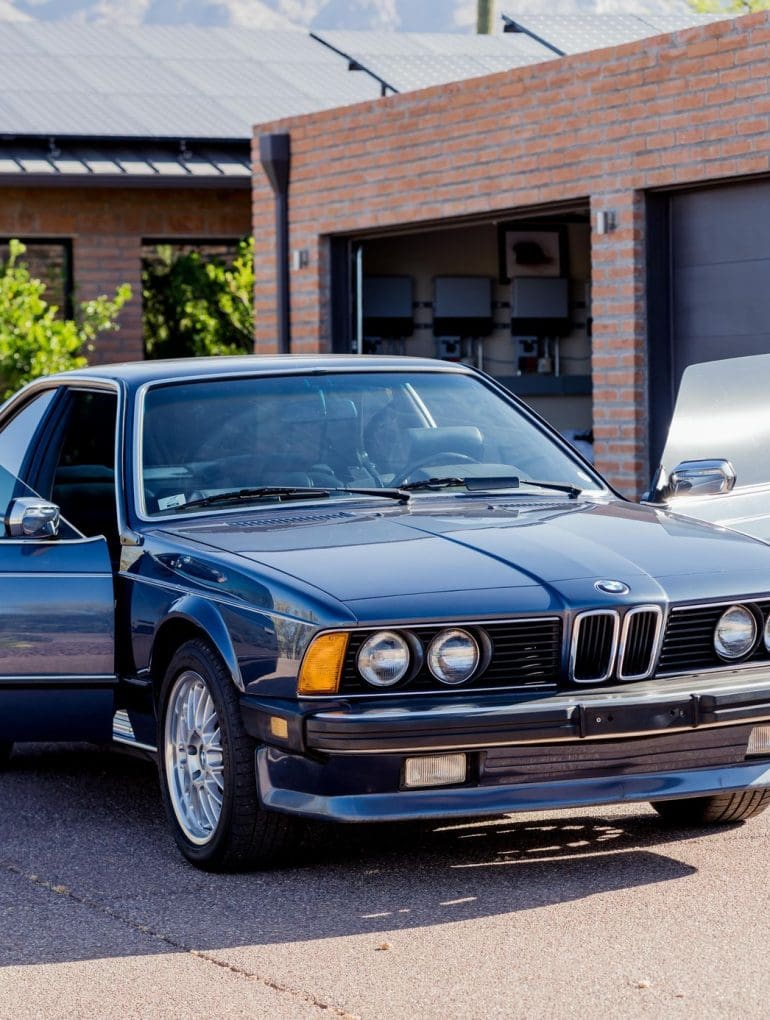

Frankfurt, September 1983. BMW unveiled the M635 CSi, a high-performance variant of the elegant E24 6 Series coupe. The M Division’s first series-production road car combined the sophisticated M88 inline six from the legendary M1 supercar with the refined grand touring comfort of the 6 Series platform. Displacing 3.5 liters and producing 286 horsepower through mechanical fuel injection, the M88 transformed the stately 6 Series into a genuine performance machine. A close-ratio five-speed manual, sport suspension, and subtle aerodynamic enhancements completed the transformation. This was BMW’s answer to Mercedes-Benz’s SEC coupes and Jaguar’s XJ-S, proving that luxury grand tourers could deliver genuine sporting performance. Production ran from 1984 to 1989, with 5,855 examples built.
Background and Origins
The E24 6 Series debuted in 1976 as BMW’s flagship coupe, replacing the aging E9 CS models. Designed by Paul Bracq, the sleek two-door combined elegant proportions with advanced engineering. Throughout the late 1970s, the 6 Series range comprised various inline six models, but none offered the performance enthusiasts craved.
BMW’s Motorsport division had developed the legendary M88 inline six for the mid-engined M1 supercar. When M1 production ended in 1981 after just 456 examples, BMW possessed a sophisticated racing-derived engine with no application. Engineers recognized the M88’s potential in the 6 Series platform.
Development began in 1982 under BMW M Division. The challenge was packaging the M88’s twin-cam architecture and individual throttle bodies within the 6 Series engine bay while maintaining the car’s refined character. The M635 CSi debuted at Frankfurt in September 1983, with European deliveries beginning in early 1984. North American markets received a version badged M6, with catalytic converters and marginally reduced power.
Design and Engineering
The M635 CSi was based on the standard E24 6 Series steel monocoque with a 2,625mm wheelbase, reinforced to handle the M88’s increased power. Front suspension used MacPherson struts with lower A-arms, revised with stiffer springs, uprated Bilstein gas-pressure dampers, and a thicker anti-roll bar. The rear employed a semi-trailing arm arrangement, similarly modified with firmer springs and dampers.
Braking was by ventilated discs measuring 300mm front and 285mm rear with four-piston calipers. ABS became standard from 1985. Power steering was standard, with a quicker ratio than lesser 6 Series variants.
The engine was BMW’s legendary M88/3 inline six, a development of the M1’s racing engine detuned for road use. Displacing 3,453cc with a 93.4mm bore and 84mm stroke, this all-aluminum engine featured dual overhead camshafts, four valves per cylinder, and dry-sump lubrication. Individual throttle bodies fed each cylinder through carefully tuned intake runners, creating distinctive intake roar.
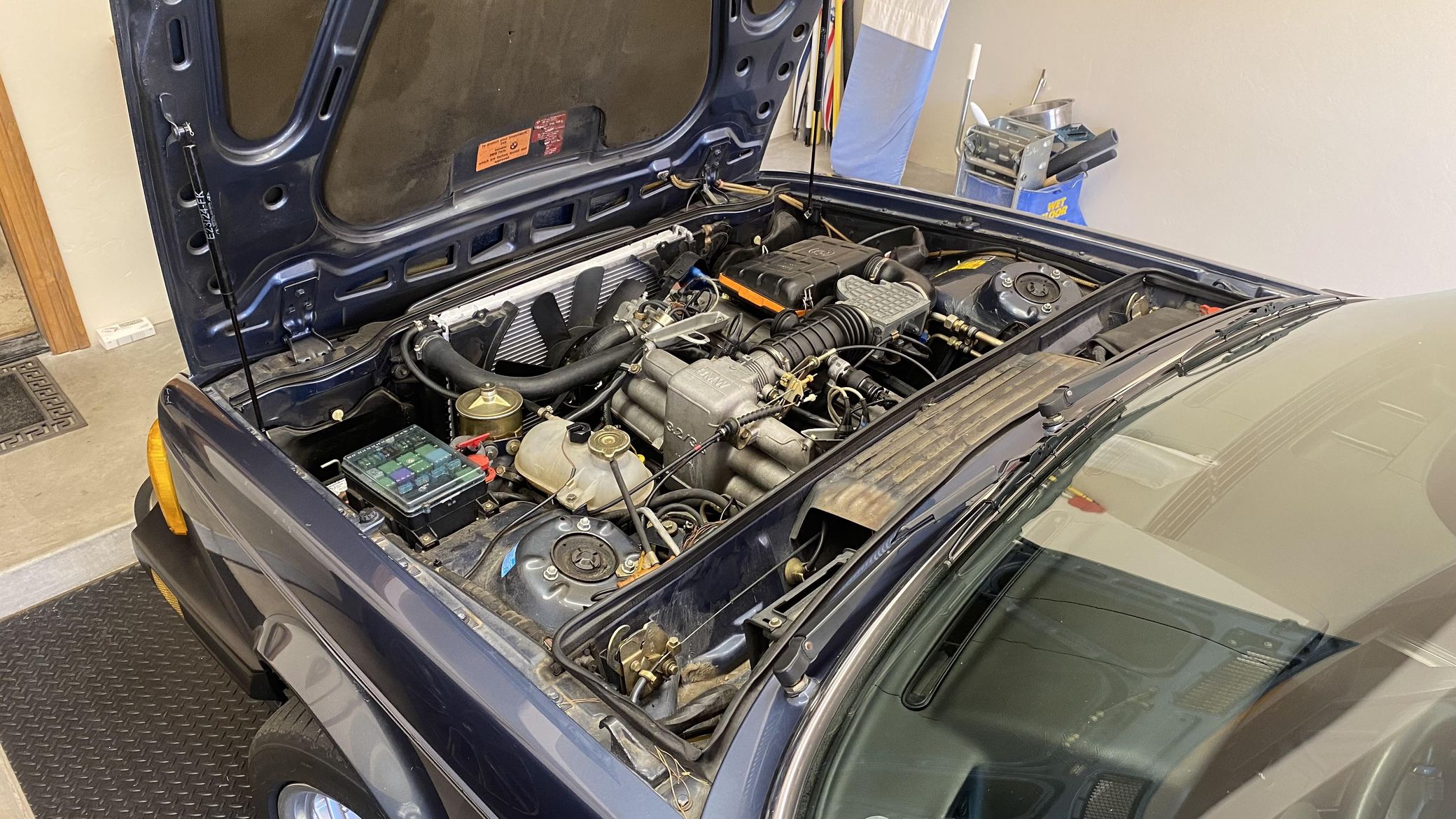
Bosch Motronic engine management controlled ignition and Bosch mechanical fuel injection. With a 10.5:1 compression ratio, output was 286 horsepower at 6,500 rpm and 251 lb-ft at 4,500 rpm in European specification. North American M6 models produced 256 horsepower due to catalytic converters. The redline sat at 6,900 rpm.
Transmission was a Getrag five-speed manual with a close-ratio gearbox and 3.73:1 final drive. The gear ratios were perfectly spaced, allowing the M88 to remain in its powerband during spirited driving. A limited-slip differential aided traction.
Styling
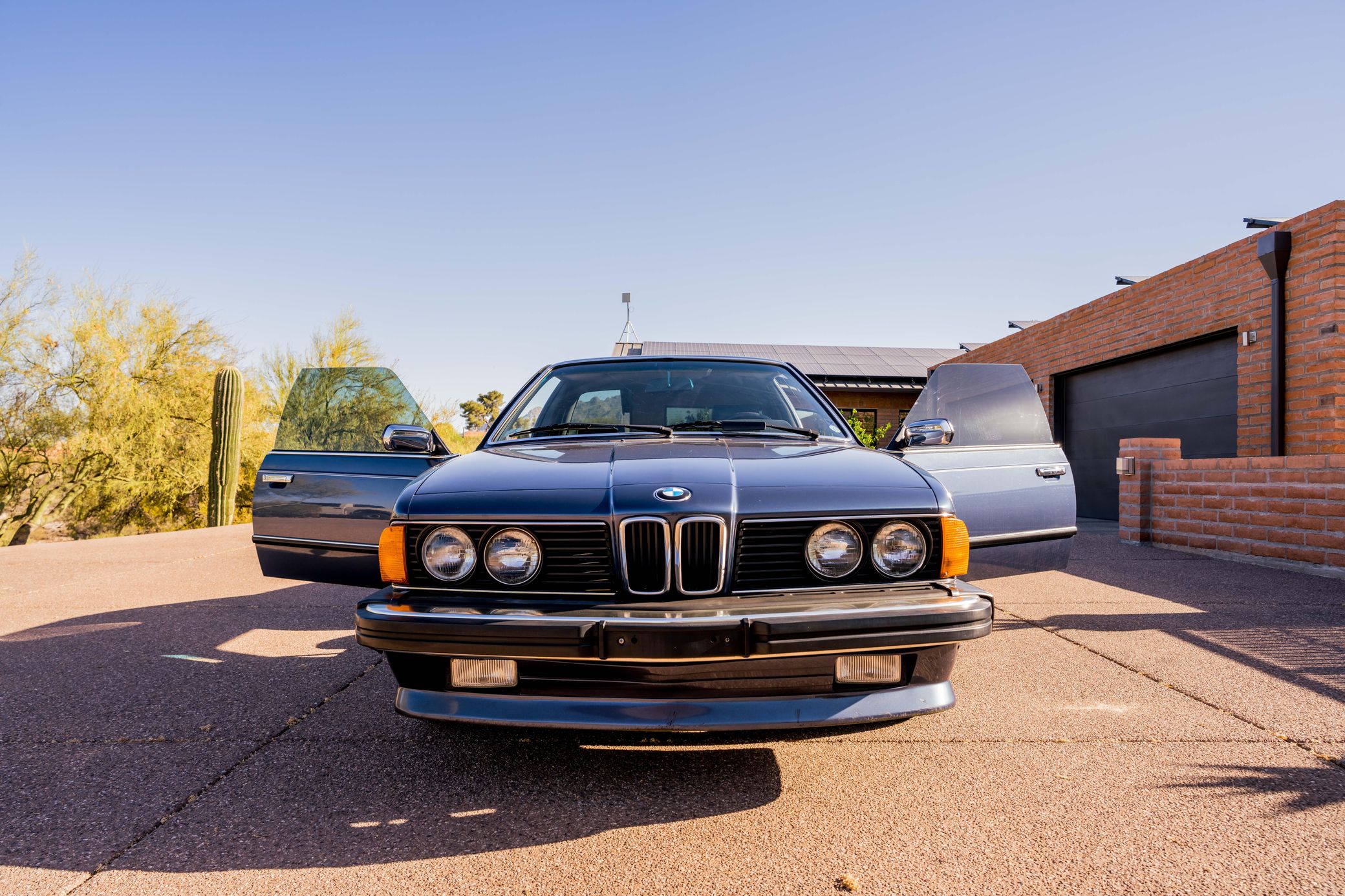
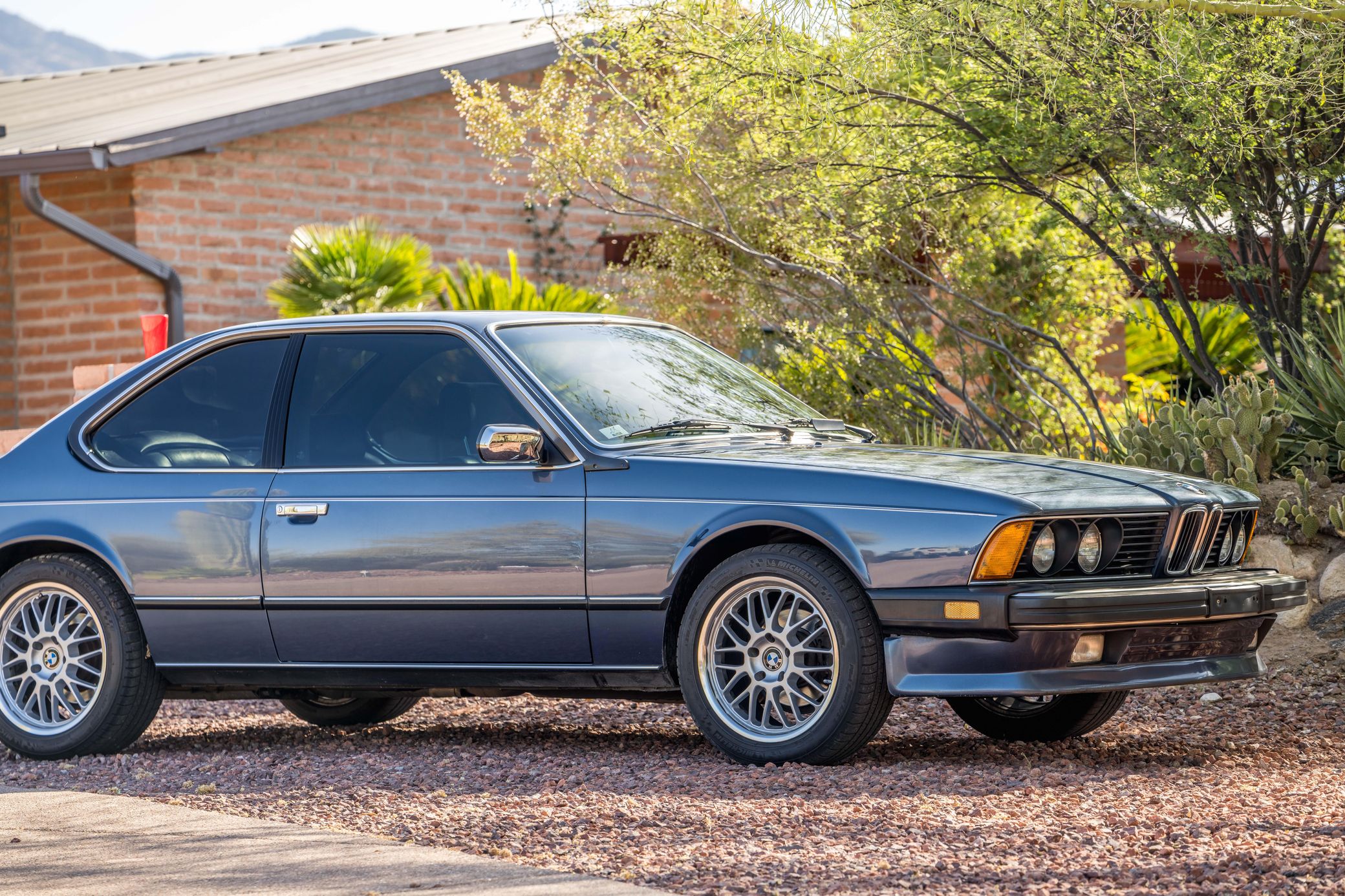
Externally, the M635 CSi was subtly different from standard 6 Series models. The front bumper incorporated a deeper chin spoiler with integrated fog lights. M-Power badges appeared on the front fenders. Distinctive BMW Motorsport tri-color stripes ran down the side sills on early examples, later becoming optional.
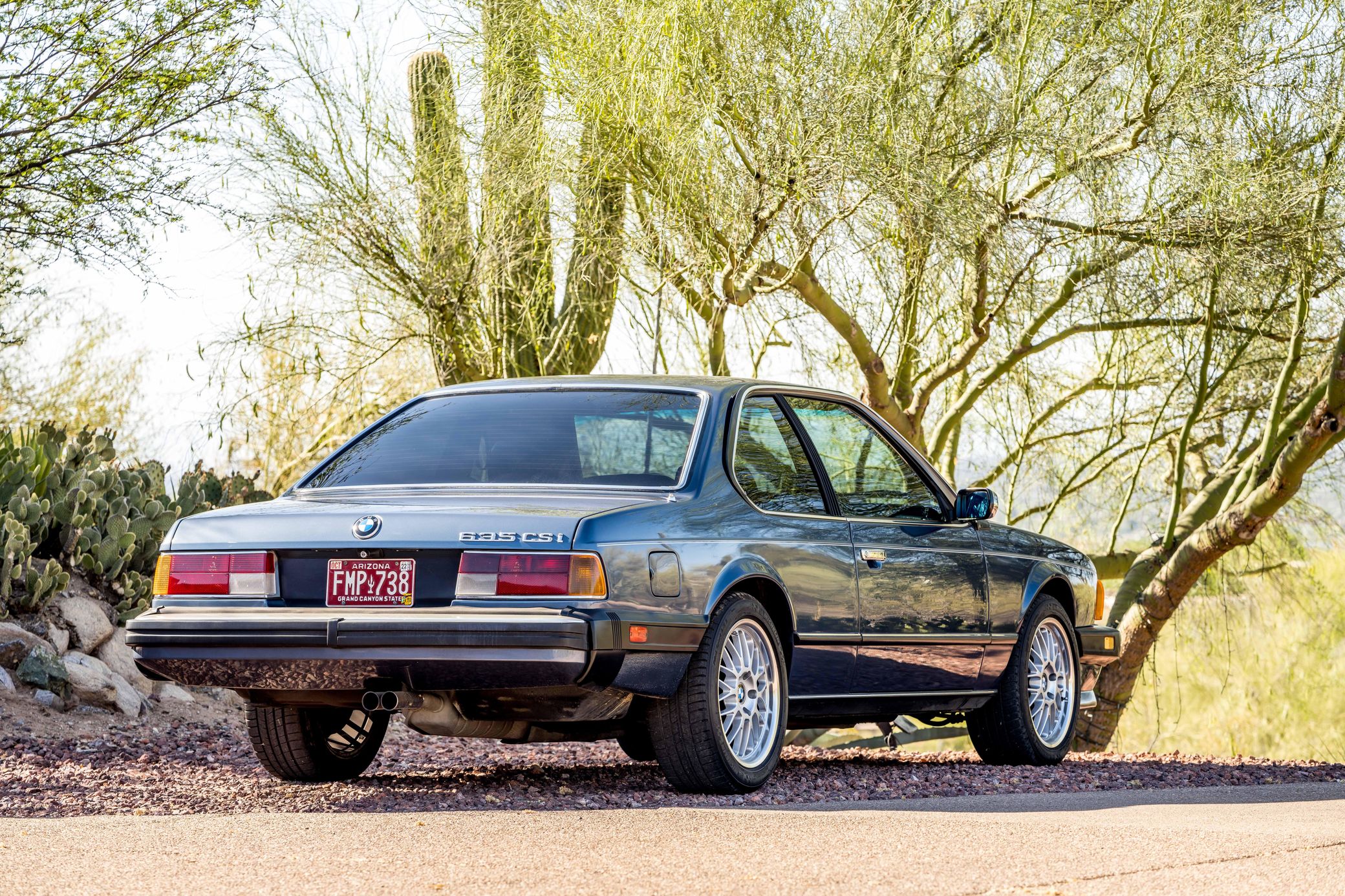
The side profile was dominated by unique 16-inch wheels. Early cars received BBS cross-spoke alloys measuring 7 inches wide, wearing 220/55 VR390 TRX metric tires. From 1987, conventional 7.5×16-inch wheels with 225/50 VR16 tires replaced the TRX system, improving tire availability.
At the rear, a subtle trunk-mounted spoiler provided minimal downforce while maintaining the elegant roofline. Dual exhaust outlets exited on the left side, their distinctive note announcing the M88’s presence. The overall appearance remained elegant and understated, befitting a luxury grand tourer. Only discreet M badges, unique wheels, and subtle aerodynamic elements distinguished the M635 CSi from lesser variants.
Interior
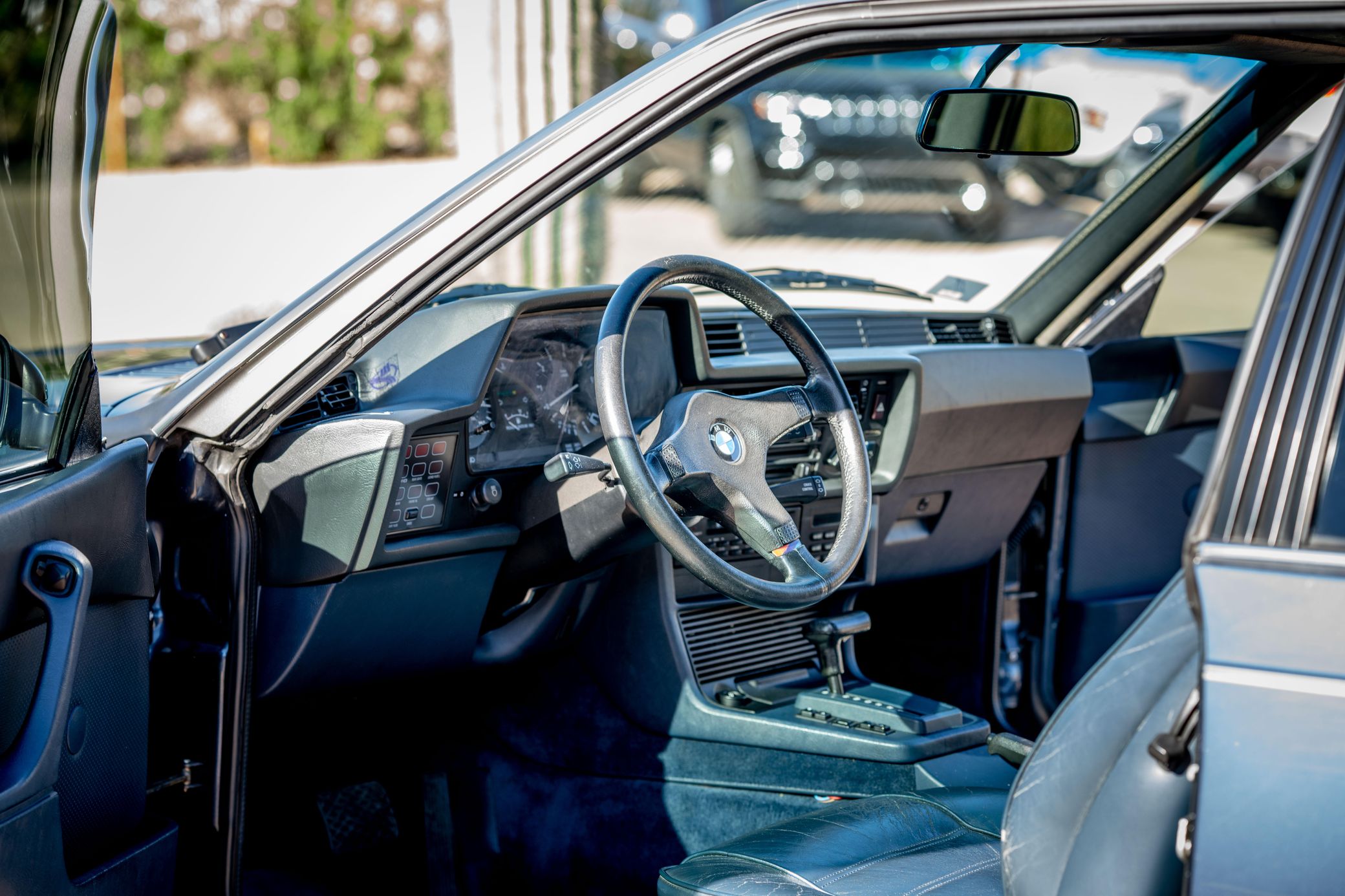
The cabin was trimmed in premium materials throughout. Sport seats upholstered in Buffalo leather provided excellent support with adjustable side bolsters. The seats featured distinctive basketweave perforation and M-striped cloth inserts on early models, later replaced by full leather. An M-specific steering wheel faced the driver, leather-wrapped with the M logo embossed on the hub.
The dashboard featured comprehensive instrumentation with large analog gauges including a tachometer, speedometer, and auxiliary dials for oil temperature, fuel level, and clock. An onboard computer displayed fuel consumption, range, and average speed. The center console housed climate control, audio system, and a shorter gear lever with a weighted leather knob.
Standard equipment included power windows, central locking, electric mirrors, and air conditioning. The rear seats accommodated two adults, though legroom was limited. Sound insulation was excellent, creating a refined cabin environment even at high speeds. Walnut trim accented the dashboard and door panels.
Specifications
- Engine: M88/3 inline six, 3,453cc (93.4mm x 84mm), DOHC, four valves per cylinder, individual throttle bodies, dry-sump
- Power: 286 bhp at 6,500 rpm (256 bhp North American M6)
- Torque: 251 lb-ft at 4,500 rpm
- Transmission: Getrag five-speed manual, 3.73:1 final drive, limited-slip differential
- Chassis: Steel monocoque, 2,625mm wheelbase
- Suspension: MacPherson struts (front), semi-trailing arms (rear), Bilstein dampers
- Brakes: Vented discs 300mm (front), vented discs 285mm (rear), ABS from 1985
- Wheels: BBS 7×16 (early), 7.5×16 alloy (later), TRX 220/55 VR390 or 225/50 VR16
- Weight: 1,570 kg
- Performance: 158 mph top speed, 0-60 mph in 6.1 seconds
Competition History
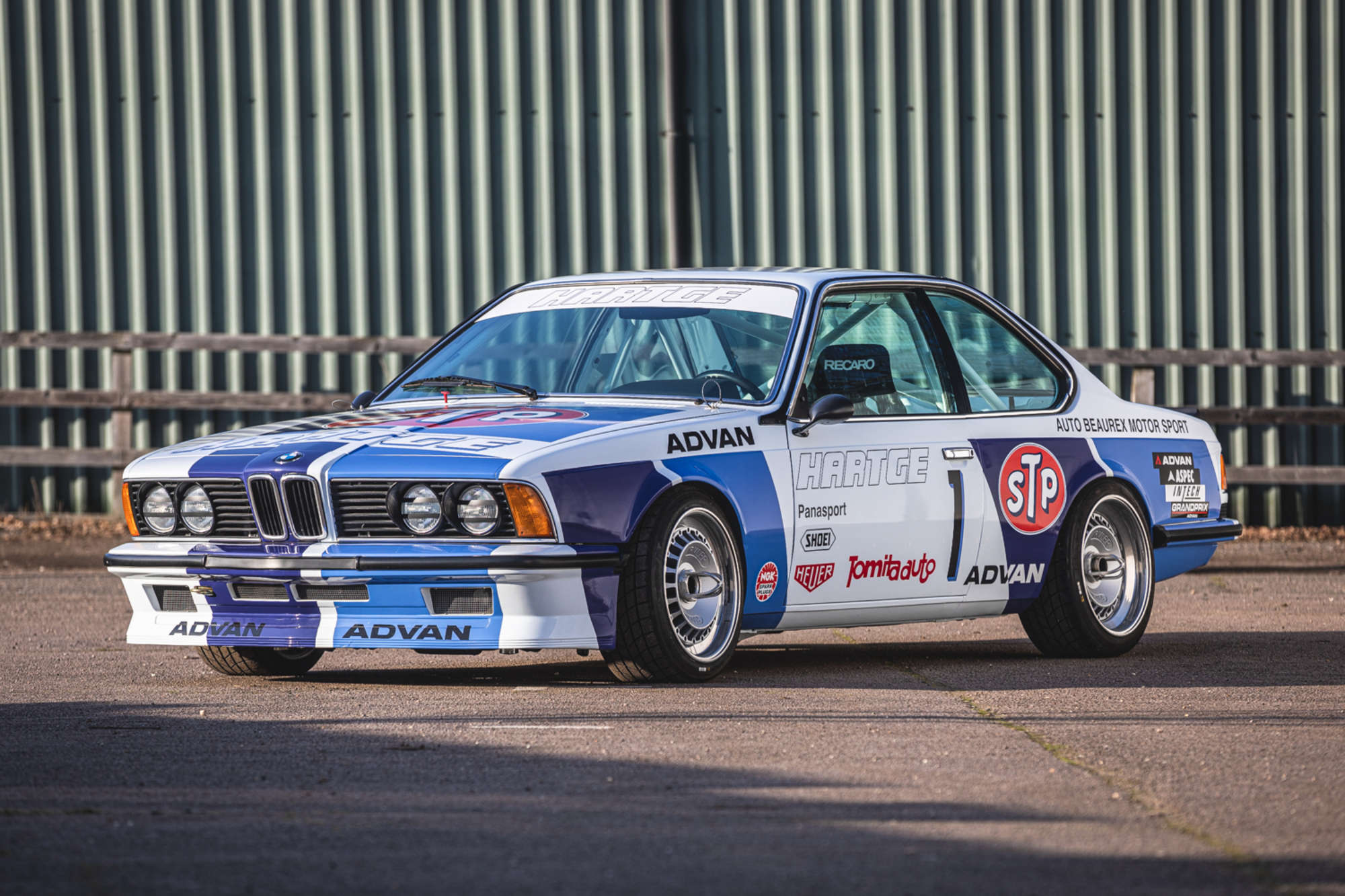
The M635 CSi was designed as a grand tourer rather than a racing machine, though several privateer entries competed in touring car events during the mid-1980s. The combination of powerful M88 engine and sophisticated chassis made it competitive in GT categories, though the car’s weight and luxury focus limited outright performance.
The M635 CSi’s real competition was on autobahns and mountain roads, where its combination of high-speed stability, powerful engine, and refined manners made it the ultimate long-distance express. Contemporary road tests praised its ability to cover vast distances effortlessly at speeds approaching 160 mph.
Production and Legacy
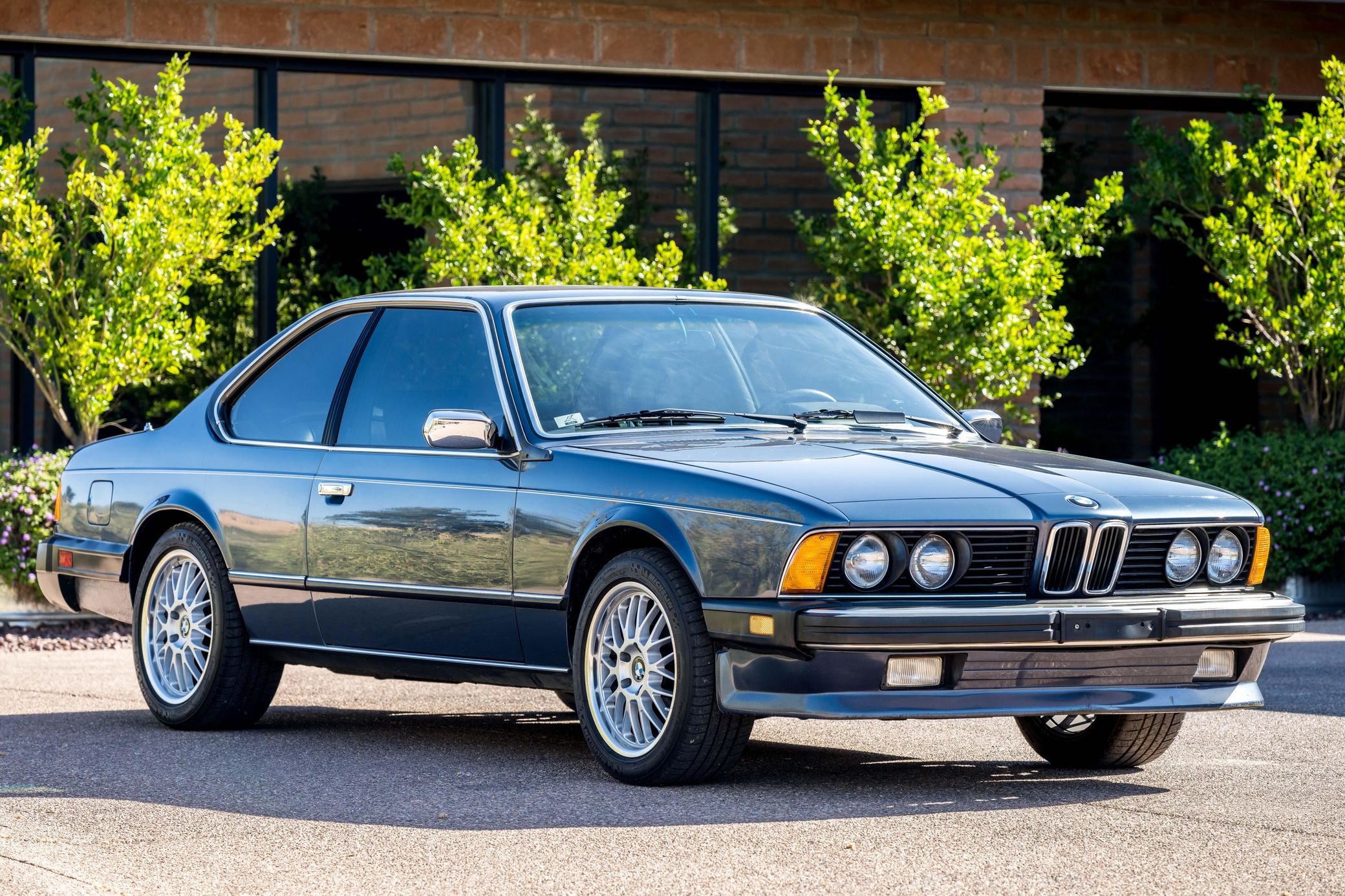
BMW built 5,855 M635 CSi examples between 1984 and 1989 at the Dingolfing factory. North American deliveries totaled approximately 1,767 M6 models between 1987 and 1989, with slightly different specifications including catalytic converters and revised bumpers meeting US regulations.
The M635 CSi established BMW M Division’s reputation for building refined, powerful grand tourers that combined motorsport-derived engineering with everyday usability. It proved that M cars didn’t need to be harsh or uncompromising, that genuine performance could coexist with luxury and comfort.
The M88 engine became legendary for its sophisticated design, mechanical precision, and intoxicating soundtrack. Individual throttle bodies, dual overhead camshafts, and dry-sump lubrication created a racing pedigree that owners appreciated. The engine’s reliability proved exceptional, with many examples exceeding 200,000 miles with proper maintenance.
Today, clean M635 CSi examples are increasingly collectible as enthusiasts recognize them as the last naturally aspirated inline six M car in the grand tourer tradition. Values have climbed significantly, with pristine examples commanding prices that would have seemed impossible a decade ago.
The M635 CSi represented BMW M Division’s first successful series-production road car, establishing the template for every M car that followed. It proved that motorsport engineering could enhance rather than compromise the luxury car experience. The M635 CSi remains one of the most elegant expressions of BMW M’s philosophy, a grand tourer that rewarded both spirited driving and relaxed continent-crossing with equal competence.