
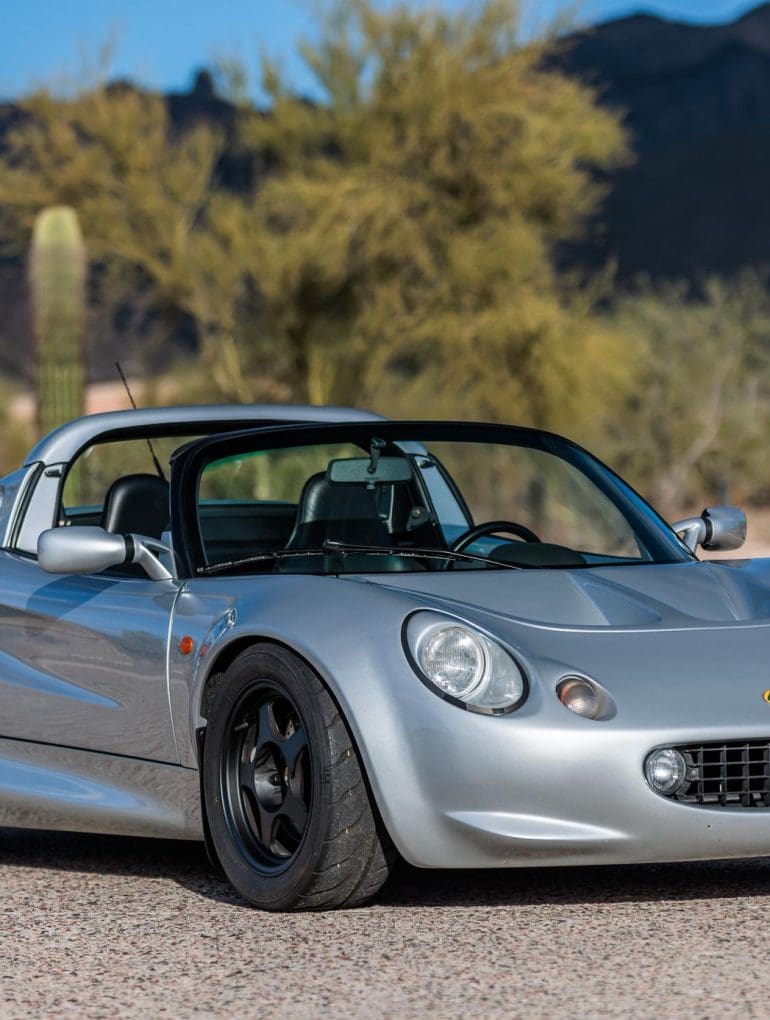

Frankfurt, September 1999. Lotus unveiled the Elise 111 S, a response to critics who’d complained the standard car was underpowered. The 1.8-liter Rover K-Series engine now featured Variable Valve Control, raising output from 118 to 143 horsepower.
Combined with close-ratio gears and revised suspension, the 111 S transformed the Elise from charming lightweight into genuine performance car. Weight stayed below 730 kilograms. The 0-60 mph time dropped to 5.4 seconds. This was the Elise as Colin Chapman would have built it, proving his philosophy that adding lightness mattered more than adding power.
Background and Origins
The original Elise debuted at Frankfurt in September 1995, stunning the automotive world with its bonded aluminum chassis and mid-mounted Rover engine. Designed by Julian Thomson and engineered by Richard Rackham, it weighed just 725 kilograms and revived Lotus’s reputation for lightweight sports cars. The problem was power. The 1.8-liter K-Series produced only 118 horsepower, adequate for the featherweight chassis but hardly thrilling.
Rover’s performance division had developed a Variable Valve Control system for the K-Series, increasing output significantly without turbocharging. Lotus engineers recognized the potential immediately. Development began in 1998. The challenge was packaging the VVC head and its additional oil system within the tight engine bay without compromising weight distribution or adding unnecessary mass.
The 111 S designation referenced Lotus’s internal project code. It sat above the standard Series 1 Elise in the range but below the track-focused Sport 190, offering the ideal balance between road comfort and circuit capability.
Design and Engineering
The 111 S was based on the standard Elise’s revolutionary bonded and riveted aluminum chassis. The extruded aluminum sections were epoxy-bonded and riveted together, creating a structure that weighed just 68 kilograms yet provided exceptional rigidity. The 2,300mm wheelbase and mid-engine layout delivered near-perfect weight distribution.
Suspension was pure Chapman simplicity: unequal-length double wishbones at all four corners with coil springs over dampers. Lotus revised the spring rates and damper settings for the 111 S, stiffening the setup slightly for improved body control.
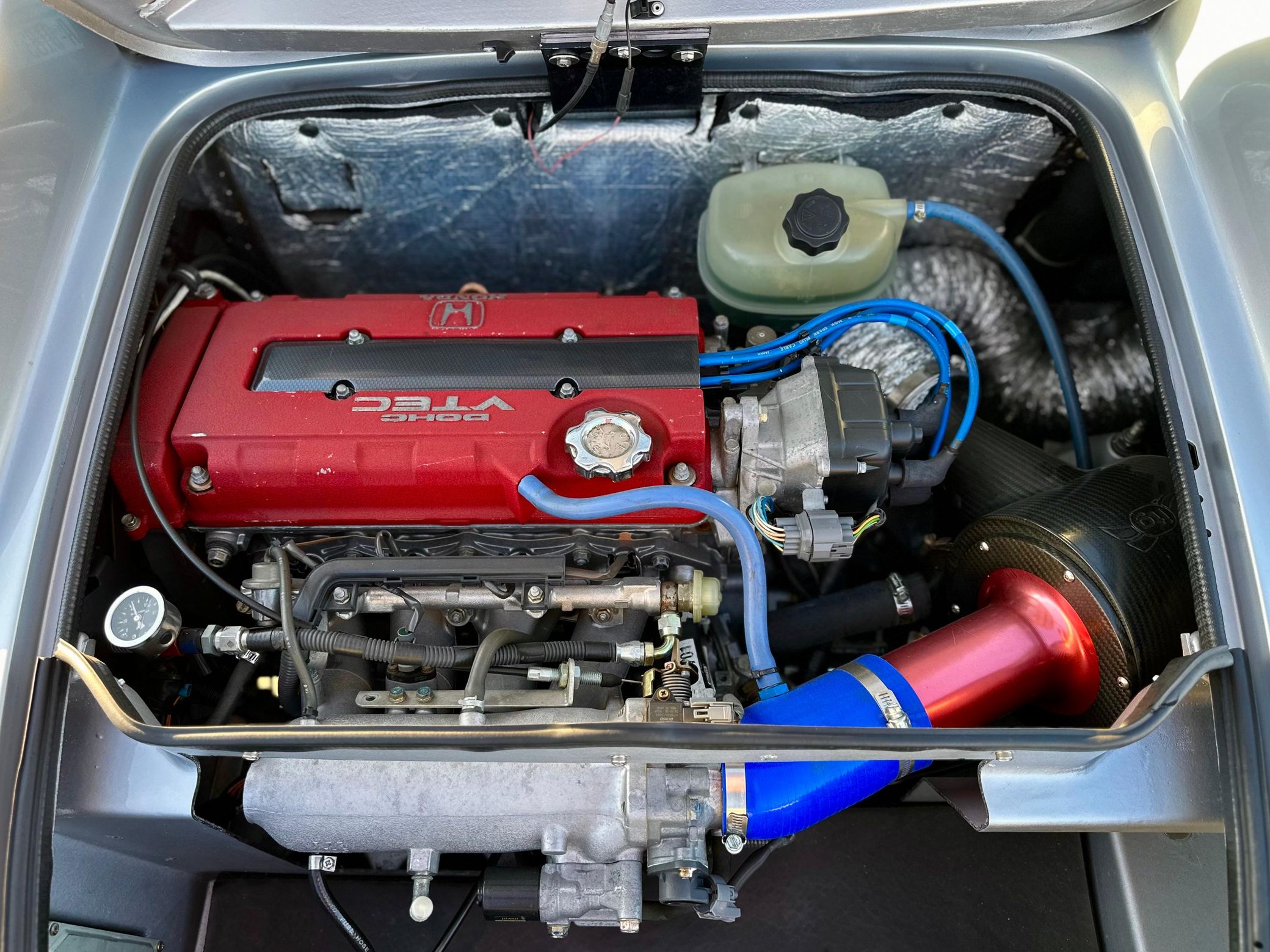
The engine was Rover’s 1,796cc K-Series inline four, now fitted with Variable Valve Control on the inlet camshaft. The VVC system continuously adjusted valve timing and lift between 1,500 and 6,850 rpm, optimizing torque delivery across the rev range. Combined with a higher 10.5:1 compression ratio and freer-flowing exhaust, output jumped to 143 horsepower at 7,000 rpm and 126 lb-ft at 4,500 rpm.
The transmission was a revised Rover PG1 five-speed manual with closer ratios than the standard Elise. Final drive was 4.2:1. The gearshift action remained notchy but precise. AP Racing four-piston calipers gripped vented 282mm front discs, while single-piston calipers handled solid 240mm rear discs.
Styling
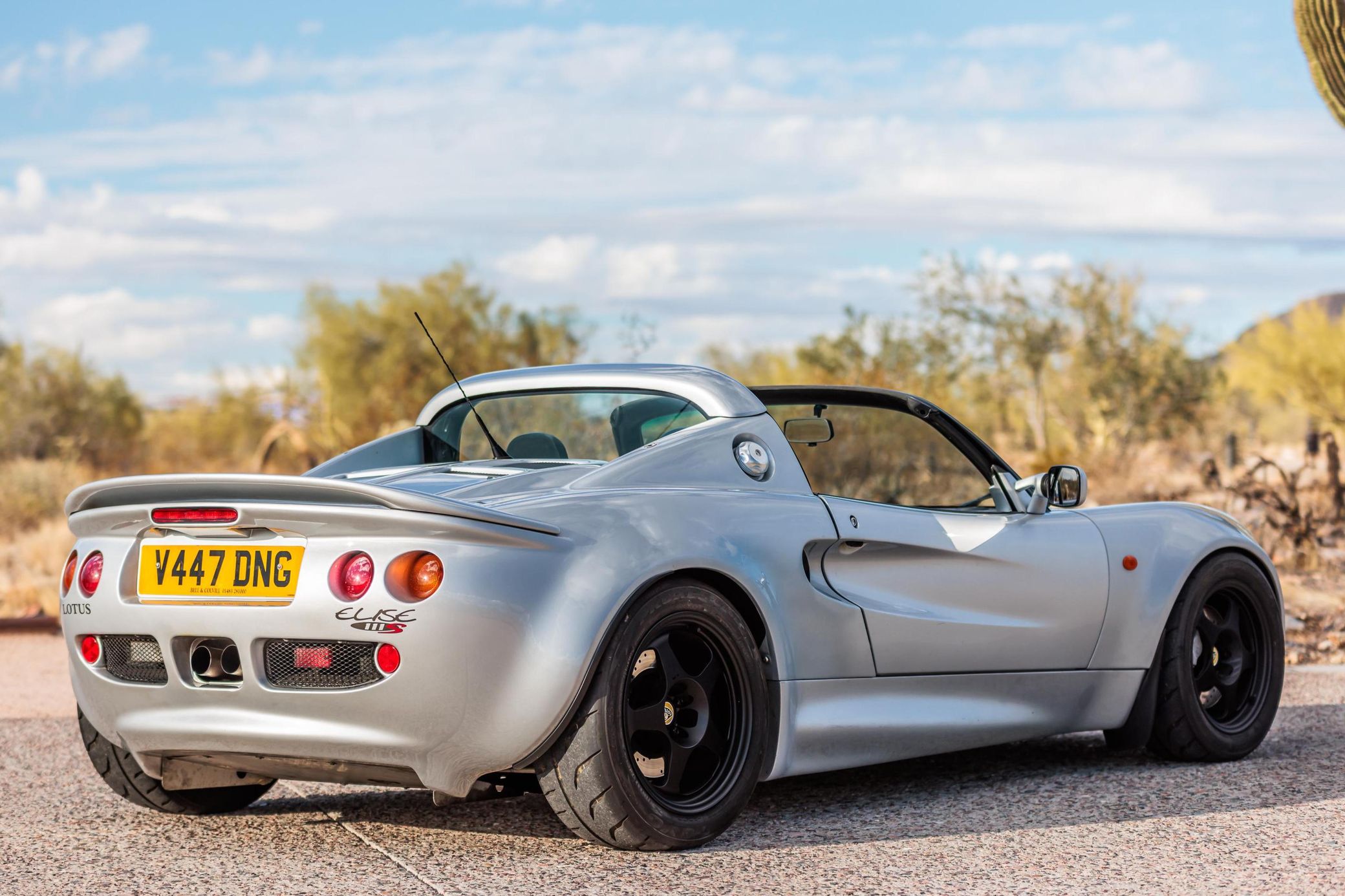
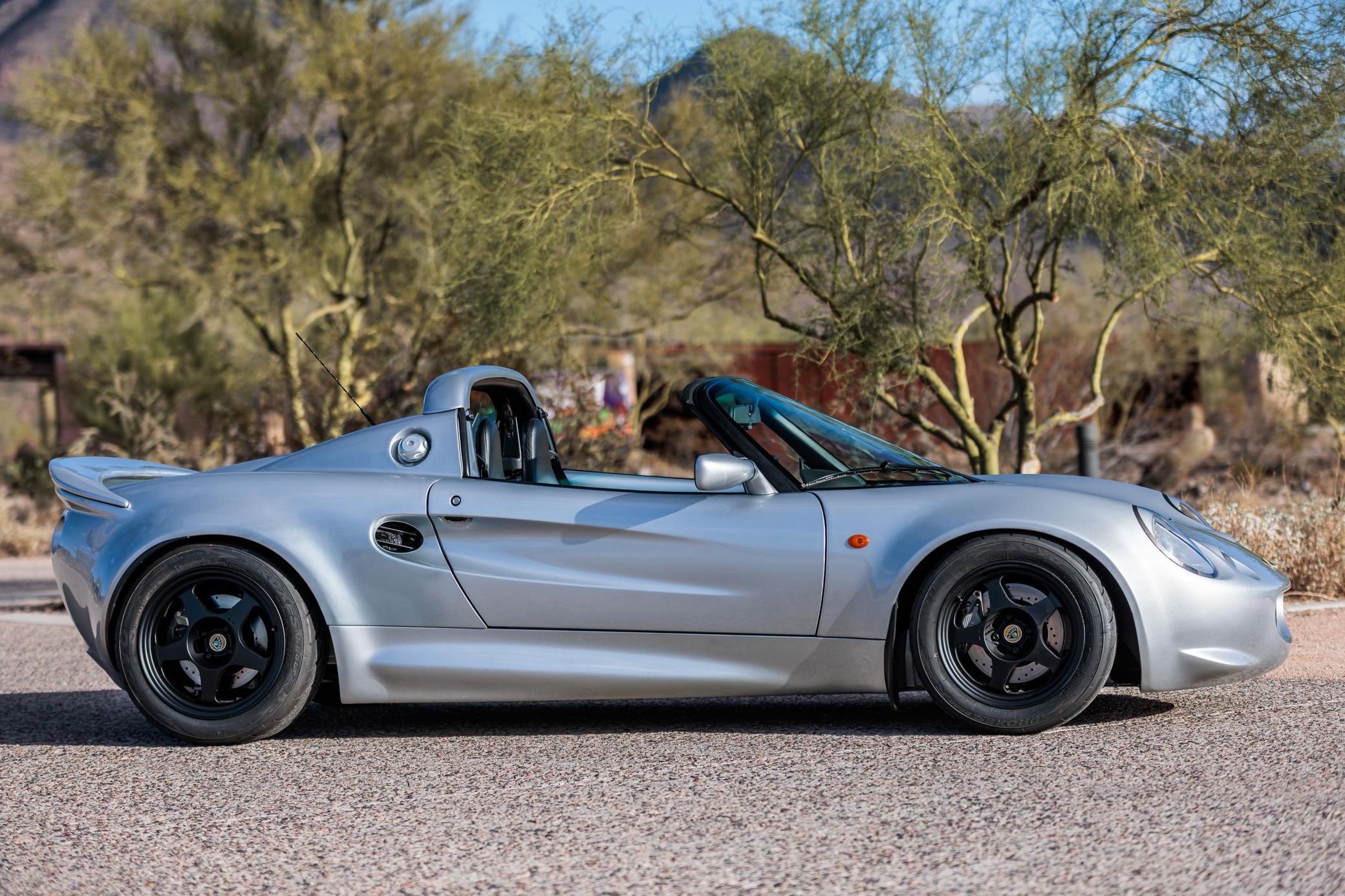
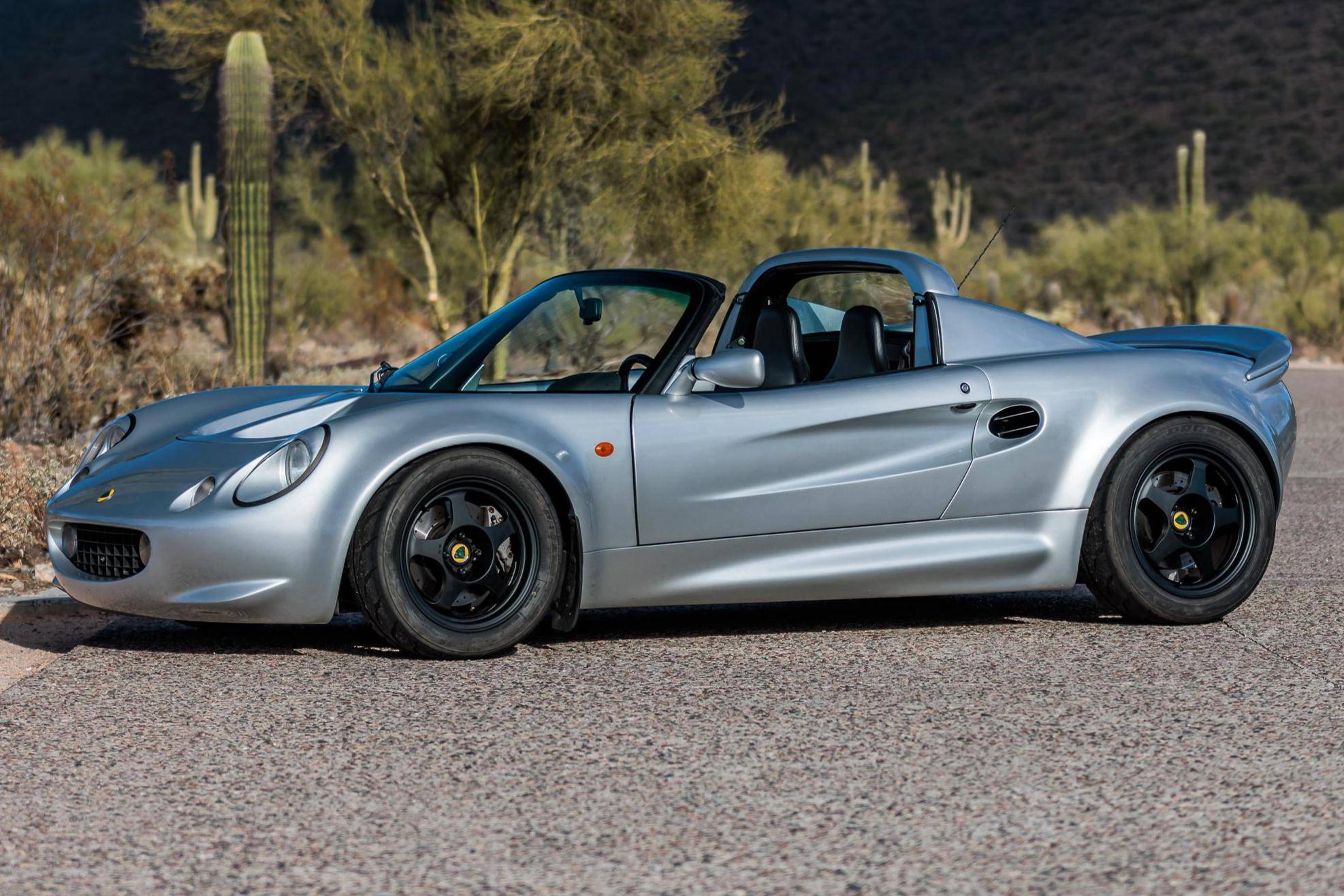
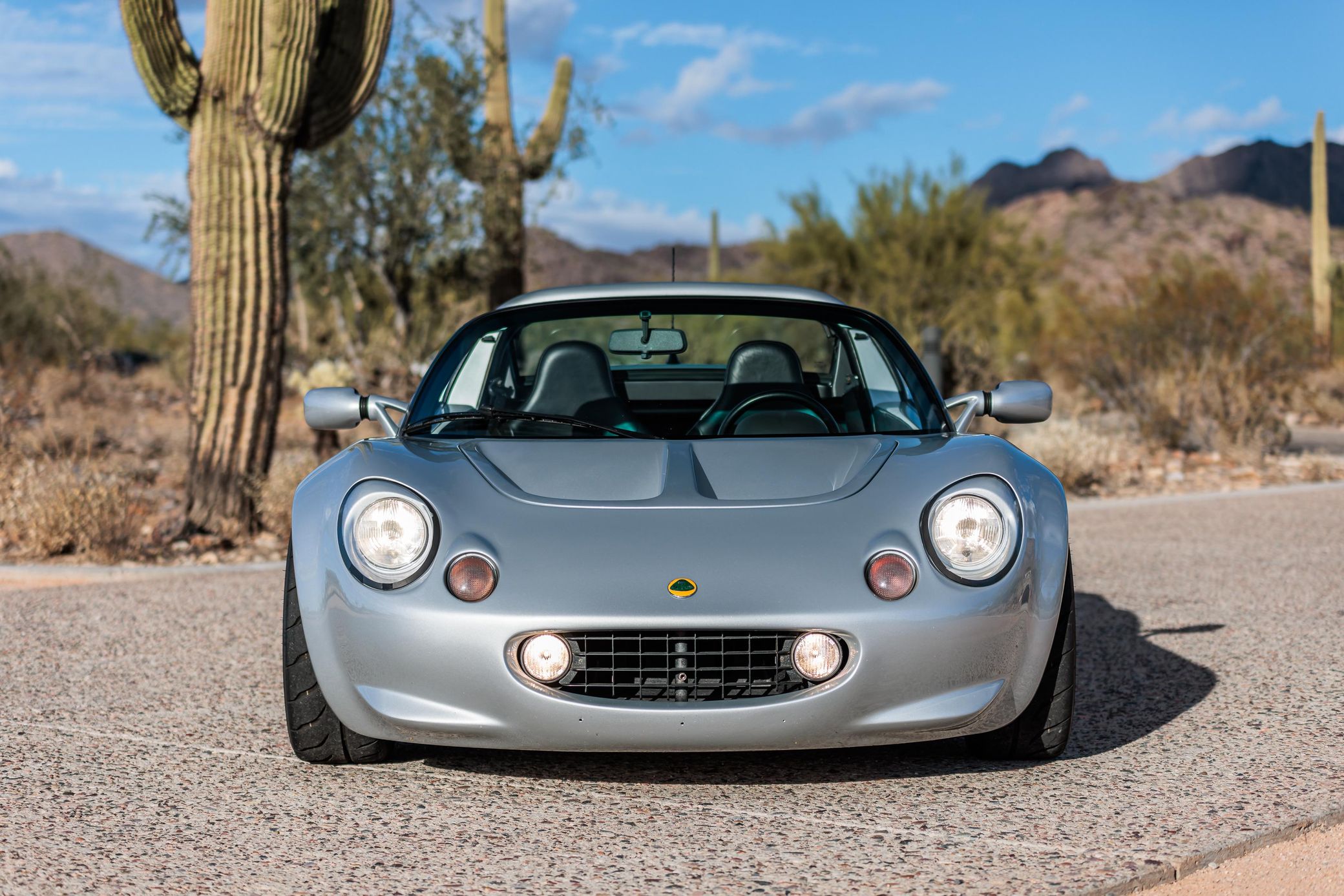
Externally, the 111 S was nearly identical to the standard Series 1 Elise. Julian Thomson’s original design remained unchanged: a cab-forward silhouette with minimal overhangs, pronounced haunches over the rear wheels, and clean surfaces broken only by functional cooling ducts. The composite body panels were hand-laid fiberglass.
The only visual distinguisher was a small “111 S” badge on the rear clamshell and revised five-spoke alloy wheels measuring 5.5×15 inches at the front and 7×16 inches at the rear. Yokohama A048R semi-slick tires were standard fitment: 185/55 R15 front and 225/45 R16 rear, providing vastly more grip than the standard car’s all-season rubber.
Color choices included traditional Lotus yellow, racing green, and a range of metallic options. The exposed rear clamshell hinged forward to reveal the engine bay, a deliberately minimalist display of mechanical honesty.
Interior
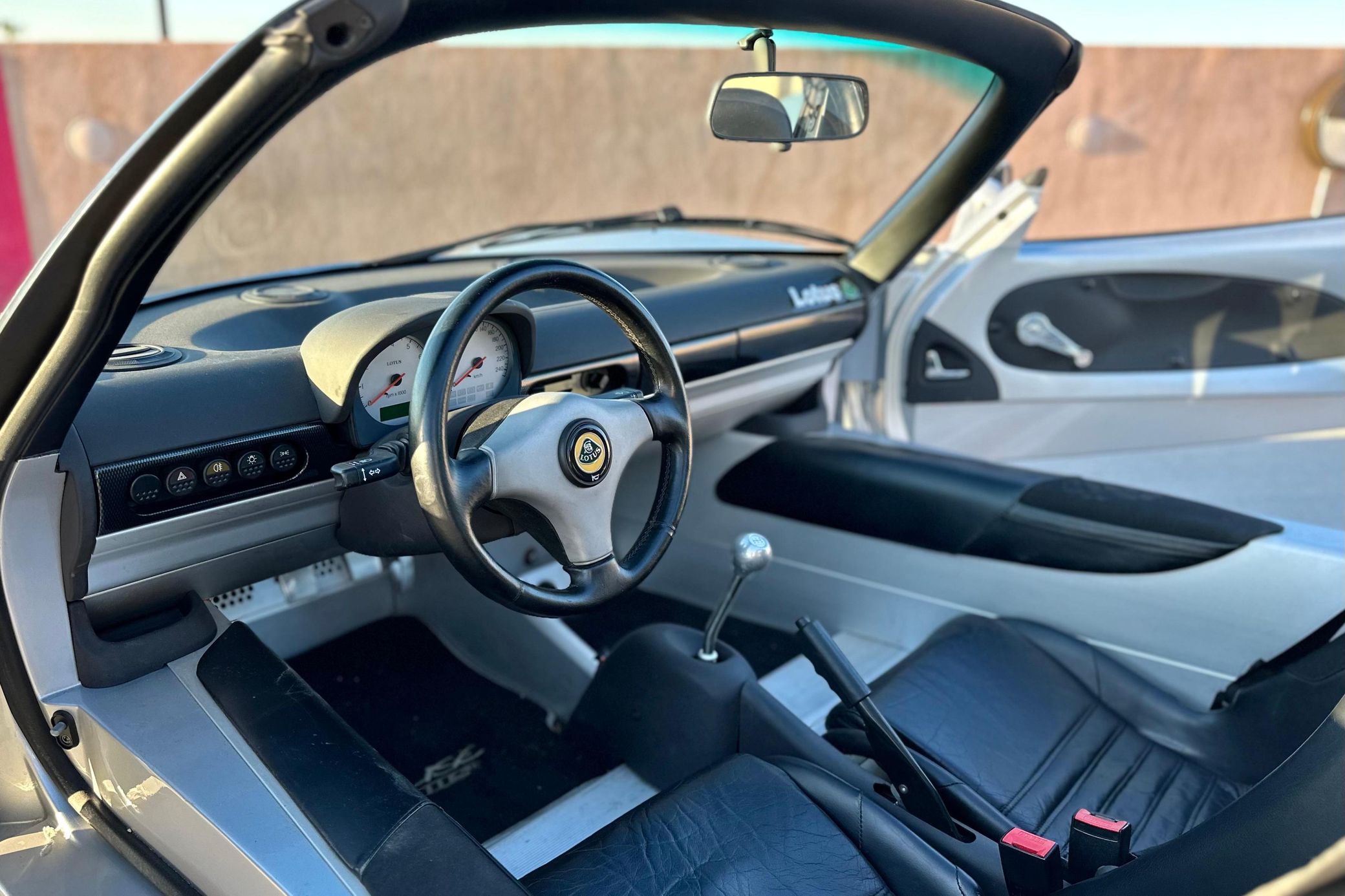
The cabin was spartan even by sports car standards. Passengers climbed over wide sills and dropped into vinyl-covered bucket seats with minimal padding. The dashboard was a simple molded panel housing three Veglia instruments: a central tachometer redlined at 7,200 rpm, flanked by speedometer and combination gauges for fuel, oil pressure, and water temperature.
A Momo steering wheel faced the driver, small-diameter and leather-trimmed. The gearlever sprouted directly from the transmission, its short throw and mechanical precision a constant reminder of the direct connection between driver and machinery. Exposed aluminum surrounded the pedal box, while vinyl covered the transmission tunnel and door panels.
There was no radio, no air conditioning, no power windows, no meaningful carpeting. Weight mattered more than comfort. The removable roof panel stored behind the seats. Sound insulation was nonexistent, allowing the K-Series engine to sing its 7,000 rpm song directly into the cabin.
Specifications
- Engine: Rover K-Series inline four, 1,796cc (80mm x 89.3mm), DOHC, four valves per cylinder, Variable Valve Control
- Power: 143 bhp at 7,000 rpm
- Torque: 126 lb-ft at 4,500 rpm
- Transmission: Rover PG1 five-speed manual, 4.2:1 final drive
- Chassis: Bonded aluminum monocoque, 2,300mm wheelbase
- Suspension: Double wishbones with coil springs (front and rear)
- Brakes: Vented discs 282mm (front), solid discs 240mm (rear), AP Racing calipers
- Wheels: 5.5×15-inch front, 7×16-inch rear, Yokohama A048R 185/55 R15 (front), 225/45 R16 (rear)
- Weight: 727 kg
- Performance: 126 mph top speed, 0-60 mph in 5.4 seconds
Competition History
While the 111 S was primarily a road car, many owners campaigned their examples in track days and club racing. The combination of light weight, responsive handling, and adequate power made it devastatingly quick on technical circuits where power-to-weight ratio mattered more than outright horsepower. Several privateer entries competed in the Lotus Elise Trophy series during 2000 and 2001, where the 111 S proved competitive against modified standard Elises thanks to its close-ratio gearbox and uprated suspension.
Production and Legacy
Lotus built approximately 1,500 examples of the Elise 111 S between late 1999 and 2001, when the Series 2 replaced the entire range. Production took place at Hethel in Norfolk, with each car hand-assembled over several days. The 111 S commanded a premium over the standard Elise but remained accessible compared to Italian mid-engined alternatives.
The 111 S proved that Lotus’s lightweight philosophy still worked in an era of increasing mass and complexity. It answered critics who’d complained the original Elise needed more power, doing so without adding weight or sacrificing the raw character that made early Elises special. The VVC engine transformed the driving experience, providing enough performance to exploit the brilliant chassis without overwhelming it.
Today, the Series 1 Elise 111 S is recognized as the peak of the original design. Later Series 2 cars gained refinement and practicality but lost some of the uncompromising character. The 111 S captured that character perfectly, offering just enough power to exploit the brilliant chassis. It remains the Elise that enthusiasts remember most fondly, the one that proved Colin Chapman’s philosophy remained relevant decades after his death.