
The FIA sports prototypes were some of the most exciting purpose-built racing cars ever designed. They competed under the regulations set fourth by the FIA (Federation International Automobile) in the International Championship of Makes from 1964–1971, and the World Championship of Makes from 1972–1981. The regulations changed somewhat as the years passed, 5.0-liter engines then 3.0-liter engines, etc., but the concept remained the same—to allow manufacturers to design the most fascinating, technically advanced sports racing cars the world had seen. These cars were built to compete in a World Championship, which included racing in the great endurance races such as the Le Mans 24 Hours, Nürburgring, Spa and Monza 1000 km and the Targa Florio. Alfa Romeo, Alpine Renault, Ferrari, Ford, Lola, Matra, and Porsche, all designed very lightweight, successful sports prototypes to compete in the World Championship. From this came the Alfa Romeo, Tipo 33/12, Ferrari 512M, Ford GT40, Matra 670 and Porsche 917. These fantastic cars were driven by the world’s best drivers at a time when Formula One drivers still enjoyed driving in sports car races. Today FIA sports prototypes qualify to race in many great historic events such as the Le Mans 24 Hour Classic and Monterey Historics. Due to their technology, great designs, eligibility and low production number, FIA sports prototypes have steadily been increasing in value.
1972–1976 Lola T280-T286
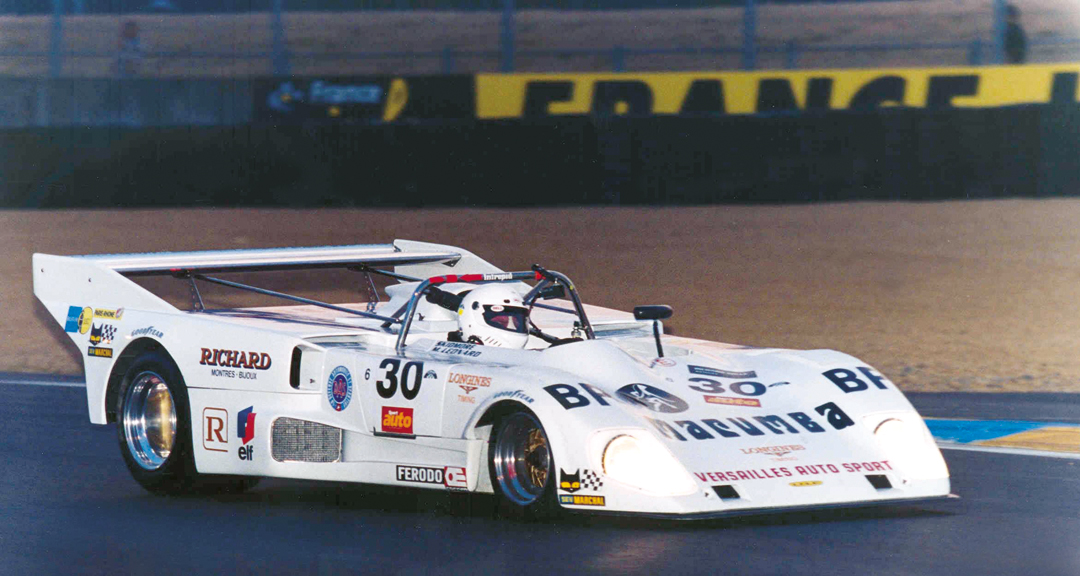 Eric Broadley’s Lola cars was well respected for building a successful 2.0-liter sports racing car after having won the 2.0 Liter Championship over Chevron in 1971. The 1972 season would bring a new 3.0-liter formula for sports prototypes in the World Championship of Makes series. Aided by encouragement from Jo Bonnier, Lola produced the first of a serious of 3.0-liter cars for the 1972 season, the T280. The T280 was powered by a 3.0-liter Cosworth DFV Formula One engine. The cars were driven by Jo Bonnier and Rene Wisel. They were extremely fast, regularly qualifying in the first two rows of the grid, setting race fastest laps, fastest top speed on the Mulsanne Straight at Le Mans and leading races. This against the might of the Alfa Romeo, Ferrari and Matra factory teams. This little team could have won it all but did not have the funding to develop the cars as much as their competitors. The T280 evolved into the T286, which was the final evolution of the 3.0-liter Cosworth DFV-powered Lola sports prototype. Only nine of the DFV-powered cars were built. They represent an exciting time in FIA sports prototype competition.
Today owning and racing a Lola T286 gives one performance and value for one’s money as well as eligibility to many great races.
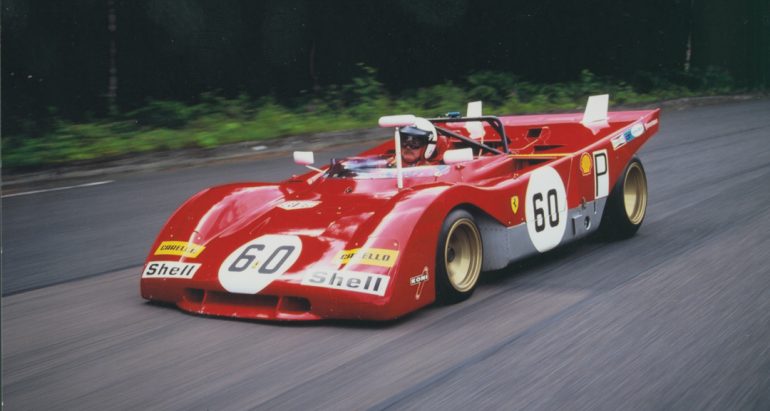
1972 Ferrari 312PB
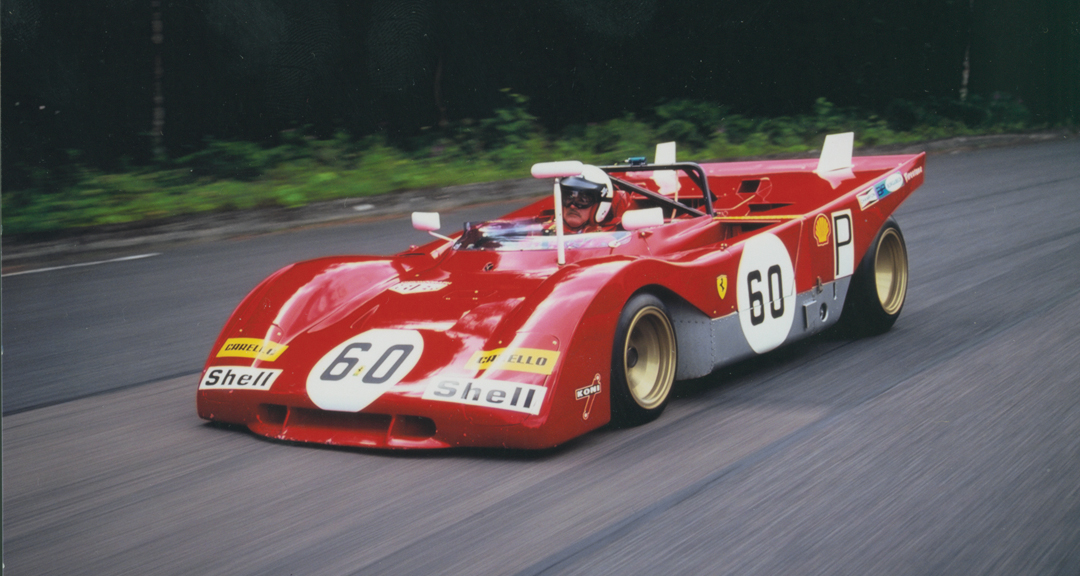
Ferrari’s last great sports prototype (for nearly 25 years) was the 312PB. It was built for the new 3.0-liter formula for FIA sports prototypes. The design was taken from the then-current Formula One car. The engine was a 3.0-liter, flat-12 cylinder with fuel injection. This car was unique in that Ferrari built all components, chassis, engine, gearbox, wheels, bodywork, etc…while most Formula One teams and sports car teams shared components from other suppliers. The engineer for the project was Mauro Forghieri, while the team manager was respected driver Peter Schetty. The drivers were none other than Mario Andretti, Jacky Ickx, Ronnie Peterson, Brian Redman, Clay Regazzoni, and Tim Schenken. The 312PB won races at the Targa Florio, Nürburgring 1000 km, Monza 1000 km, Daytona and Sebring on the way to winning the World Championship of Makes for Ferrari. These stunning sports prototypes are beautiful to the eyes and their sounds are music to the ears. They were built during a time when manufacturers willingly put their resources towards designing and engineering sports cars solely for the purpose of winning races.
Criteria Used For Assessing Valuations for this Guide:
- Degree of Originality
- Overall Condition, Restoration
- Technology, Design, Coachbuilder
- Production Numbers/Rarity
- Competition History
- Ownership History, Documentation
- Modern Event Eligibility
Regional Variances
The prices stated in this guide are based on U.S. values. The values of historic racing cars can vary as much as 25%-35% in other countries, depending on local market appeal, currency rates, import duties, and VAT. Most of the time, we are able to document known sales or closed escrows, as they say in real estate. When this is not possible, a logical estimate of the car’s value is given, based on its sales history and relationship to cars of its type.
The prices stated in this guide are based on U.S. values. The values of historic racing cars can vary as much as 25%-35% in other countries, depending on local market appeal, currency rates, import duties, and VAT.
LEVEL |
VALUATION CATEGORIES |
|---|---|
I |
The best combination of all criteria. |
II |
Satisfies mid-range of criteria. |
III |
In need of restoration. Meets only a few points of criteria |