

The timing of this announcement comes during a delicate period at Porsche, when the German automaker appears to be navigating rougher waters and a relatively bleaker financial outlook. This comes quite abruptly, off a decade-long-tailwind of seemingly unfettered commercial success.
Much of this turn in fortunes, experts suggest, stems from the reception of the company’s EV roll-out, which has now had almost 7 years to become steeped into the luxury performance market. Things went off to a blistering start when the Taycan was released back in 2019, though momentum has certainly dwindled since early adopters got their first taste of Porsche’s electric recipe.
Since release, a number of refreshes and the addition of new trims to the Taycan platform were enough to keep the hype alive, but Porsche were really banking on the Macan EV to give their electrically-powered hopes a much needed second wind. General sentiment suggests that the Macan EV has failed to do so, with the hard data, and ultimately the automaker’s balance sheet, confirming it to be the case.
Change of Heart, Change of Approach?
This shortfall has been sufficient to warrant an executive leadership reshuffle and a subsequent revision to the automaker’s overarching business strategy. Arguably most notable at this time, is that Porsche have publicly proposed that their next-gen Cayman/Boxster models will no longer be exclusively EVs, with some version of ICE technology still set to feature in so-called “top performance models”.
Yet, it doesn’t really appear that Porsche is absolutely committed to the full backstroke. If there’s any sign that the current state-of-play needs more of an evolution than a revolution—at least on Porsche’s own account—then the Porsche Cayenne Electric has to be the emphatic manifestation of that belief..
Porsche Cayenne Electric
Prior to the livestream, Porsche Newsroom provided us with a preamble of what to expect.
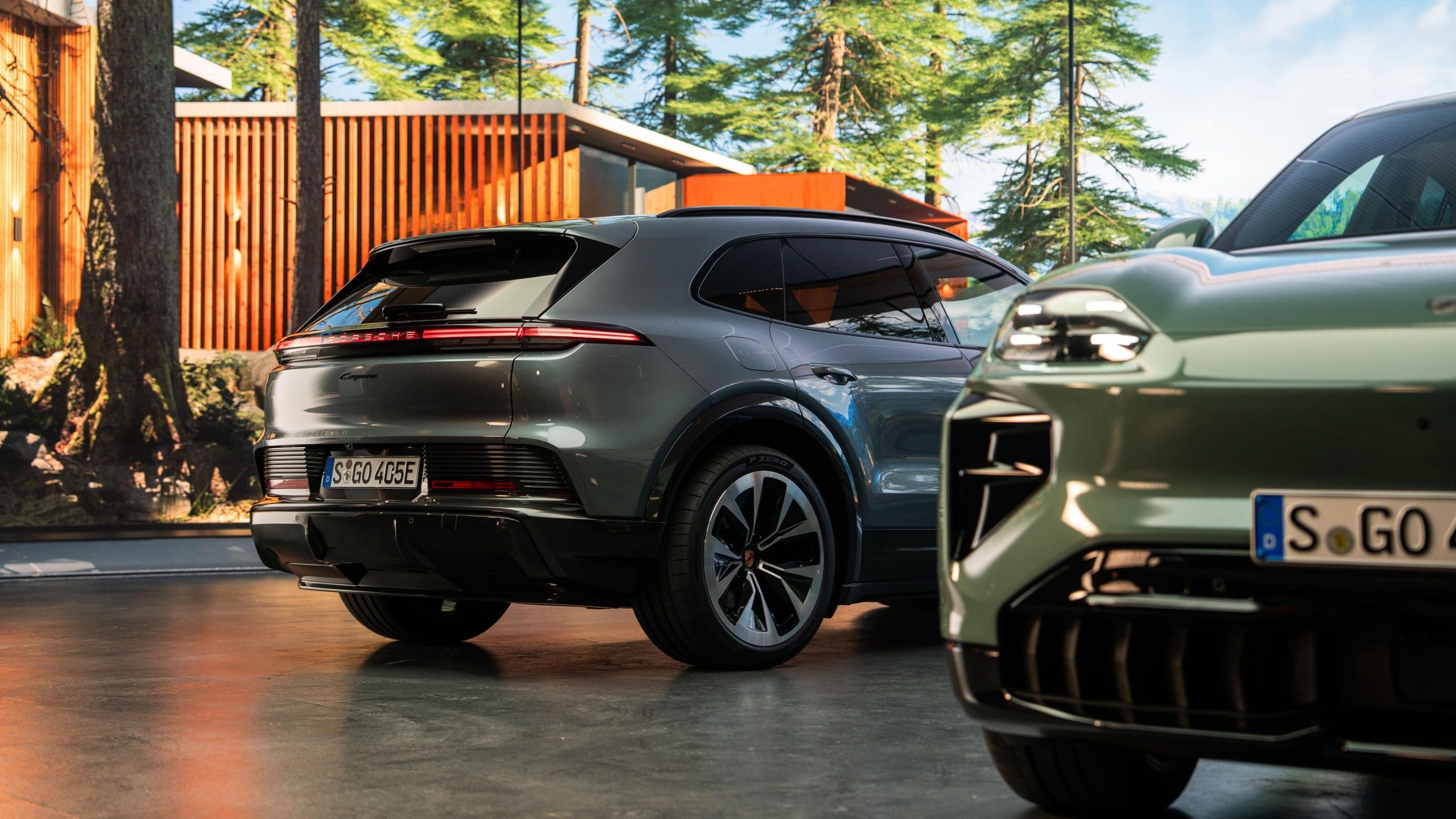
As the beneficiary of Porsche’s latest and greatest Formula E technology trickle down, the new Cayenne Electric boasts impressive performance capabilities highlighted by a number of milestone stats. This includes the new SUV producing more than 1,000 hp, up to 373 miles (600 km) of range, a 600 kW recuperation rate, and the capability of being able to replenish 200 miles (300 km) of range in as little as 10 minutes via fast-charging. Hints about “wireless charging” features were also brought up.
In other words, efficiency and performance working in tandem, Porsche claims.
EV Performance
Now that we’ve seen the livestream, we can confirm that the Porsche Cayenne Turbo Electric is now the most powerful production Porsche ever made.
The confirmed figure is 1,156 PS (1,140 hp) which allows the Cayenne Electric in its top Turbo variant, to accelerate from 0-60 mph in as little as 2.4 seconds. This is all the more impressive given that the Cayenne Electric platform weighs upwards of 2,600 kg depending on trim and features. Aerodynamics are also a key ingredient to straight-line performance, with a top speed of 162 mph (260 km/h) still possible despite the inherent penalties associated with being an SUV.
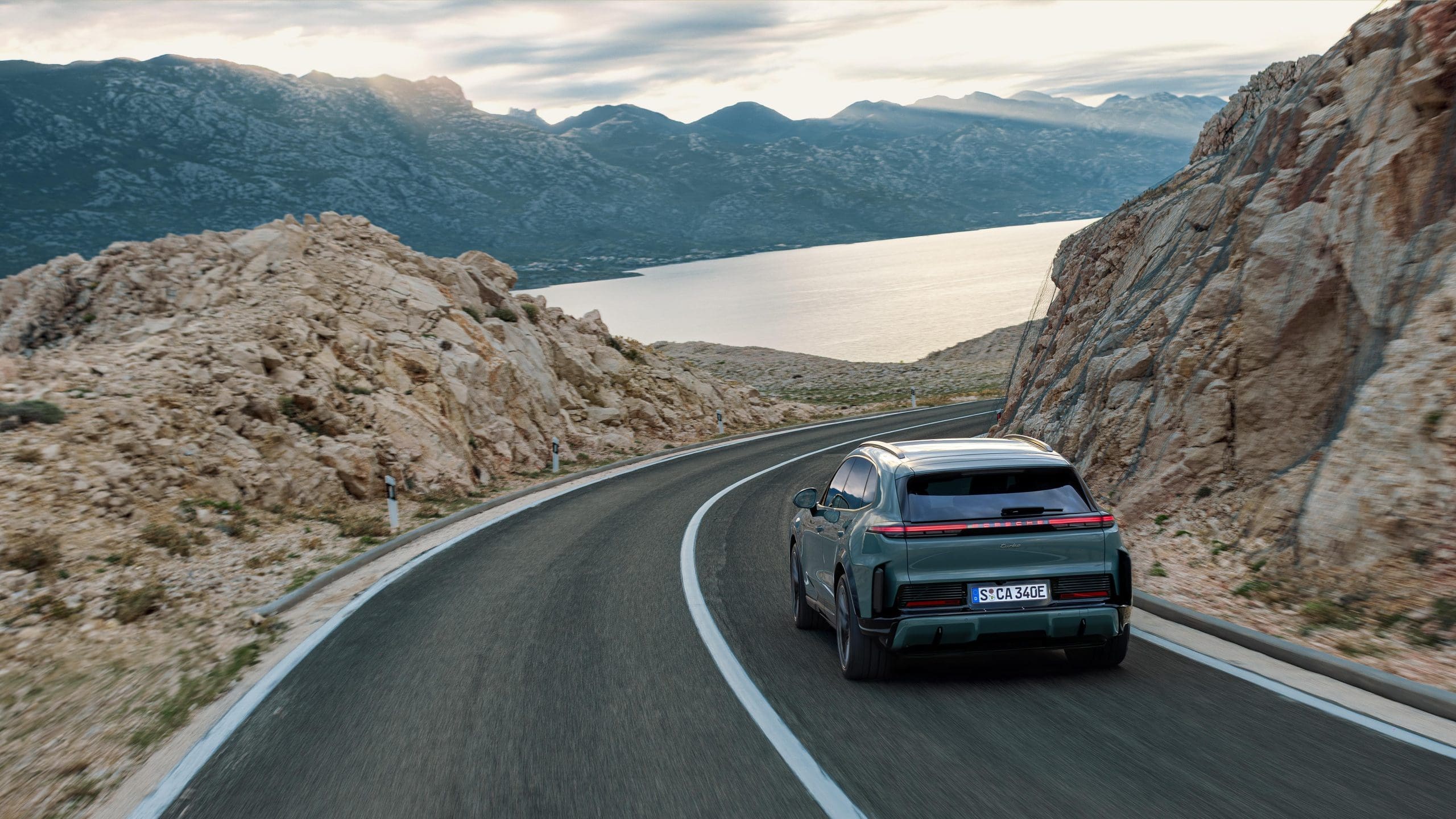
Torque is equally impressive in the range-topper, with up to 1,500 Nm (1,106 lb-ft) of torque on demand. Of course, these peak figures are temporary/situational in nature, with the standard Launch Control feature requiring activation in order to unlock maximum power respectively. Another feature called Push-to-Pass, also adds an additional 176 PS (174 hp) for 10 seconds—to the Turbo Electric’s normal driving mode output of 857 PS (845 hp)—at the press of a button to make overtaking maneuvers more confidence inspiring and dare I say, fun.
Similarly, the base model Cayenne Electric—the second of the two variants announced today—produces 408 PS under regular driving conditions, with up to 442 PS and 835 Nm of torque available via Launch Control. The entry-level variant is capable of completing the 0-60 mph sprint in 4.7 seconds, on the way to its top speed of 143 mph (230 km/h).
Battery Architecture & Charging
Having been a former Porsche Taycan owner myself, I’ve also kept my finger on the pulse of the company’s push towards electrification. In my opinion, the biggest challenge of EV ownership continues to be “livability”. Namely, how efficiency, costs and accessibility related to charging determine the types of habits owners need to develop and subsequently how the car will ultimately be experienced. In the Cayenne Electric, the latest Porsche EV platform looks to address many of the conventional shortcomings with faster, better, and more ways to charge.
At the core of all of this, is the newly developed 113 kWh high-voltage battery which is more thermally optimized than ever before. With better cooling comes a number of measurable perks, including improved WLTP range—up to 642 km in the base model and 623 km in the Turbo—and the ability to charge at a speed of up to 400 kW. This means that owners will be able to juice up their state of charge from 10% to 80% in as little as 16 minutes under the right conditions and at a fast charging station which supports those speeds.
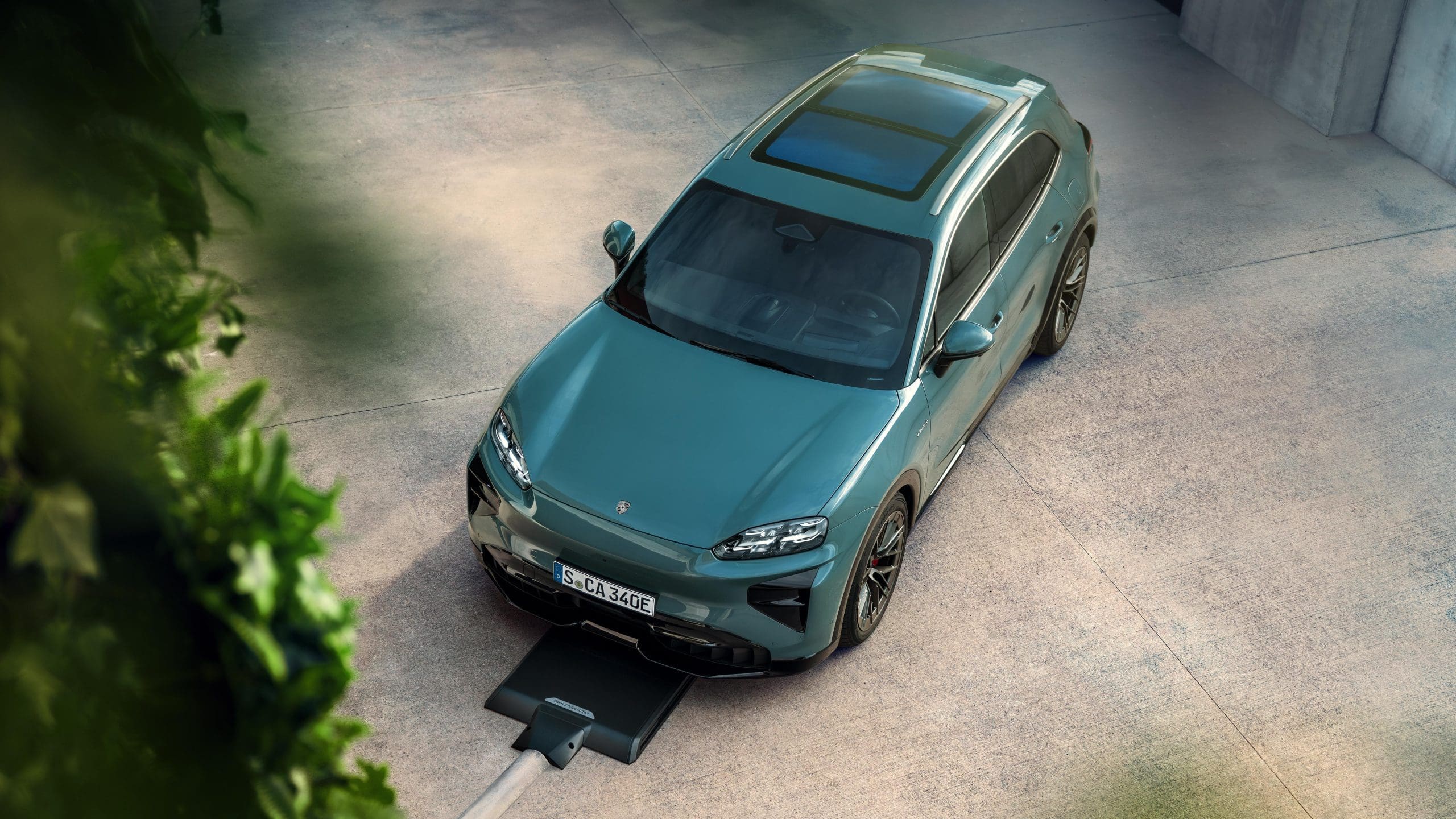
Even more compelling, is the optional Porsche Wireless Charging technology which will first feature on the Porsche Cayenne Electric. Functionally speaking, this is inductive (or wireless) charging, where a user can park on top of a floor plate which recharges at a rate of up to 11 kW. This removes the inconvenience of having to physically “plug in”, and will ideally serve as a method of charging at home or other longer term/overnight parking spots.
Chassis & Driving Dynamics
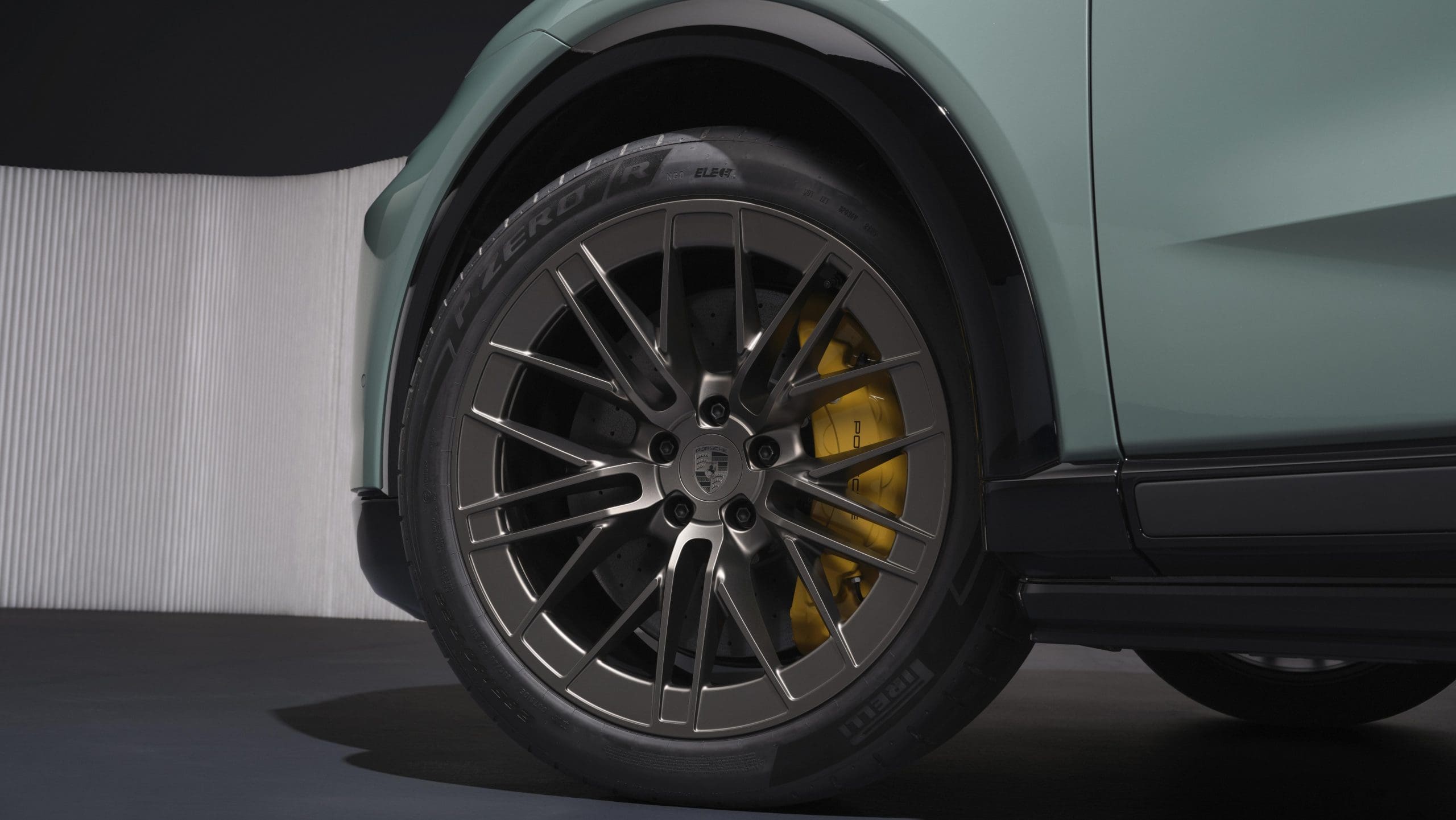
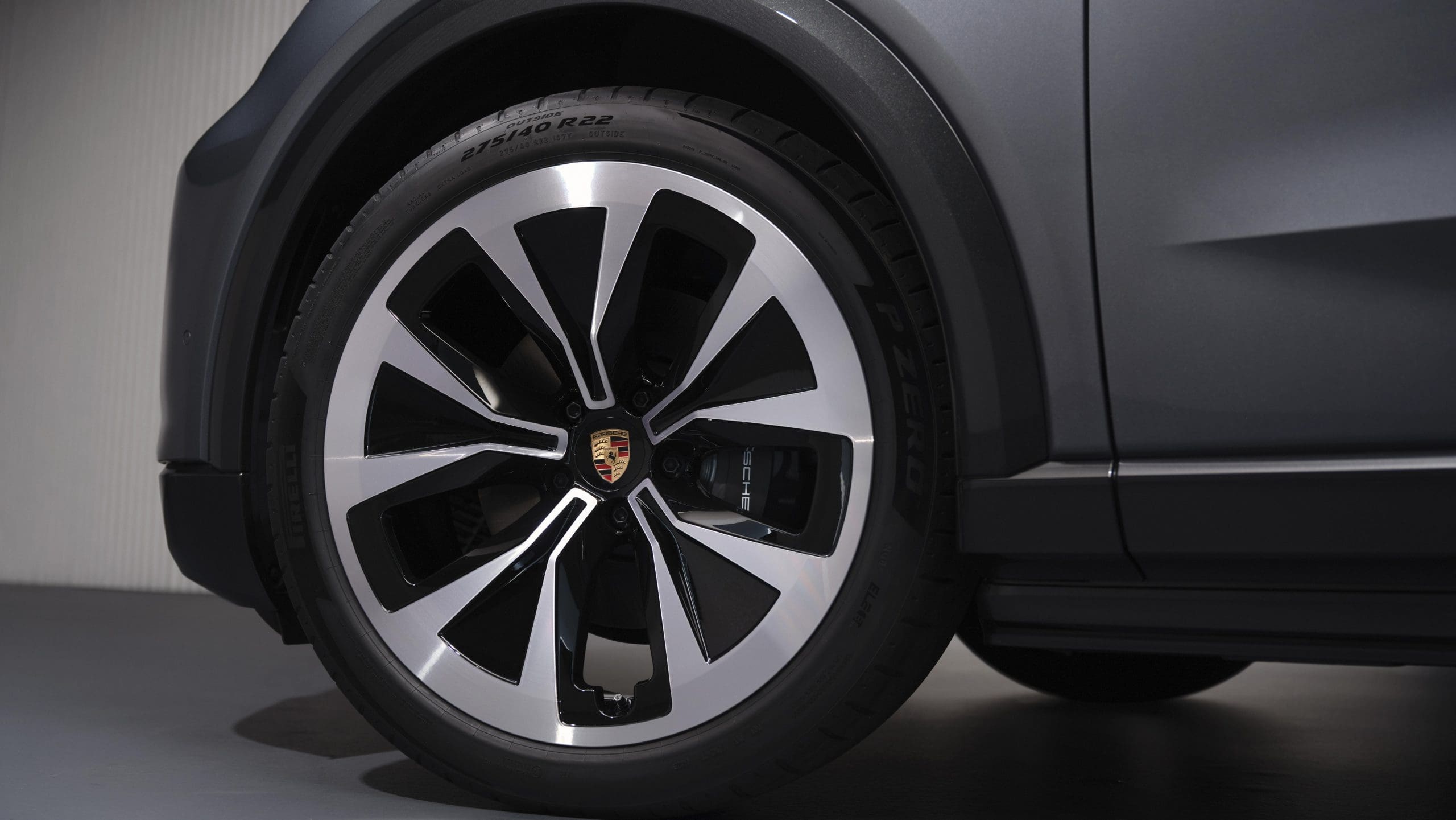
Regenerative braking systems continue to be a cornerstone of the Porsche EV driving experience, and it has been improved to produce up to 600 kW of recuperative power. This means more recharging performance via braking, and less need for the mechanical brakes to engage. Nevertheless, for Turbo models, Porsche continues to offer Porsche Ceramic Composite Brakes (PCCB) as an option.
The Cayenne Electric—being the first of its kind and all—has had its chassis and electronics completely revamped compared to ICE-powered versions. Revised versions of the standard Porsche Active Suspension Management (PASM) are available on both current trims, as is rear-axle steering. Other features such as Porsche Torque Vectoring Plus (PTV Plus) and most notably, Porsche Active Ride—debuting on the Cayenne for the first time—are exclusive to the Turbo trim for now.
Exterior & Interior Design
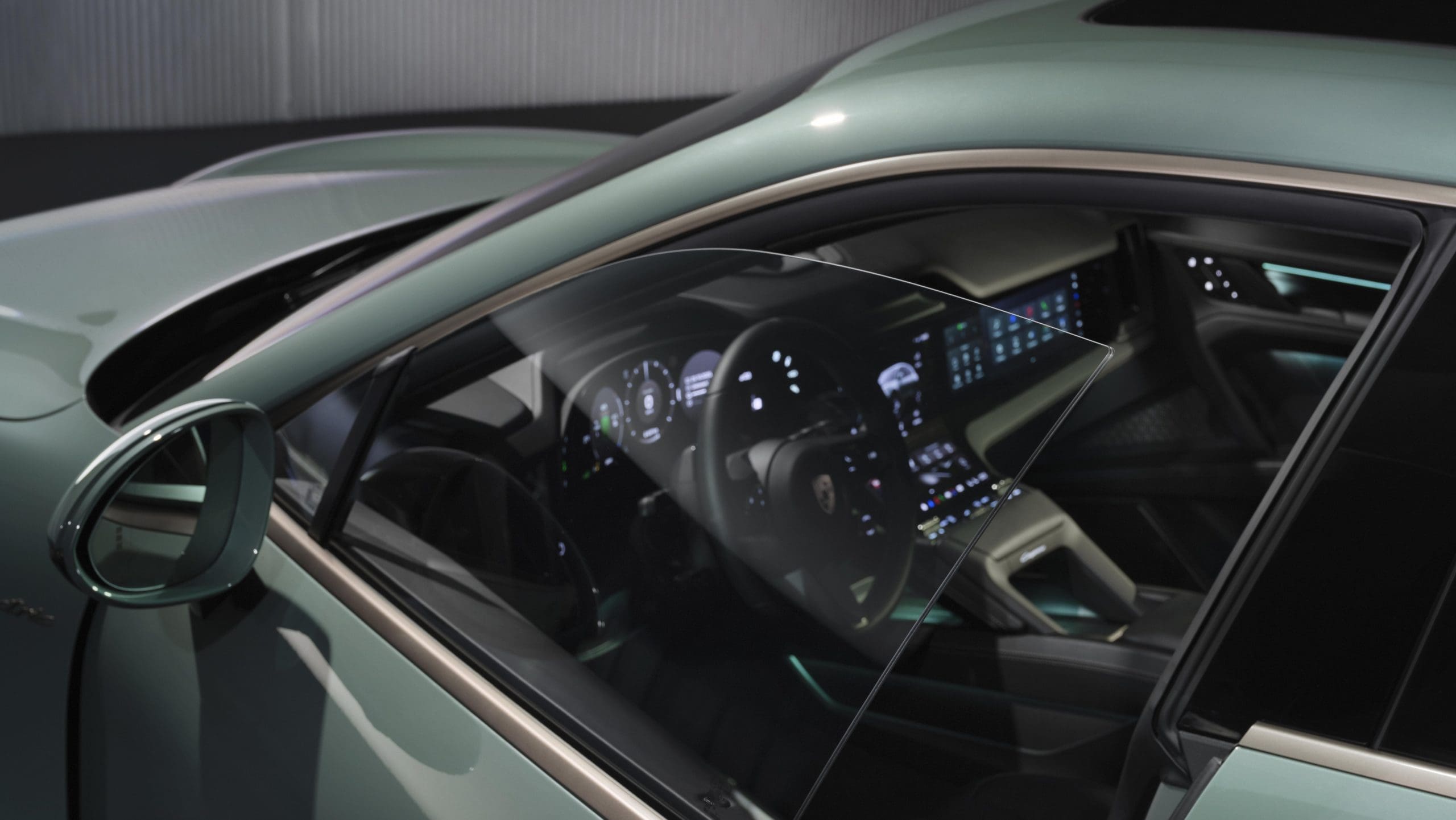
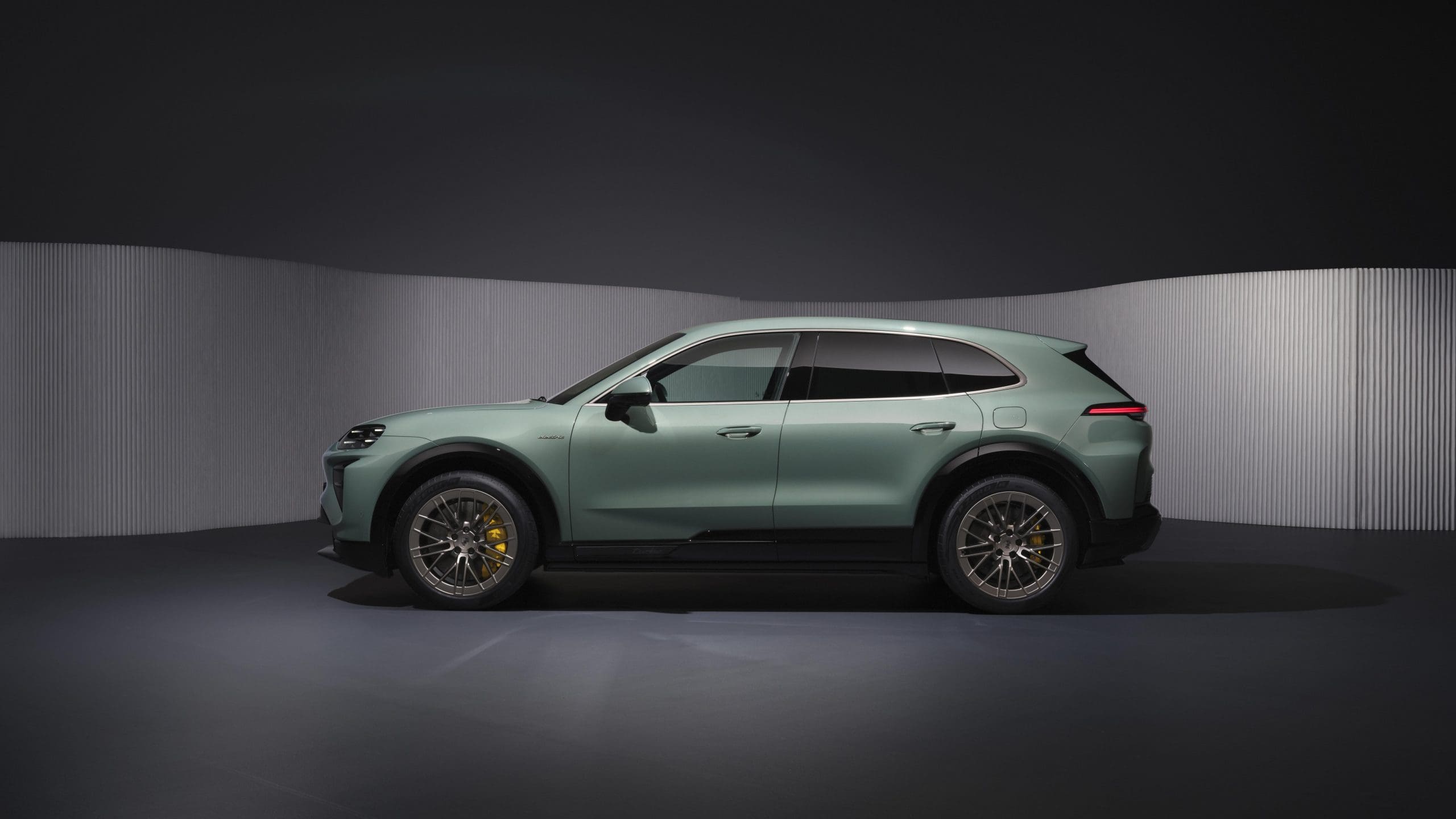
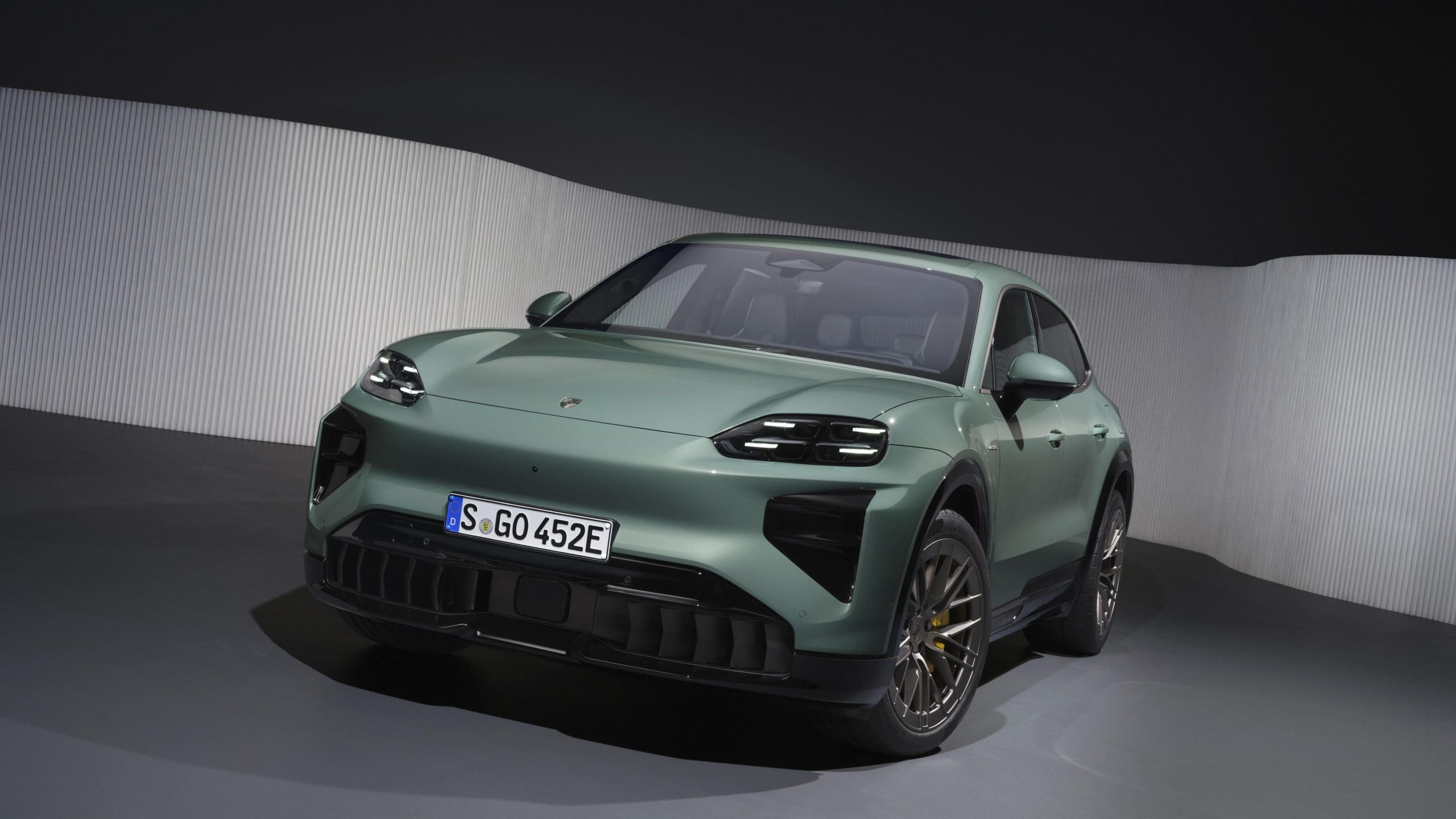
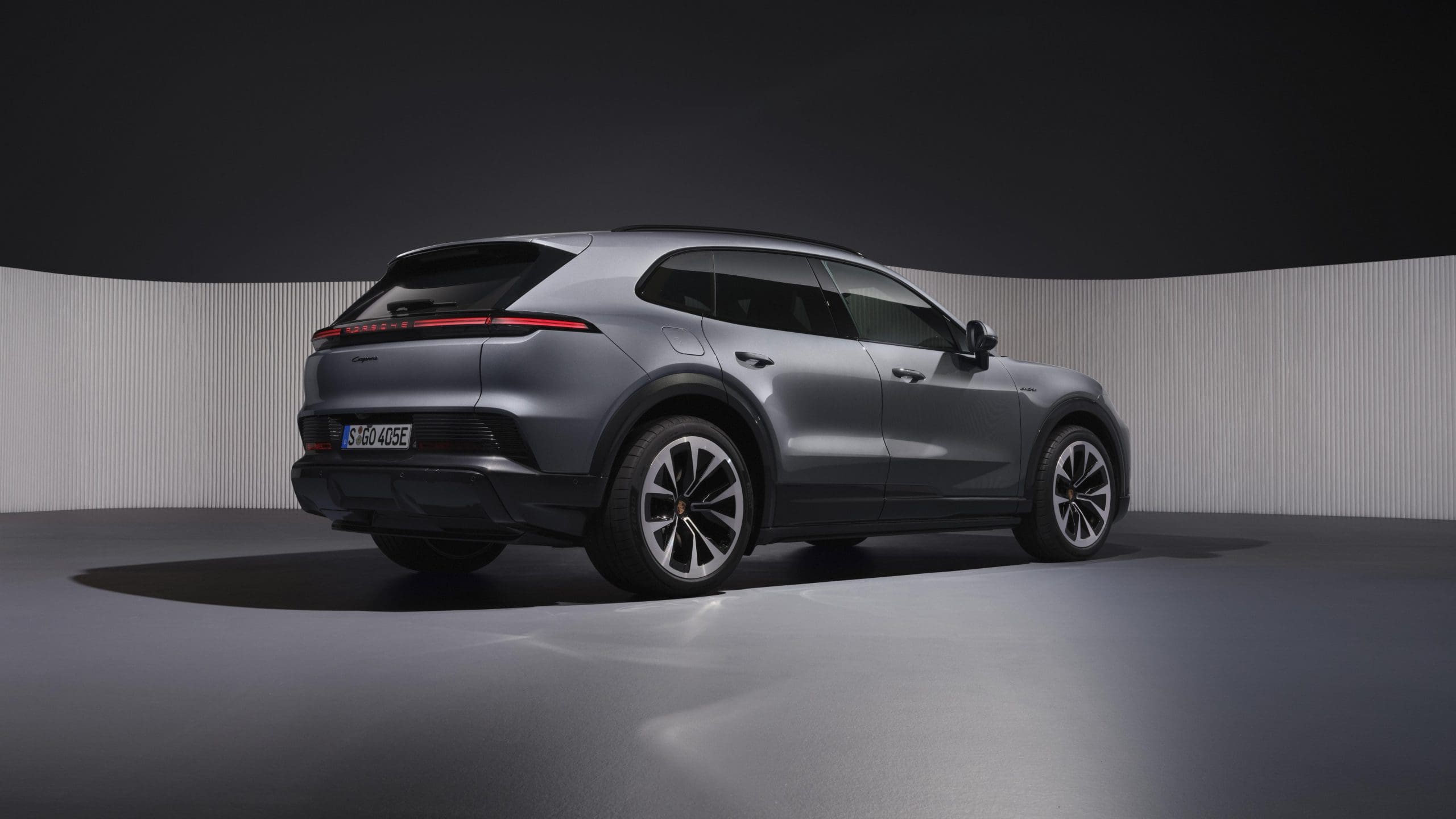
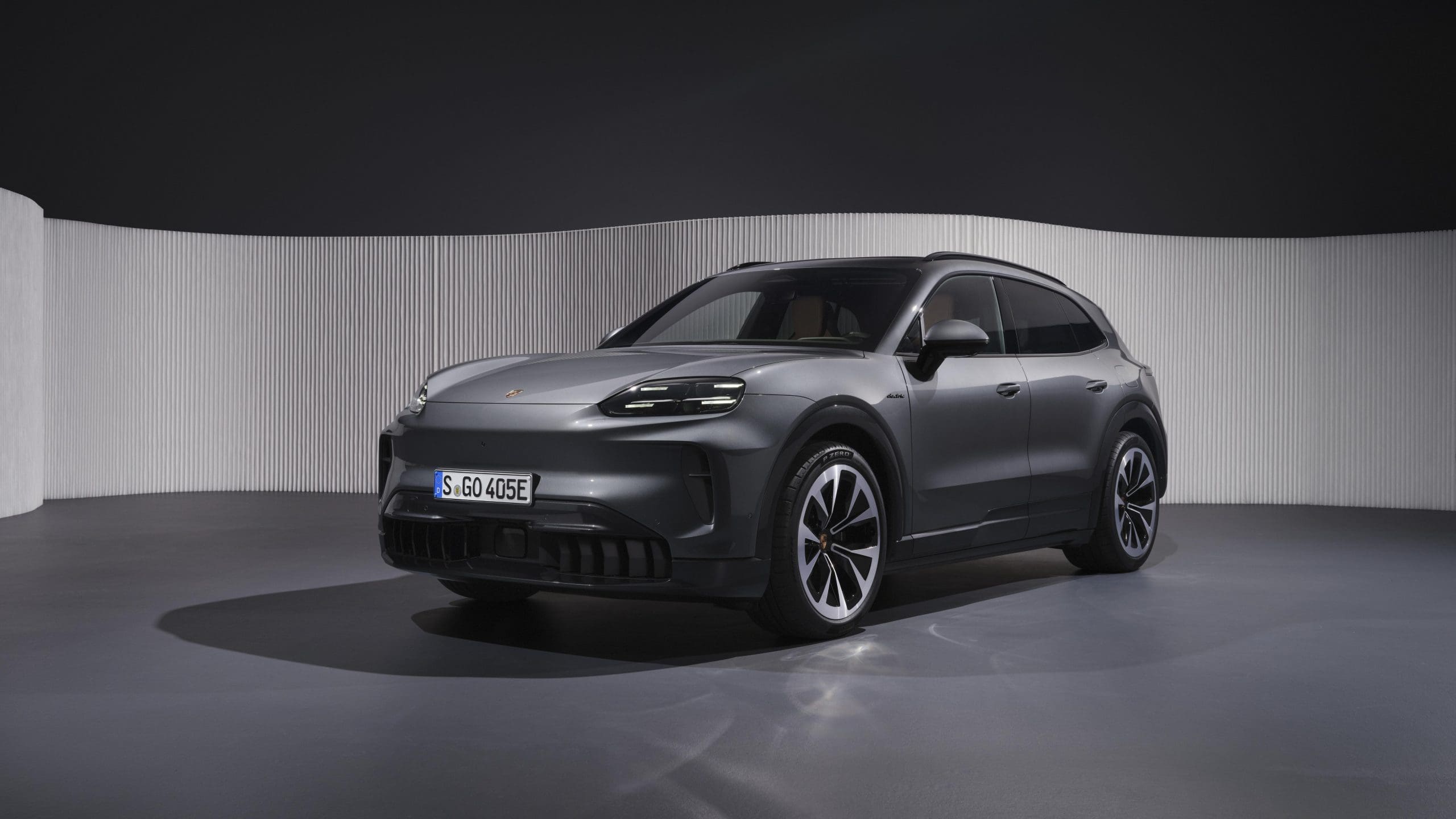
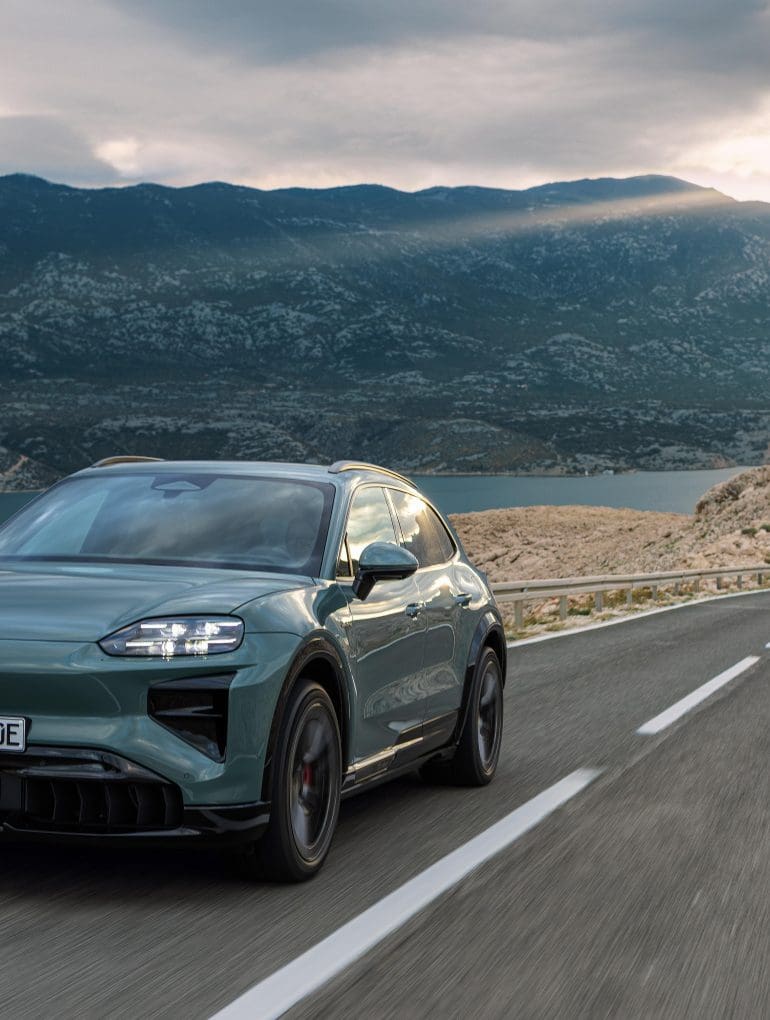
The Cayenne Electric is still unmistakably a Porsche, and a Cayenne, as was intended by the automaker. “The result is a modern design concept that carries the Cayenne into the future,” says Michael Mauer, Head of Style Porsche.
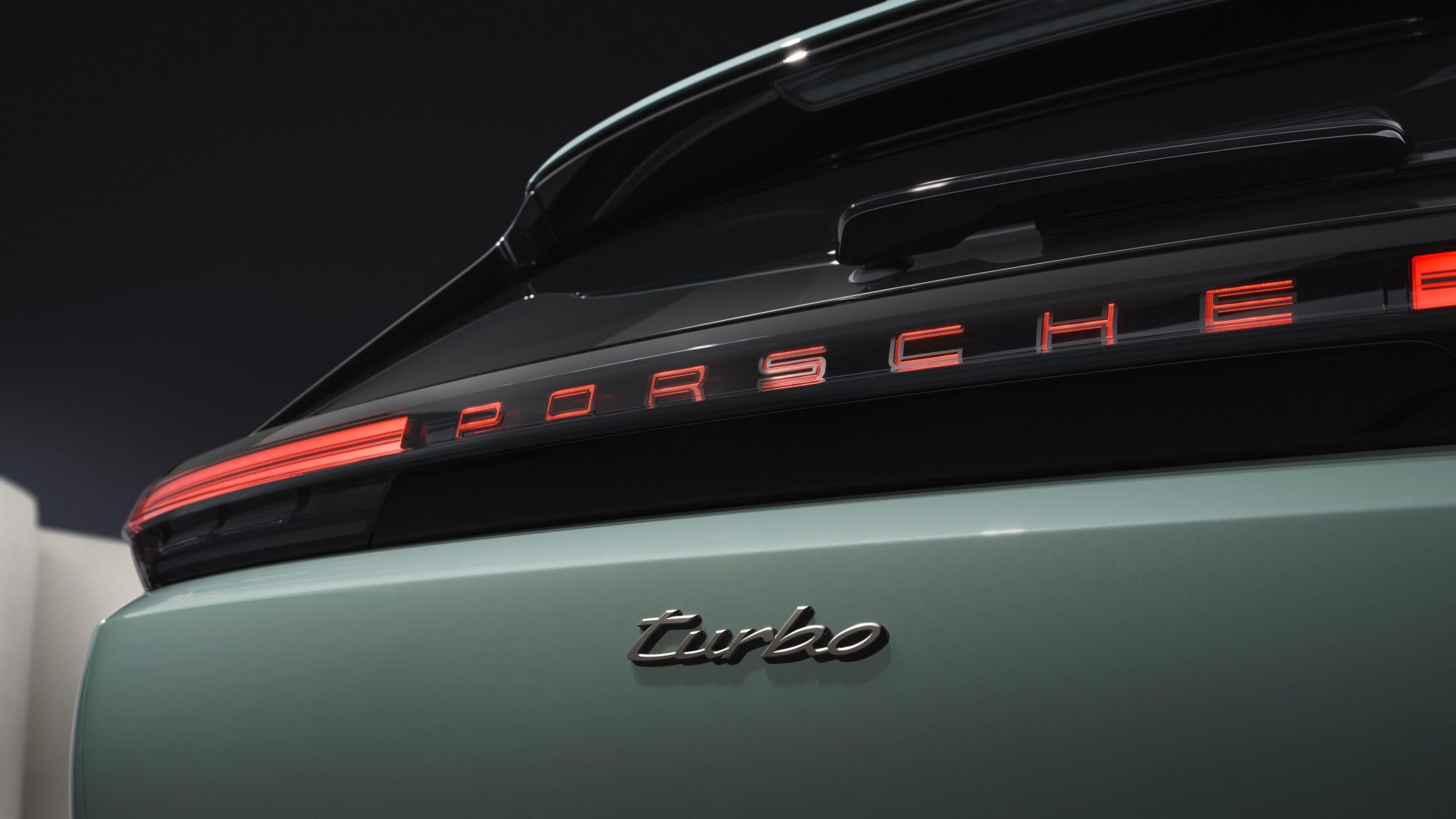
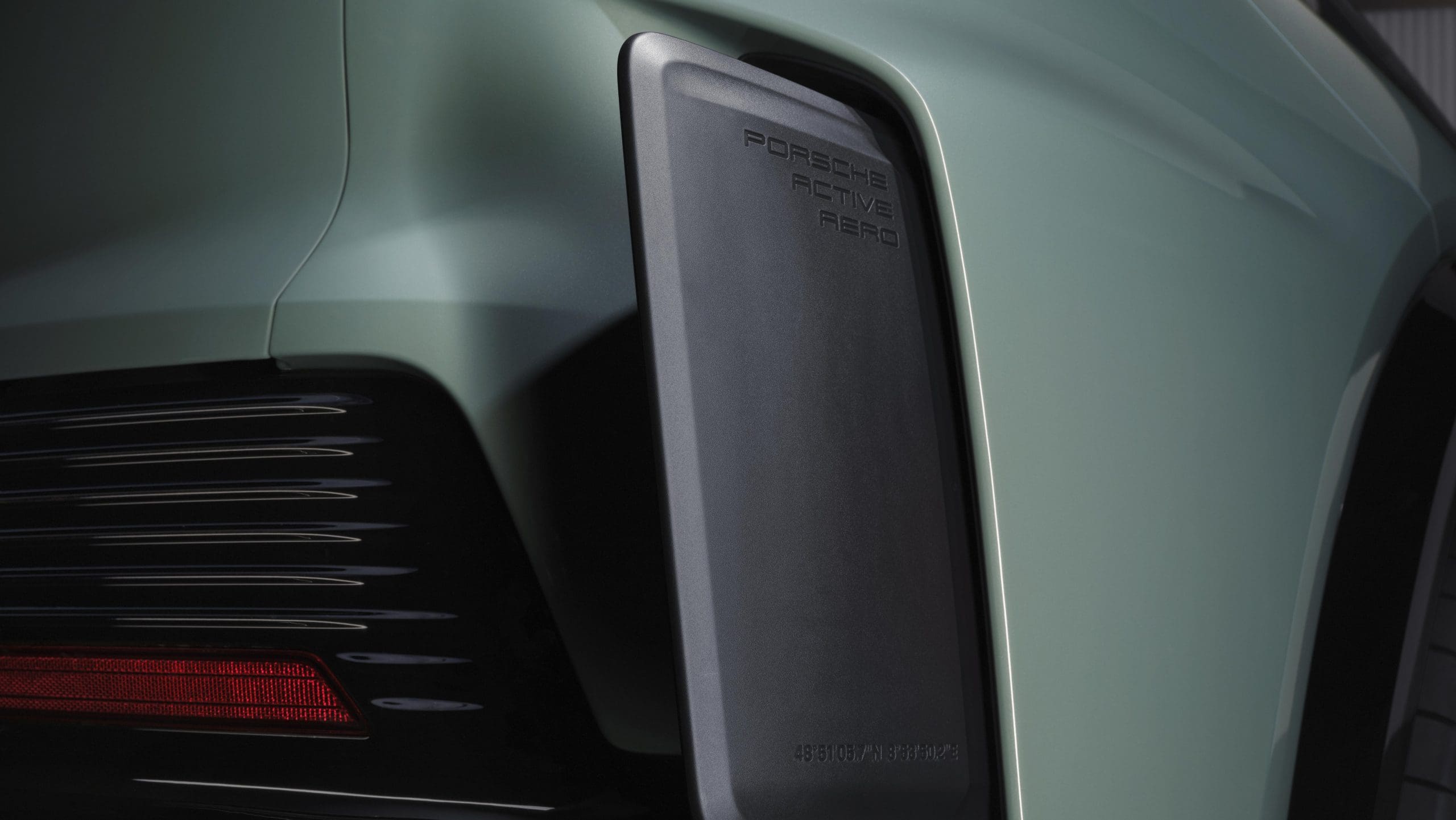
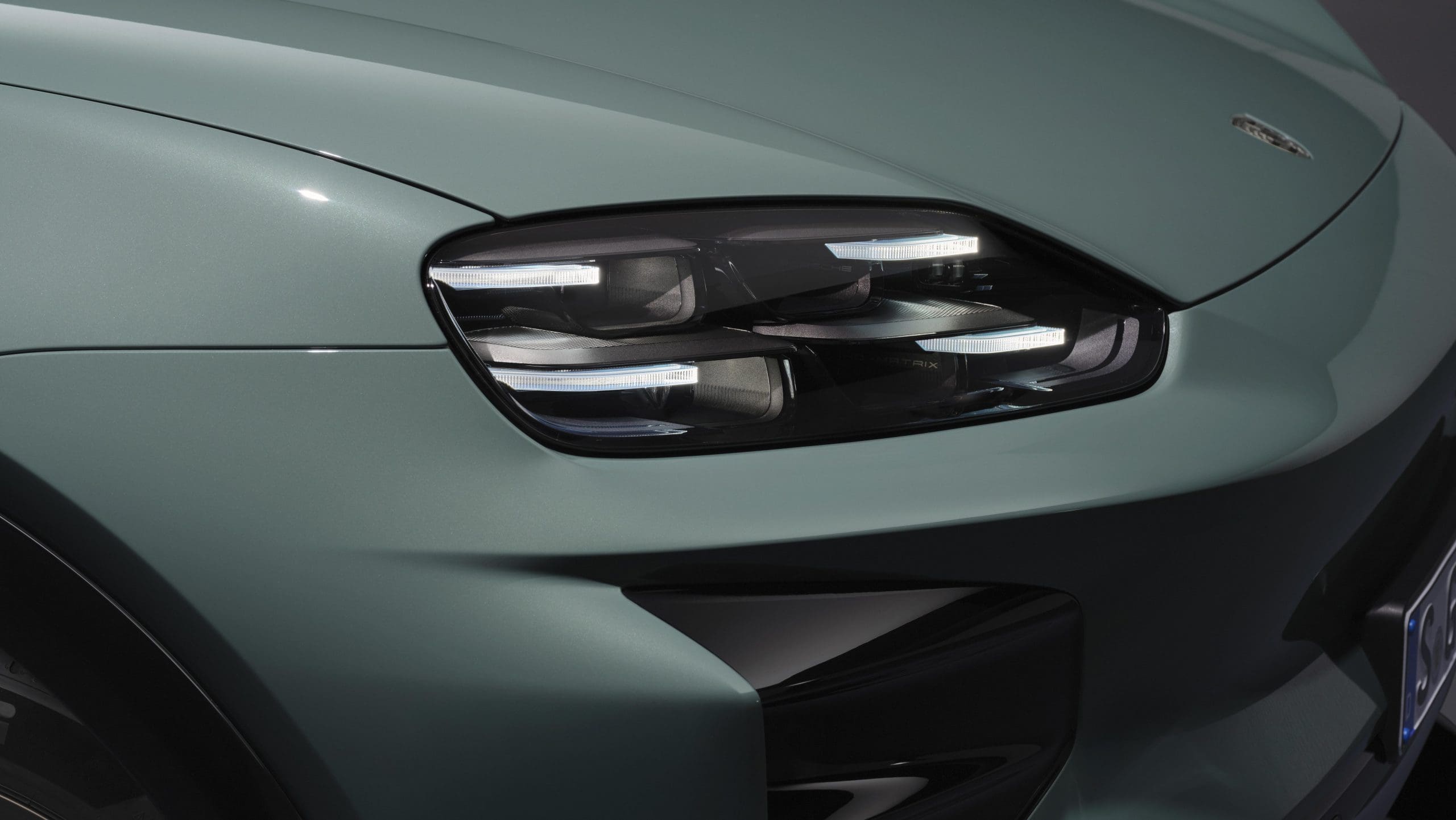
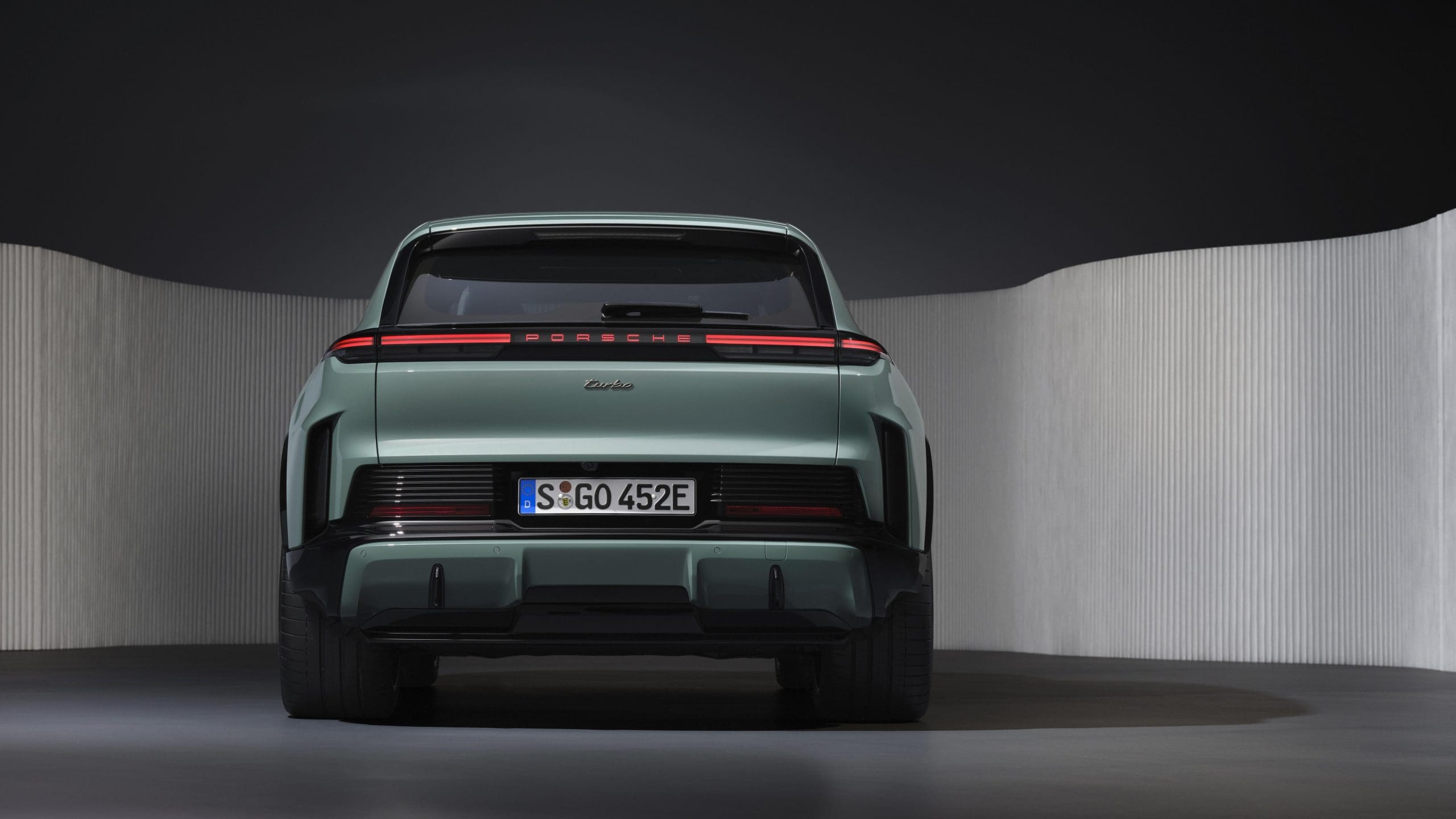
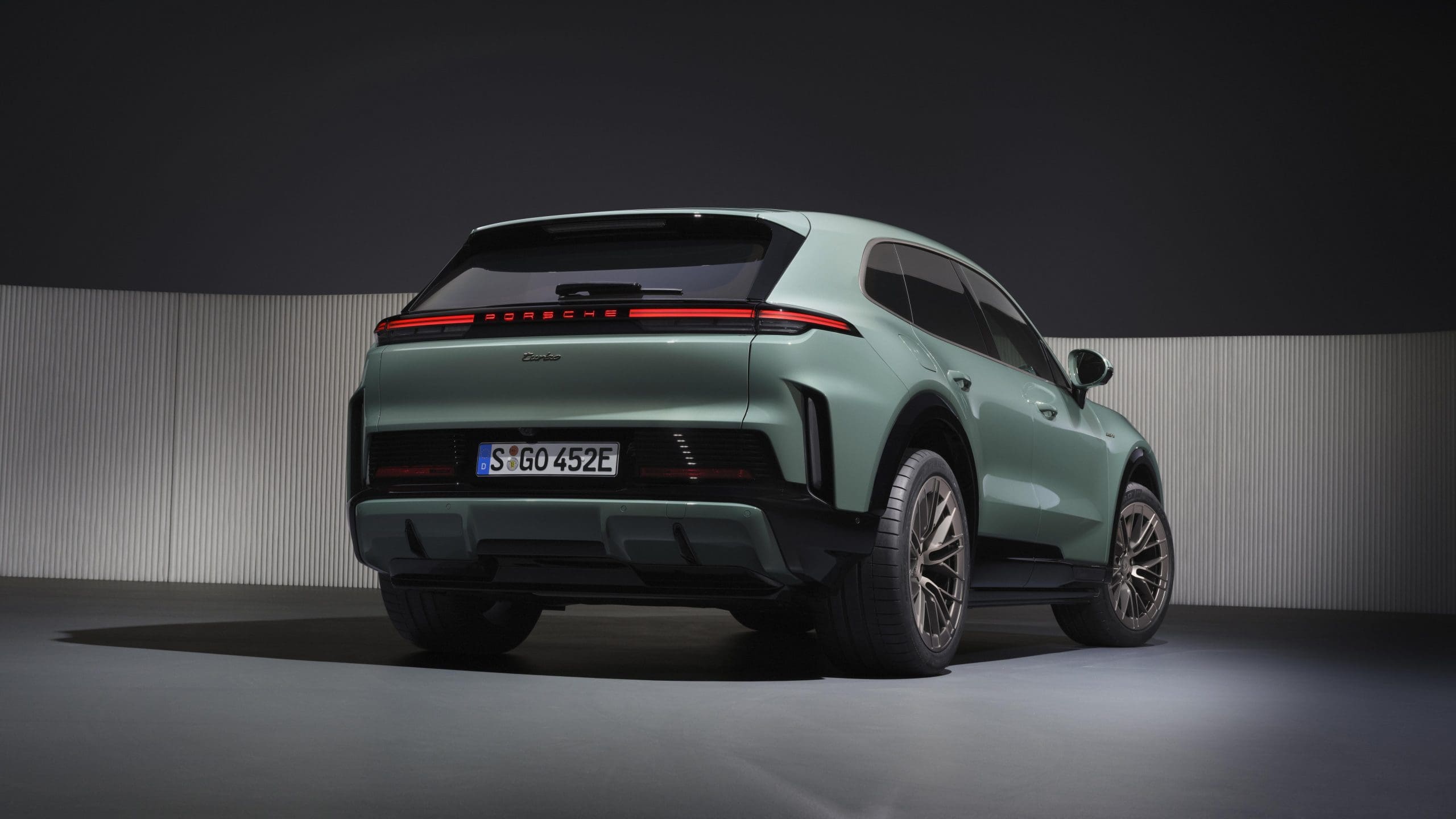
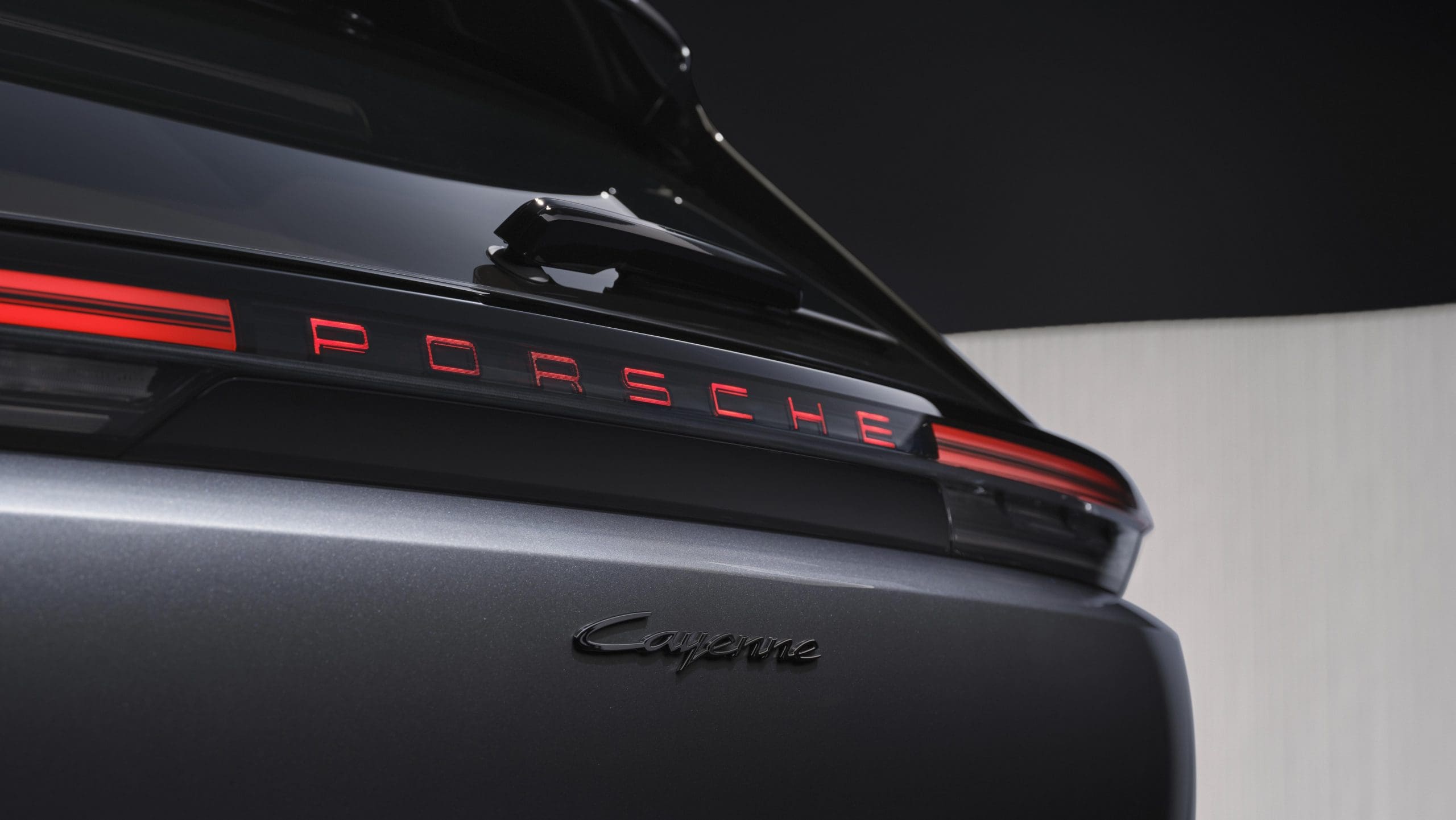
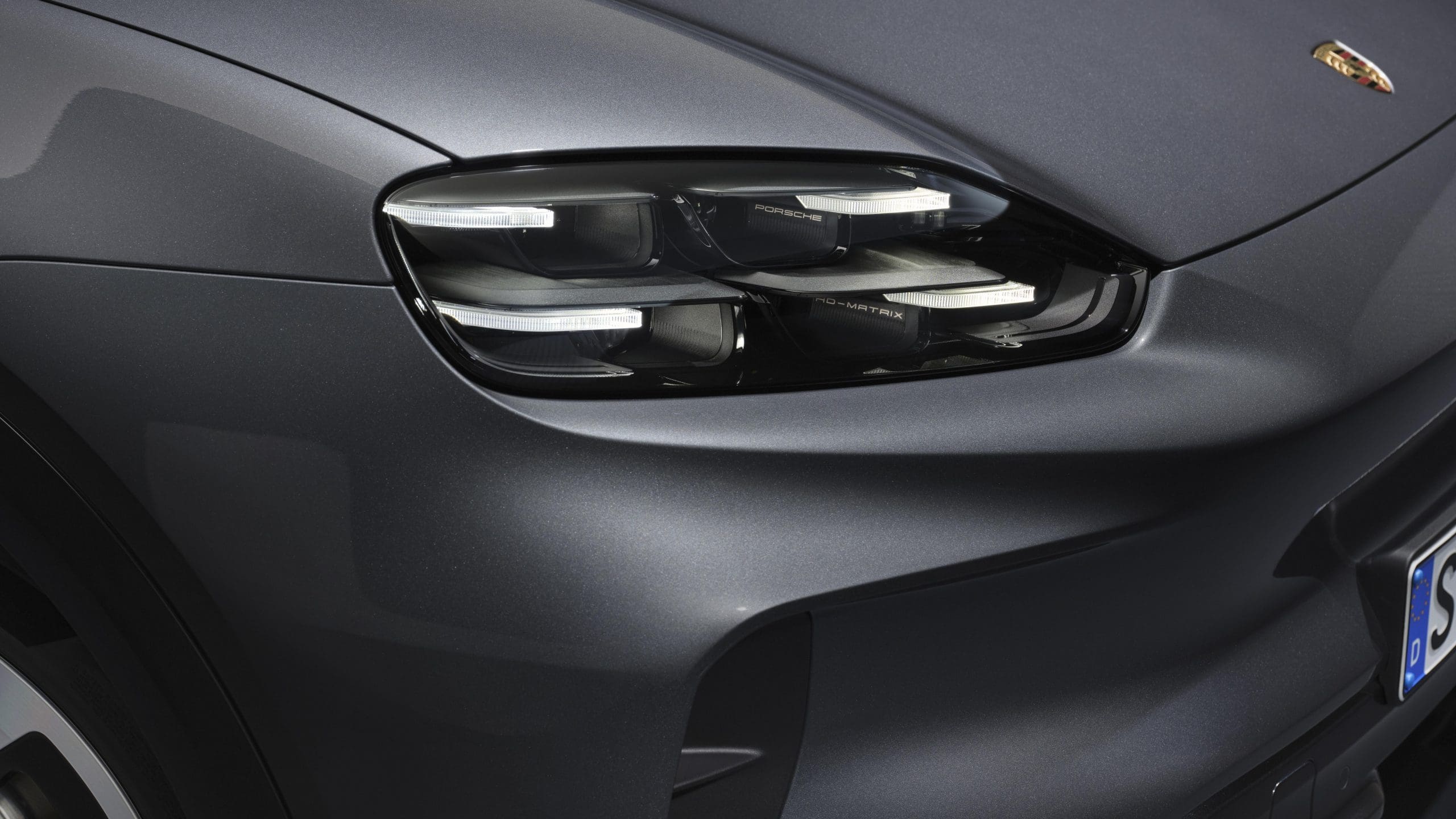
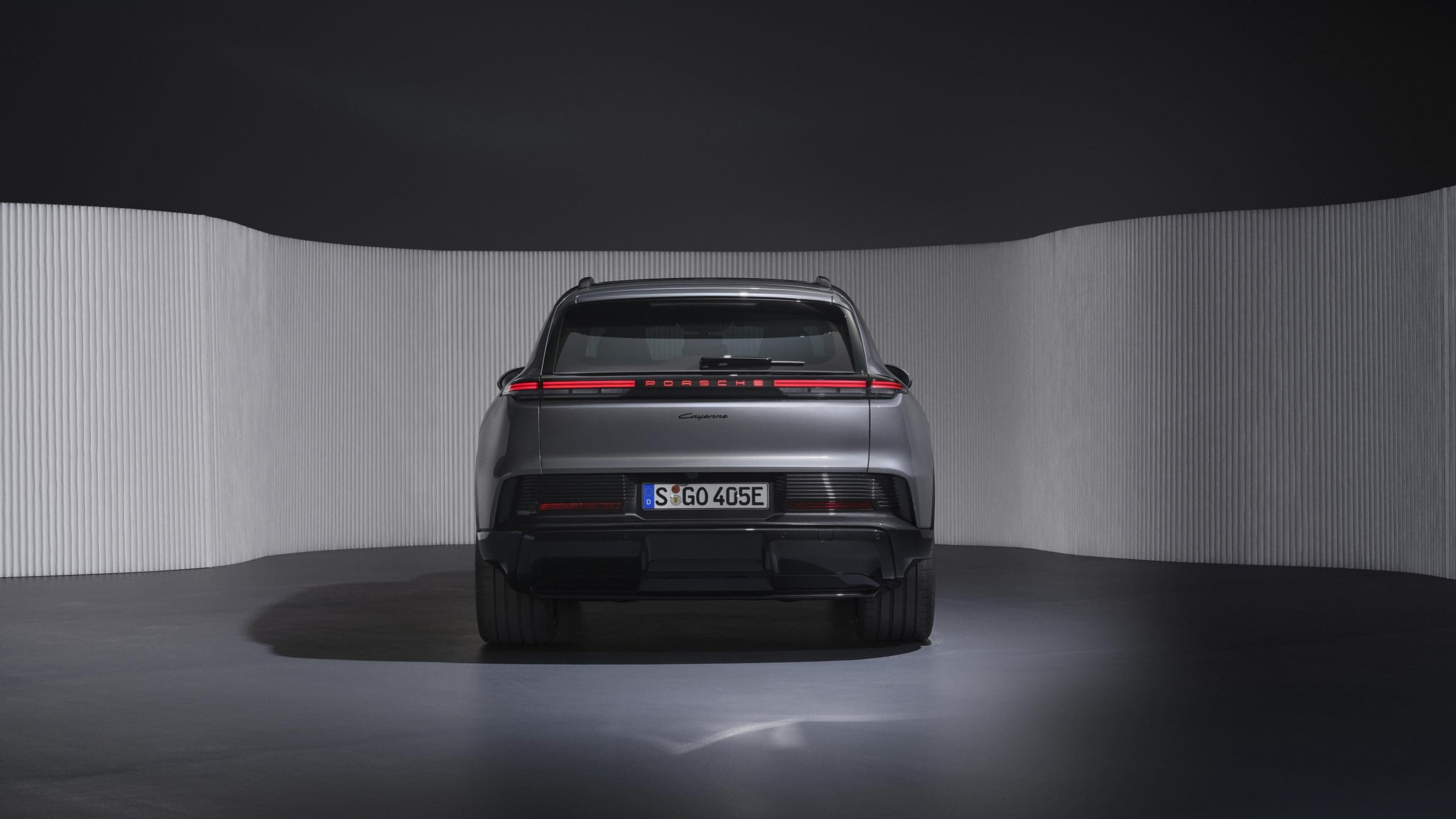
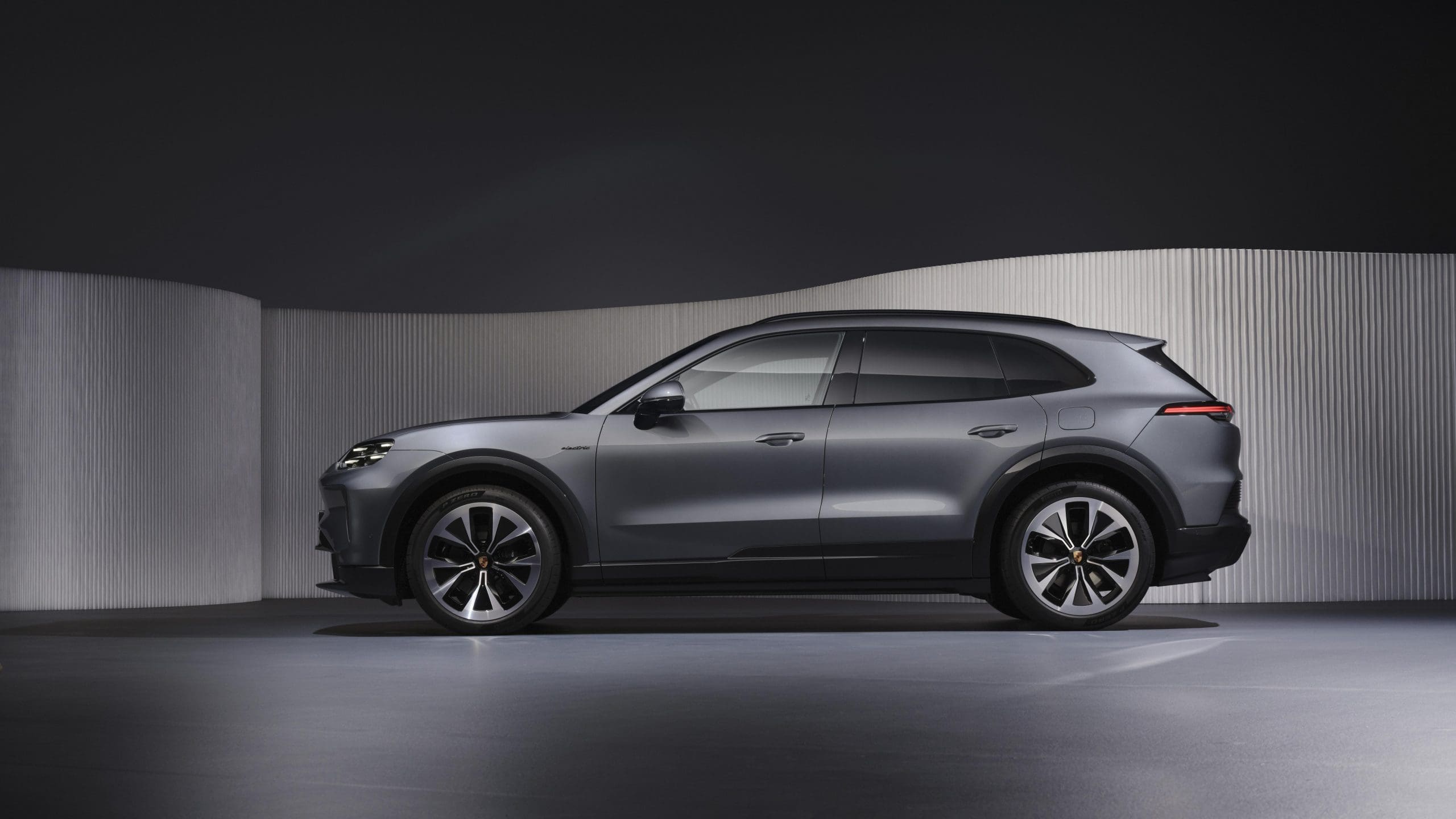
Quintessential design cues such as a distinctive rear light strip, sloping roofline and slim Matrix LED headlights remain part of the Cayenne Electric’s DNA, making for a sporty, but elegant, silhouette with a perfect blend of aggressive, yet contouring, lines. It’s not merely for appearances though, as its resulting drag coefficient of 0.25 makes it one of the most aerodynamic SUVs in its class, with Porsche Active Aerodynamics also factoring into the Cayenne Electric’s impressive range and performance capabilities.
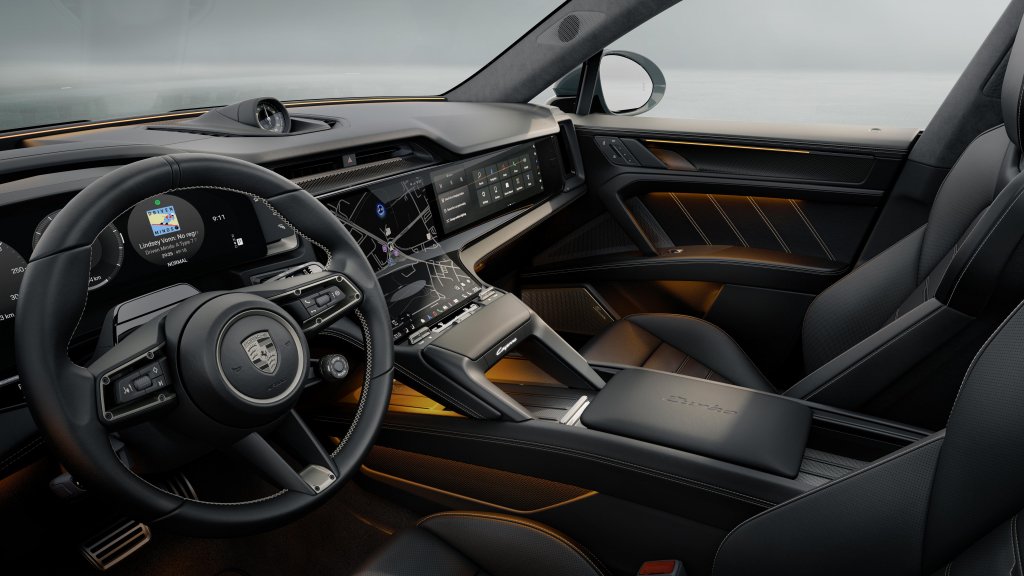
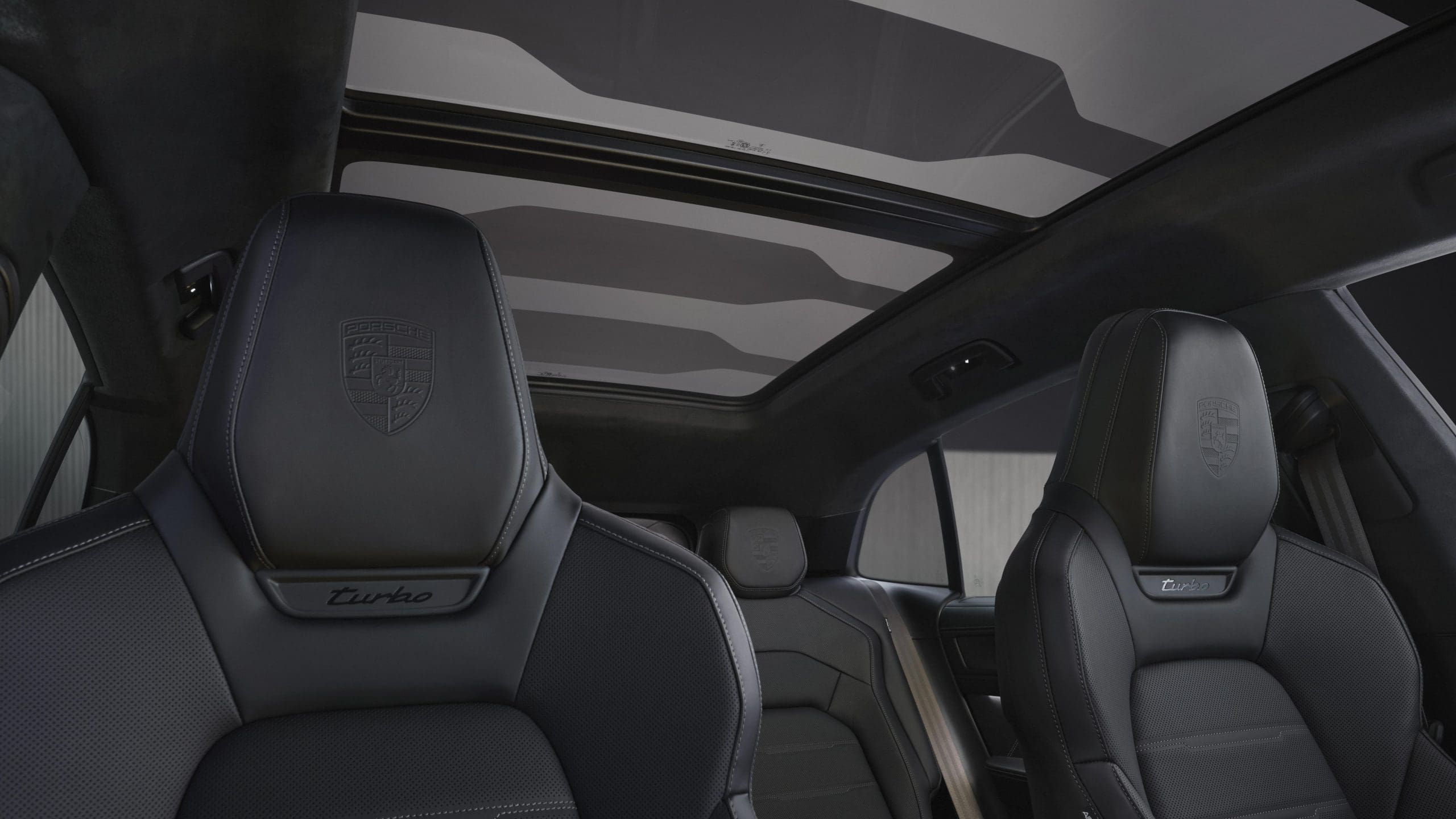
At about 55 millimeters longer than ICE models, the new Cayenne Electric boasts superior comfort, particularly for rear passengers who have almost 13 cm more legroom. Thanks to the absence of a combustion engine, the Cayenne Electric also has more cargo capacity than ever before, with up to 1,588 liters available in the rear, plus a 90 liter luggage compartment up front. Porsche also claims that their new E-SUV is capable of towing up to 3.5 tons, further highlighting the platform’s utilitarian strengths.
Other classic Cayenne fixtures such as Volcanic Grey Metallic paint, illuminated Porsche lettering and contrast elements in Turbonite color, also make a return. Paint to Sample and the Sonderwunsch programme are also at the beck and call for customers who want to take customization of their vehicle to bespoke levels. An Off-Road package is also available, to help the Cayenne navigate harsher terrain more safely and effectively.
Pricing & Availability
The Cayenne Electric and Cayenne Turbo Electric both start at an MSRP of $109,000 and $163,000 respectively. Both models are available to configure on official Porsche websites, and dealers are taking orders now. That means we can expect to see the first Cayenne EVs arrive as soon as Q1 2026.
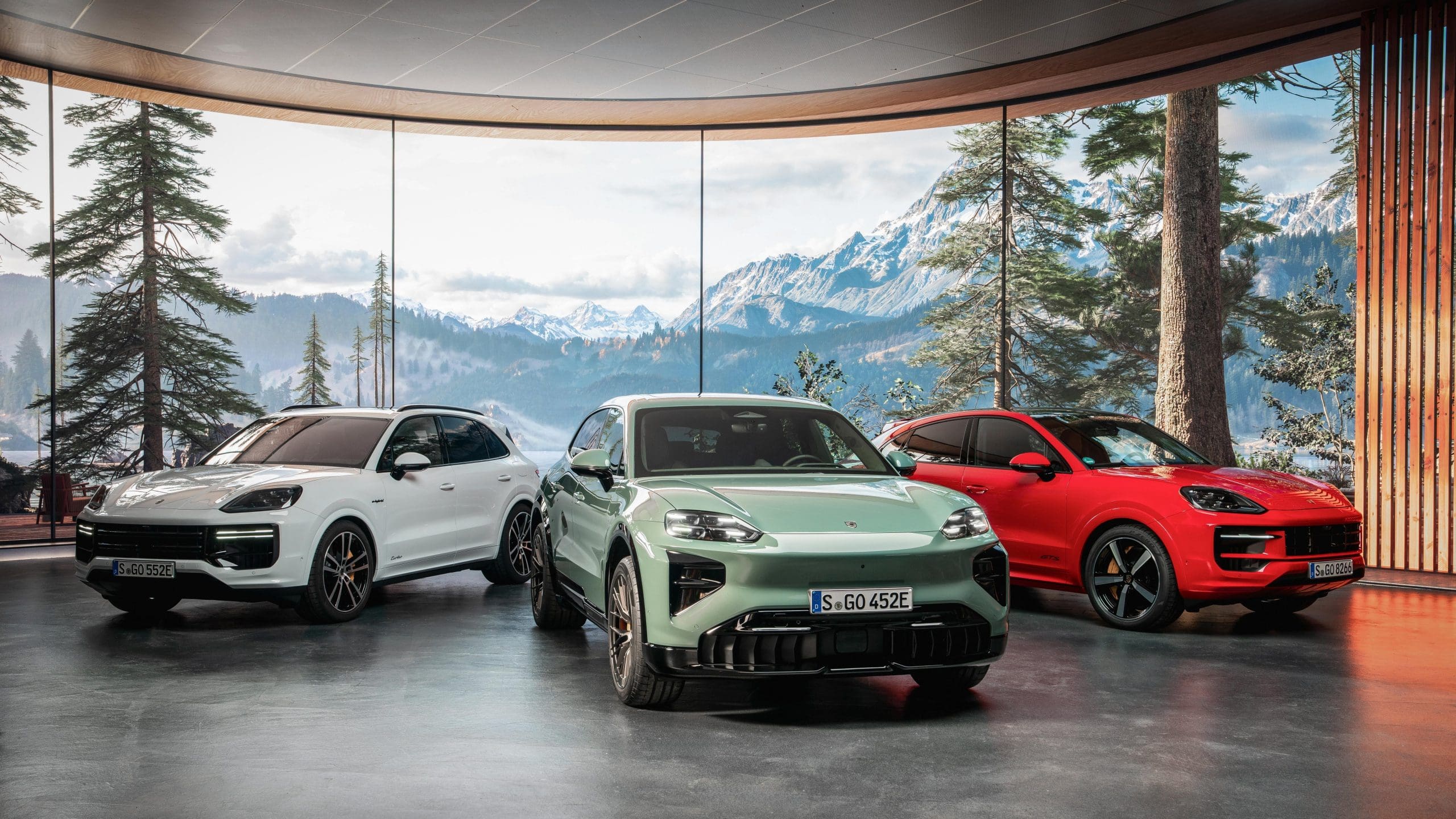
There’s also no confirmation yet on when or whether there will be other Cayenne Electric trims on the way, to fill what looks to be a very large gap between the two trims currently on offer. It does look as though a GTS variant would really hit that sweet spot, should the company decide to release at least one new trim level to the roster. As combustion and hybrid Cayenne will continue to be offered alongside the fully-electric models, perhaps this is a sign that Porsche is playing the wait-and-see game here…
Video Gallery
Image Gallery