
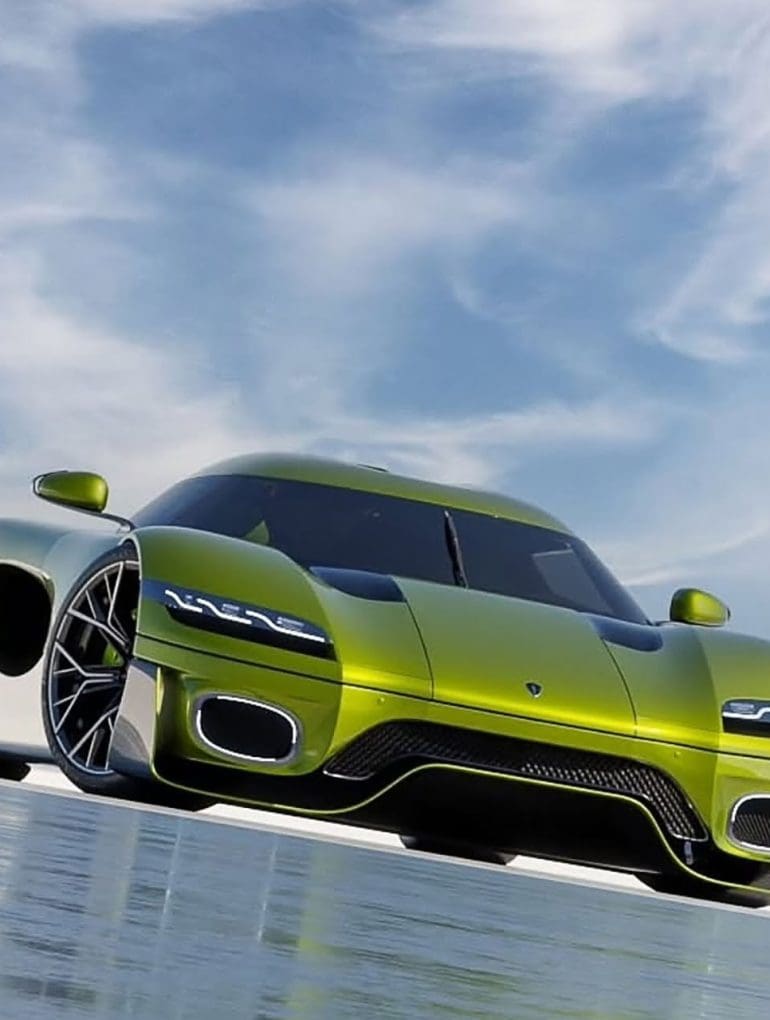

The Koenigsegg Fenrir concept does not merely push boundaries; it redraws them entirely. In a segment already defined by extremity, Mehran Cheraghi, a massive Koenigsegg fan, designed something far more ambitious than incremental evolution. The Fenrir represents a philosophical shift, merging the disciplined purity of Scandinavian design with the primal symbolism of Norse mythology in a machine that feels both ancient and futuristic.
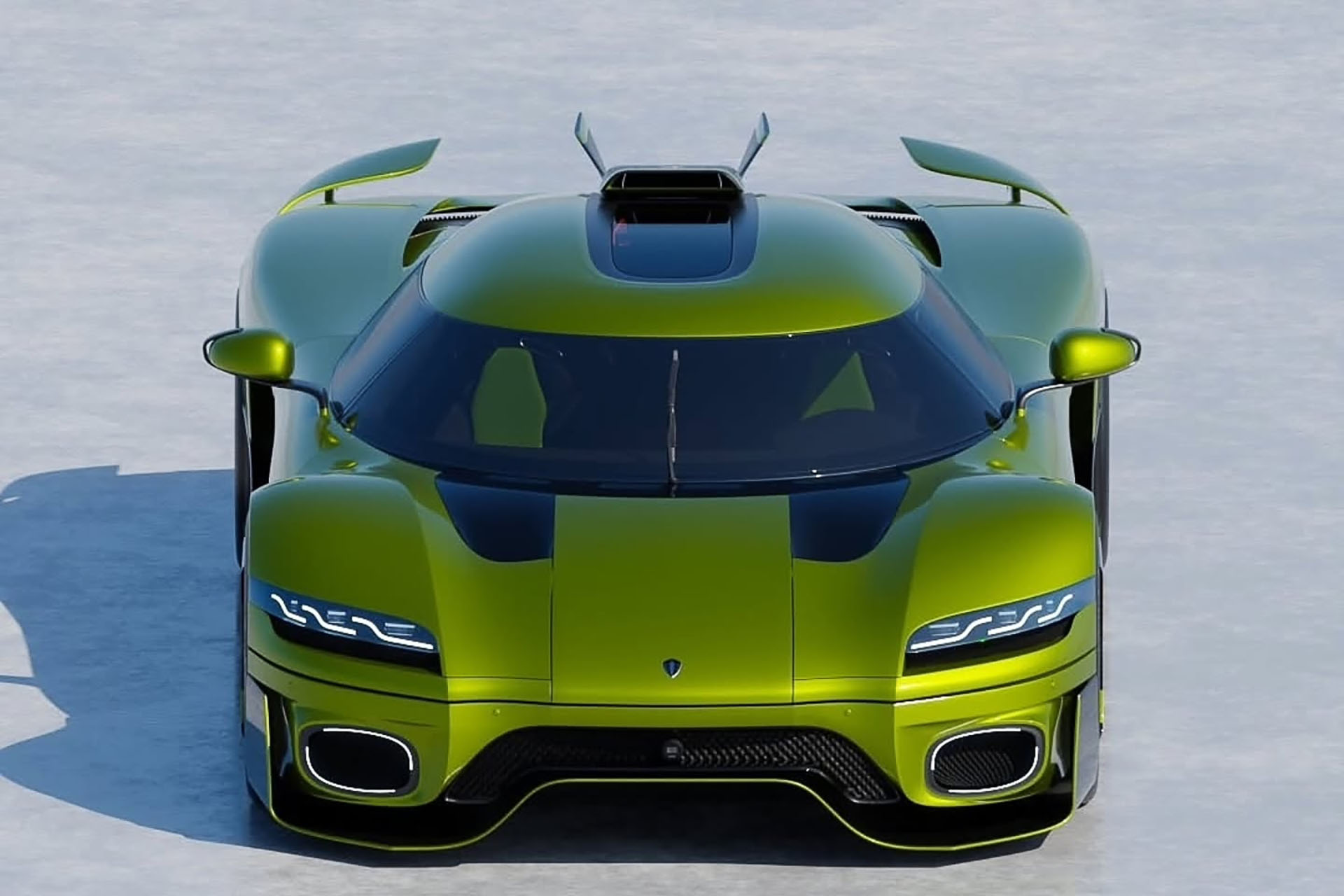
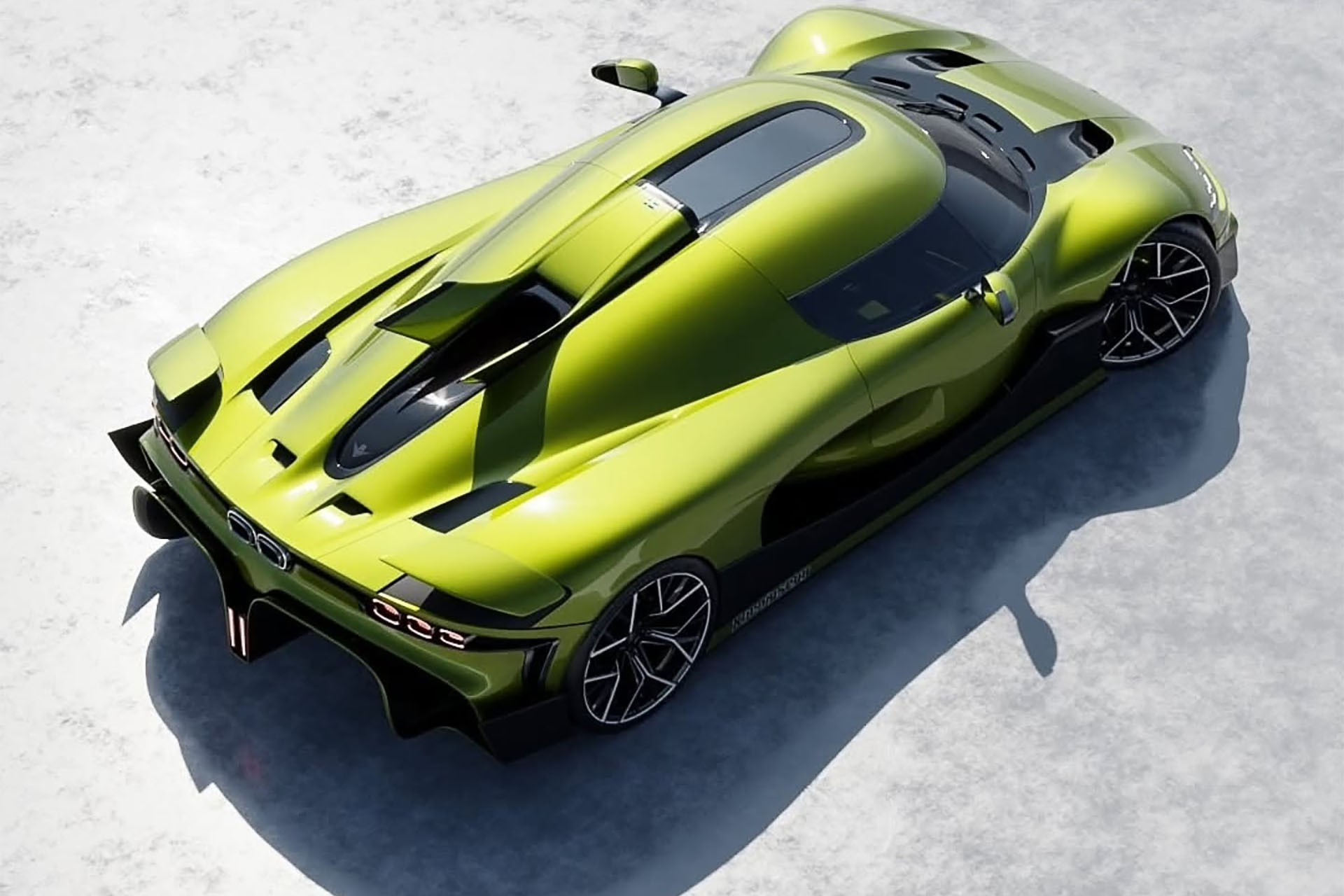
Named after the legendary wolf of Norse lore, a creature destined to challenge the gods themselves, the Fenrir concept channels that same aura of restrained menace. Its silhouette is unmistakably predatory: low, stretched, and impossibly sharp, with proportions that appear coiled and ready to strike. Unlike many hypercars that rely on visual chaos to communicate speed, the Fenrir achieves aggression through precision. Every angle feels intentional. Every surface appears tensioned. Nothing is ornamental; everything serves a purpose.
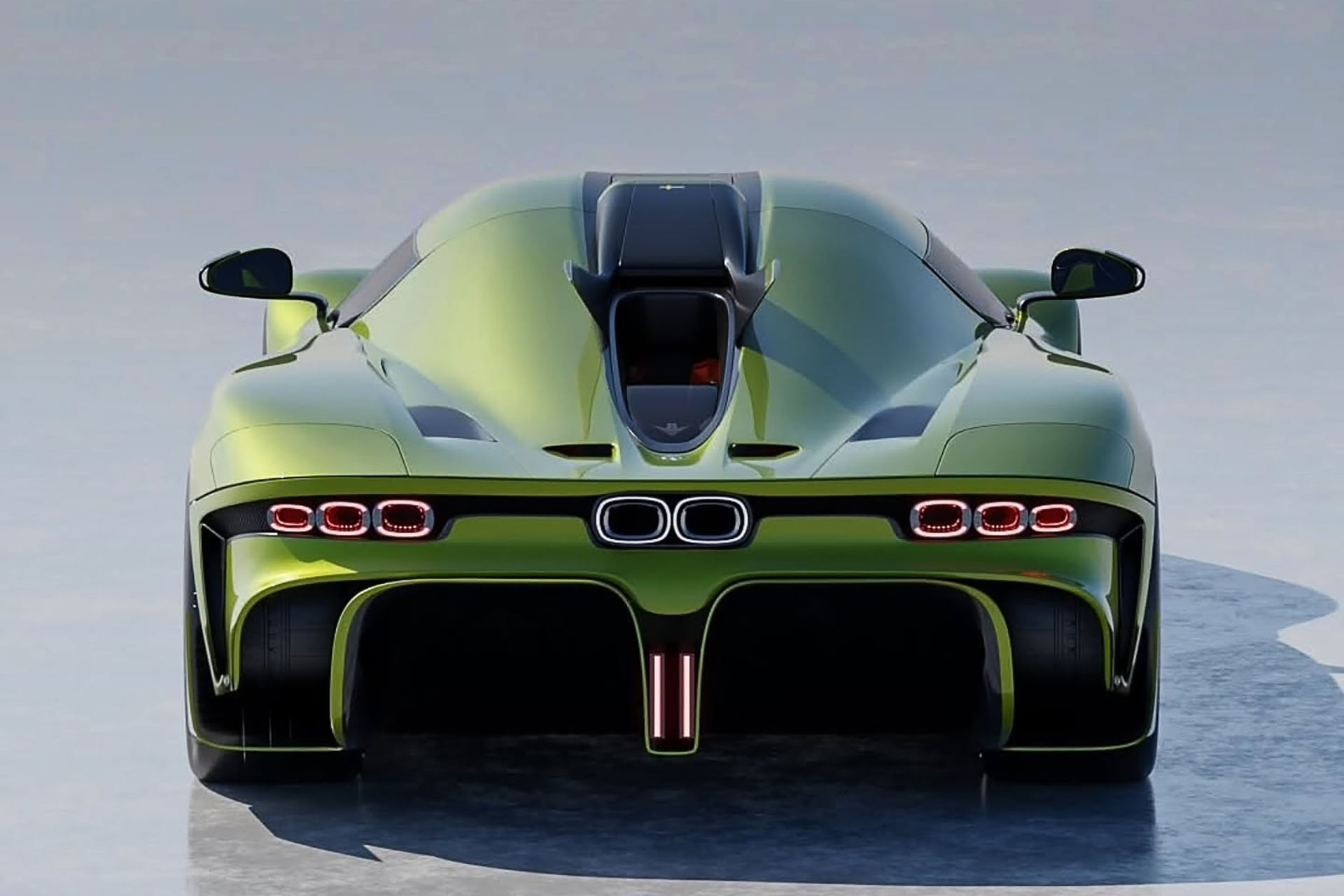
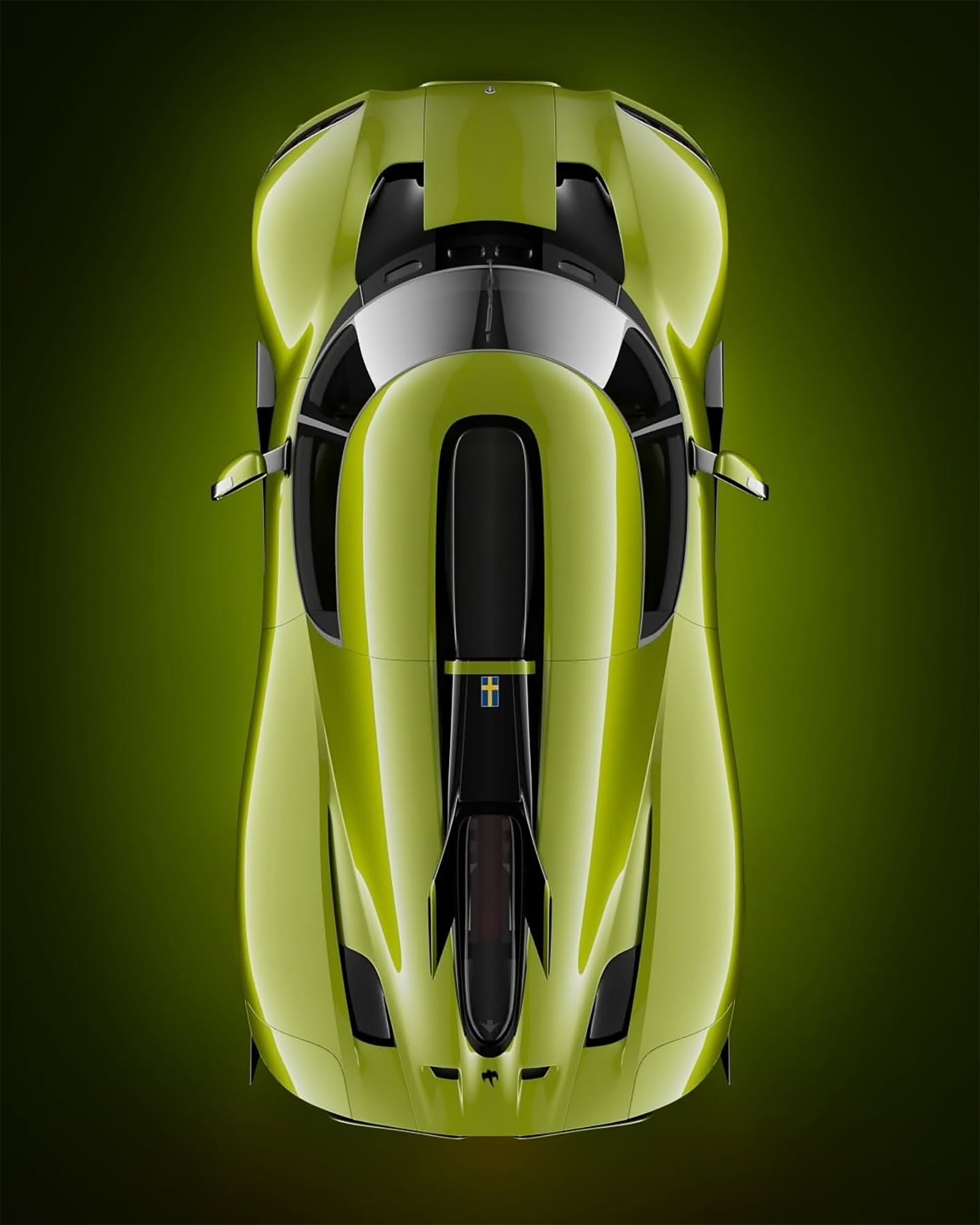
From a design standpoint, this concept marks a bold reinvention of Koenigsegg’s visual language. While the brand has always balanced beauty and brutality, the Fenrir amplifies both traits to new extremes. The front fascia is sculpted with blade-like aerodynamic elements that manage airflow with surgical efficiency. Deep air channels carve through the bodywork, guiding air across and beneath the chassis to maximize downforce while minimizing drag. The rear architecture is equally dramatic, featuring an integrated aerodynamic spine and an active wing system that appears seamlessly fused into the car’s skeletal structure.
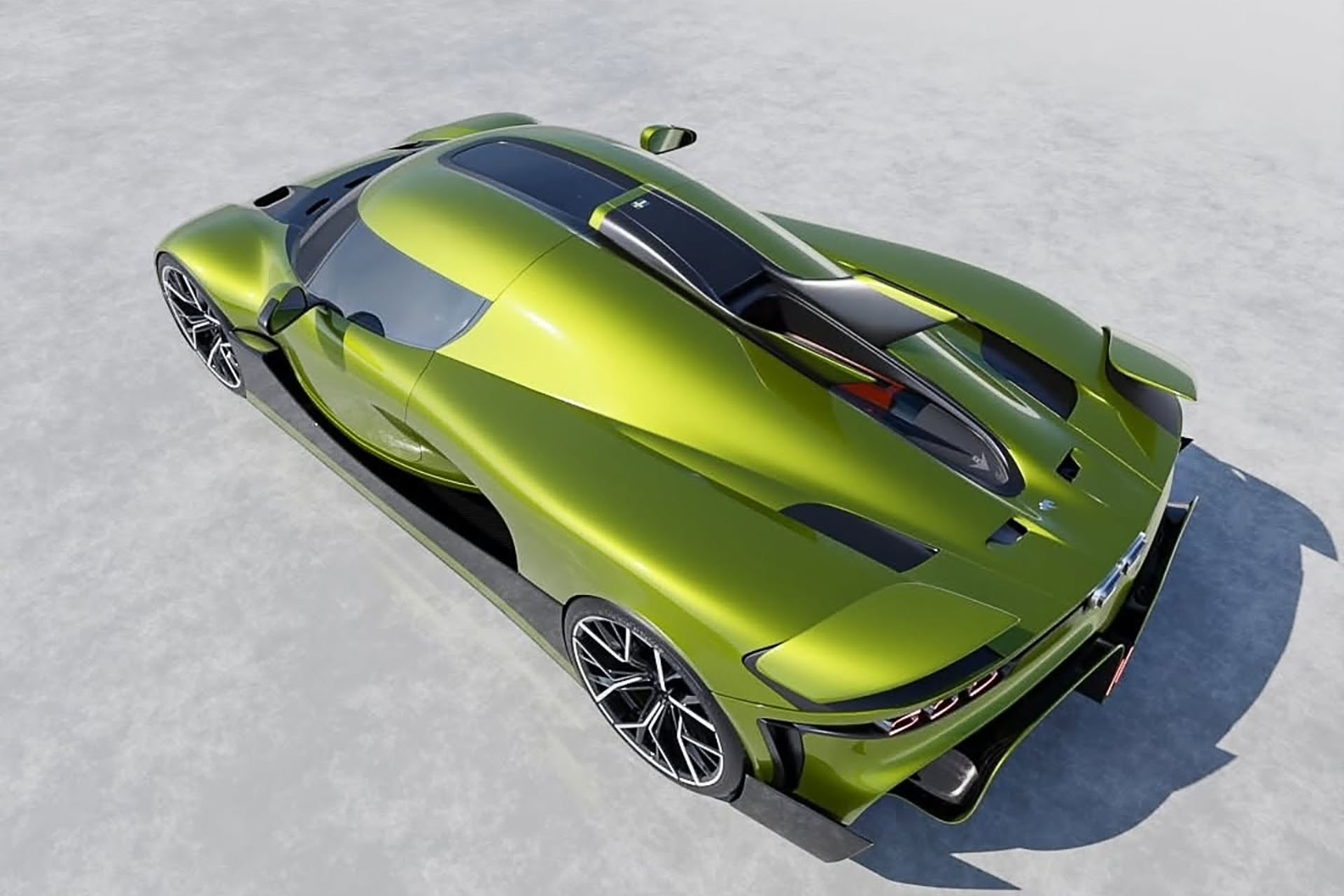
As with all Koenigsegg creations, this fan-designed concept clearly shows that form follows function with almost obsessive dedication. The Fenrir’s body, imagined in advanced carbon composite construction, is shaped not only for aesthetic drama but for measurable performance gains. The cabin sits centrally within a narrow greenhouse, reducing frontal area while enhancing driver focus. The stance is wide and planted, suggesting extraordinary mechanical grip and track-oriented capability.
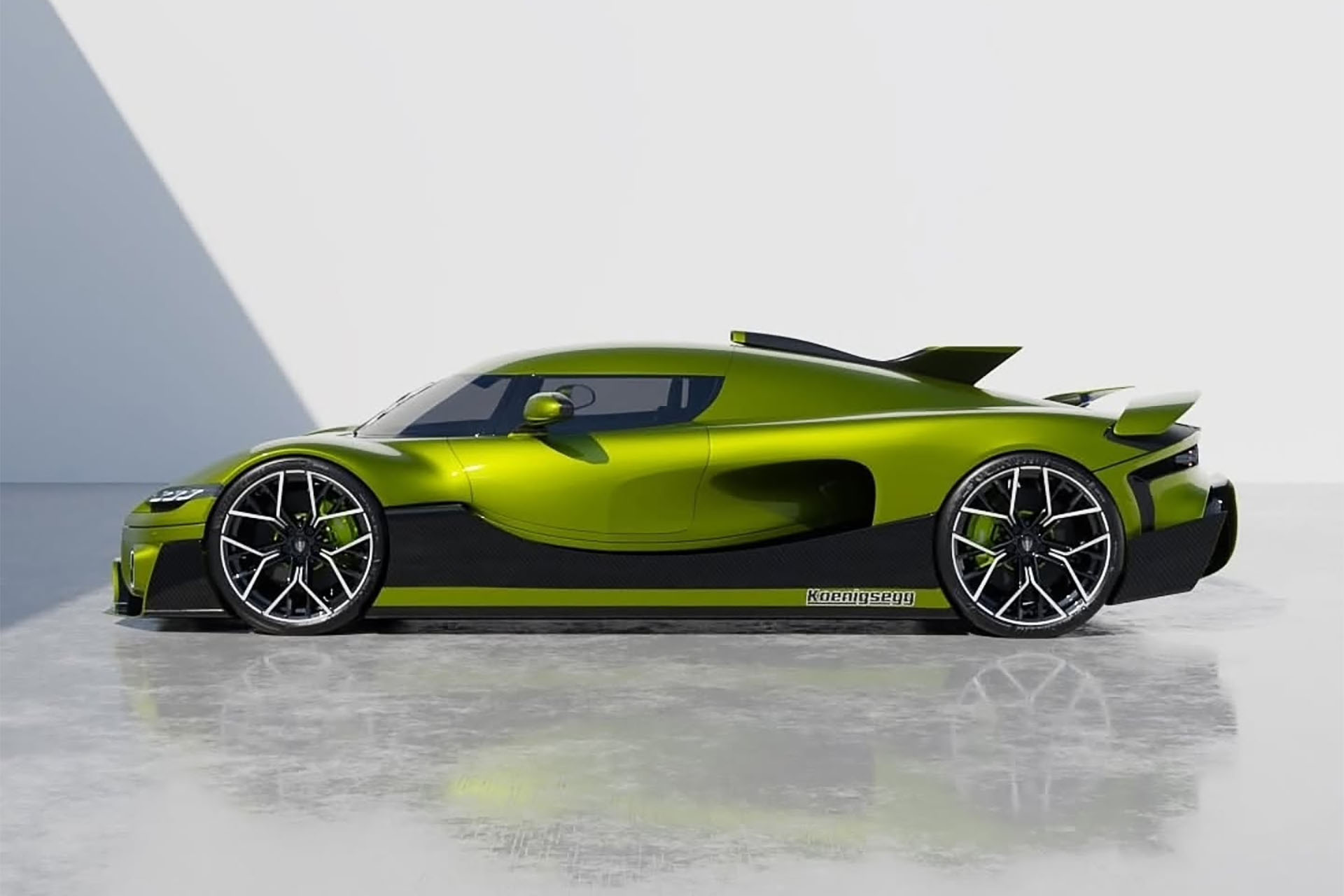
Although presented as a concept, the Fenrir feels less like fantasy and more like a preview of what could define Koenigsegg’s next design era. It captures the raw aggression of a dedicated track weapon while maintaining the brand’s hallmark technical precision and engineering sophistication. The balance is striking: savage in appearance, yet controlled in execution.
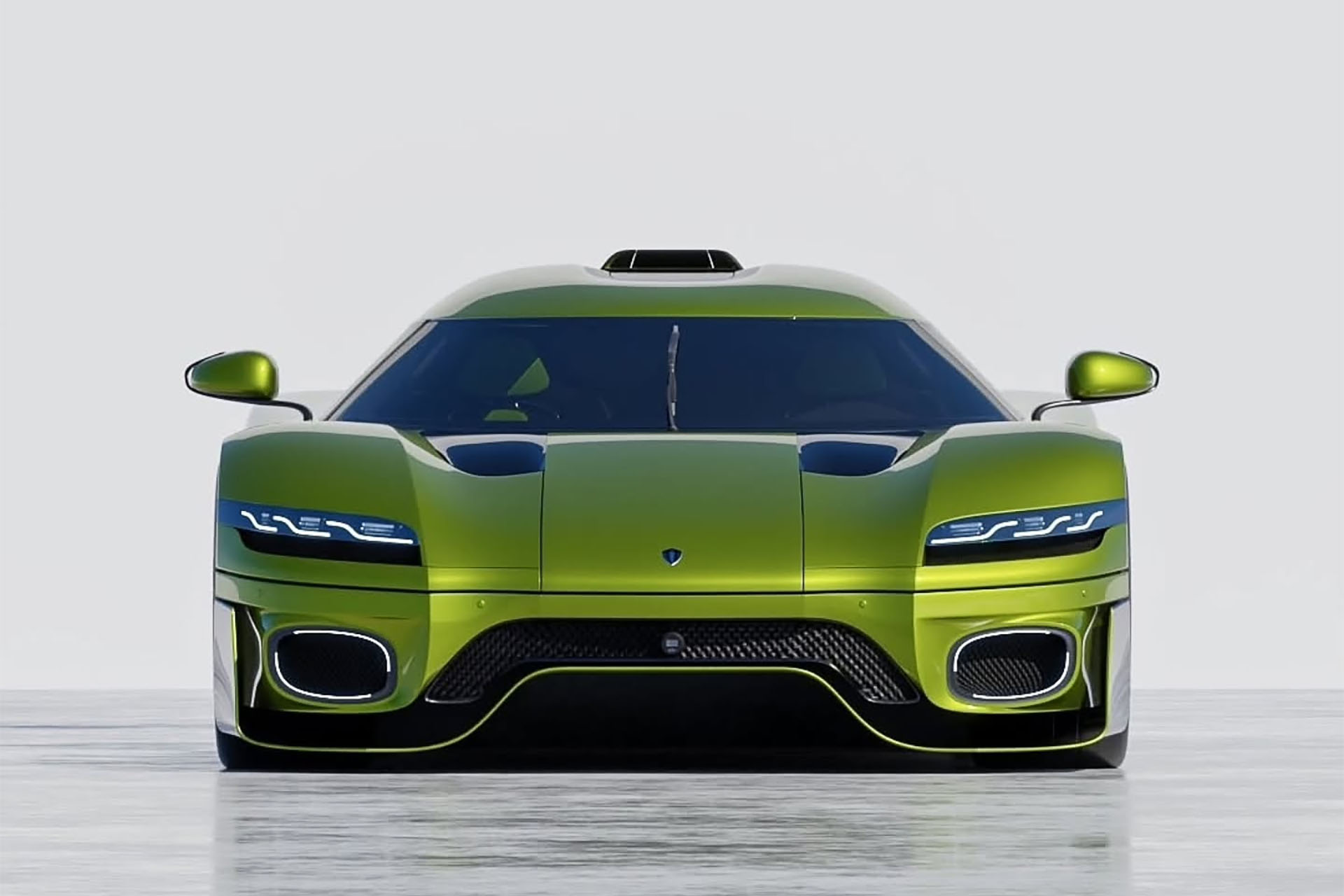
Inside, the philosophy of Scandinavian minimalism would likely continue, clean surfaces, driver-centric ergonomics, and a cockpit stripped of excess distraction. Koenigsegg has always approached interiors with a unique fusion of luxury and lightweight engineering, and the Fenrir would be expected to elevate that formula further, integrating cutting-edge digital interfaces with tactile mechanical authenticity. Unfortunately, Mehran Cheraghi didn’t publish a render of the interior we could share with you.
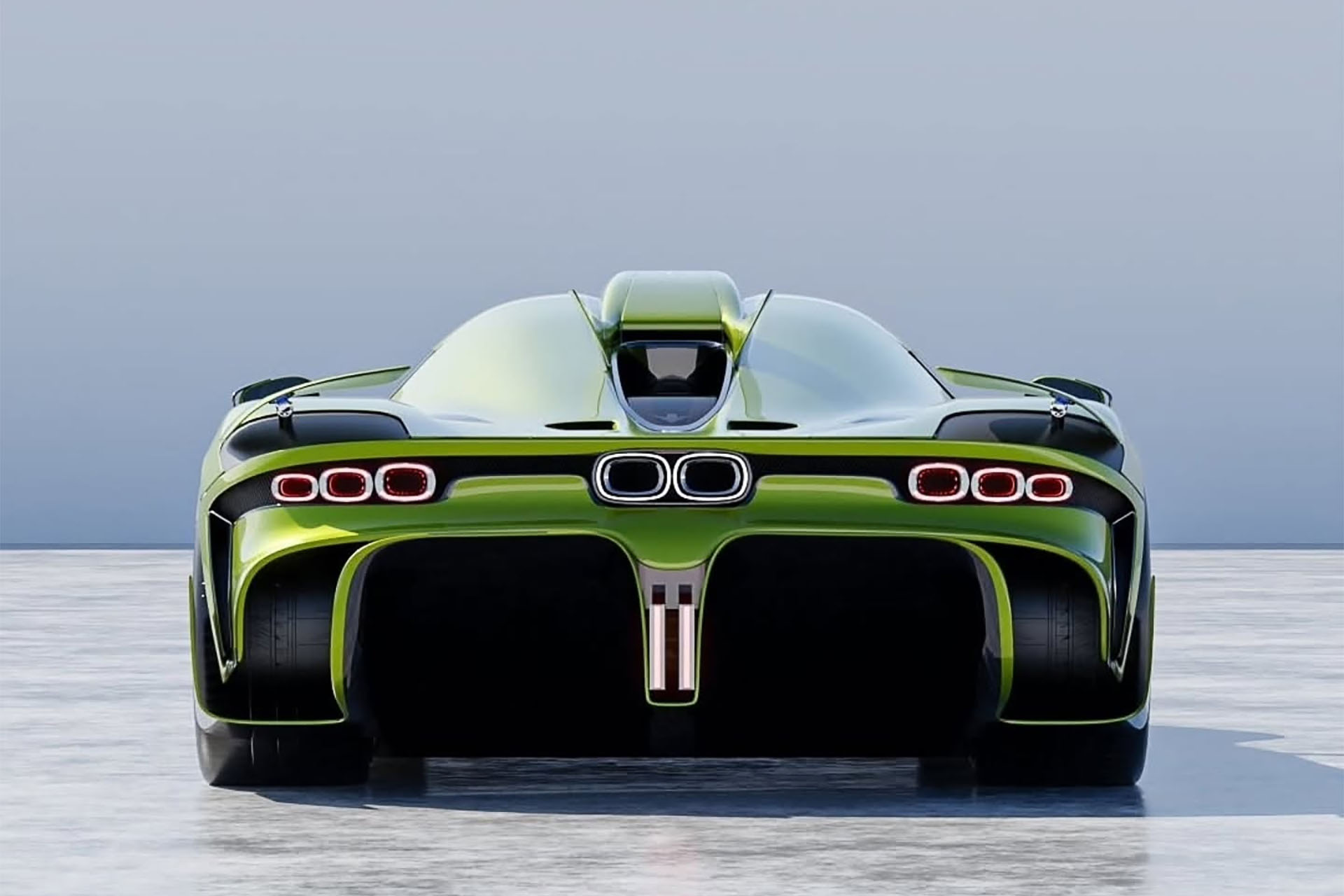
What makes the Fenrir especially compelling is its symbolic weight. In mythology, Fenrir represents unstoppable force and inevitable destiny. As a design statement, the concept mirrors that narrative. It suggests a future in which Koenigsegg does not simply compete within the hypercar landscape, but dominates it by refining its identity into something sharper, more focused, and more emotionally charged.
In an era where electrification, hybridization, and digitalization are reshaping performance engineering, the Fenrir concept reminds us that emotion remains central to the supercar experience. Numbers matter, but presence matters more. And presence is something this concept possesses in abundance. The Koenigsegg Fenrir is not just an exercise in extreme design. It is a vision of tomorrow, where myth meets machinery, where aerodynamic science becomes sculpture, and where the relentless pursuit of performance is elevated to an art form.
If this is a glimpse of Koenigsegg’s future, it is a future that looks ferocious.