


Regardless of your age, when you’re at a stage in your life where you can afford your dream supercar, the thrill and investment of doing so is hard to describe. Whether you’re shopping around for a classic or a modern supercar, there are high stakes with six or seven-figure purchases that require due diligence. And this is where provenance becomes crucial to avoid scams and disappointment.
From odometer fraud to accident history or title washing, there are several things that your prospective vehicle can be hiding in plain sight, even if the price and condition seem right. Fortunately, purchasing your dream car doesn’t have to be a stab in the dark, and this guide provides the verification tools and knowledge to buy smart. So, before you sign on the dotted line, here’s what every informed buyer needs to know.
Why Supercar Provenance Commands Premium Prices

Many folks may be familiar with these stories at car meets. Someone’s neighbor bought a Ferrari once owned by a professional driver. There’s that Porsche sitting in a museum that raced at Le Mans. Or maybe you’ve spotted the Lamborghini that graced a magazine cover decades ago. These cars represent what collectors call provenance, and they translate directly into dollar amounts that can shock first-time buyers.
If you dig into recent auction results, the numbers are genuinely surprising. Over at RM Sotheby’s, there was this 1960 Porsche RS 60 Spyder that hammered for over $5 million. What justified that price? Complete racing documentation going back to its competition days, plus it still had all the original components. You can find other RS 60 Spyders on the market, but without that extensive paper trail, they’re selling for substantially less.
Ferrari people live and breathe this stuff. There was a 2015 LaFerrari that sold for $5.2 million with factory signatures on the boot lid, complete service records, and single ownership. Other LaFerraris without these details have changed hands for hundreds of thousands less. The pattern is clear. Complete records eliminate guesswork. When we’re discussing this kind of money, proof matters infinitely more than assurances.
Essential Verification Tools Every Supercar Buyer Should Use
Talk to anyone who’s bought multiple high-end cars and they’ll tell you the same thing. Depending on just one verification source is basically asking to get burned. The folks we know who’ve done this successfully all cross-reference everything because what one source misses, another one usually catches.
VIN reports always make sense as a starting point. You can find data from insurance providers, repair shops, and state motor vehicle departments. What you get is title history, reported accidents, service visits, and odometer readings captured at various points. For cars in this price range, these reports frequently expose problems like salvage brands or major collision damage. But here’s the catch. They’re limited to officially reported information. Someone who fixed crash damage privately and never filed an insurance claim? That incident won’t show up.
Now this is where things get useful, and it’s surprising how many buyers completely overlook it. You can actually verify vehicle history through license plate lookups. Most people have no idea you can get a vin from a license plate and access registration records, transfers between states, and other government-held data. This method catches contradictions between seller claims and what state records actually show. This is incredibly helpful before spending money on inspections, particularly when trying to confirm ownership stories. It’s also excellent for spotting title washing schemes where someone deliberately moves a damaged car across state lines to scrub a salvage designation.
The Importance of Prepurchase Inspections
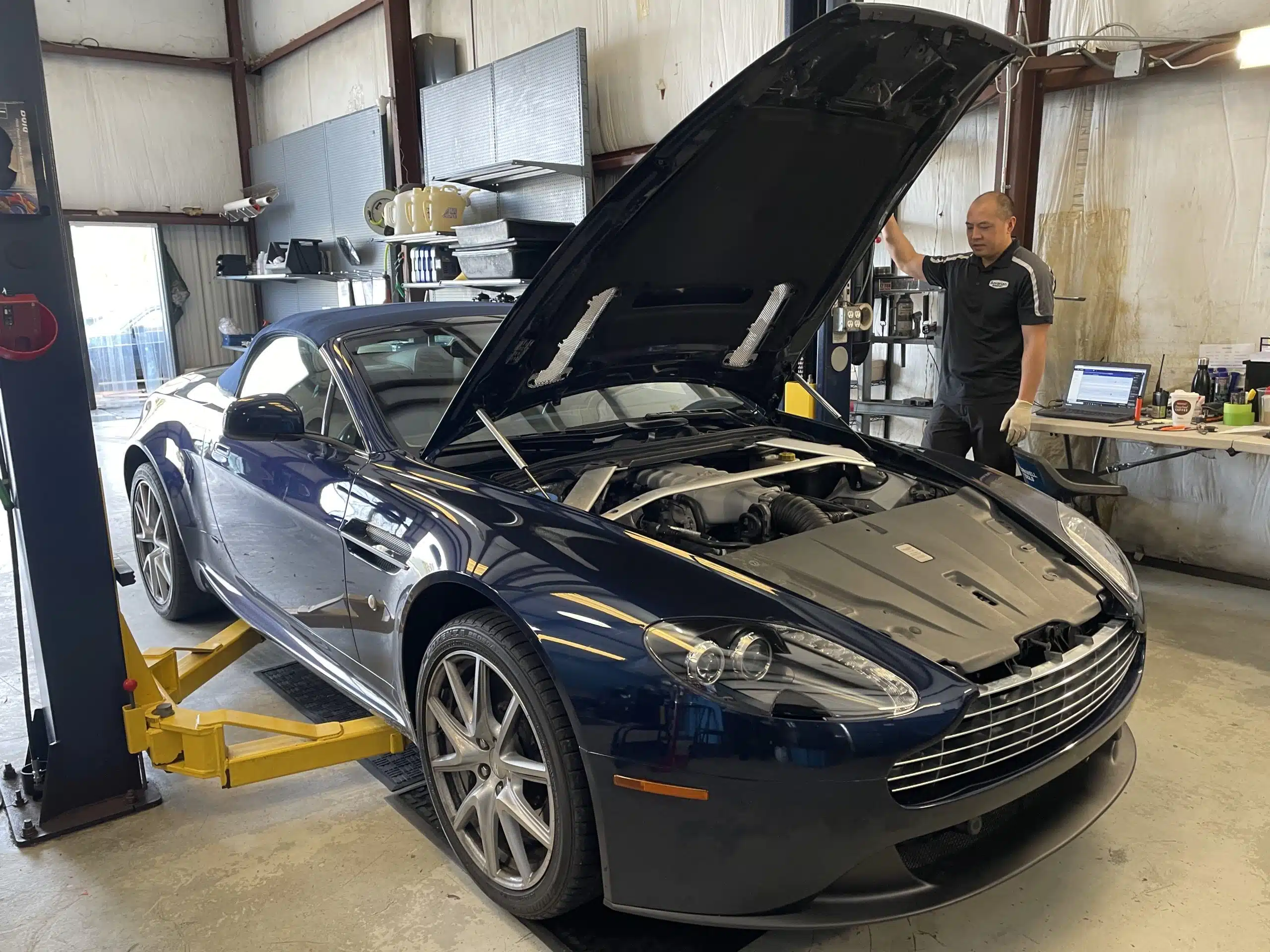
Pre-purchase inspections are absolutely mandatory, but only if you’re using someone who specializes in exotic cars. You need specialists who understand how these machines are put together. They examine paint looking for slight variations. They check how panels line up and search for signs of frame damage or amateur repairs. They also look at wear on brakes, suspension, seats, and pedals to see if everything matches the claimed mileage. Spending $500 to $1,000 on this when you’re about to write a check for $200,000 or more? That’s probably the best value in the entire process.
Marque clubs and registries don’t get nearly enough credit. Groups like the Ferrari Owners Club and Porsche Club of America keep records you won’t find anywhere else. Club members know which VINs represent authentic limited editions versus standard models that got modified later. They can frequently connect you with previous owners or members who saw your prospective car at events. This insider knowledge fills in blanks that no commercial database touches.
Red Flags That Should Stop a Supercar Purchase Cold
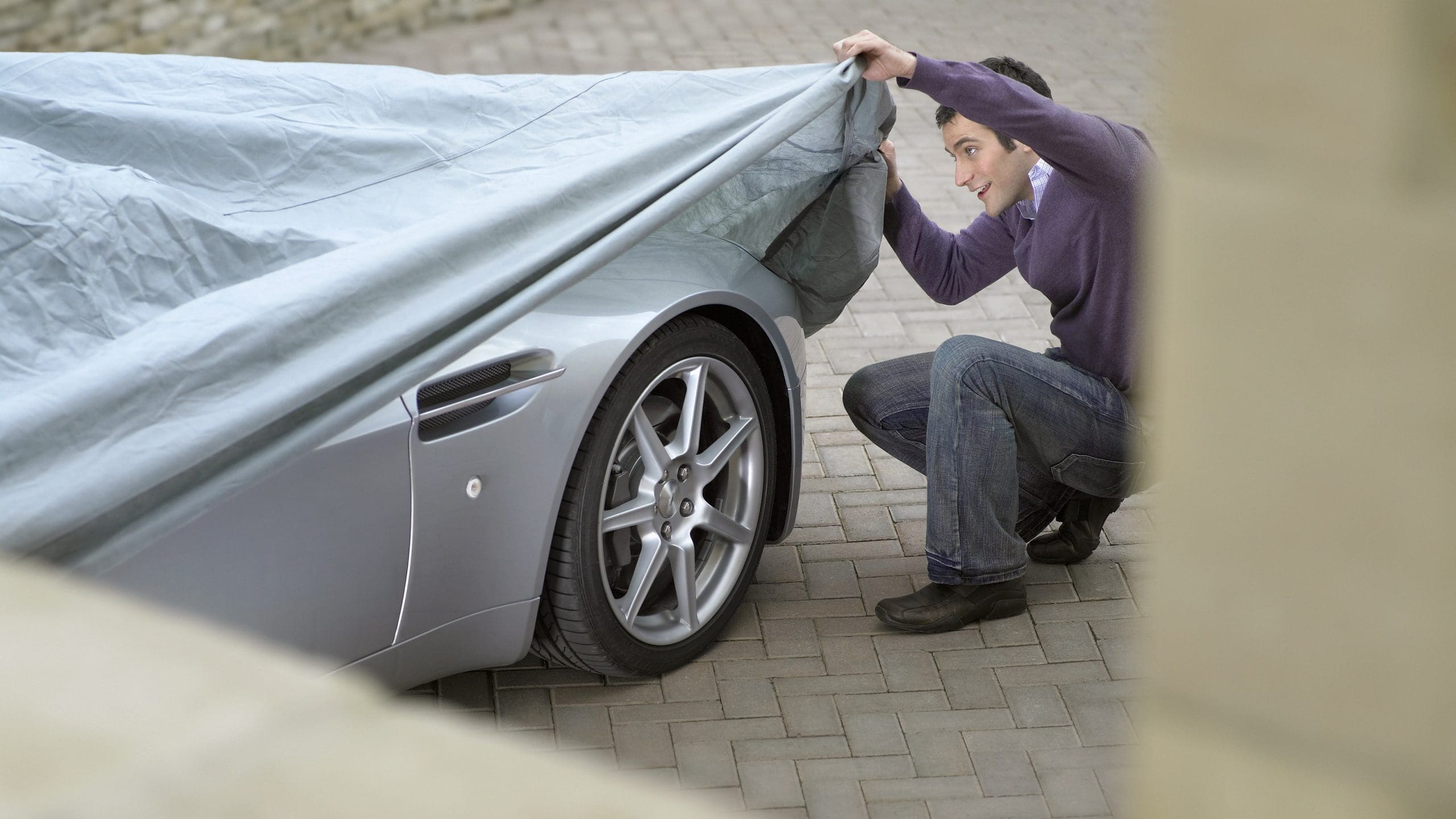
Some warning signs should kill your interest immediately, regardless of how gorgeous the car photographs or how smooth the seller sounds. These aren’t small issues you can negotiate around. They point to fraud, hidden damage, or historical problems that destroy the car’s value.
Warning Signs in Vehicle History
Buyers who’ve been through this process multiple times develop instincts for spotting trouble in paperwork. These same patterns show up repeatedly in deals that go bad.
- Salvage or Rebuilt Titles: Major flood damage or serious collision damage permanently affects structural integrity, even when cosmetic repairs look perfect. Many luxury vehicles get targeted constantly for title washing operations. Unscrupulous sellers transport damaged cars between states to obtain clean titles that bury salvage history. Insurance companies regularly refuse coverage after discovering the vehicle’s real past.
- Inconsistent Mileage Readings: The odometer fraud situation keeps deteriorating with tampered odometers increasing year over year. Supercars face an even higher risk since low miles mean premium prices. Documentation showing a Ferrari racking up 5,000 miles yearly for five straight years, then abruptly recording only 500 miles? That’s tampering, not careful ownership.
- Missing Service Records: Exotic powerplants need specific maintenance at exact intervals. Gaps in documentation usually mean skipped services, questionable shops, or deliberate hiding of problems. You want records from authorized dealers or well-known specialists. Random repair receipts or missing documentation for major services? Time to walk.
- Too-Good Pricing: Any supercar priced 20% below similar examples raises immediate questions. Sometimes there’s a legitimate explanation like an estate sale. Usually though, it signals concealed damage, murky history, or fraud. Check recent auction results and current dealer prices to understand real market values.
- Rushed Sales and Pressure Tactics: Sellers who won’t give you time for proper inspections, dodge questions about documentation, or create false urgency are showing you exactly who they are. Real transactions at these dollar amounts should accommodate thorough checking. Anyone resisting independent inspections has something they don’t want you discovering.
The exotic car market rewards patience while punishing rushed decisions. When you encounter these warning signs, the smart move is ending discussions and continuing your search.
Conclusion
Buying any supercar means investing time in thorough verification across multiple sources while bringing in professionals who actually know these cars. Money spent on comprehensive provenance checking protects your investment and keeps you safe. In this world, a car’s documented story is what makes all the difference between smart purchases and disasters.