
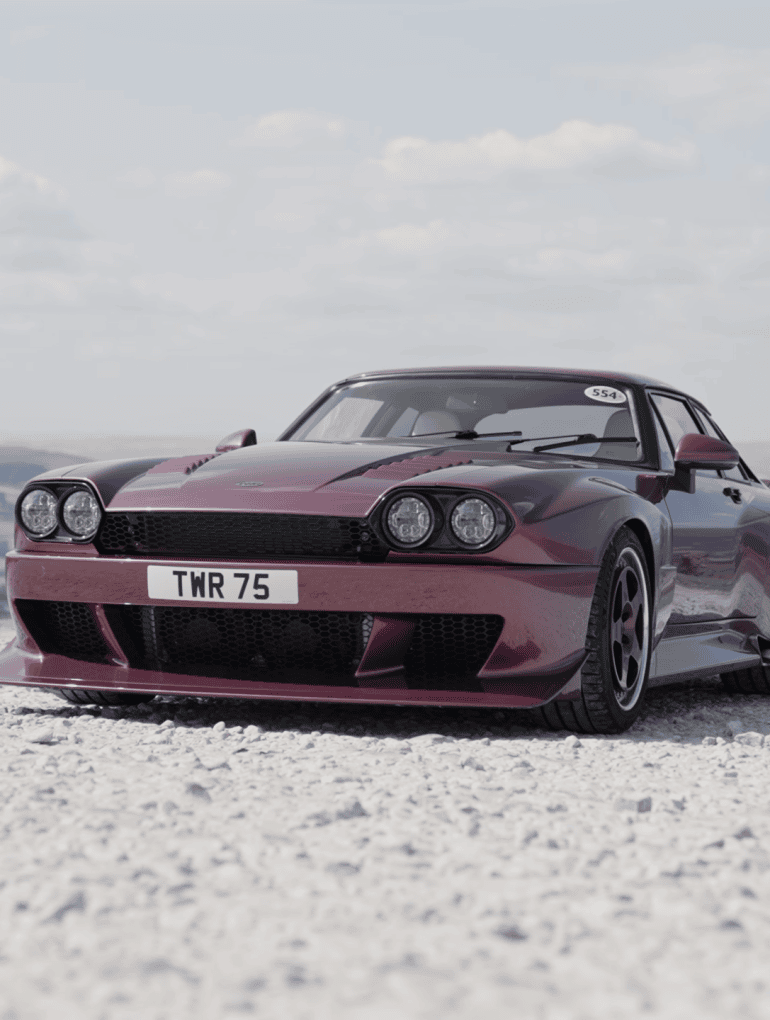
The TWR Supercat reimagines the Jaguar XJS as a high-performance grand tourer, combining classic British coupe proportions with modern engineering and dramatic styling. Driving the car across the winding roads of Wales, Chris Harris evaluates how effectively this extensively reworked classic balances everyday usability with engaging dynamics.
TWR’s approach centers on creating a car capable of covering long distances in comfort while remaining entertaining on demanding roads and occasional track excursions. Its wide stance and distinctive design give it an unmistakable presence, matched by an ambitious mechanical package.
Twin-Supercharged V12 Performance
The Supercat’s twin-supercharged V12 produces 660 horsepower and approximately 720 Nm of torque, with a total vehicle weight of 1,650 kilograms. Its defining feature, however, is the character of its power delivery. Acceleration brings an intense mechanical howl, while sharp pops and crackles on the overrun reinforce its theatrical personality.
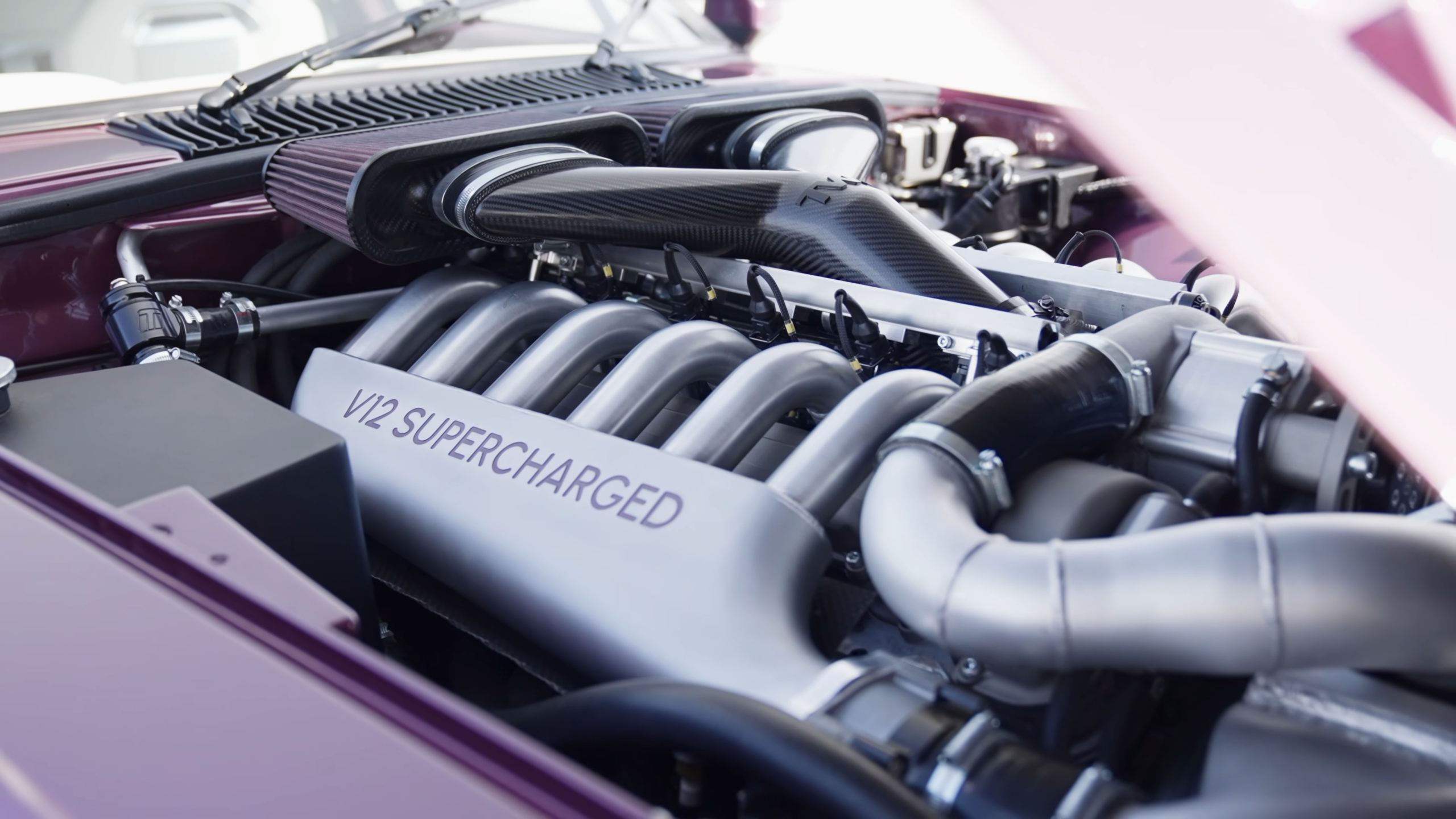
Compared with an earlier development car Harris drove at the Goodwood Festival of Speed, the latest version benefits from cleaner engine calibration. Low-speed throttle adjustments and rev-matching feel more intuitive, making the powertrain easier to manage during everyday driving. The direct gear-selection mechanism adds mechanical engagement, although the heavy clutch requires considerable effort.
Chassis Dynamics and Steering
Chassis refinement is a major strength of the latest Supercat. Its suspension controls body movements while absorbing uneven surfaces, producing a composed ride on Wales’s winding roads. The result is a car that feels settled during cruising yet remains capable when pushed through corners.
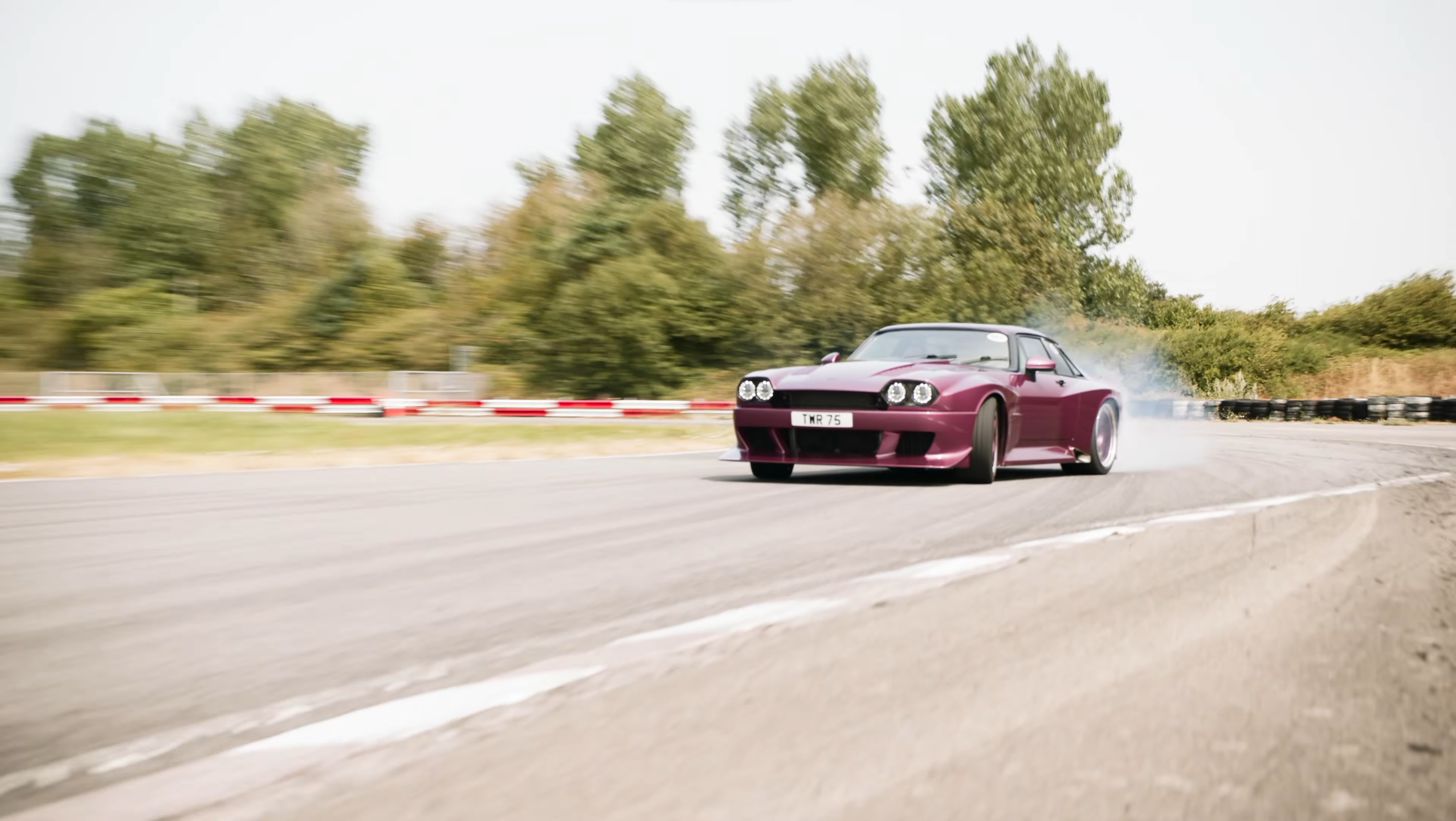
Quick steering and strong grip help the wide coupe respond confidently to changes in direction, while the rear tires communicate the demands of delivering the V12’s substantial torque. However, the electric power steering can struggle to keep pace with rapid, large inputs during aggressive track driving. Harris identifies this as the principal area requiring further development.
Interior: Comfort with a Mechanical Edge
The cabin combines grand touring practicality with purposeful hardware. Comfortable seats, functioning air conditioning, digital displays, and a substantial luggage compartment make the Supercat suitable for extended journeys.
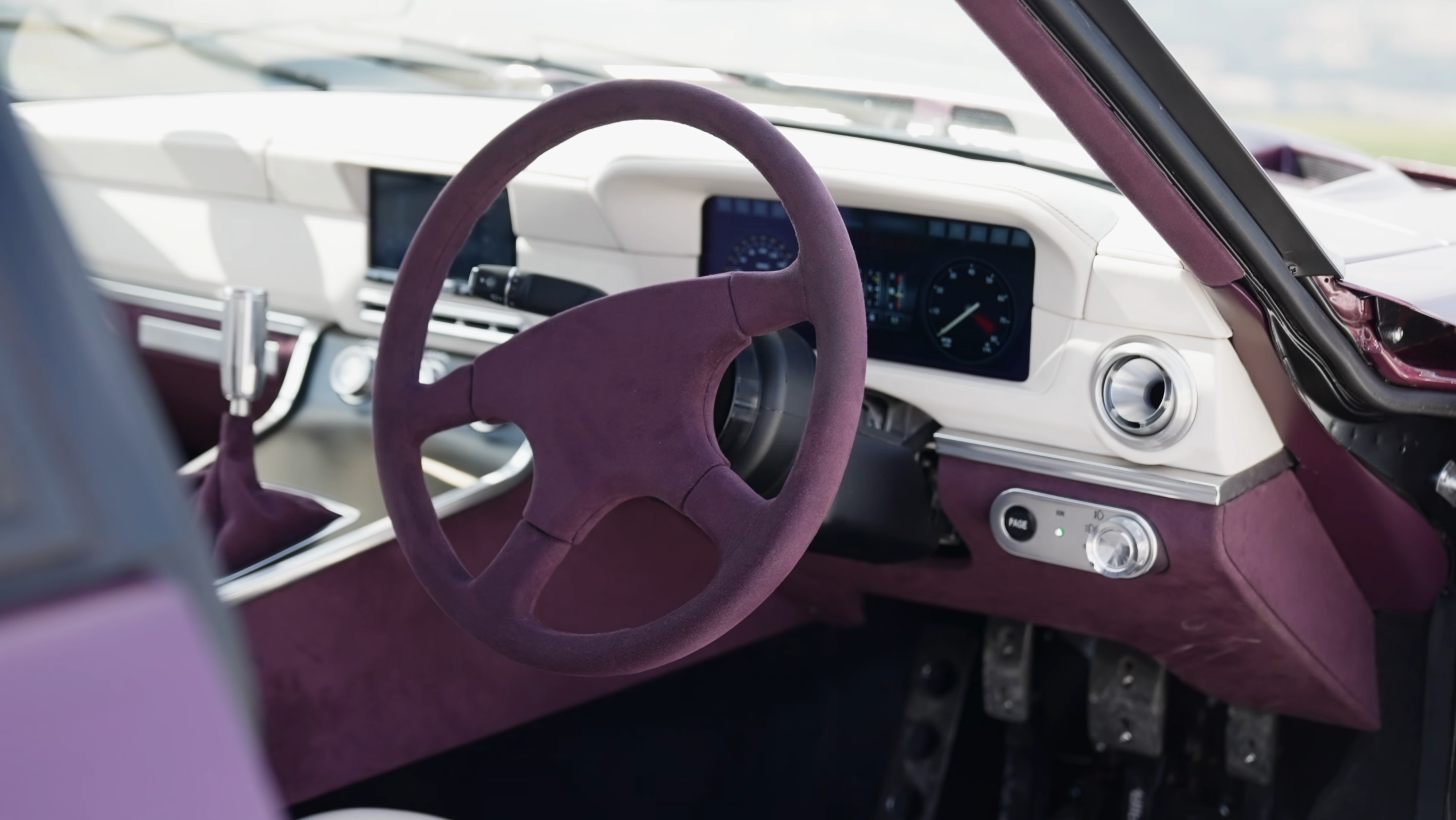
Its heavy clutch and firm brake pedal preserve a physical, motorsport-inspired driving experience. A basic Ford electric-window switch provides a playful reference to Jaguar’s history, adding character to an interior that blends modern convenience with old-school involvement.
Verdict: A Grand Tourer with Character
The TWR Supercat is not a dedicated GT3-style track car, nor does it attempt to be a conventional luxury coupe. Instead, it combines long-distance comfort with an exceptionally vocal V12 and a chassis capable of handling enthusiastic road driving.
Although its steering assistance still needs refinement under demanding conditions, the latest development demonstrates meaningful progress in ride quality and overall composure. The Supercat ultimately delivers a compelling reinterpretation of the Jaguar XJS: a practical, high-performance grand tourer that prioritizes character, mechanical engagement, and an unmistakably dramatic driving experience.
Source: Chris Harris on Cars