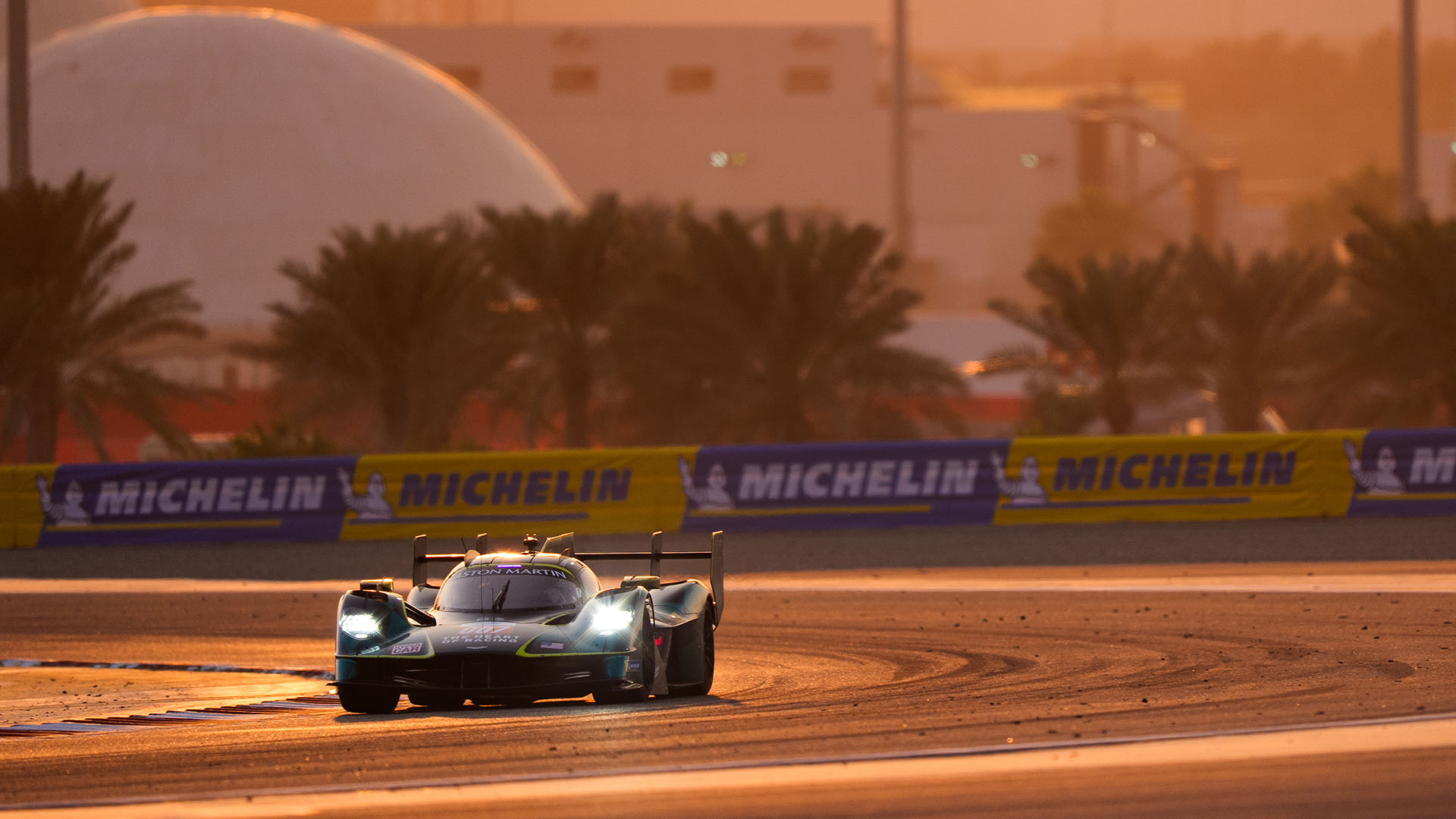

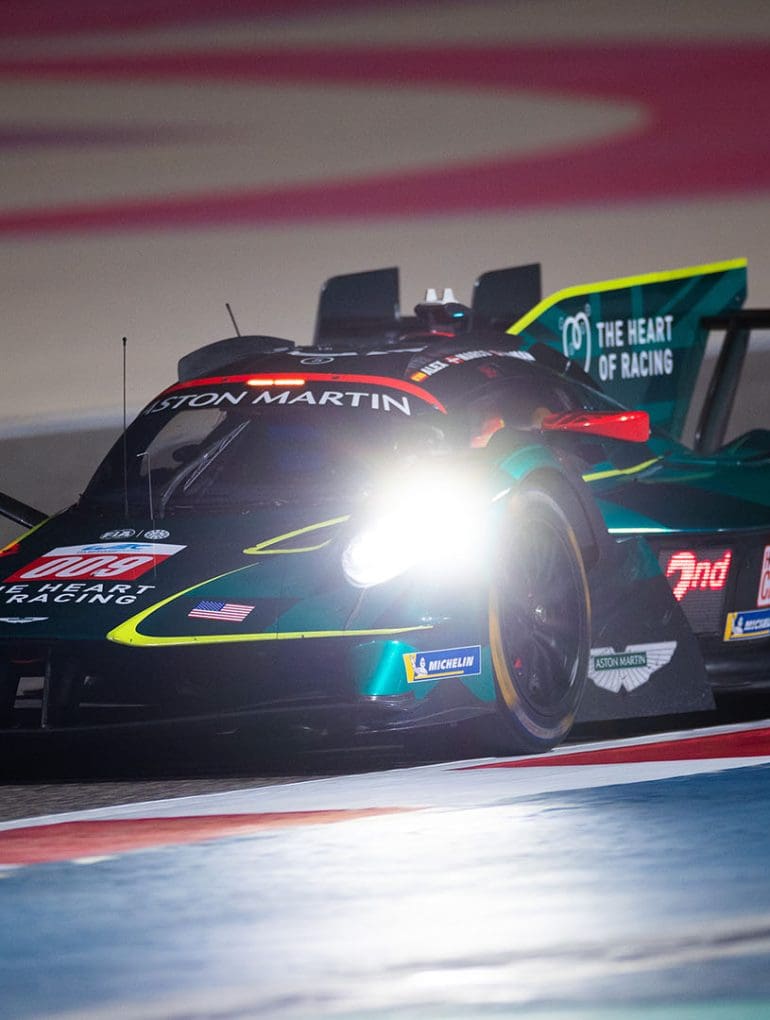
Aston Martin’s Valkyrie hypercar capped its first full season of global competition with another strong performance at the Bapco Energies 8 Hours of Bahrain, securing a second consecutive points finish and leading a round of the FIA World Endurance Championship (WEC) for the first time.
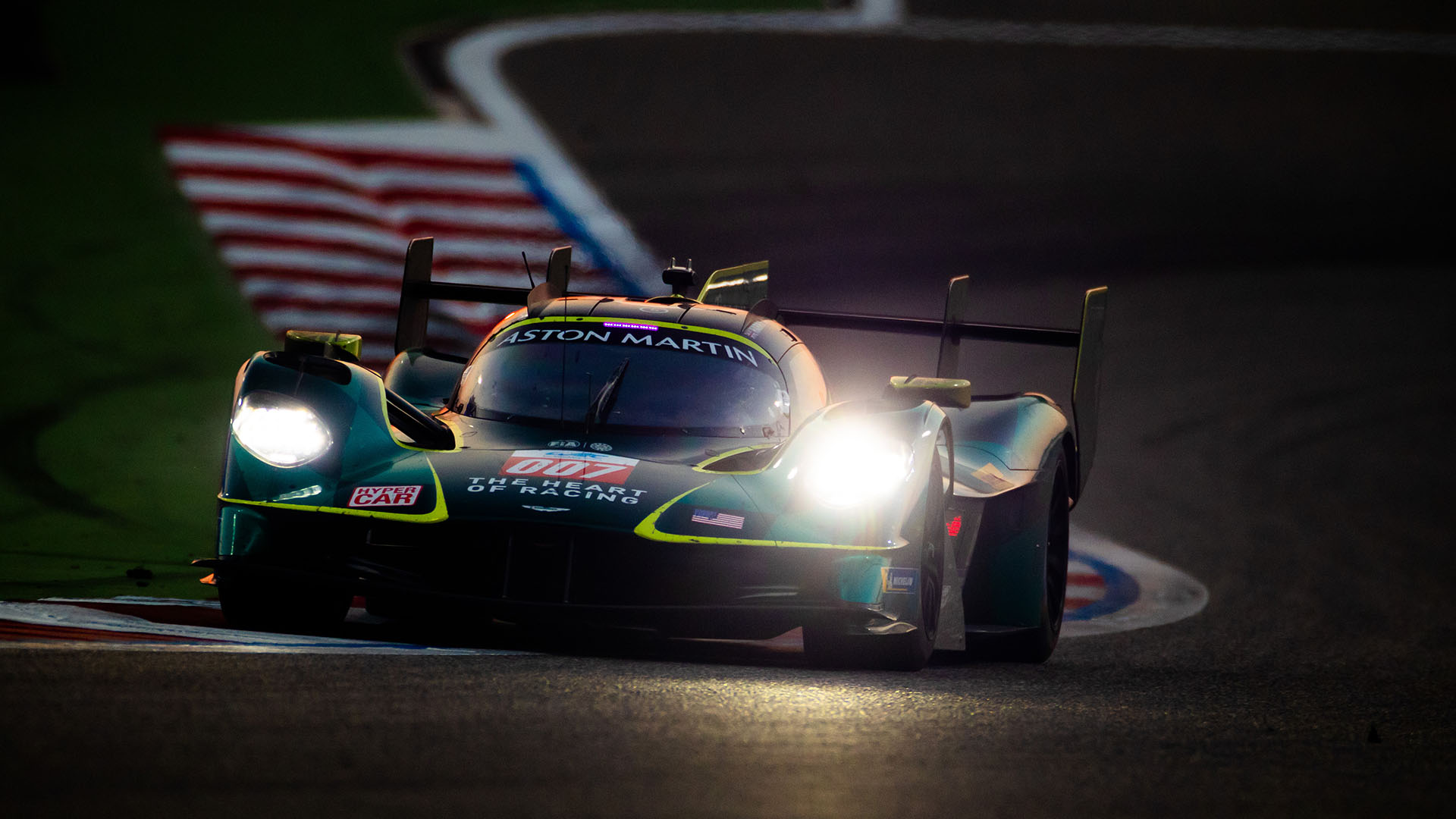
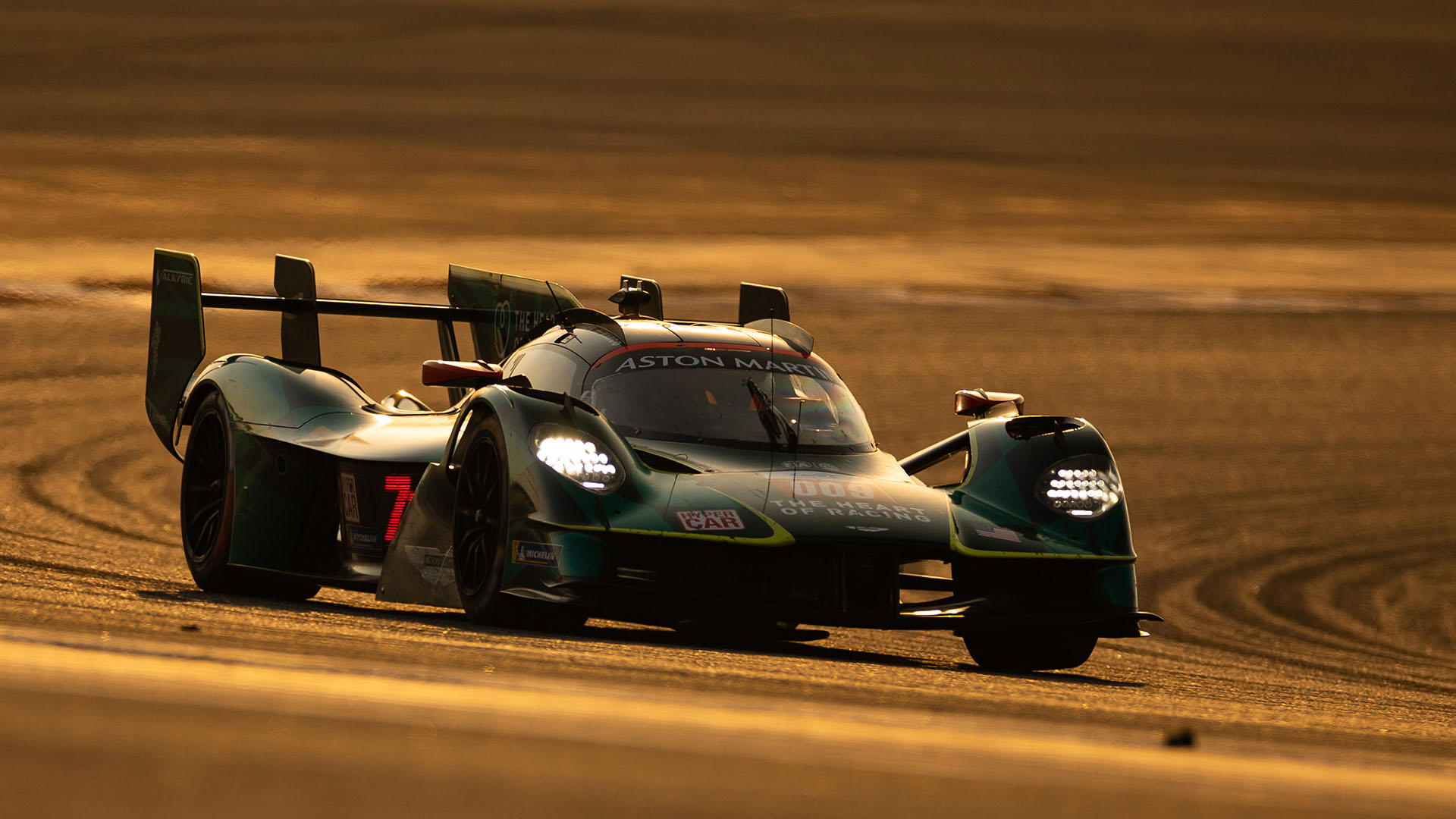
The #009 Valkyrie, piloted by Marco Sørensen, Alex Riberas, and Roman De Angelis, finished seventh, adding to its impressive fifth-place run at Fuji and marking another significant step forward for the 6.5-litre V12-powered British hypercar. The Bahrain weekend was a showcase of momentum for Aston Martin THOR Team, highlighted by remarkable qualifying pace and an unprecedented one-two finish for the Valkyrie in the Hypercar session.
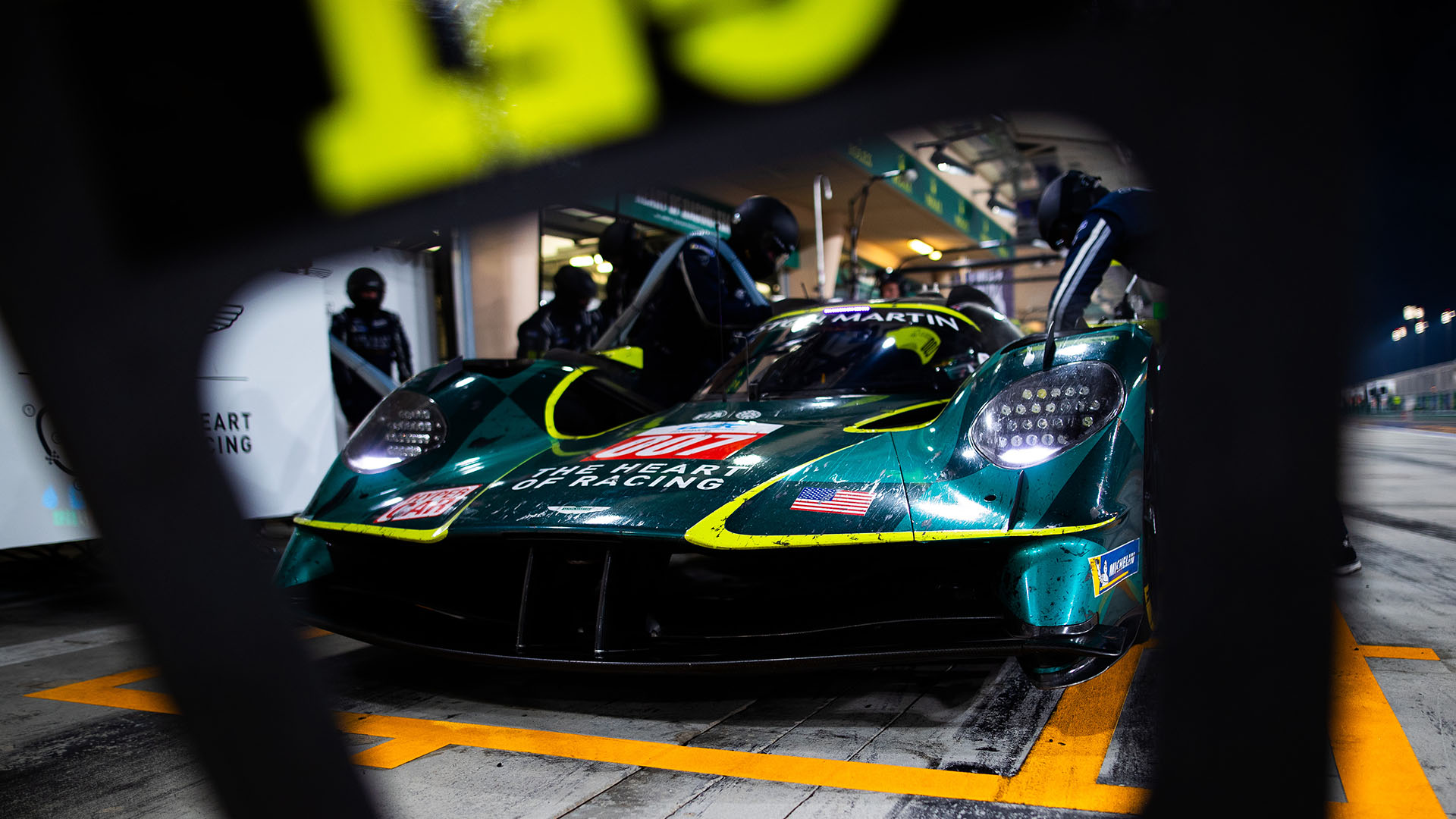
The #007 car, driven by the all-British lineup of Harry Tincknell, Tom Gamble, and Ross Gunn, topped qualifying, closely followed by the #009. Both cars advanced to Hyperpole, delivering Aston Martin its first double-top-10 Hypercar qualifying result in WEC history.
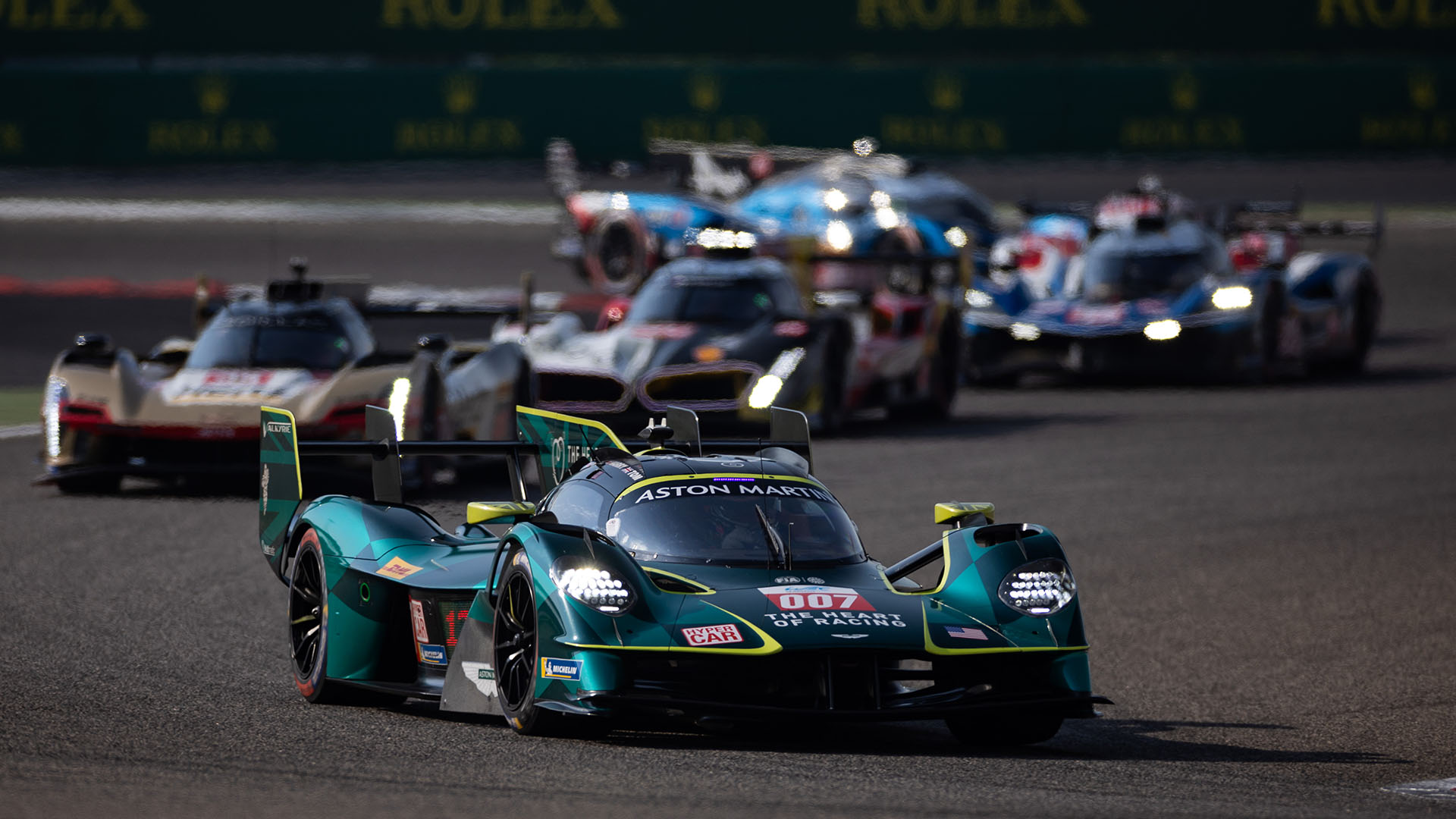
Their speed translated into genuine race-leading performance. After a mid-race safety car compressed the field, Riberas surged from fifth to the outright lead—making the Valkyrie the first road-car-derived LMH machine ever to head a WEC race. The achievement underscored the hypercar’s rapid development following its global debut at the Qatar 1812km in February.
This season has seen the unique project, WEC’s only homologated road-legal-based LMH, accumulate over 22,000 race miles across eight rounds, including the 24 Hours of Le Mans. A standout moment came at October’s Petit Le Mans, where the Valkyrie earned its first podium in IMSA competition.
Adam Carter, Aston Martin Head of Endurance Motorsport, praised the programme’s upward trajectory: “From where we started to where we finished, the progress has been extraordinary. We’ve proven the potential of this ambitious car, and we’re set to build on it in 2026.”
Derived from the Valkyrie production model, the LMH version features a race-honed carbon chassis and a screaming 6.5-litre V12 capable of 11,000 rpm. While it produces over 1000 bhp in road trim, WEC regulations cap output at 500 kW (680 bhp)—forcing engineers and drivers to dig deep to extract maximum performance from the chassis and aero platform.
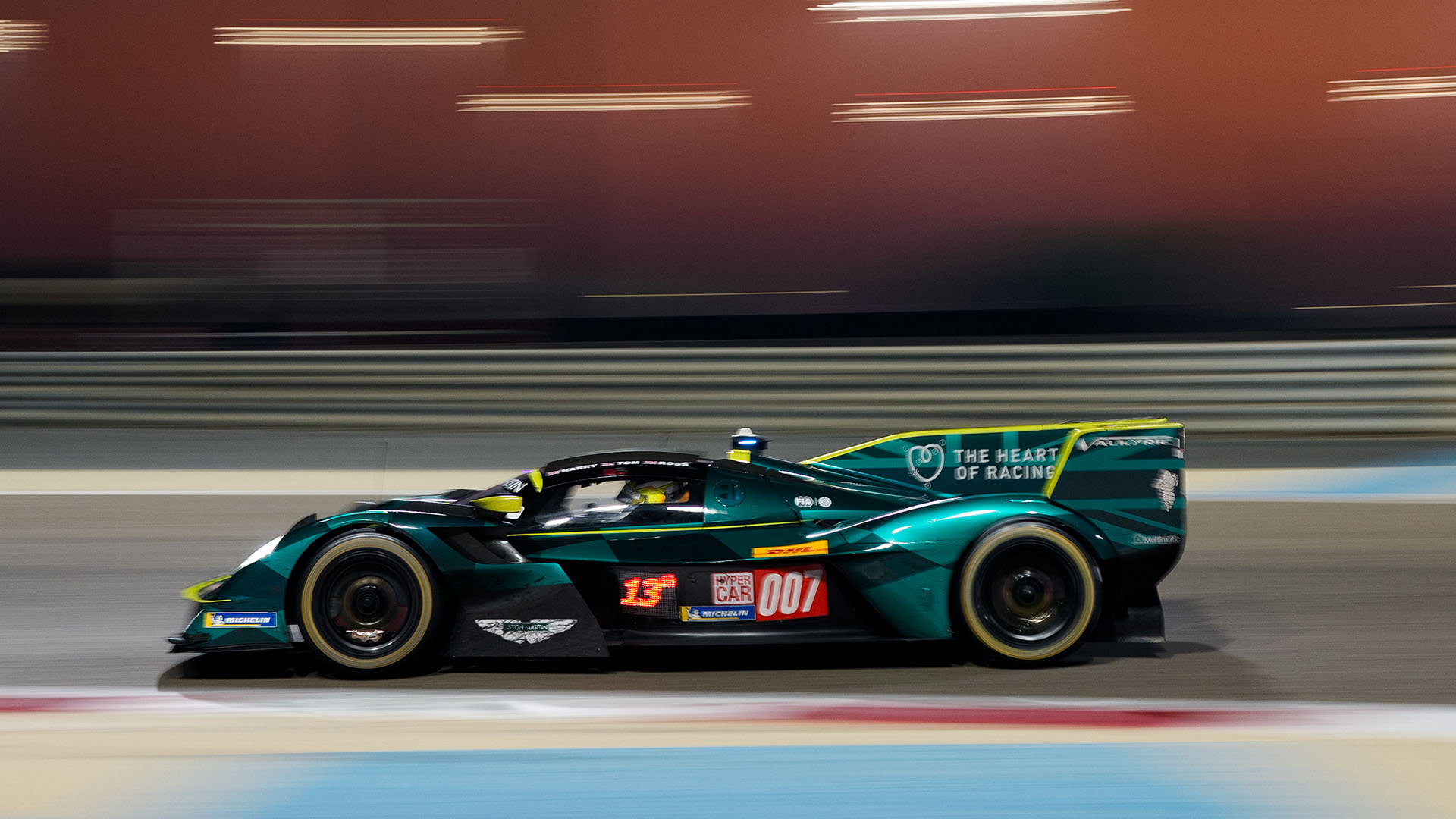
Despite strategic misfortune from a late Virtual Safety Car, the #007 trio expressed pride in the team’s leap forward. Tom Gamble called the season “bittersweet” but emphasised the enormous gains since the Qatar opener.
Ross Gunn celebrated the qualifying heroics and the steady, satisfying progress of the hypercar.
Harry Tincknell enjoyed battling at the front: “This year was about learning, and we’ve learned a lot.”
The #009 crew echoed the sentiment. Roman De Angelis highlighted that the team had evolved from back-markers to podium threats.
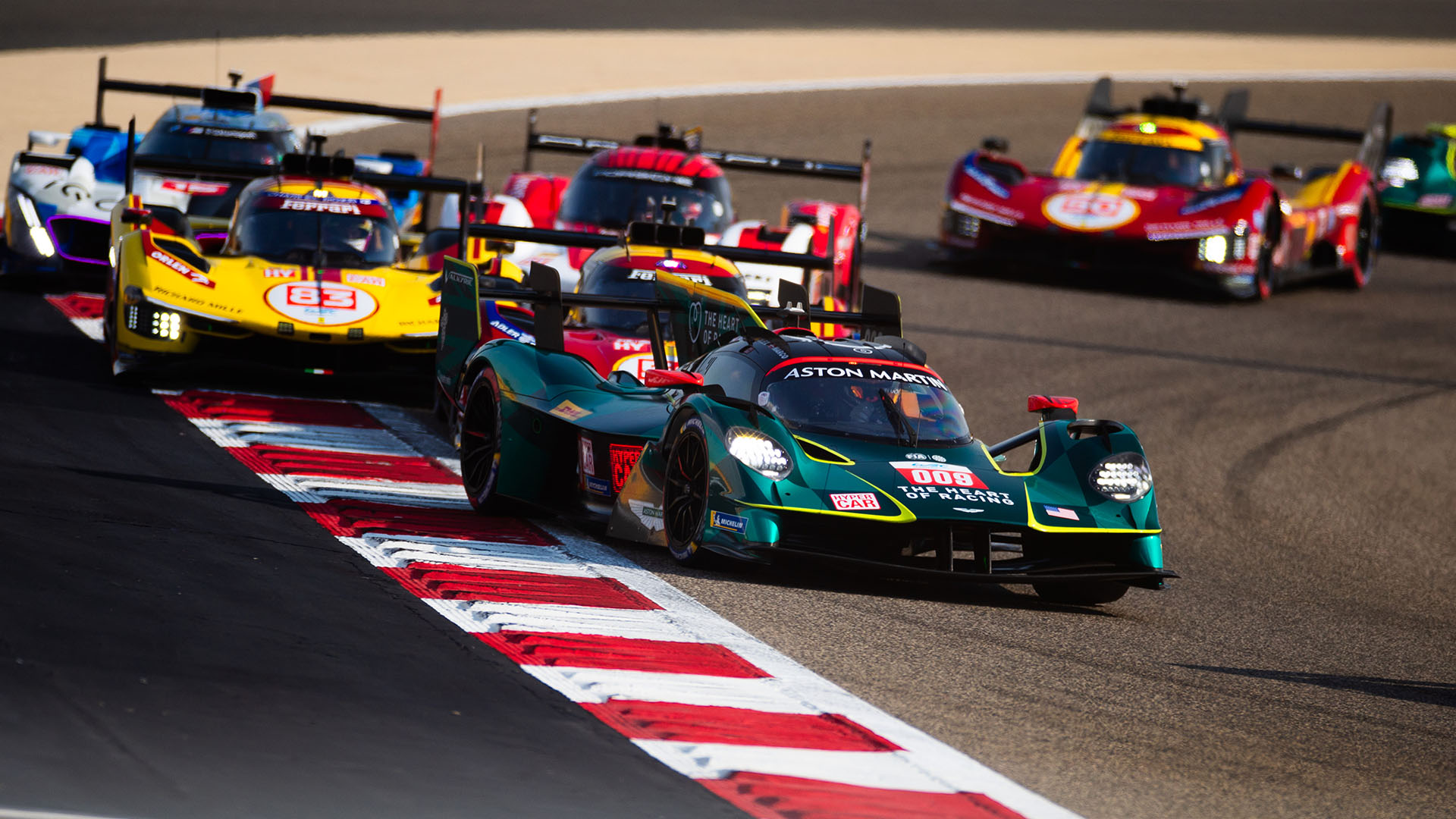
Alex Riberas described leading the race as “a clear sign of the potential that’s growing.”
Marco Sørensen said the team should be “proud of what we’ve achieved,” confident the Valkyrie is closing in on regular podium form.
Team Principal Ian James summed up the achievement: “In Qatar we were seconds off the pace and written off. Now we’re fighting for pole positions and podiums. That’s the story of this season.”
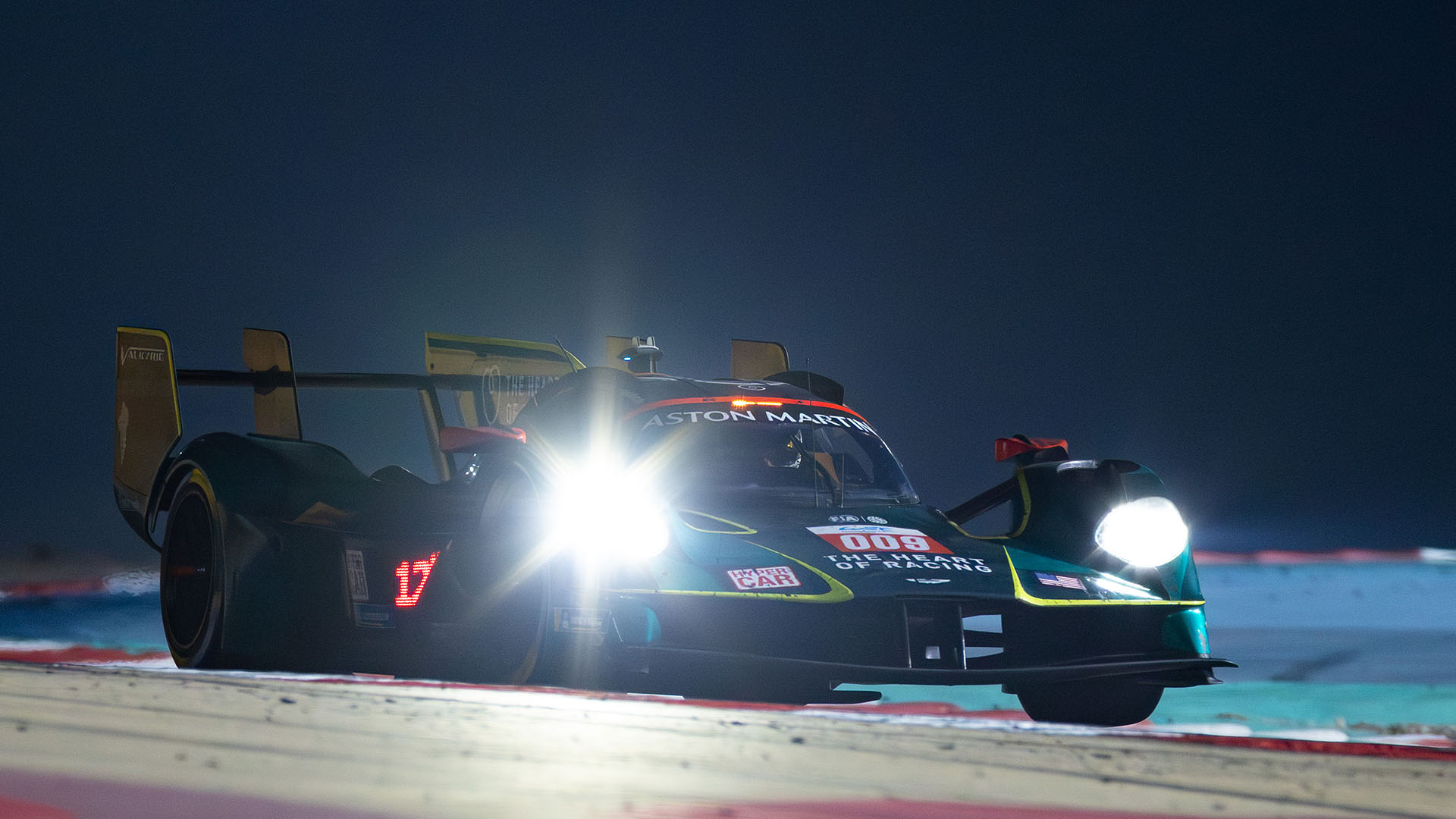
Aston Martin’s Hypercar Future Burns Bright. With race-leading pace, landmark finishes, and a trajectory pointed upwards, the Valkyrie’s debut season has validated Aston Martin’s bold decision to bring a road-derived hypercar into the top tier of global endurance racing.
Momentum is firmly on Aston Martin’s side, and with 2026 looming, the Valkyrie looks ready to evolve from an underdog into a front-running force in WEC and IMSA competition.