
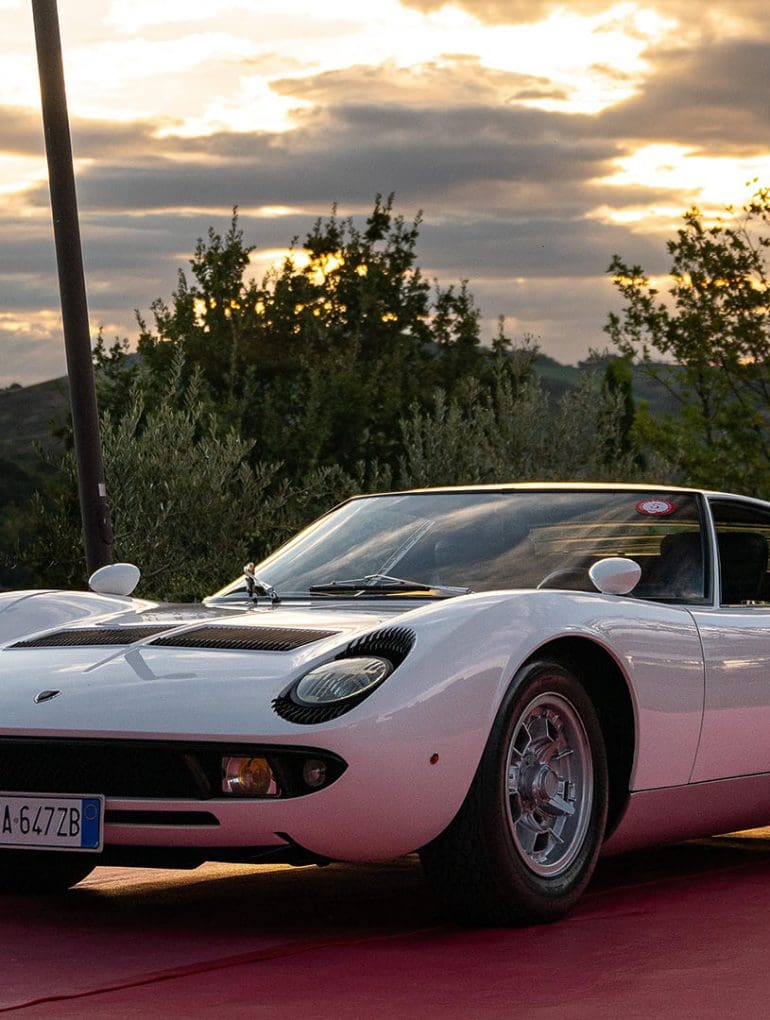
On March 10, 1966, at the Geneva Motor Show, a revolutionary car made its debut. The Lamborghini Miura didn’t just introduce a new model, it redefined the future of high-performance automobiles and laid the foundations for what we now call the supercar.
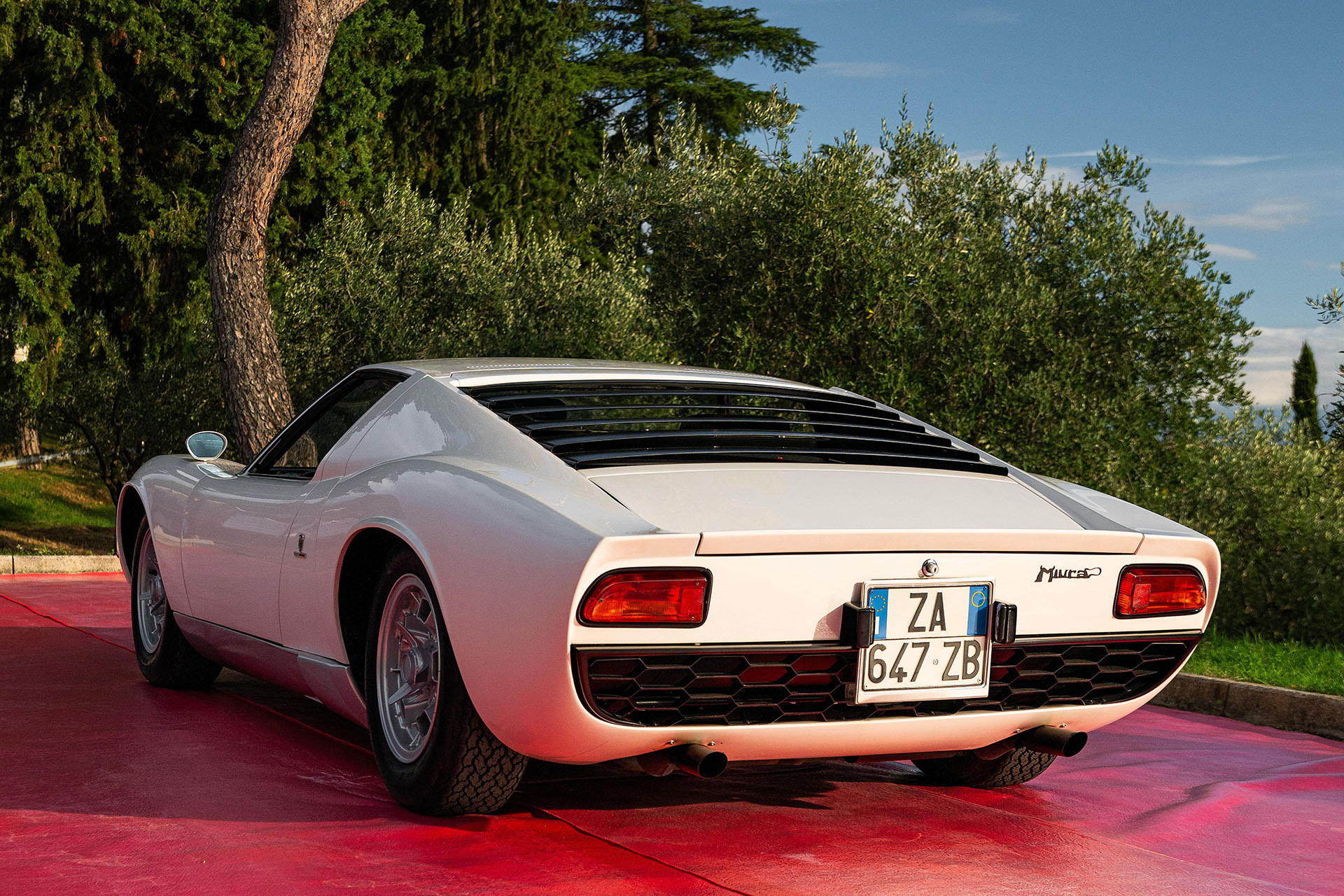
Six decades later, Automobili Lamborghini is celebrating the Miura’s extraordinary legacy, a car that combined radical engineering, breathtaking design, and cultural impact in a way few vehicles ever have.
The Birth of the Modern Supercar
When the Miura arrived in 1966, it broke almost every convention in the book. Instead of the traditional front-engine grand touring layout, Lamborghini engineers mounted a powerful V12 engine transversely behind the driver, a solution inspired by racing prototypes.
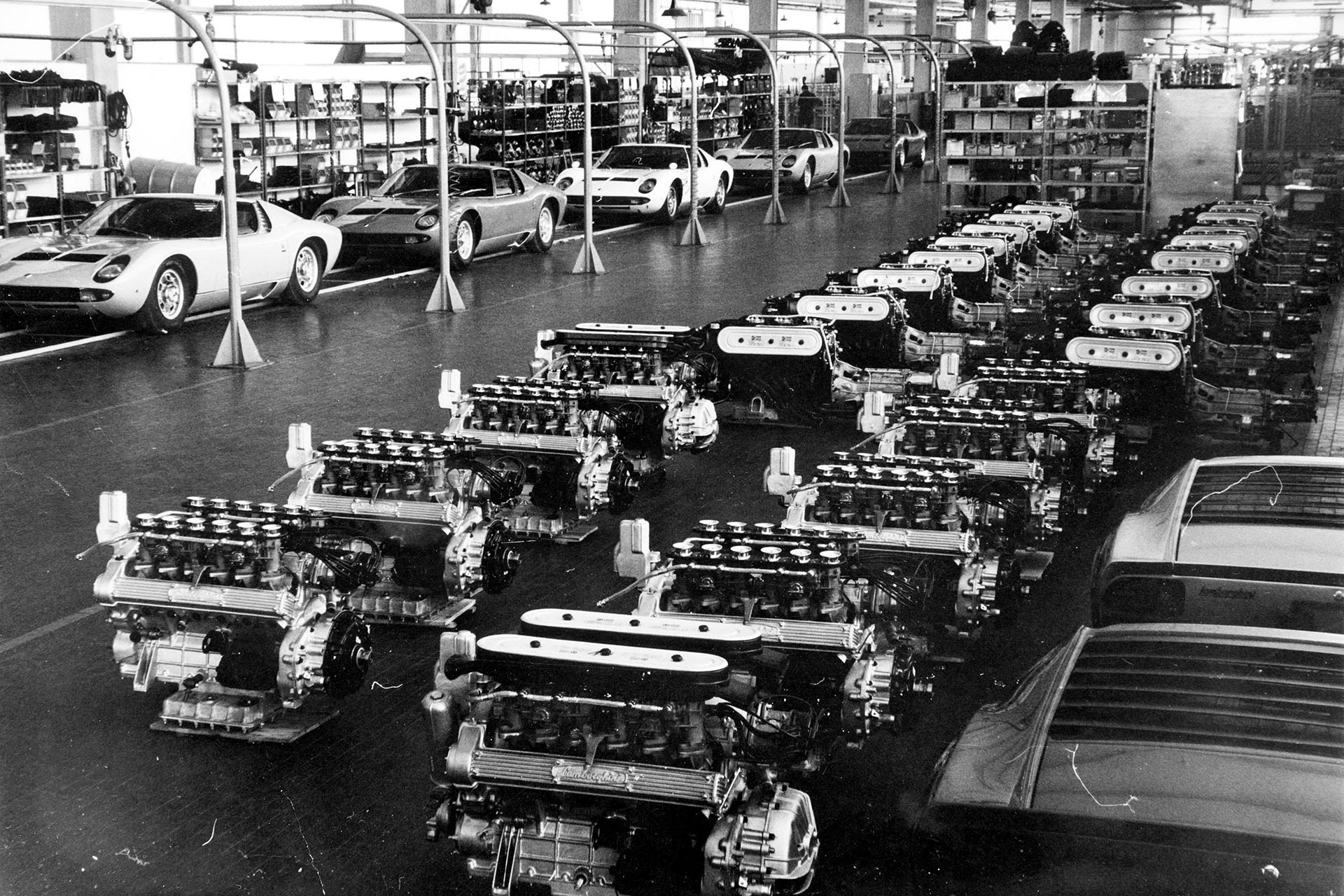
The concept was developed by a young and ambitious engineering team led by Gian Paolo Dallara and Paolo Stanzani, with development driver Bob Wallace. Their vision was supported by company founder Ferruccio Lamborghini, who immediately saw the potential of the project.
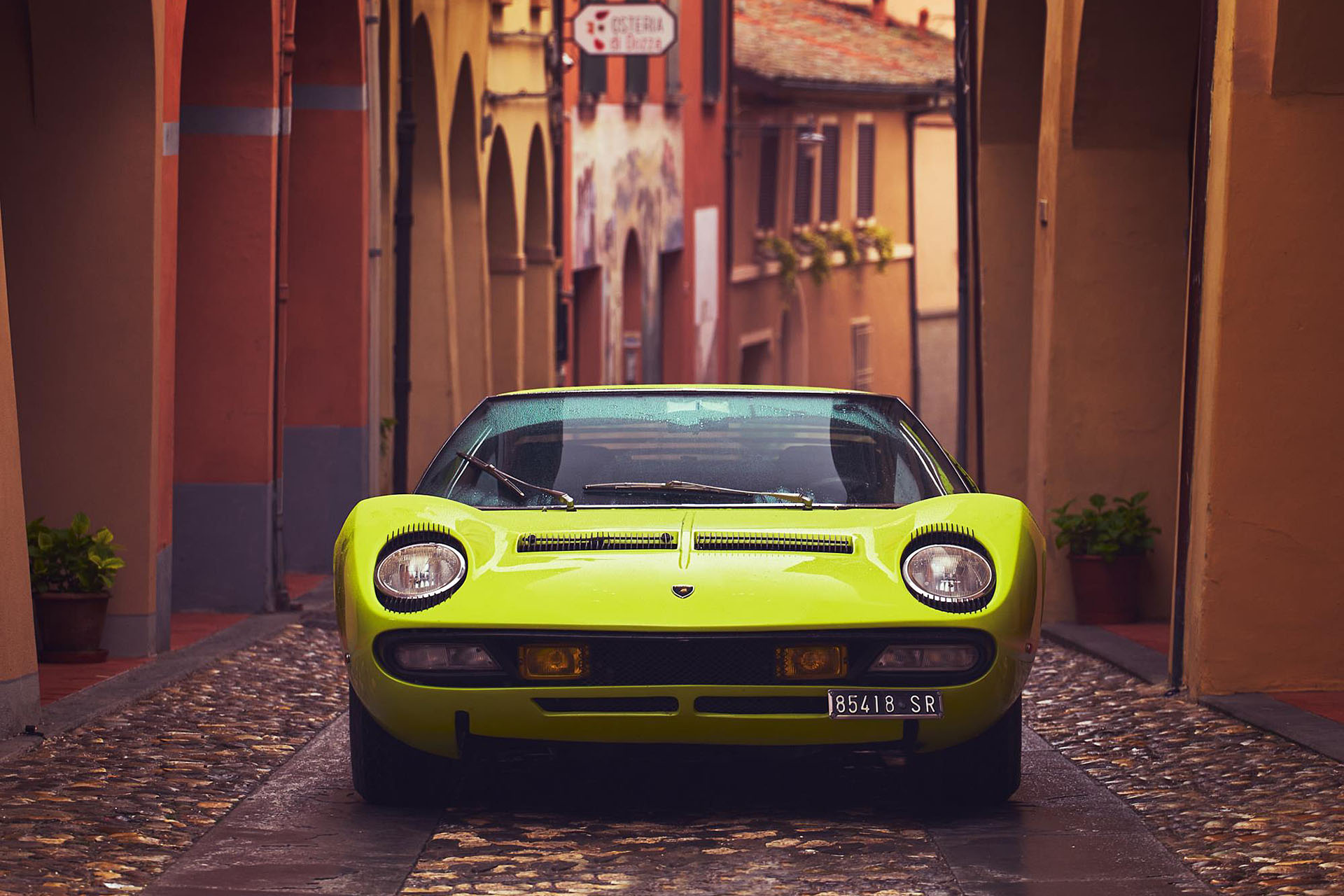
The result was a machine that fundamentally changed the way high-performance road cars were engineered.
A Design That Became Automotive Art
The Miura’s mechanical innovation was matched by equally groundbreaking design. Lamborghini partnered with Carrozzeria Bertone, where a young designer named Marcello Gandini created one of the most iconic shapes in automotive history.
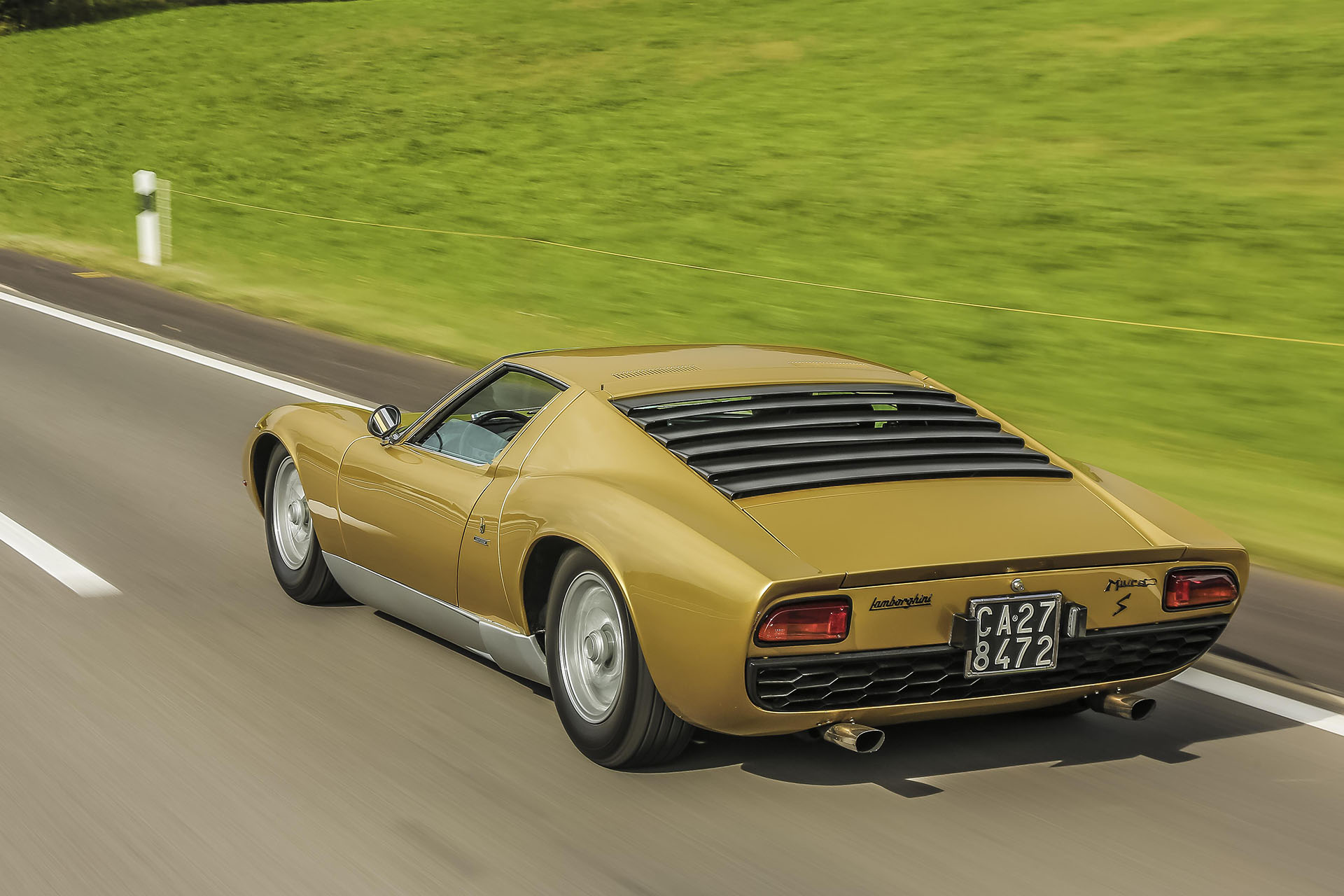
Low, wide and impossibly sleek, the Miura stood just over one meter tall. Its distinctive “eyelash” headlight surrounds, flowing curves and dramatic air intakes made it instantly recognizable. Even today, the Miura is widely considered one of the most beautiful cars ever built.
Performance That Shocked the World
At the heart of the Miura was a 3.9-liter V12 engine originally designed by Giotto Bizzarrini. In its earliest form, the engine produced 350 horsepower, an extraordinary figure for the mid-1960s. Later versions pushed output even further.
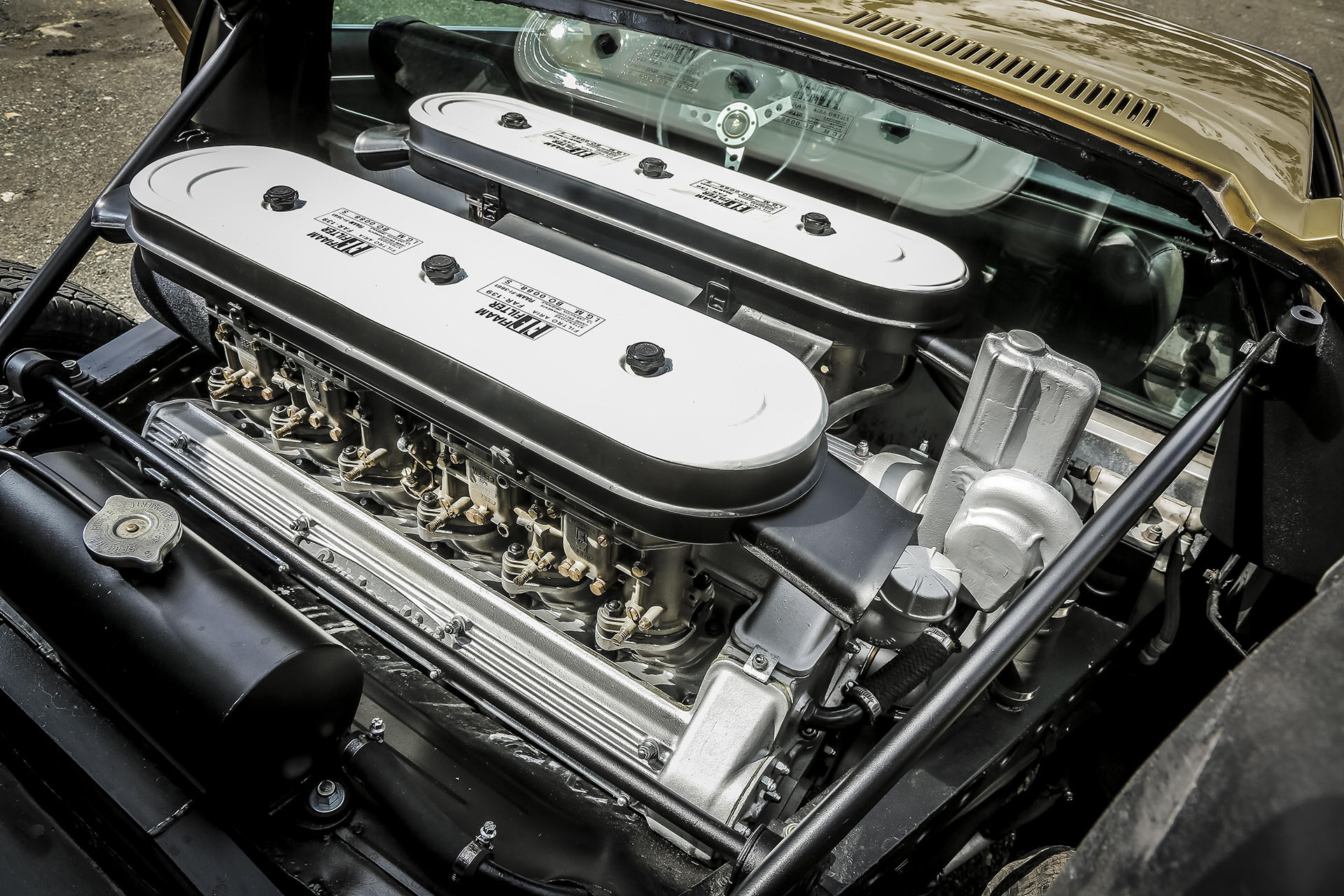
Miura P400 (1966–1969) – 350 hp
Miura P400 S (1968–1971) – 370 hp
Miura P400 SV (1971–1973) – up to 385 hp
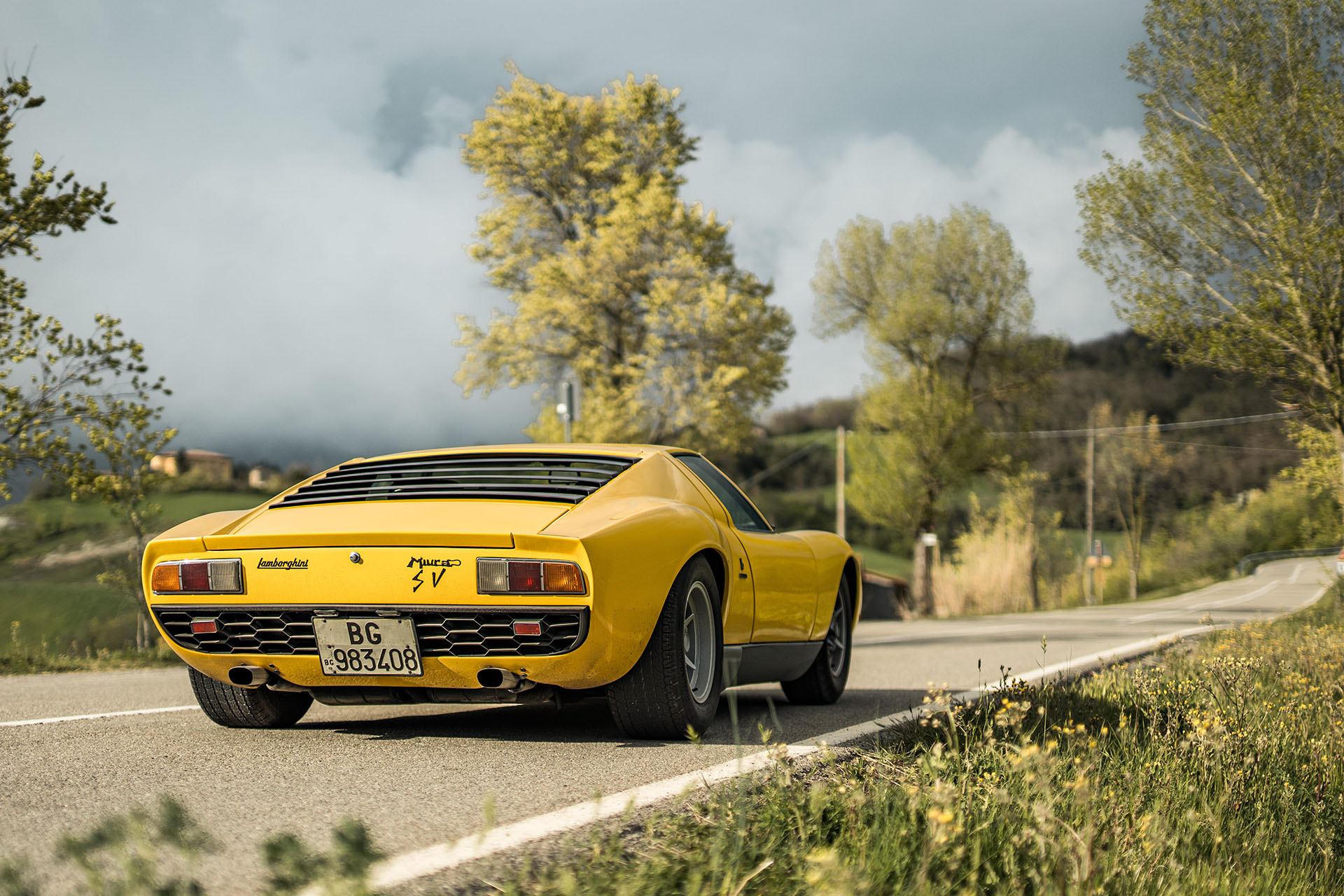
The ultimate SV version could reach speeds approaching 290 km/h, making it one of the fastest production cars in the world at the time. Combined with its lightweight chassis and mid-engine balance, the Miura delivered performance that was decades ahead of its rivals.
From Cinema to Pop Culture
The Miura’s influence extended far beyond the automotive world. Its appearance in the opening scene of the classic film The Italian Job helped cement its status as an icon of style, speed and Italian engineering.
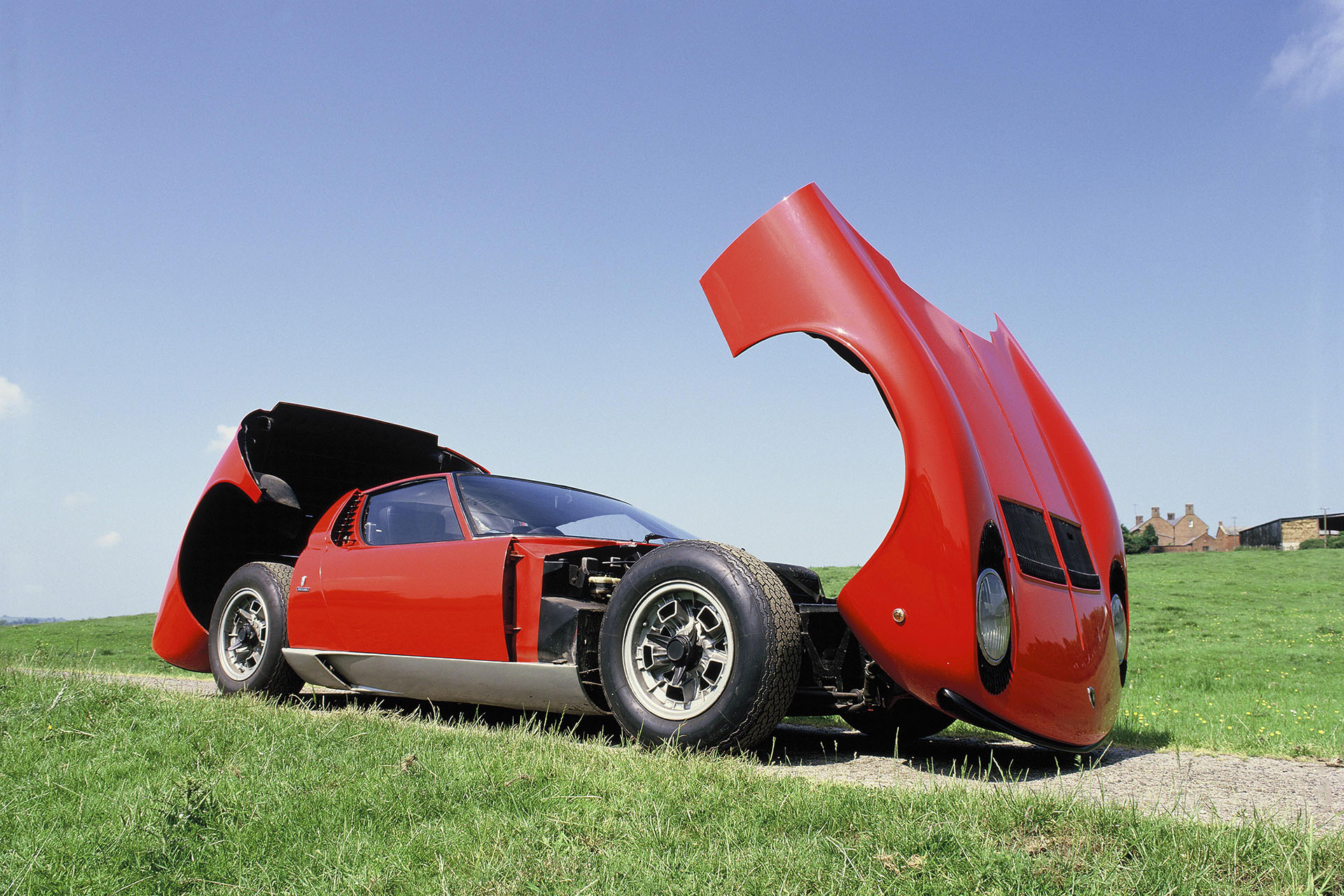
Throughout the late 1960s and early 1970s, the Miura became a symbol of the supercar lifestyle, appearing on magazine covers and in celebrity garages around the world.
Production and Rarity
Between 1966 and 1973, Lamborghini produced 763 Miura models at its factory in Sant’Agata Bolognese.
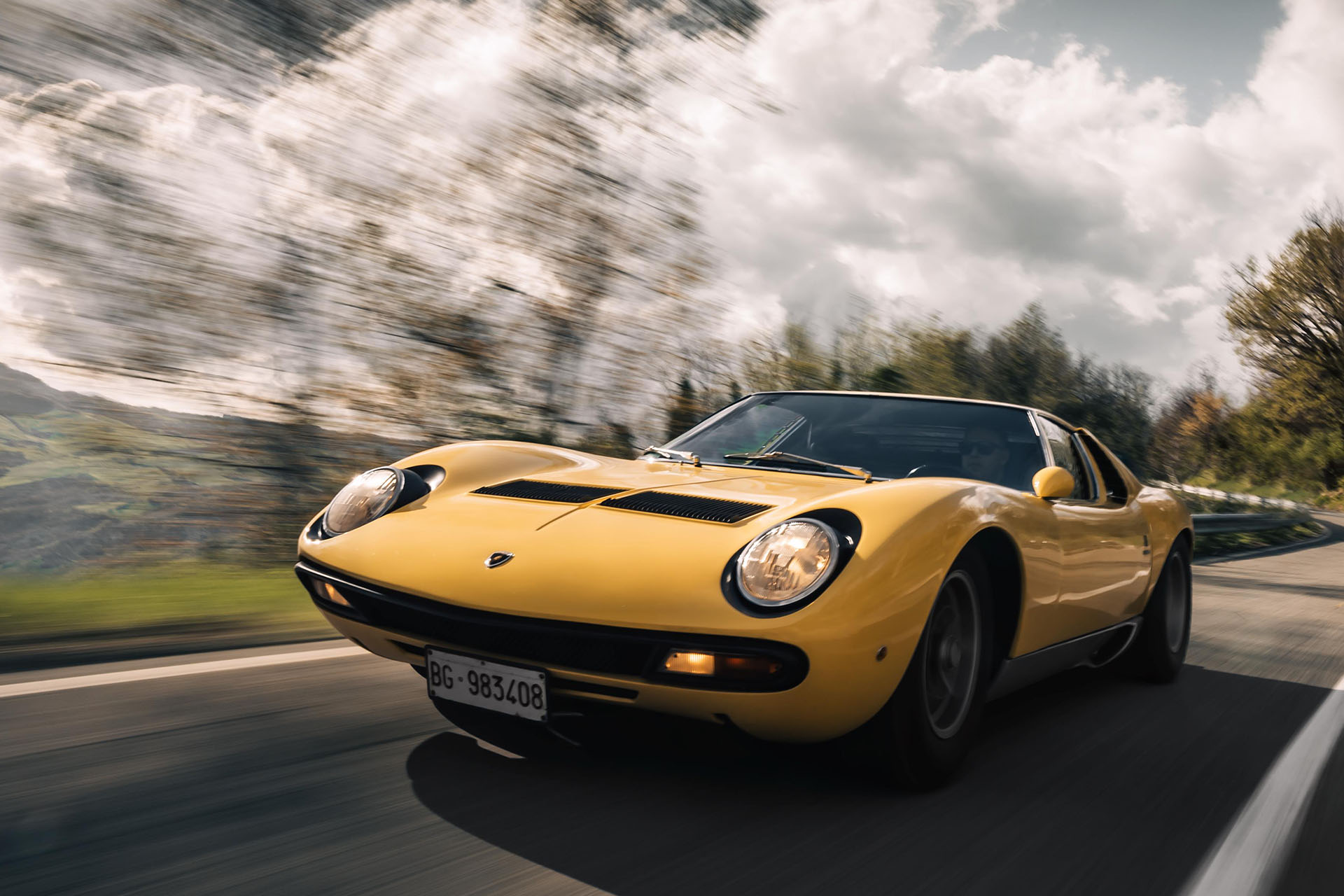
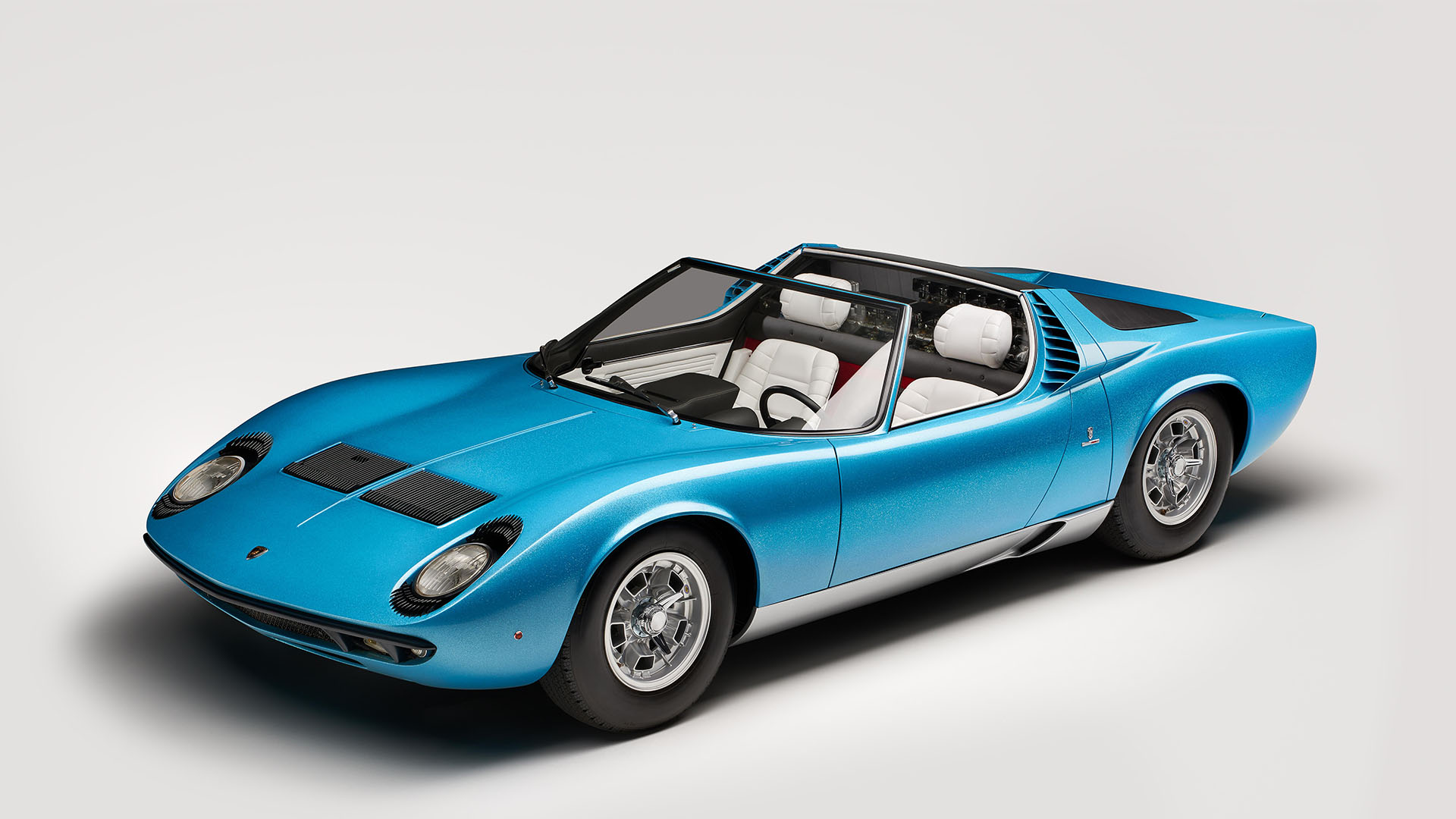
Several special versions and unique projects also emerged during its production run, including the famous Miura Roadster, a one-off open-top concept created by Bertone in 1968. Today, surviving examples are among the most valuable classic supercars in the world.
A Legacy That Shaped Lamborghini
More importantly, the Miura established Lamborghini’s identity. Every flagship V12 Lamborghini that followed, from the Lamborghini Countach to the Lamborghini Aventador and today’s hybrid Lamborghini Revuelto, carries elements of the Miura’s original philosophy.
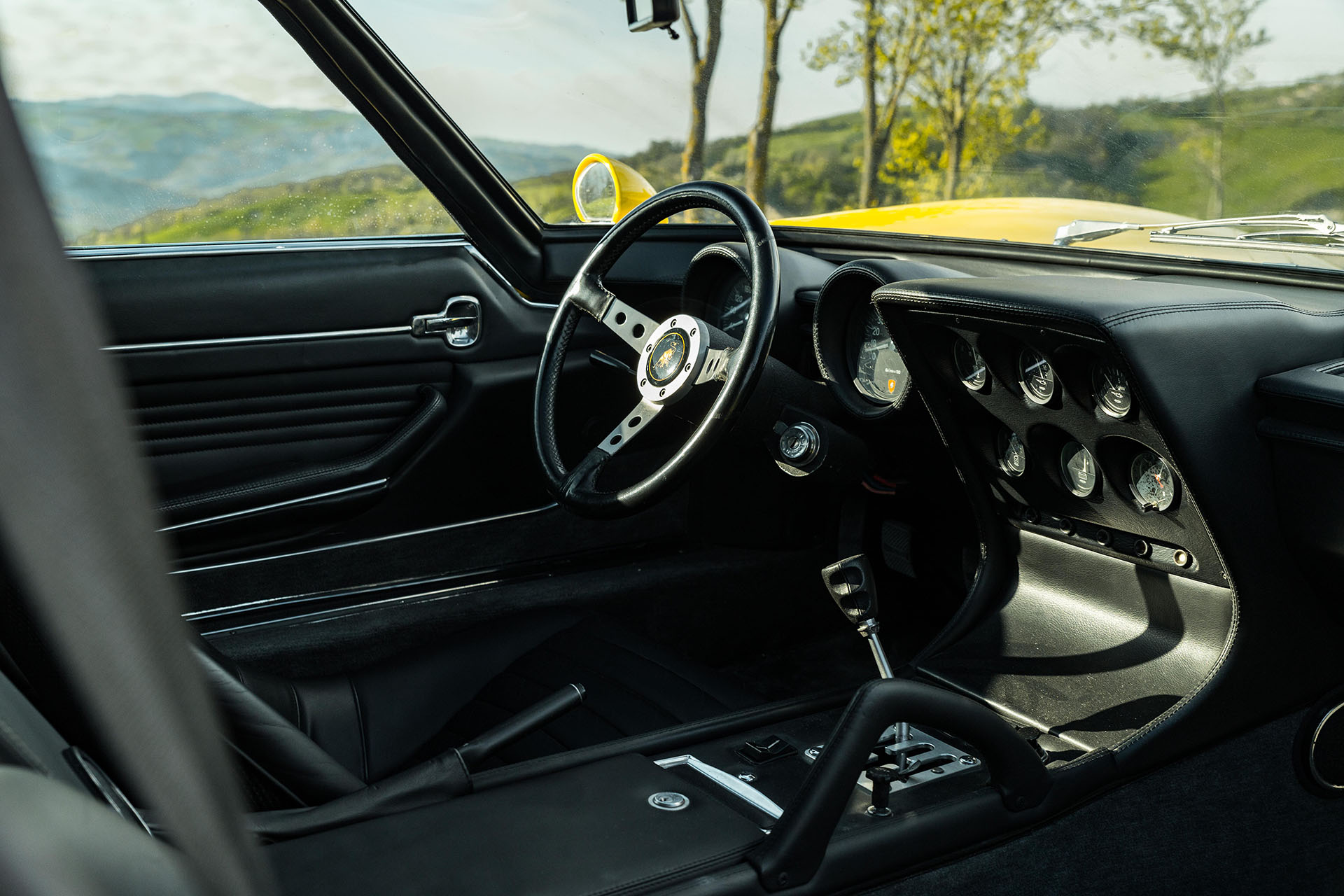
To celebrate the model’s anniversary in 2026, Lamborghini’s heritage division will host a dedicated Miura tour in Northern Italy from 6–10 May, bringing together historic examples of the legendary supercar. Sixty years after its debut, the Miura remains more than just a classic car. It’s the machine that created the modern supercar, and one of the most important automobiles ever built.