
Mitsubishi 0-60 & Quarter Mile Times
Mitsubishi Acceleration & Performance Data
Introducing Mitsubishi 0-60 mph and Quarter Mile times for all models. Below, we have painstakingly collected and organized all the Mitsubishi performance data we could get our hands on. Our data table and chart provides a comprehensive overview of each Mitsubishi model's performance capabilities.
Summary / Performance Table / Performance Chart / Fastest Cars Ever
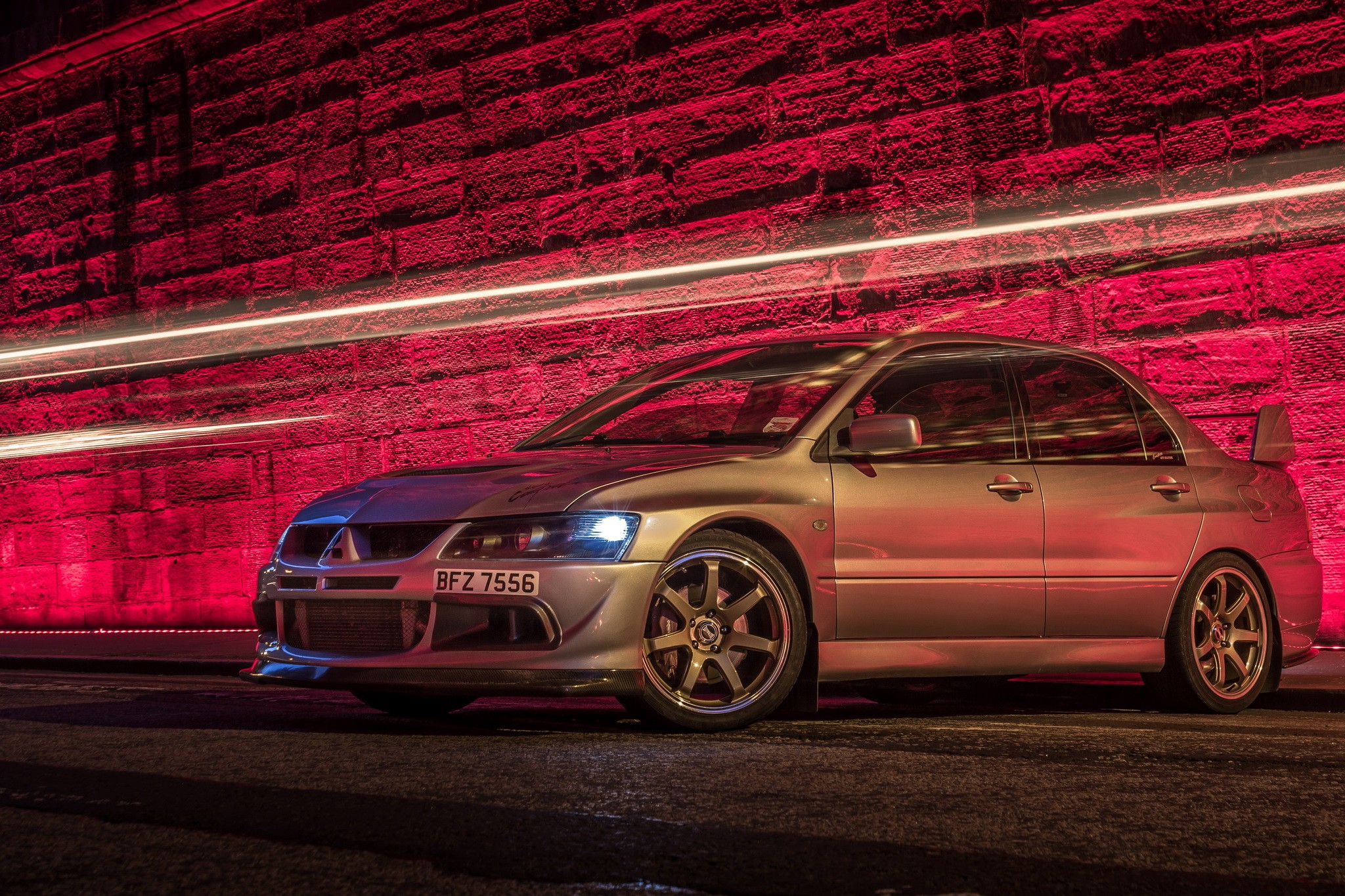
This page aims to put all of the performance metrics of Mitsubishi's entire model range (both current and historic) in one place, providing enthusiasts and prospective buyers with valuable insights into each vehicle's acceleration capabilities. We know that 0-60 times don't tell us the full performance picture, but by reviewing 0-60 mph times at least you can get a benchmark for measuring a car's acceleration prowess, and the quarter mile times, which offer a glimpse into its straight-line speed, readers can gain a deeper understanding of Mitsubishi performance pedigree. Mitsubishi, a brand known for its engineering innovation and motorsport success, has produced several high-performance vehicles over the decades that have captured the imagination of enthusiasts worldwide. From rally-bred legends to modern sports cars, Mitsubishi’s fastest vehicles showcase the brand’s commitment to speed, technology, and driving excitement. Here’s a look at some of the fastest Mitsubishi vehicles over the years and the brand’s broader performance credentials.
Mitsubishi 3000GT VR-4 (1990-2001): The Mitsubishi 3000GT VR-4, also known as the GTO in Japan, was a technological tour de force in the 1990s. Equipped with a 3.0-liter twin-turbocharged V6 engine producing 300 horsepower and 307 lb-ft of torque, the 3000GT VR-4 could accelerate from 0 to 60 mph in about 5.4 seconds and reach a top speed of around 155 mph. Its advanced features, such as all-wheel drive, active aerodynamics, and four-wheel steering, highlighted Mitsubishi’s commitment to blending performance with cutting-edge technology.
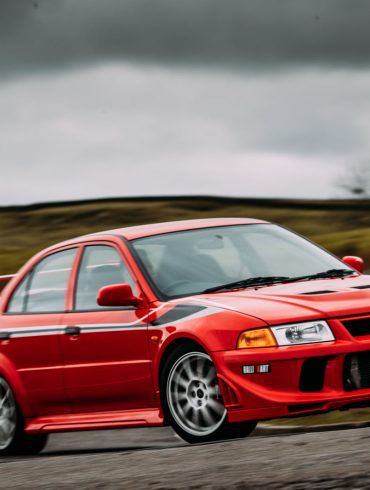
Mitsubishi Lancer Evolution VI TME (1999-2001): The Lancer Evolution series is perhaps Mitsubishi’s most iconic line of high-performance vehicles, with the Evolution VI Tommi Mäkinen Edition (TME) standing out as one of the best. Named after the four-time World Rally Champion, the Evo VI TME featured a turbocharged 2.0-liter inline-four engine producing 276 horsepower and 274 lb-ft of torque. It could sprint from 0 to 60 mph in just 4.4 seconds. The Evo VI TME’s rally-bred all-wheel-drive system, aggressive styling, and sharp handling made it a favorite among driving enthusiasts and underscored Mitsubishi’s prowess in motorsports.
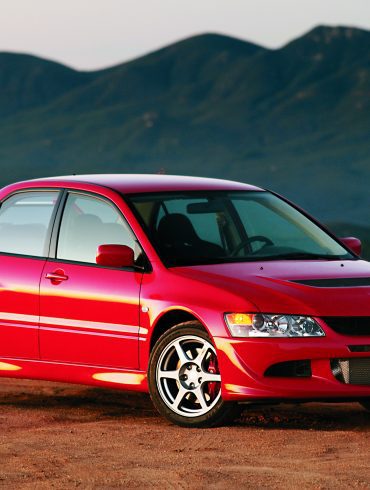
Mitsubishi Lancer Evolution IX (2005-2007): The Evolution IX continued the legacy of the Evo series with further refinements and performance enhancements. Its 2.0-liter turbocharged inline-four engine produced 286 horsepower and 289 lb-ft of torque, enabling it to accelerate from 0 to 60 mph in around 4.5 seconds. The Evo IX featured an improved all-wheel-drive system with active center differential and Super AYC (Active Yaw Control), providing exceptional handling and cornering capabilities. The Evo IX’s blend of power, agility, and technological sophistication exemplified Mitsubishi’s dedication to high-performance engineering.
Mitsubishi Lancer Evolution X (2008-2016): The final iteration of the Evolution series, the Evo X, represented the pinnacle of Mitsubishi’s performance engineering. Powered by a 2.0-liter turbocharged inline-four engine producing 291 horsepower and 300 lb-ft of torque, the Evo X could accelerate from 0 to 60 mph in 4.7 seconds. It introduced a new all-wheel-drive system called S-AWC (Super All-Wheel Control), which included active center differential, active yaw control, and active stability control. The Evo X’s combination of advanced technology, aggressive design, and rally-inspired performance made it a fitting end to the legendary Evolution series.
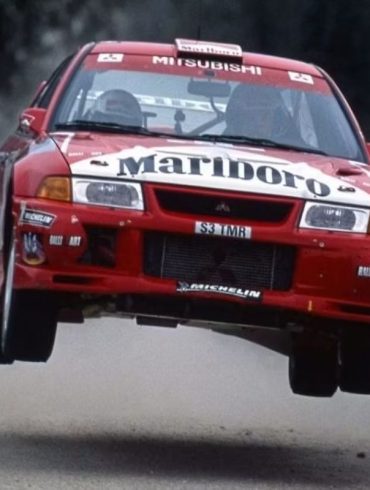
Mitsubishi’s broader approach to performance is deeply rooted in its motorsport heritage, particularly its success in rally racing. The brand’s dominance in the World Rally Championship (WRC) during the 1990s and early 2000s, with drivers like Tommi Mäkinen, helped shape its performance credentials. The technologies and innovations developed for rally competition, such as advanced all-wheel-drive systems and turbocharged engines, have been directly transferred to Mitsubishi’s road cars, ensuring they deliver exceptional performance and handling.
Moreover, Mitsubishi has always emphasized the importance of blending performance with practicality and everyday usability. Vehicles like the 3000GT VR-4 and the Lancer Evolution series offer not only thrilling driving experiences but also the reliability and durability expected from a Mitsubishi. This balance of performance and practicality has made Mitsubishi’s high-performance vehicles popular among enthusiasts who seek excitement without compromising on daily drivability. Mitsubishi’s lineup of high-performance vehicles over the decades reflects the brand’s commitment to engineering excellence, innovation, and motorsport success. From the technologically advanced 3000GT VR-4 to the rally-bred Lancer Evolution series, Mitsubishi has consistently produced cars that deliver exhilarating performance and cutting-edge technology. The brand’s focus on combining speed, agility, and practicality ensures that Mitsubishi remains a respected name in the world of high-performance automobiles.
Mitsubishi 0-60 mph & Quarter Mile Times
Mitsubishi models and their performance in terms of 0-60 mph and quarter-mile acceleration times. Narrow down your search via the filters.
You are trying to load a table of an unknown type. Probably you did not activate the addon which is required to use this table type.
Every Mitsubishi Ranked From Fastest to Slowest
Below, we compare Mitsubishi models and their performance. This table is filtered by the filters above, so feel free to narrow down your data set.
The Five Fastest Mitsubishi Cars
The Fastest Accelerating Mitsubishi Cars Ever Made
1. Mitsubishi Lancer Evo X FQ-400
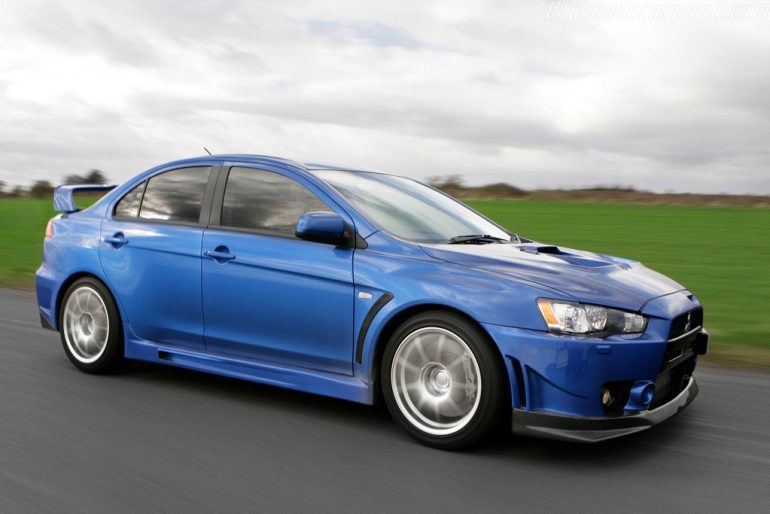
0 - 60: 3.7 seconds / Quarter Mile: N/A seconds
Summary
The Mitsubishi Lancer Evo X FQ-400 is a legendary performance car that holds a special place in the hearts of enthusiasts. Released in 2009 exclusively for the UK market, it was a limited-edition variant of the already capable Lancer Evo X, designed to push the boundaries of performance and deliver an unforgettable driving experience.
Under the hood, the FQ-400 packed a heavily modified version of Mitsubishi's 4B11 2.0-liter turbocharged engine, cranking out a remarkable 403 horsepower and 387 lb-ft of torque. This power, channeled through a six-speed dual-clutch transmission and Mitsubishi's renowned Super All-Wheel Control (S-AWC) system, propelled the FQ-400 from 0 to 60 mph in a blistering 3.7 seconds. Its top speed was electronically limited to 155 mph, but it was capable of much more.
The FQ-400's performance wasn't just about straight-line speed. It boasted a track-tuned suspension, upgraded brakes, and a wider track for improved handling and stability. Its aggressive body kit, complete with a massive rear wing, not only added to its menacing looks but also provided much-needed downforce at high speeds. Inside, the FQ-400 retained the practicality of the standard Evo X, with comfortable seating for four and a decent amount of cargo space.
While the Mitsubishi Lancer Evo X FQ-400 was a limited-production model, its impact on the automotive world was significant. It showcased Mitsubishi's engineering prowess and cemented the Evo's reputation as a performance icon. The FQ-400 remains a highly sought-after collector's car, a testament to its incredible performance and legendary status among enthusiasts.
2. Mitsubishi Lancer Evolution VI RS2
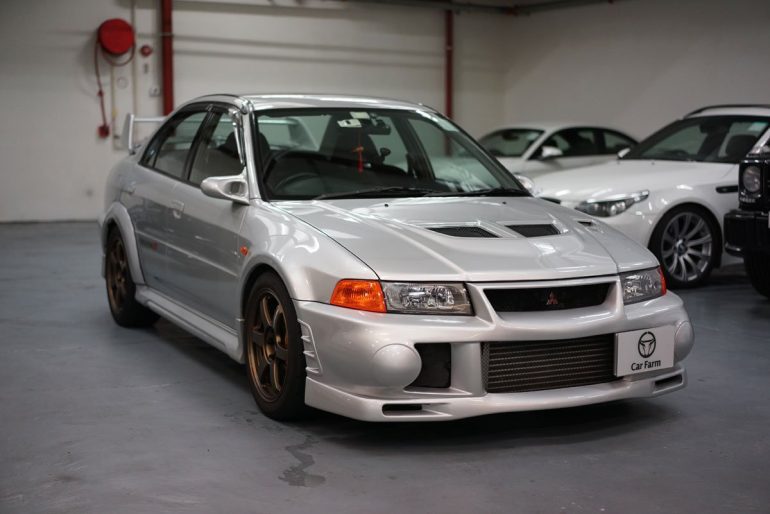
0 - 60: 4.3 seconds / Quarter Mile: 13.0 seconds
Summary
The Mitsubishi Lancer Evolution VI RS2 is a rally-bred performance car that holds a special place in the hearts of enthusiasts. Released in 1999, it was a stripped-down, lightweight variant of the already capable Lancer Evo VI, designed to maximize performance on the track and rally stages.
Under the hood, the RS2 retained the 4G63 2.0-liter turbocharged engine, but it came with a few tweaks for improved response and power delivery. While officially rated at 276 horsepower and 275 lb-ft of torque, the RS2 was known to produce more power in reality. Its 5-speed manual transmission and all-wheel drive system provided exceptional grip and acceleration, allowing it to sprint from 0 to 60 mph in around 4.3 seconds and complete the quarter-mile in around 13.0 seconds.
The RS2's performance wasn't just about straight-line speed. Its lightweight construction, sport-tuned suspension, and mechanical limited-slip differentials (front and rear) made it incredibly agile and responsive, allowing it to carve through corners with precision. The removal of unnecessary amenities like power windows, air conditioning, and sound deadening further contributed to its lightweight nature and enhanced its performance on the track.
The Mitsubishi Lancer Evolution VI RS2, with its raw driving experience and focus on performance, remains a sought-after collector's car. Its iconic status among enthusiasts is a testament to its incredible capabilities and its legacy as one of the most legendary rally cars of all time.
3. Mitsubishi Lancer Evolution RS
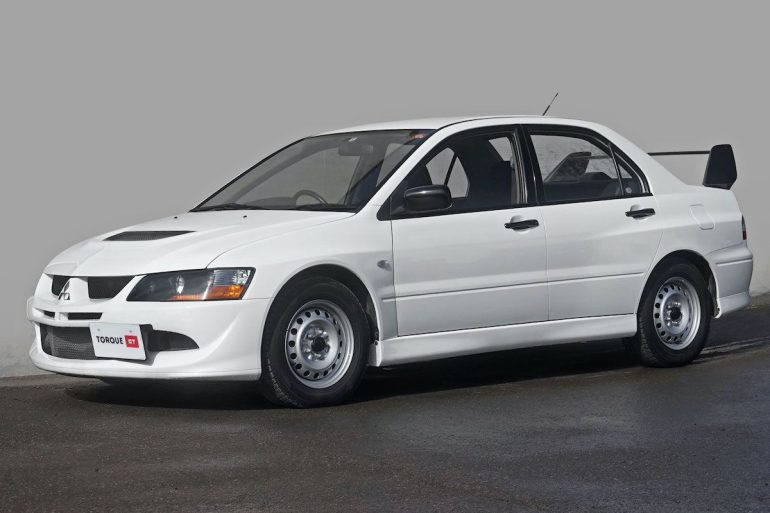
0 - 60: 4.3 seconds / Quarter Mile: 13.1 seconds
Summary
The Mitsubishi Lancer Evolution RS is a legendary rally-bred sports car designed for purists who crave unfiltered performance and handling. Stripped of creature comforts and extraneous features, the RS model prioritizes lightweight construction and raw driving dynamics above all else.
Under the hood, the Lancer Evolution RS features the same turbocharged 2.0-liter four-cylinder engine found in other Evo models, producing 271 horsepower and 273 lb-ft of torque. However, due to its lighter weight and focus on performance, the RS feels notably quicker and more agile than its more luxurious counterparts. This power is channeled through a precise five-speed manual transmission and Mitsubishi's renowned all-wheel-drive system, providing exceptional grip and acceleration.
The RS's performance isn't just about straight-line speed. It boasts a sport-tuned suspension, limited-slip differentials, and a more responsive steering rack, all of which contribute to its razor-sharp handling and impeccable balance. The car feels incredibly planted and communicative, giving the driver confidence to push its limits on the track or a winding road. The RS model sacrifices some creature comforts, such as sound deadening, power windows, and even a rear wiper, to save weight and enhance its performance. Its interior is focused solely on the driver, with racing-inspired seats, a simple dashboard layout, and a lack of unnecessary distractions.
4. Mitsubishi Lancer Evolution Final Edition
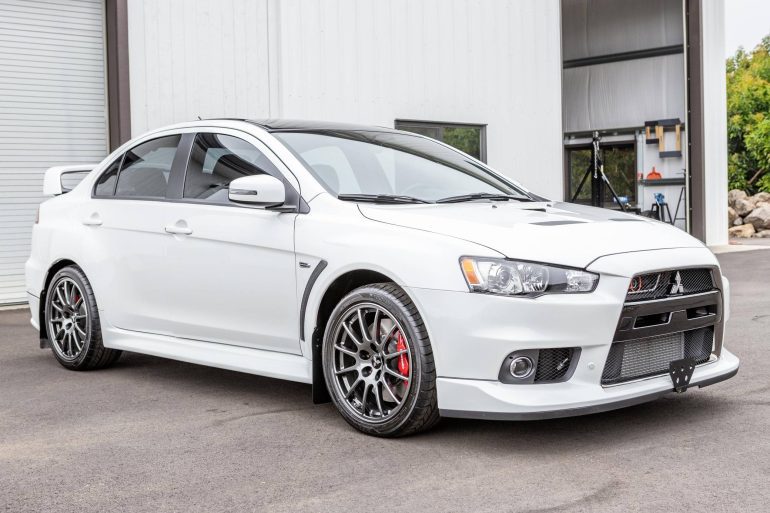
0 - 60: 4.4 seconds / Quarter Mile: 13.3 seconds
Summary
The Mitsubishi Lancer Evolution Final Edition, released in 2015, marked the end of an era for the legendary rally-bred sports car. It was a tribute to the model's iconic legacy, offering enthusiasts one last chance to experience the thrill of driving a high-performance Evo.
Under the hood, the Final Edition retained the familiar turbocharged 2.0-liter four-cylinder engine found in the Evo X, but with a slight power bump to 303 horsepower and 305 lb-ft of torque. This power was channeled through a five-speed manual transmission and Mitsubishi's renowned Super All-Wheel Control (S-AWC) system, providing exceptional grip and acceleration. The Final Edition could sprint from 0 to 60 mph in around 4.4 seconds and complete the quarter-mile in under 13 seconds, making it a fitting send-off for the iconic model.
Beyond its straight-line speed, the Final Edition also featured a number of performance enhancements, including Bilstein shocks and Eibach springs for improved handling, Brembo brakes for enhanced stopping power, and lightweight BBS forged alloy wheels. Its exterior was adorned with a black aluminum roof, dark chrome accents, and a special "Final Edition" badge, distinguishing it from standard Evo X models. Inside, the Final Edition featured Recaro sport seats with red stitching, a numbered plaque on the center console, and a black headliner, creating a sporty and exclusive ambiance.
5. Mitsubishi Lancer Evolution IX MR
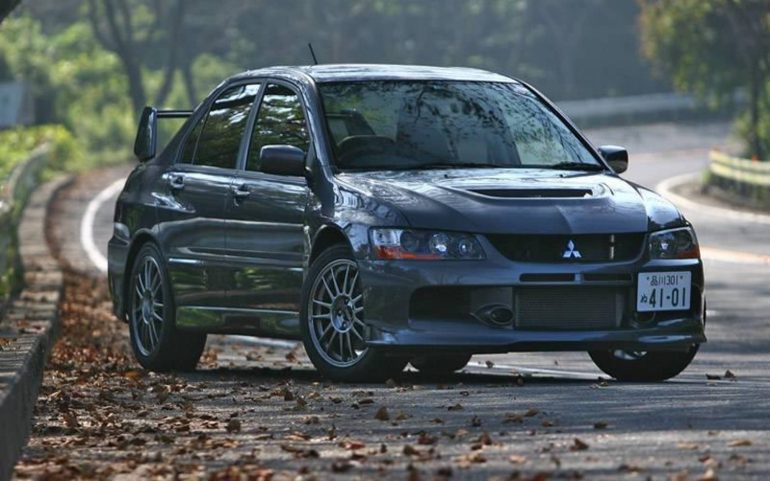
0 - 60: 4.5 seconds / Quarter Mile: 13.3 seconds
Summary
The Mitsubishi Lancer Evolution IX MR, released in 2006, marked a significant evolution of the already renowned rally-bred sports car. It was a culmination of years of engineering expertise and track knowledge, aimed at enhancing the Evo's performance and driving dynamics further.
Under the hood, the Evolution IX MR retained the iconic 4G63 2.0-liter turbocharged engine, which, in this iteration, produced a potent 286 horsepower and 289 lb-ft of torque. This power, combined with a sophisticated all-wheel-drive system and a revised 6-speed manual transmission, propelled the car from 0 to 60 mph in around 4.5 seconds, making it one of the quickest cars in its class.
But the Evo IX MR was more than just straight-line speed. It boasted a meticulously tuned suspension with Bilstein shocks and Eibach springs, providing exceptional handling and agility. The car's Super Active Yaw Control (S-AWC) system, a torque-vectoring technology, further enhanced its cornering capabilities, allowing it to grip the road with tenacity and carve through corners with precision. The MR also featured an aluminum roof, reducing weight and lowering the center of gravity for improved handling.
The Mitsubishi Lancer Evolution IX MR was a true driver's car, offering a visceral and engaging experience that few could match. Its powerful engine, razor-sharp handling, and rally-inspired design solidified its status as a performance icon and a favorite among driving enthusiasts.