

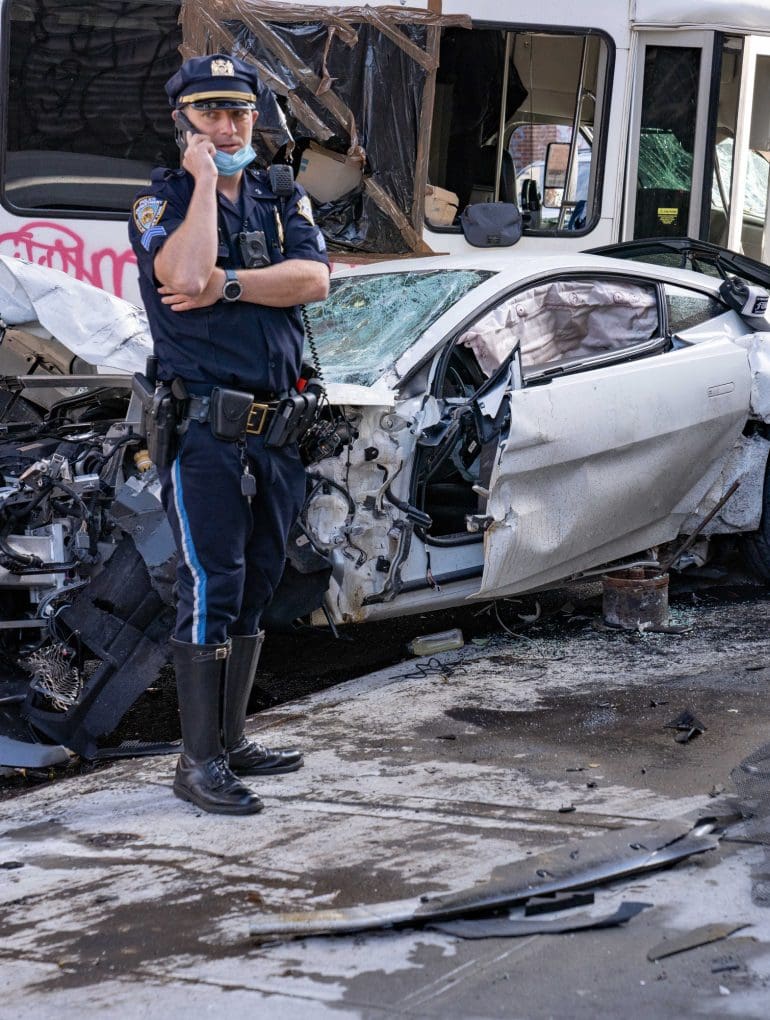

Driving is one of those things most of us do without really thinking about it. Back out of the driveway, merge onto the highway, park outside the grocery store. But spend enough time on the road and you start noticing things: the near-misses, the distracted drivers, the accidents on the shoulder that slow everything to a crawl. Most of us have driven past those scenes and felt it, that quiet reminder that it could just as easily be you. And the unsettling part is it doesn’t take doing anything wrong. No red lights, no speeding, sometimes just a split second where everything lines up badly. Whether you’re in a beat-up sedan or a six-figure sports car, a crash turns an ordinary day into something you’re still dealing with months later. The physical part is obvious. What nobody warns you about is everything that follows: the insurance calls, the bills, the legal questions showing up at the worst possible time. Having solid legal representation through all of that can change how things end up significantly.
The Mistakes People Make Right After a Crash
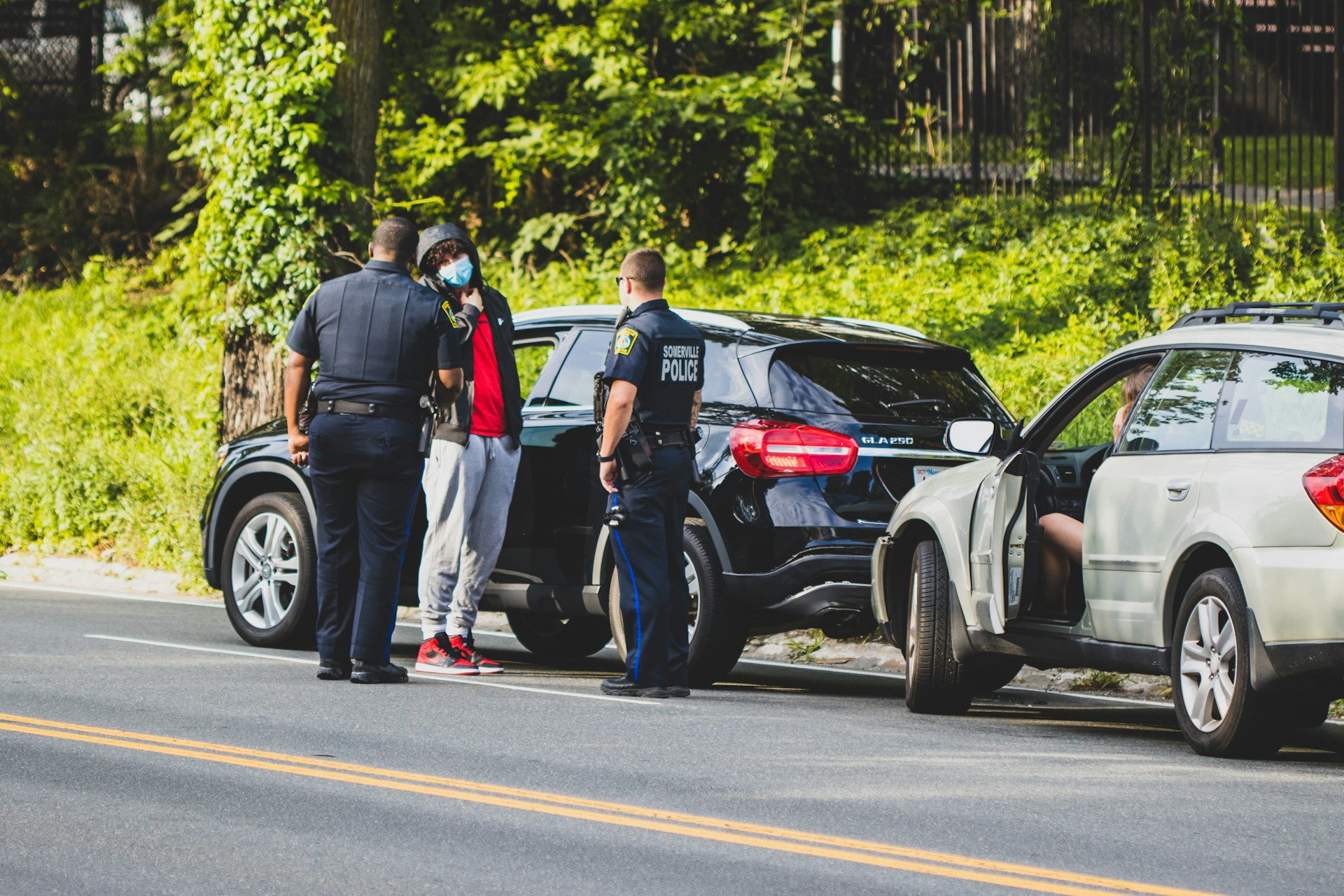
The moments right after a crash are genuinely disorienting. You’re running on adrenaline, you might be hurt without fully realizing it yet, and your brain is still trying to catch up with what just happened. In that state, most people’s instinct is to check on the other driver, apologize, try to keep things calm. It feels like the right thing to do. From a legal standpoint though, it can quietly set you back before anything has even started.
Nobody standing on the side of the road with their hazards on is thinking about how their words might be used against them later. But they often are. Beyond what gets said, there’s also everything that doesn’t get done. People skip the ER because they feel okay, not knowing that whiplash, soft tissue damage and certain other injuries don’t always show up right away. Days later, when the pain sets in, the insurance company already has grounds to argue you weren’t seriously hurt because you walked away from the scene without seeking treatment. Same goes for skipping photos of the damage, not getting witness information, leaving without a clear record of what happened. None of it feels important in the moment. All of it has a way of mattering a great deal later.
What You’re Actually Owed

Most people walk into this process without a real sense of what they’re entitled to, and that’s not a criticism. Nobody studies personal injury law for fun. But if someone else caused the accident, the scope of what you can recover is broader than most victims initially realize. Your medical bills are the obvious one, but lost wages are in there too, and not just the days you missed right after the crash. If your injuries affected your ability to work for months, that’s part of it. So is the damage to your vehicle, and so are the less tangible things: the pain, the disruption to your daily life, the stress of going through all of this in the first place.
The numbers behind all of this are staggering. In 2023 alone, medically consulted injuries from motor vehicle incidents totaled 5.1 million across the United States, with total injury costs estimated at $513.8 billion according to the National Safety Council. That figure accounts for medical expenses, lost wages, property damage and other associated costs. When you’re one of those millions of people, those aren’t abstract statistics anymore.
New York being a no-fault state complicates things slightly. Your own insurance covers your initial medical costs and lost wages regardless of fault, which sounds straightforward until you hit the coverage limit. Serious injuries regularly exceed what no-fault will pay, and once that happens you’re looking at a claim against the at-fault driver directly. That process has specific requirements and deadlines attached to it, and it’s genuinely not something you want to figure out as you go.
The Insurance Company Is Running a Business

It’s easy to forget this when you’re stressed and hurting, but the insurance adjuster calling to check on you is not doing so out of goodwill. Their job, at the end of the day, is to settle your claim for as little as the company has to pay. That’s not a personal judgment, it’s just the nature of the business. And the people in those roles are trained negotiators who deal with accident victims every single day.
A fast settlement offer is one of the oldest moves in the book. It comes in early, before you fully understand how serious your injuries are, and it’s framed in a way that makes it sound like a reasonable resolution. What it really is, in most cases, is a lowball number with a release attached that cuts off any future claims. Recorded statements are another thing to be careful about. They sound routine, like something you’re obligated to provide, but they’re really an opportunity for the insurer to get you on record saying something that works against you. An attorney who has dealt with these companies before knows exactly what’s happening and can put a stop to it.
What an Attorney Is Actually Doing for You

The courtroom version of a personal injury case is mostly a TV thing. In practice, the work happens long before anyone is anywhere near a judge. It starts with building a record of what actually occurred, and that’s more involved than it sounds. Accident reports, camera footage from traffic systems or nearby businesses, statements from people who saw it happen, and sometimes a specialist who can look at the physical evidence and reconstruct the sequence of events. All of that gets assembled into something that’s hard to dispute, because the whole point is to leave the insurance company with as little wiggle room as possible.
That’s what Parker Waichman law firm spends its time doing. They’ve been handling these cases in New York long enough to know how insurers approach different types of claims, where they’re likely to push back and what it takes to move a negotiation forward when it stalls. Most people are surprised to learn that their attorney handles all communication with the insurance company directly, which means no more calls from adjusters, no recorded statements, no pressure to accept something before you’re ready. And since personal injury attorneys work on contingency, none of this costs you anything upfront. You pay if and when you win, and nothing otherwise.
Don’t Let Time Slip Away
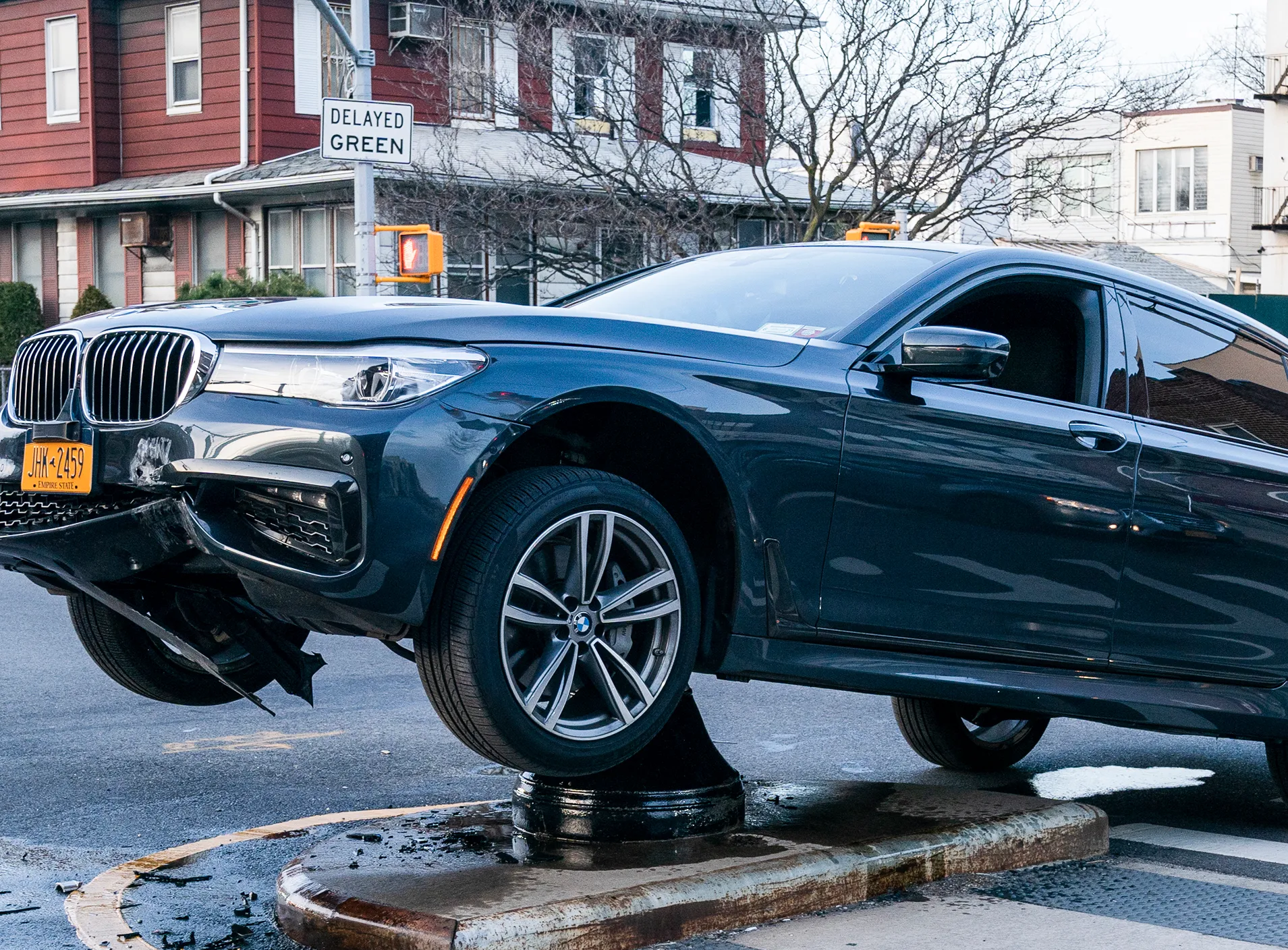
Three years sounds like a long time. For most people going through the aftermath of a serious accident, it goes faster than expected. There’s the initial recovery, then the back and forth with insurance, then at some point the realization that things aren’t getting resolved the way they should be. By the time some people start seriously thinking about legal action, a meaningful chunk of that window is already gone.
The reality of how common these situations are makes it even more important to act. According to the NHTSA, an estimated 39,345 people died in traffic crashes in 2024, marking the first time since 2020 that the number fell below 40,000. And that’s fatalities alone. The number of people dealing with injuries, property loss and financial fallout runs into the millions every single year. Cases get harder to build as time passes too: footage gets deleted, people move away and become difficult to track down, the details that were vivid right after the accident start getting fuzzy.
If your accident was recent and you haven’t talked to anyone yet, sooner really is better. And if you’ve been sitting on this for a while already, that’s all the more reason not to wait any longer. Most firms offer a free initial consultation, and even a single conversation can tell you a lot about where things stand and what your options actually are.