
1955 Ghia Streamline X Coupé
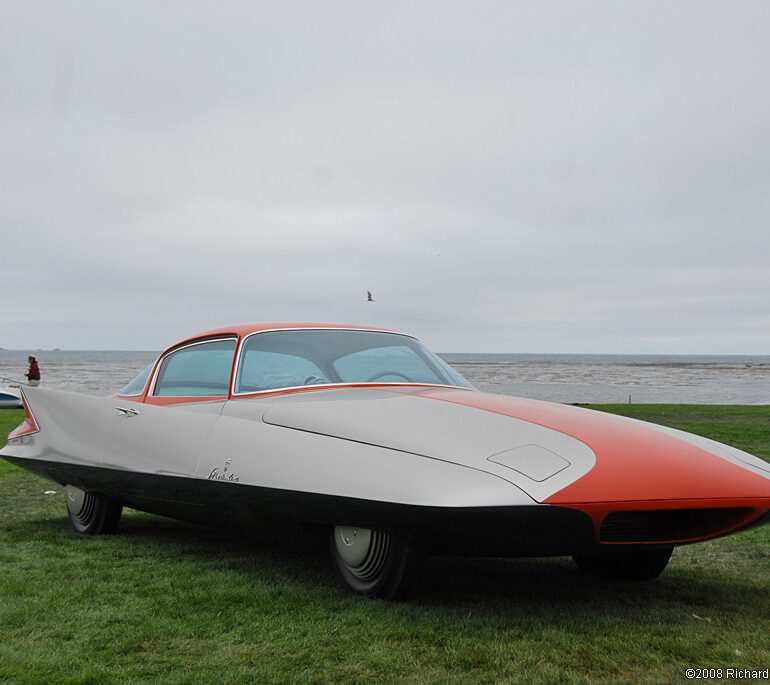
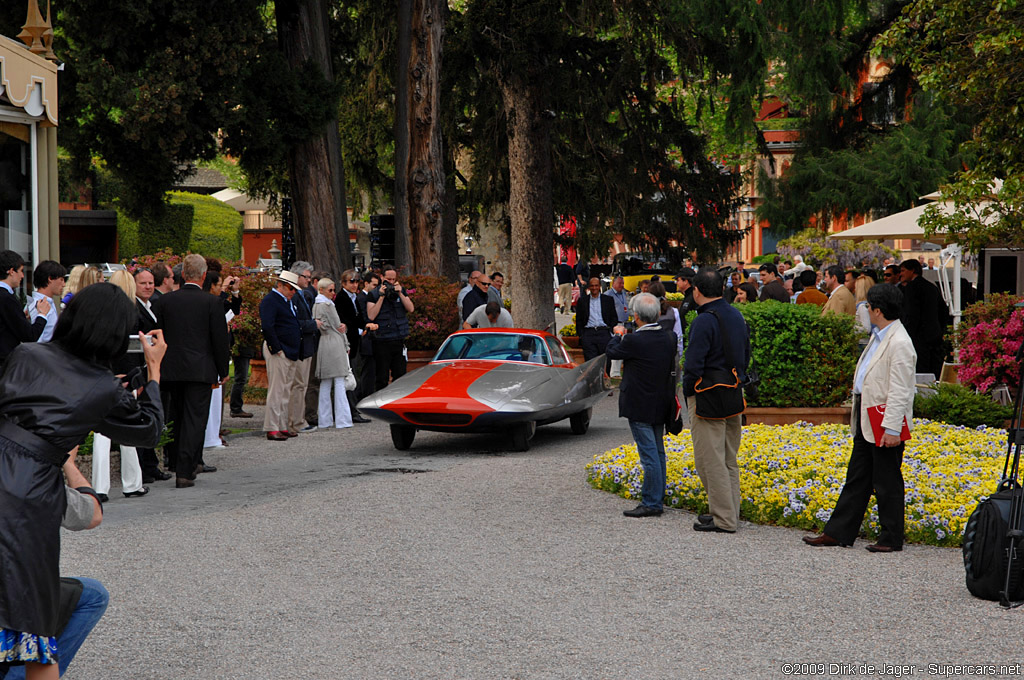
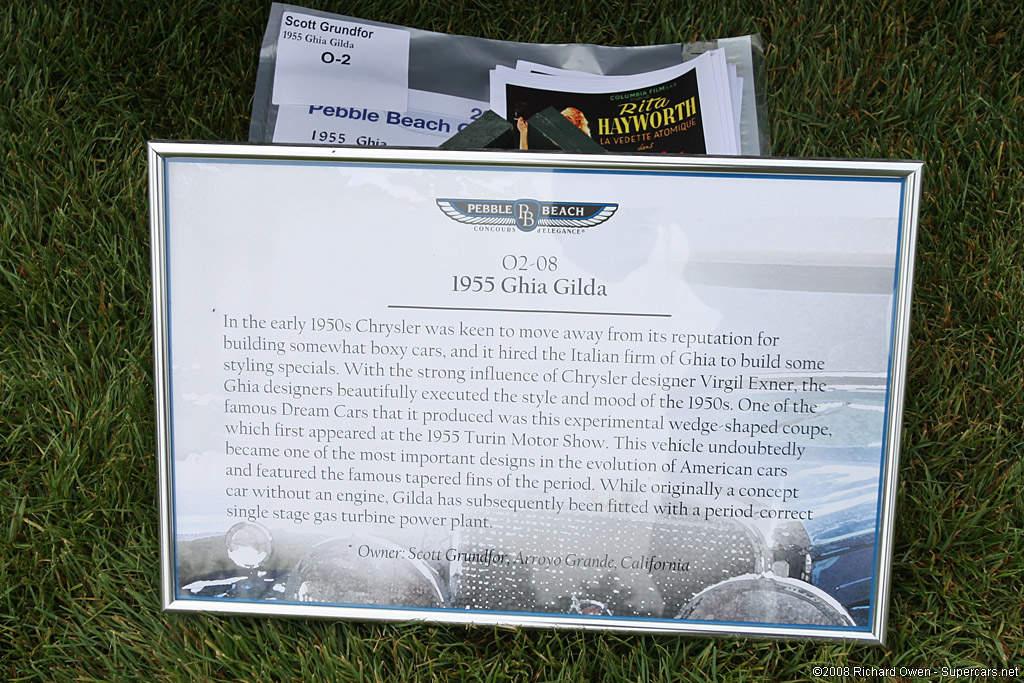
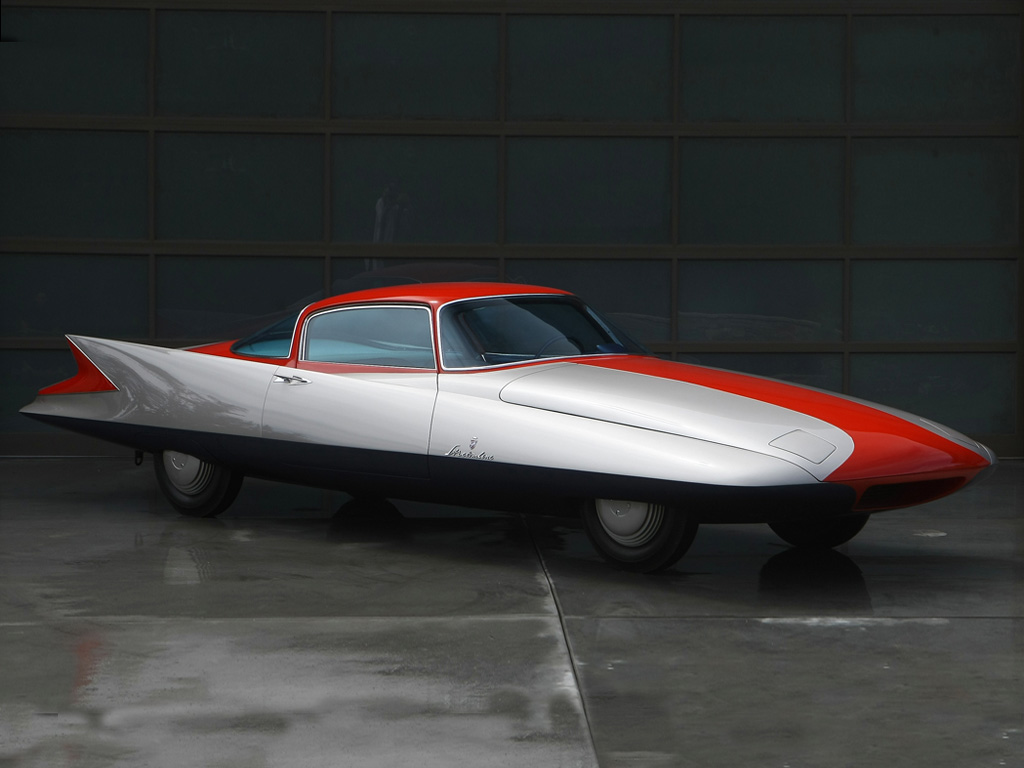
Built at the request of Chrysler executive Virgil Exner, the Gilda was an exercise in extreme styling and ambitious performance. It was created by Ghia and debuted as a showcar at the Salone di Torino of 1955, later touring around Europe, then the US. The car was nicknamed the after Rita Hayworth’s performance in the 1946 film noir classic Gilda. It has been called “ne of the ten most significant show cars” by Strother MacMinn.
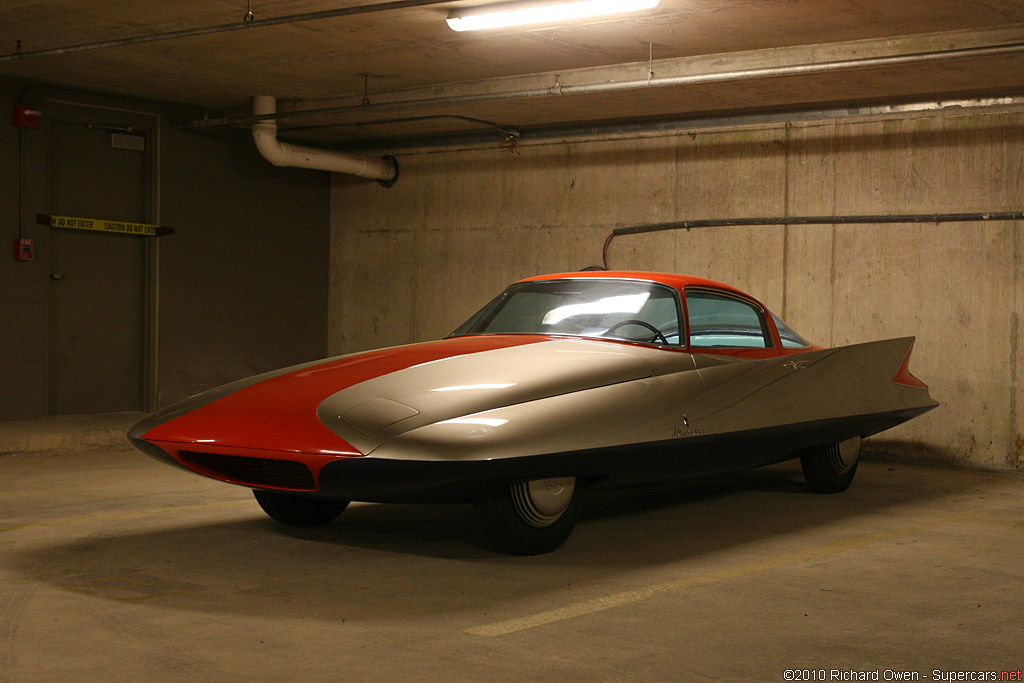
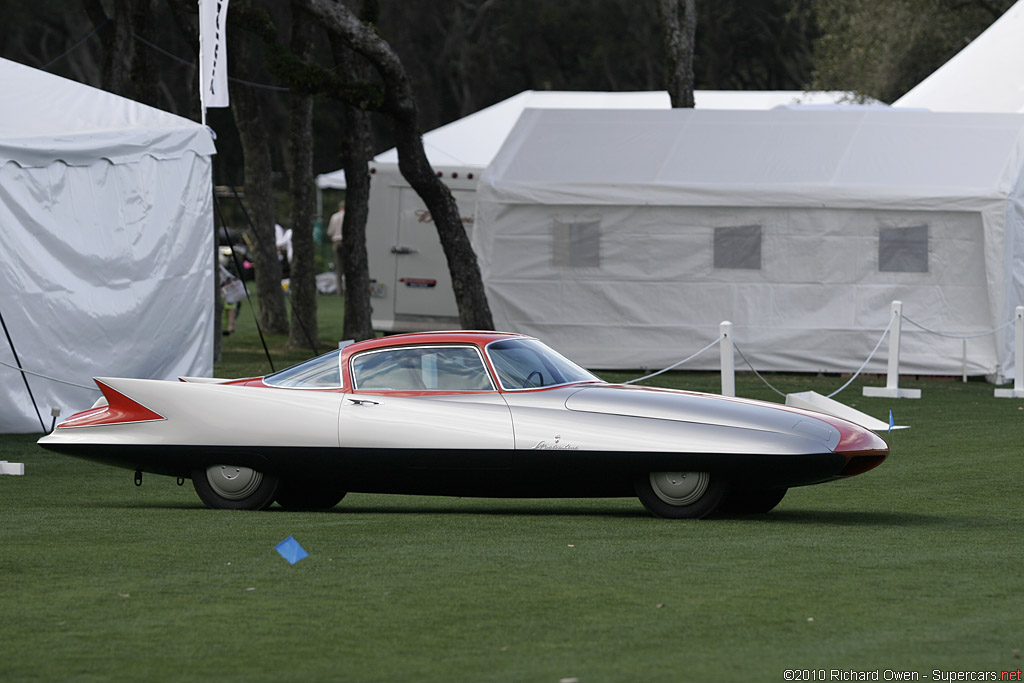
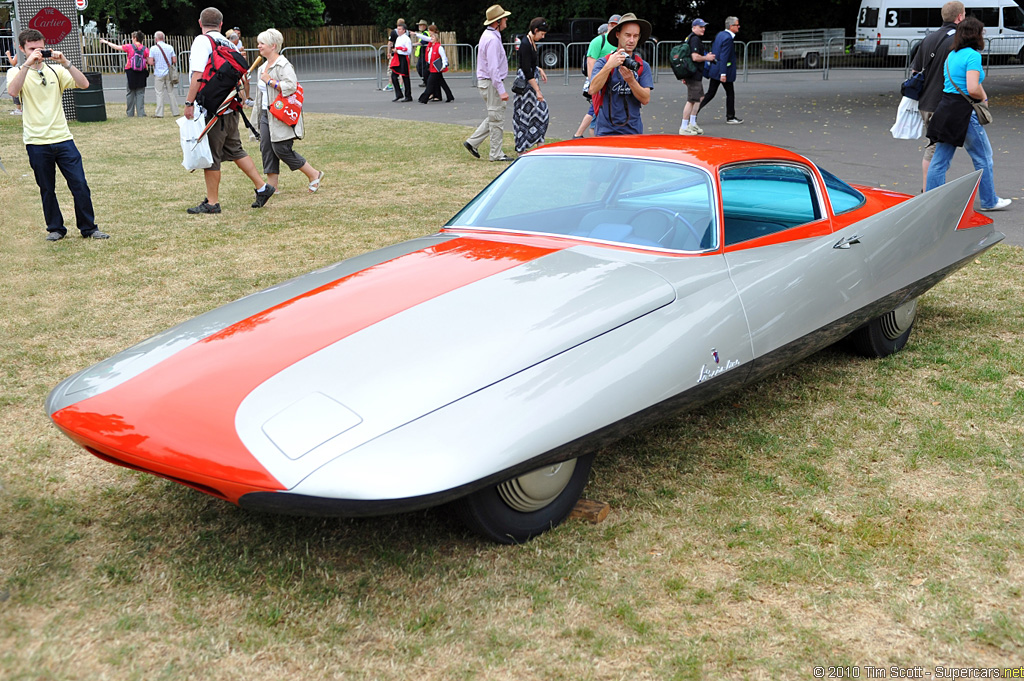
Fabrication of the Gilda was completed to the same standards of other Ghia coachwork for Italian chassis such as Ferrari and Maserati. But unlike the cars produced for wealthy clients, the Steamline’s shape was one of Ghia’s most spectacular.
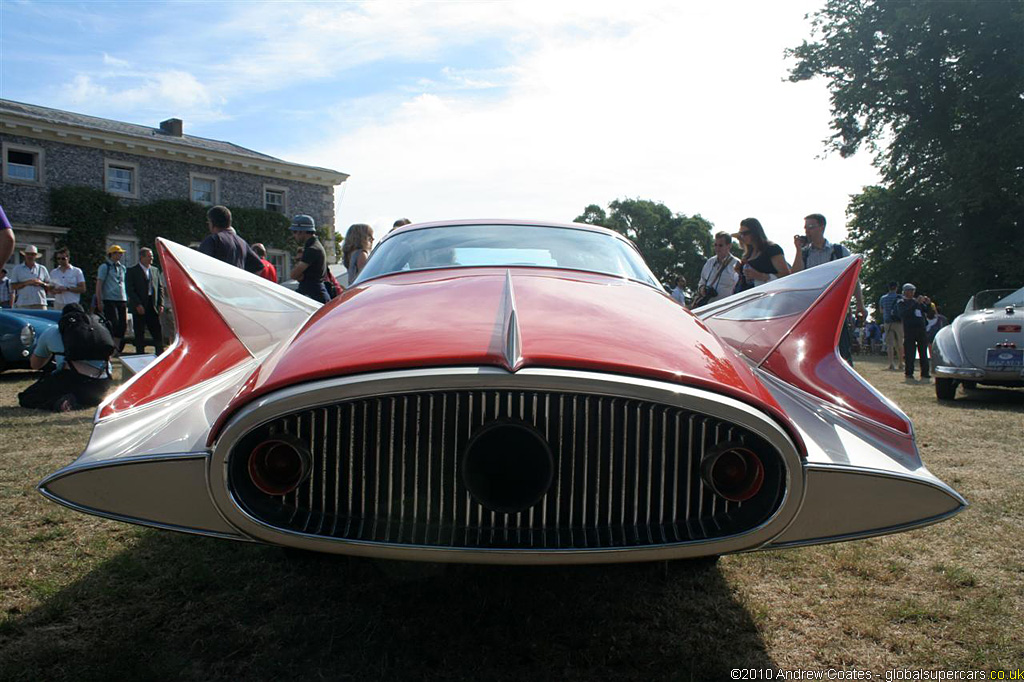
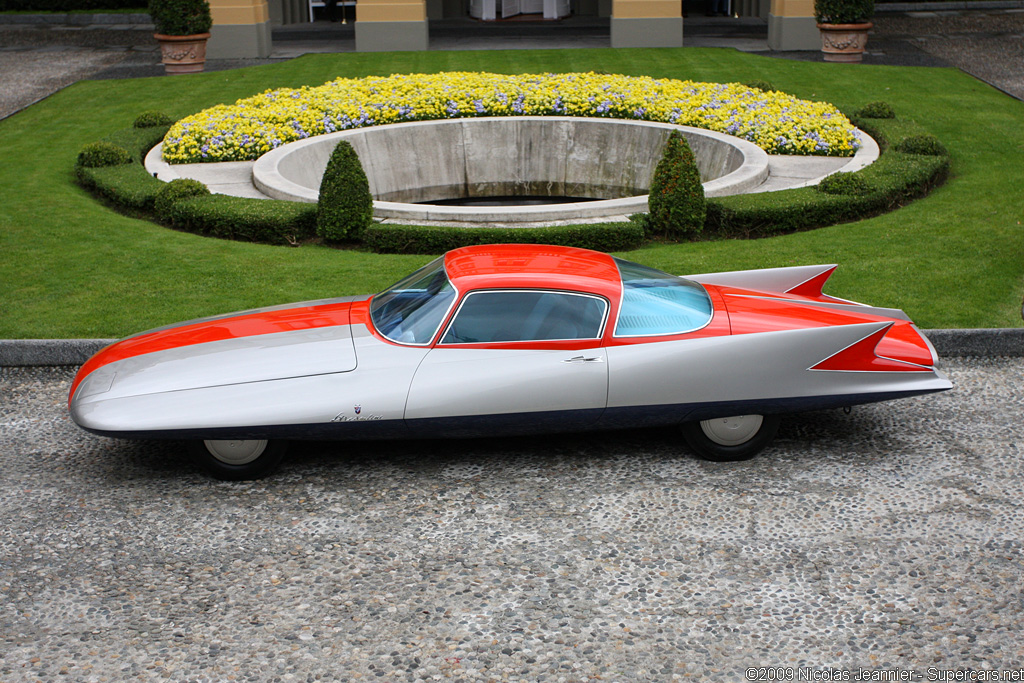
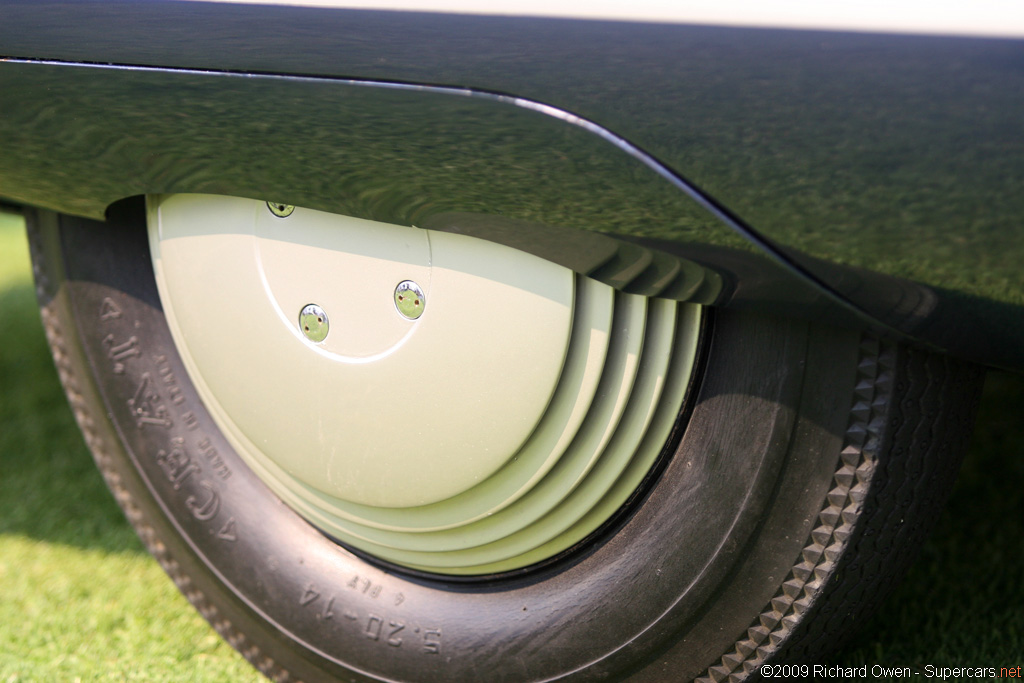
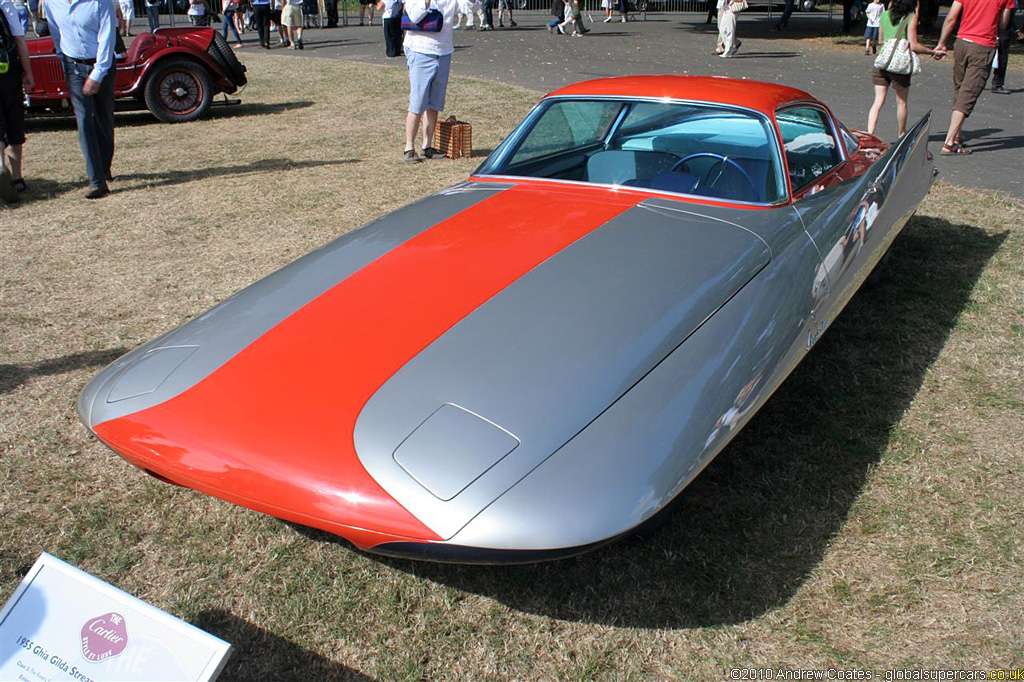
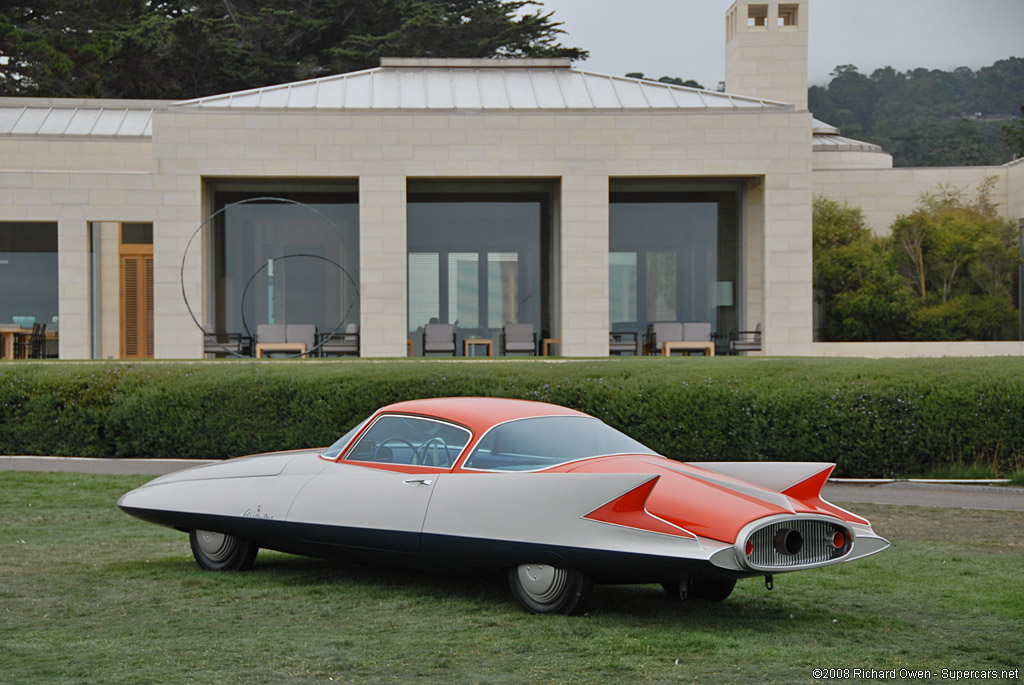
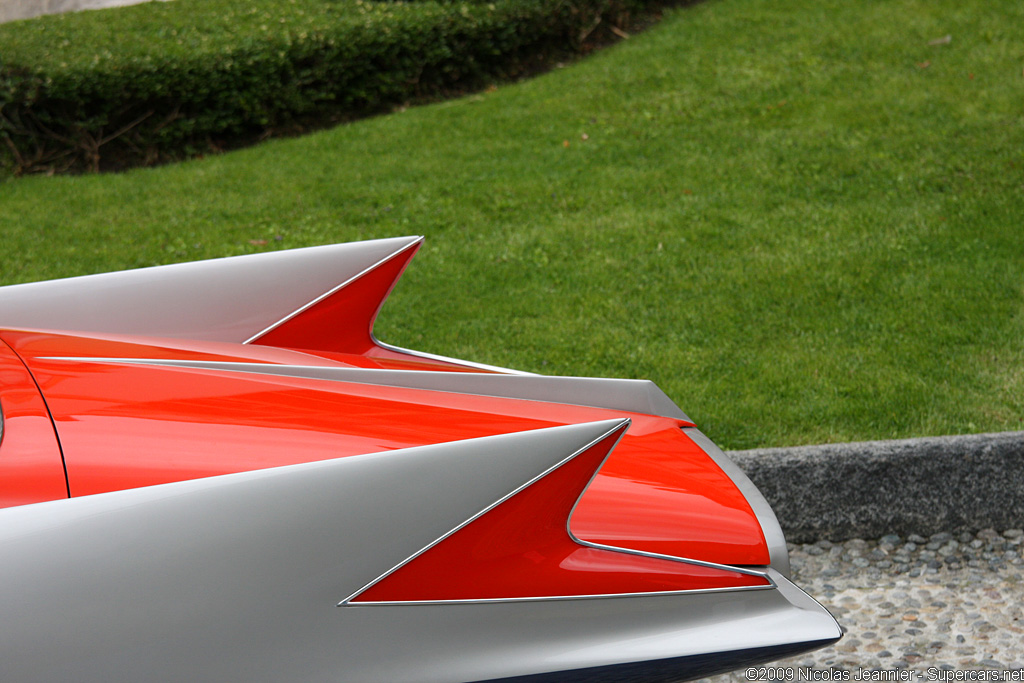
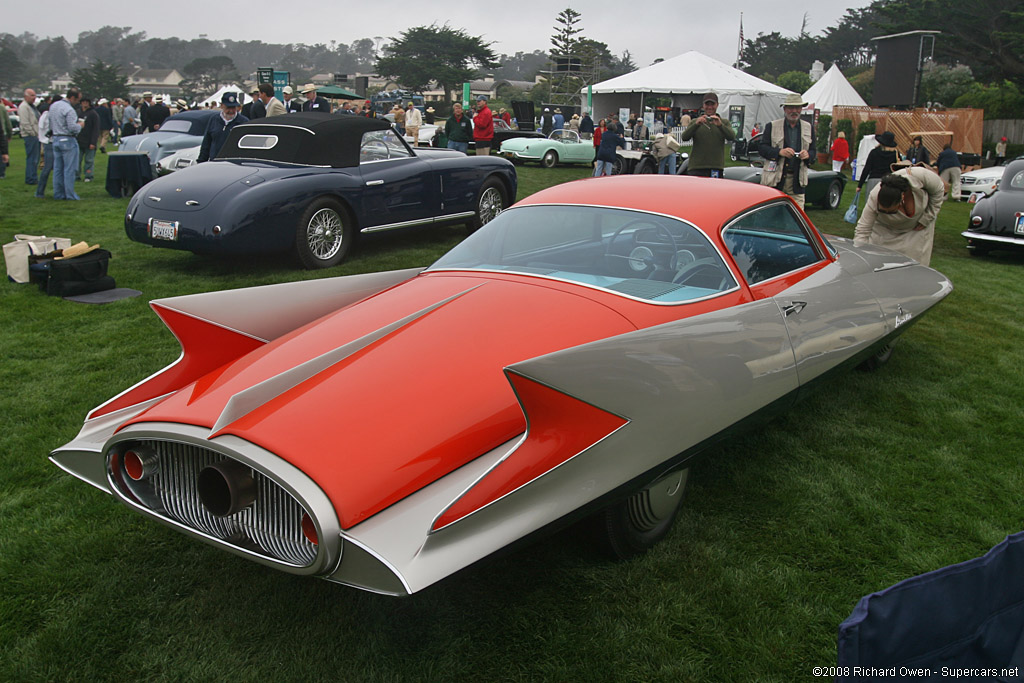
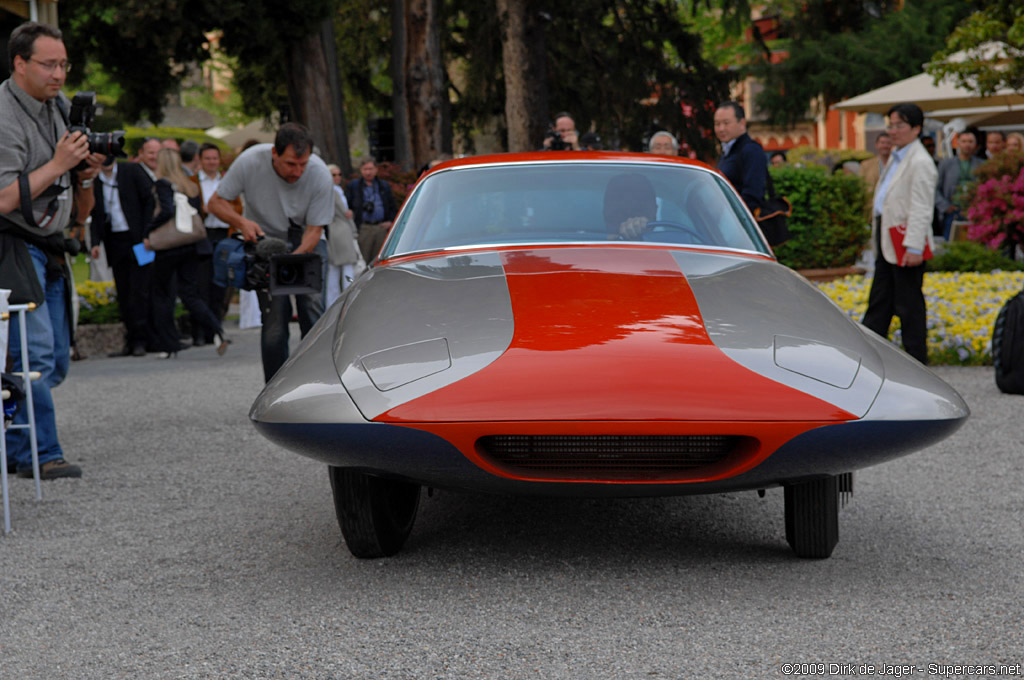
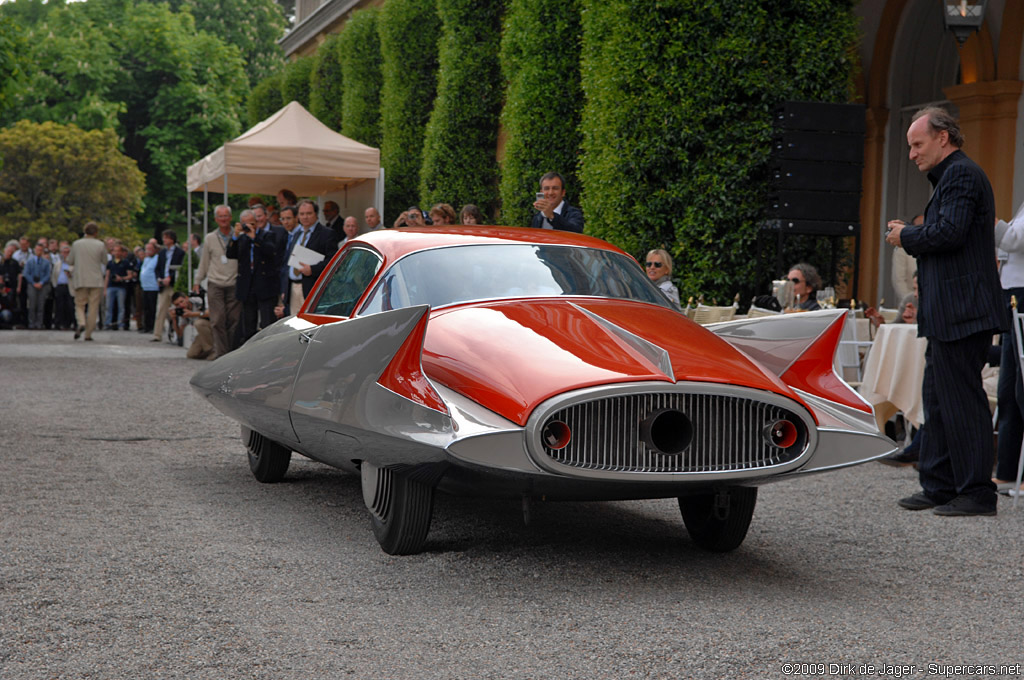
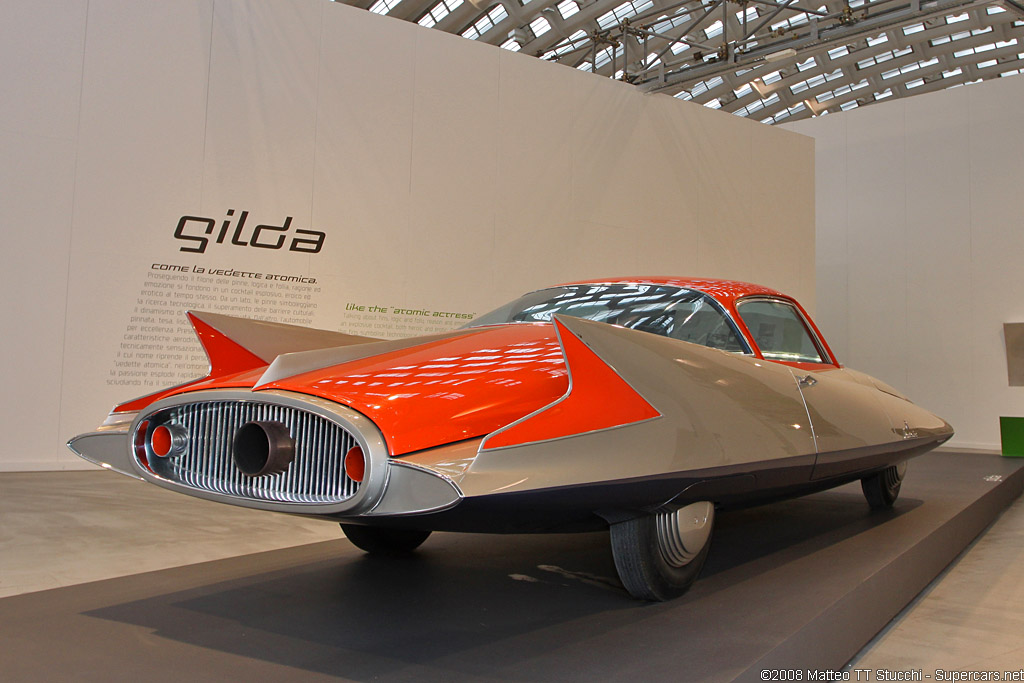
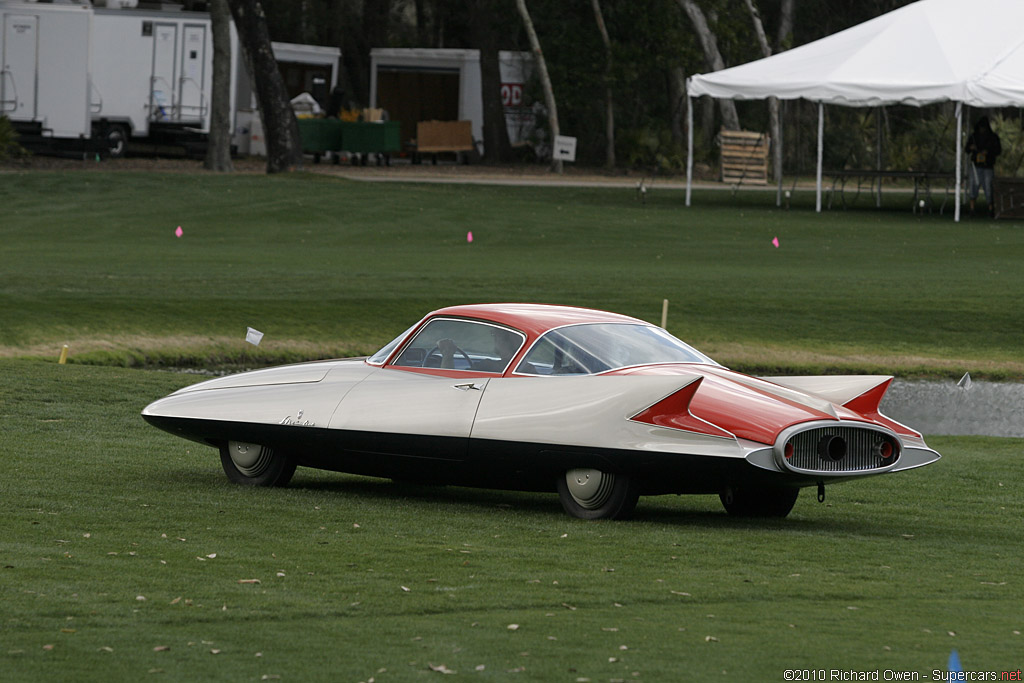
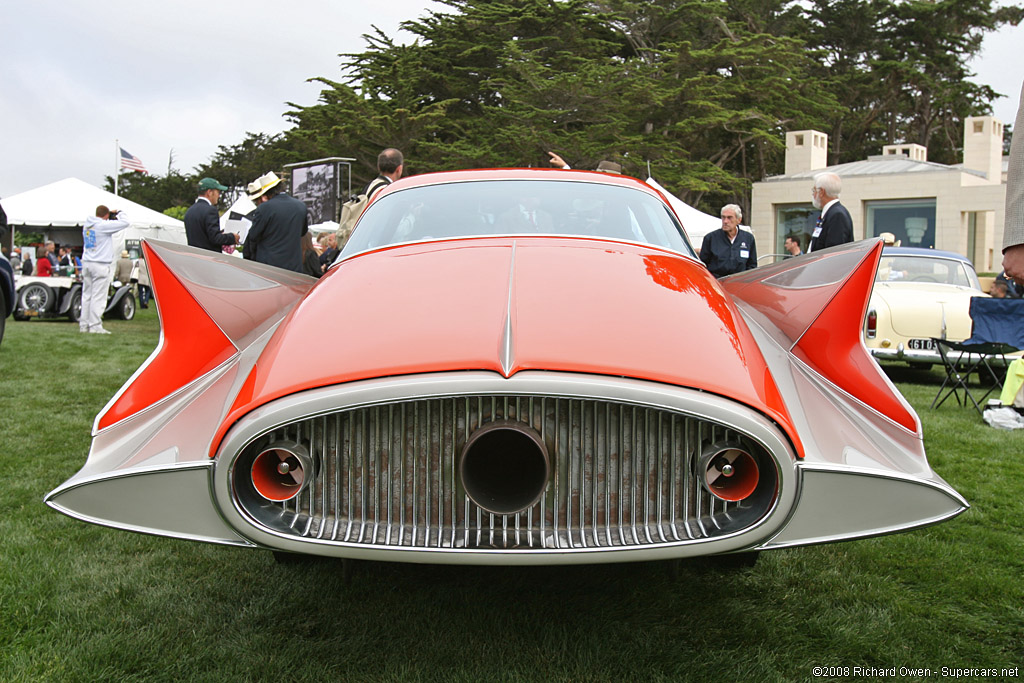
Styling of the Gilda was handled by Giovanni Savonuzzi aerodynamicist and engineer that had a keen interest in mathematics. He referenced the Rocket Age of American design, including huge tail fins that began at the front of the car. The body used a two tone paint scheme with a dark underbelly and disc wheels. The cockpit was placed in a cab-forward position and was unusually small for the size of the car. Overall shape was supposedly finalized in the wind tunnel at the Politecnico di Torino which interested Chrysler greatly. As did gas turbine engines which could run on kerosene, gasoline, diesel or and combustable fuel.
Later, Giovanni Savonuzzi later managed Chrysler’s turbine division. During time time much of his work went uncredited. His daughter describes him as a “complex man, to whom mathematics were an art and who had an eye for beauty in all its forms. That included beautiful women, of course, but in a respectful way. He admired Rita Hayworth because she was a beautiful woman, and always maintained that it was he who came up with the name Gilda for the Ghia car.”1
The initial idea was to power the Gilda by a gas-turbine engine, but that never happened. At the time, Ghia released a theoretical top speed figure of 140 mph (225 kph), but it went untested probably due to the engine choice. Never intended for production, the car had no rear suspension and was never driven.
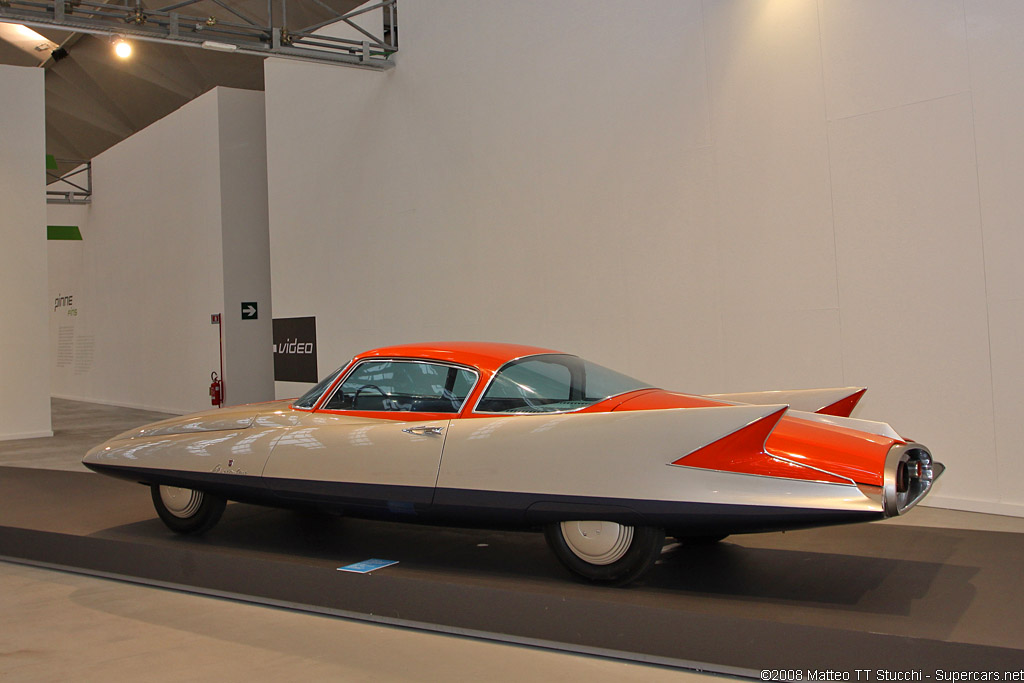
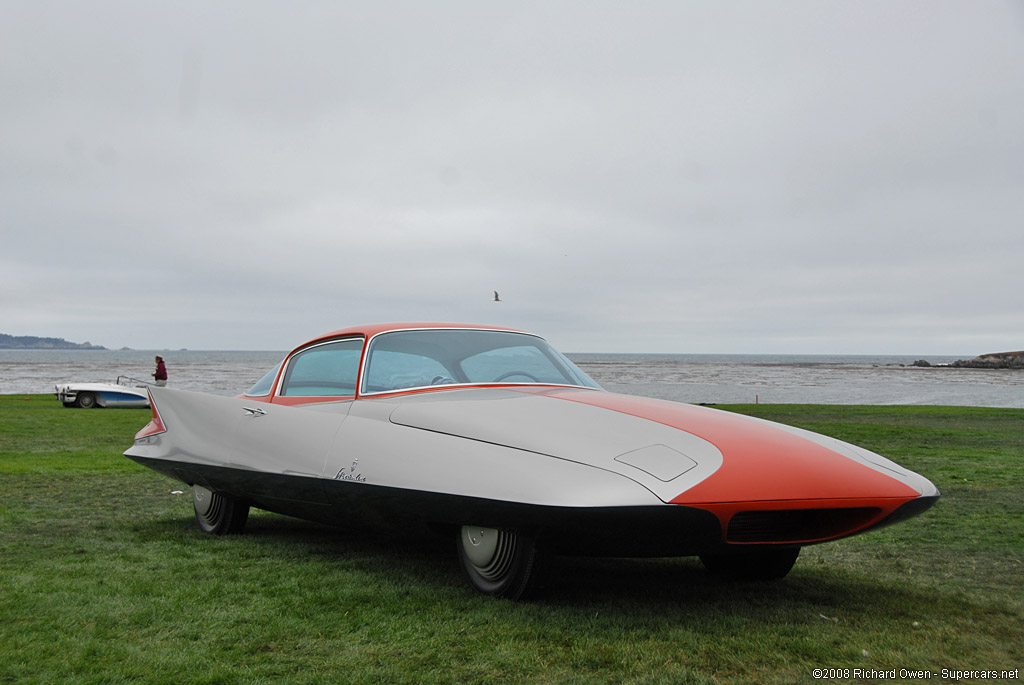
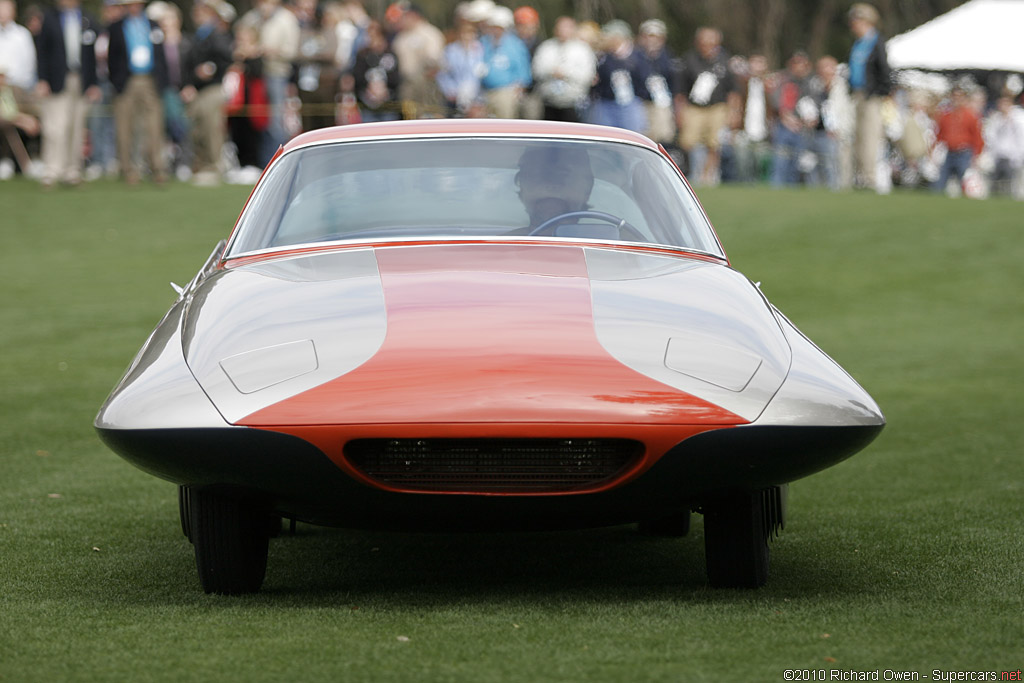
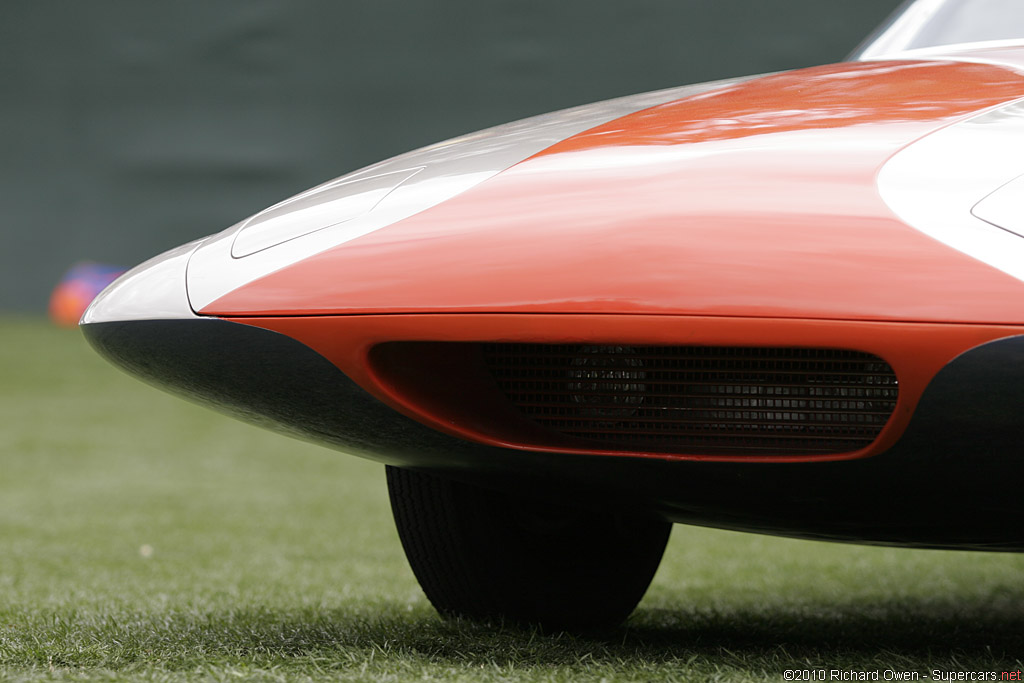
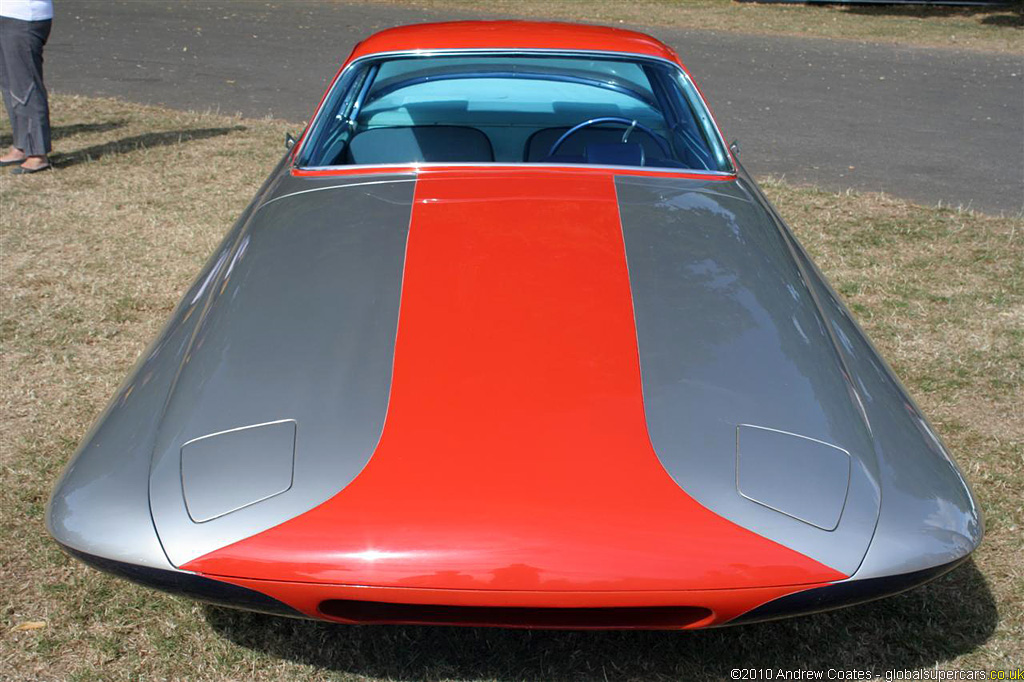
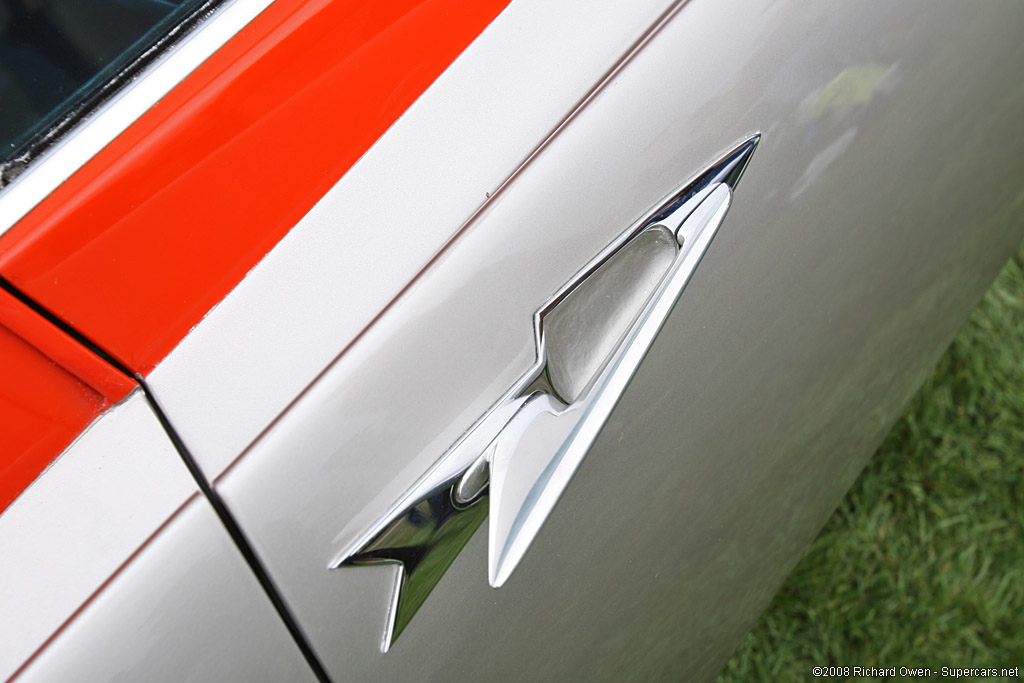
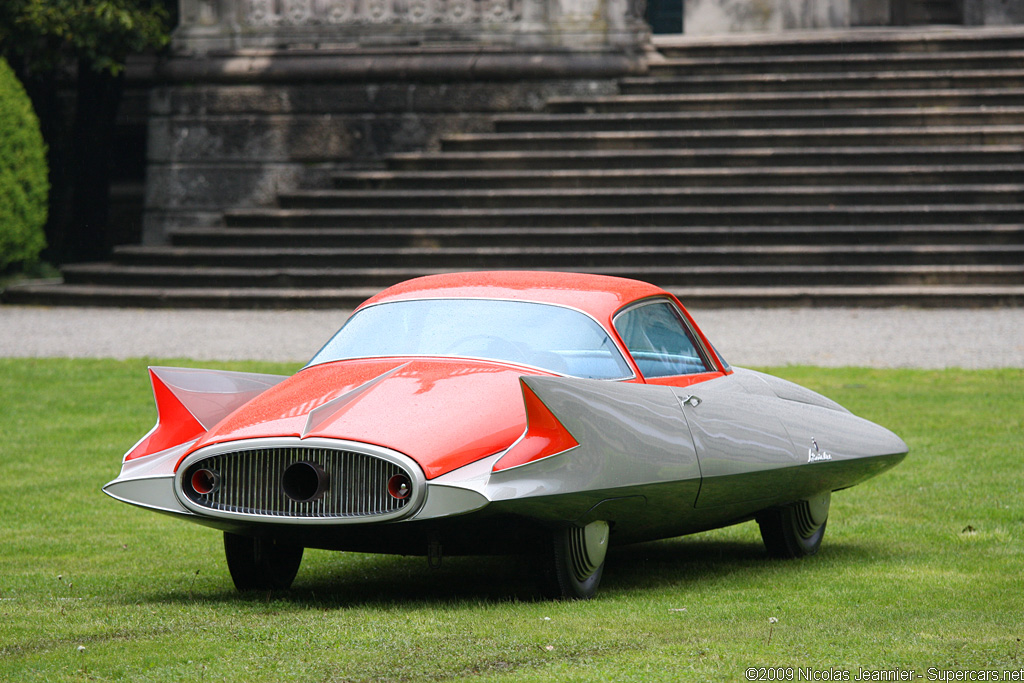
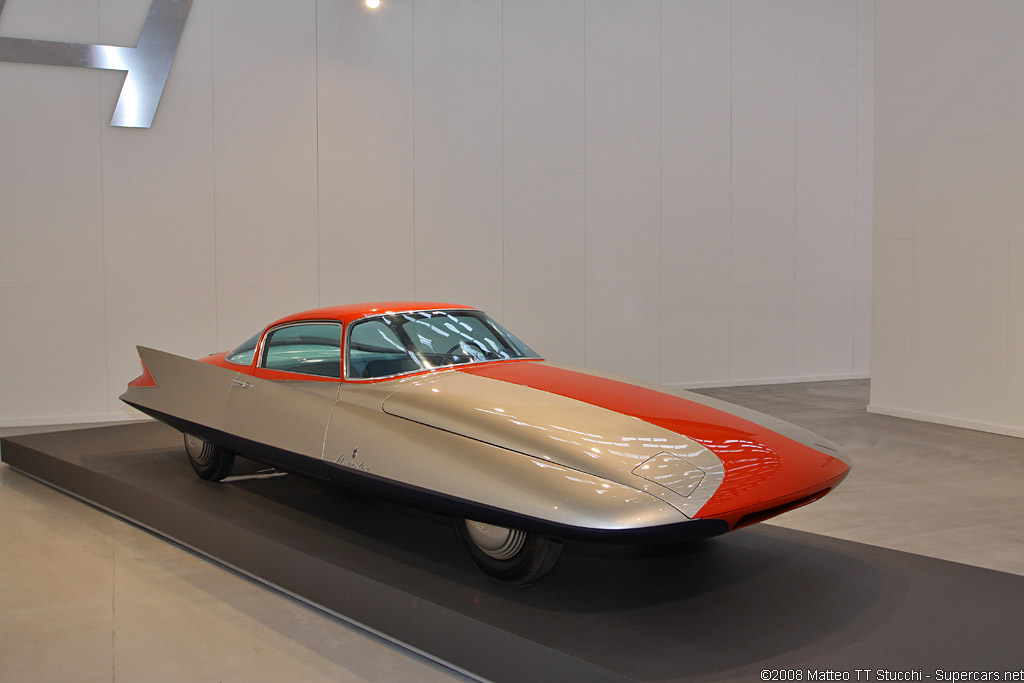
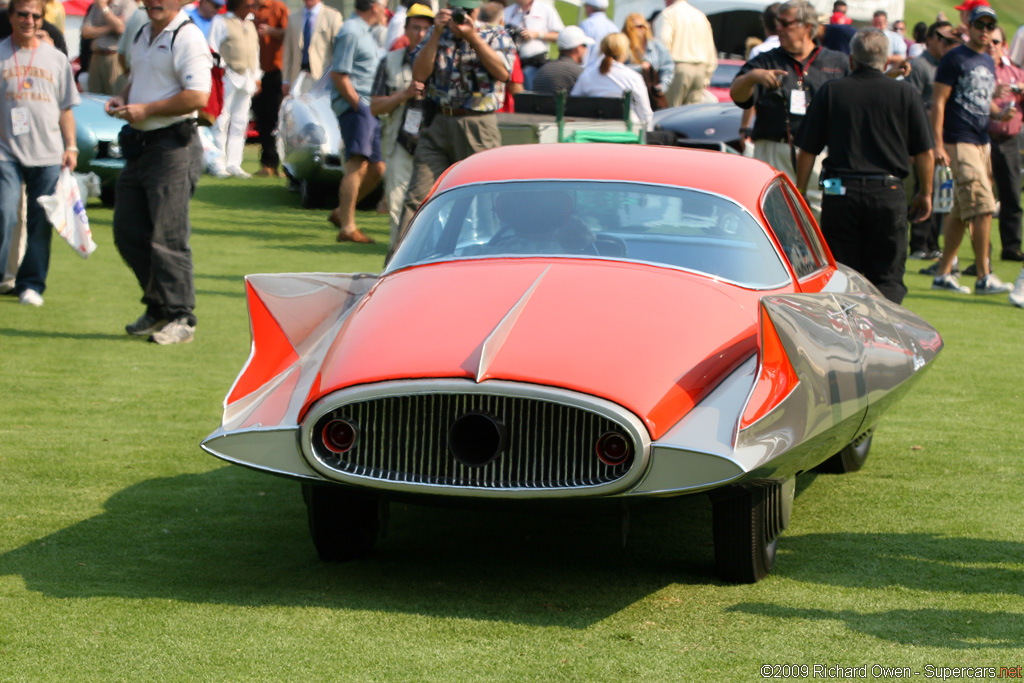
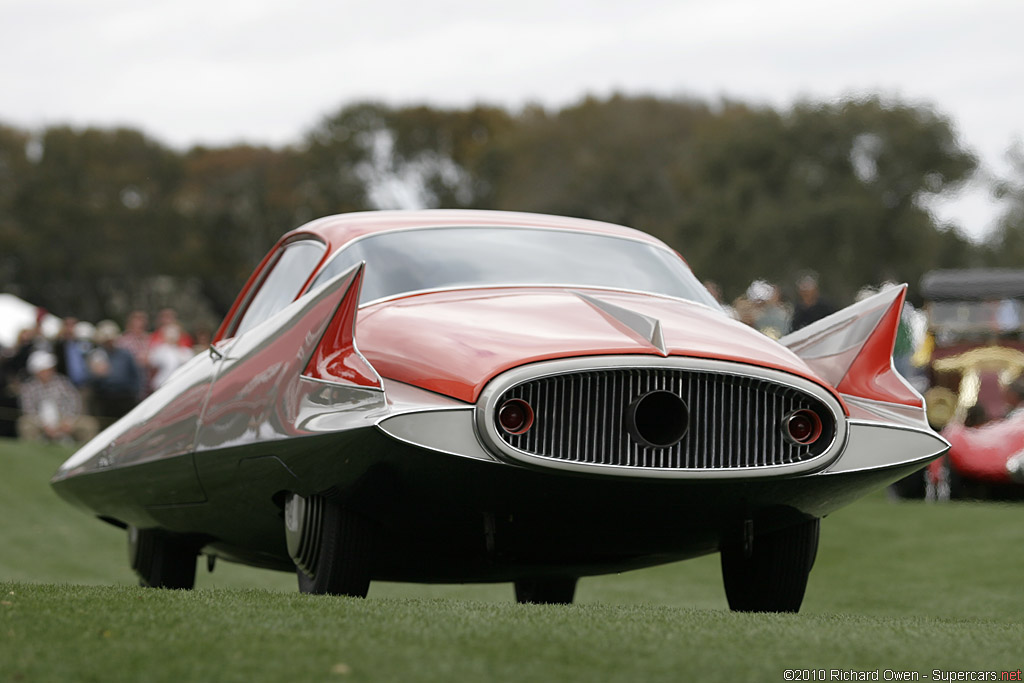
After being displayed across Europe, the prototype found its way to America and into a temporary exhibit at the Henry Ford Museum in Dearborn, Michgan, USA. In 2001, it was offered by the Blackhawk Collection in Las Vegas for the price of $125,000 USD.
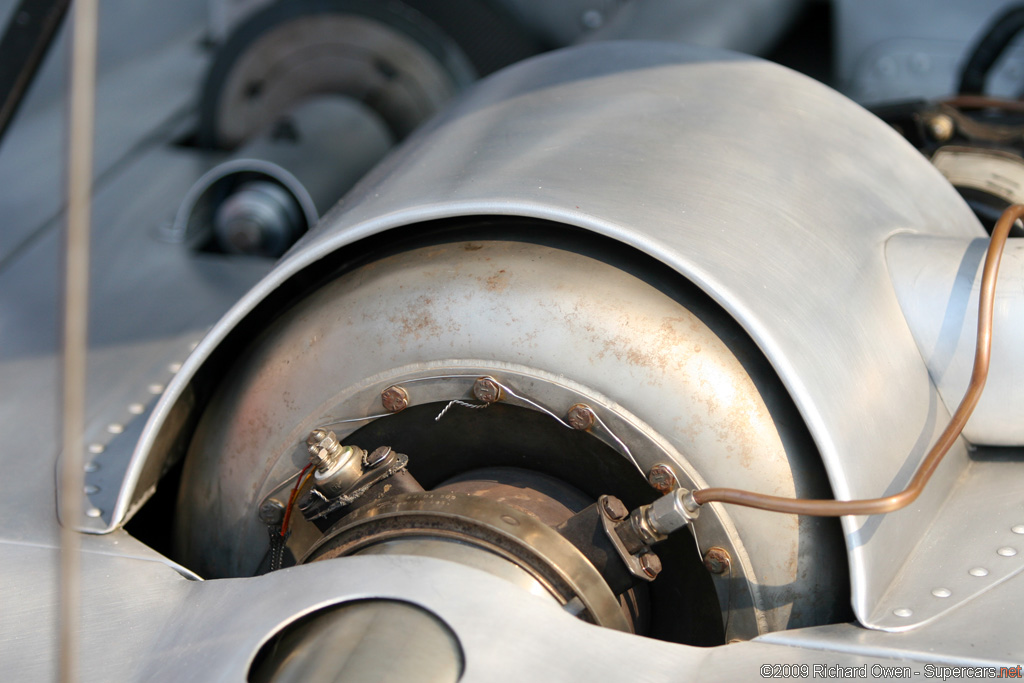
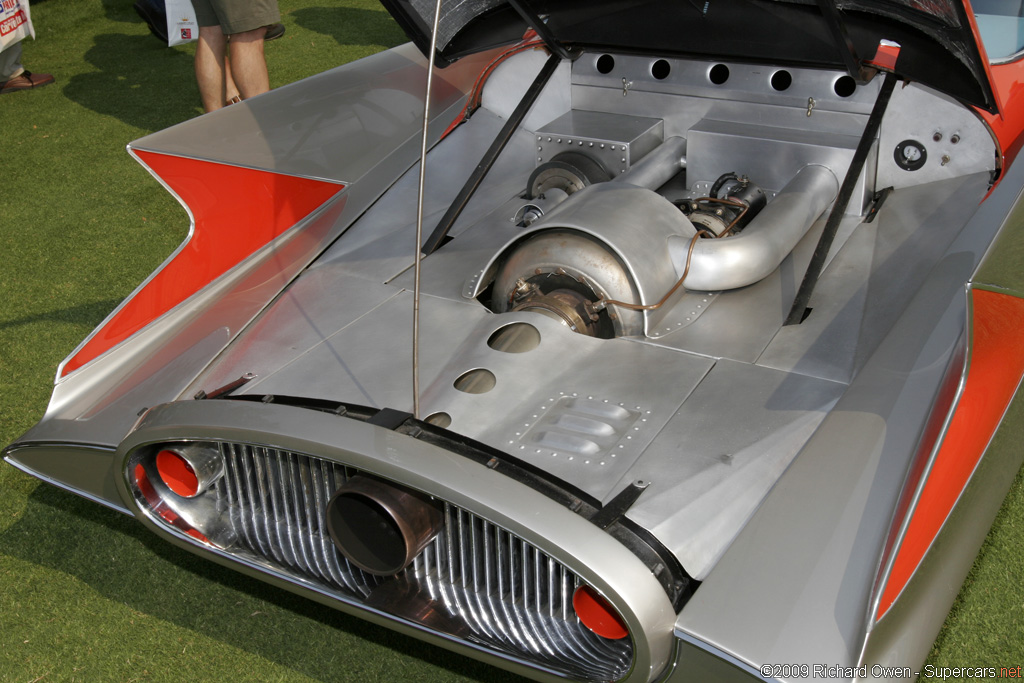
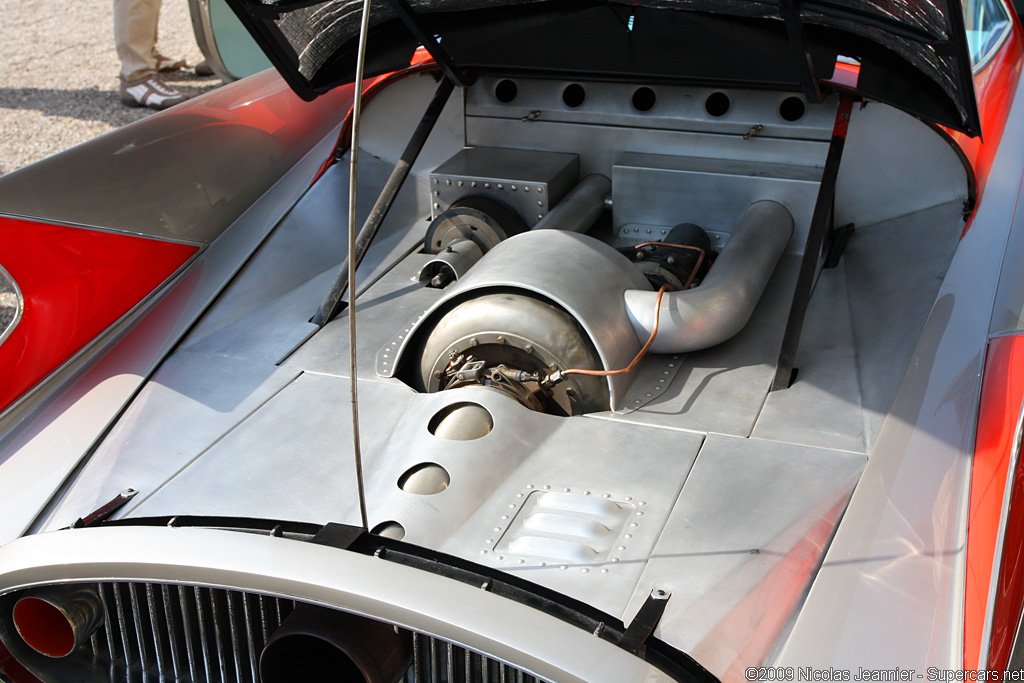
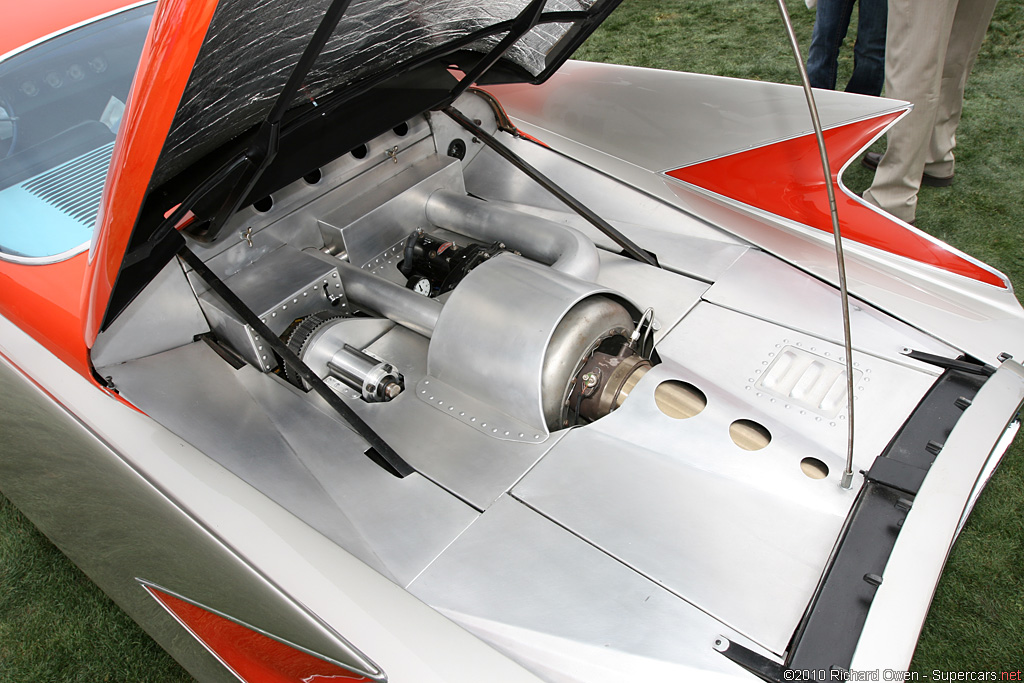
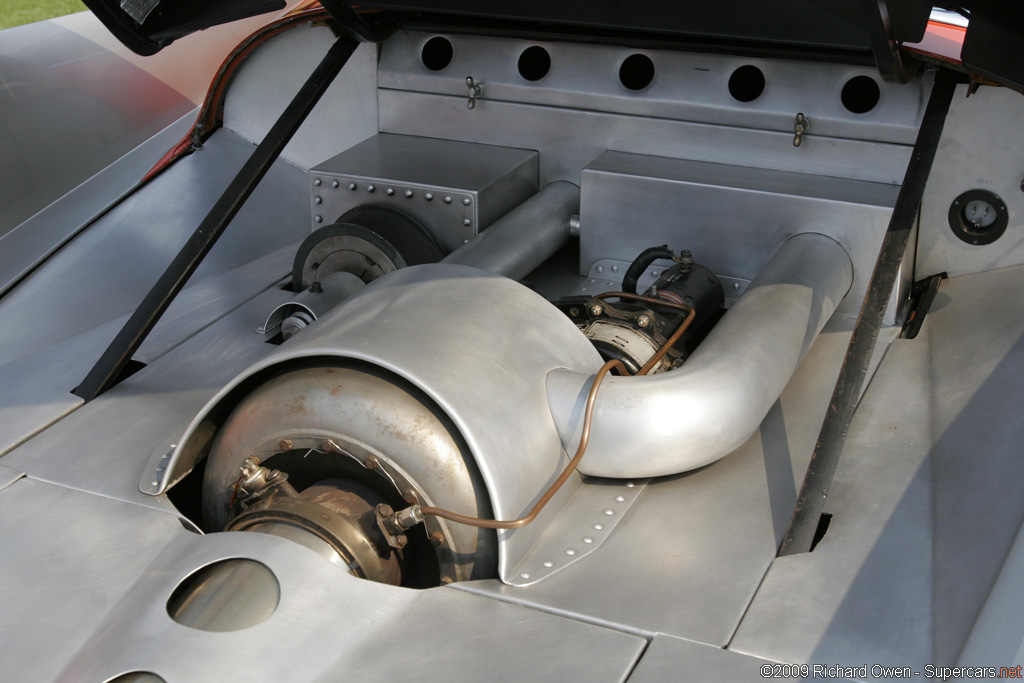
The new owner, Scott Grundfor of California finished restoration at his restoration shop that followed Ghia’s initial blueprints. This included installation of a AiResearch gas-turbine engine which the rear-end was distinctively styled for. The installation required very few changes to the car which was for the most part original. Despite it’s noise, the unit produces around 70 bhp and idles at an uneasy 54,000 rpm. Scott describes the hydrostatic transmission as “two pumps, one pumping fluid in and one out, with a movable ‘swash plate’ inbetween that regulates the amount and direction of the fluid flow. The plate can be adjusted by moving the T-bar in the cockpit to give forward, neutral and reverse, so there are no gears, just an infinitely variable power delivery. Because the gearbox only weighs 60lb and the engine about 100lb, it’s quite a light package altogether.”1
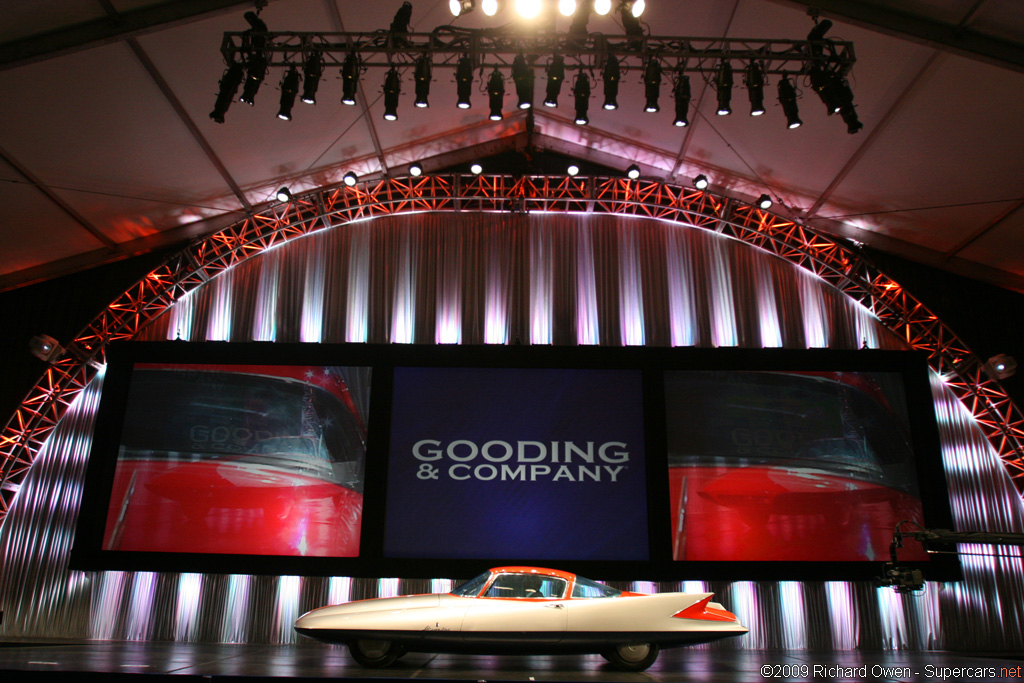
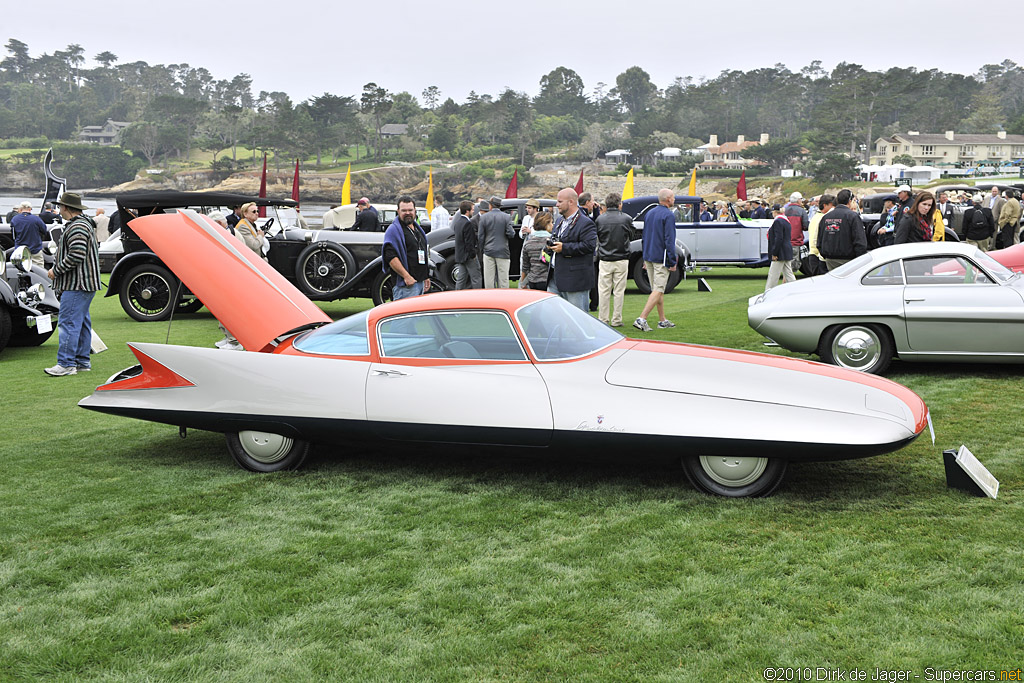
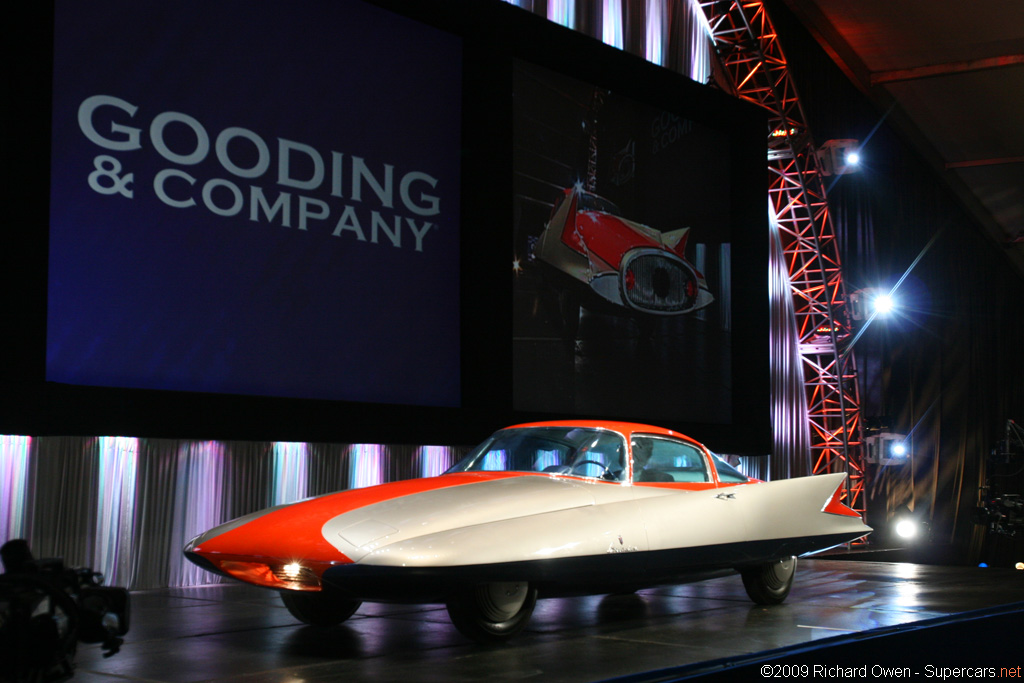
Once completed, the Gilda was debuted at the Pebble Beach in 2008. It was also returned to Italy in 2008 to take parting the Dream Exhibition at the Torino 2008 World Design Capital and the Villa d’Este Concours. Later it was offered by Gooding & Company at their Pebble Beach Auction but did not sell with an estimate of $1,000,000-$1,300,000 USD.
Sources & Further Reading.
1. Dixon, Mark. “Living the dream”. Octane Magazine. April 2010.
In Detail
| type | Concept / Prototype Car |
| released at | 1955 Turin Motor Show |
| built at | Turin, Italy |
| body stylist | Giovanni Savonuzzi |
| coachbuilder | Ghia |
| production | 1 |
| engine | Single Stage AiResearch Gas-Turbine |
| power | 52.2 kw / 70 bhp @ 54000 rpm |
| front tires | CEAT |
| rear tires | CEAT |