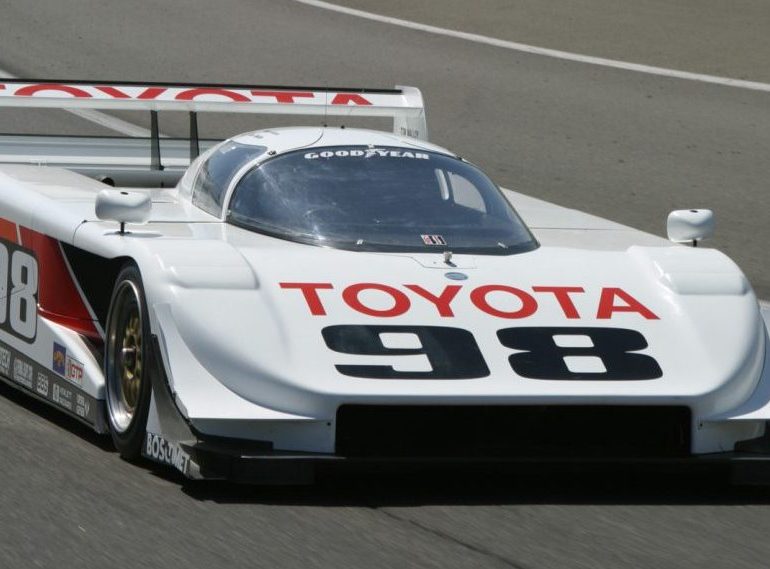
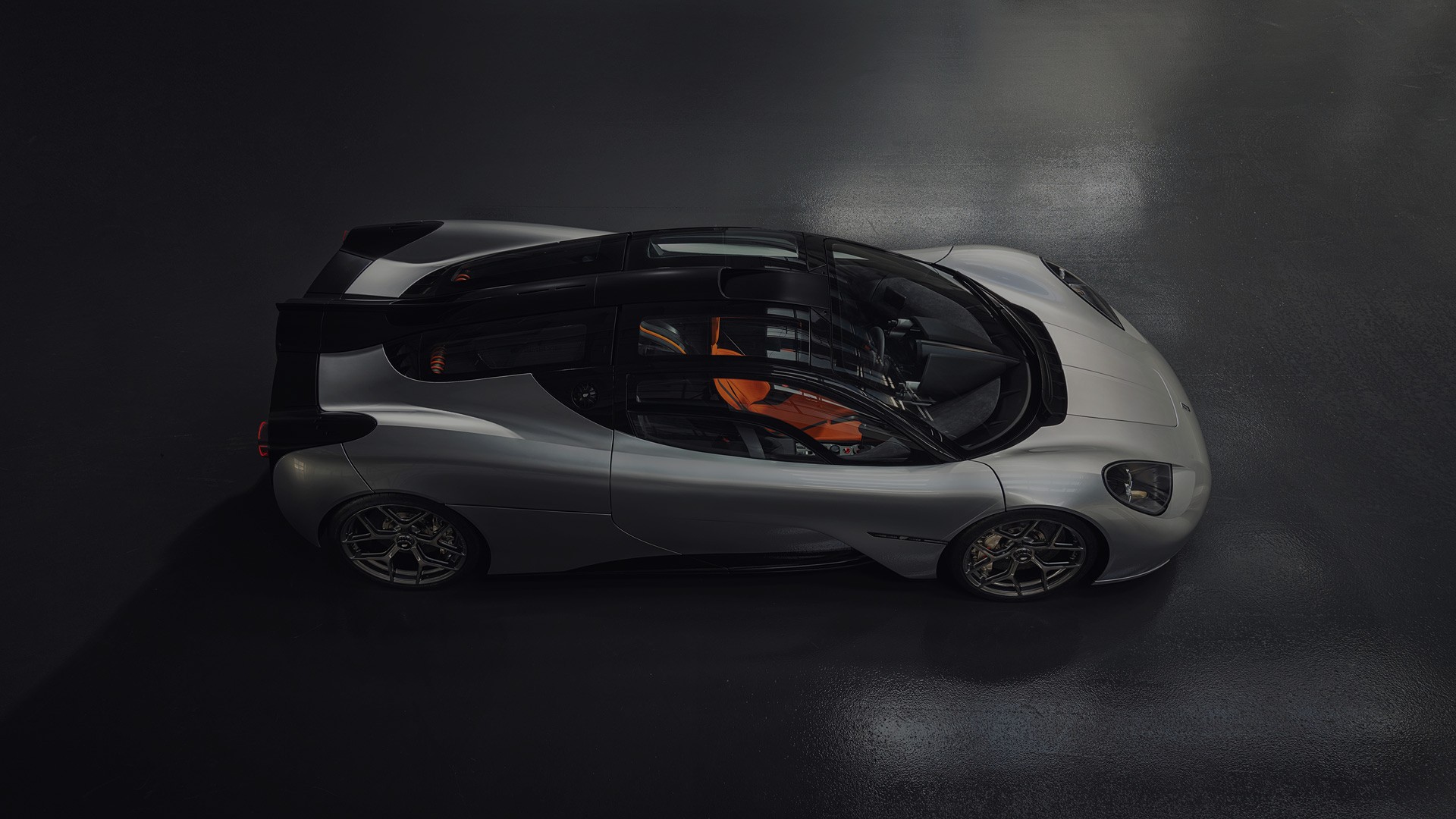
As we’ve become familiar with, over the past two decades, the concept of ground effects—that is managing the airflow underneath a speeding racecar to generate more downforce and grip—was arguably one of the most revolutionary innovations in motorsport. In its earliest form, it manifested itself as a snowmobile engine in the back of the 1970 Chaparral 2J Can-Am car, literally sucking the air from beneath the car. The resultant increase in cornering speed was so staggering, that the car was soon banned.
The concept returned to being just that, a concept, until the late ’70s when Colin Chapman opted to try and generate the same low-pressure “suction” under his Lotus 78, by making wing-shaped sidepods that sealed the underside of the car by virtue of sliding skirts. While the results were not quite as dramatic as those experienced with the Chaparral, it did give the Lotus a clear advantage, which enabled the team to claim the 1979 World Championship. As with most brilliant breakthroughs, Chapman’s solution was so simple and elegant that within a year every Formula One car on the grid had, or was developing, some form of ground effects car.