

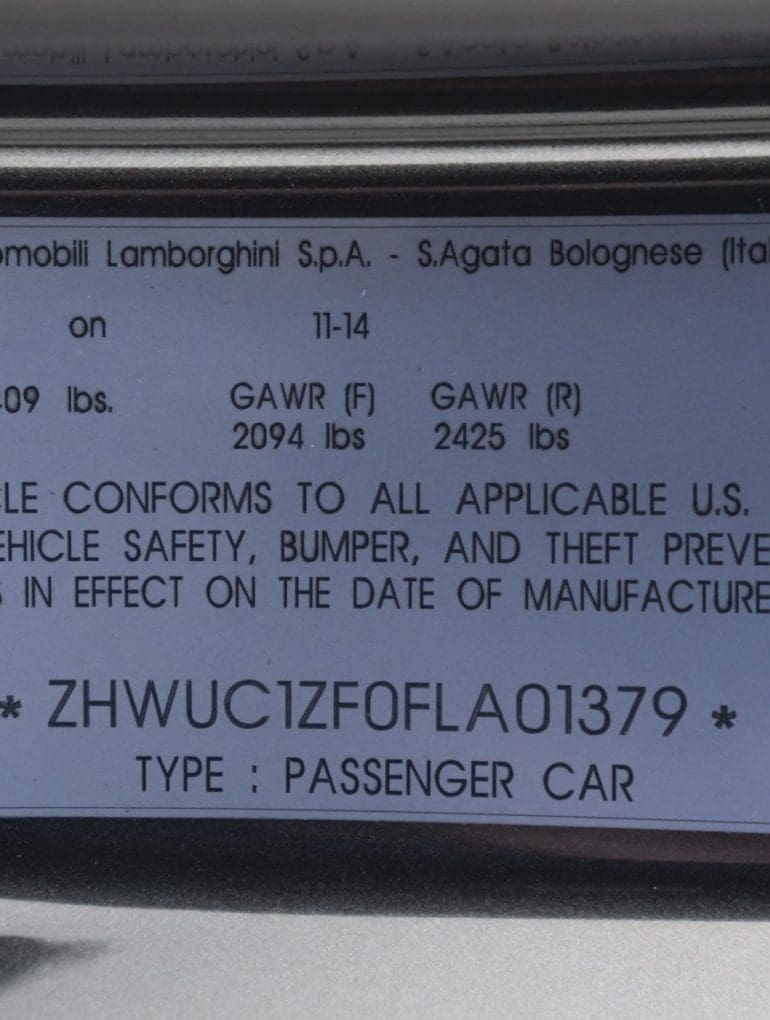

It’s common to come across a listing online of a car that appears to be pristine. Perhaps the car looks immaculate in photos, the seller’s story checks out and even the price seems fair for the market. However, only a VIN check can reveal something the listing omitted, such as the fact that the car had been totaled in a flood three years earlier. That 17-character code is all it takes to save a buyer from a costly mistake.
Whether you’re in the market for an enthusiast car or already own one, your vehicle identification number tells a story that goes far beyond make and model. Think of it as a DNA sequence that reveals manufacturing history, verifies authenticity and can protect your investment in ways most owners never consider.
What Your Car’s VIN Actually Tells You
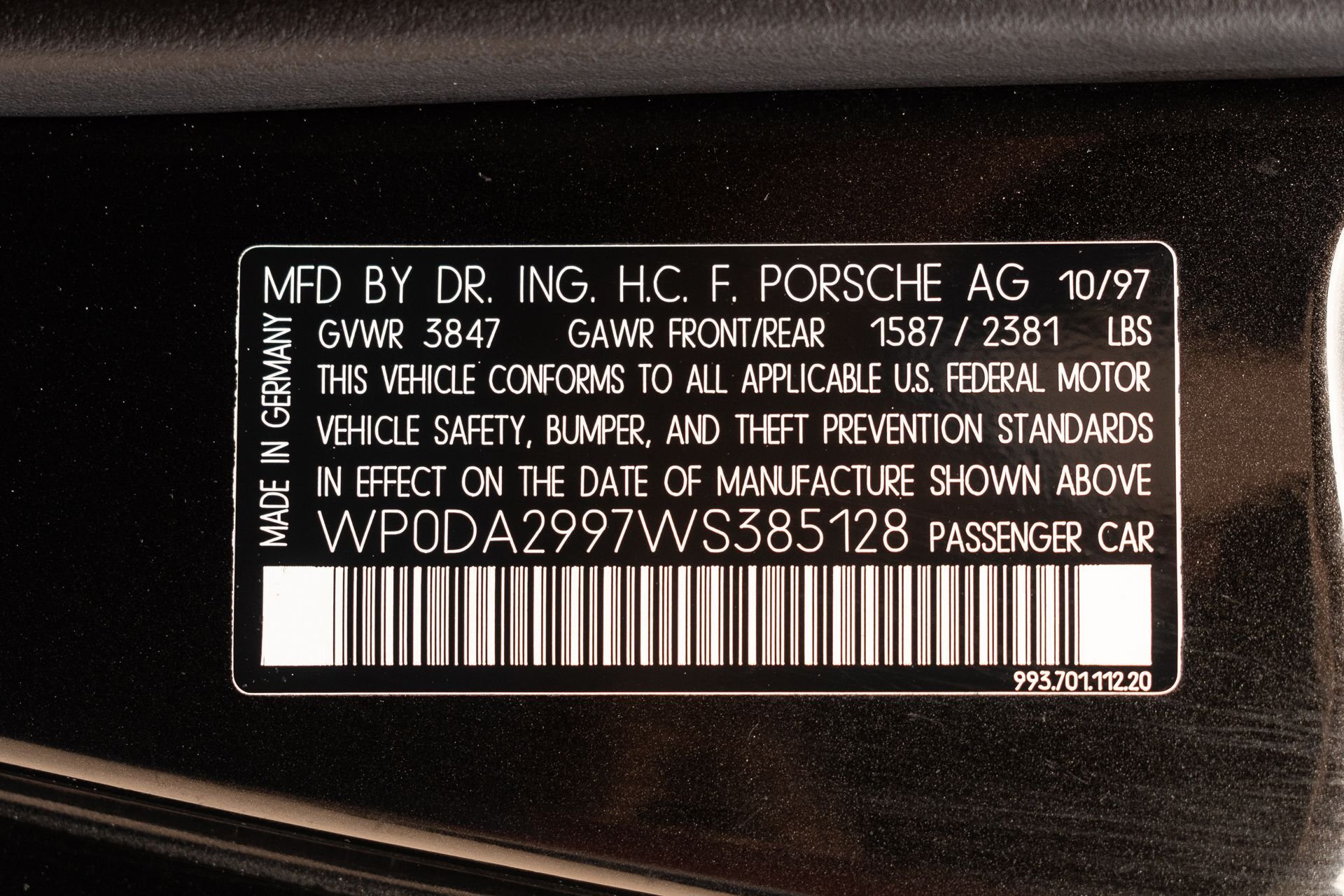
Every VIN follows a standardized format but the details matter when you’re dealing with luxury automobiles. The initial trio of characters identifies the world manufacturer code, revealing where your car was built. Collectors pay particular attention to brands like Lamborghini or Ferrari, where certain assembly plants carry more prestige.
The middle section contains details about engine type and body style. For a McLaren 720S, this confirms whether you have the standard model or a custom MSO edition. Model year is encoded in the tenth position. A 2019 model year car could have started assembly in late 2018, which matters for warranty coverage and registration.
Production Sequence and Rarity Indicators
The last six digits indicate your car’s production sequence number, especially useful for limited-edition models. If you own a Porsche 911 R, knowing you have number 347 of 991 produced adds context and value. Ferrari uses specific codes to denote Tailor Made or special series vehicles, critical information when establishing provenance.
Take the case of VIN WP0AA2A79GK154221, which belongs to a 2016 Porsche Cayman GT4. The sequence indicates it was one of the earlier production examples. That matters because for a model that sold out immediately and now trades well above original MSRP, the production sequence is important to collectors tracking desirable early builds.
The Authentication and Investment Protection Factor
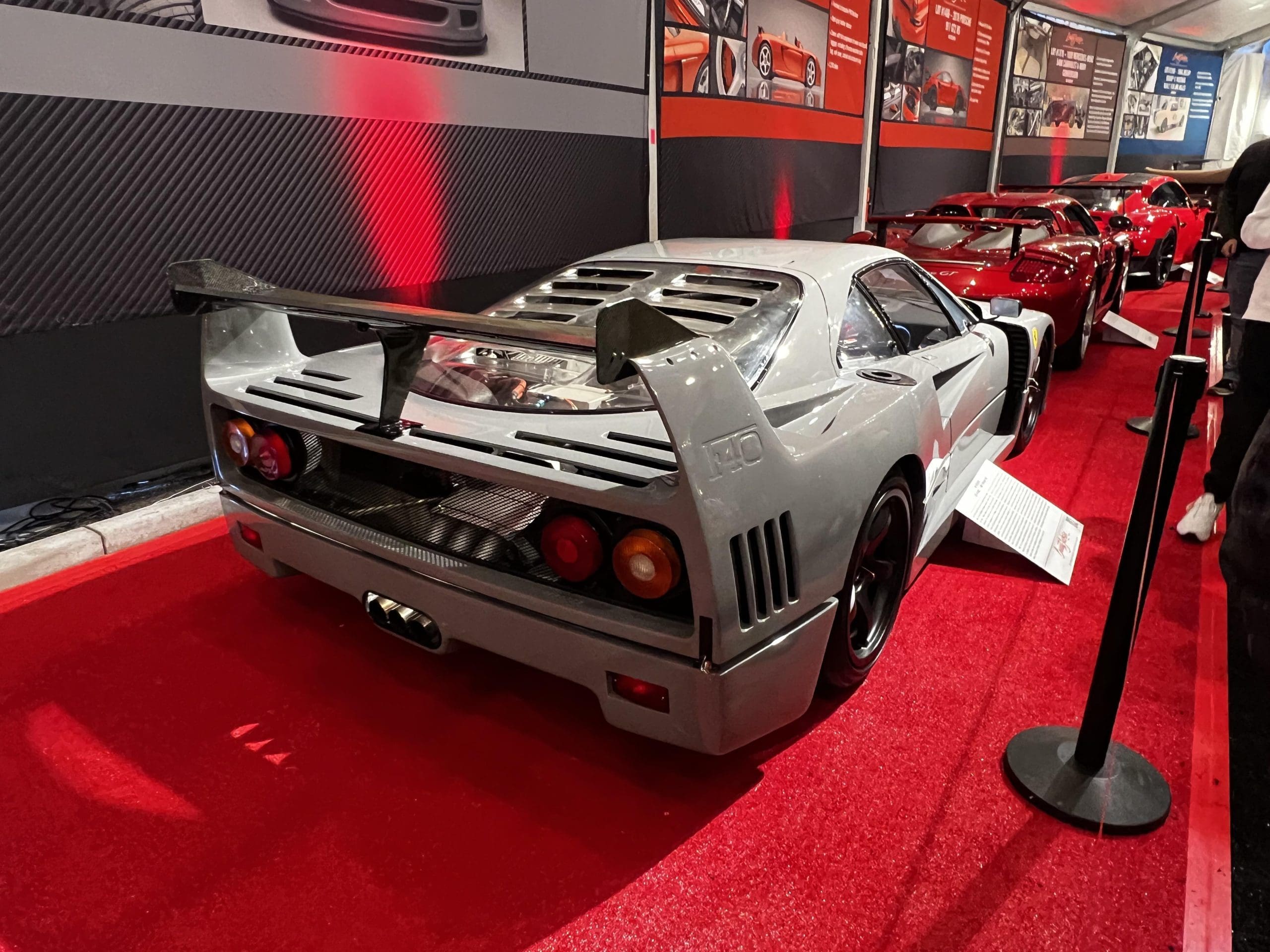
The exotic car market faces ongoing fraud challenges. Sellers move salvage titles between states, roll back odometers and add GT badges to regular models that masquerade as authentic limited editions. Your VIN serves as the first line of defense.
Matching numbers have always mattered for classic cars but they’re increasingly relevant for modern exotics. A Lamborghini Aventador with its original engine and transmission commands a premium over one with replaced components. The VIN creates a verifiable chain of authenticity through matching VIN, title and service history that serious buyers demand.
Salvage titles are the most significant financial risk. A properly repaired exotic car can be safe, yet still sell for only a fraction of a clean-title car. Using an auction car VIN lookup before bidding can reveal branded titles, theft recovery history or significant accident damage that might not be disclosed in photos. Insurance companies rely heavily on VIN data when assessing claims. If your car’s VIN shows previous damage that wasn’t disclosed when you bought it, you could face coverage issues. Cases exist where owners discovered prior accidents only after filing claims, creating complications prevented with a VIN check before buying the vehicle.
Real Stories from the Exotic Car World

At major auctions such as RM Sotheby’s Arizona, VIN checks often reveal unexpected histories. In a typical example, a Ferrari 458 Speciale appears pristine in catalog photos but a VIN check reveals previous damage. These cars typically still sell for considerably less than their estimated values when buyers discover the history. VIN information can also reveal clean histories or detailed maintenance records.
Collectors have discovered that their Porsche 911 GT3 RS models included factory-installed options worth thousands that weren’t mentioned in the original listings. Verify Porsche Exclusive parts with a VIN check to document added value and improve resale appeal.
Sometimes VIN checks reveal interesting automotive history. A Mercedes SLR McLaren might show it was part of a factory press fleet before being sold to its first retail owner. Some buyers value that provenance, while others prefer cars without factory or press use. Both scenarios require full information to make a knowledgeable choice.
How to Discover Your Car’s Complete Story

You can locate the 17-character VIN at the bottom of the windshield on the driver’s side, on the driver’s doorframe or on your registration papers, then use free online tools to instantly decode the vehicle’s basic information.
A comprehensive VIN report pulls data from insurance databases, state DMV records and auction archives. When reviewing a report, pay attention to these critical details:
- Check title brands for salvage, rebuilt or flood designations
- Compare odometer readings across reports to spot tampering
- Review ownership gaps where the car disappeared from records for extended periods
- Examine accident history with details on severity and repairs performed
- Look for authorized-dealer service entries recorded against the VIN, including scheduled maintenance and warranty repairs
If a car is absent from records for years, request storage documentation or repair invoices. Modern exotic cars generate extensive digital footprints. When a Ferrari gets serviced at an authorized dealer, that work gets logged against the VIN.
Serious buyers want to see the records of major repairs and recalls. Whether you’re about to bid on your dream car or you’ve owned yours for years, understanding what those 17 characters reveal gives you an advantage. The VIN serves as a code that verifies, authenticates and insures a vehicle. Most importantly, this information can be accessed within minutes to prevent expensive mistakes or uncover valuable unknown assets.