



Many automotive enthusiasts dream of a garage with one or more sports cars with their name on the logbook. That means owning at least one car outright that you can keep as long as you want. It’s still a nice idea, but the reality of the current market is convincing a lot of UK drivers to think differently, and the numbers suggest that shift is well underway. This shift is becoming particularly true when it comes to buying EVs.
While demand for electric cars has grown steadily, albeit at a slower pace, the appetite for owning them outright has softened in recent years. As technology evolves rapidly each year and used electric cars are losing their value in record numbers, prospective EV owners are opting for leasing instead of buying.
The Numbers Behind the Shift
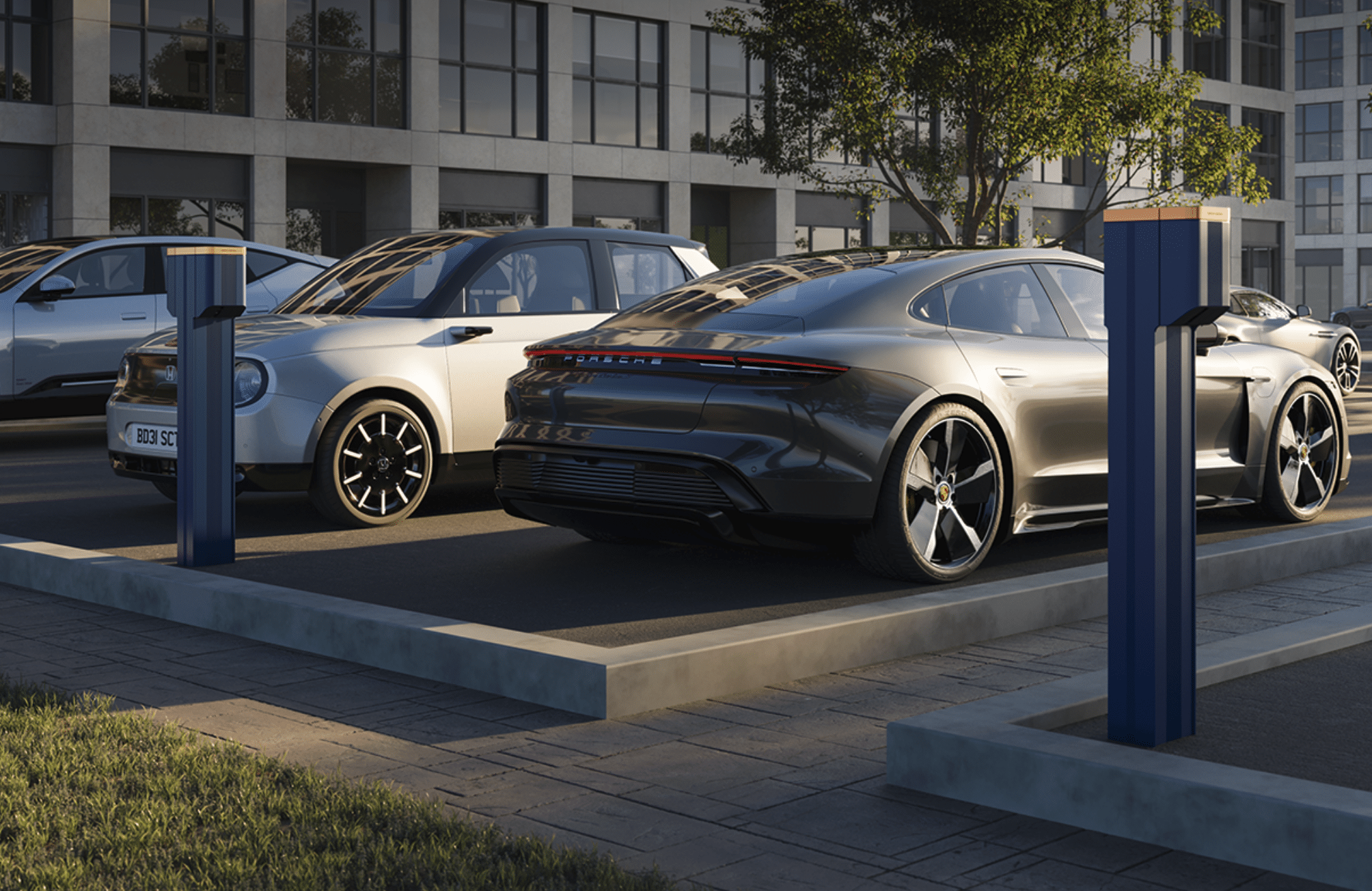
This isn’t a niche trend anymore. The UK EV leasing market has grown to £57.13 billion in 2025, expanding at just over 20% annually. Around 80% of UK EV buyers now choose leasing over purchasing outright. With EVs accounting for 21.7% of all new car registrations in 2025, and the ZEV mandate pushing that requirement to 28% in 2026, the pipeline of available models is only getting broader and more competitive.
For enthusiast drivers, that last point matters. More supply, more competition, and more pressure on manufacturers to keep monthly lease rates sharp. The days of electric cars being a compromise choice are fading fast.
Why Buying an EV Outright Is a Harder Sell Than It Used to Be
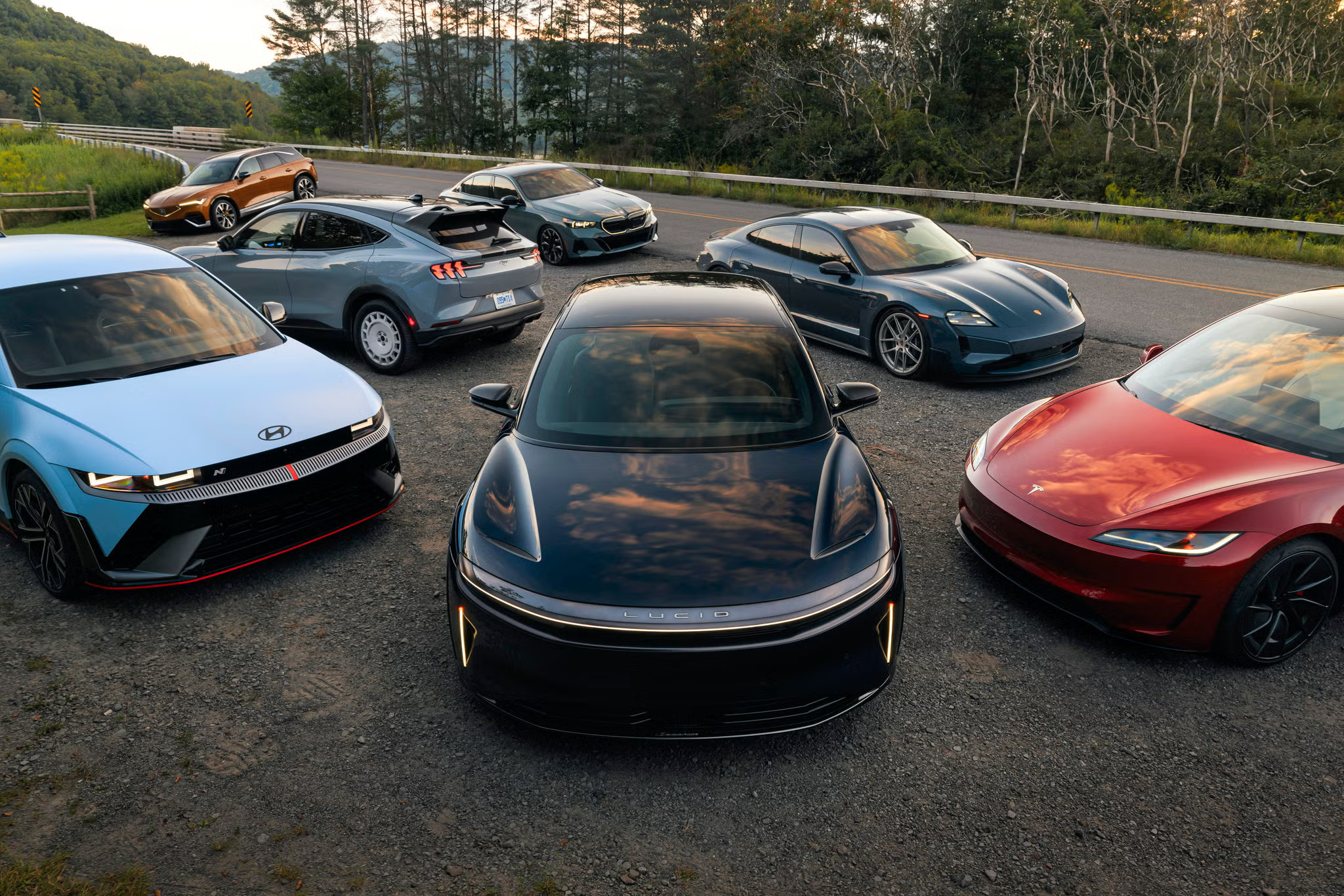
Here’s the problem with owning an EV in the current market. Battery electric vehicle values fell 60% between September 2022 and September 2024, with a further 10% drop recorded since. That’s a brutal depreciation curve, and it’s one that leasing companies absorb on your behalf when you take out a contract. You hand the car back at the end of the term and walk away. Whatever it’s worth at that point is their problem, not yours.
That’s a meaningful shift in how the financial risk of EV ownership is distributed, and it’s one of the core reasons so many drivers are opting for a lease over a purchase. Exploring your car leasing options before committing to a purchase is worth doing, especially while depreciation on EVs remains this unpredictable.
The Technology Factor
There’s another angle that doesn’t get talked about enough. EV technology is moving quickly. Battery range, charging speeds, and onboard systems are improving with every new model cycle. Buy an EV today and there’s a reasonable chance that in three years, it will feel noticeably dated compared to what’s on offer. Lease one and you simply hand it back and move on to whatever’s next. It’s the same logic that’s made phone upgrade cycles normal. The same thinking is starting to apply to cars.
What Leasing Actually Gets You
Beyond the depreciation protection, leasing brings predictability. Fixed monthly payments, no large capital outlay, and for business drivers, the tax advantages are considerable. Salary sacrifice schemes allow employees to lease EVs through pre-tax salary deductions, which for a higher-rate taxpayer can reduce the effective monthly cost by 40% or more. It’s not a loophole. It’s an incentive structure the UK government has deliberately built to push EV adoption, and it’s working.
Setting Up Your Home for an EV Lease
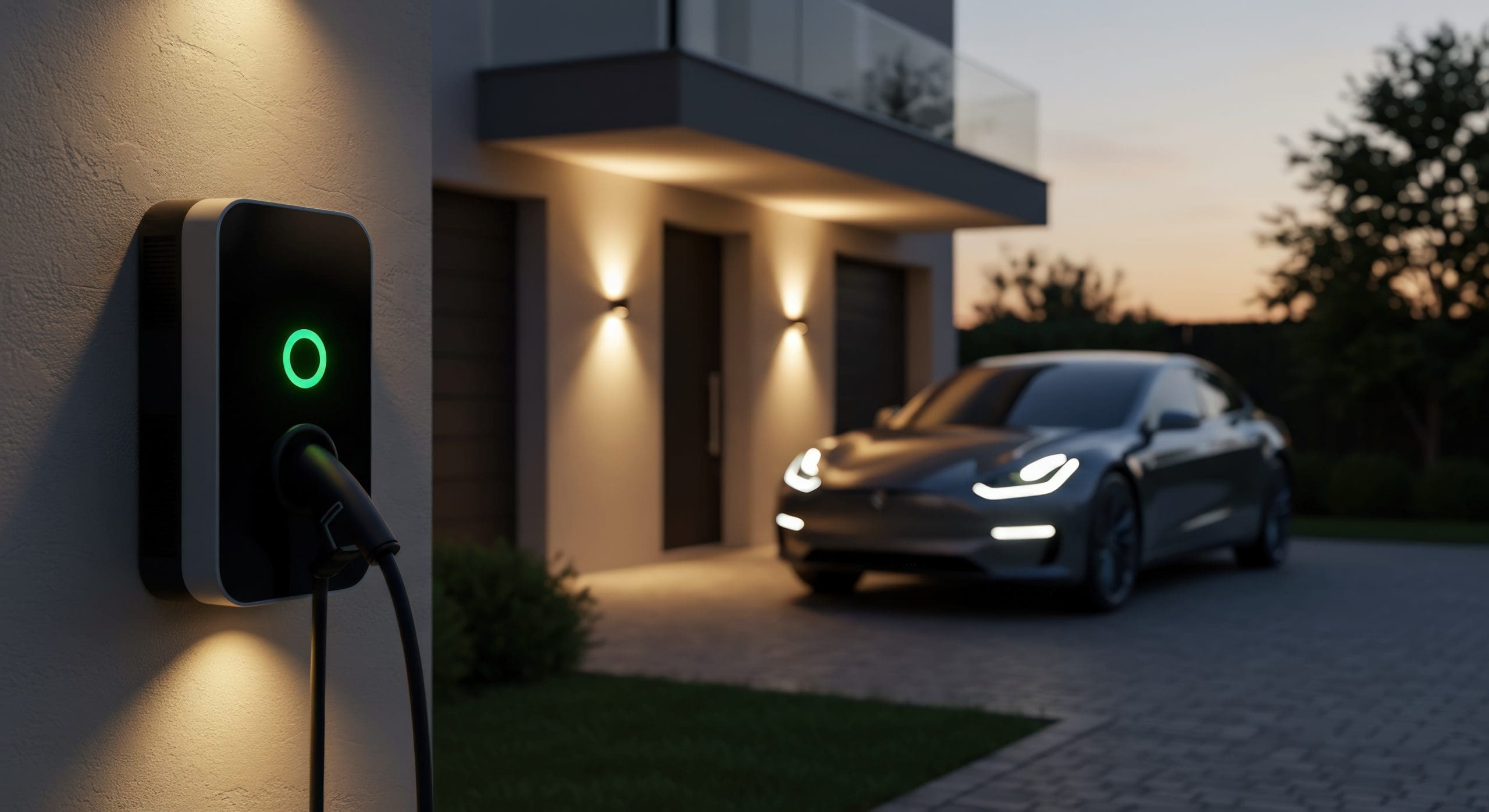
One thing that catches first-time EV lessees off guard is the home charging side of things. The car arrives, and suddenly the question of how and where you’re going to charge it every night becomes very real.
It’s worth sorting this out before the car turns up rather than after. The UK home charger market is growing at over 21% annually and is on track to become a billion-pound sector by 2030. There’s no shortage of options, but the quality and suitability vary significantly. Reading up on the best home EV charger options before committing to an installation can save you from making an expensive choice that doesn’t actually suit how you drive or how your property is set up.
The broad advice is to prioritise a charger with at least 7kW output, smart scheduling features so you can charge overnight on cheaper tariffs, and compatibility with your specific vehicle. Installation typically takes a few hours and the government currently offers grant support to help with costs.
Performance EVs Are Making the Dream More Accessible
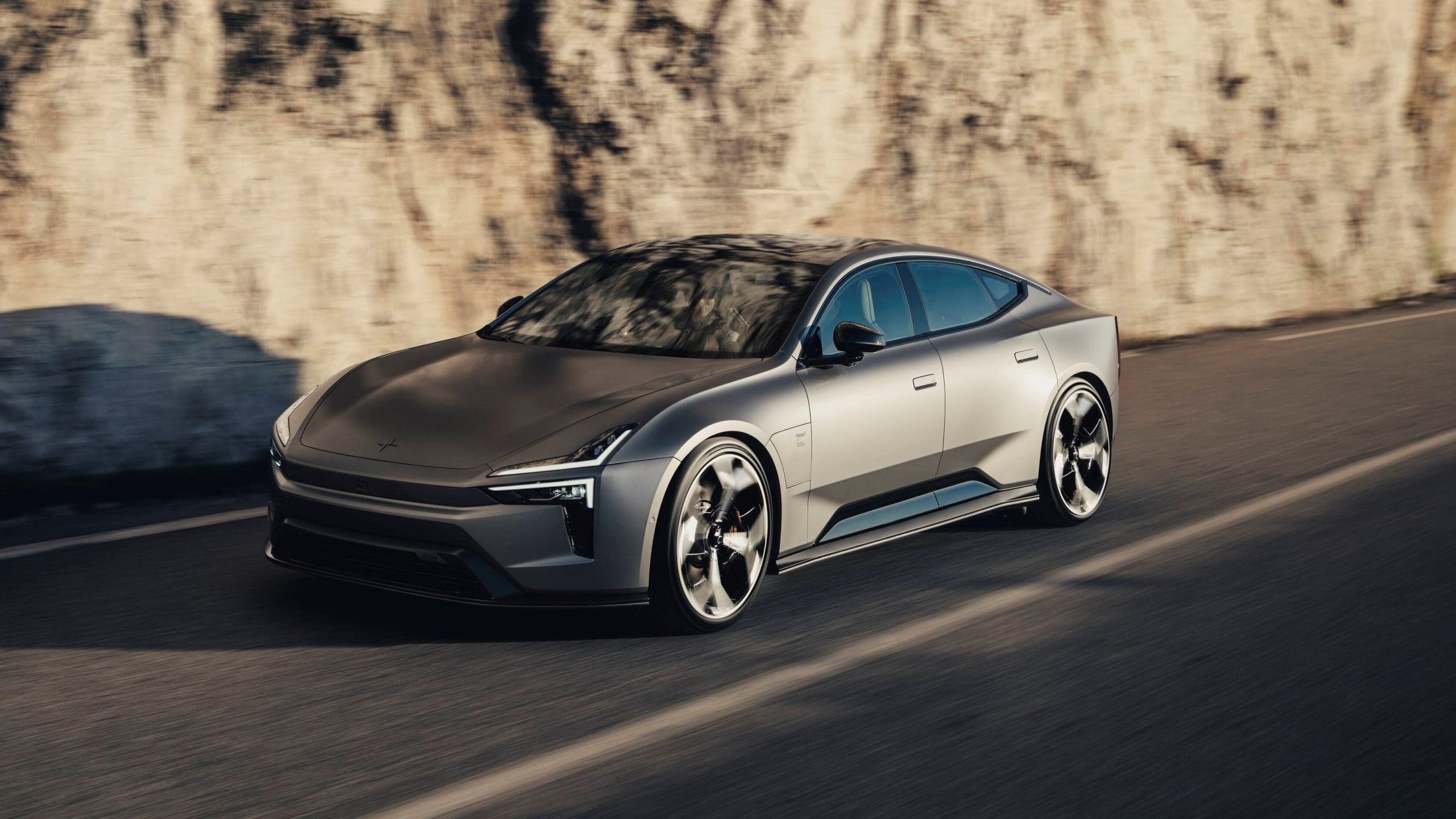
Here’s where things get interesting for anyone who came to EVs via a love of fast cars rather than a love of sustainability. The performance gap between electric vehicles and traditional supercars has effectively closed. The Porsche Taycan Turbo GT produces 1,019 horsepower and reaches 60mph in 2.1 seconds. Those are numbers that would have seemed implausible for an electric car a decade ago, and they comfortably match or beat most petrol-powered supercars at any price point. Porsche isn’t alone. Tesla, Polestar, and a growing list of manufacturers are building EVs that genuinely deliver the kind of performance that used to require a six-figure combustion engine.
The leasing angle makes these cars accessible in a way that outright purchase simply doesn’t for most drivers. A Taycan Turbo GT on a three-year lease spreads a cost that would otherwise be completely out of reach for the majority of enthusiasts. Used EV leases have surged 166% year on year according to the British Vehicle Rental and Leasing Association (BVRLA), which means even ex-fleet performance models are now entering the used lease market at meaningfully lower monthly rates. The dream of driving something genuinely fast and exciting has never been more financially within reach.
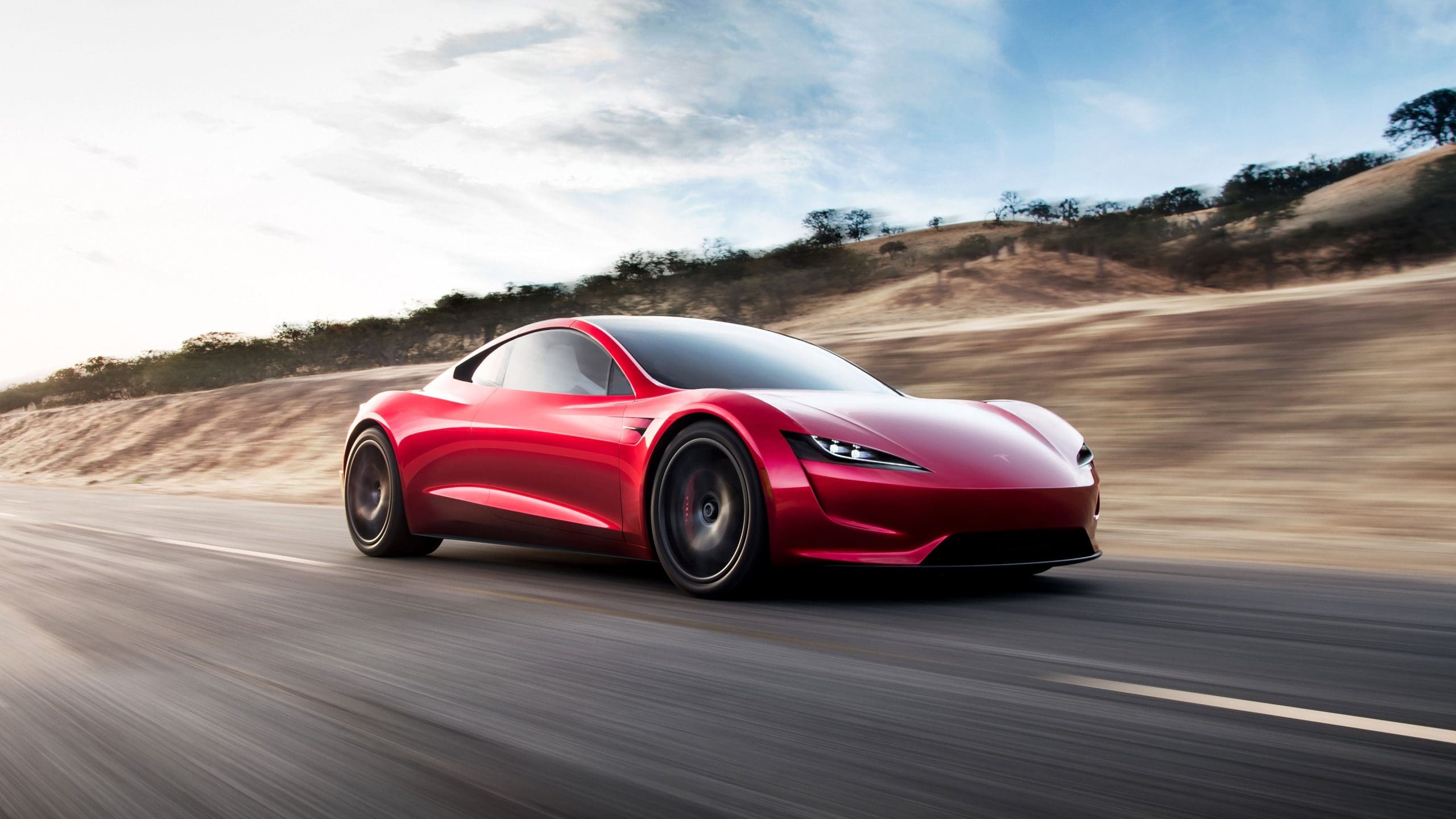
What’s also worth noting is how quickly the used performance EV market is developing. Pre-owned EVs overall grew 48% year on year between 2024 and 2025, and researchers predict that by 2030, nearly a third of all used car sales in the UK will be electric. The pool of available vehicles, including performance ones, is getting deeper every year.
The Supercar Dream, Revisited
Owning a fast car outright still has its appeal. Nobody’s going to pretend otherwise. But for a growing number of UK drivers, the smarter move is increasingly obvious. Lower financial risk, access to better technology on a rolling basis, significant tax advantages for business drivers, and the ability to get behind the wheel of something genuinely quick without betting six figures on what it’ll be worth in three years.