
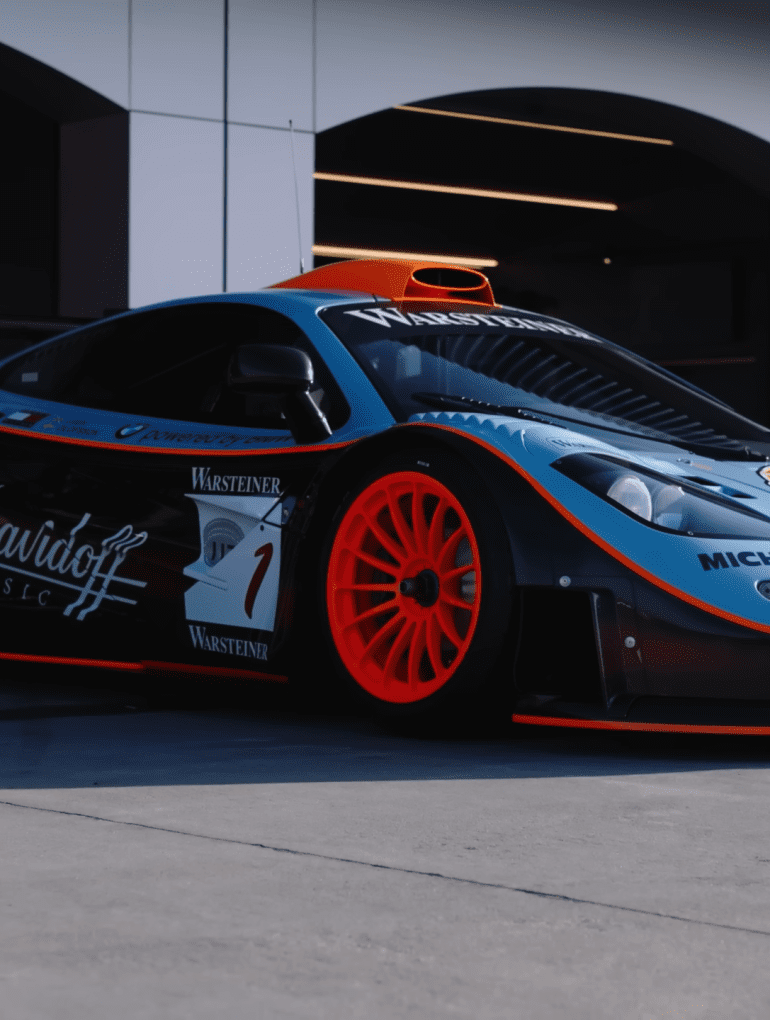
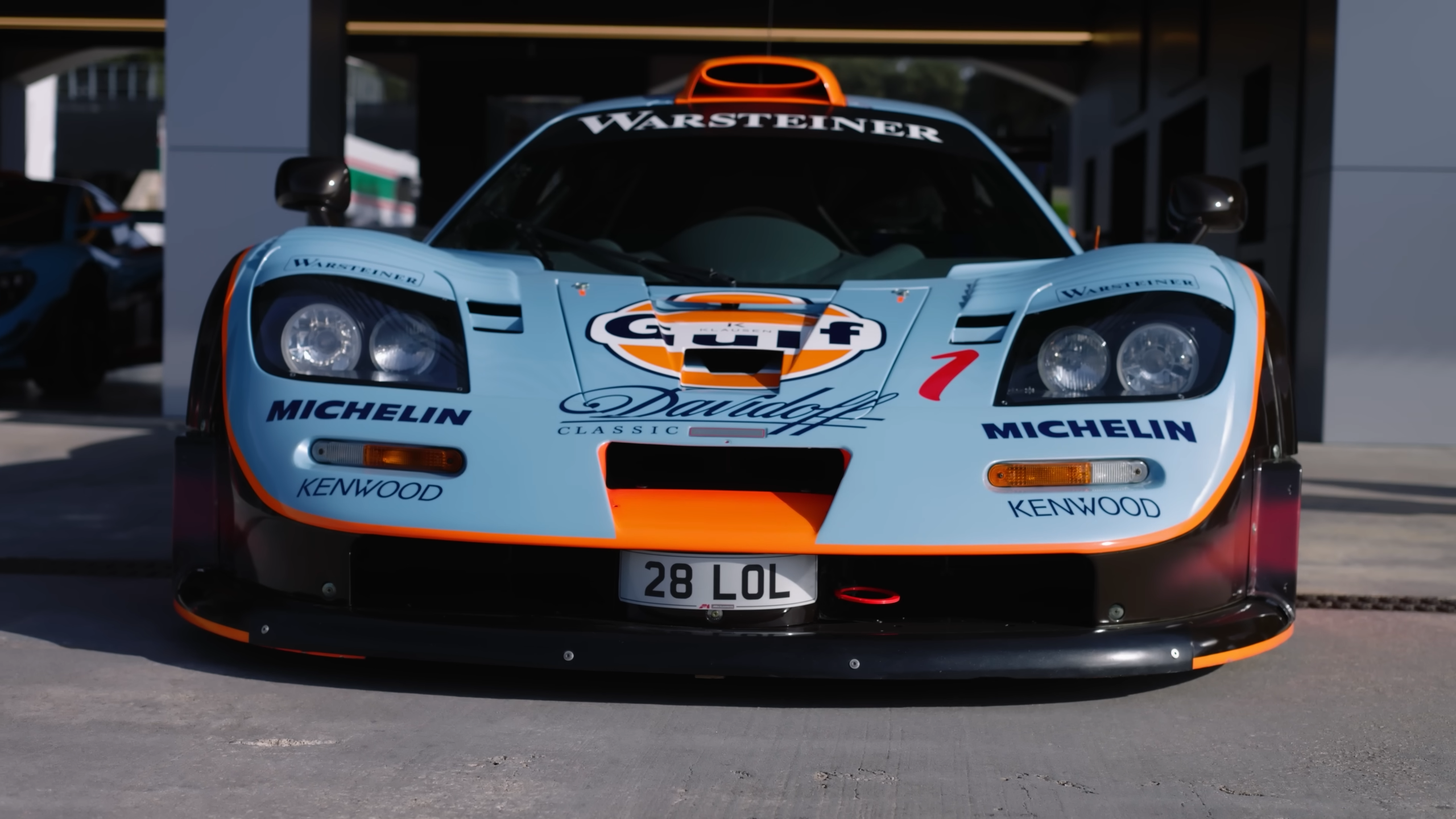
Chris Harris takes the wheel of one of the most significant and captivating McLaren race cars ever built—the final McLaren F1 GTR Longtail chassis produced. Combining breathtaking design, unmistakable V12 acoustics, extreme rarity, and race-bred performance, chassis 28R represents the pinnacle of the F1 GTR’s evolution and offers a compelling insight into one of motorsport’s most celebrated eras.
From the moment Harris settles into the iconic central driving position, the car’s unique character is unmistakable. The carbon-fiber monocoque wraps tightly around the driver, while the twin passenger compartments remain intact, preserving the F1’s distinctive three-seat layout. Every detail reflects McLaren’s uncompromising engineering philosophy, from the exposed mechanical gear linkage and beautifully machined controls to the abundance of carbon fiber and period-correct electronics carrying the familiar TAG branding. The cabin feels less like a race car cockpit and more like a showcase of automotive artistry.
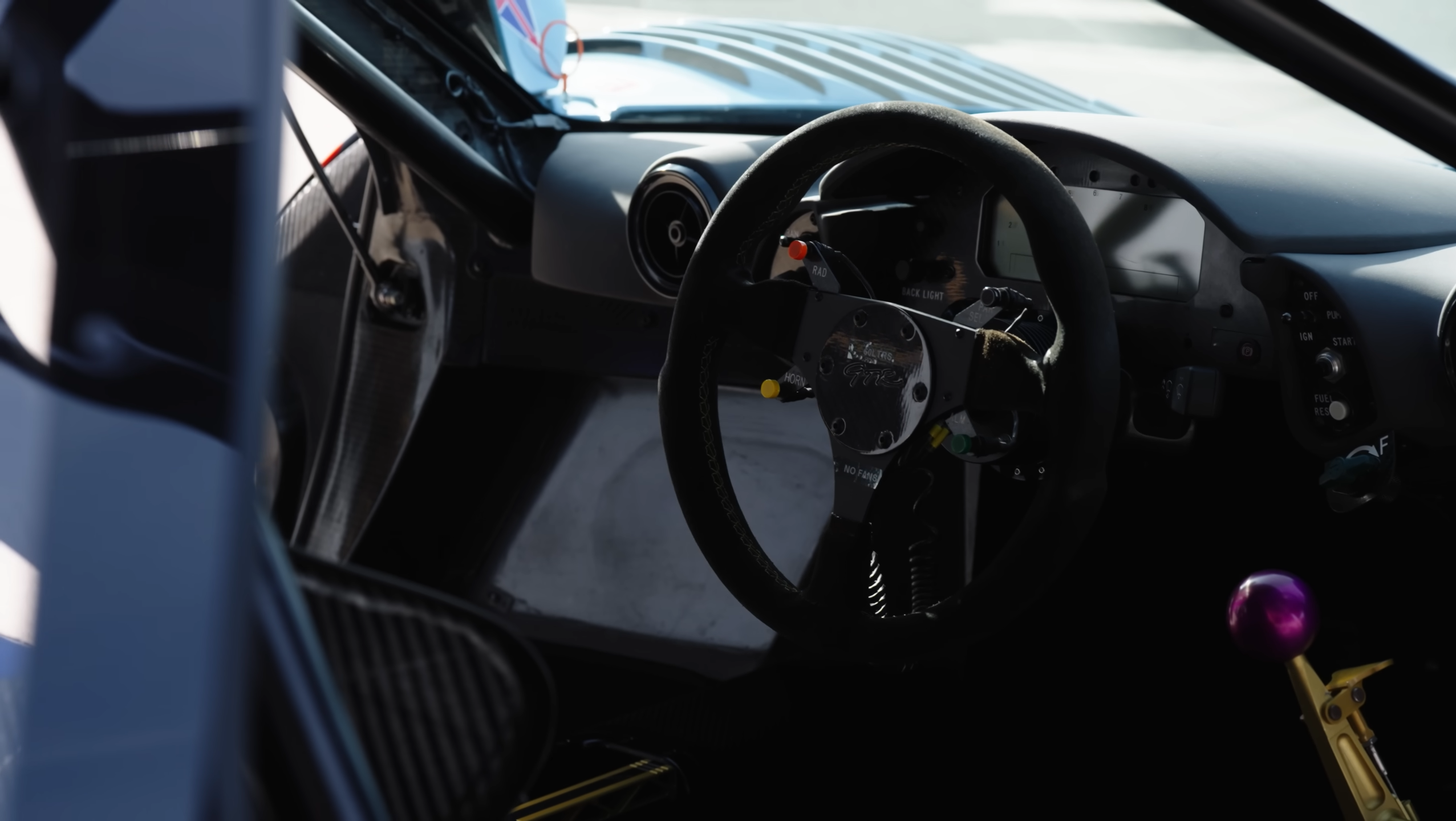
Chassis 28R holds a special place in McLaren history. Built as a spare chassis for the GTC competition team, it entered active competition midway through the 1997 FIA GT Championship season, making its debut at the Nürburgring before contesting eight championship rounds. As the final F1 GTR produced, it represents the culmination of years of relentless development during the fiercely competitive GT racing arms race of the late 1990s.
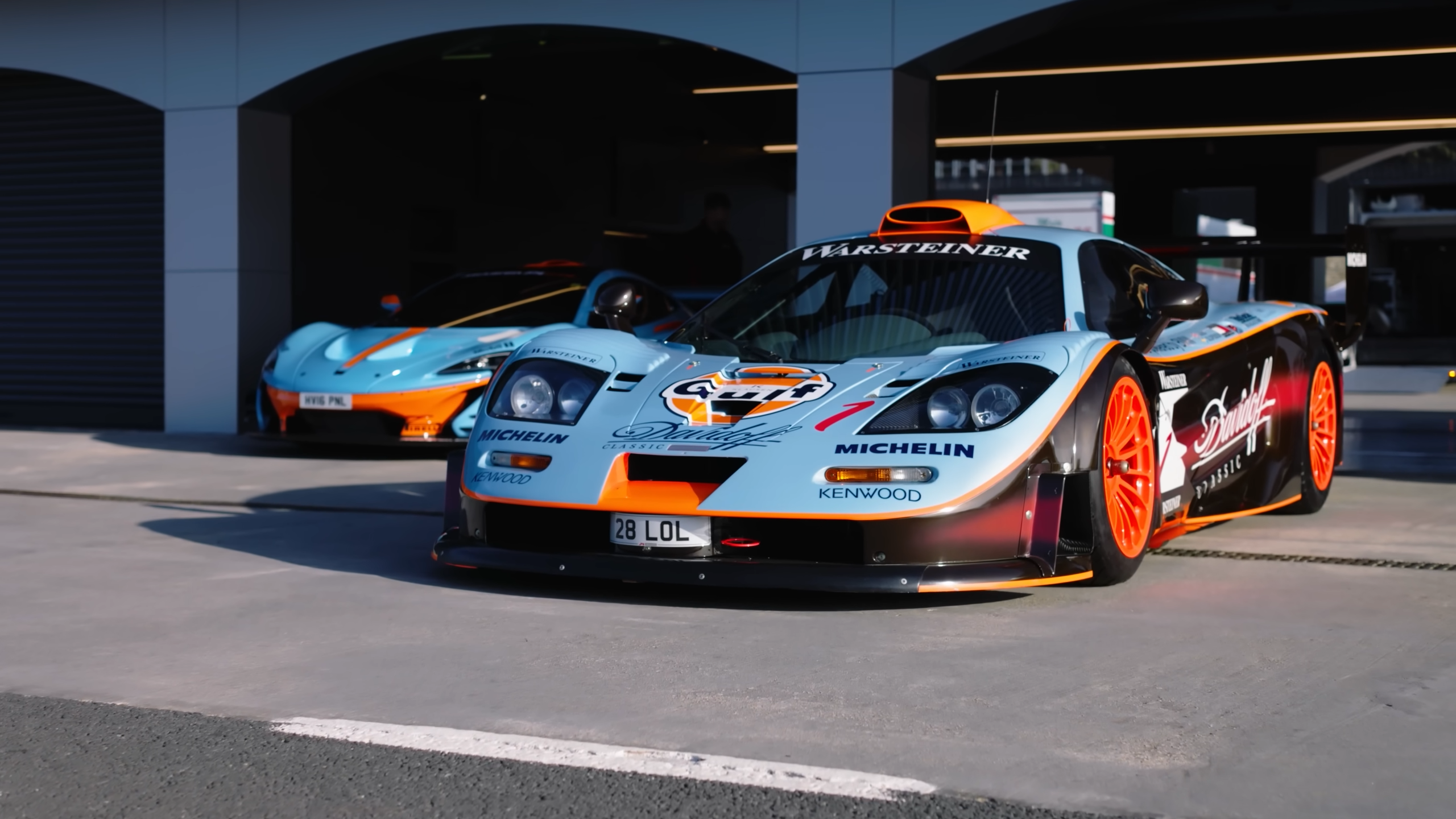
Compared to the earlier 1995-specification F1 GTRs, the Longtail’s design is dramatically more aggressive. Extensive aerodynamic revisions transformed the car, with enlarged bodywork, additional cooling vents, prominent louvers, and a towering rear wing all contributing significantly greater downforce and high-speed stability. The result is a machine that looks every bit as serious as the factory race cars that challenged for global GT honors.
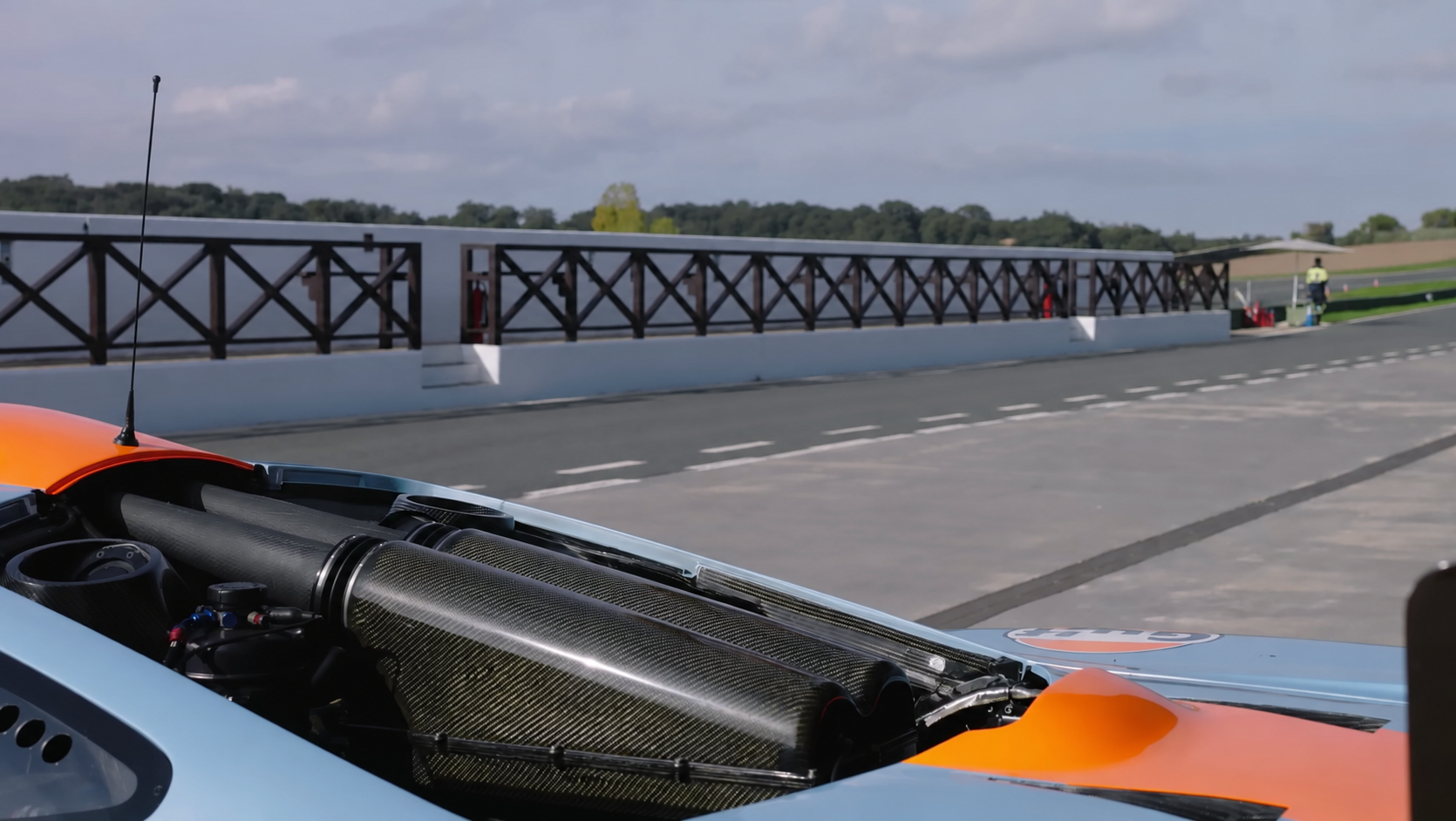
Power comes from the legendary 6.1-liter BMW Motorsport V12 developed under the direction of Paul Rosche. In race trim, despite the use of mandatory intake restrictors, the naturally aspirated engine still delivers approximately 600 horsepower. Combined with a weight of just 920 kilograms, the performance remains extraordinary even by modern standards. The engine bay itself is a masterclass in engineering, featuring carbon-fiber cam covers, exposed hardware, and period motorsport electronics that highlight the mechanical purity of the era.
Out on track, the F1 GTR Longtail proves every bit as special as its reputation suggests. The six-speed manual transmission demands deliberate inputs, rewarding the driver with a level of mechanical engagement rarely found in contemporary performance cars. Steering effort is substantial, braking requires commitment, and every control communicates directly with the driver. Yet beneath that physicality lies remarkable composure. The chassis remains exceptionally flat and stable through high-speed corners, while the aerodynamic package generates a level of confidence that Harris admits exceeds his expectations.
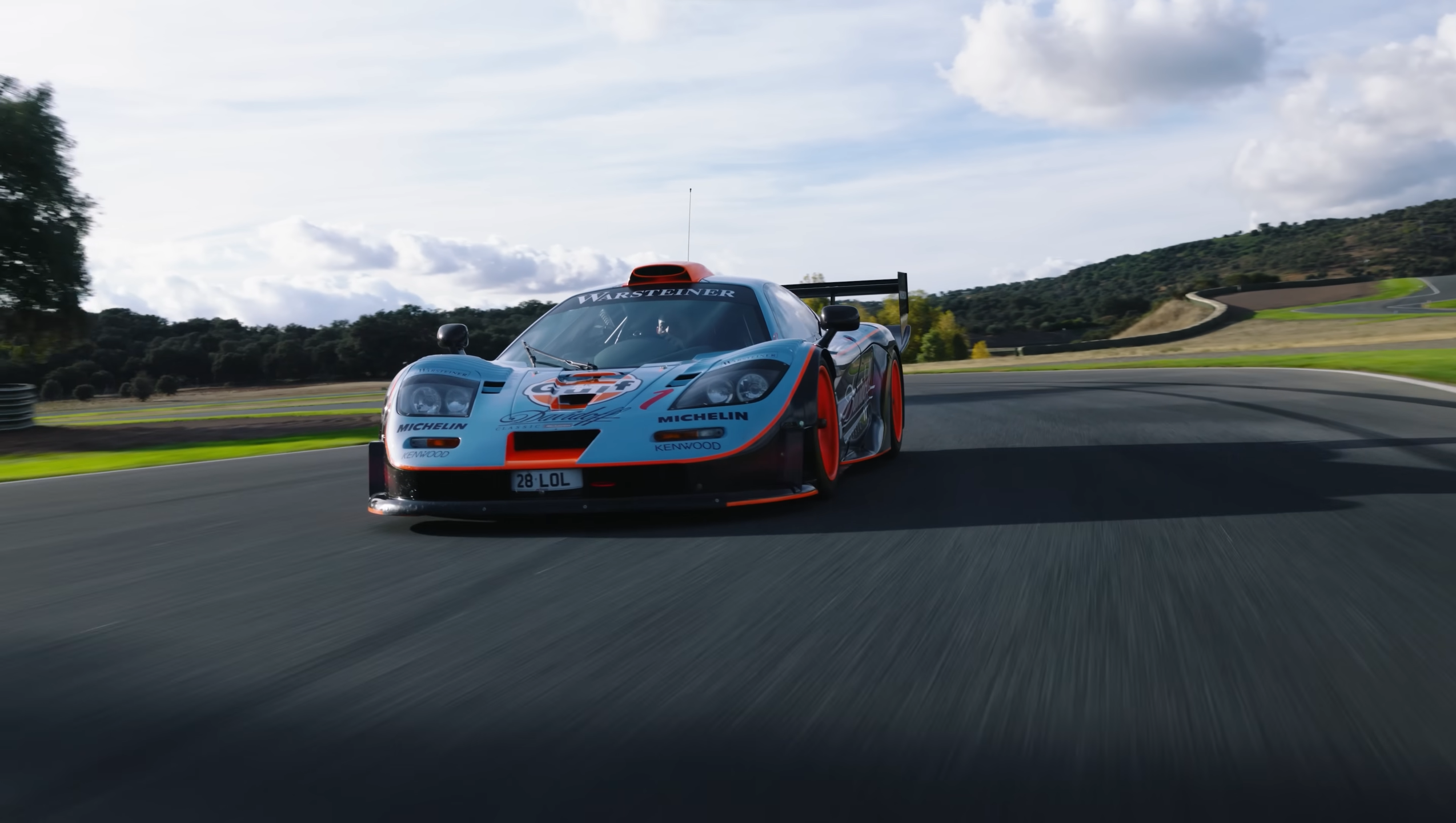
As the pace increases, the F1 GTR reveals its true brilliance. The naturally aspirated V12 pulls relentlessly toward the redline, the chassis comes alive under load, and the entire experience becomes increasingly rewarding the harder it is driven. For Harris, the combination of sound, history, engineering pedigree, and connection to the vision of Gordon Murray creates an experience that transcends ordinary driving. What begins as a test drive quickly becomes a deeply emotional encounter with one of the greatest racing cars ever built.
Source: Chris Harris on Cars