
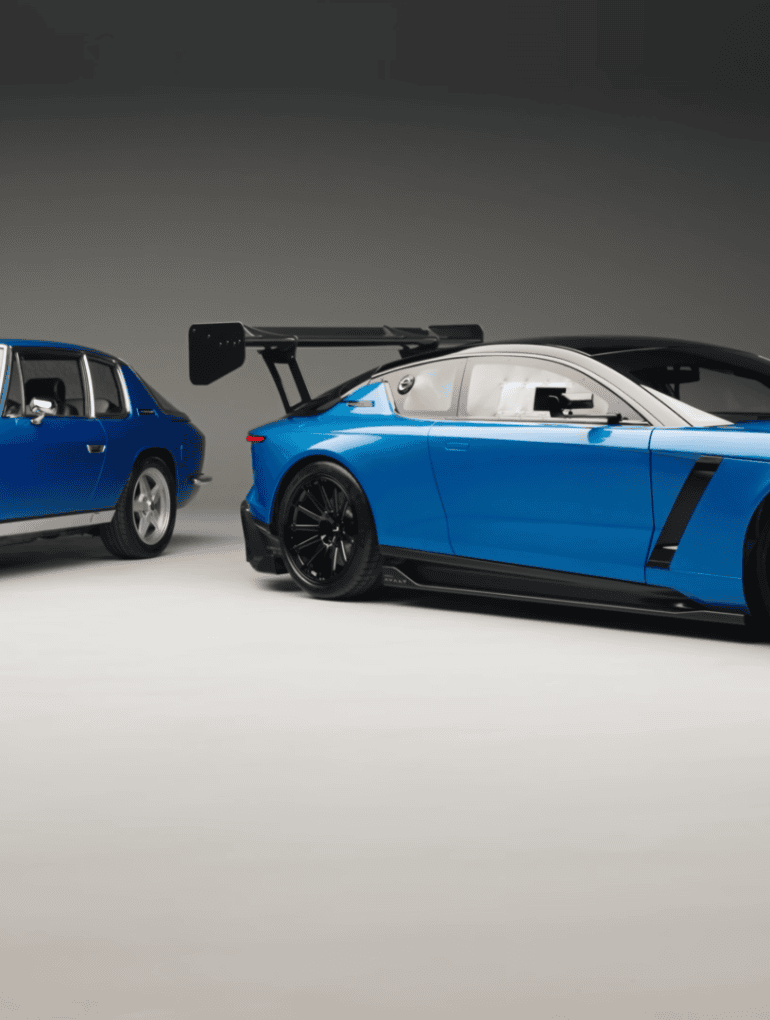
The Jensen Interceptor is returning, but not as another conventional restomod. Developed by Jensen International, the new Interceptor GTX is an all-new, track-focused prototype engineered to serve as a high-performance development platform for the company’s forthcoming road cars. It combines the character of Britain’s legendary grand tourer with modern motorsport technology and a heavily modified American V8.
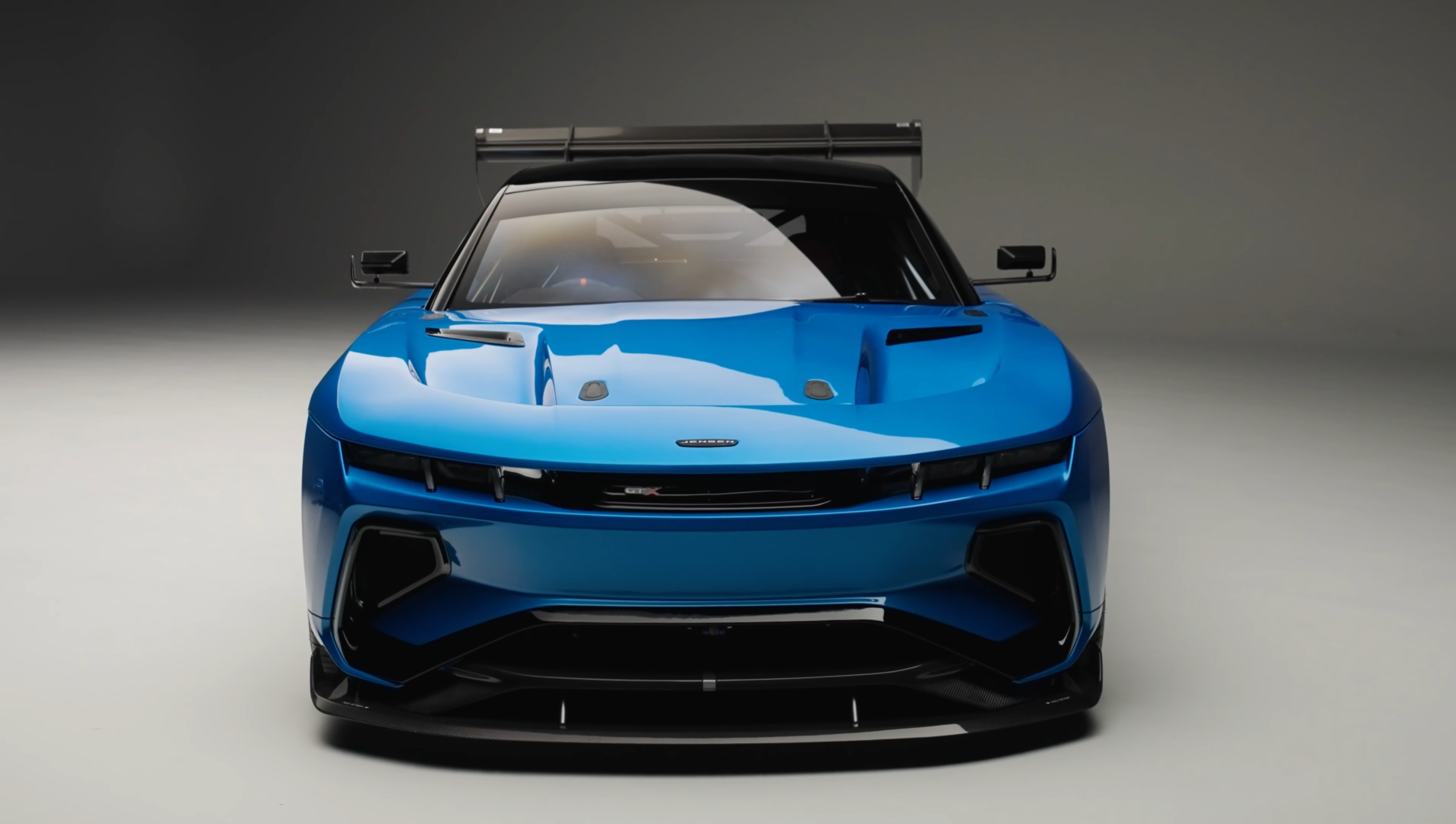
The GTX’s visual resemblance to the Ford Mustang GTD is striking, but the two cars have no connection. Instead, Jensen uses a thoroughly re-engineered 6.8-liter V8 derived from a General Motors architecture. Prepared by Late Model Engines in Texas, the engine features extensive forged motorsport components and a 2.65-liter supercharger, producing around 960 hp in its current development specification. Future calibrations could reportedly raise output to approximately 1,200 hp and 1,100 lb-ft of torque.
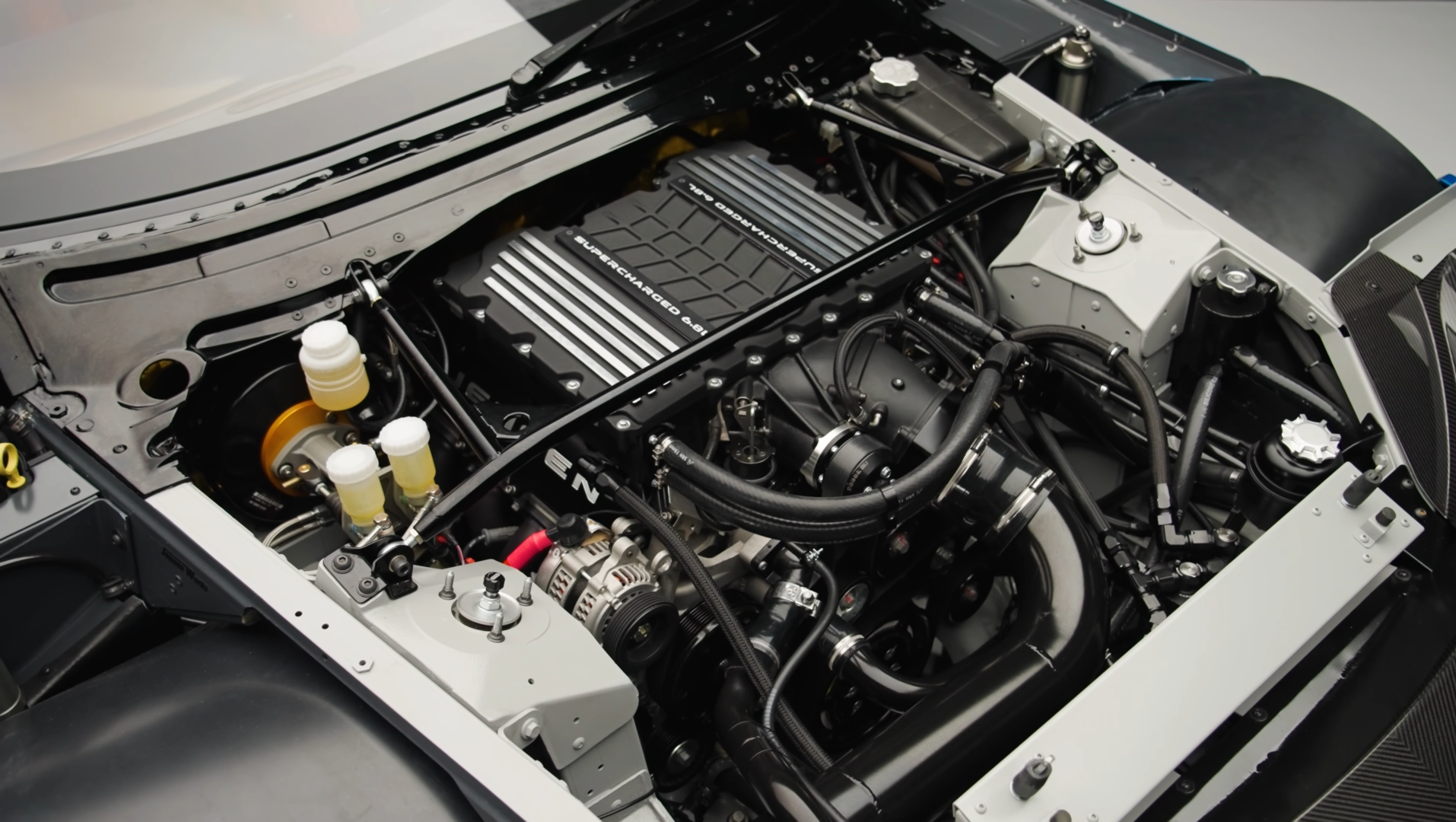
Packaging is equally serious. The engine sits behind the front axle, creating a front-mid-engine layout intended to improve weight distribution. Power is transferred through a carbon-fiber driveshaft to a rear-mounted transaxle, currently using a six-speed sequential transmission. Jensen is also evaluating alternative gearbox configurations for future road-going models.
Aerodynamics are another defining feature. The GTX employs a carbon-fiber package comprising a huge rear wing, aggressive front splitter, rear diffuser, flat floor, and bonnet aero channels. Combined, these components are claimed to generate approximately 350 kg of downforce. Much of the GTX’s bodywork is expected to influence the eventual production cars, while Coventry Metalcraft handles the hand-fabricated metal panels.
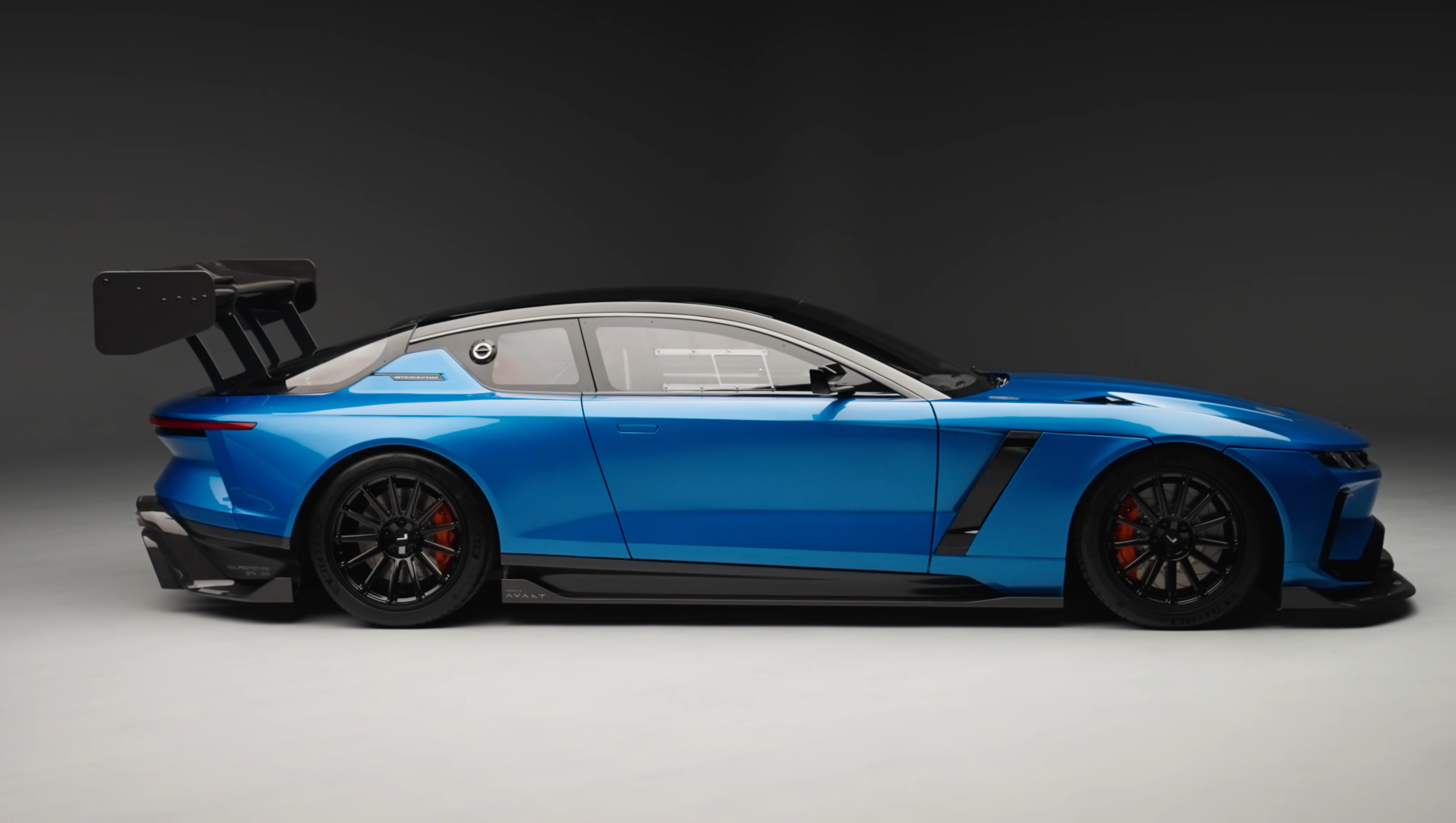
The chassis receives double-wishbone suspension, three-way adjustable Nitron dampers, AP Racing steel brakes, forged wheels, and Michelin Pilot Sport tires. Inside, the prototype is unapologetically functional, featuring a full safety cage, motorsport displays, adjustable brake bias, ABS controls, and steering-wheel-mounted boost adjustment.
The GTX ultimately serves a larger purpose. Jensen International plans to use its track testing to develop two road-legal successors: the refined Interceptor GT and the more aggressive Interceptor GTR. Both aim to revive the original Interceptor’s defining formula—high-speed, four-seat grand touring—with contemporary performance.
The original Interceptor was remarkable for its era, while the FF introduced pioneering four-wheel drive and anti-lock braking. The GTX therefore represents more than a nostalgic revival: it is Jensen’s attempt to translate that innovative spirit into a modern performance flagship.
Source: Top Gear