

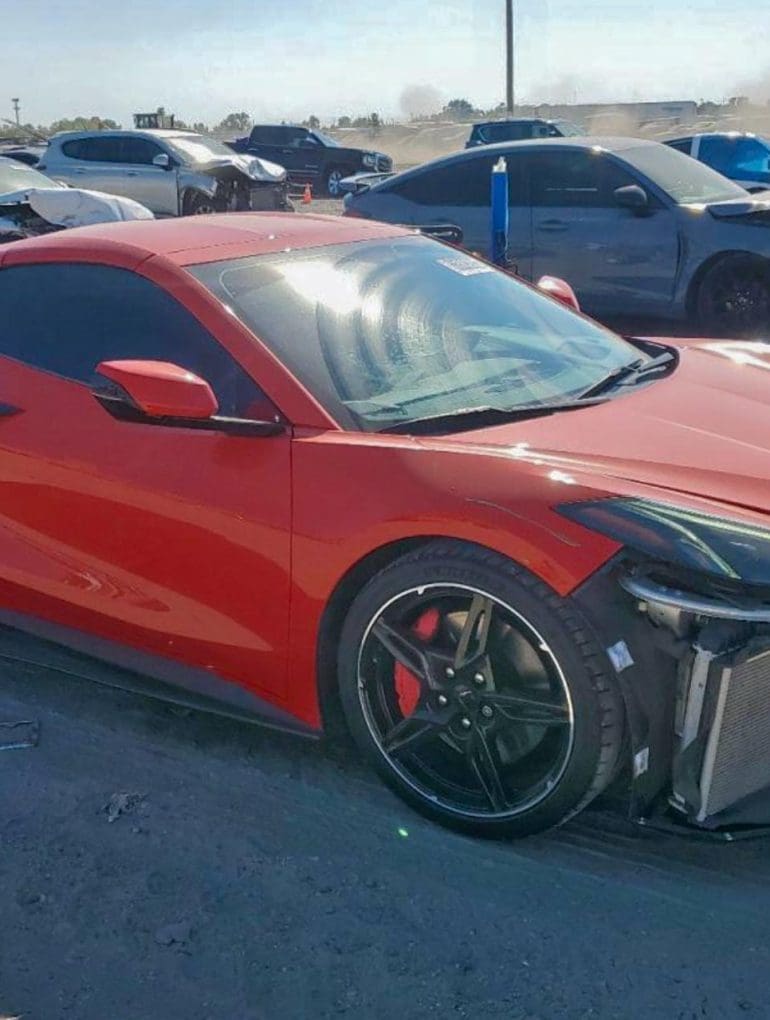

A car’s title is essentially its record of ownership. It tells you how many people have owned the vehicle, how many miles it has been driven, and if it has been damaged or stolen. When a car is damaged to the point that its repair costs exceed its value, an insurance company will total the car and it will get a salvage brand on its title.
For most of the last century, buying a salvage or rebuilt title vehicle meant knowing somebody. You needed a dealer friend with a pipeline to insurance auctions, a shop with the right connections, or a cousin in the business. The average buyer had no real access to that inventory. The ones who did were operating largely on instinct because the documentation supporting those sales was thin or non-existent.
That has changed considerably. Online auto auction platforms have opened a market that used to require either a dealer license or a special handshake. Today a buyer in rural Ohio can browse the exact same insurance salvage inventory that a wholesale buyer in Phoenix is bidding on, complete with condition reports, photo sets, and VIN histories attached to each listing. This digital shift has pushed the global online salvage auction market to an estimated 6.3 billion dollars, proving it is no longer just a niche playground for insiders.
What Salvage Actually Means at the Point of Listing
If you have spent time looking at used car listings online, you have likely come across examples of cars that are considerably cheaper than the rest. At first glance, one of these cars looks like a great deal, but then you see that the car comes with a salvage title. What does that actually mean?
The word carries more weight than it usually deserves. A salvage title means an insurance company declared the vehicle a total loss, which is a financial calculation as much as a mechanical one. When repair costs approach or exceed a set percentage of the car’s market value, the insurer writes it off and takes possession regardless of whether the damage is structural or cosmetic.
A vehicle might get a salvage title for a number of reasons, including:
- Hail damage: A hailstorm that pocks every panel on a three year old truck can produce a salvage title.
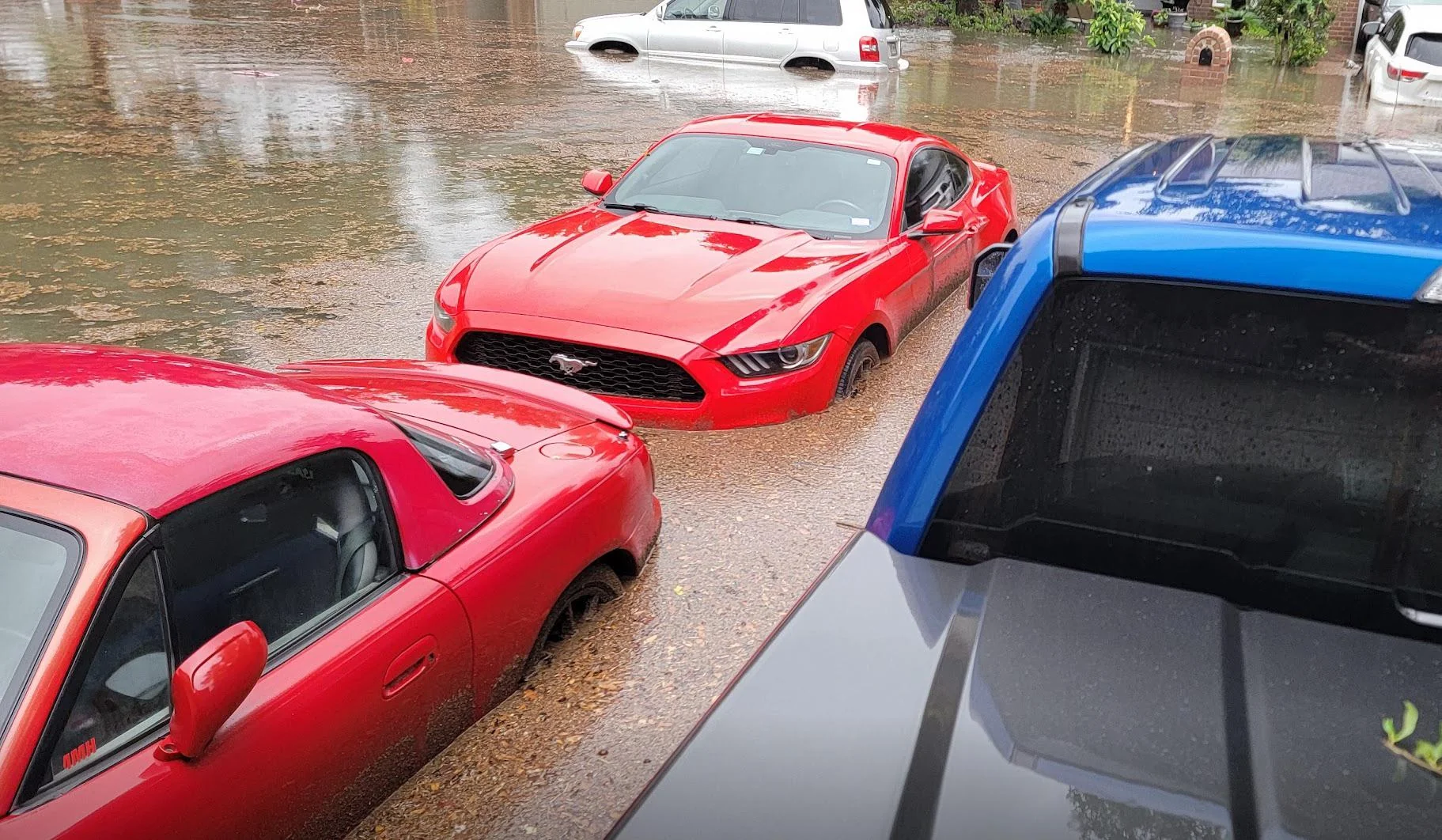
- Flood damage: Minor flood events can trigger a total loss even if there is no electrical involvement.
- Collision damage: A rear end collision that missed the frame entirely or a simple airbag deployment can cause a salvage title on a vehicle that otherwise drove away from the accident.
- Theft recovery: After a vehicle has been stolen and is missing for a certain period, the insurance company pays off the vehicle and sells it to a salvager once found.

Mechanics, small independent dealers, and hobbyists have always understood the distinction between a car that is cosmetically written off and one that is mechanically compromised. For enthusiast buyers, recognizing this line is exactly what makes the difference between scoring a bargain performance build and falling into a financial trap, a reality explored deeply in our guide on restoring a wrecked supercar. What online platforms have done is make that inventory visible to buyers who can evaluate it themselves at scale without needing a physical presence at a regional auction house.
Who is Actually Bidding and Why

The buyer profile has shifted noticeably over the past several years. The independent dealer sourcing below market inventory is still present, but they are sharing the platform with a broader group.
This includes mechanical hobbyists, export buyers, and increasingly, budget conscious private buyers who are willing to absorb some repair work in exchange for a lower acquisition cost. International demand keeps floor prices active on certain segments, particularly late model trucks and SUVs, which affects what domestic buyers are competing against.
Export demand has been a particular driver of volume growth. Markets in Eastern Europe, West Africa, and parts of Latin America have strong appetites for American salvage vehicles. Online auction access has made it significantly easier to source and consolidate inventory without a domestic physical presence.
Private buyers at the retail end of the market are a newer development. The availability of detailed condition documentation has lowered the information barrier enough that buyers browsing damaged cars for sale who would never have considered a salvage purchase a decade ago are now approaching it as a legitimate option.
What Due Diligence Looks Like Before You Bid

The documentation available on a modern auction listing is more useful than most first time buyers realize. Reading it carefully before placing a bid is where informed buyers separate themselves from the ones who get surprised by the math after the hammer drops.
If you want to reduce your chances of having a bad experience, there are steps you can take to prepare:
- Understand the status labels: Condition reports note which components were inspected and which were not. A vehicle listed as “run and drive” carries different risk than one noted as “not started.”
- Look closely at the photos: If you look at them methodically rather than skimming for obvious damage, the photos will often tell you more than the written description does.
- Calculate the hidden costs: Transport from the auction location, a pre purchase inspection if you are buying without seeing the vehicle in person, repair estimates, and state level registration requirements all add to the final number.
- Check your state laws: Some states have straightforward rebuilt title processes. Others require strict inspections, waiting periods, or specific documentation from the repair facility. Skipping this step is how buyers end up with a car they cannot legally register.
Where the Market is Going
The infrastructure around online salvage auctions has matured quickly, and the trajectory points toward more transparency rather than less. AI assisted damage grading is already appearing on some platforms, producing condition assessments that supplement human inspection reports with automated analysis of submitted photos. Virtual inspection tools and live stream auction formats have reduced the reliance on physical attendance that once filtered out all but the most committed buyers.
The regulatory environment is moving in a parallel direction. The National Motor Vehicle Title Information System (NMVTIS) has made title washing significantly harder than it was fifteen years ago. This was the practice of running a salvage title through a state with lenient standards to produce a clean one. Buyers using reputable platforms with NMVTIS compliant history reporting are working with more reliable information than any previous generation of salvage buyers had access to.
The market will keep growing because the underlying economics make sense. Clean retail inventory remains expensive. The buyers willing to do the research and accept some added complexity at acquisition are finding real value on the other side of that work.