



In today’s automotive industry, many new cars, particularly electric models, run on more lines of code than a commercial aircraft. Back in the day, carmakers required more mechanical engineers to develop automobiles, but nowadays, software engineers are all the rage because of the rise of software-defined vehicles.
A Software-Defined Vehicle (SDV) is a modern automobile whose features, functionality, and performance are primarily managed, controlled, and upgraded through software rather than fixed, hardware-centric systems. Similar to smartphones, SDVs enable over-the-air (OTA) updates, allowing vehicles to improve, receive new features, and patch security flaws throughout their lifecycle. But what does this mean for the automotive industry?
Why the Industry Is Making the Shift
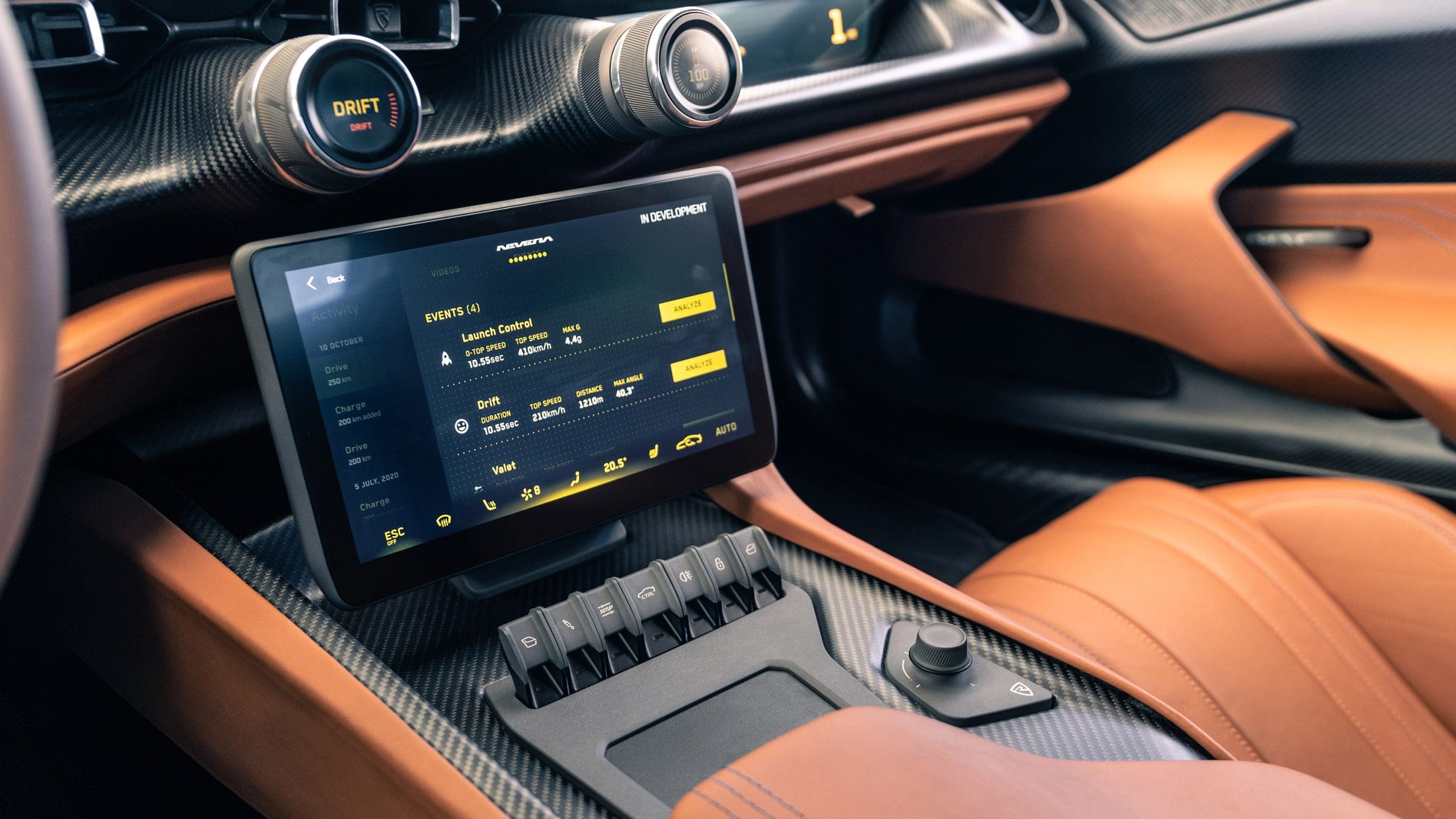
It did not happen all at once. Consumer expectations gradually shifted over the past decade and automakers found themselves needing to adapt faster than their traditional development cycles allowed. People got used to phones that updated overnight and laptops that gained new features without needing a replacement. Eventually, they started expecting that same kind of ongoing improvement from their cars, which had never really worked that way before.
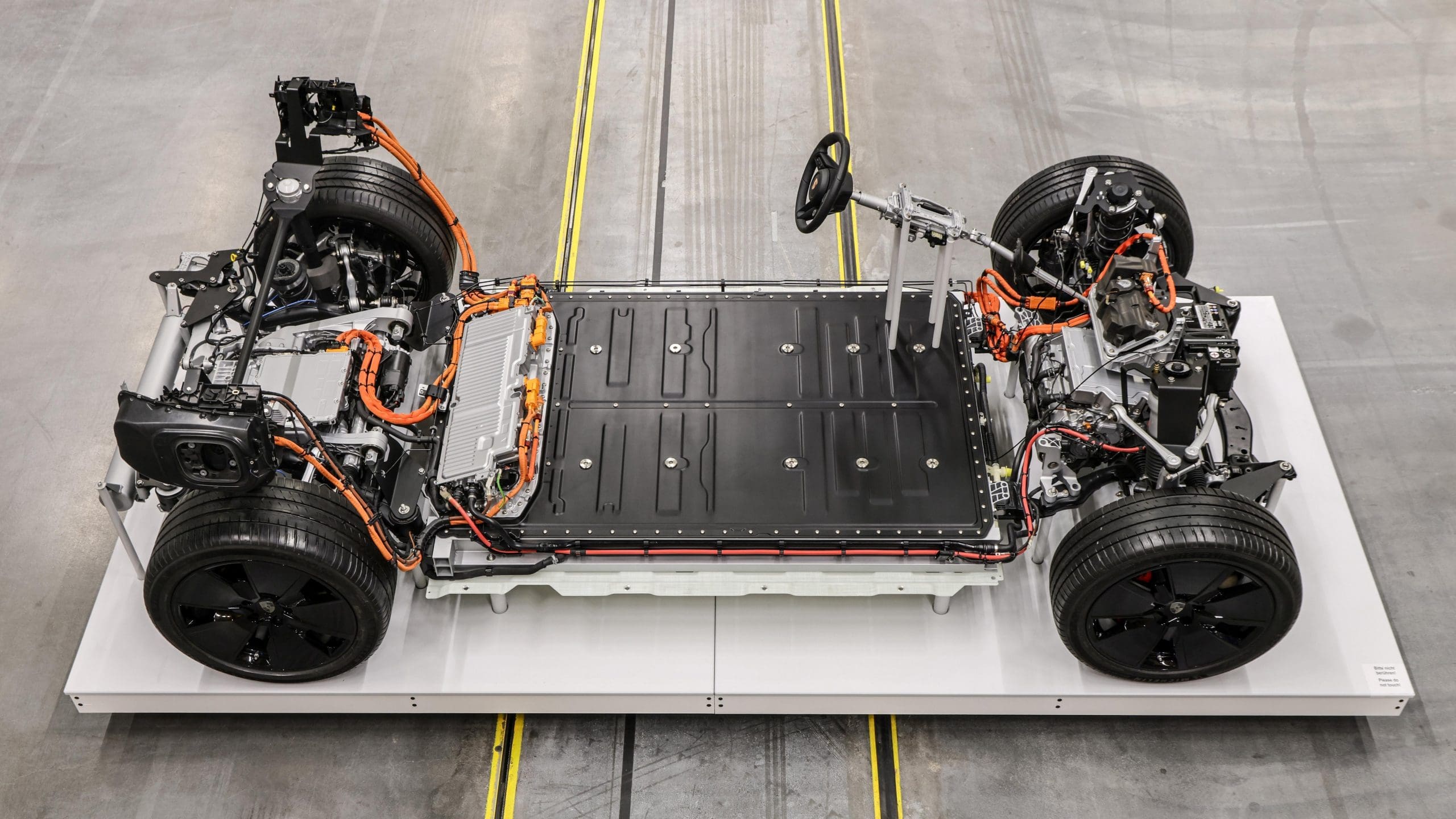
EVs accelerated things considerably. Because electric vehicles have fewer mechanical components than combustion-powered cars, software ends up doing a lot more of the heavy lifting. Battery management, range calculations, driver assistance and charging behavior are all governed by code, so automakers had to build platforms that could actually support continuous development rather than a one-and-done production process. Then Google and Apple showed up with serious automotive ambitions and made it pretty clear that the car was turning into a software product as much as anything else.
What SDVs Look Like in Practice
Tesla is the obvious reference point. The company built its vehicles around software from day one, which is why it can push an OTA update that adjusts braking performance or adds a new feature without anyone visiting a dealership. That kind of flexibility was genuinely novel when Tesla introduced it and most traditional manufacturers had no equivalent answer at the time. BMW, Volkswagen and General Motors have since put serious money into centralized computing platforms that give them more control over how their vehicles behave after they leave the factory. You can see the same thinking playing out at the extreme end of the market too. The fastest electric supercars and hypercars are now using software to redefine what performance actually means, while giving a good sense of where that is heading.
The Role of Specialized Software Partners
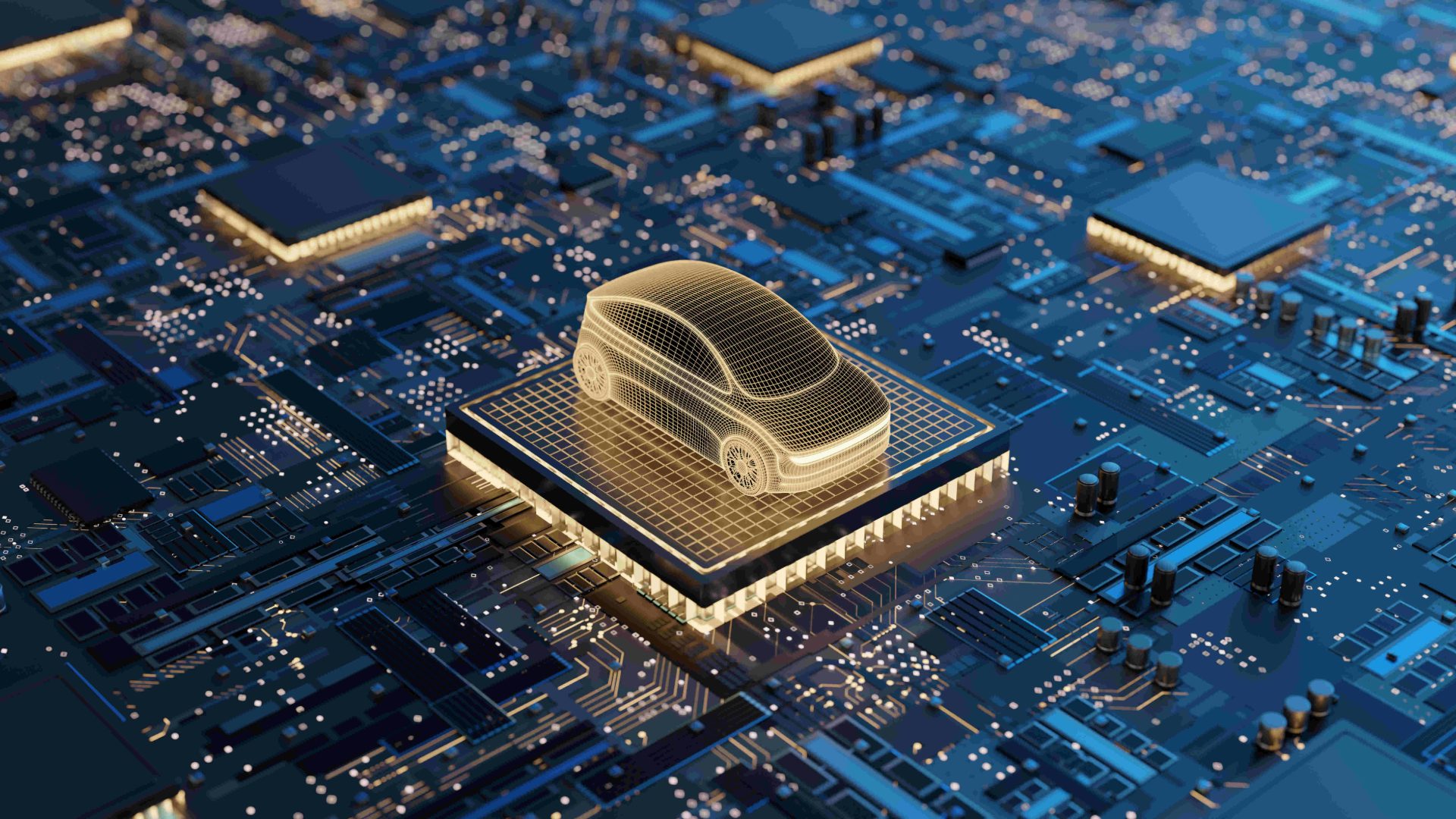
Building software for a vehicle is nothing like building a consumer app. It needs to work reliably in extreme heat and cold, make real-time safety decisions without any margin for error and satisfy regulatory requirements across multiple markets simultaneously. That is a very specific combination of expertise and most automakers simply do not have all of it sitting in-house. Pulling it together from scratch takes years and the market tends not to wait around.
That is a big part of why so many manufacturers have started working with automotive software development services rather than trying to own every layer of development themselves. It lets them move faster, avoid expensive mistakes and keep their internal teams focused on what they are actually good at.
What These Services Actually Cover
The scope is wider than most people expect. Embedded software for the electronic systems controlling powertrain behavior, basic vehicle functions and safety systems is one piece of it. Cybersecurity is another, since a connected car is a potential entry point and that is not a problem anyone can afford to take lightly. Cloud infrastructure for OTA updates, infotainment systems, driver interface design and the foundational work that future autonomous capabilities will depend on all fall under this umbrella as well. It covers a lot of ground and that is kind of the point.
Challenges Still Ahead

Cybersecurity keeps coming up in these conversations and for good reason. A software vulnerability affecting a large fleet of connected vehicles is a completely different scale of problem than a mechanical recall and the threat landscape is not standing still while automakers figure out their defenses. Software-related recalls have also become more common. OTA updates make fixes easier to deploy but they raise real questions about who is responsible when an update itself causes a problem, and regulators in the US and Europe are still working out how to handle that consistently.
The talent shortage is real and not going away quickly. Engineers who understand both automotive systems and modern software development are in short supply and everyone in the industry is competing for the same people. For a lot of established automakers the harder problem is actually cultural. Going from a hardware-first development process to a software-first one changes how teams are built, how long things take and how you measure whether something worked. That kind of shift does not happen just because leadership decides it should.
What It Means Going Forward
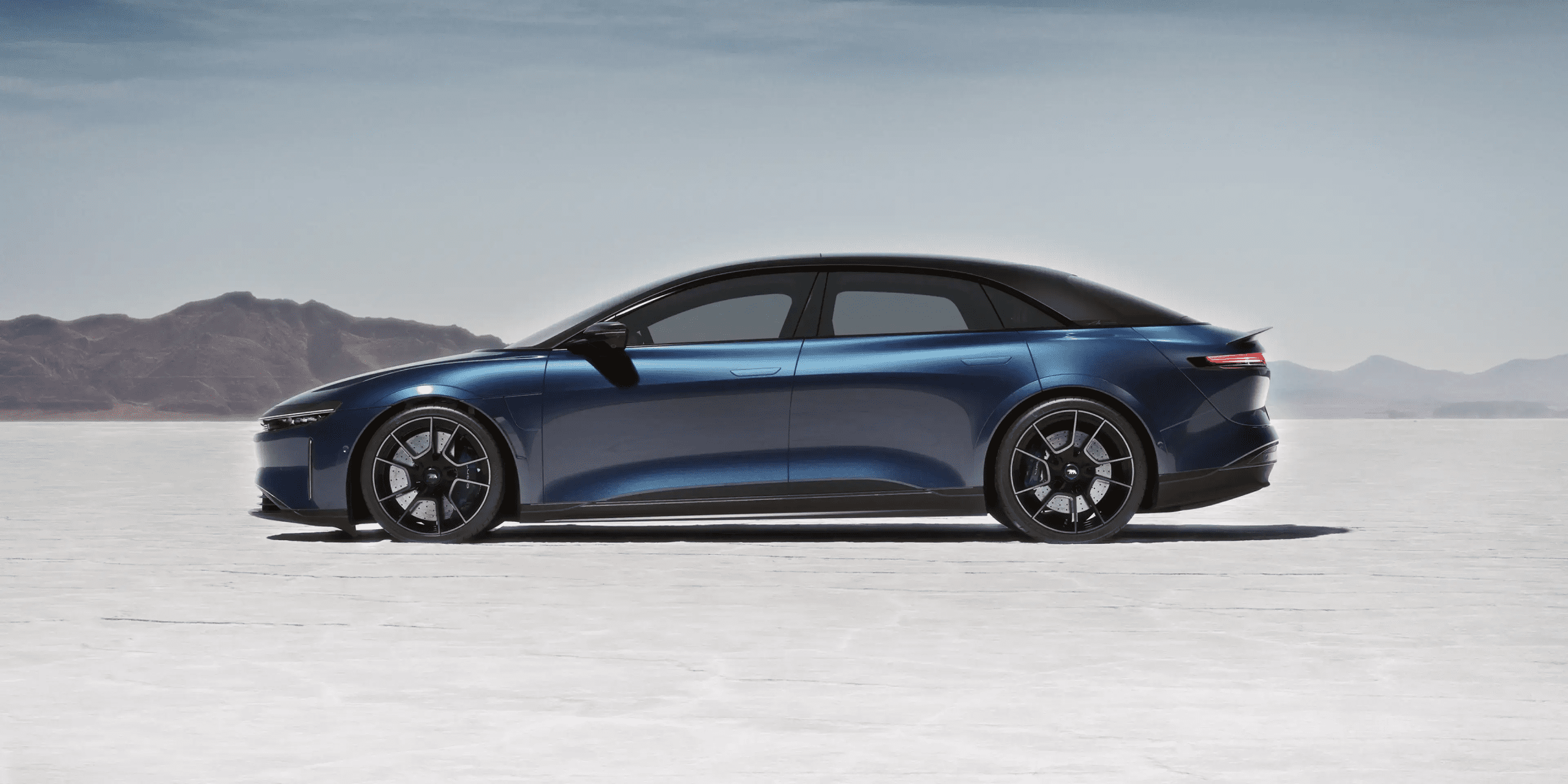
Buying a car used to be the end of the relationship between a manufacturer and a driver. That is not really true anymore. With software-defined vehicles, the purchase is closer to the start of something ongoing and the vehicle you drive a year from now can genuinely be better than the one you drove off the lot. For consumers that means more personalization and fewer trips to the dealership for things that can be handled remotely. For the industry, the manufacturers investing in real software capabilities now are the ones who will be best placed when full connectivity and autonomy stop being selling points and just become expected. The gap between those who moved early and those still catching up is not going to shrink on its own.