

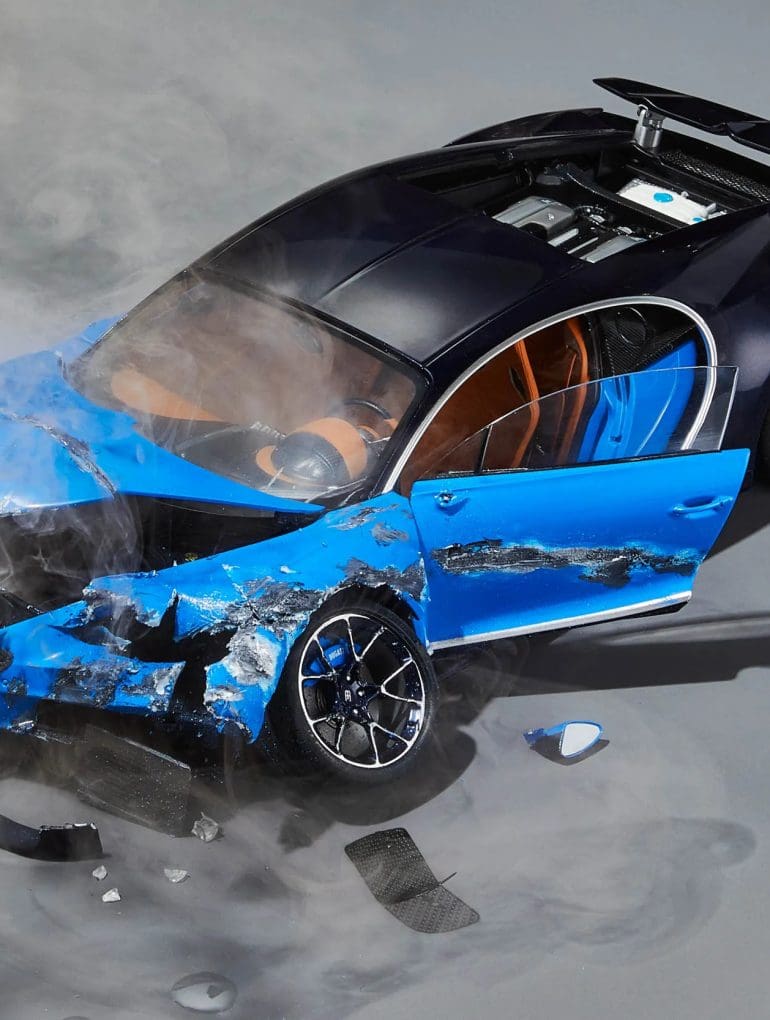

When an insurance company decides a car costs more to fix than it’s worth, that car gets written off and sold at auction with a branded title. Most people assume this only happens to badly wrecked vehicles. It happens to supercars after surprisingly minor accidents.
The result is an auction market full of Lamborghinis, McLarens and Ferraris listed at prices that look like typos. You’ll see a Lamborghini Huracán with a scuffed nose sitting at used-sedan money and wonder why nobody has bought it already. There are reasons and some of them are expensive.
Why Do Supercars Get Totaled So Easily?
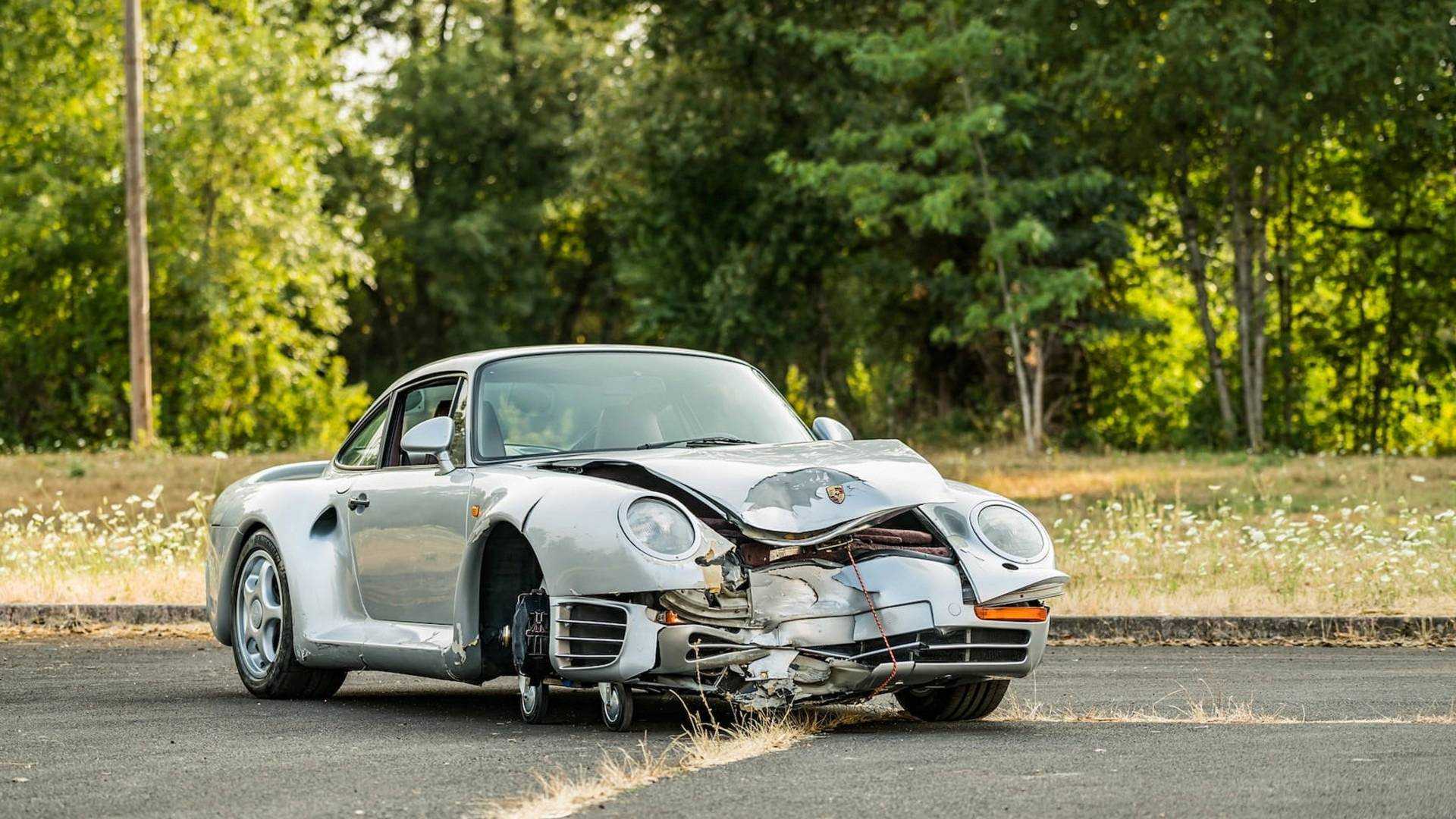
A total loss is a financial decision rather than a mechanical one. The insurer adds up the repair estimate, compares it against what the car is worth and considers what the damaged vehicle will bring at auction. When those numbers get close enough, the company pays the claim and sends the car off to be sold.
Where that line sits depends on your state. Some states set a specific percentage in law. Others leave it up to the insurer, so two identical cars damaged the same way can end up with different outcomes depending on where they were registered. Several things push exotics over that line faster than ordinary cars:
Parts Prices Stay High
A ten-year-old supercar might be worth a third of its original sticker. Its headlight assembly still costs close to what it cost new. Since the car depreciates and the parts don’t, older exotics become easier to total every year they age.
Certified Labor Costs More
Many manufacturers require that collision work happen at an approved facility with specific equipment and training. Those shops charge premium rates, and there usually isn’t a cheaper option that the insurer will accept.
One Impact Damages a Lot of Parts
A low-speed front-end hit on a mid-engine car can take out both radiators, the air ducting, the bumper structure, a headlight and a control arm or two. Every one of those carries supercar pricing.
Carbon Fiber Ends the Discussion
The McLaren 720S is built around a carbon fiber tub. If damage reaches that structure, most collision shops can’t properly assess it, let alone repair it. Insurers know this and rarely take the risk.
Where Do Totaled Supercars Get Sold?
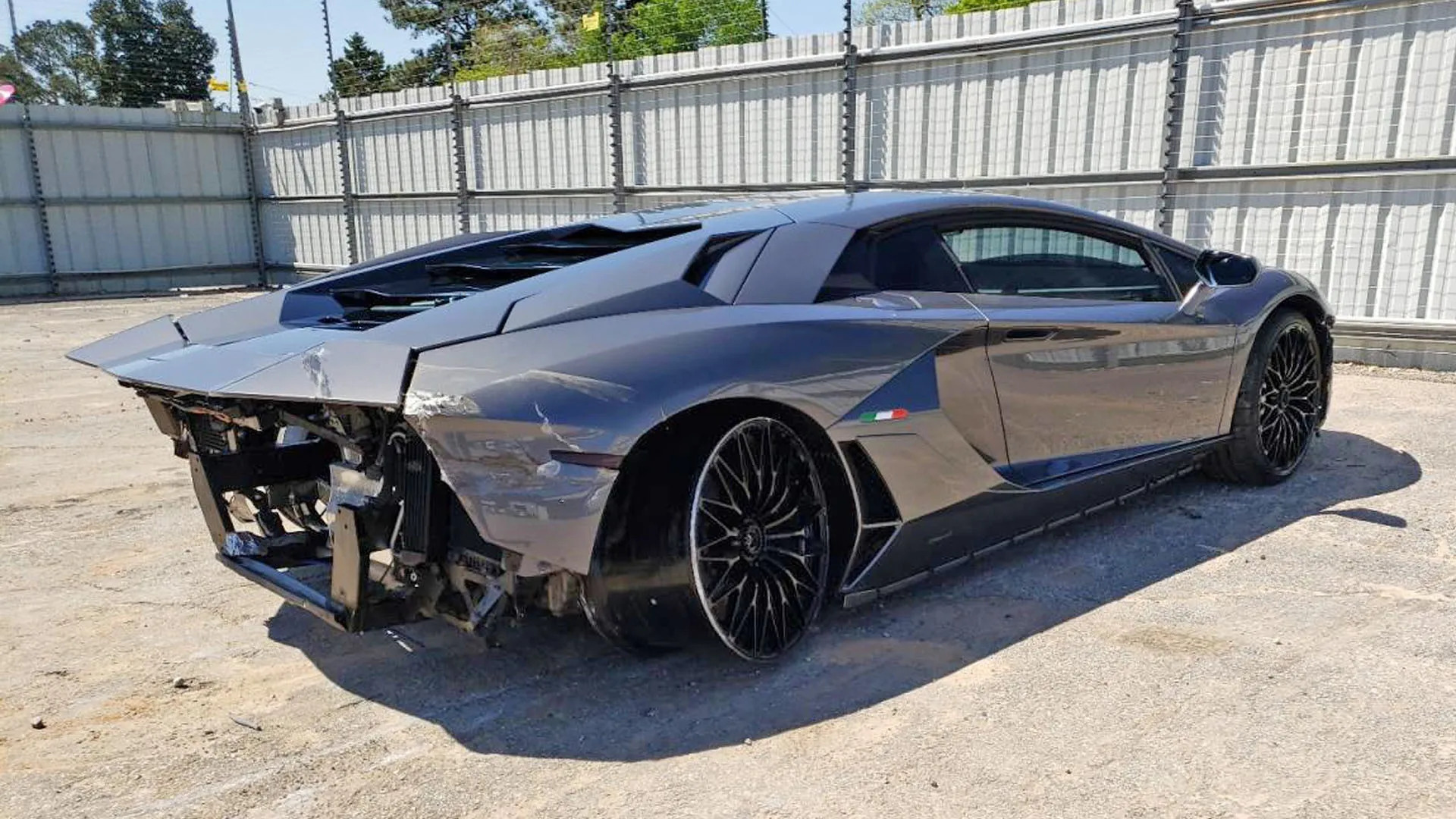
Insurance companies don’t keep the cars they pay claims on. They move them through salvage pools, and in the US that traffic runs mostly through Copart and IAAI. Both hold online sales, both open lots for preliminary bidding several days before the live auction and both list exotics in the same catalog as hail-damaged sedans.
Getting in is the complication. Depending on your state and the specific lot, bidding may require a dealer license that most private buyers don’t have. Broker platforms exist for this reason. CARS4.BID holds the credentials, bids on your behalf and then handles payment, the title and transport. You pay a fee and skip the licensing problem entirely.
While you’re looking, widen the search. The insurers writing off a Huracán are also writing off Hellcats and Shelby GT500s, and those cars land in the same yards on the same schedule. A muscle cars auction listing runs through the identical as-is process and the identical fee structure, with one large difference in your favor: the parts come from a catalog instead of a factory backorder queue. If you’ve never bought a branded car before, learning the process on a wrecked Challenger costs a lot less than learning it on something Italian. None of that removes the risk. Every lot sells as-is, and you won’t start it, drive it or put it on a lift before the sale.
How Do You Read an Auction Listing?
The damage fields tell you most of what you need. Primary damage says where the car was hit. Secondary damage says how far the impact traveled, so a lot marked front-end primary with undercarriage secondary is a much worse buy than one showing front end alone.
Run-and-drive status means the car started and moved under its own power on the yard. That’s useful information, though it isn’t an inspection. Plenty of run-and-drive cars have bent structure underneath.
Spend your time on the photos. Check the panel gaps on the side opposite the impact, the floor of the front trunk, the inner fender liners and any airbag that went off. On an aluminum-intensive car like the Audi R8, a lot listed as light damage may still have a bonded structure that pulled out of alignment.
What Will You Actually Spend?
Your winning bid is only part of the total. Work these into your maximum bid instead of discovering them afterward:
Auction and Broker Fees
Buyer fees scale with the sale price and stack on top of gate fees, online bidding fees and your broker’s commission. On a five-figure purchase this adds up quickly.
Storage and Transport
Storage charges usually begin within a few days of the sale, so a slow pickup costs you hundreds for nothing. A non-running exotic also needs an enclosed carrier with a winch, which is not a cheap way to move a car across the country.
Dealer-Only Parts
Structural and safety components on modern exotics generally have no aftermarket version and no acceptable used substitute. Low-volume body panels get produced in batches, so a backorder can leave your car sitting on a lift for months.
Programming and Certification
Replacement modules on most of these platforms have to be coded to the VIN with dealer-level equipment, and independent shops without factory access can’t do it. Manufacturers also publish procedures that specify when a damaged component must be replaced instead of repaired. A shop that ignores those procedures can hand you back a car that looks correct and performs badly in a second accident.
Which Salvage Supercars Are Worth Buying?
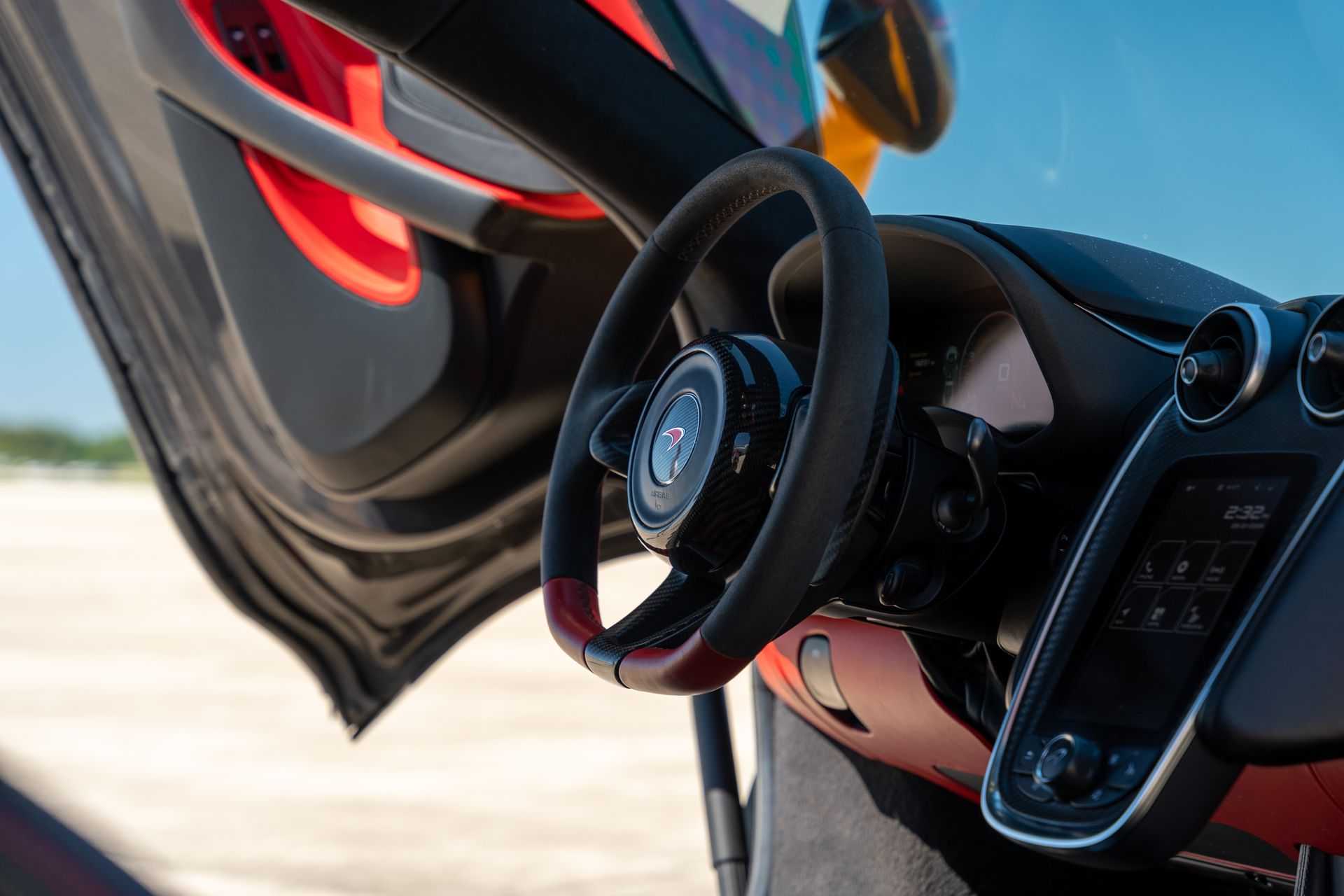
Theft recovery is the first thing I look for. The insurer paid out because the car vanished, not because anyone hit anything, so a recovered example can show up needing a lock cylinder and not much else. Interiors get picked over more often than bodies get damaged in these cases, which means the seats and wheels may be gone while the panels are perfect. Look under the steering column in the photos. A cut harness there turns a simple job into a diagnostic nightmare.
Hail cars are the other category worth setting alerts for. Paintless dent repair gets priced per panel by shops that do nothing else, the mechanicals were never involved and the car usually drove onto the transporter under its own power. Glass and any glass roof panel are the exception, and those get expensive on a low-volume car.
Then there’s the older platform with a light rear-end hit, which is a slower play but a real one. A Ferrari 458 Italia has been out long enough that a used parts market exists behind it, so a bumper cover, a diffuser or a taillight doesn’t have to come from Maranello at Maranello prices. Try the same thing on a car three years into production and you’ll find yourself waiting on a factory backorder with the car on a lift.
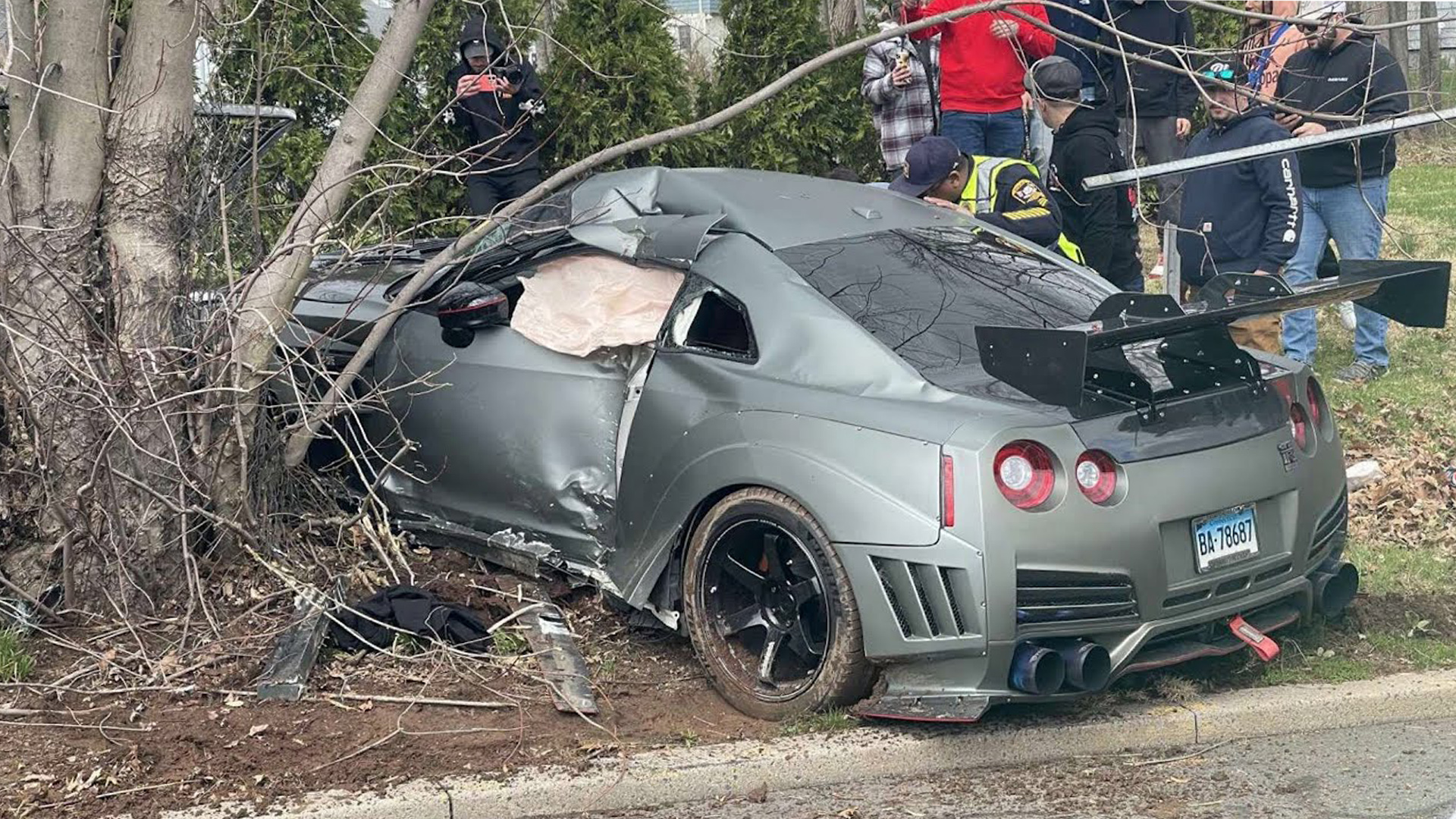
Plenty of lots aren’t worth the click. Frame and undercarriage damage on a mid-engine car means the suspension mounting points are suspect, and confirming that on a jig costs money before you’ve repaired anything. Burn lots stay on the list of things I won’t touch, because even a fire confined to the engine bay bakes wiring and sensors that will haunt the car for years. Flood cars are the genuine trap, since a flood car photographs beautifully. Corrosion and electrical faults surface six or eight months later, well after you’ve finished the build and spent the budget.
Can You Clear a Salvage Title?
Generally, no. Once a state applies a brand, it stays attached to the car. The National Motor Vehicle Title Information System, which the US Department of Justice operates, pulls title records from participating states along with mandatory reporting from insurance carriers and salvage yards, so a brand applied in Texas still appears when the car gets retitled in Arizona. An NMVTIS report through an approved provider costs about what you’d spend filling the tank, and there’s no reason to bid on anything without pulling one first.
What you can do is upgrade a salvage title to a rebuilt title by repairing the car and passing a state inspection. Requirements vary a lot. Some states send an inspector who checks receipts and part numbers against the original damage report, others do considerably less.
Living with the brand is the part people underestimate. Some carriers will write liability only, so ask before you buy rather than after. Resale takes a discount that no amount of repair quality removes, and it bites harder on a supercar than on a commuter car because these buyers research history obsessively before they wire money.
Tips for Buying a Salvage Supercar
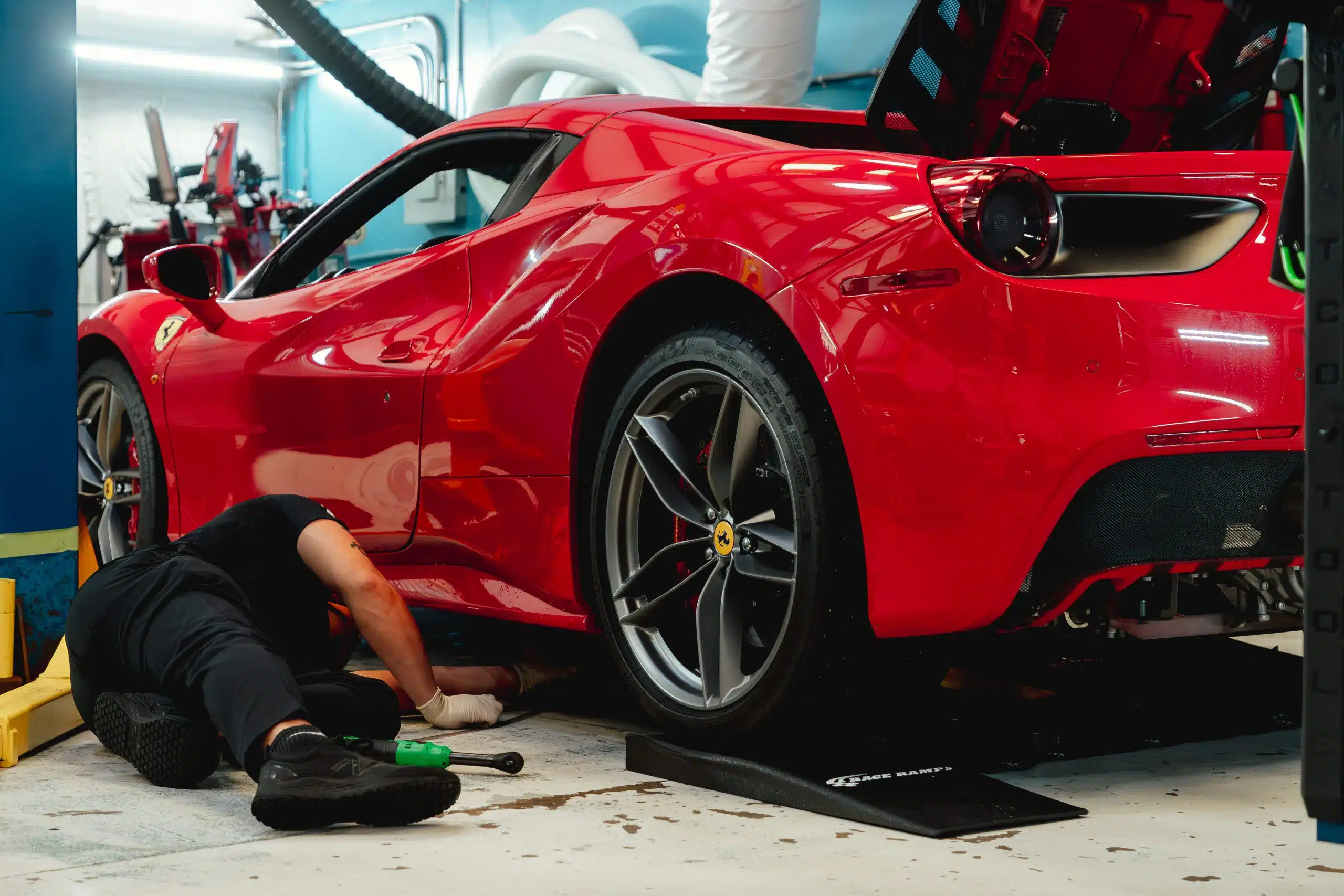
Send the lot photos to a shop certified for that manufacturer and get a written estimate before the sale closes. Most shops will look at photos for free or close to it, and the twenty minutes you spend emailing them is the highest-value work in the whole process. People who skip this step are the ones posting half-finished builds on forums two years later.
Call a dealer parts department too, with the exact model year, and ask about lead times on the parts you know you’ll need. Availability varies wildly between a Huracán and a 720S, and between model years of the same car.
Beyond that, a short checklist before you bid:
- Add the auction fee, broker commission, storage and transport into your maximum bid so the number you type is the number you’re actually spending
- Compare that total against real clean-title sale prices, not asking prices
- Look up your state’s rebuilt title rules and check whether it disqualifies your damage type outright
Most lots will fail one of those. That’s the checklist doing its job.
Salvage supercars reward patience and punish enthusiasm. The buyers who do well here aren’t chasing the cheapest Huracán on the site. They’re waiting for the theft recovery with 4,000 miles and a missing steering wheel, and they already know what a replacement wheel costs.