

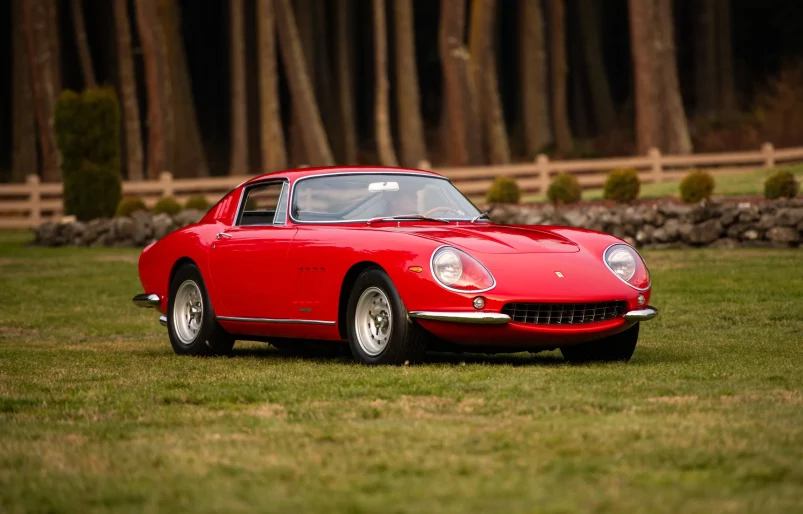
Paris, October 1966. Ferrari unveiled the 275 GTB/4 at the Paris Motor Show, and with it, a milestone in its road car history. The “/4” referred to four overhead camshafts, and the GTB/4 was the first production Ferrari road car with a quad-cam V12. Its 3.3-liter Tipo 226 engine kept the basic architecture of the Colombo V12 but adopted four-cam cylinder heads developed from Ferrari’s racing experience. It was fed by six Weber carburetors and used dry-sump lubrication, normally found only on competition cars. Ferrari rated it at 300 CV, or about 296 hp, enough for a claimed top speed of around 166 mph. The engine sat up front, while the gearbox was mounted at the rear in a transaxle connected by a rigid torque tube, and all four wheels had independent suspension. Wrapped in a Pininfarina-designed, Scaglietti-built berlinetta body, the GTB/4 combined racing-derived engineering with some of the most beautiful lines of the 1960s. Ferrari built about 330 before the 365 GTB/4 Daytona replaced it in 1968, and today it is one of the most coveted Ferraris of all.
Background and Origins
The 275 family debuted at the 1964 Paris Motor Show. The 275 GTB replaced the 250 GT Lusso, while the open-top 275 GTS, with its own distinct Pininfarina styling, succeeded the 250 GT California Spider. They were the first road-going Ferraris with a rear transaxle and independent suspension at all four wheels, a major step forward from the live-axle 250 series. During 1965, Ferrari refined the GTB with lessons from racing, adding a longer nose for better high-speed stability. Later two-cam cars also replaced the original exposed driveshaft with a rigid torque tube that reduced drivetrain vibration.
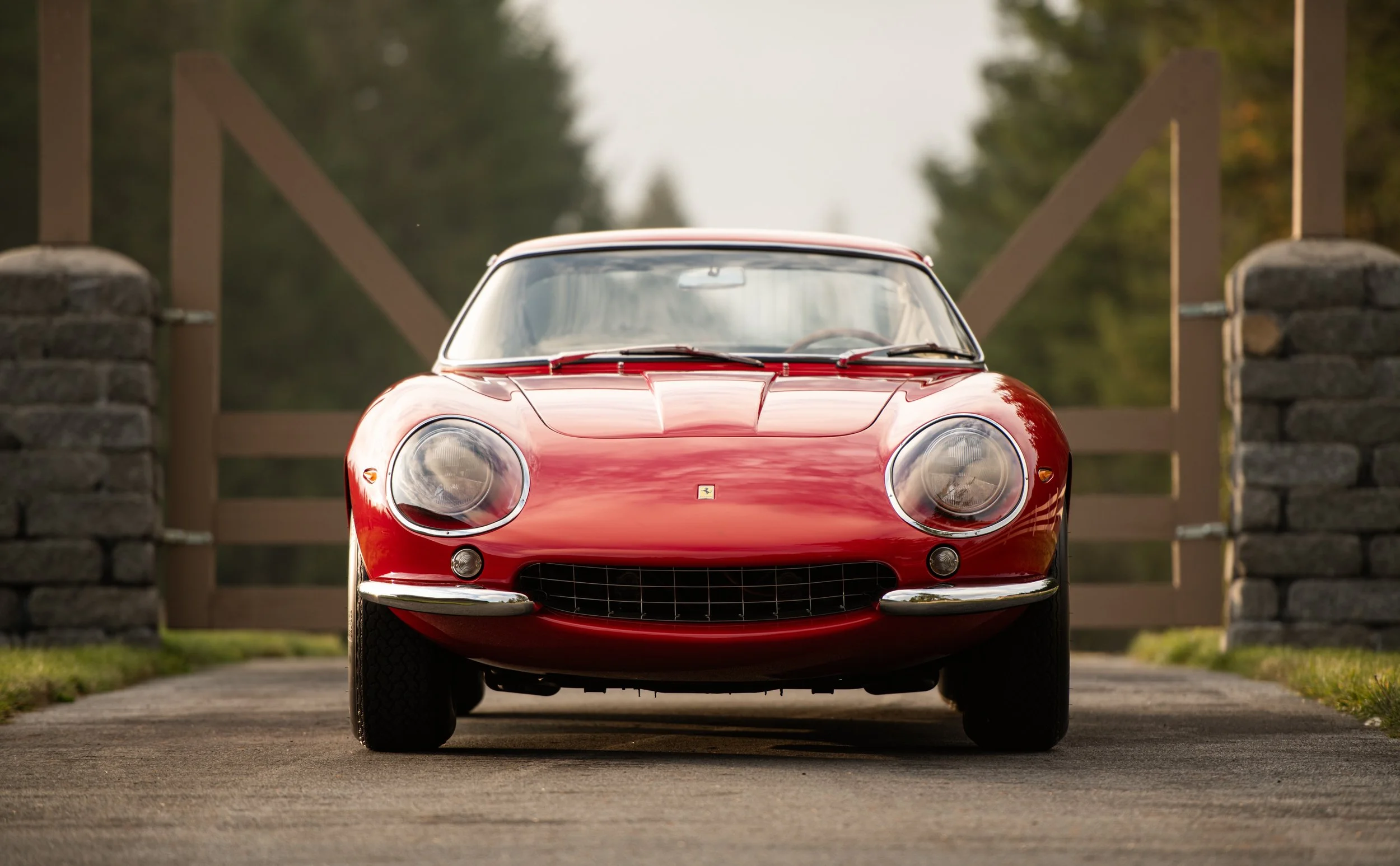
At the same time, Ferrari’s racing department had been running four-cam V12 engines in its sports prototypes, including the 275 P2. The GTB/4 brought that engineering approach to a production road car, using a substantially revised version of the familiar Colombo V12. It replaced the two-cam 275 GTB in late 1966. Visually, it was nearly identical to the late long-nose GTB, but its engine gave it a clear performance advantage and placed it in a new category among Ferrari road cars.
Design and Engineering
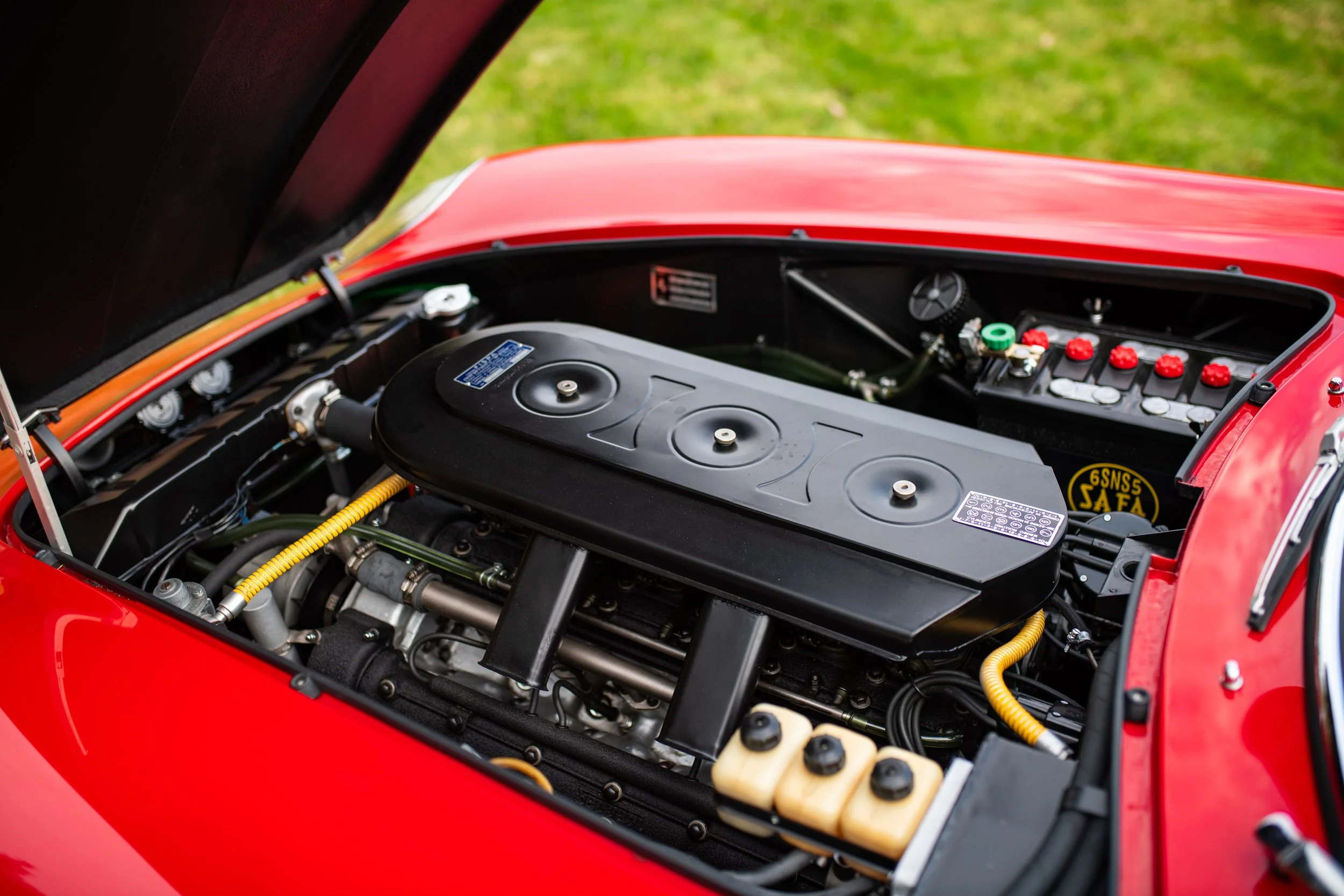
The heart of the GTB/4 was the Tipo 226 V12, a development of the Colombo-designed engine used in the earlier 275 GTB. It displaced 3,286cc, with a 77 x 58.8 mm bore and stroke, and kept the 60-degree layout and light-alloy block and heads. The new heads had two overhead camshafts per bank acting directly on the valves, with two valves per cylinder. Compression was 9.2:1, six Weber 40 DCN twin-choke carburetors were standard, and dry-sump lubrication with an oil cooler mounted ahead of the radiator kept the engine fed during hard cornering. Ferrari rated it at 300 CV (about 296 hp) at 8,000 rpm.
Power went through a five-speed manual transaxle at the rear. Mounting the gearbox there improved weight distribution, while the torque tube enclosing the driveshaft kept the engine and transaxle aligned and reduced vibration. The tubular steel chassis carried independent double wishbone suspension with coil springs at all four corners, and there were disc brakes on all four wheels. The GTB/4 could reach 60 mph in about 6.7 seconds and had a claimed top speed of around 166 mph. Period testers praised its balance, steering and smooth power delivery, and many considered it one of the best-driving road cars of its time.
Styling
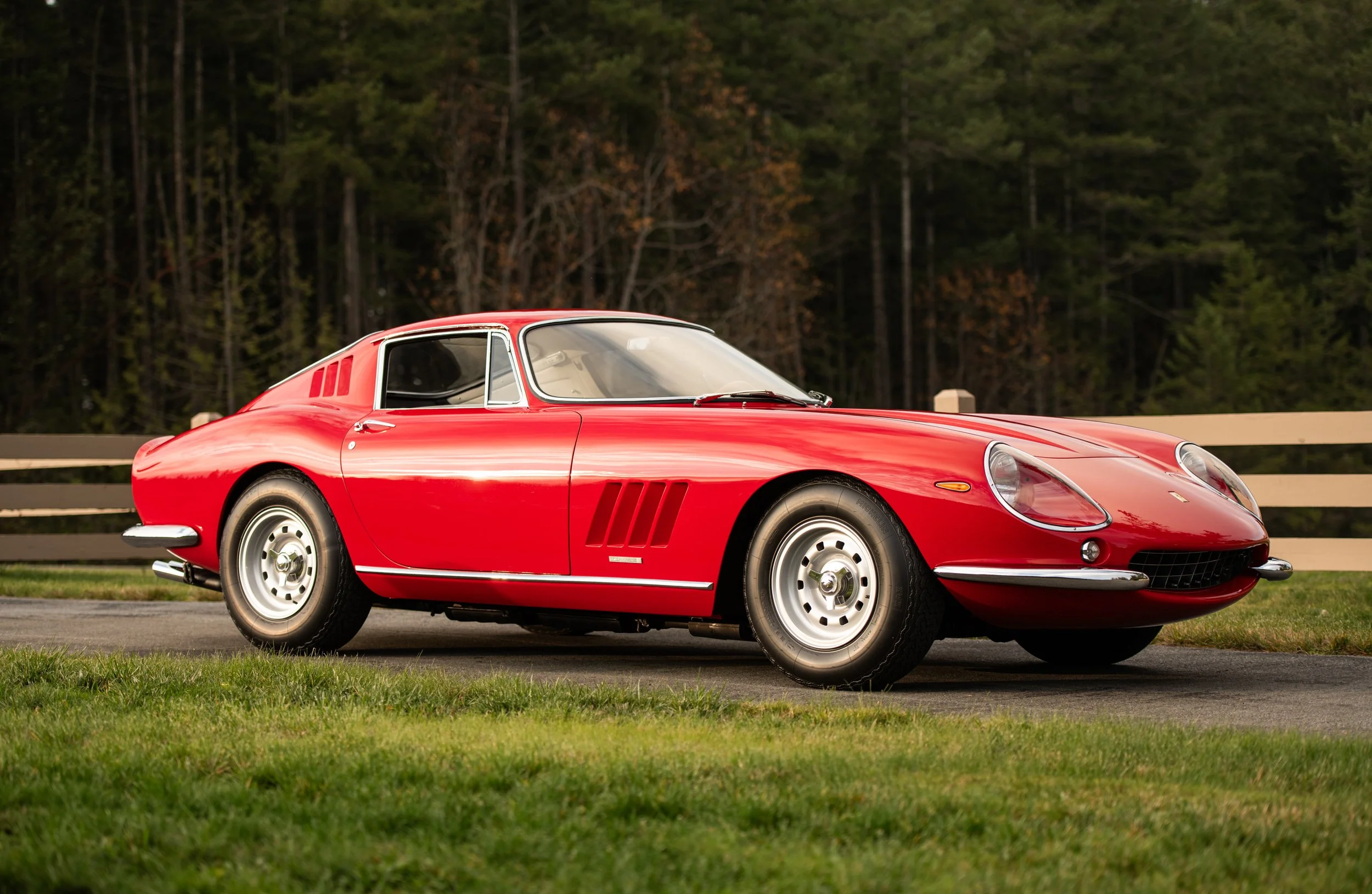
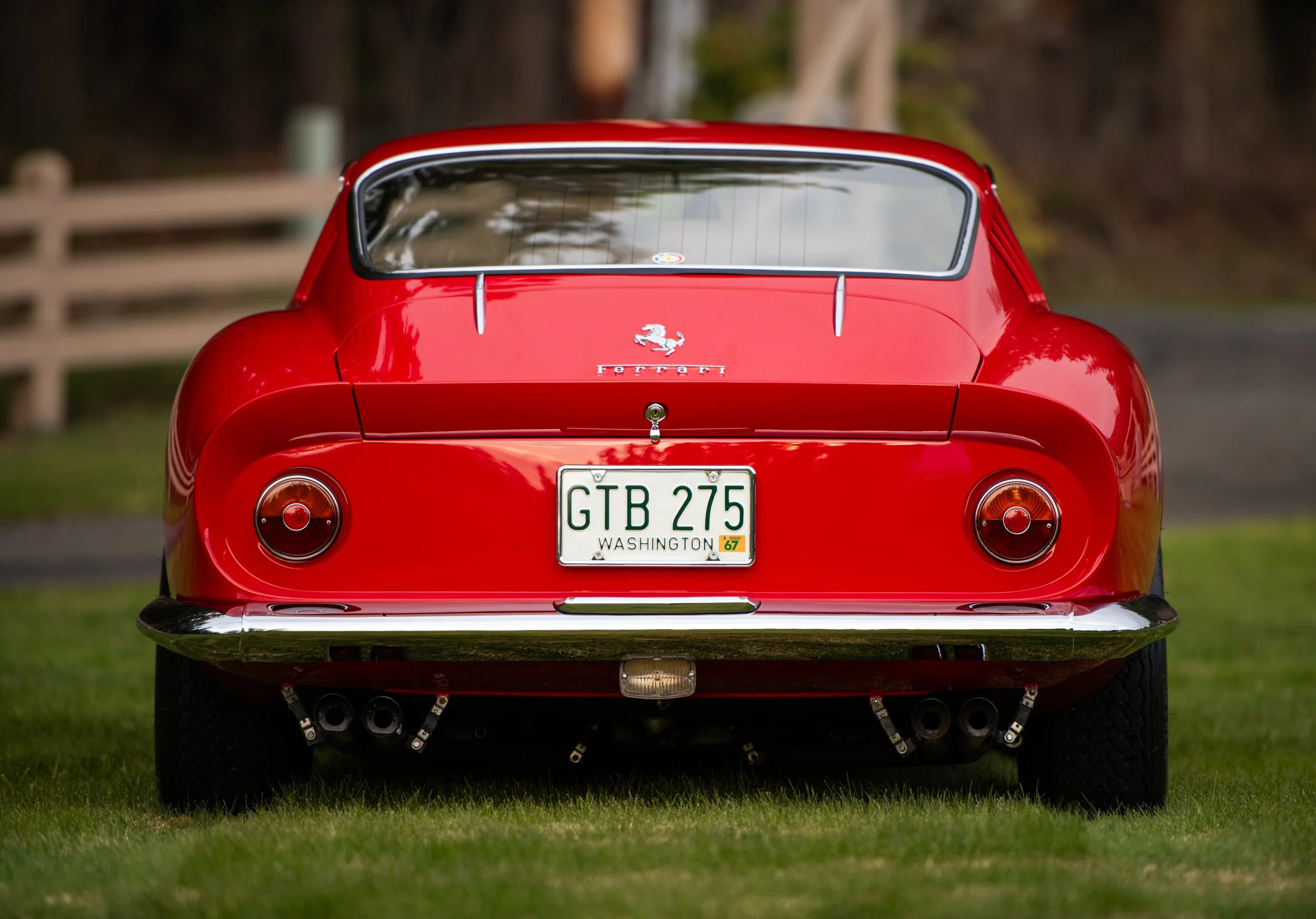
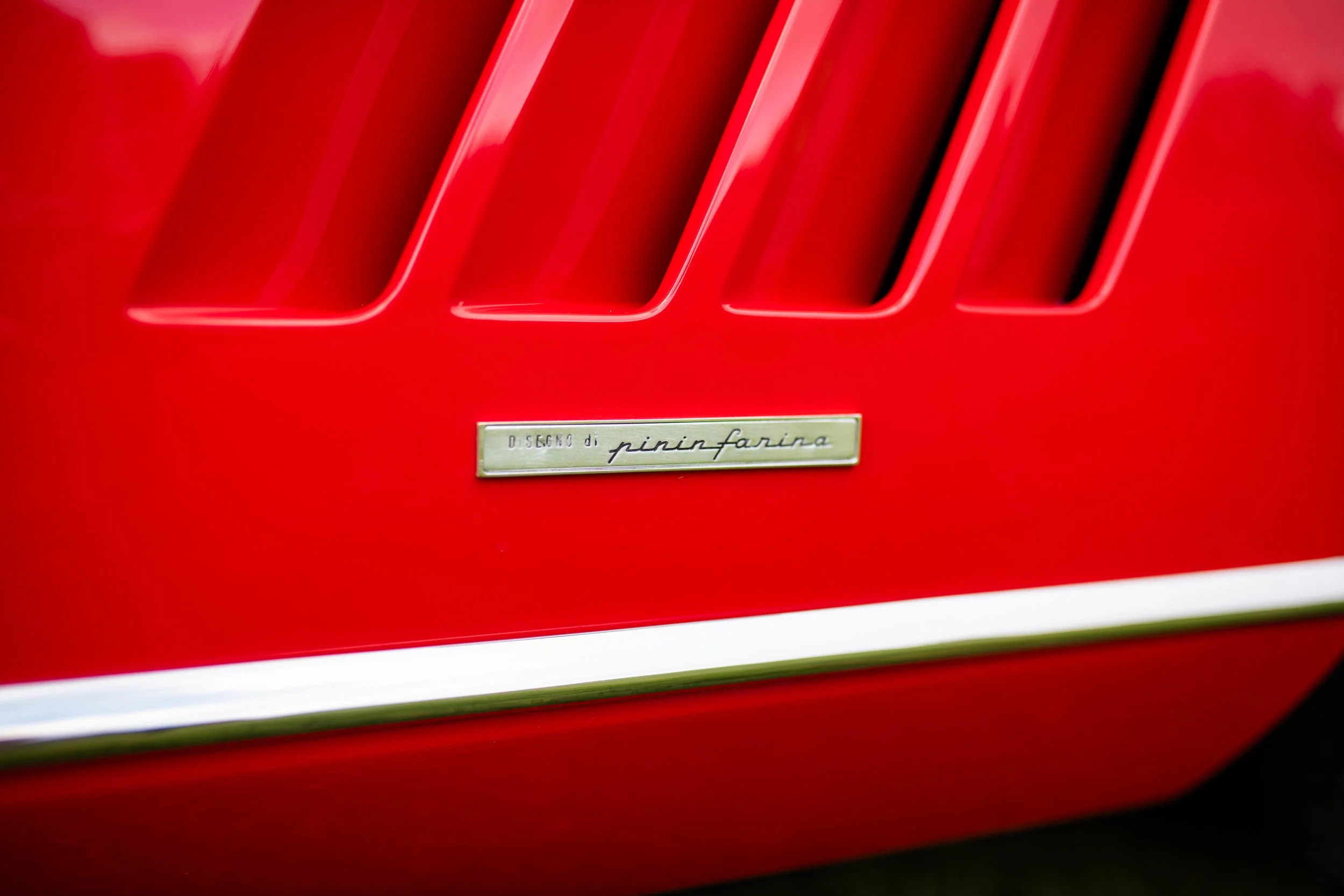
Pininfarina designed the 275 GTB/4’s body, and Scaglietti built it in Modena. It followed the classic front-engined berlinetta formula, with a long hood, a cabin set well back, a fastback roofline and a short, cut-off Kamm tail. The long nose, introduced on the later 275 GTB, gave the car a more aggressive look and reduced front-end lift. The easiest way to identify a GTB/4 was the raised bulge running down the center of the hood, which made room for the four-cam engine’s air cleaner. The bodies were steel, with aluminum doors, hood and trunk lid, and a few cars were built with all-aluminum bodies to special order. The GTB/4 also wore a distinctive chrome Prancing Horse badge on the tail, a detail that became closely associated with the model and was later added to some earlier 275s by their owners.
Interior
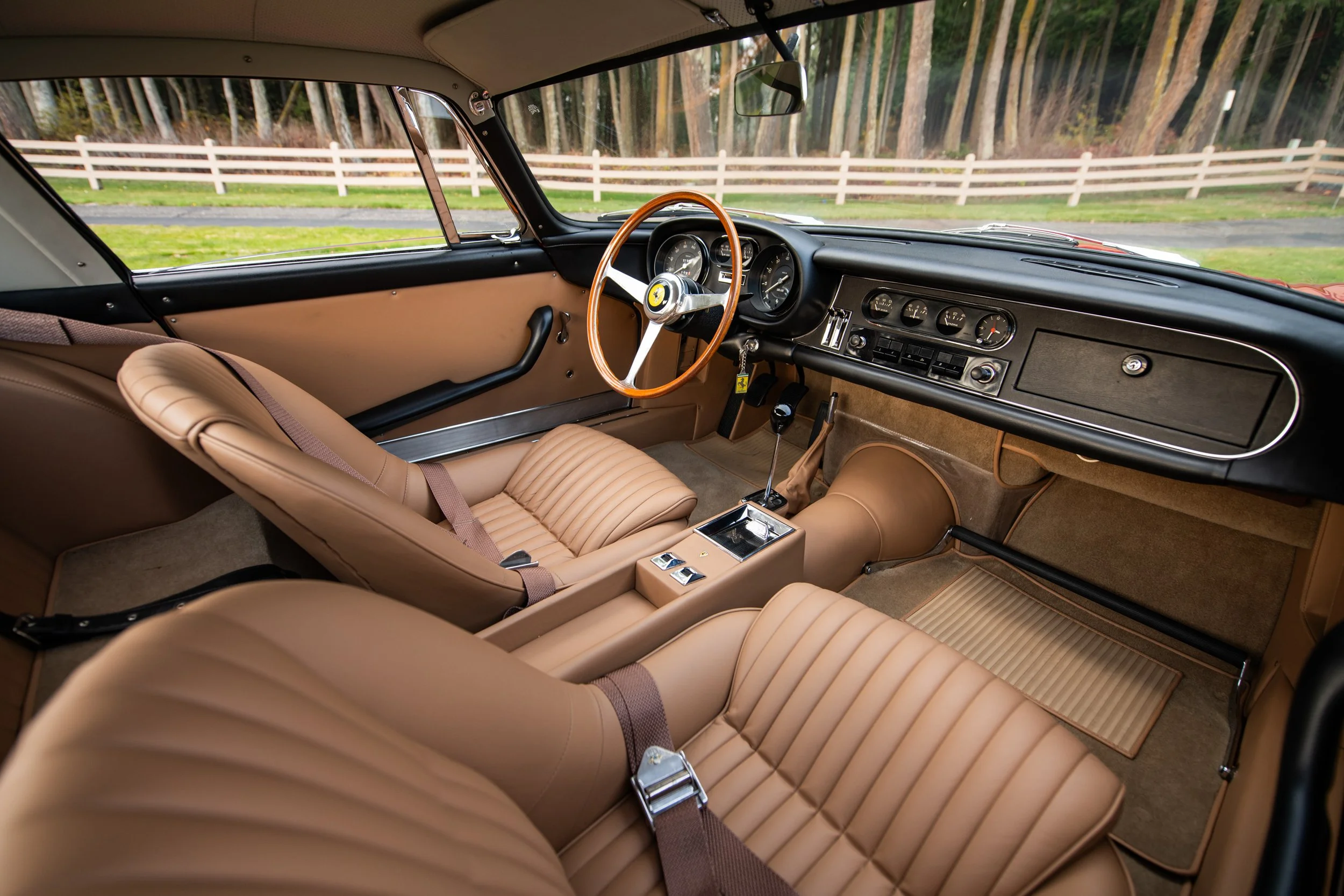
The 275 GTB/4’s cabin was carried over with little change from the two-cam GTB. It was functional and driver-focused, with two seats, a wood-rimmed steering wheel, a gated shifter for the five-speed gearbox and a full set of Veglia instruments across the dashboard. Leather upholstery was common, and the car was well finished by the standards of the time, though it was less luxurious than Ferrari’s more comfort-oriented grand tourers such as the 330 GTC. The cabin was compact, and the focus was clearly on driving rather than comfort, which suited the car’s racing-derived engine and chassis.
Racing History
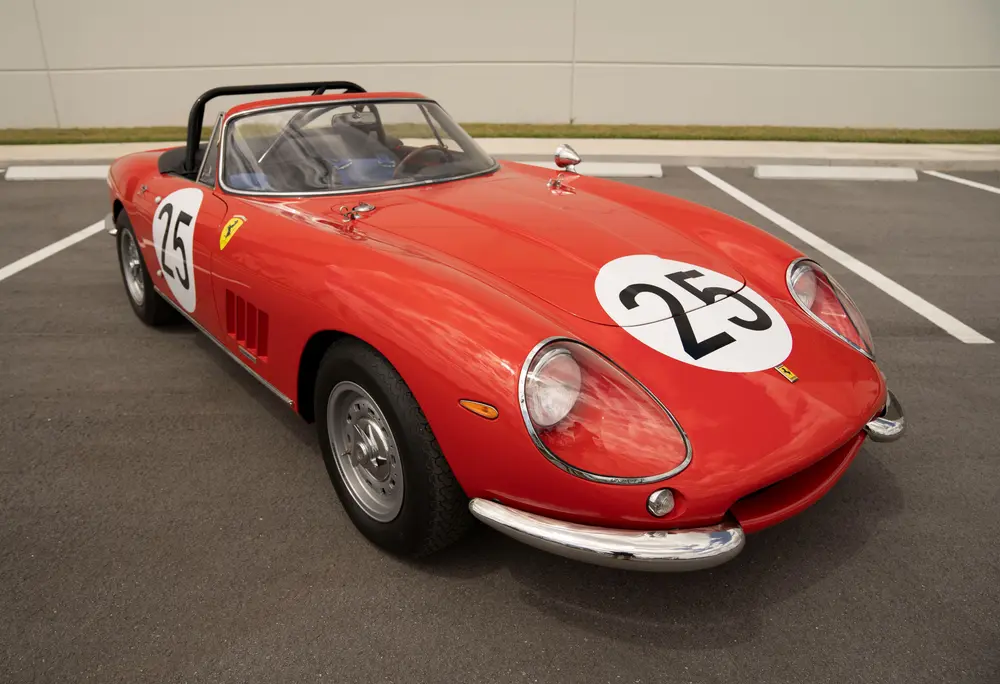
The 275 GTB/4 wasn’t developed as a racing car, and unlike the two-cam 275 GTB and its competition versions, it saw little factory-backed competition. Its best-known racing moment came from a derivative. Luigi Chinetti, Ferrari’s US importer and founder of the North American Racing Team (NART), persuaded Enzo Ferrari to approve an open version of the four-cam 275 for the American market. Scaglietti built just 10, officially designated 275 GTB/4*S and widely known as the 275 GTS/4 NART Spider.
The first car completed, chassis 09437, was finished in January 1967 and quickly prepared for the Sebring 12 Hours that April. Journalist and racing driver Denise McCluggage shared it with Marianne “Pinkie” Rollo (née Windridge). Seven Ferraris started the race, but the NART Spider was the only one to finish, placing 17th overall and second in its GT class. The same car later appeared alongside Steve McQueen in the 1968 film “The Thomas Crown Affair.” Another NART Spider, chassis 10709, sold for $27.5 million in 2013, an auction record at the time.
Specifications
- Engine: Tipo 226 60-degree V12, 3,286cc, 77 x 58.8 mm bore and stroke, DOHC per bank, 24 valves, 9.2:1 compression, six Weber 40 DCN carburetors, dry-sump lubrication
- Power: 296 hp (300 CV) at 8,000 rpm
- Transmission: Five-speed manual transaxle, torque tube driveline, rear-wheel drive
- Chassis: Tubular steel
- Body: Pininfarina design, built by Scaglietti; steel with aluminum doors, hood and trunk lid (all-aluminum to special order)
- Suspension: Independent double wishbones, coil springs front and rear
- Brakes: Discs front and rear
- Performance: 0-60 mph in about 6.7 seconds, top speed of about 166 mph (claimed)
Production and Legacy
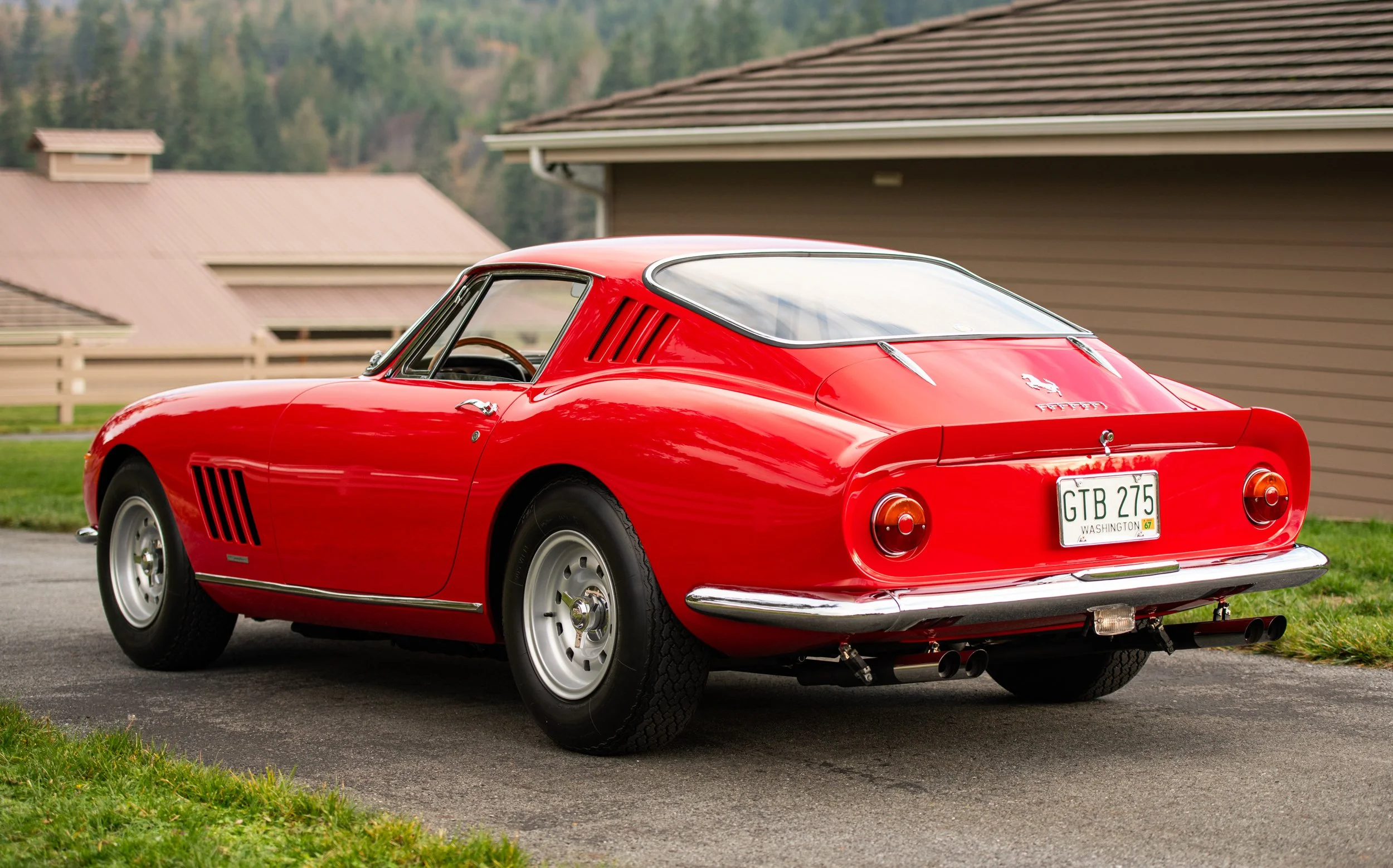
Production of the 275 GTB/4 ran from late 1966 to early 1968. Ferrari built about 330, although some sources give 331. Its replacement, the 365 GTB/4 Daytona, debuted at the 1968 Paris Motor Show and kept the front-engined, rear-transaxle, four-cam V12 formula with a larger 4,390cc engine.
The 275 GTB/4 represented the peak of Ferrari’s small-displacement front-engined V12 berlinettas. It brought quad-cam technology from the racetrack to the road and established the formula the Daytona would build on. Its combination of racing-derived engineering, balanced handling and timeless styling has made it one of the most desirable Ferraris ever built, with top examples now selling for well into the millions.