


Talk to any sports car owner and you’ll often hear the same thing: they want to make their car unique without killing resale value. Some keep things bone stock, but most just can’t resist swapping parts. And with the aftermarket industry booming in the past few years, finding upgrades has never been easier.
Sites like CARiD are a solid resource for quality parts that won’t trash your car’s value. But customization isn’t just about buying parts. Those mods need to be reversible. You need to pick the right brands and keep a record of everything that has been modified in your car. These details separate cars that hold value from money pits.
Reversible Modifications: The Golden Rule of Value Preservation
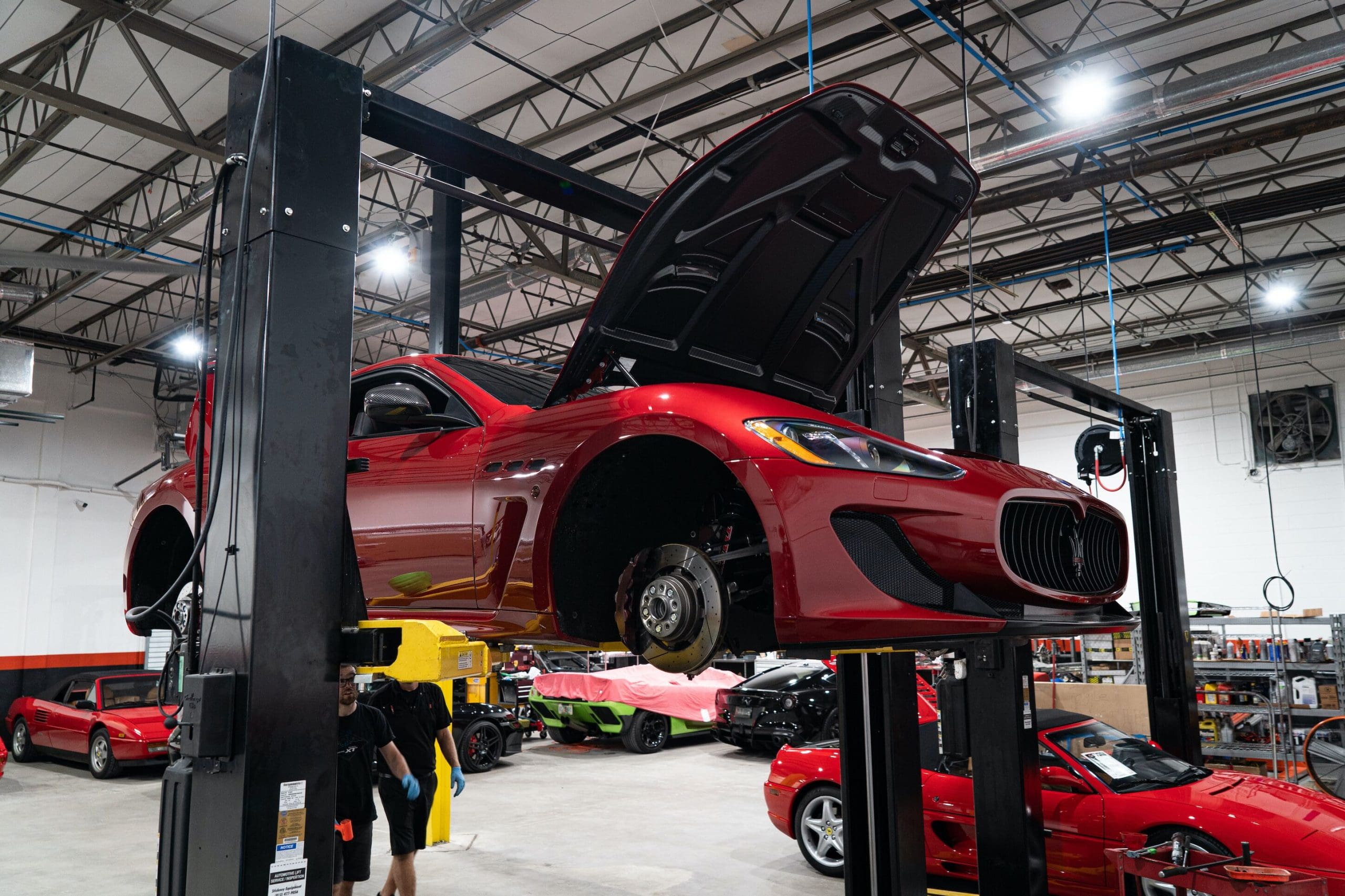
The aftermarket world is huge right now, and not every mod helps your resale value. Smart owners follow one rule: keep it reversible. Store every factory part you take off in your garage. Make sure you can bolt everything back to stock. Future buyers love flexibility, and cars with clean mod histories sell way faster.
Performance Upgrades That Don’t Void Warranties
There are several car mods you can do that won’t affect your car’s resale value or void its warranty. Bolt-on modifications are your safest bet. Cold air intakes, cat-back exhaust systems, and adjustable coilover suspension can completely transform your driving experience without permanently changing anything under the hood. As long as you can unbolt it and swap back to factory, you’re in good shape.
ECU tuning is where things get tricky. Yeah, a flash tune can add serious horsepower and sharpen throttle response, but it leaves a digital trail. Before you tune, ask your tuner about “stock file restore” options. Some manufacturers can still detect ECU mods even after you revert to stock, so if you’re under warranty, think twice.
Best Reversible Modifications:
- High-quality wheels and tires (store your OEM wheels somewhere dry)
- Aftermarket brake pads and rotors from brands like Brembo or StopTech
- Short-throw shifters that don’t require cutting the factory shifter
- Interior stuff like floor mats, carbon trim, or aftermarket steering wheels with quick-release hubs
Quality Over Flash: Choosing Brands That Buyers Trust
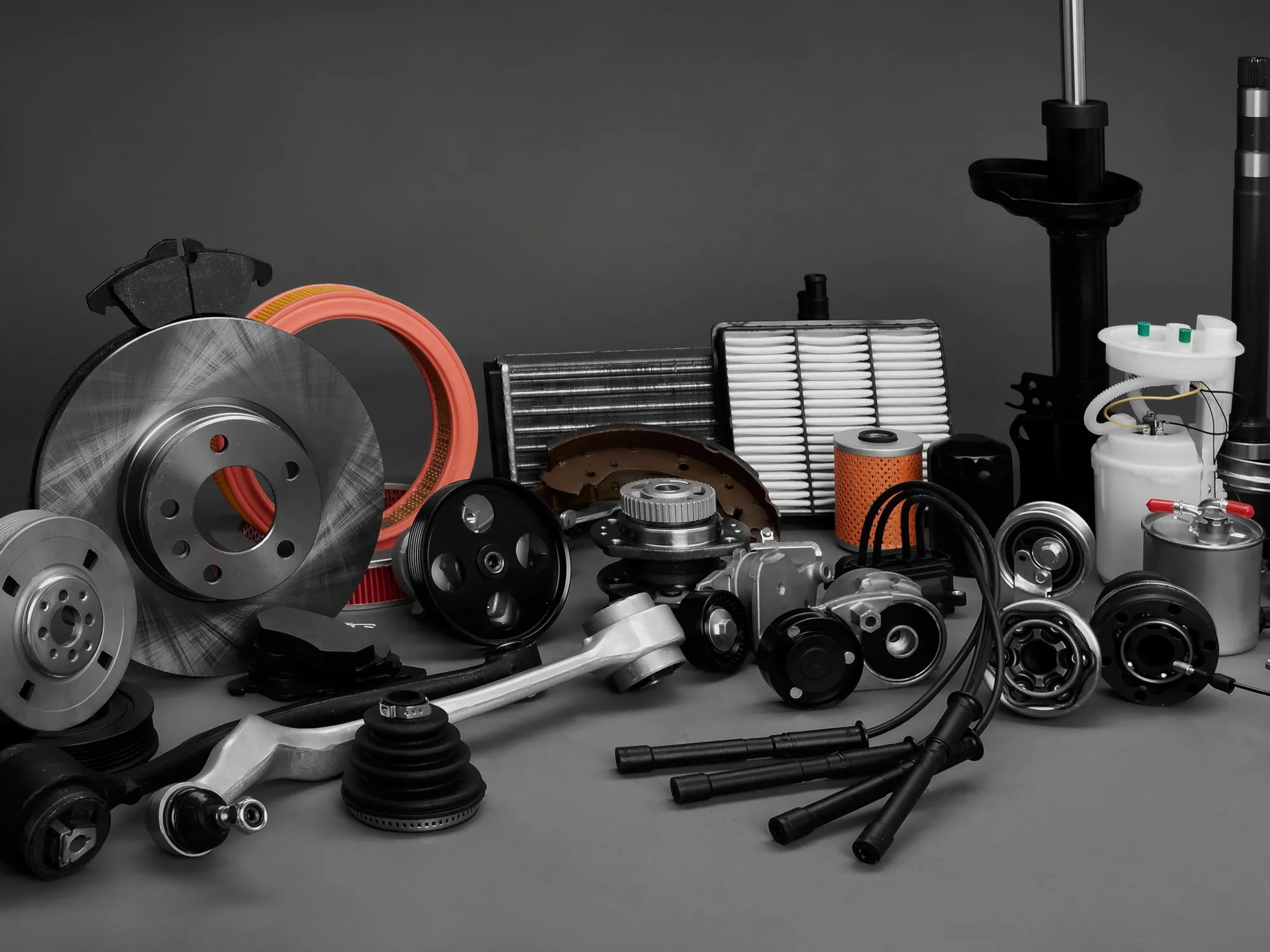
Not all aftermarket parts are created equal. That cheap eBay body kit might look okay in photos, but real enthusiasts spot hack jobs instantly. Stick with the OEM+ approach using parts that match or beat what came from the factory.
Brand names matter. Bilstein, KW, Öhlins, Akrapovič, Recaro. These aren’t just expensive labels. They’ve been proven in actual racing and come with real warranties. When buyers see these on your mod list, it’ll help them feel more confident about buying a car. In circles like Porsche or BMW M, quality mods can actually raise your car’s value.
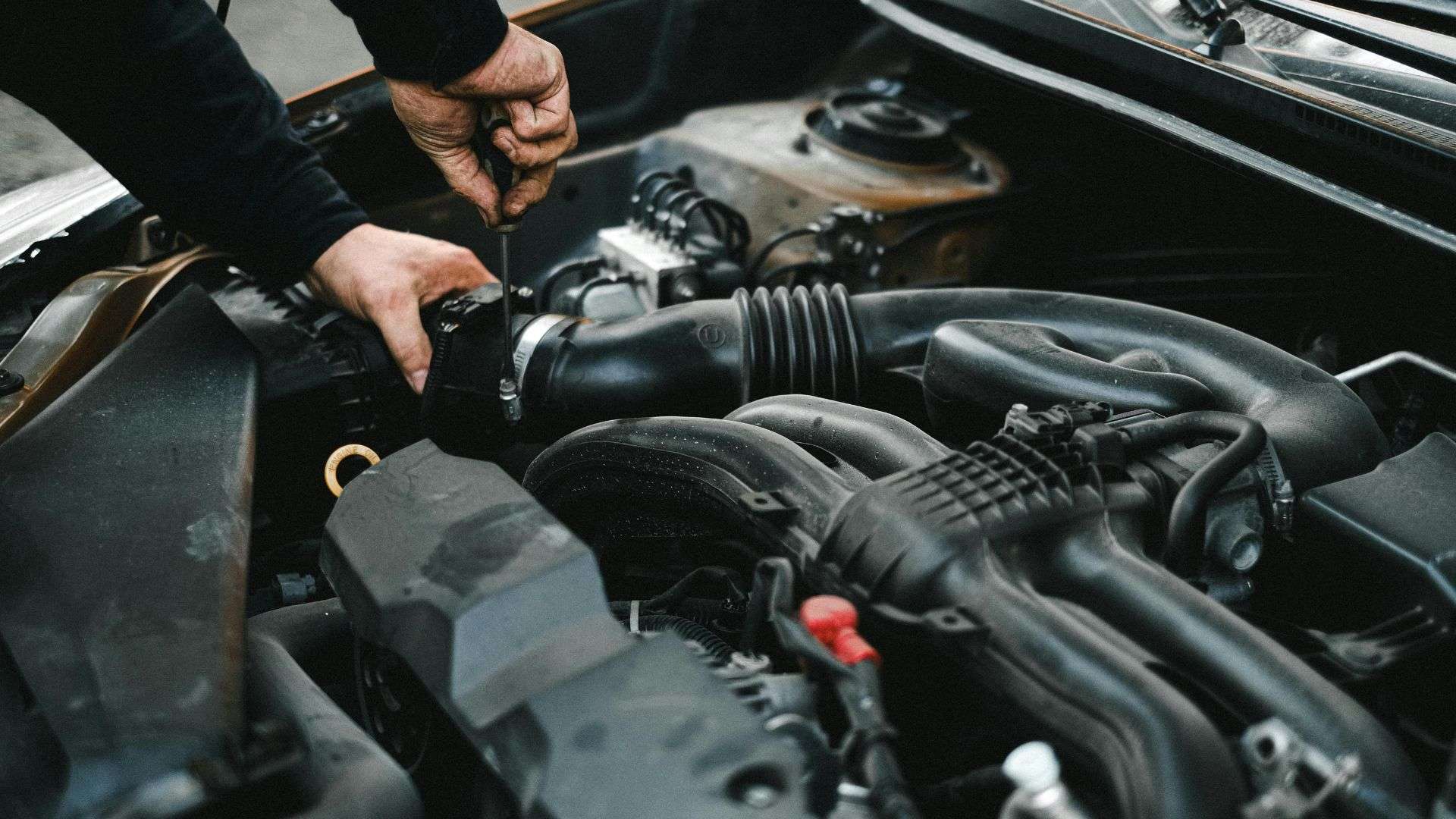
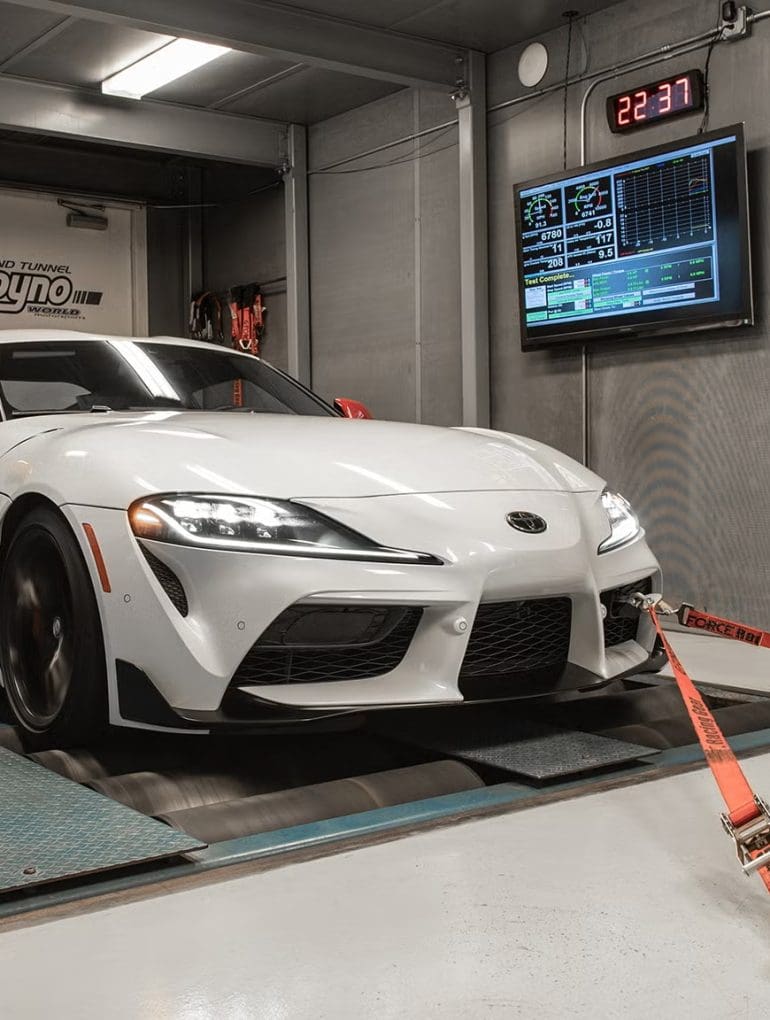
Professional installation matters for the big stuff. That receipt from a real shop proves someone knew what they were doing. DIY mods are fine if it’s just for basic bolt-ons. But suspension work and tuning? Leave it to pros who can hand you alignment specs and dyno sheets.
Red Flags That Decrease Value
Some mods are straight-up value killers. Stay away from these:
- Extreme body kits or non-OEM aero packages that need holes drilled in your panels
- Cheap no-name parts with zero warranty
- Permanent changes like welded roll cages or cut chassis
- Engine swaps or forced induction on naturally aspirated engines (unless you document everything obsessively)
- Overly aggressive tunes that trade reliability for dyno numbers
Documentation and Maintenance: The Secret to Modified Car Value
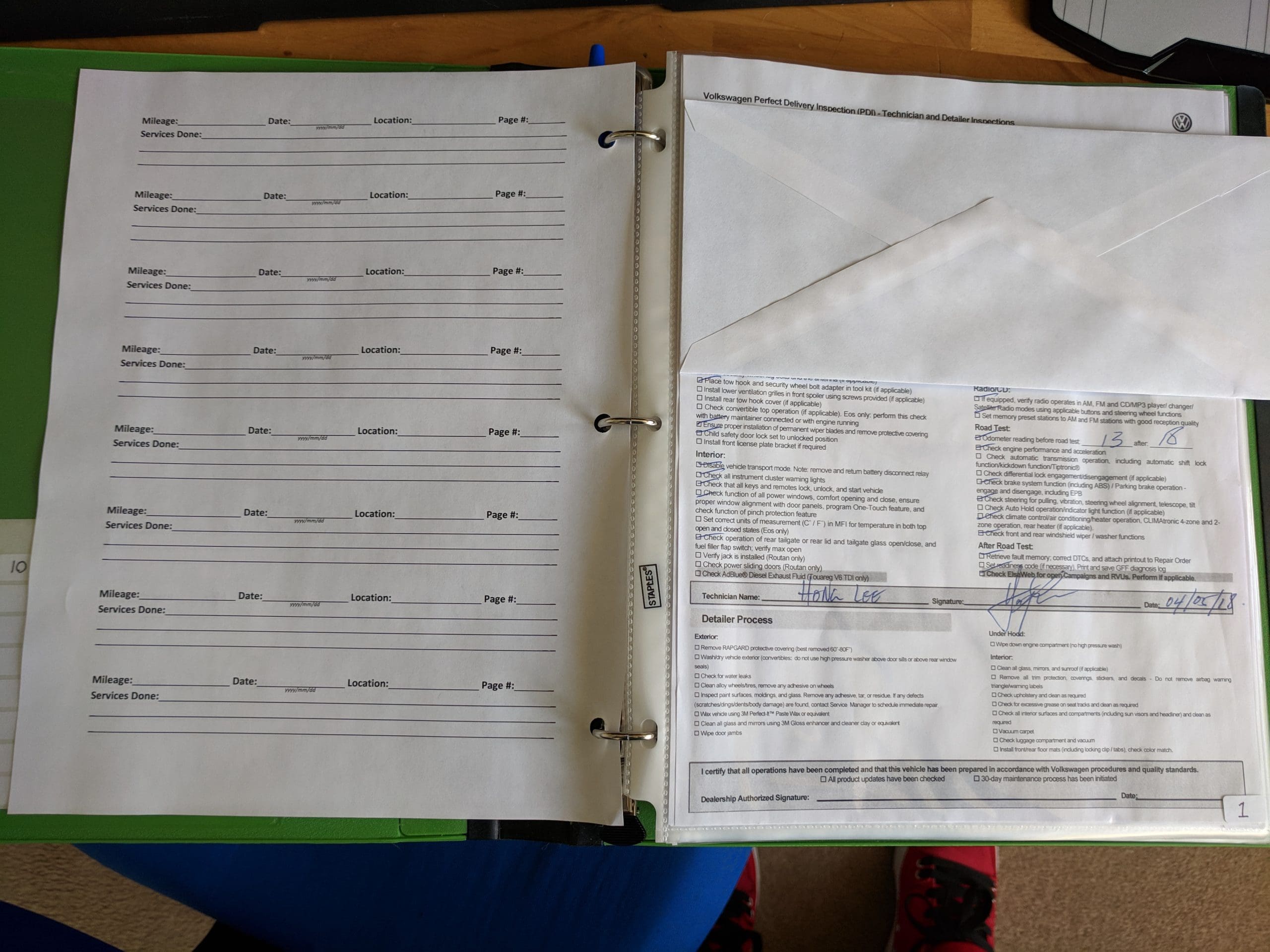
Want to know what separates a smart mod from a money pit? Paperwork. Build yourself a modification portfolio with receipts, installation photos, dyno sheets, alignment specs, all of it. Keep digital copies and a physical binder. When you’re ready to sell, that portfolio transforms your car from “some modified project” to “properly upgraded investment.”
Maintenance records matter just as much. Modified cars get way more scrutiny, so prove that oil changes happened on schedule and fluids got swapped when they should. Buyers want to see a well-kept machine, not your abandoned project.
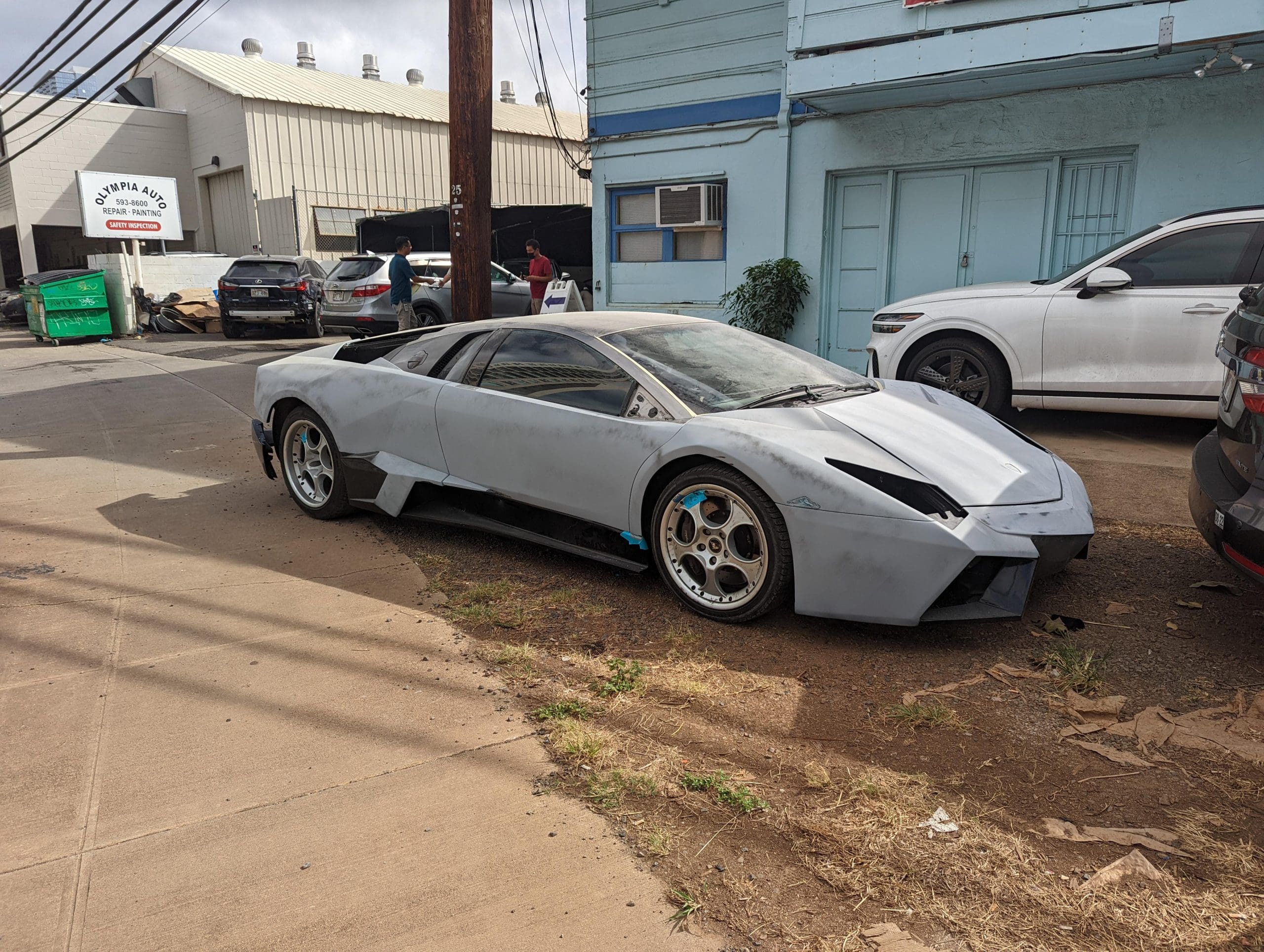
Know your audience. For instance, if you’re building a Porsche 911 GT3, track mods like lightweight wheels and race brakes make sense. Working with a regular sports car? Stay closer to stock, and you’ll have more buyers. Most people want something fun and reliable, not your half-done track build.
One thing that most people overlook: mechanical condition beats everything else. A modded car with worn bushings and leaking seals will always be worth less than a stock car in great shape. Buyers forgive mods. They don’t forgive neglect.
The Bottom Line
Personalization and value aren’t enemies. The owners who get it right do three things: they keep mods reversible, they buy quality brands, and they save every receipt. Your upgrades should make the car more enjoyable to drive, not worthless when you’re ready to sell. A little planning goes a long way toward building something that’s yours while keeping what you paid for it.