
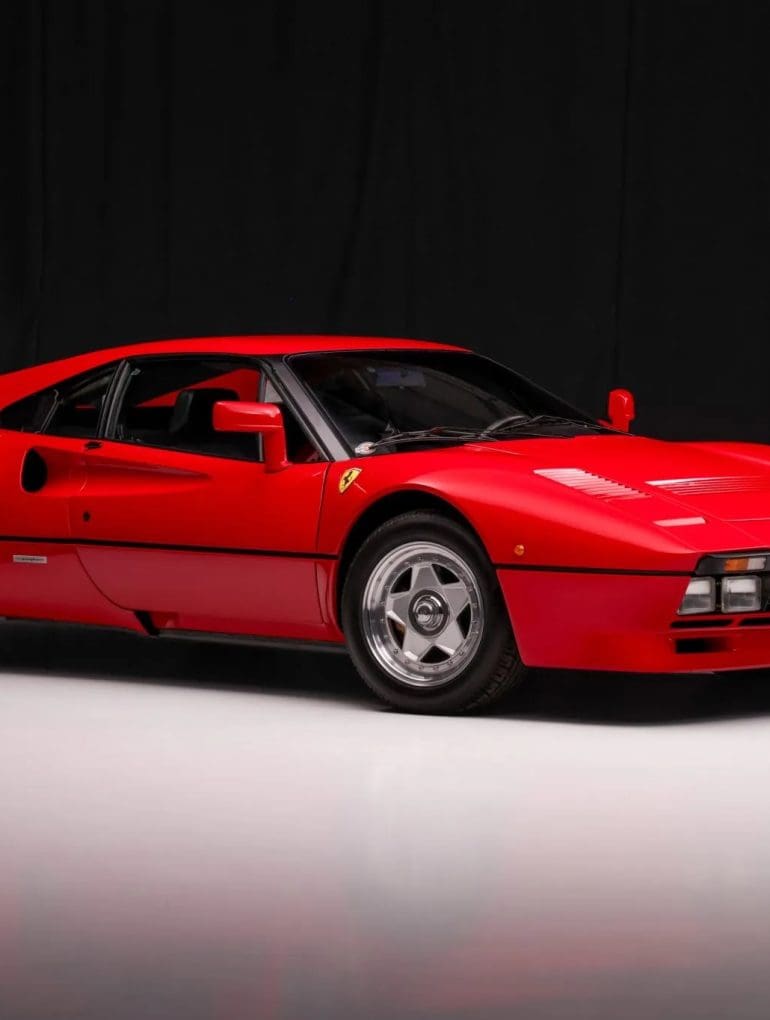
The Ferrari 288 GTO occupies a pivotal place in Maranello’s history, serving as the progenitor of the modern Ferrari hypercar lineage. Introduced in 1984 and carrying the legendary GTO designation—one of the most revered names in Ferrari’s road and racing heritage—the 288 GTO laid the foundation for an extraordinary succession of halo models that would later include the F40, F50, Enzo, LaFerrari, and today’s ultra-exclusive F80. Revered by collectors and repeatedly honored within Ferrari circles, the model remains one of the marque’s most significant creations.
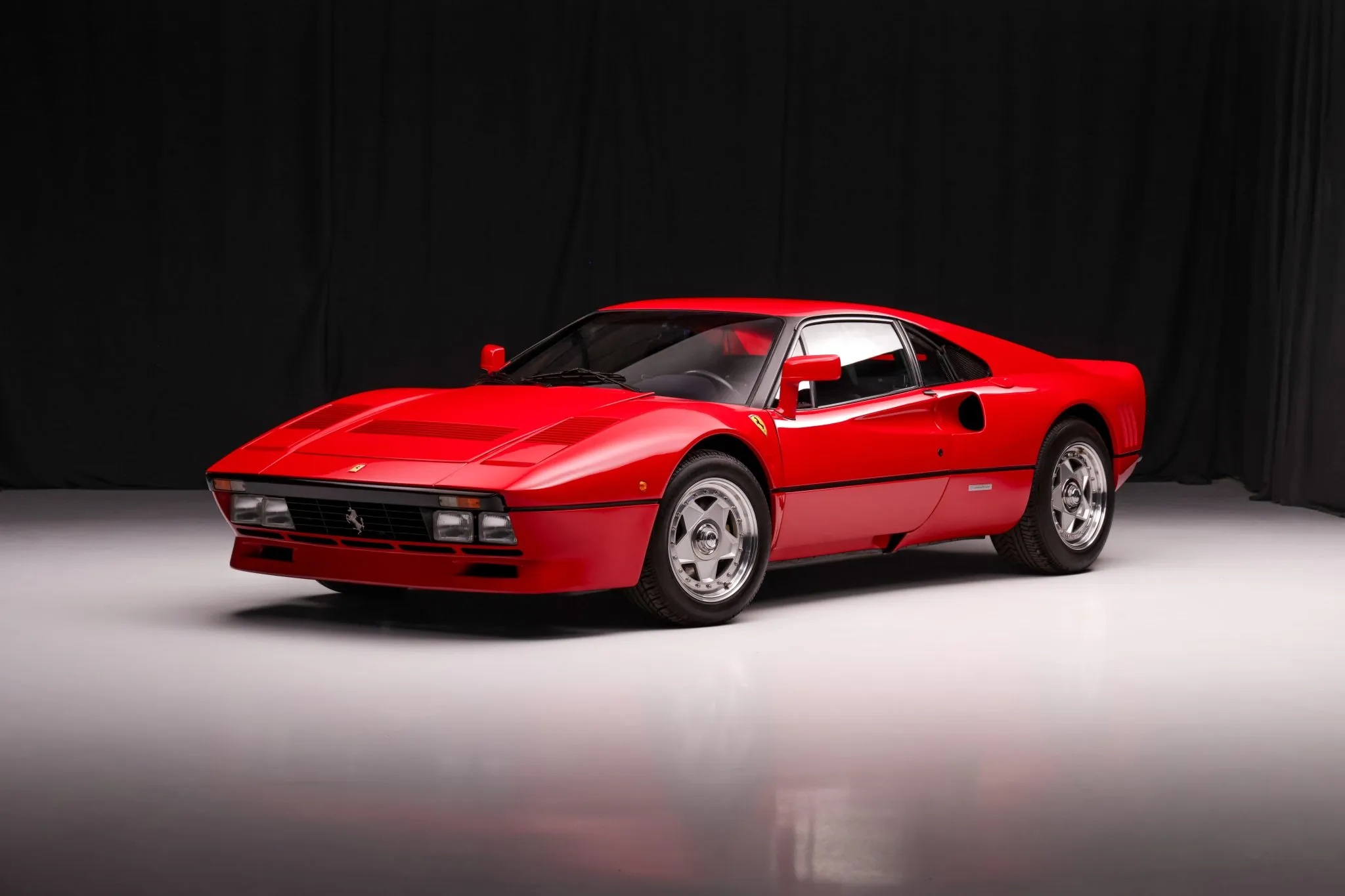
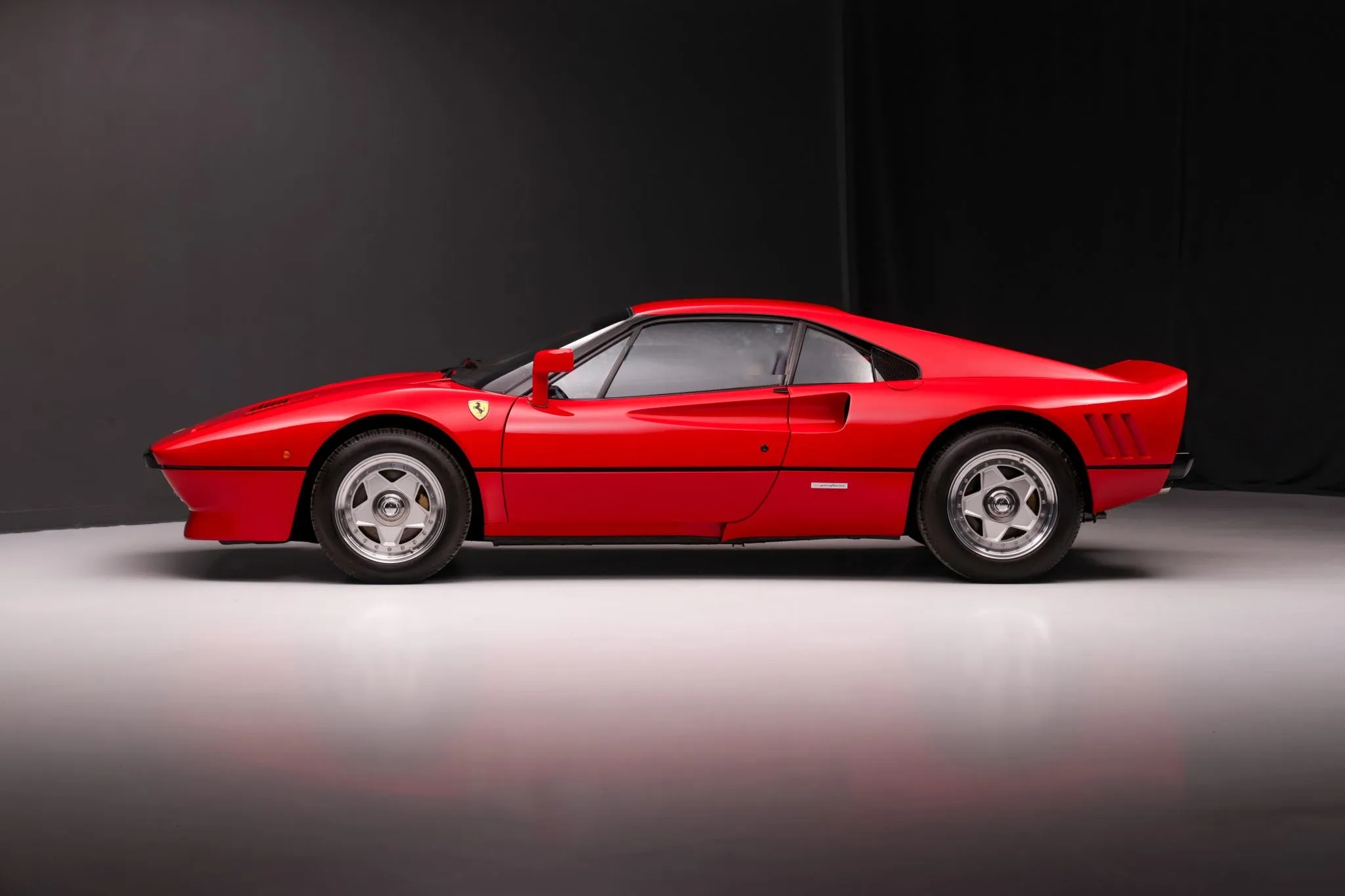
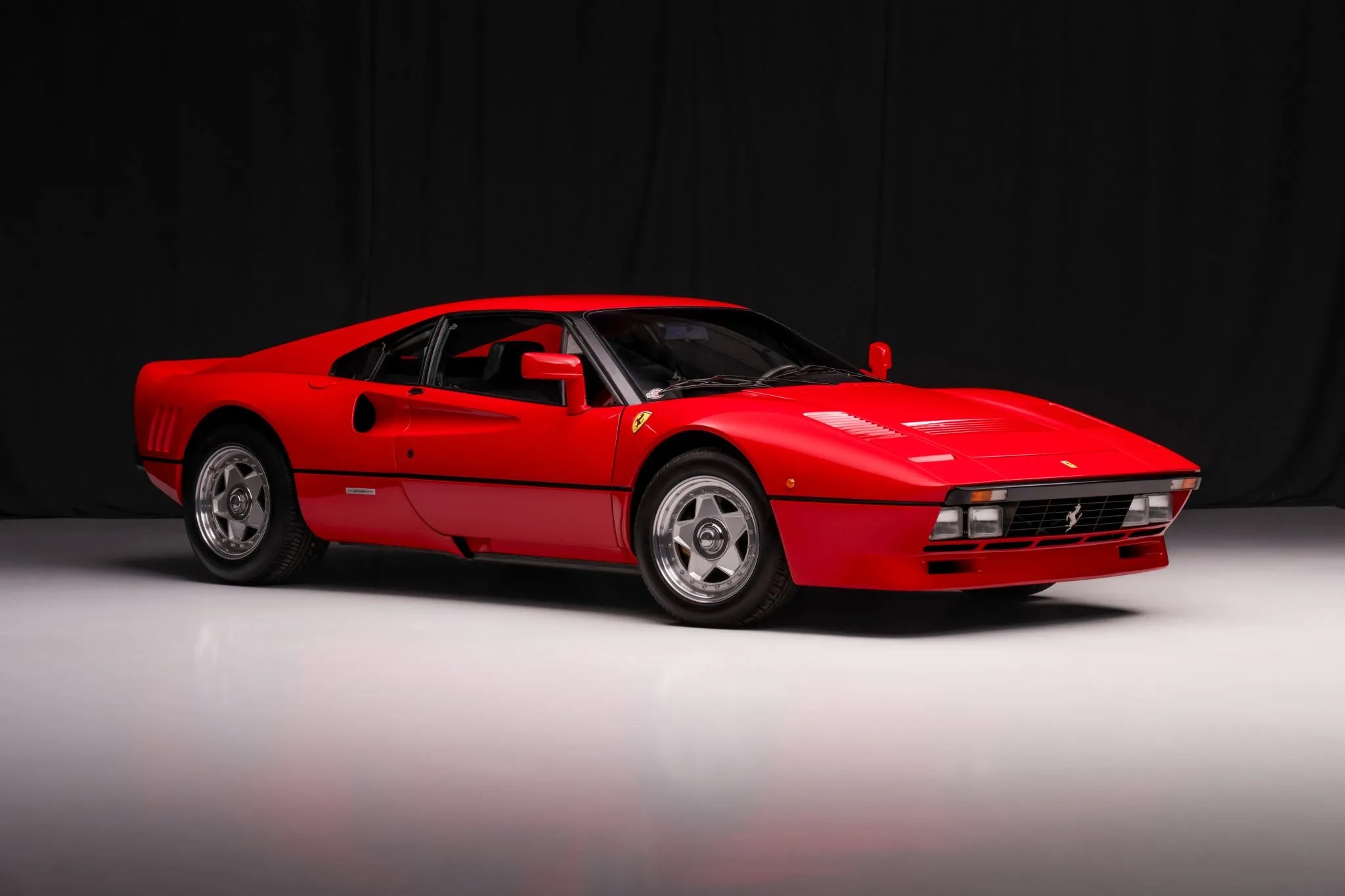
Although its silhouette drew inspiration from the contemporary 308 and 328 series, the 288 GTO was engineered to an entirely different standard. Extensive use of glass-reinforced plastic and advanced composite materials reduced weight, while lightweight aluminum was employed for the doors, bonnet, and rear deck lid. At its heart sat a race-derived 2.8-liter twin-turbocharged V8 producing 400 horsepower and 496 Nm of torque. The result was breathtaking performance for its era, with a 0–60 mph sprint in just 4.9 seconds and a top speed approaching 189 mph.
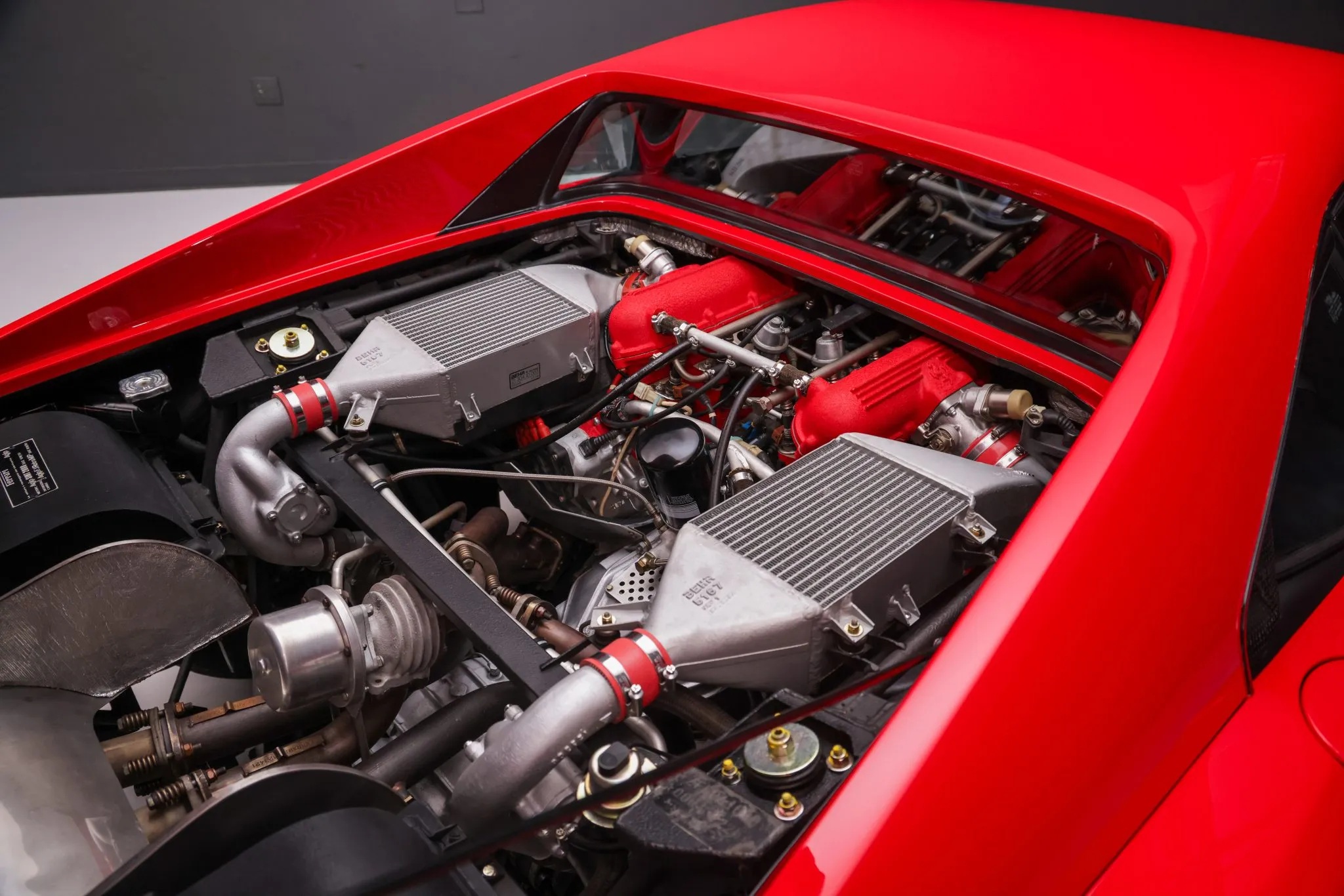
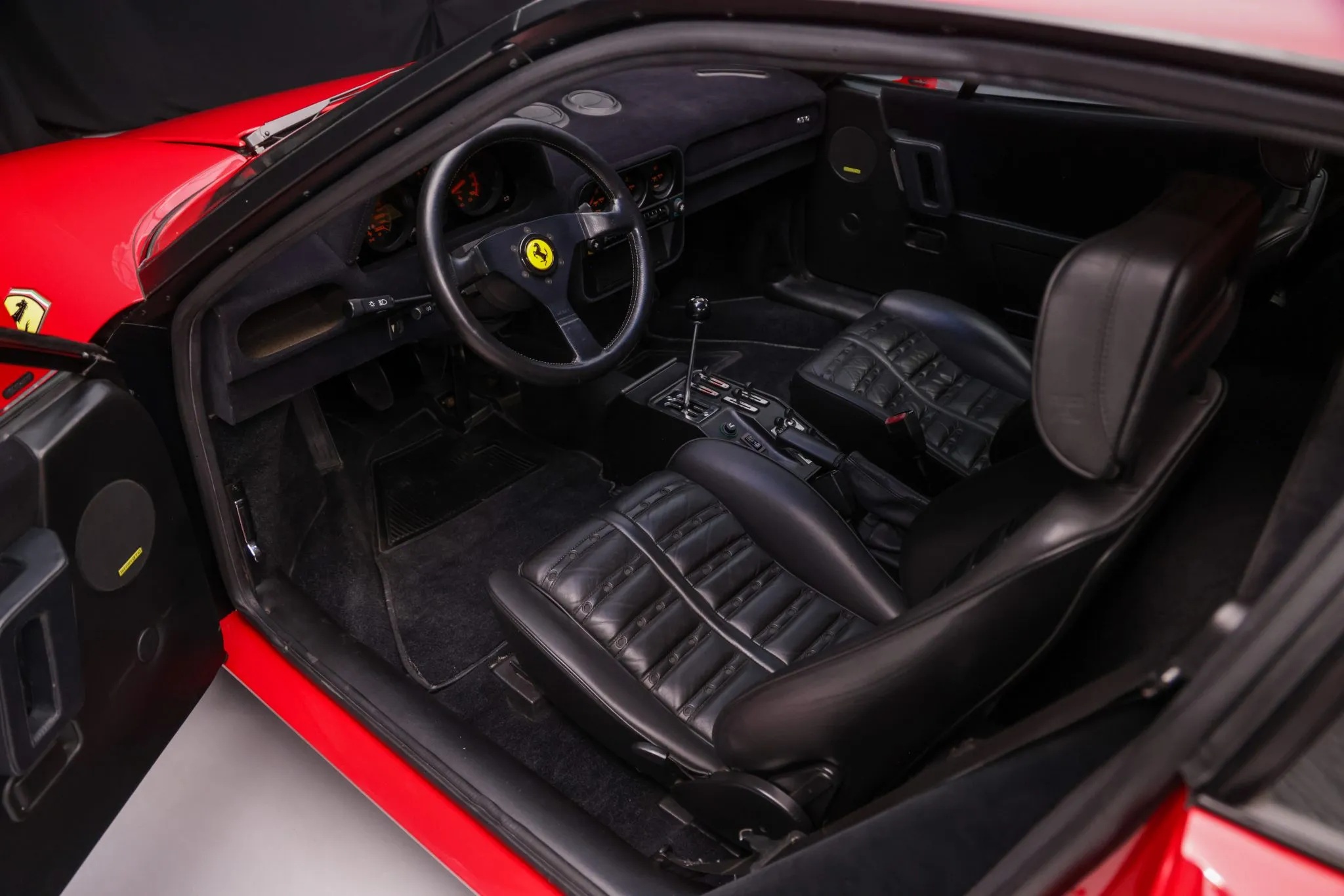
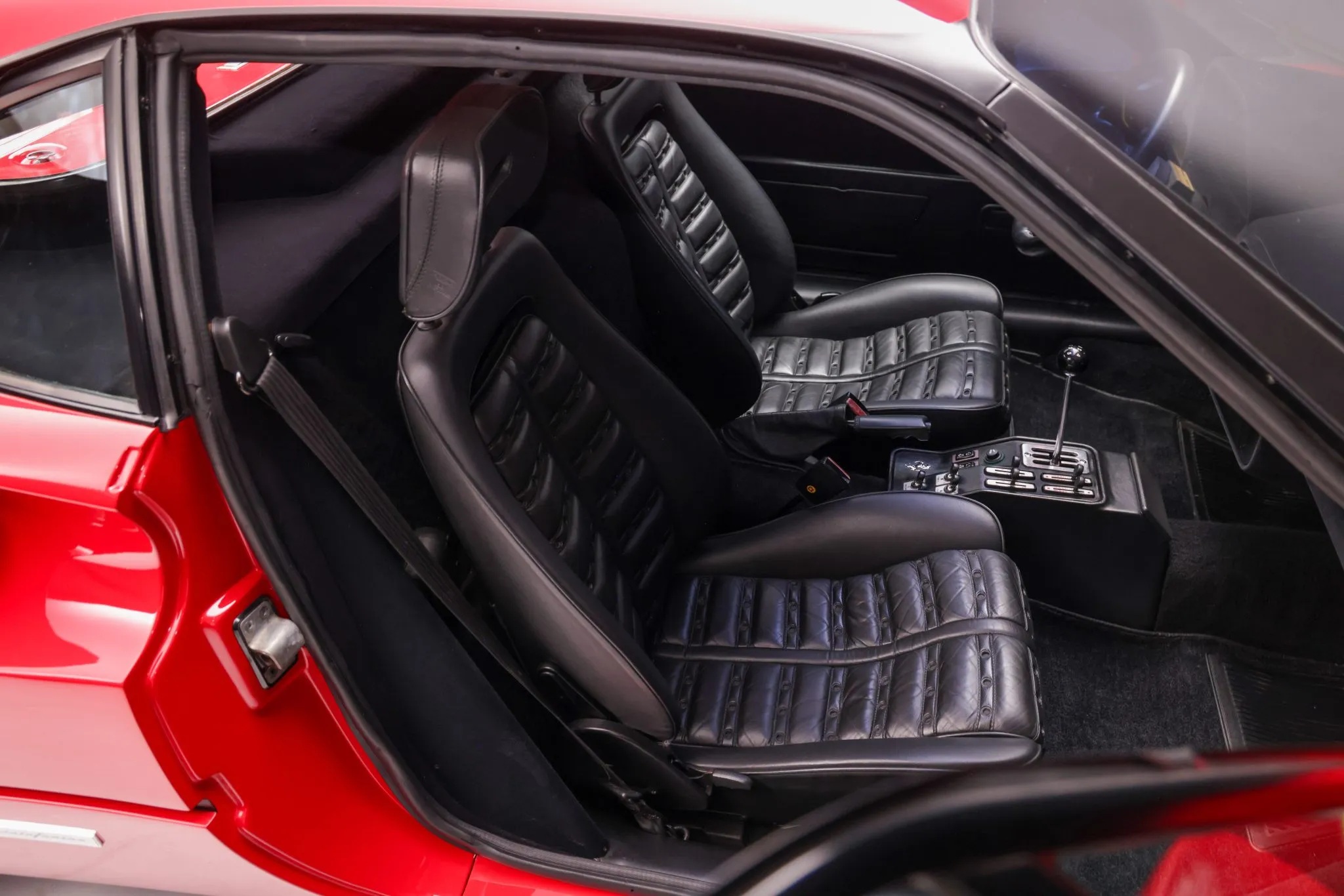
Inside, Ferrari balanced competition-focused engineering with a measure of grand touring comfort. Kevlar-framed leather bucket seats defined the cabin, while optional amenities such as air conditioning, power windows, and a stereo system provided limited concessions to everyday usability. Beyond these features, however, the GTO remained uncompromisingly focused on performance. Production ultimately concluded after only 272 examples, cementing the model’s status as the inaugural member of Ferrari’s celebrated “Big Six” hypercar dynasty.
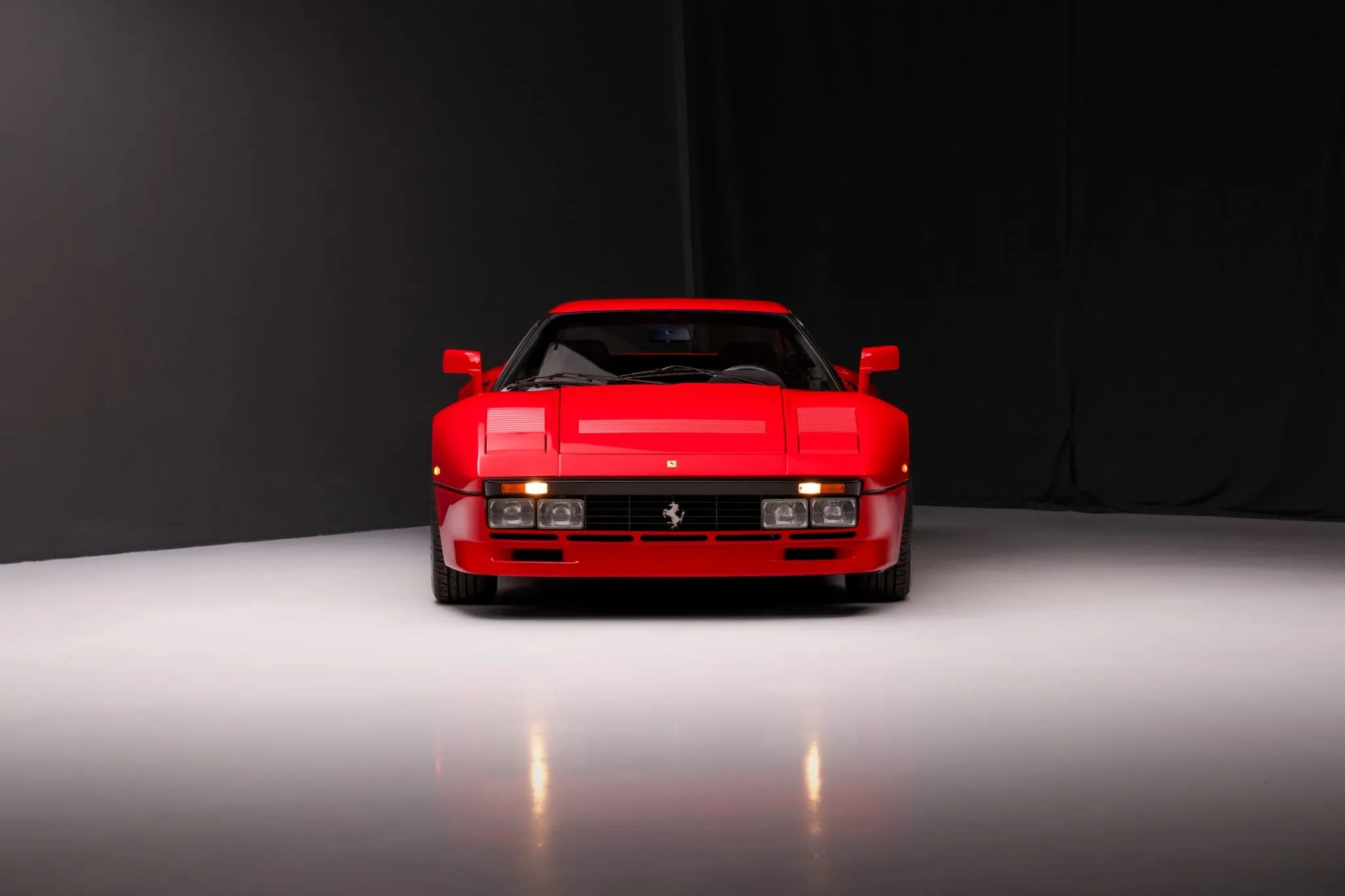
Now offered for sale on Bring a Trailer, this 1985 Ferrari 288 GTO represents one of the earliest examples produced during Ferrari’s effort to homologate the model for FIA Group B competition. Chassis 54225 was completed in December 1984 and initially invoiced through German dealer Autoexpo Filderstadt before being delivered to Ferrari of Houston, the Texas dealership owned by pioneering North American Ferrari racer Giuseppe Risi.
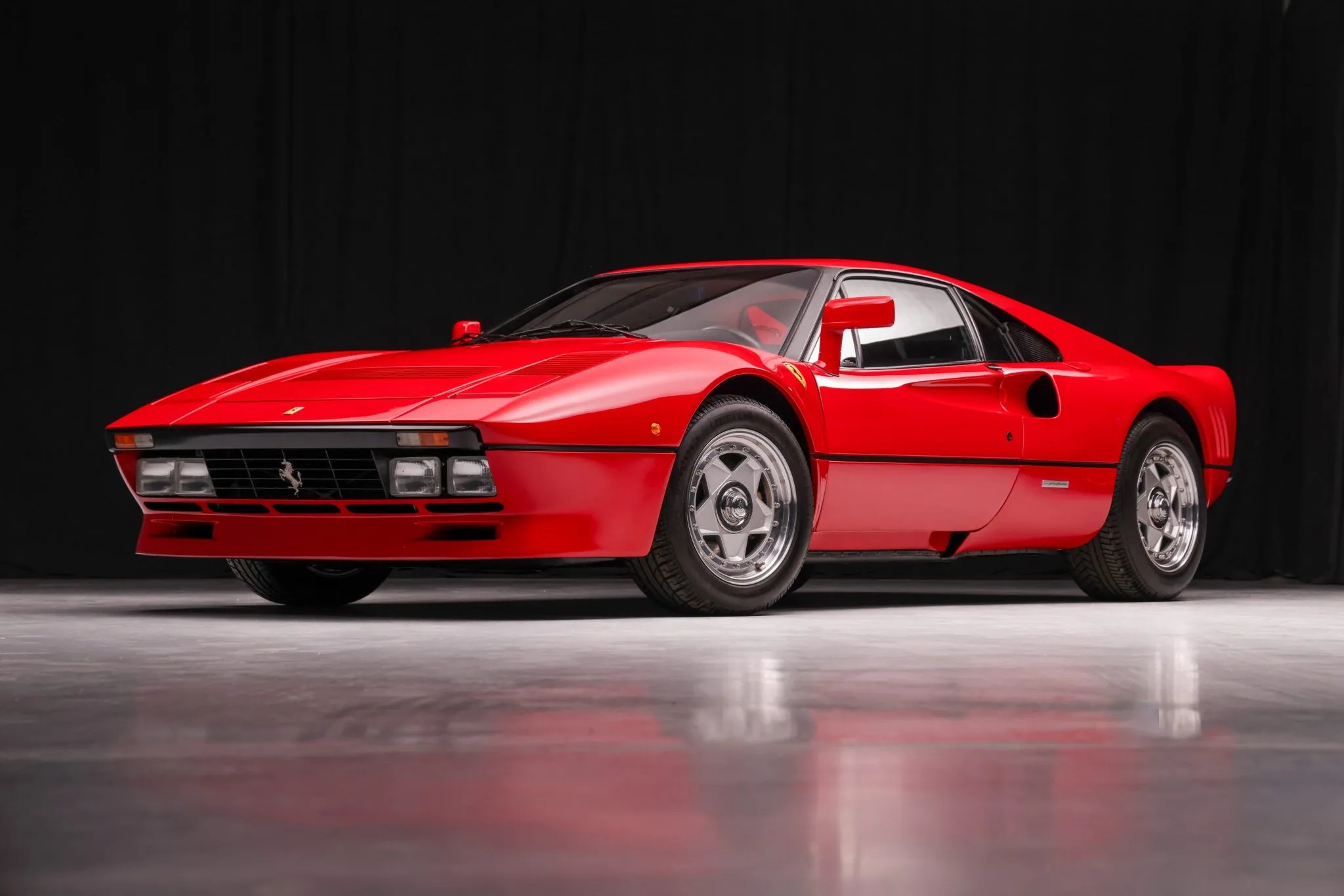
According to accompanying documentation from Ferrari historian Marcel Massini, the car was purchased in June 1985 by noted Mexican collector and privateer racer Sam Bardor. During his ownership, the GTO was refinished from its original Rosso Corsa to silver and appeared at Ferrari Club events throughout Mexico and Florida while wearing Mexican registration. Following its sale in 1988, the car was returned to its factory-correct red finish before passing through several subsequent owners.
The Ferrari later spent time in Washington State before relocating to the Netherlands and Germany during the early 1990s. Its history took an unusual turn in 1993 when Dutch authorities reportedly impounded the vehicle amid allegations involving a former owner. The car remained in custody for several years before returning to the United States, where it was acquired in 2001 by a Louisiana-based enthusiast who exhibited it at prestigious events including the Concorso Italiano and Cavallino Classic.
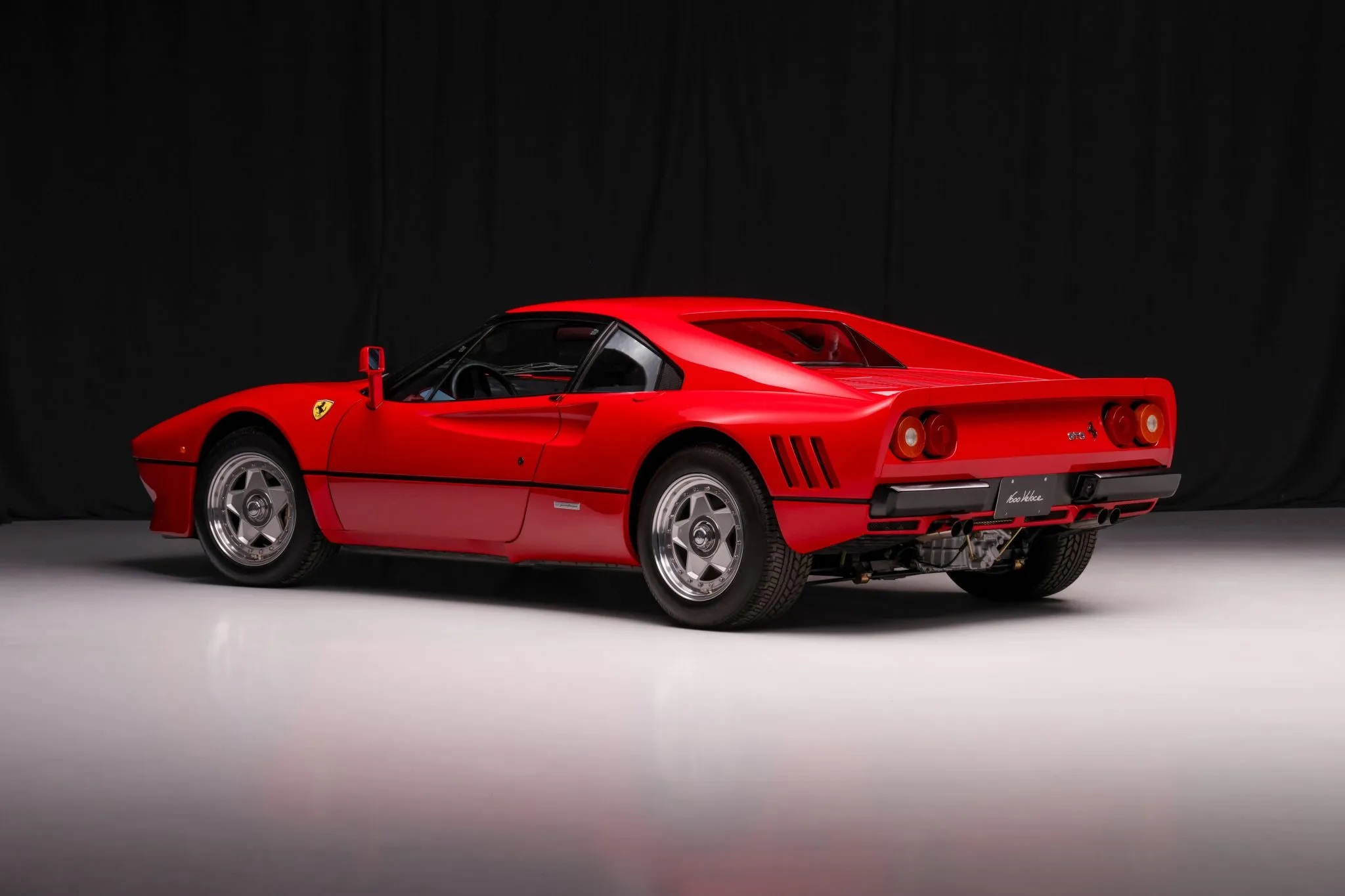
In 2010, Giuseppe Risi reacquired the GTO and commissioned a comprehensive refurbishment through Ferrari in Maranello. The restoration culminated in the vehicle receiving Ferrari Classiche certification in 2011, further enhancing its provenance and authenticity. After brief ownership in Houston, the car entered the collection of a Ferrari racing driver and member of the Saudi royal family in Los Angeles, where it remained until 2021. It subsequently joined a private collection in Austin, Texas, before being acquired by the selling dealer in 2026.
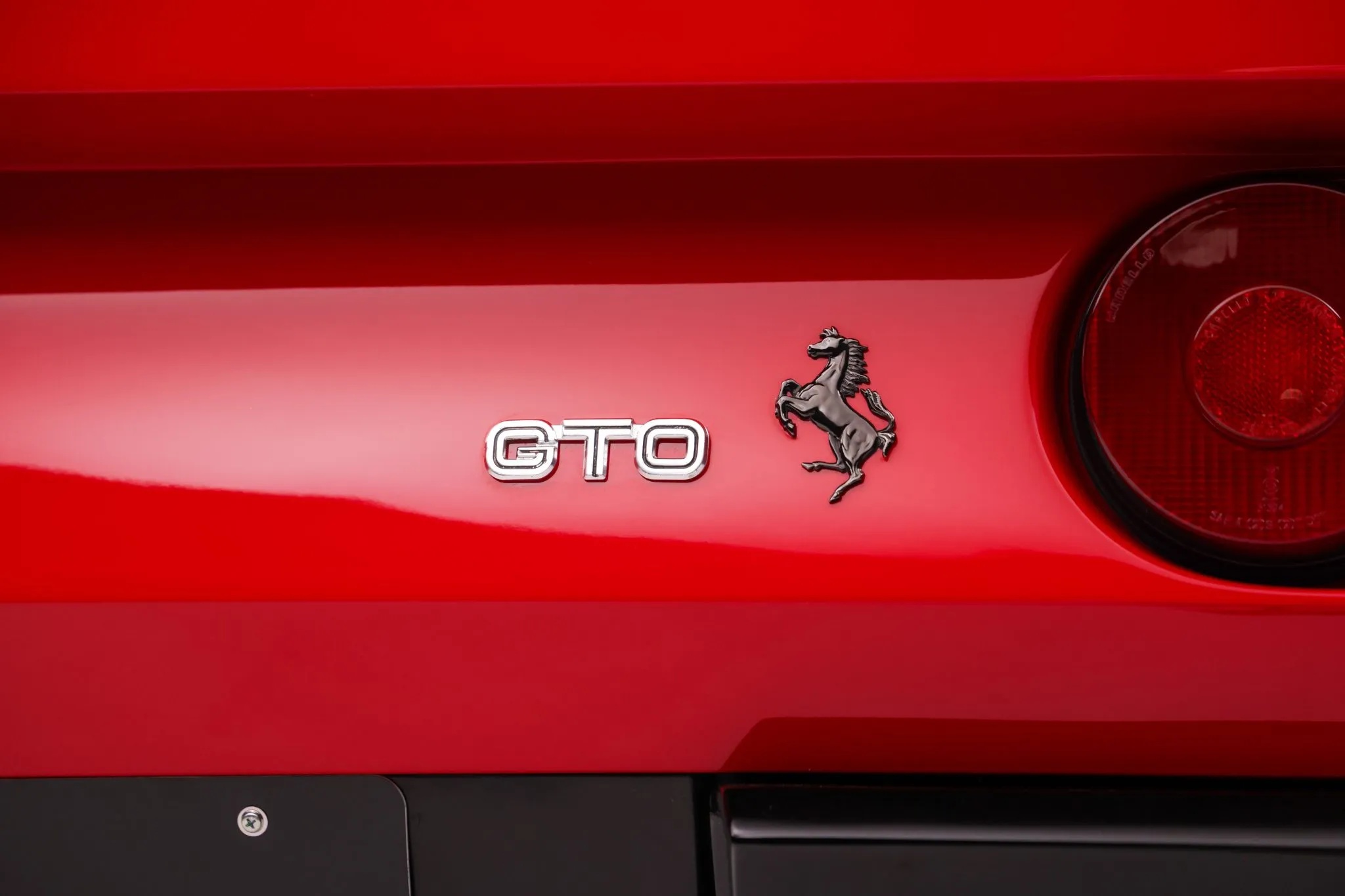
Mechanically, the car remains a showcase of Ferrari’s advanced engineering during the Group B era. Power comes from a mid-mounted 2,855 cc quad-cam V8 equipped with twin IHI turbochargers, air-to-air intercoolers, dry-sump lubrication, and Weber-Marelli fuel injection. The engine is paired with a five-speed manual transaxle housed in a magnesium-alloy casing.
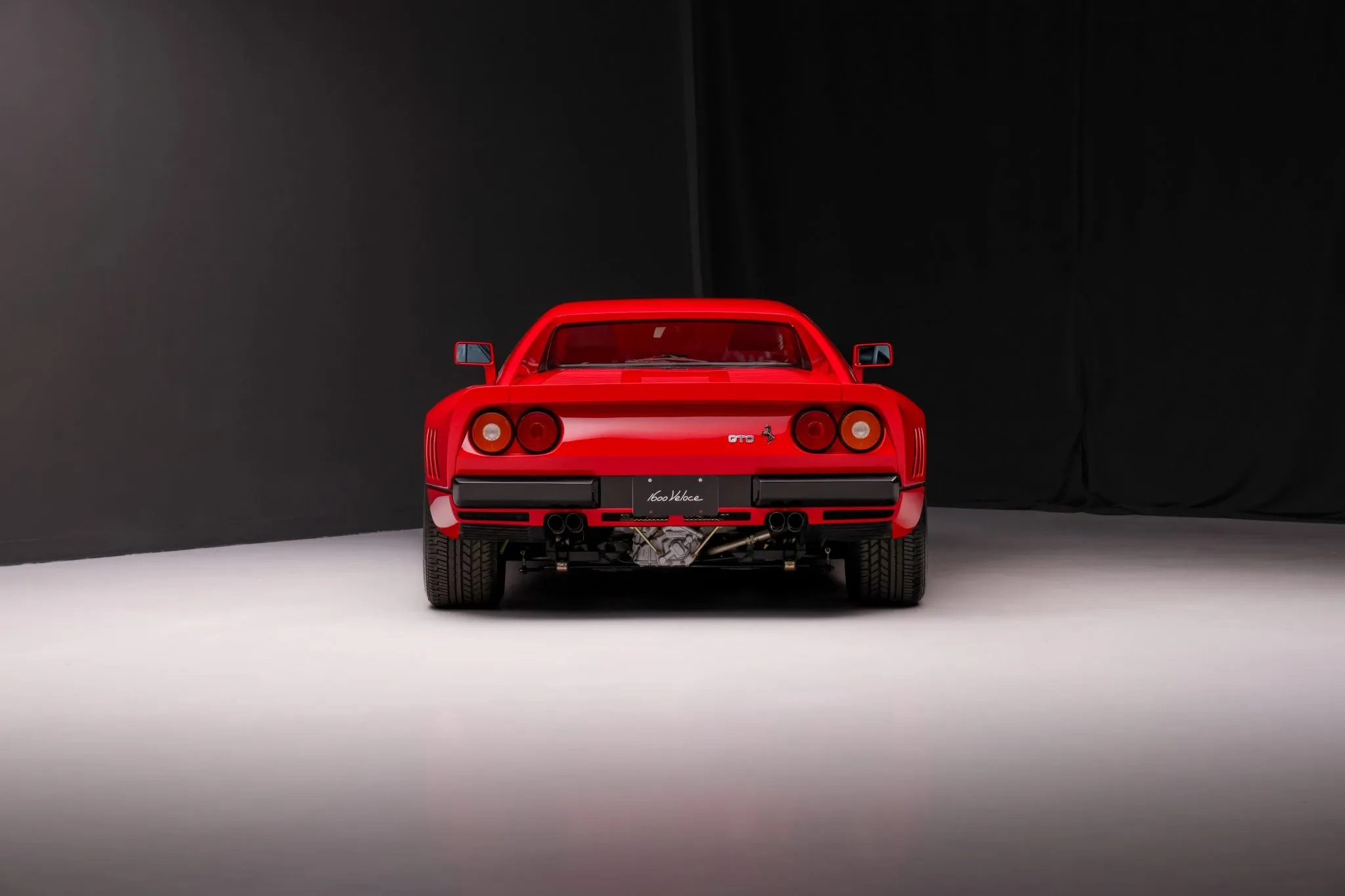
Additional highlights include power-assisted ventilated disc brakes with aluminum calipers, staggered 16-inch Speedline multi-piece wheels, and a black leather interior featuring Daytona-style Kevlar-framed seats. Together with air conditioning and power windows, these elements complete one of the most coveted and historically important Ferraris ever built.
Source: Bring a Trailer