
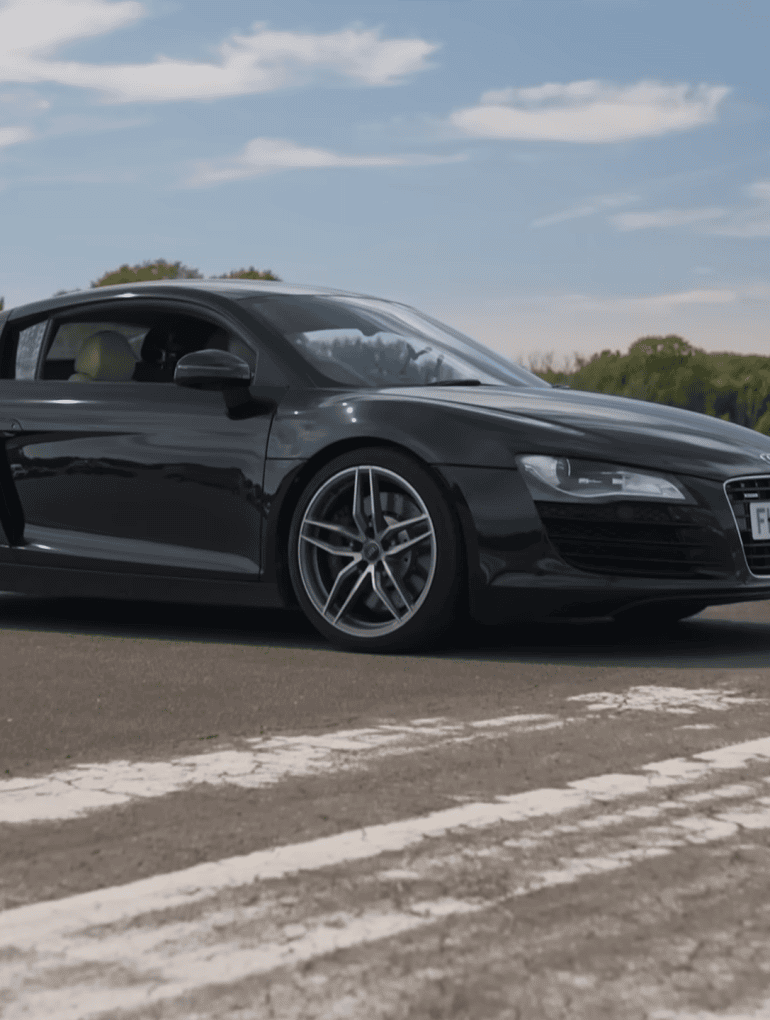
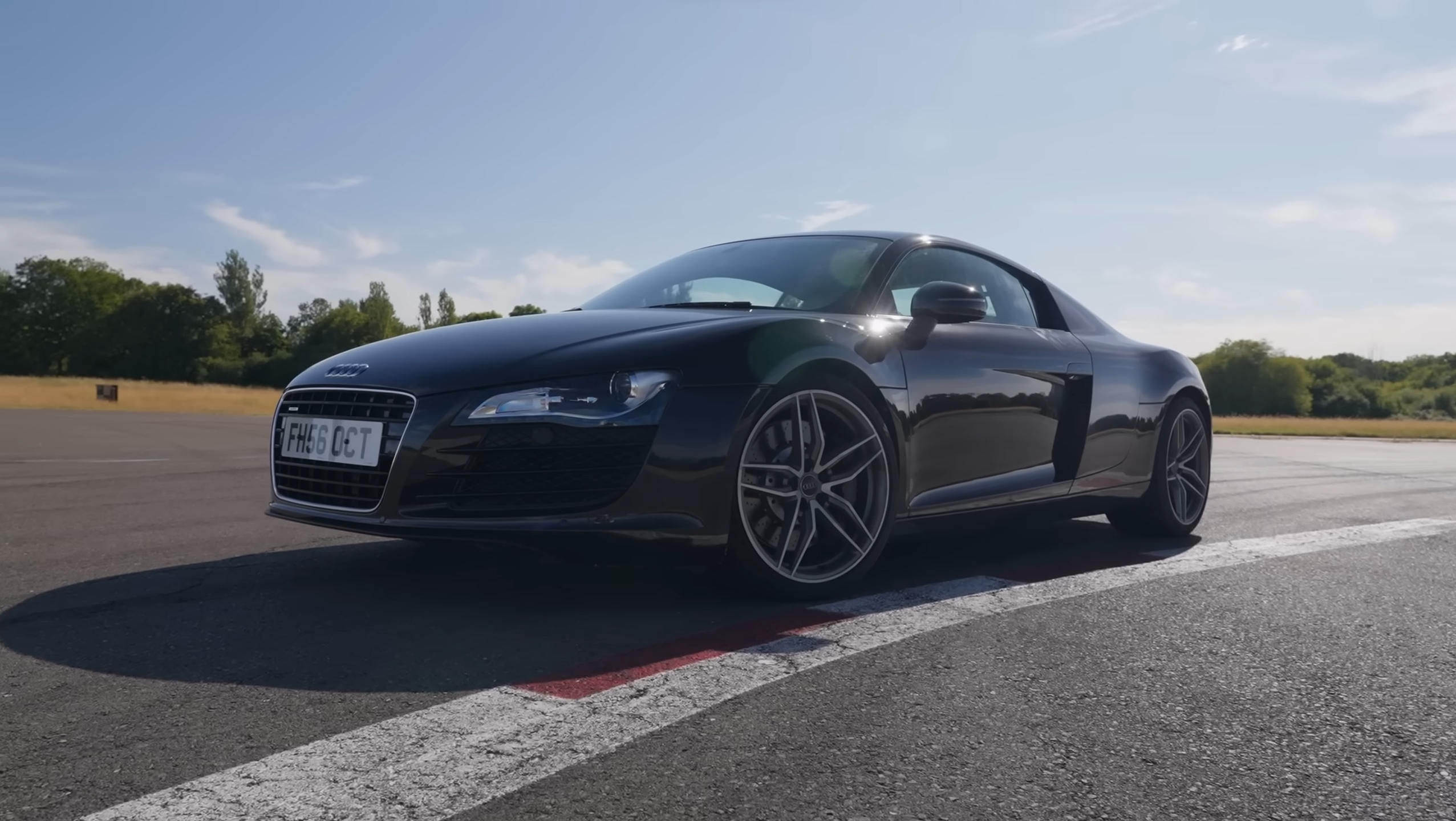
When Audi introduced the first-generation R8, it fundamentally changed perceptions of what a supercar could be. Drawing inspiration from the company’s formidable Le Mans-winning R8 prototype, the road car combined exotic styling and serious performance with the reliability, comfort, and usability expected of a German grand tourer. Two decades later, Ben Collins revisits the original R8 to determine whether that formula remains compelling.
The R8 name carries genuine motorsport pedigree. Audi’s racing R8 dominated endurance competition, winning 63 of 80 races during its seven-year career, including multiple Le Mans victories and six championships. Its engineering was equally innovative, with a modular rear structure that allowed teams to replace the rear suspension and gearbox assembly in minutes. Even its 3.6-liter twin-turbocharged V8 developed a reputation for extraordinary durability.
That philosophy transferred remarkably well to the road-going R8. The early V8 paired a naturally aspirated 4.2-liter engine with a six-speed manual transmission, producing 414 horsepower. Quattro all-wheel drive could direct as much as 85 percent of available torque toward the rear, giving the R8 a surprisingly playful character while retaining considerable traction and stability.
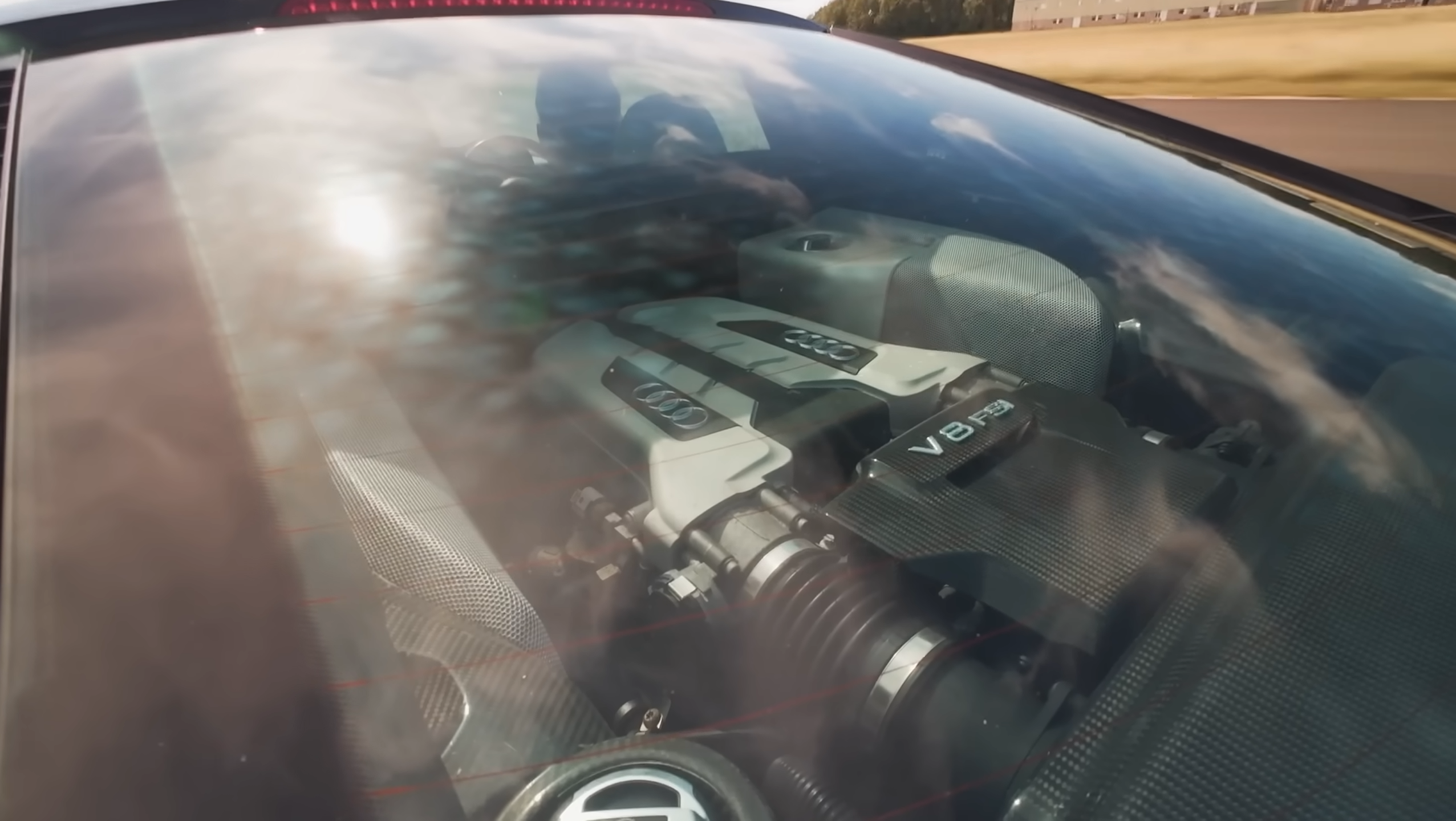
On a modern track, however, Collins finds the V8 less aggressive than contemporary supercars. Its outright performance no longer feels extraordinary, and the chassis has acquired a degree of softness with age. Rather than eagerly rotating into corners, the car prefers a more measured approach. Yet the manual gearbox restores much of the involvement that automated versions lack, making the driver an integral part of the experience.
The later 5.2-liter naturally aspirated V10 transformed the R8’s personality. Initially producing around 510 horsepower and eventually reaching approximately 620 horsepower, the V10 delivers sharper responses, a more dramatic soundtrack, and substantially stronger acceleration. For Collins, it represents the more complete expression of the R8 concept.
Perhaps the R8’s greatest strength today is its value proposition. With early V8 examples around the mid-$30,000 range and V10s generally commanding roughly $40,000–$45,000 in the 2026 market, the first-generation R8 remains an unusually accessible entry into genuine supercar ownership.
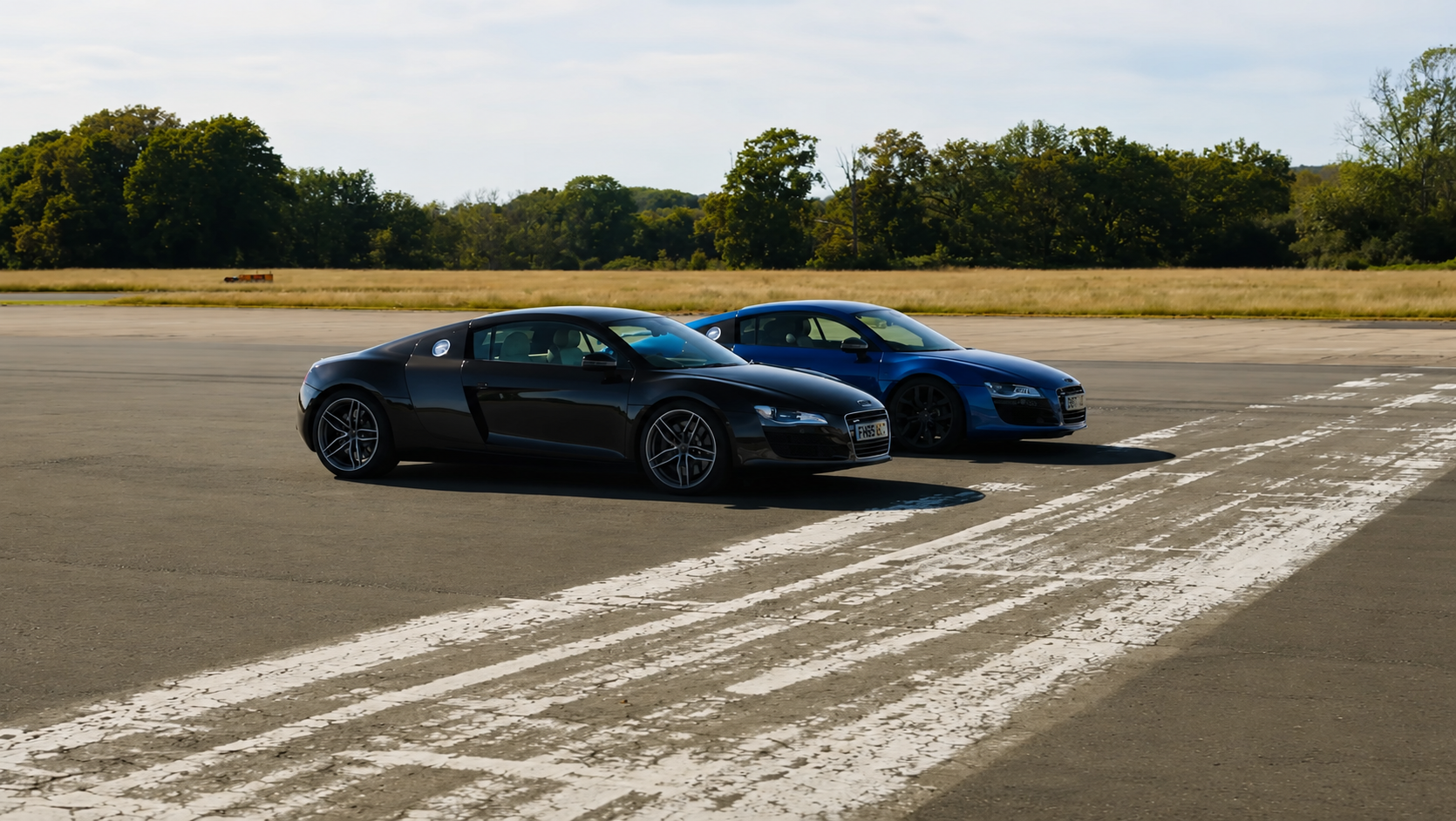
Ultimately, the V8 offers purity, subtlety, and the unique appeal of the original specification. The V10 adds drama, performance, and greater tuning potential. Whichever version is chosen, the first-generation R8 has aged remarkably well—proving that Audi’s original “everyday supercar” formula remains every bit as relevant to enthusiasts today.
Source: Ben Collins Drives