

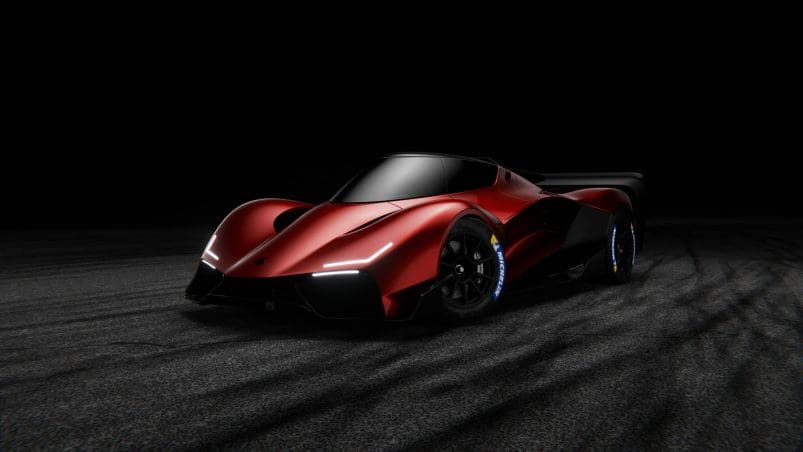
Sanrivatti has unveiled the ONE, its first hypercar, at the company’s headquarters in the Netherlands on November 13, 2026. The track-focused machine combines a naturally aspirated 5.5-liter Judd V10 with an unconventional head-forward driving position, challenging traditional hypercar cockpit design.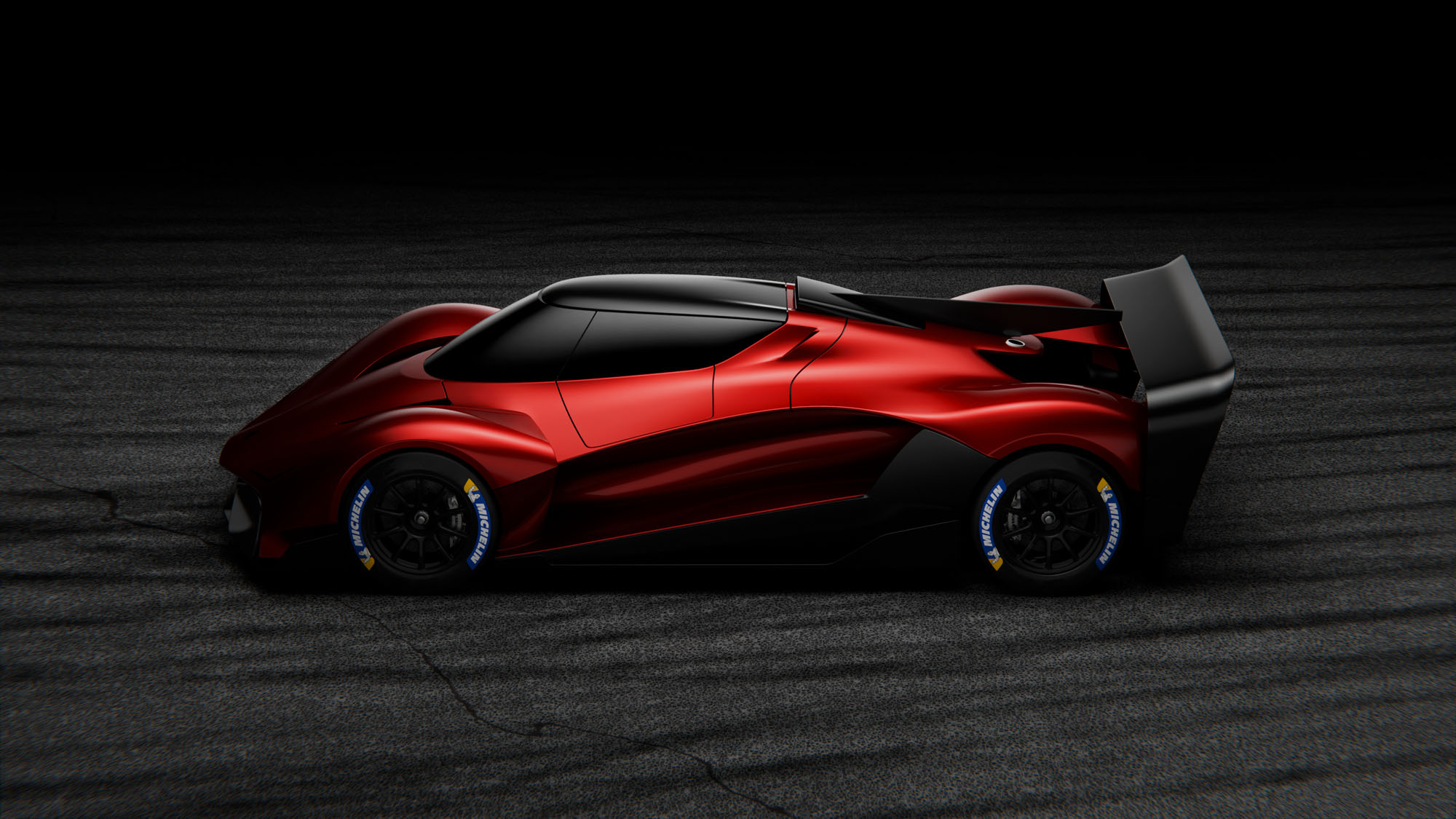
The debut vehicle is a show car rather than a completed running prototype. Sanrivatti is targeting 800 hp, a dry weight of 1,100 kg (2,425 lbs), and a top speed of 330 km/h (205 mph), although these figures remain development objectives rather than verified performance results.
Sanrivatti ONE Engine and Performance
The mid-engined ONE uses a Judd V10 targeting 800 hp (597 kW) at 9,000 rpm and 700 Nm (516 lb-ft) of torque. Power is delivered to the rear wheels through a six-speed Hewland sequential gearbox, with a calculated power-to-target-dry-weight ratio of approximately 727 hp per tonne.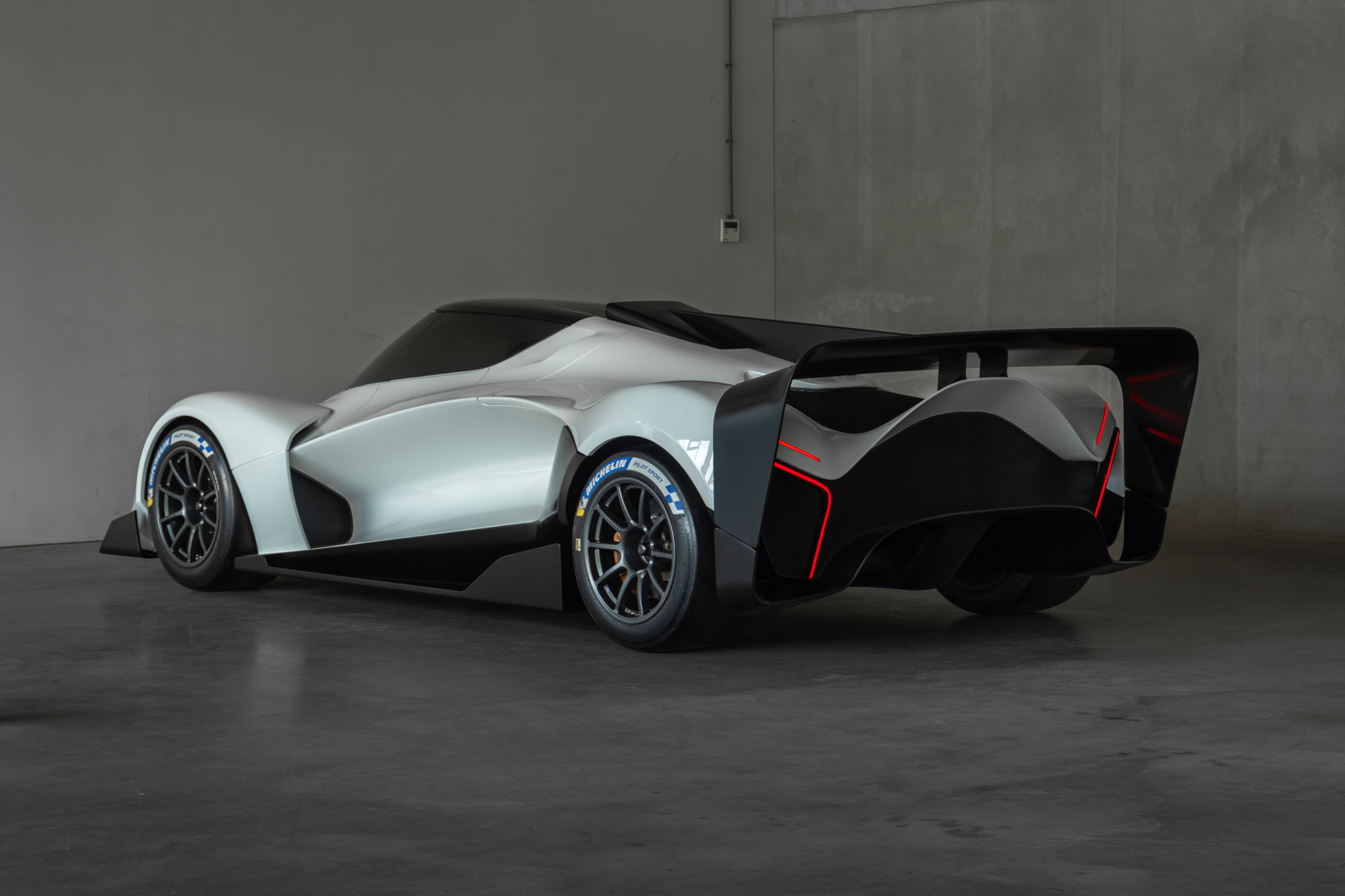
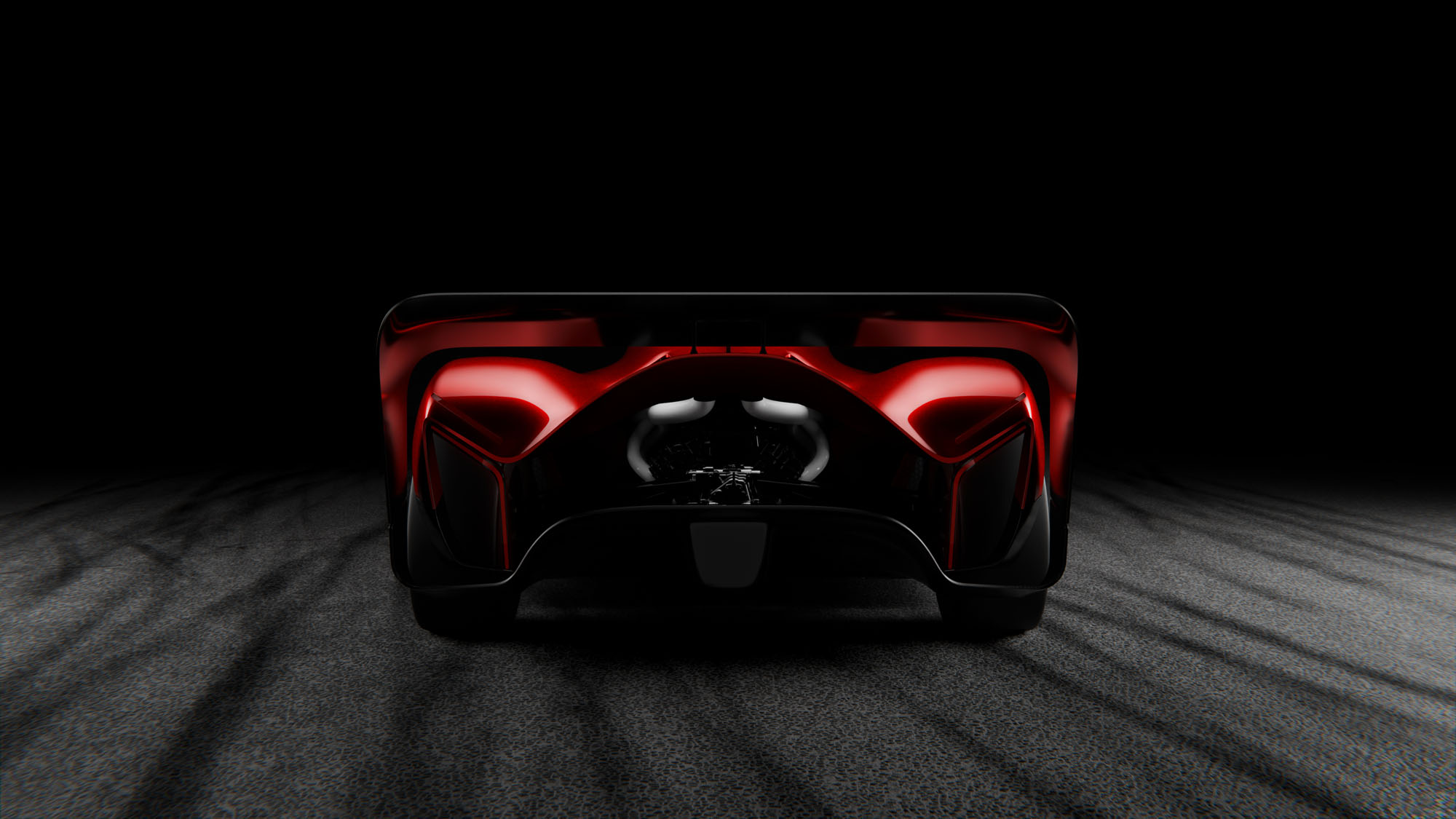
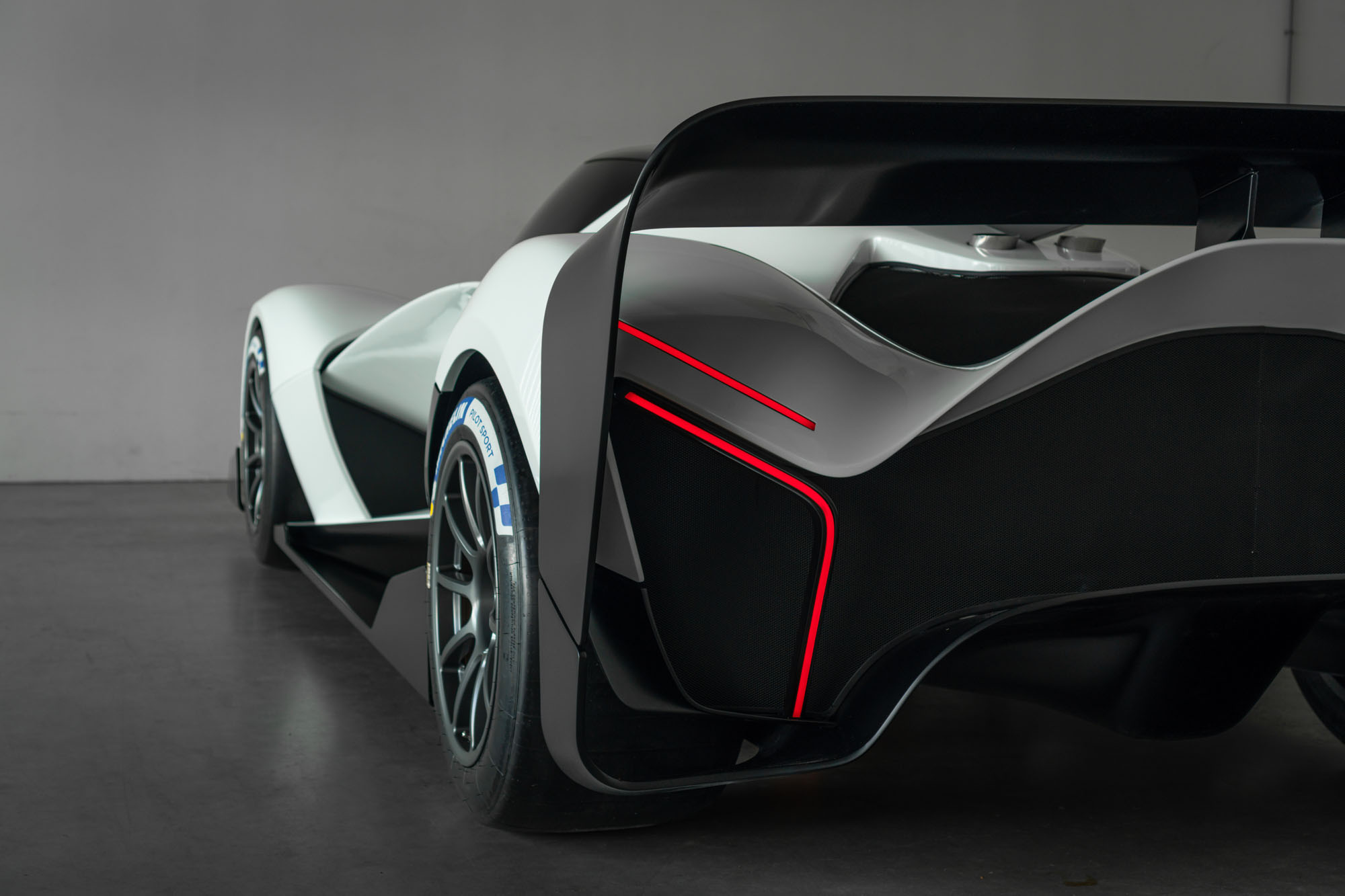
Its carbon-fiber monocoque supports a proposed chassis specification featuring double-wishbone pushrod suspension with independent heave and roll, AP Racing ventilated carbon/carbon brakes, forged magnesium-alloy Braid wheels and Michelin slick tires.
Radical Apex Position Redefines the Cockpit
The ONE’s defining feature is its proprietary Apex Position, which places the driver farther forward and more centrally in a supported, head-forward posture. Inspired by high-performance motorcycles, the arrangement is intended to improve visibility and create a more direct physical connection with the car.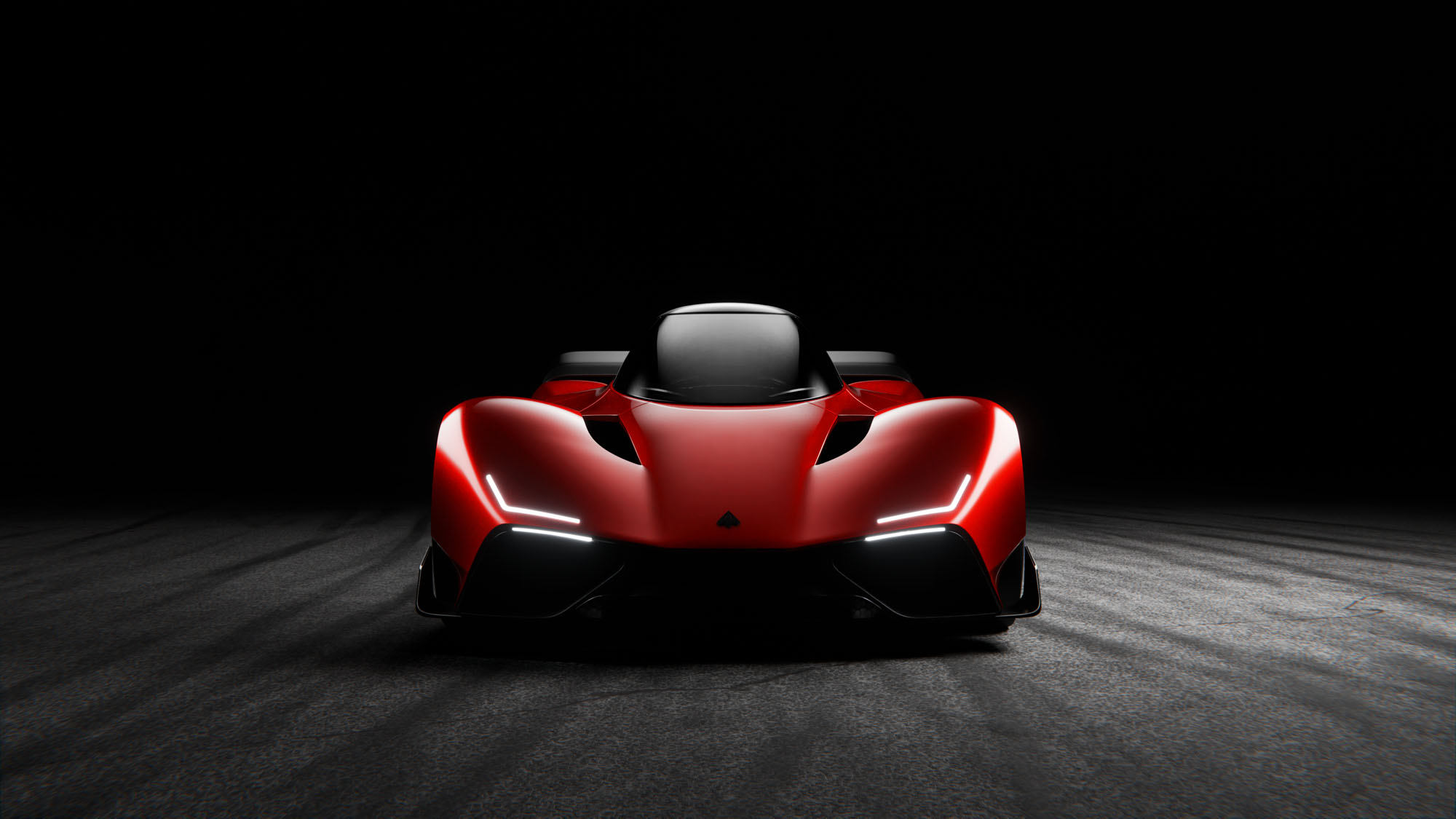
In virtual testing at Silverstone’s Corner Three, Sanrivatti reported that the Apex Position provided an average of 3.2 times more visible racing surface than ten benchmark hypercars and track cars. The comparison was simulation-based and does not establish improved real-world performance or faster lap times.
Falcon-Inspired Aerodynamics and Fighter-Jet Canopy
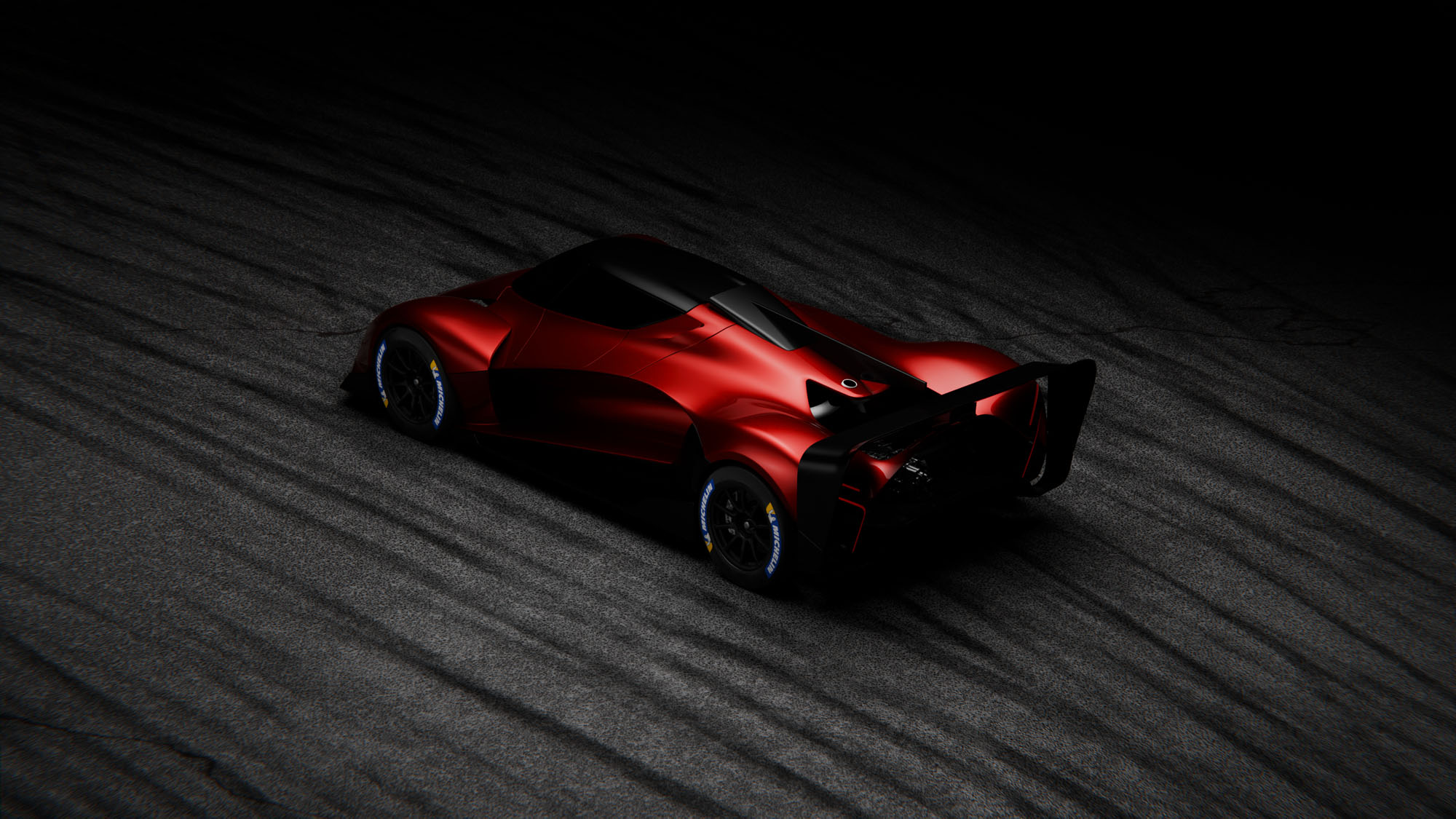
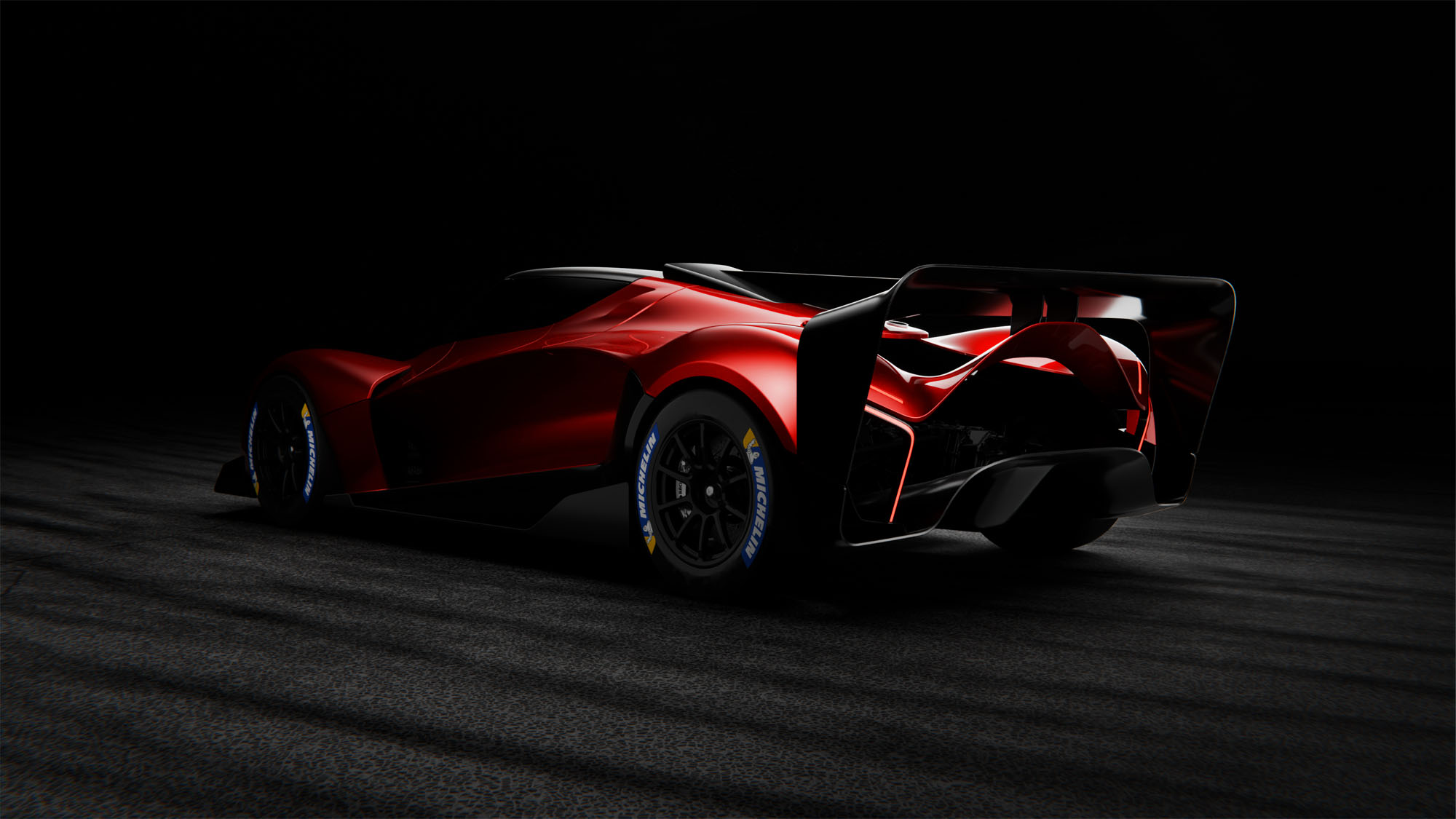
Designed under Robin van Tilborg, the ONE draws inspiration from peregrine falcons and fighter aircraft. Its distinctive body incorporates a single-piece canopy, through-body front air tunnels, pronounced front shoulders and open rear bodywork.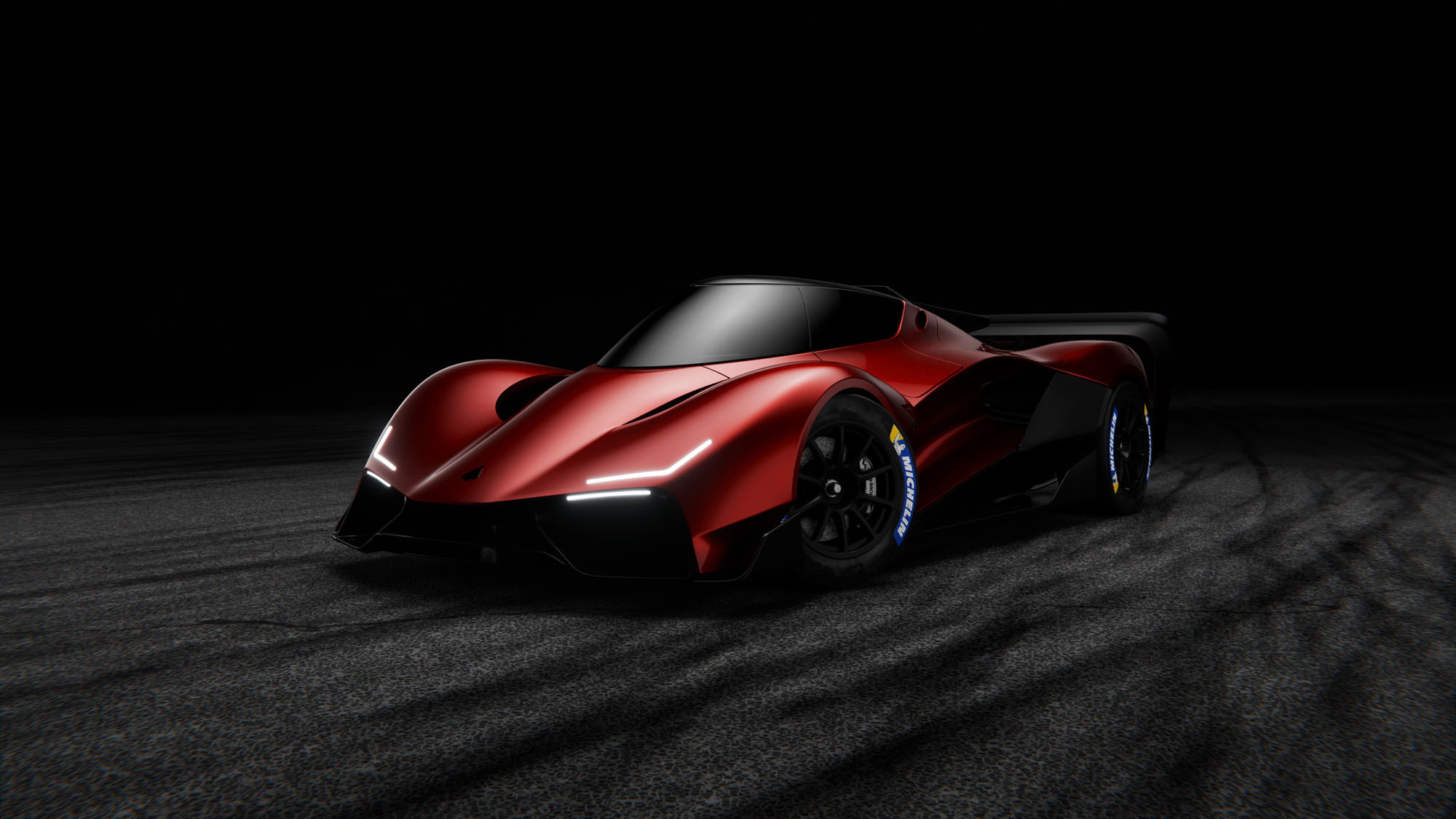

A large rear wing extends above the diffuser, complemented by an integrated lip spoiler. The unconventional cockpit layout influences the car’s proportions, while the aerodynamic surfaces are intended to manage airflow and engine heat.
Development Timeline and Production Plans
Sanrivatti first announced its ambitions in May 2026, with founder and CEO Santiago Sánchez Rivero leading the project. The engineering team includes Paul Arkesden, whose previous experience includes Singer Vehicle Design, McLaren Special Operations and the McLaren P1 program.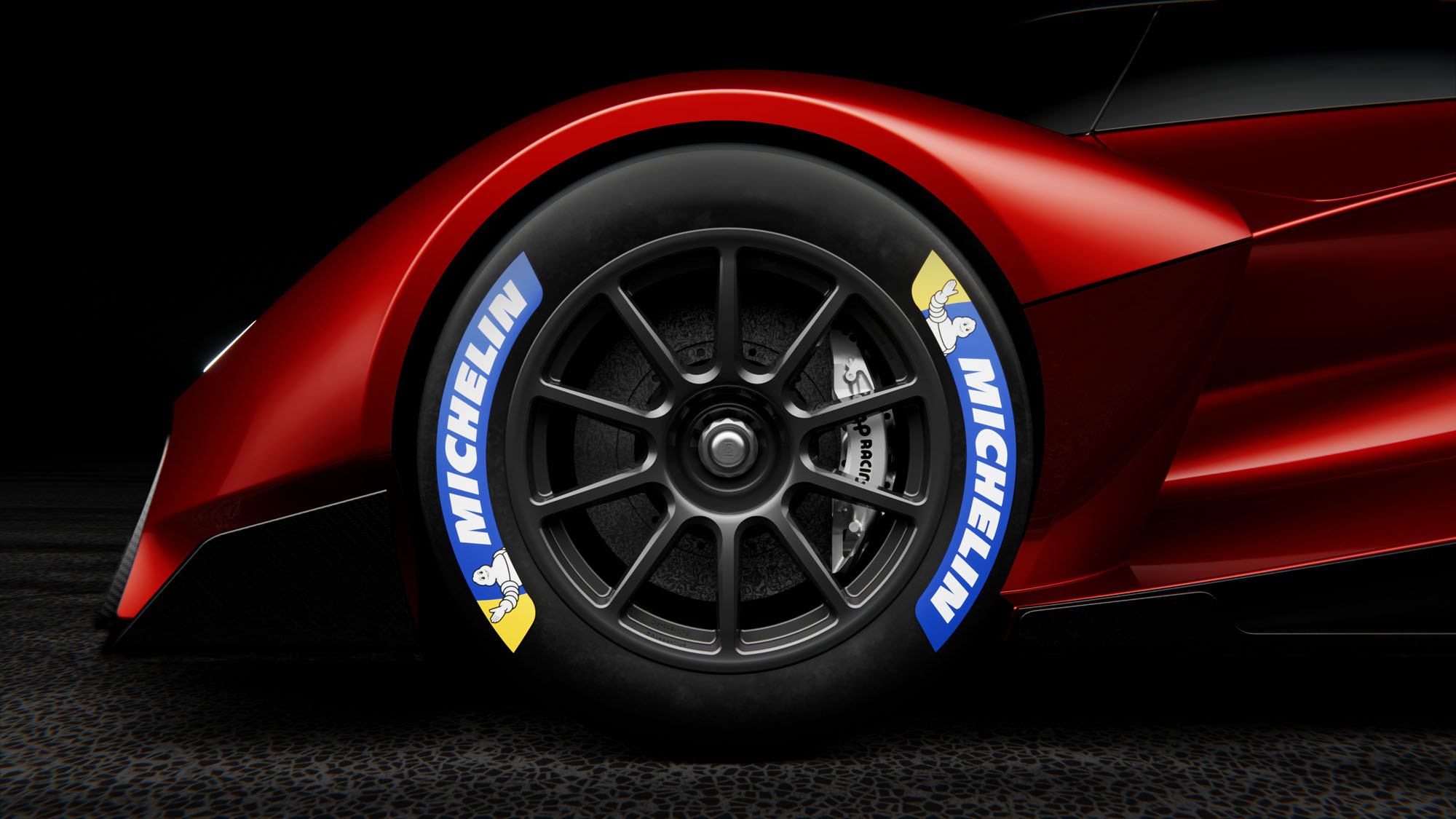

The company is developing a bespoke running prototype ahead of track testing. Final specifications, production numbers, pricing and customer availability have not been announced.
Why It Matters
The Sanrivatti ONE takes a different approach to hypercar development by prioritizing driver positioning over outright performance figures. Its naturally aspirated Judd V10, lightweight architecture and unconventional cockpit offer an intriguing alternative to established track-focused hypercars, although the concept’s advantages remain to be demonstrated in real-world testing.
Data
| Specification | Announced figure |
| Debut | November 13, 2026 |
| Engine | 5.5-liter naturally aspirated Judd V10 |
| Target horsepower | 800 hp at 9,000 rpm |
| Target torque | 700 Nm |
| Transmission | Six-speed Hewland sequential |
| Drivetrain | Mid-engine, rear-wheel drive |
| Target dry weight | 1,100 kg |
| Projected top speed | 330 km/h (205 mph) |
| Chassis | Carbon-fiber monocoque |
| Suspension | Double-wishbone pushrod |
| Brakes | AP Racing carbon/carbon |
| Wheels | Braid forged magnesium alloy |
| Tires | Michelin slicks |
| Driving position | Proprietary Apex Position |
| Production and pricing | Not announced |
Performance figures are provisional targets. Several chassis components are proposed specifications.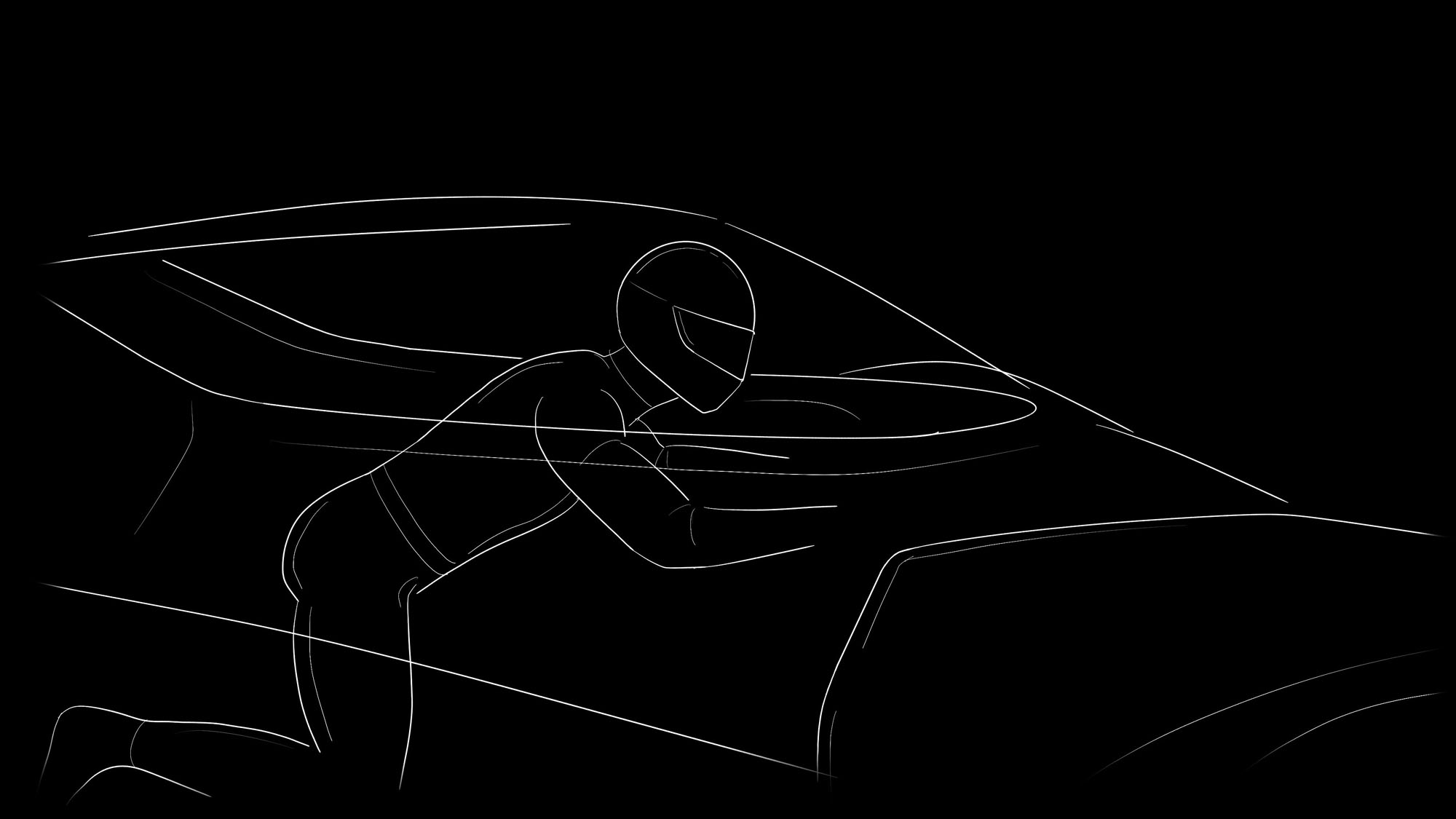

Above contents © 2026 Sanrivatti, reviewed and edited by Rex McAfee , @rexmcafee 🏁