
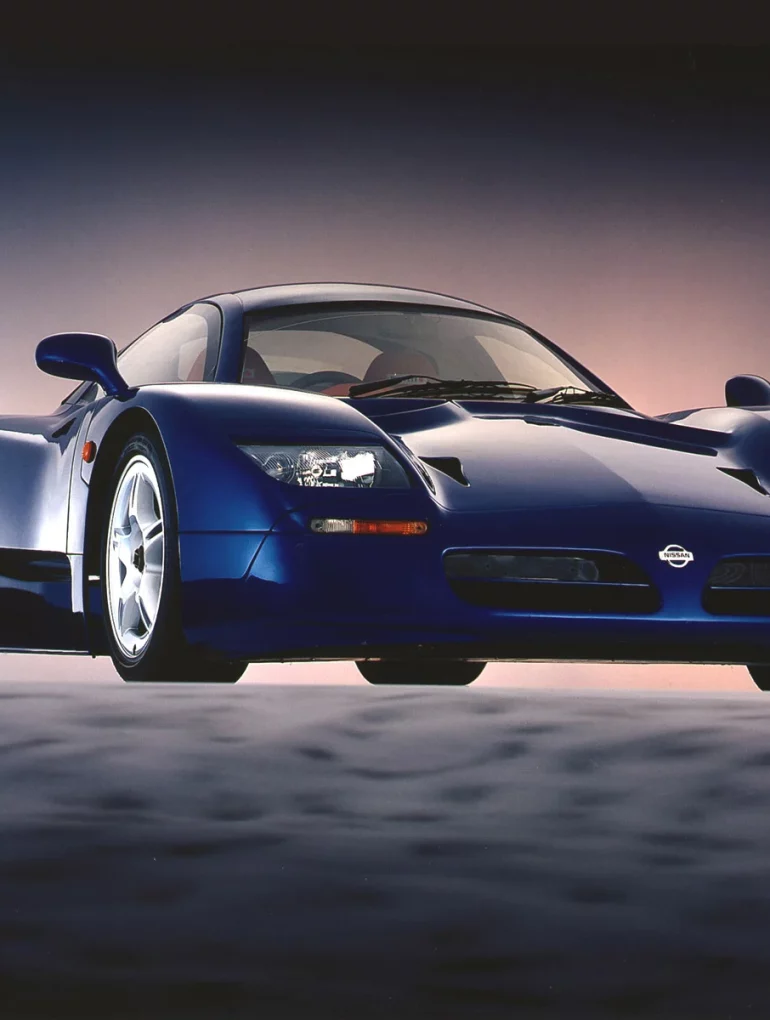

By the mid-1990s, the GT1 class at Le Mans had lost the plot. What was supposed to be a category for grand touring cars had been taken over by manufacturers who’d found a loophole: build a single road-legal example of your race car, and you’re in. Porsche had the 911 GT1. Mercedes had the CLK GTR. McLaren had the F1. These weren’t sports cars that went racing; they were racing cars that happened to have license plates.
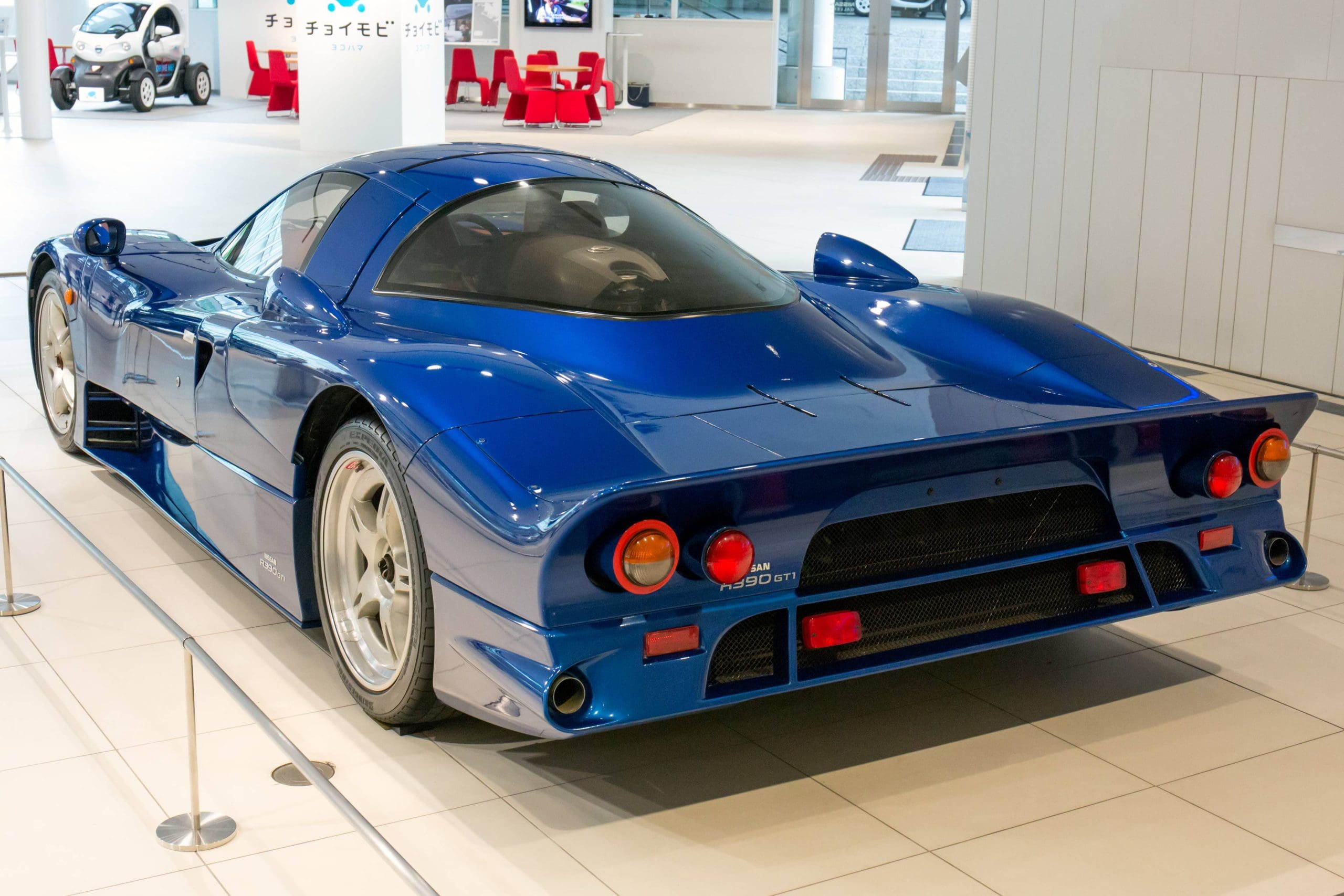
Nissan wanted in too. In September 1996, company president Yoshikazu Hanawa signed a two-year agreement to put a car at Le Mans, which left the engineers at Nismo with a fairly uncomfortable situation: no time, no platform, and no engine that actually fit what they needed. Their solution was to borrow almost everything from somewhere else. The car they built, the R390 GT1, is far stranger than its smooth, forgettable bodywork would ever suggest.
The Skeleton Belonged to a Jaguar
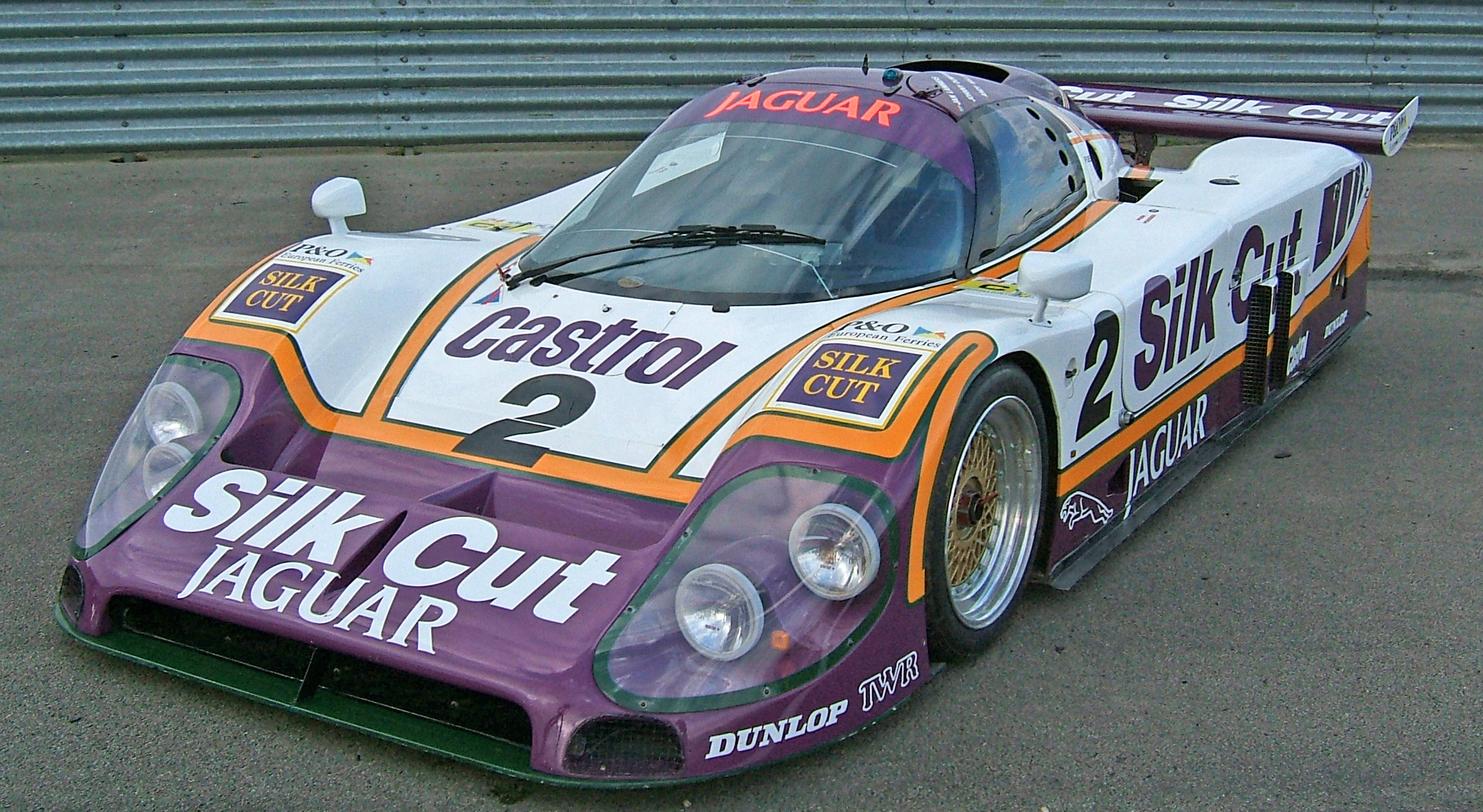
To design and build the car, Nissan brought in Tom Walkinshaw Racing, the British firm behind Jaguar’s Le Mans wins in 1988 and 1990. Ian Callum handled the styling (he’d later spend two decades reshaping Jaguar’s entire design language) while Tony Southgate led the aerodynamic and mechanical work.
They didn’t have the luxury of starting from a blank sheet. The R390’s carbon fiber tub, the roofline, the whole greenhouse structure, came almost directly from the tooling used for the Jaguar XJR-15, which was itself a road-going version of the Group C XJR-9 race car. Strip the Nissan bodywork away and you’d be looking at something that was, at its core, a Jaguar. The passenger cells are essentially the same. It’s one of those facts that feels wrong until you look at photos of both cars side by side.
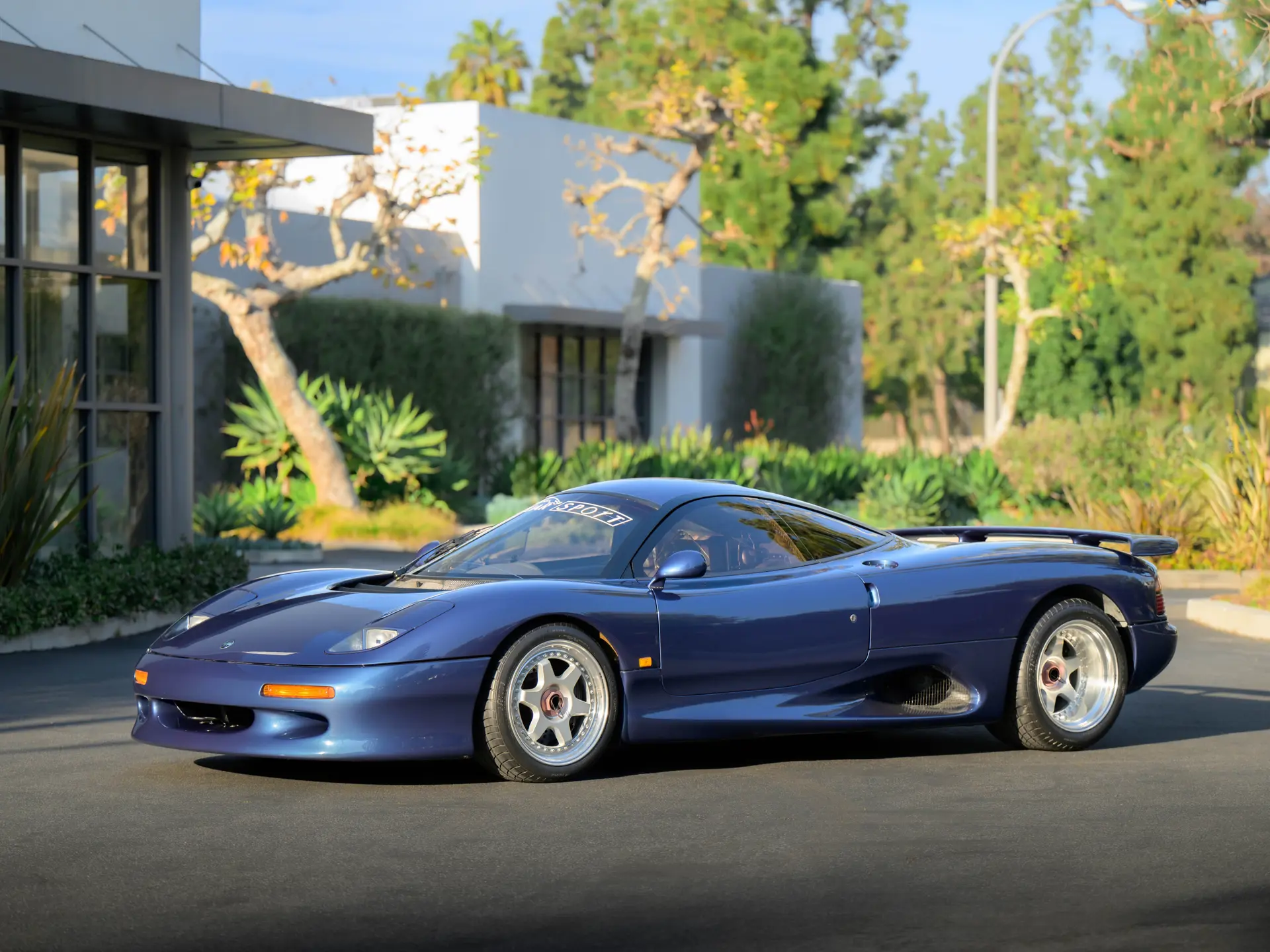
This wasn’t laziness. Walkinshaw’s team knew that tub thoroughly: how it behaved in a crash, how it was made, where its limits were. Designing a new carbon monocoque from scratch for a program that was only ever going to run two seasons would have been a serious gamble. Using one that had already proven itself was just good sense.
The Engine Came Back from the Dead
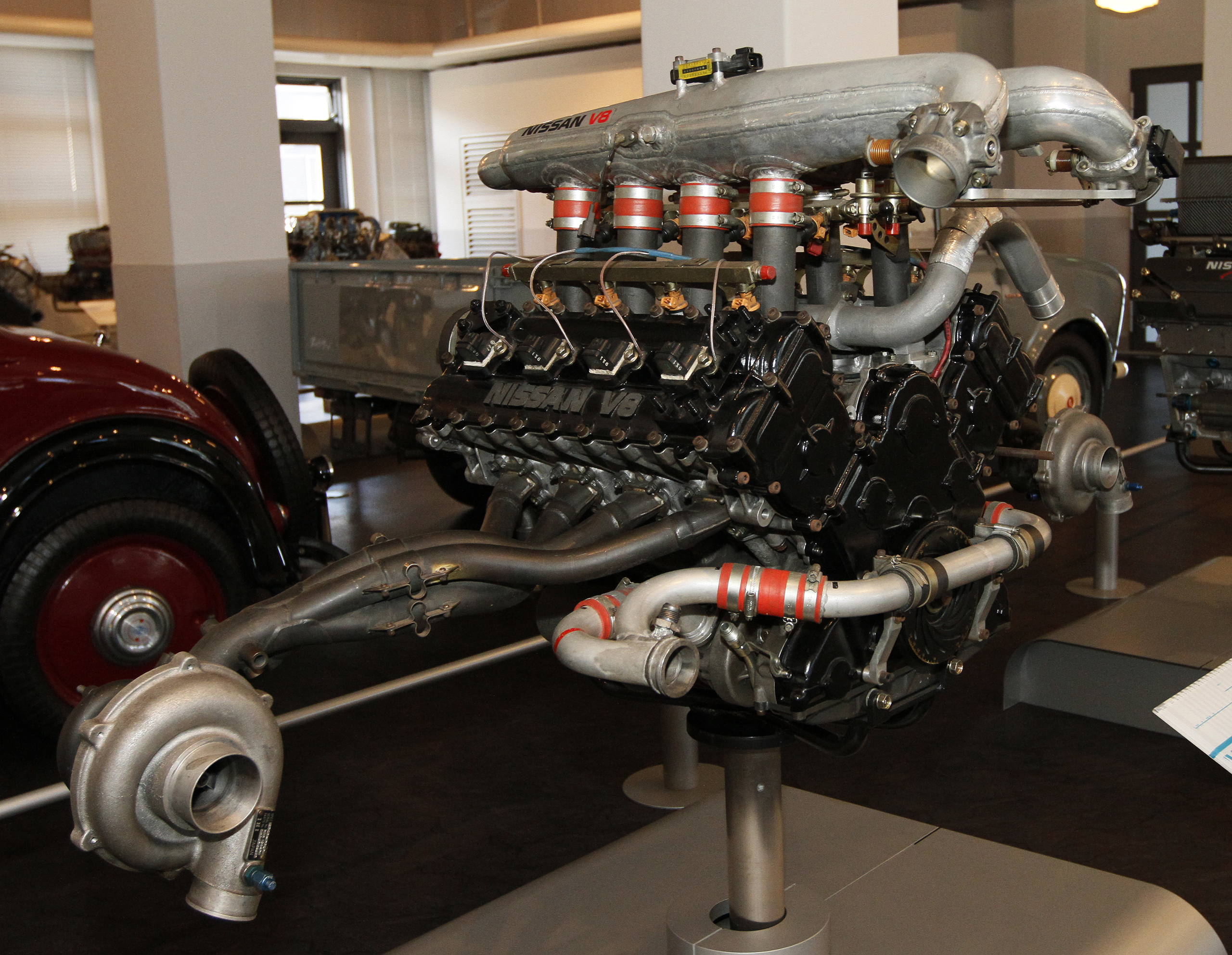
The engine question was harder. The obvious choice would have been the RB26DETT, the twin-turbo inline-six from the Skyline GT-R that Nissan had already raced at Le Mans in GT1 trim with the GT-R LM. Nismo’s engineers looked at it and passed. The RB26 sat too high in the chassis, hurt the centre of gravity, and couldn’t work as a structural stressed member the way the packaging required.
So they went looking through the archives instead. What they found was the VRH35Z, a 3.5-litre twin-turbo V8 that had powered the Nissan R89C back in the Group C days. Group C had been shut down in 1993 and the engine had been sitting in storage for years. But it had an aluminium block, it sat low, and it could be bolted in as a stressed member, which meant they could simplify the rear structure considerably.
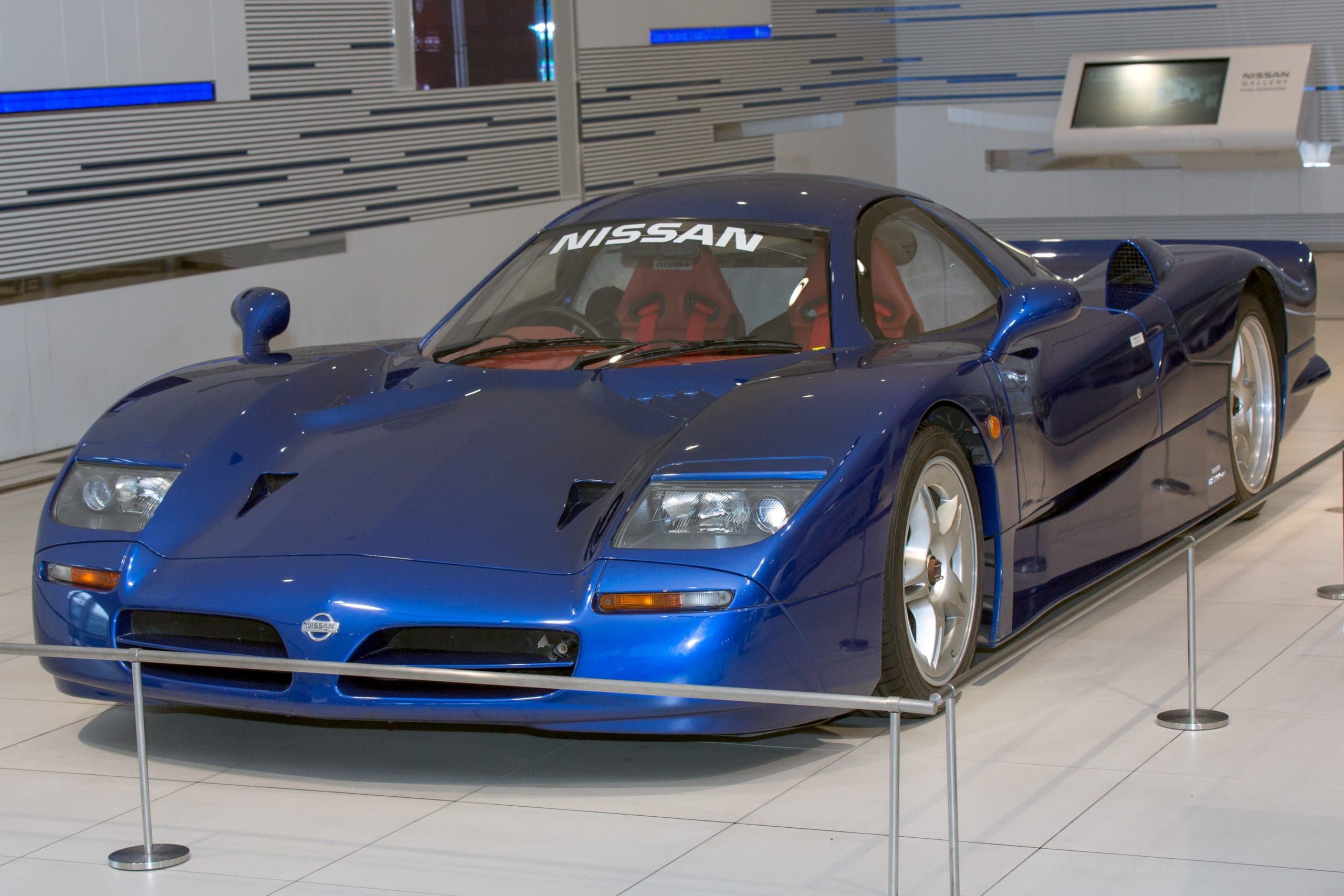
They modified it, renamed it the VRH35L, and got around 641 horsepower out of it in race trim via a pair of IHI turbos. For the road car that had to exist for homologation purposes, it was wound back to 550 horsepower, with an Xtrac six-speed sequential gearbox putting power to the rear wheels. Still enough to get close to 220 mph, not that anyone was ever really going to test that claim.
The Headlights Came from a 300ZX
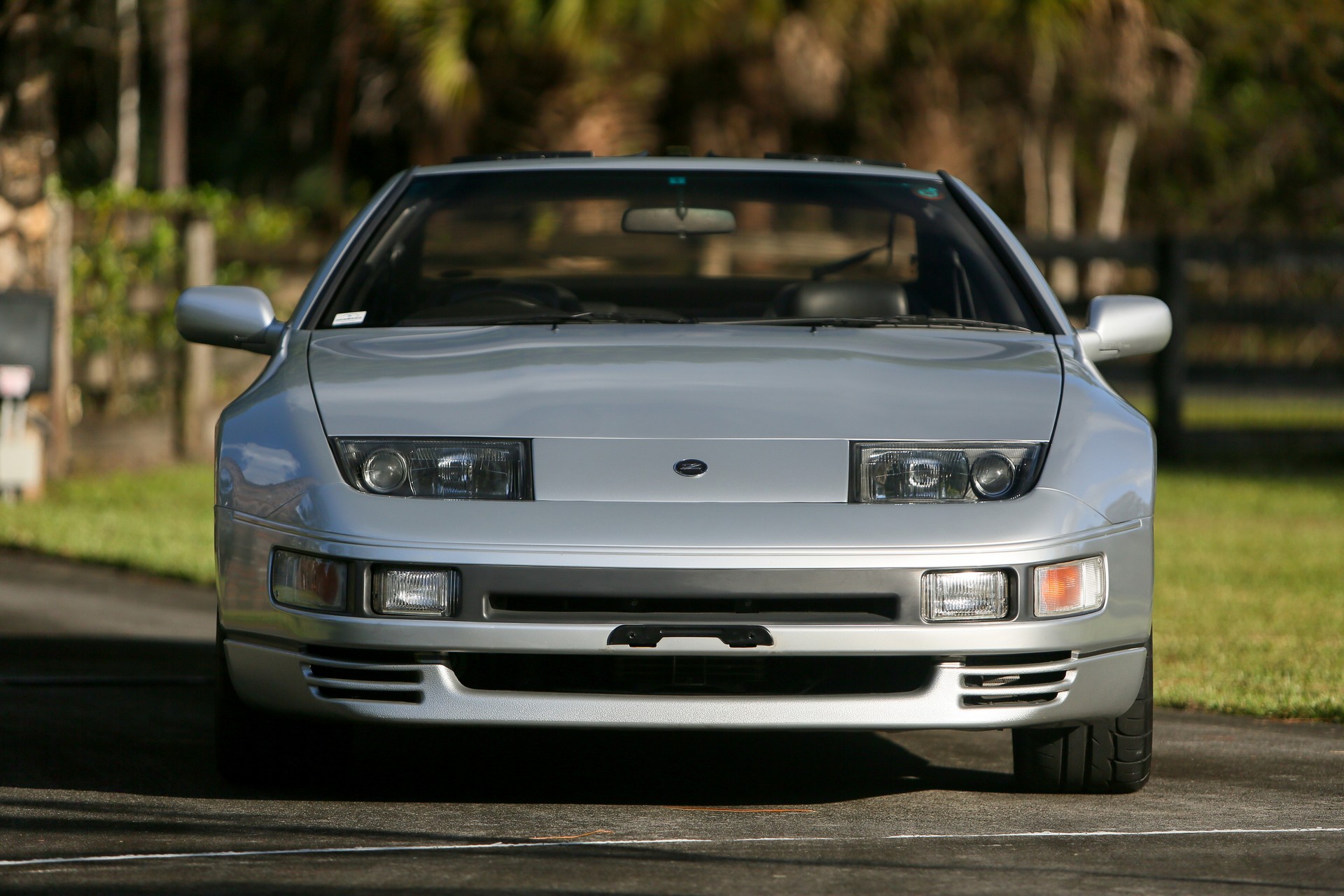
Here’s the detail that always gets people. If you ever see the R390 road car up close, maybe at Nissan’s Zama heritage facility where it normally lives, the headlights will look familiar. They should: they’re straight out of the Z32 Nissan 300ZX, the sports car that was, at that point, the most exotic thing Nissan sold through a normal dealership.
It was a practical call. The homologation road car needed road-legal lighting, and there was already a perfectly good design sitting in the parts catalogue. Why spend money on something new? But it also sums up the R390’s whole character pretty neatly. There’s a Group C engine in the back, a Jaguar racing chassis underneath, and 300ZX headlights on the front. The car is a collage. It just happens to be a very fast one.
The Road Car Was the Rough Draft
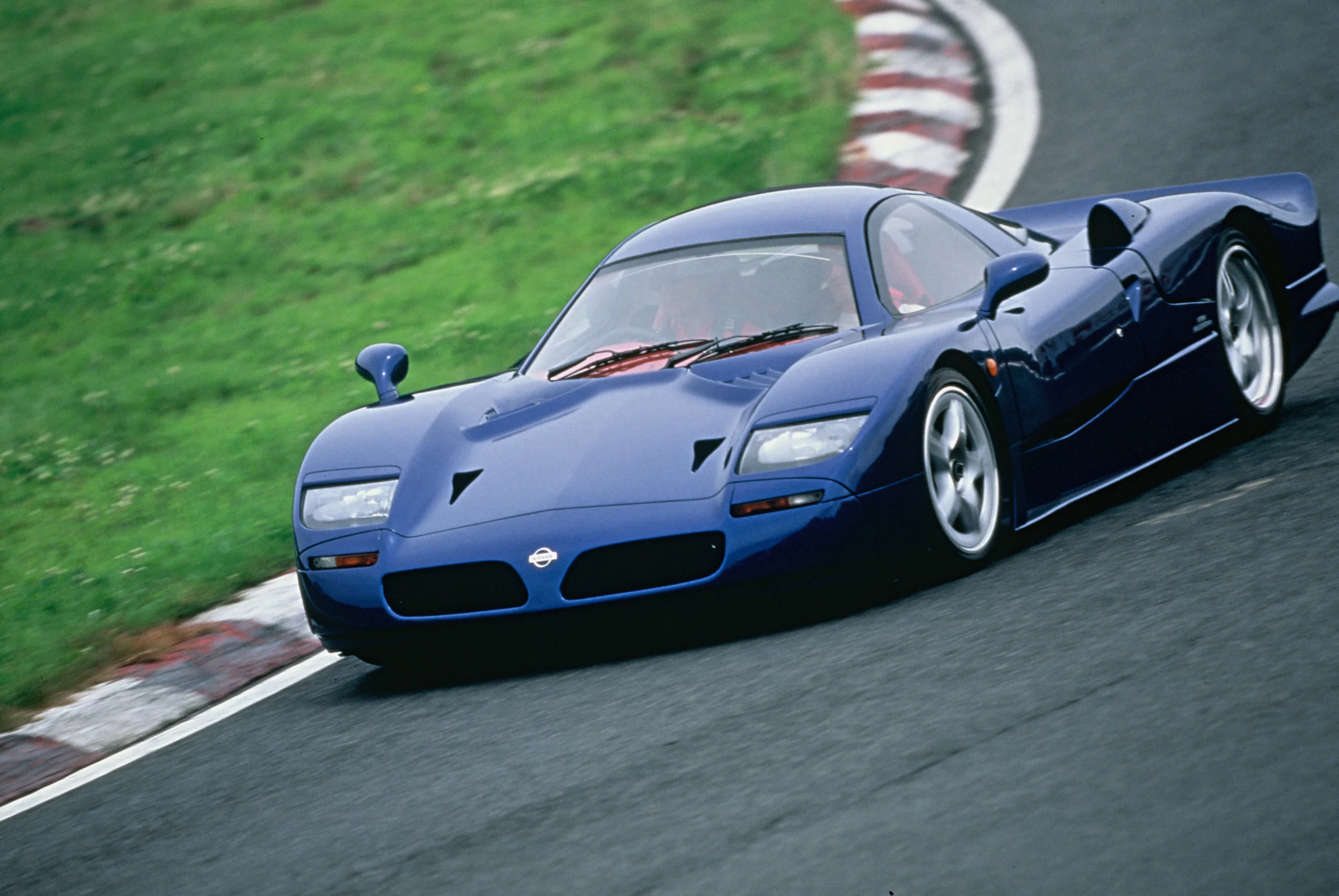
Most GT1-class cars of that era started life as race cars, with a bare-minimum road version built afterwards just to satisfy the regulations. Nissan did it the other way around. The road car came first, and the race version was developed from it. Nissan called it the “diamond in the rough,” with the race car being the finished product. That description was honest.
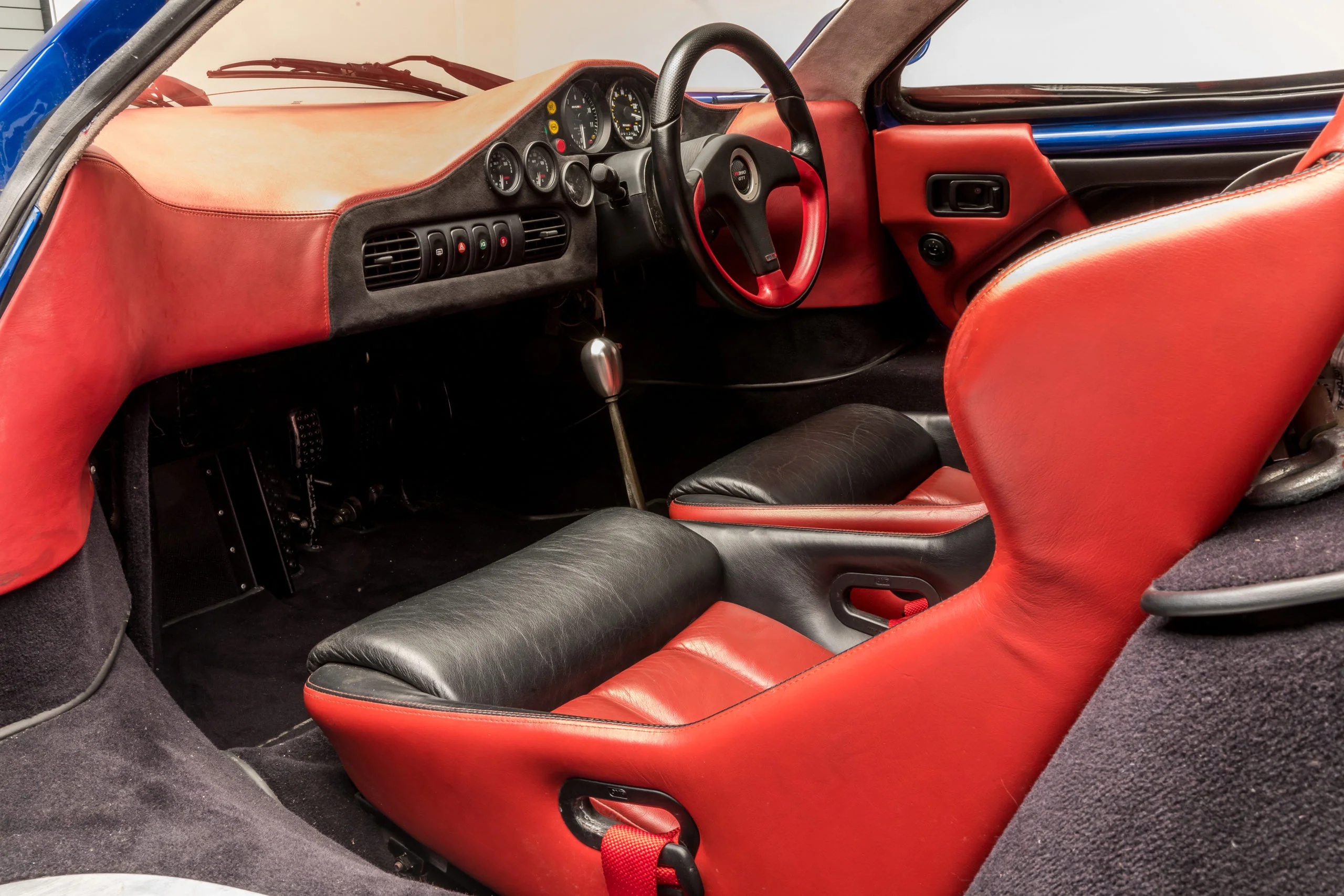
Up close, the road car looks like what it is: something built to a purpose rather than to a standard. The paint has orange peel. Fasteners are visible and painted over. The fit and finish is not what you’d expect from a million-dollar car, which was the listed price, though Nissan never actually sold one publicly. It exists to hold a registration number, not to impress anyone in a showroom.
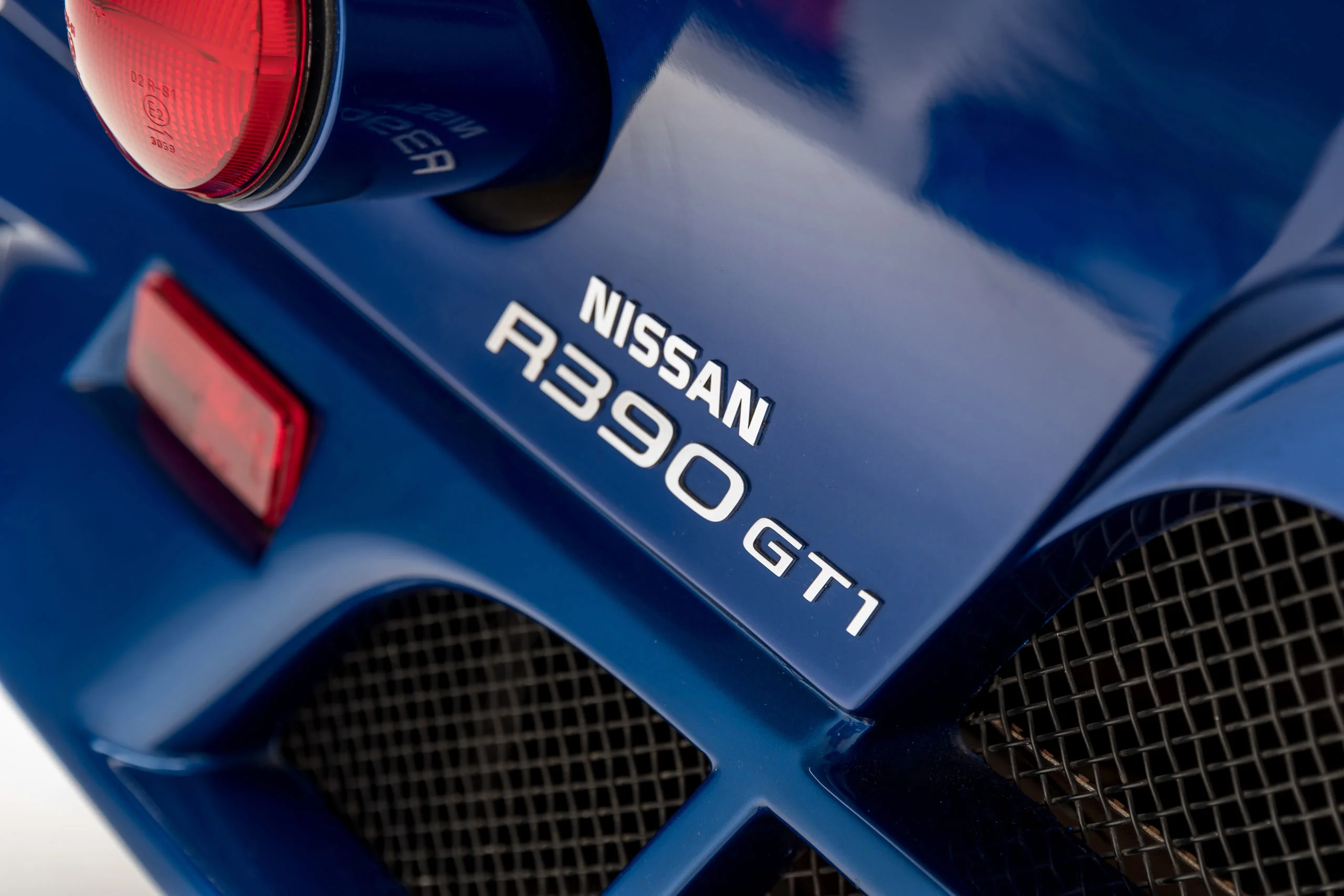
There was a second example produced, road-registered in the UK under plates reading R390 NIS, which eventually ended up in private hands and was fully restored and shown at Concorso d’Eleganza Villa d’Este, but the main car has spent most of its life in that Zama facility.
The Engine That Outlived the Car
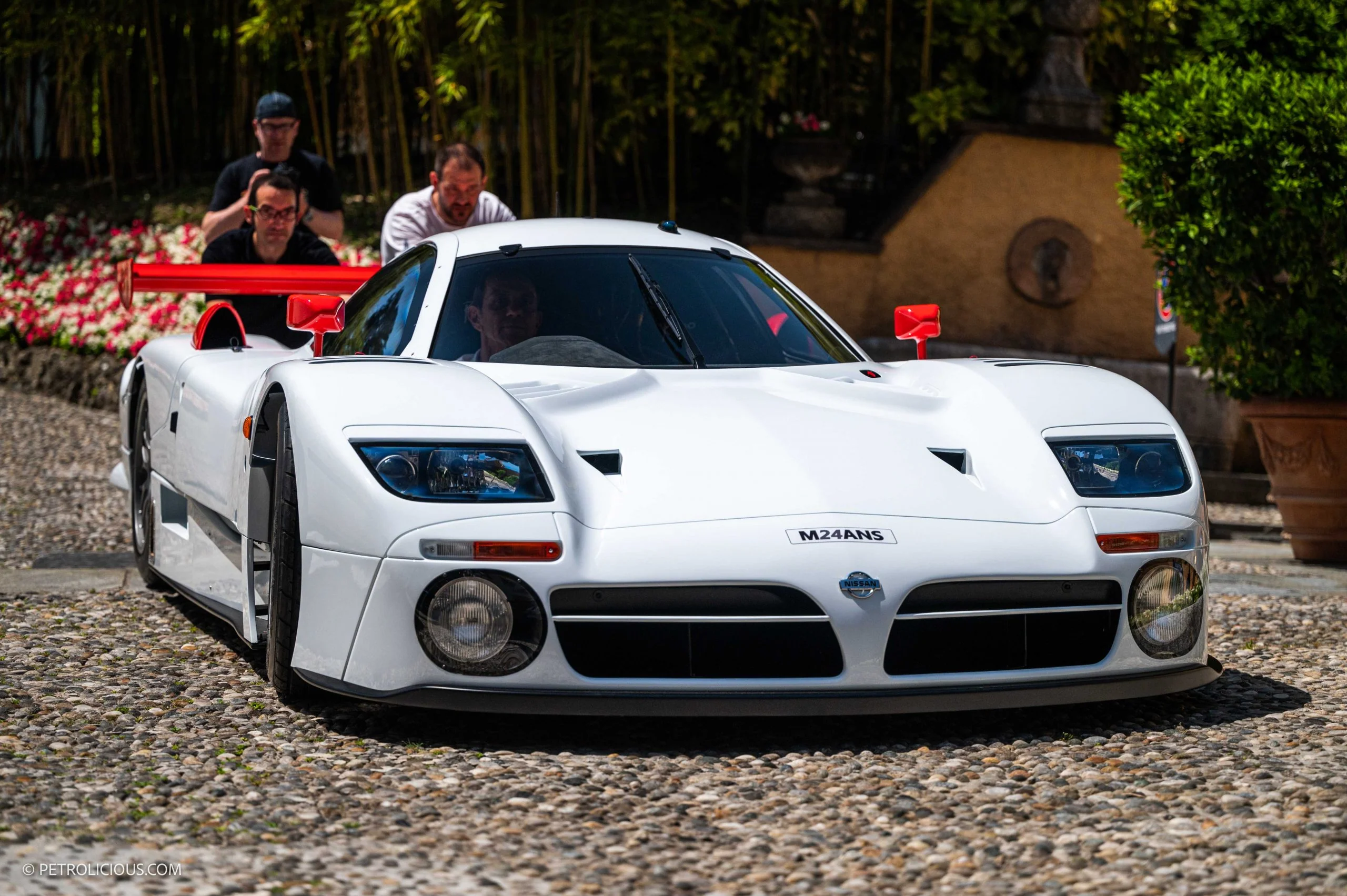
The R390’s best Le Mans result came in 1998, when all four entered cars finished in the top ten: 3rd, 5th, 6th and 10th. That looks impressive until you note that most of the faster Mercedes and BMW factory cars had already retired. Nissan never got the outright win the program was built around, and after 1998 the rules changed to close the loopholes that had made cars like the R390 possible in the first place.
TWR collapsed in 2002. When it did, McLaren picked up the intellectual property, including the rights to the VRH35 engine architecture. Working with Ricardo, they redesigned it into the M838T, a 3.8-litre twin-turbo V8 that went into the 2011 MP4-12C and ended up powering McLaren’s road car range for the better part of a decade, from the 650S to the 570S.
McLaren’s engineers made it very much their own, and the lineage gets disputed in the details, but the thread is there: an engine that started in Group C in the late 1980s, got resurrected for a Japanese GT1 car in the late 1990s, and ended up at the heart of a British supercar company’s entire modern lineup. Not bad for a car most people only know from Gran Turismo.