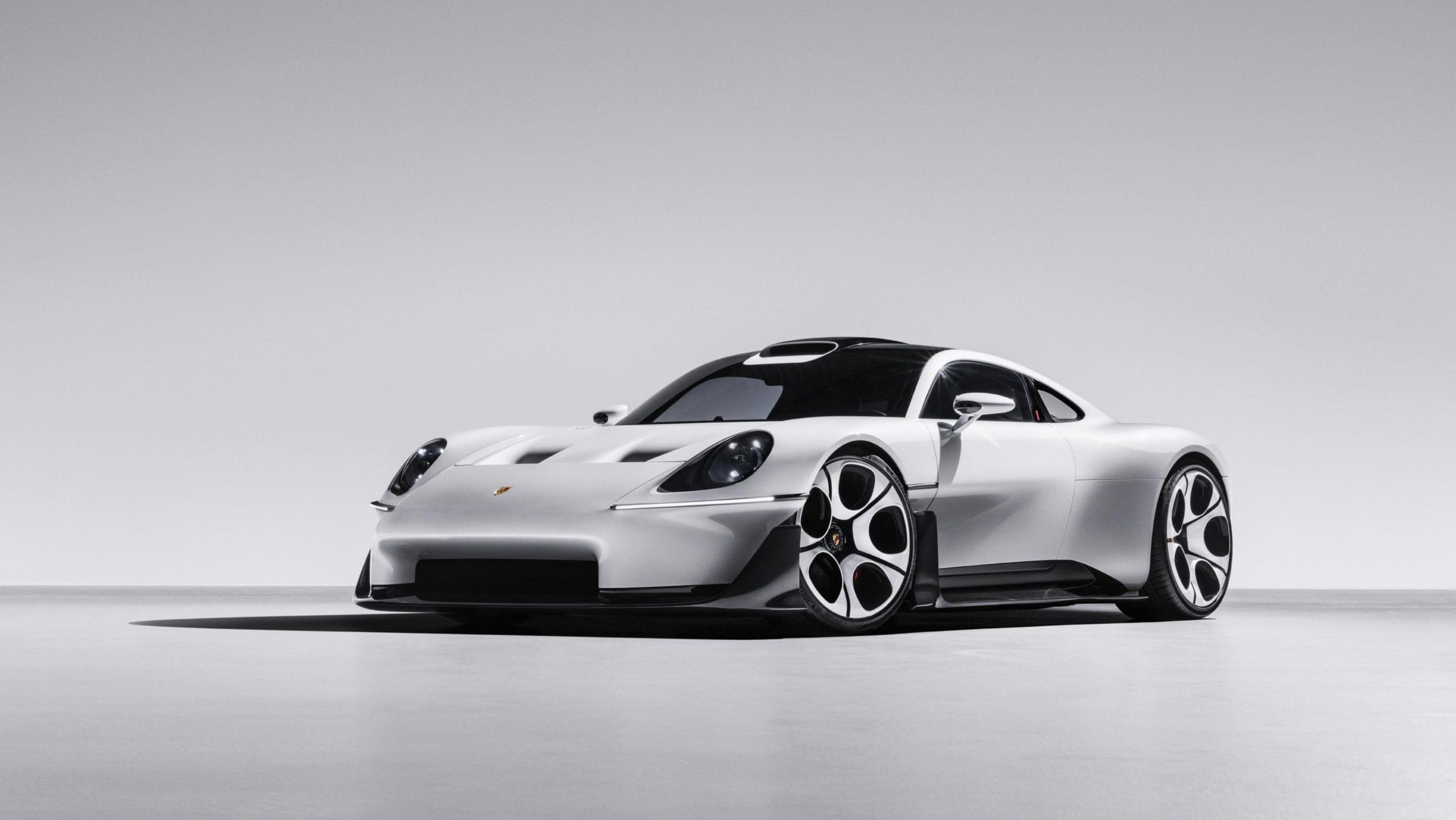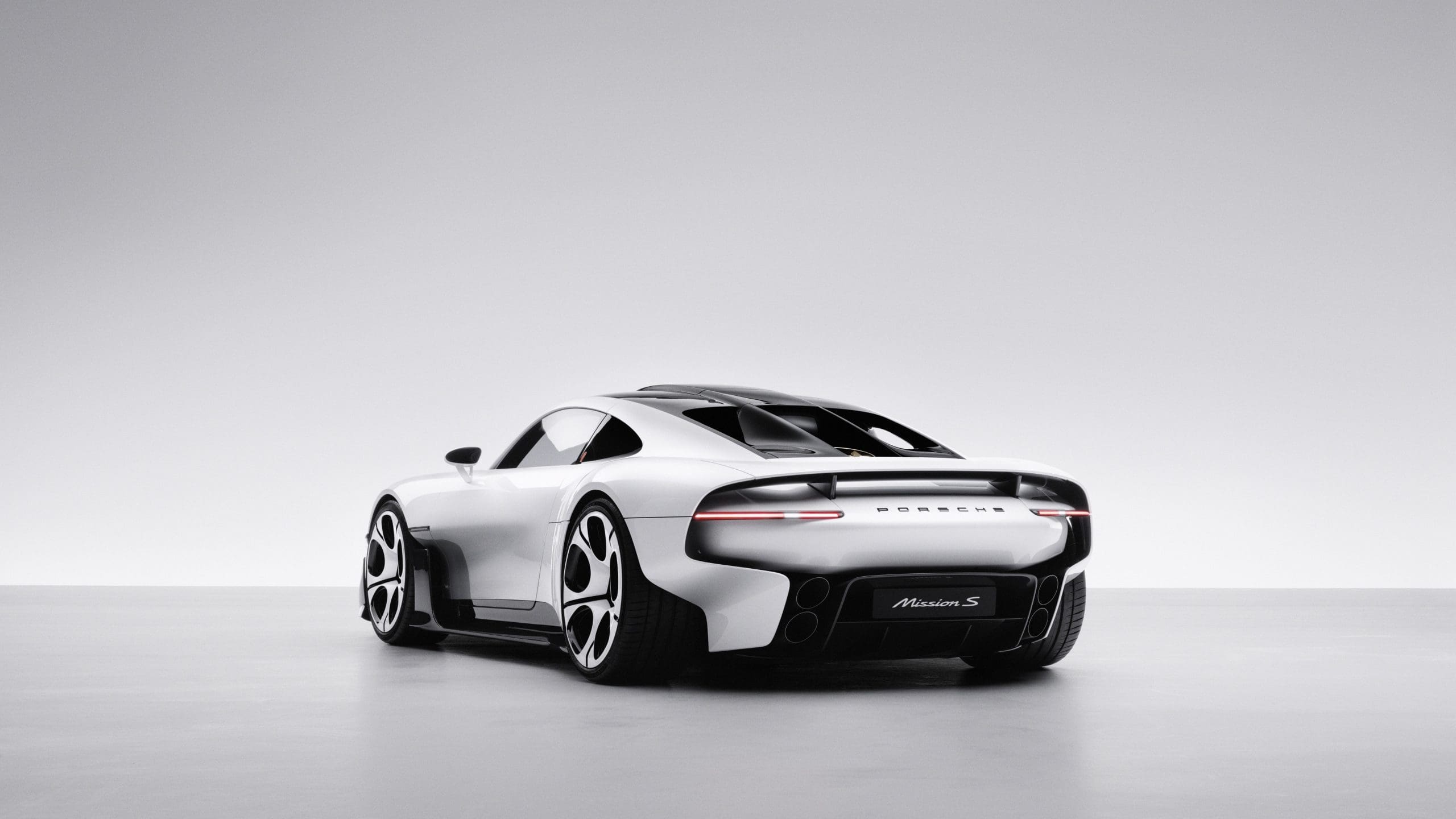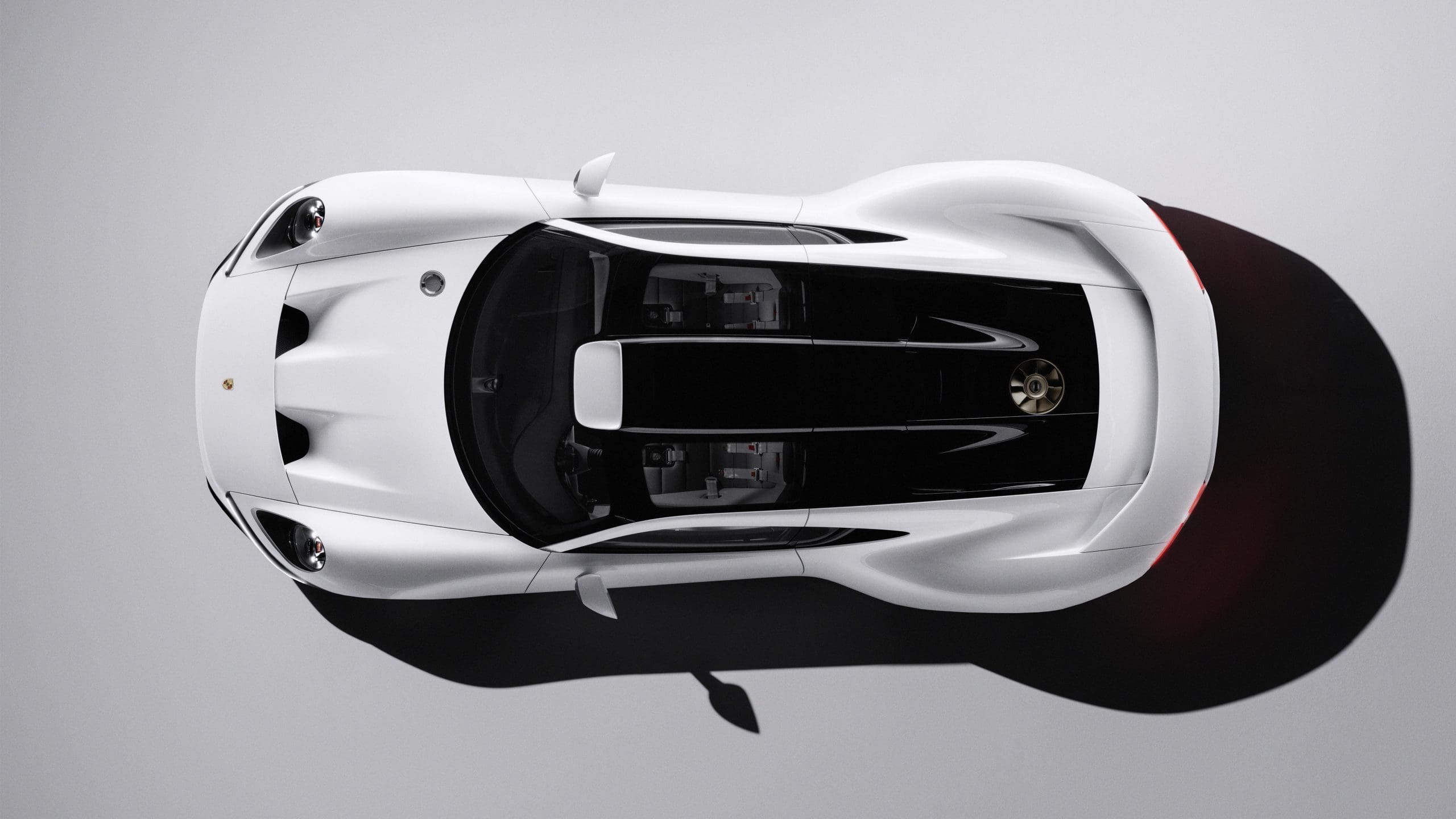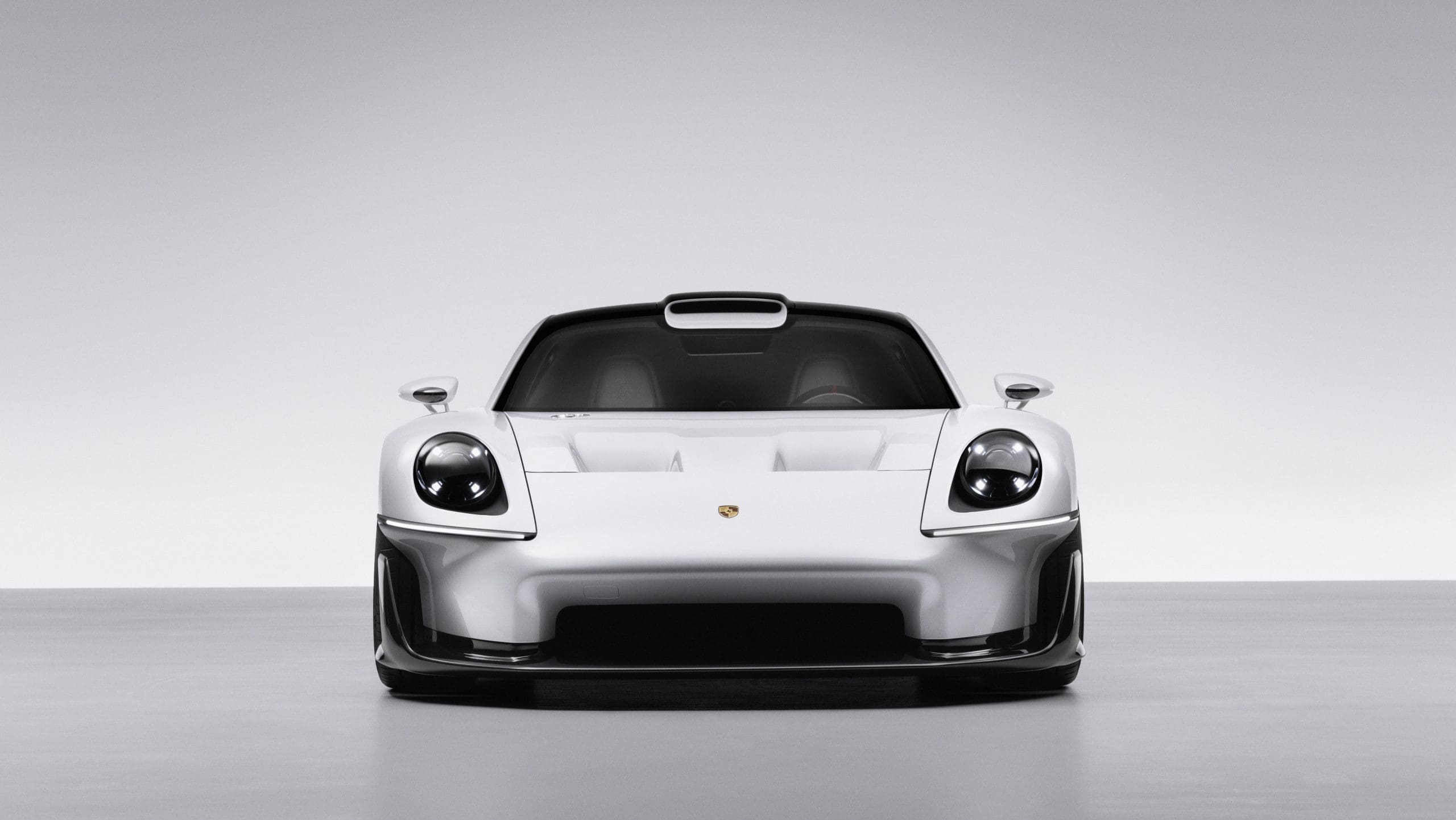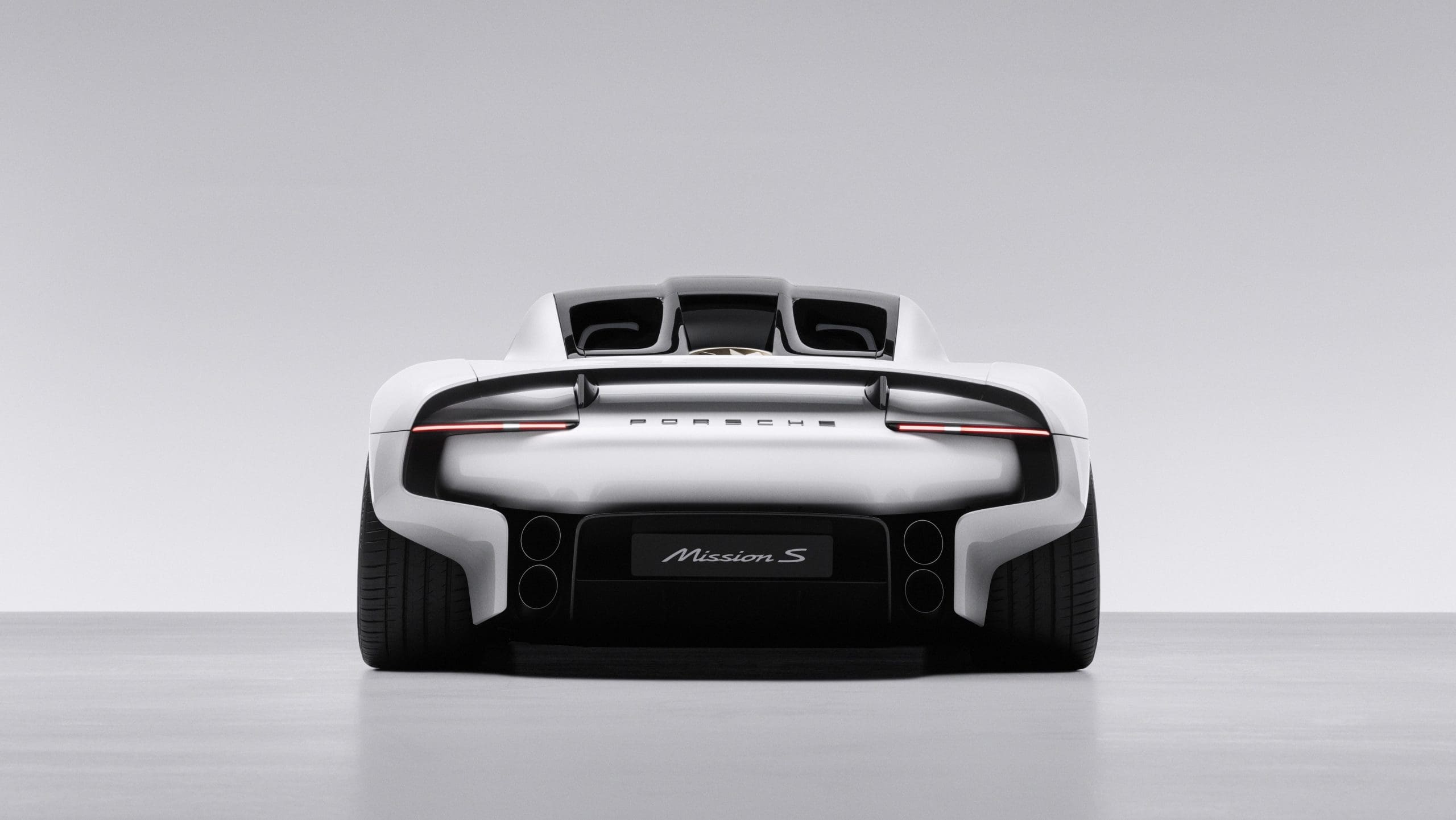


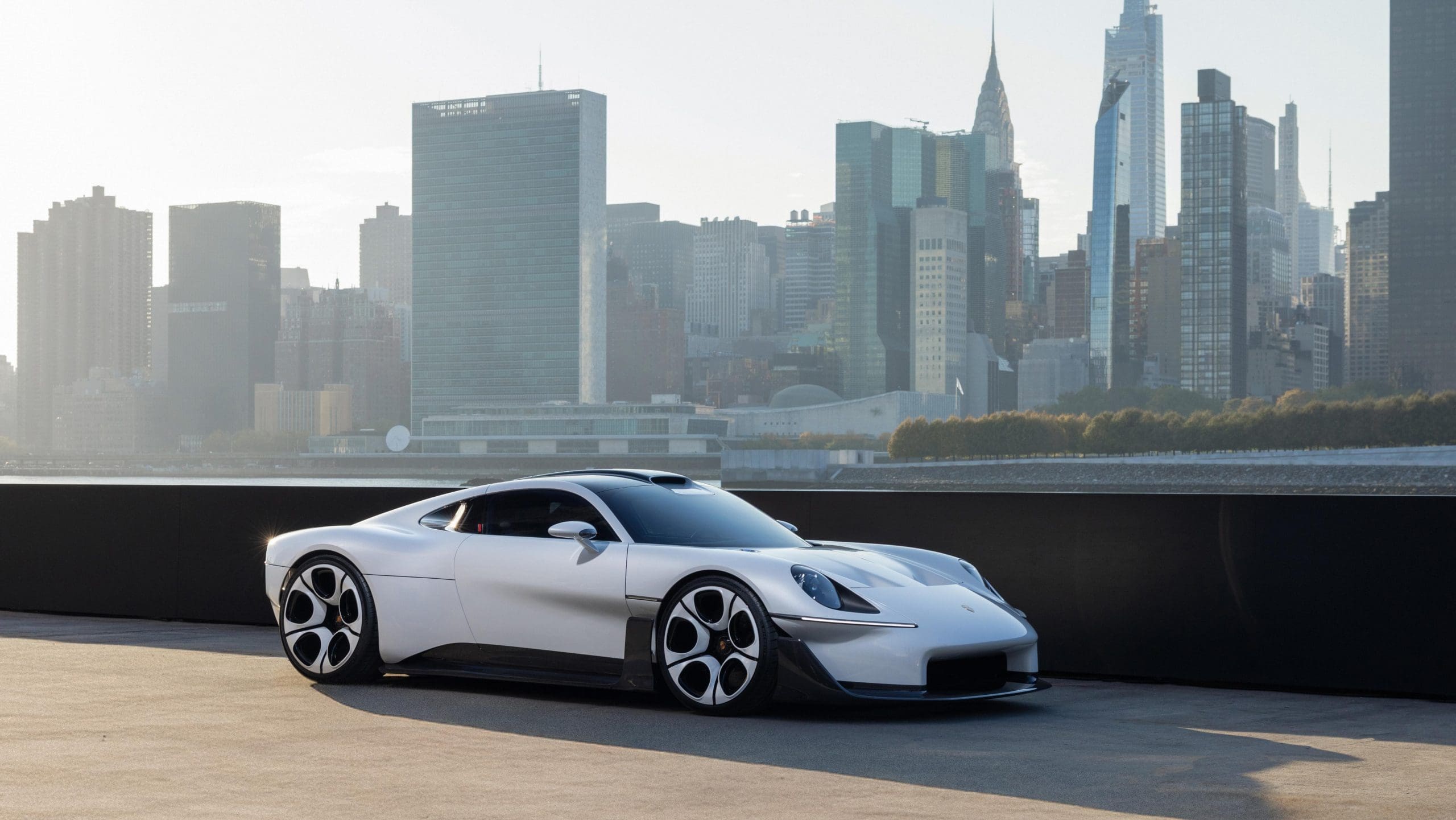
As revolutionary as the Porsche Mission S might appear at first glance, the latest concept car unveiled by the German automaker today is in its spirit, a heartfelt love song to its own storied past. It’s in many ways, the rebirth of that quintessential P-car soul with a “back-to-basics” mindset, driving the way forward technically and symbolically.
The timing of this announcement comes at a very important and arguably tenuous period in Porsche’s history. Commercially speaking, the brand is way off its highs in both a financial and commercial sense. Profits are down, and consumer sentiments have been quelled by rising prices and an increasingly vague product strategy. By way of the Porsche Mission S, the automaker is hoping that an injection of pace can see the brand through these relatively difficult times and into a better place.
Porsche Mission S
From a technical standpoint, not a whole lot has yet been revealed beyond what our eyes are able to see. So, no horsepower or 0-60 mph figures just yet. What we do know are the pertinent details of why the Mission S exists, and what Porsche has in mind now that it’s been shared to the world.
“The Mission S provides a glimpse of the ideas and design features that will shape Porsche in the coming years. The focus is on the authentic, consistent and timeless design of the vehicle and a particularly intense connection between driver and car. At the same time, the Mission S represents a mid-engined super sports car platform positioned above the 911 – not as a one-off hypercar, but as a permanent and versatile addition to our customer offering,” says Dr. Michael Leiters, Chairman of the Executive Board of Porsche AG.
Most notably, it appears that the aim of the Mission S is to be more than just a pseudo-attainable-ultra-low-production car that no one can buy. In fact, Porsche ‘s plan is to use it as a pivot upon which to build a relatively fruitful line of mid-engined sports cars. It’s interesting that it’ll be sitting atop the 911 in the product hierarchy, especially when considering the already difficult climate we’re in with more and more enthusiasts being priced out of owning Porsches in general. If that’s anything to go by, will the Mission S—in its final production-ready iteration and likely with a new name—also price itself out of the intended Porsche-buying public? Only time will tell.
Design and Vision
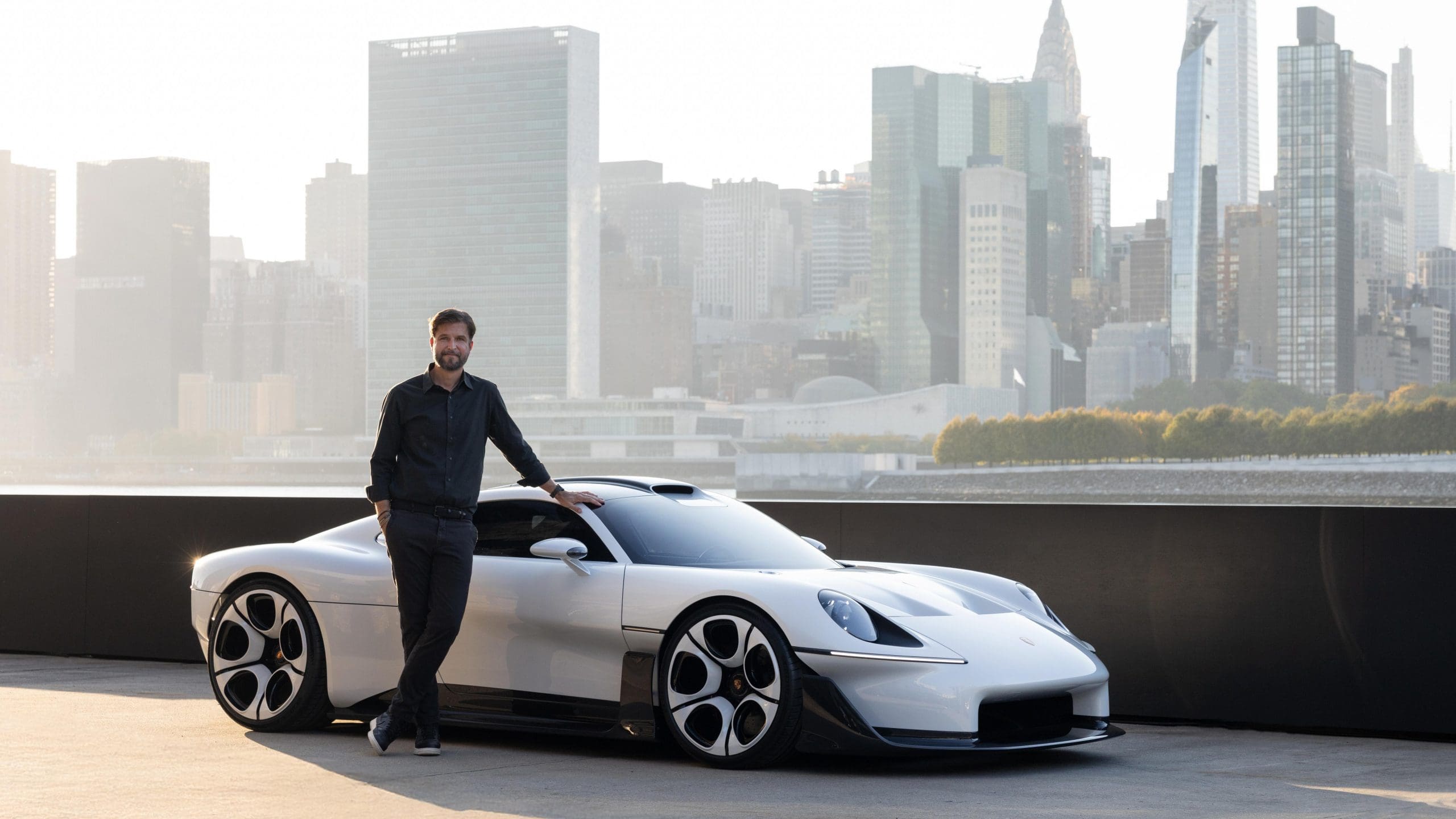
“The Mission S is the result of a forward-looking, holistic design strategy. This vision model illustrates a fundamental strategic direction that we will soon be translating into our future product portfolio,” Tobias Sühlmann, Head of Style Porsche goes on to add.
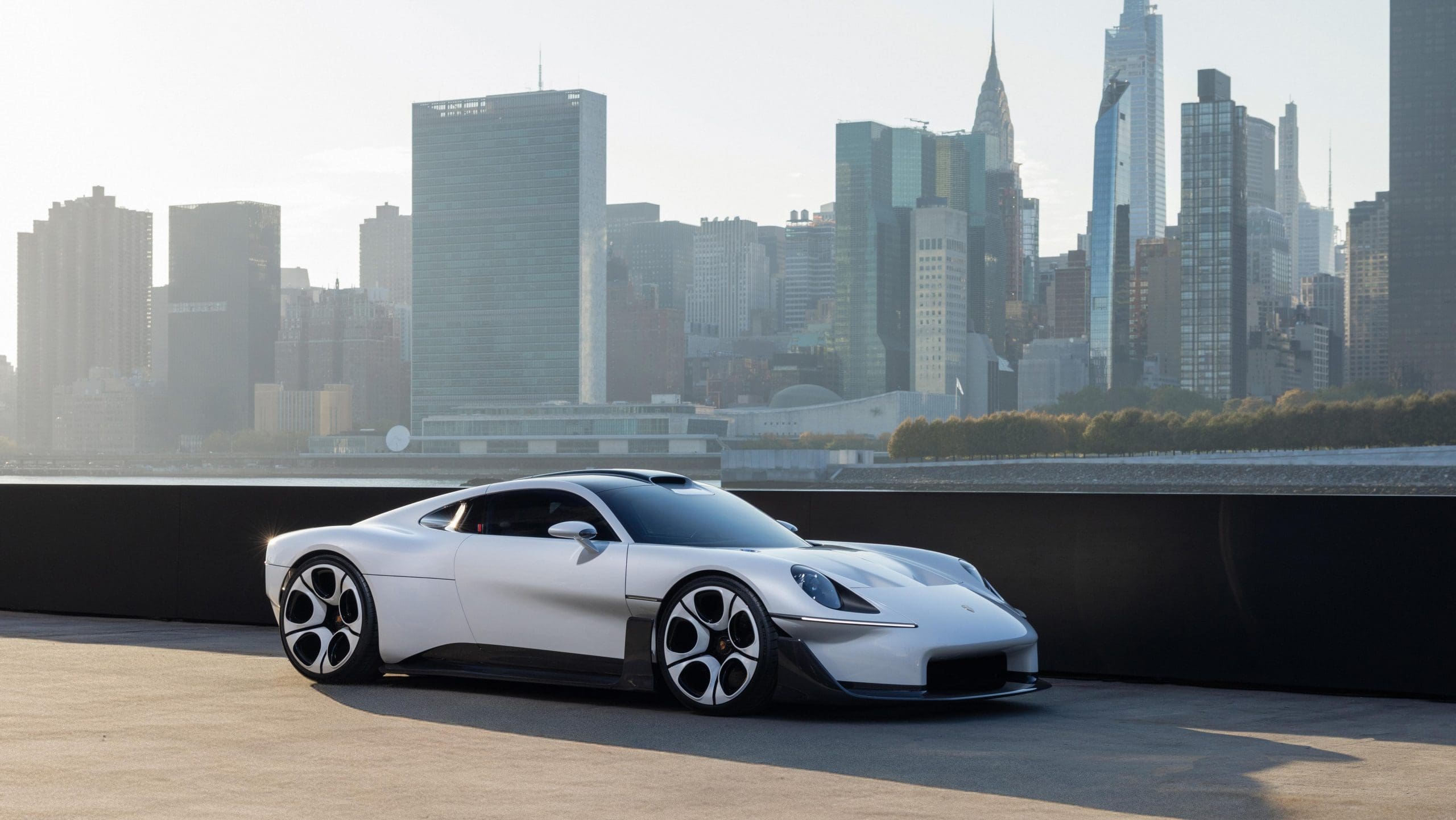
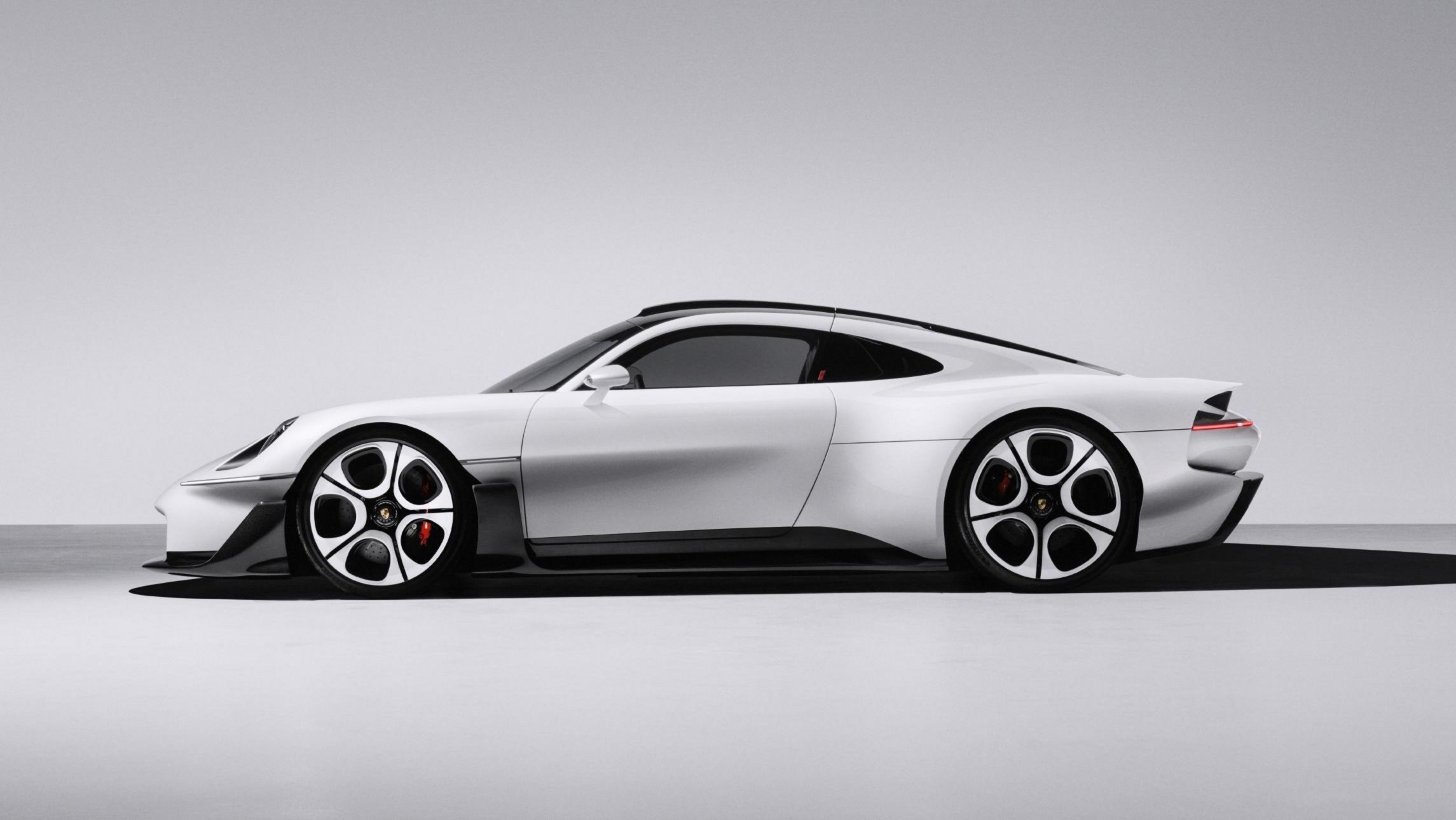
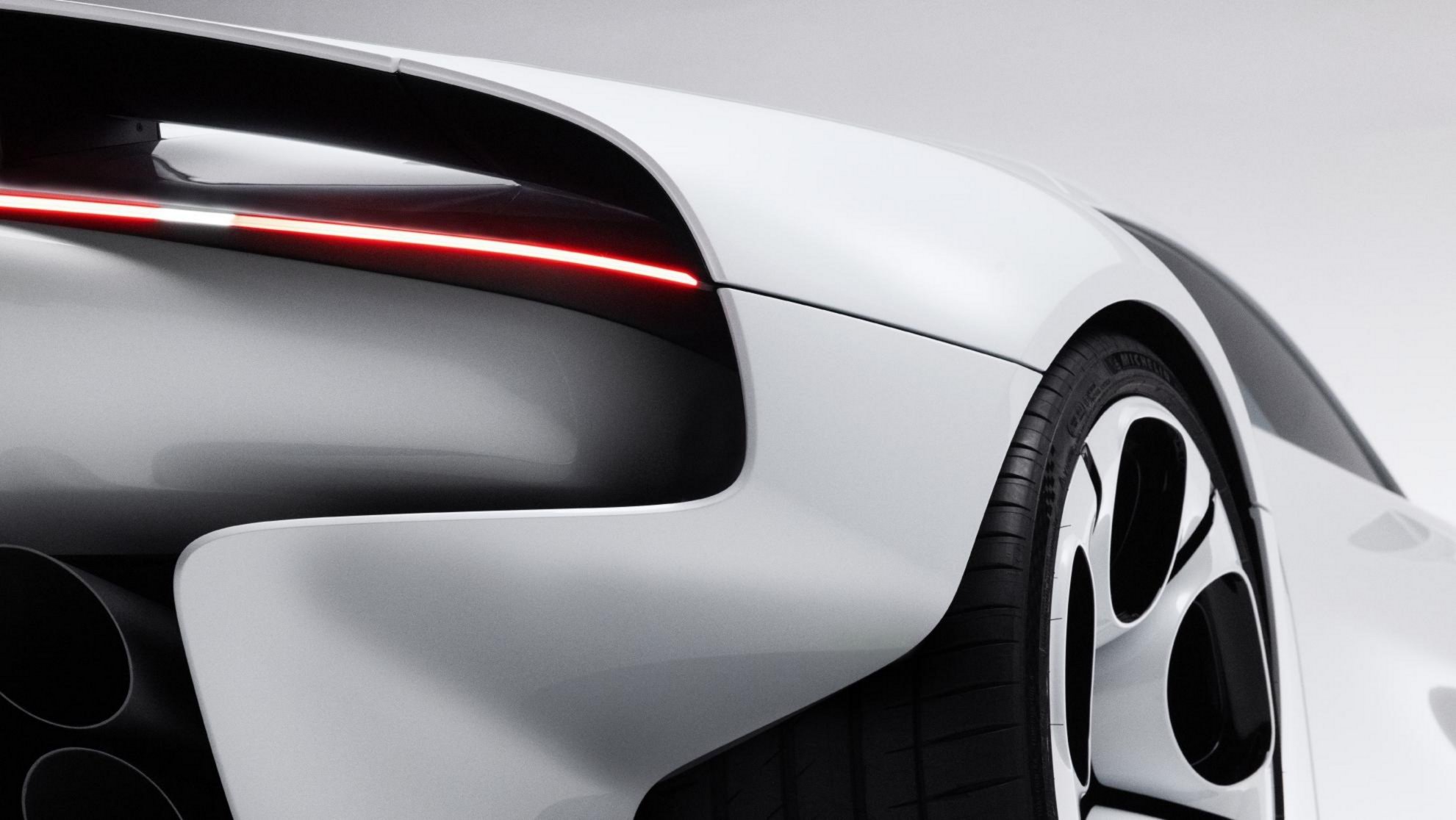
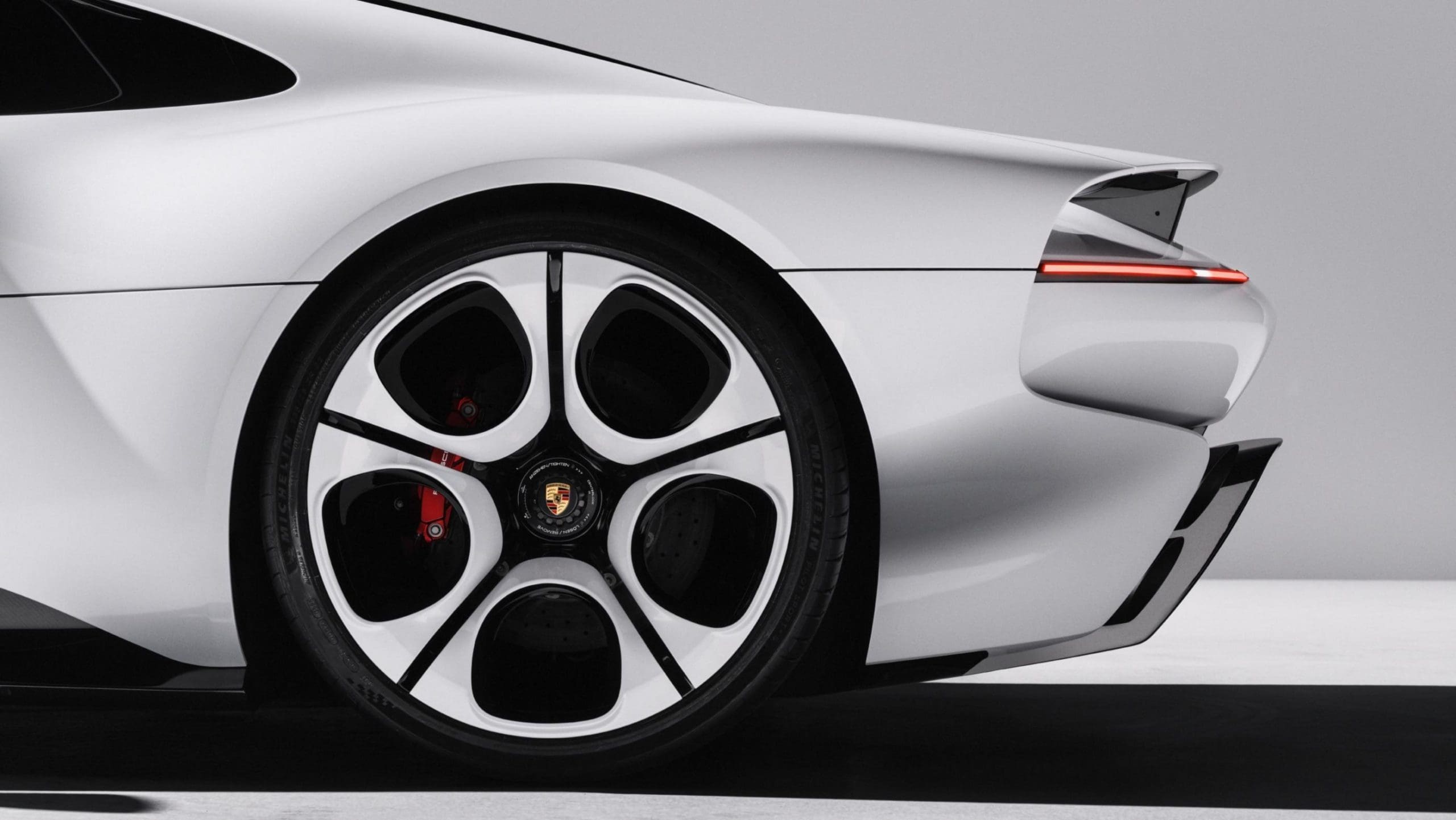
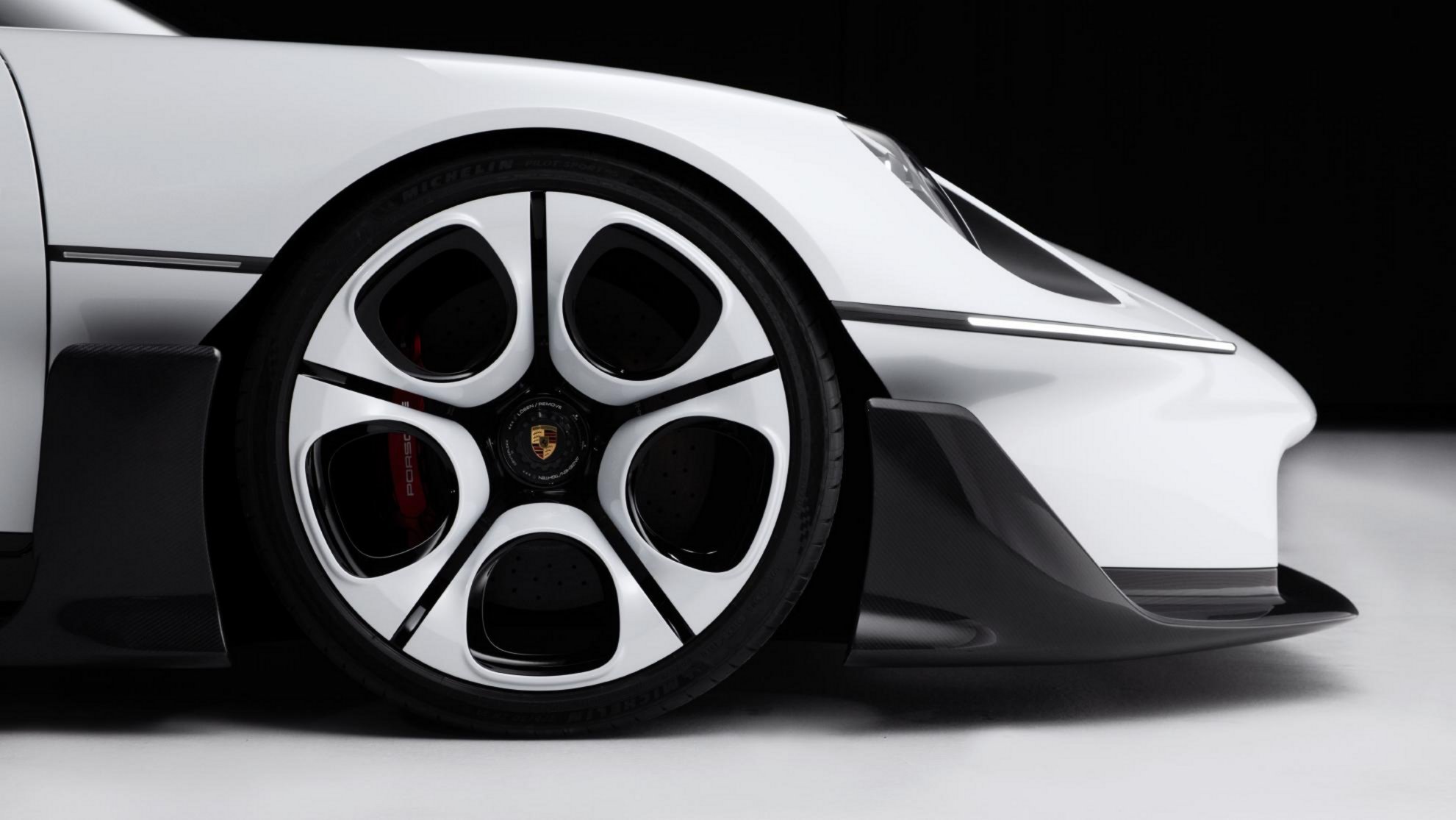
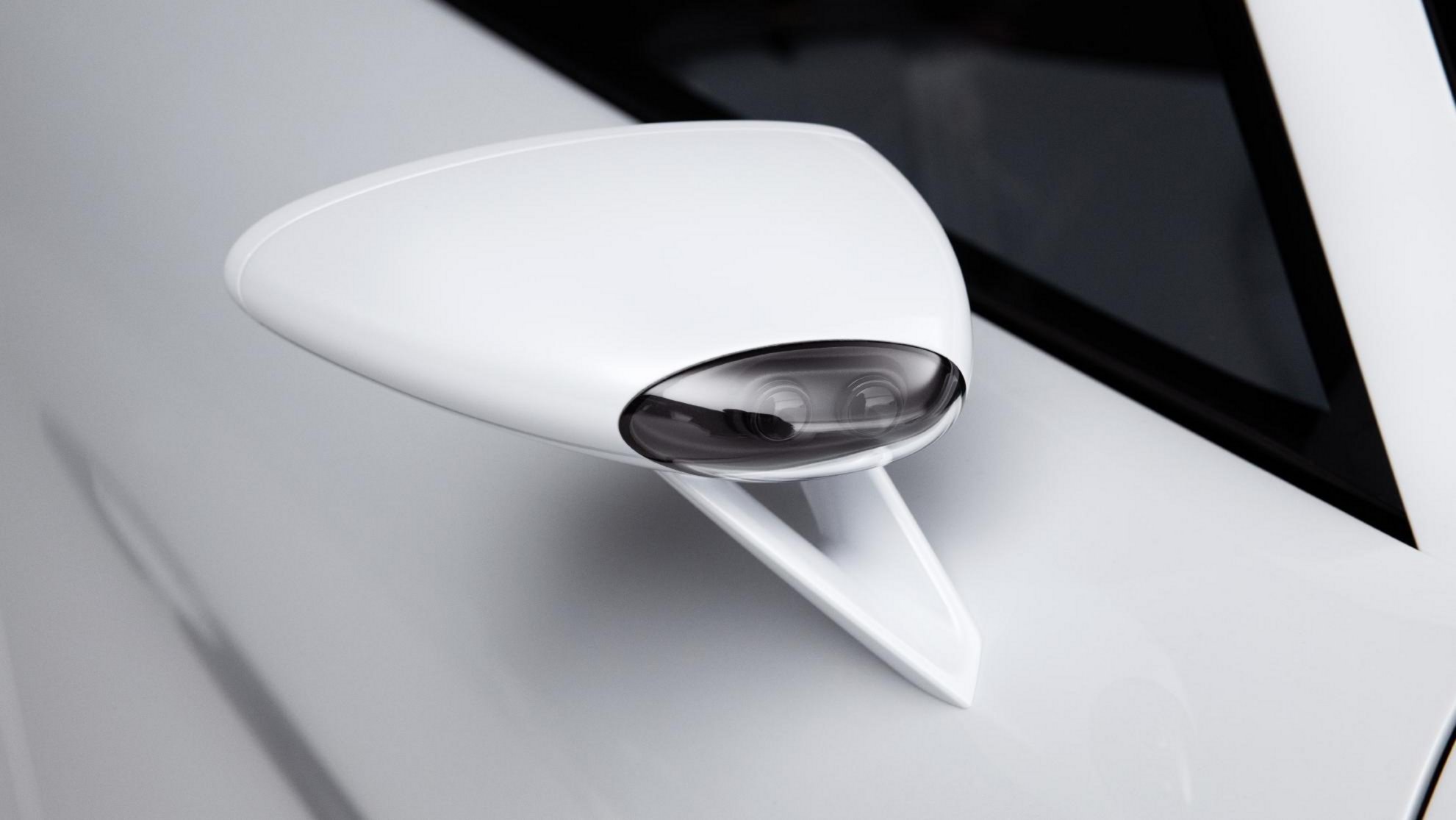
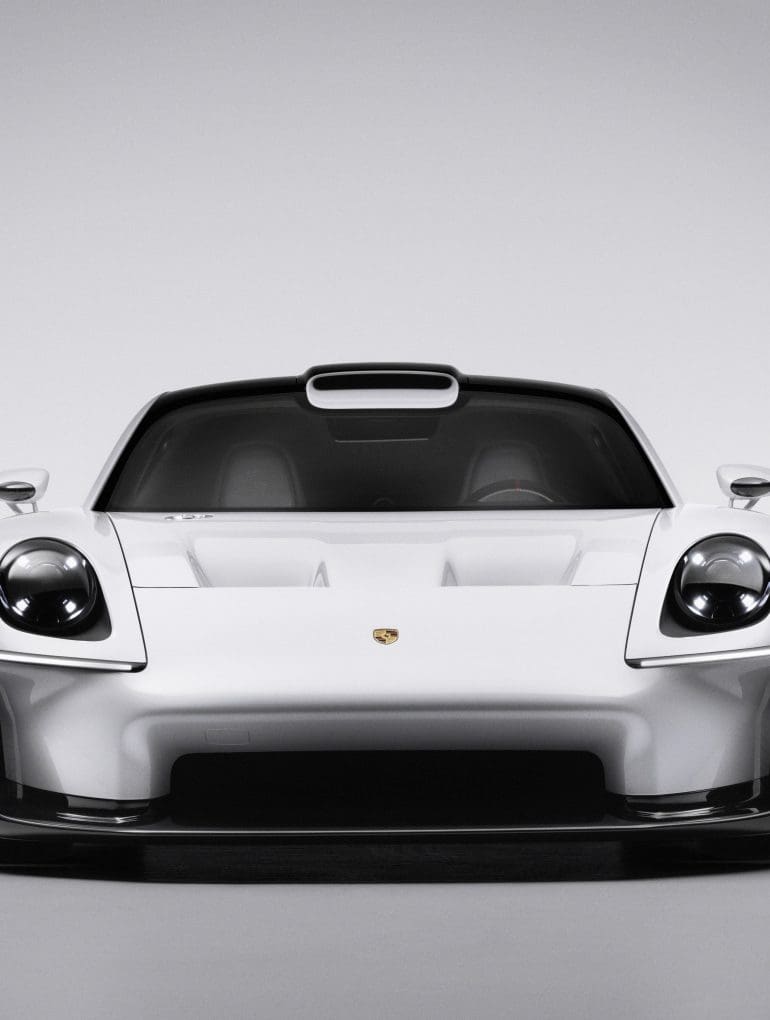
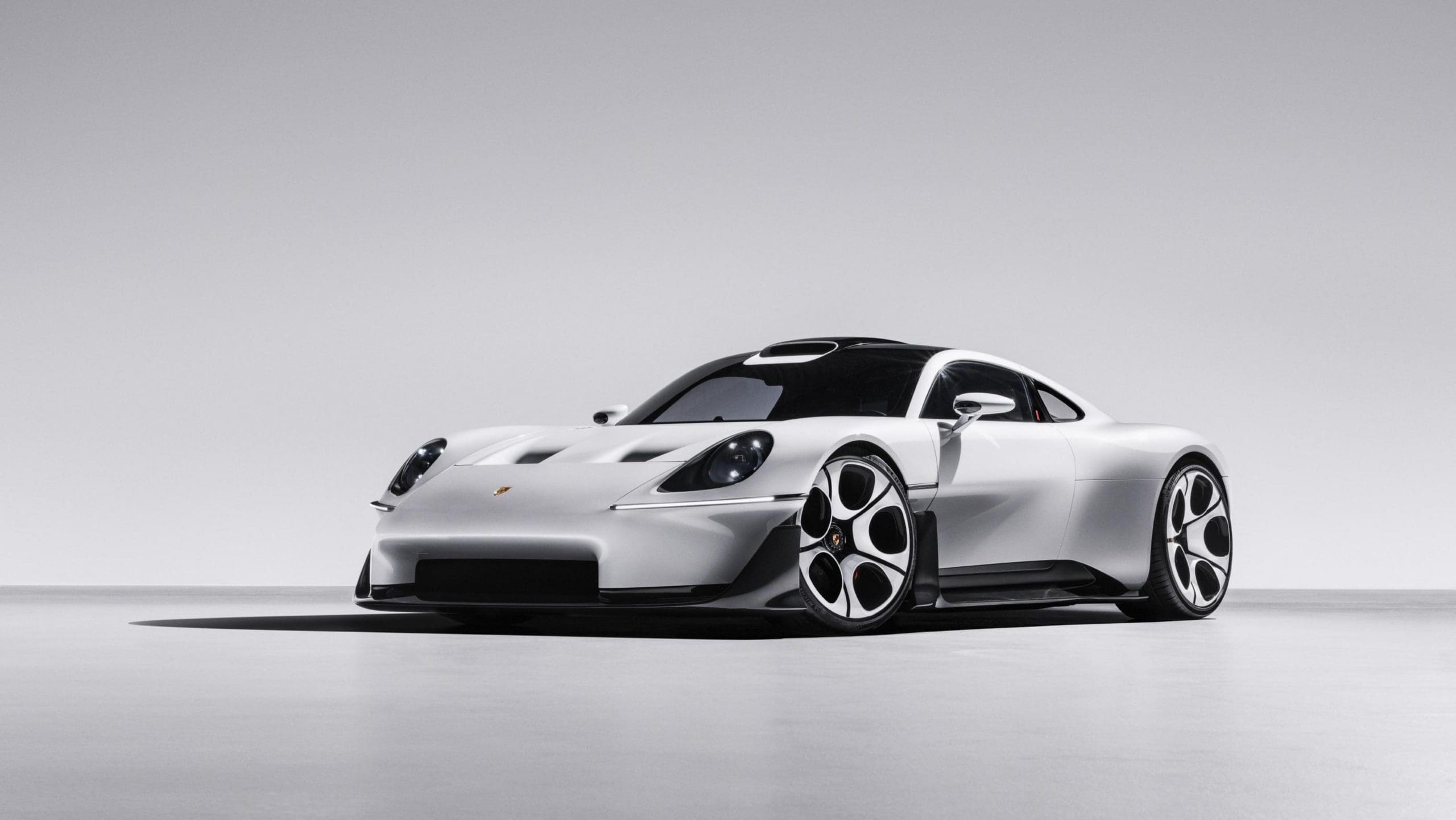
It’s clear that the Mission S strives to be the perfect marriage of future-ready engineering ingenuity and drive-focused analog sensibility. As much as that can easily be seen when viewing the car up close, with its “floating volumes” design language providing an elegant silhouette with elements of the exterior appearing to levitate off the primary surface of the car. Its overall “torpedo” shape, highlighted by its chiseled fenders and round lights also pays tribute to 911. More unique elements from other historic models also partake in this remarkable symbiosis, such as the front end inspiration from the GT1, the rear wing shape from the 959, and even the iconic “dial design” wheels derived from the 928.
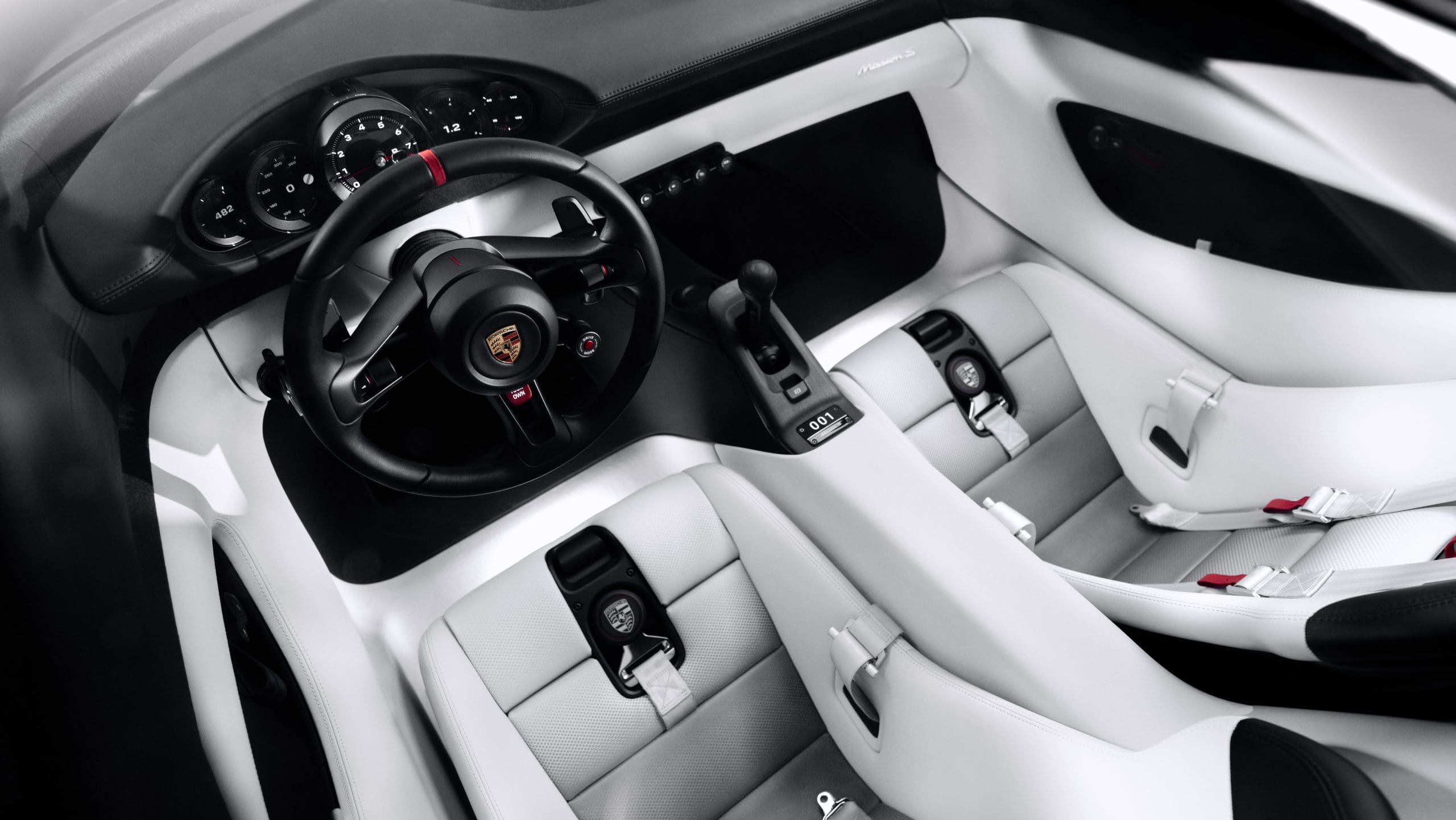
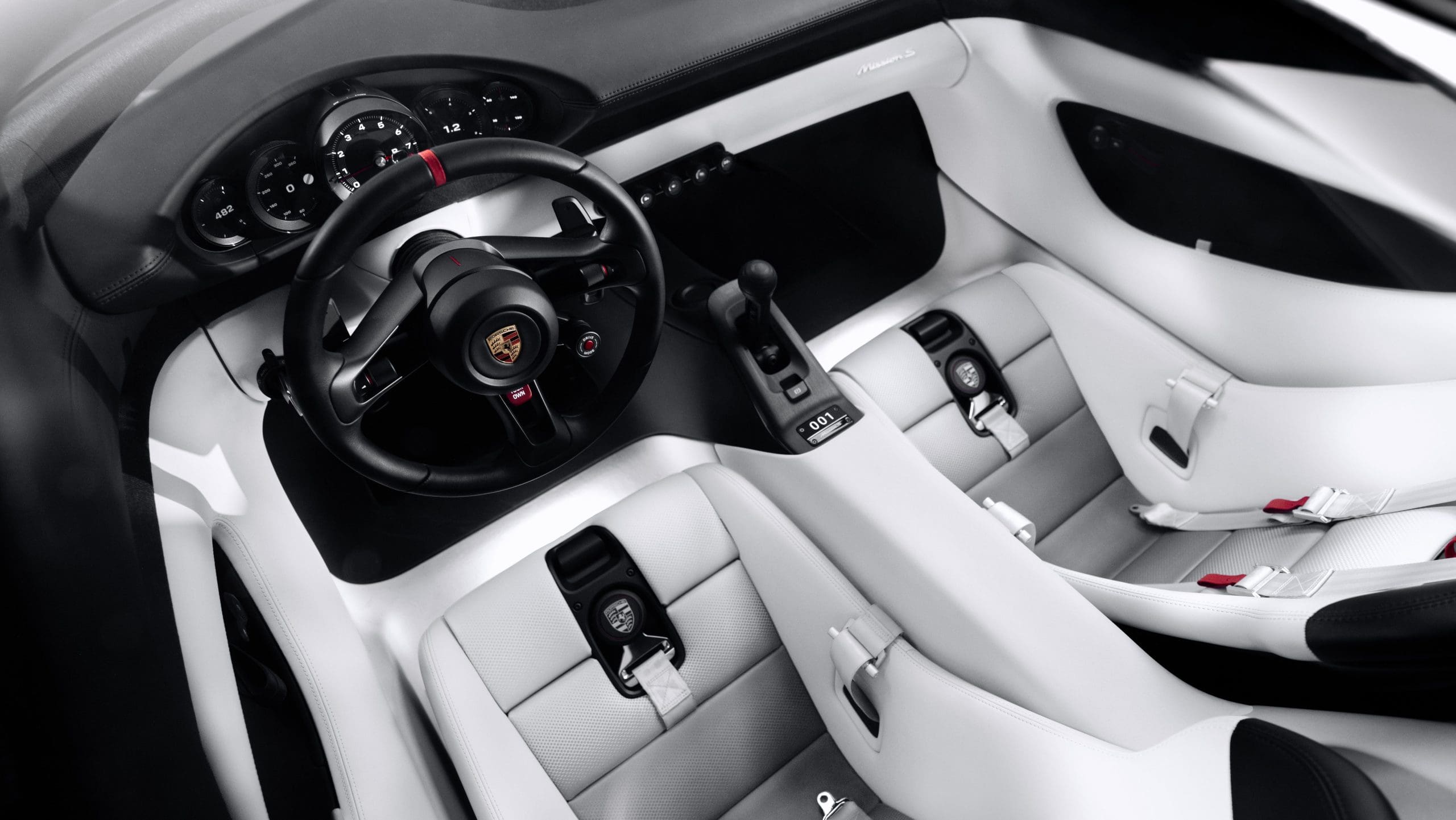
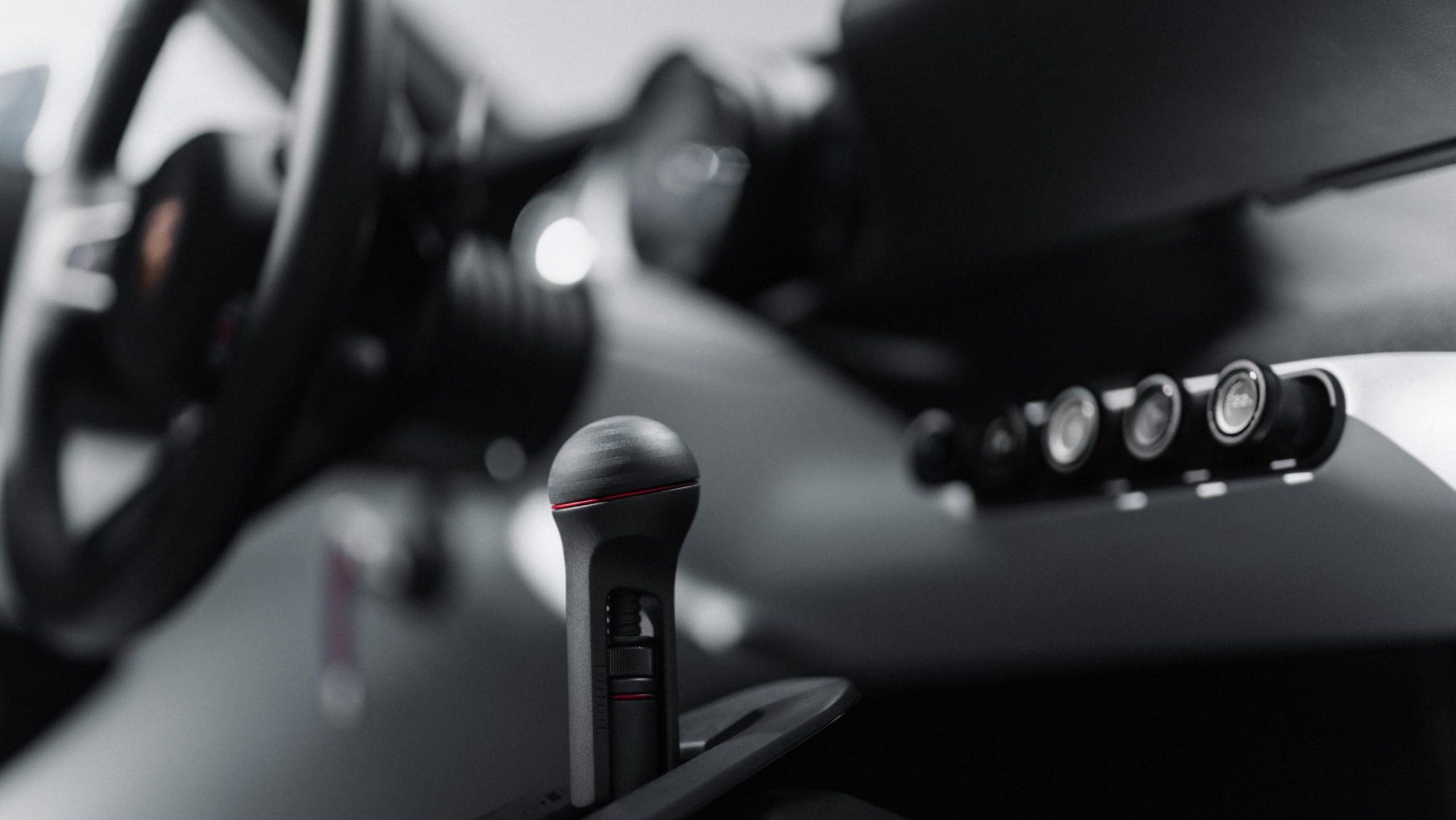
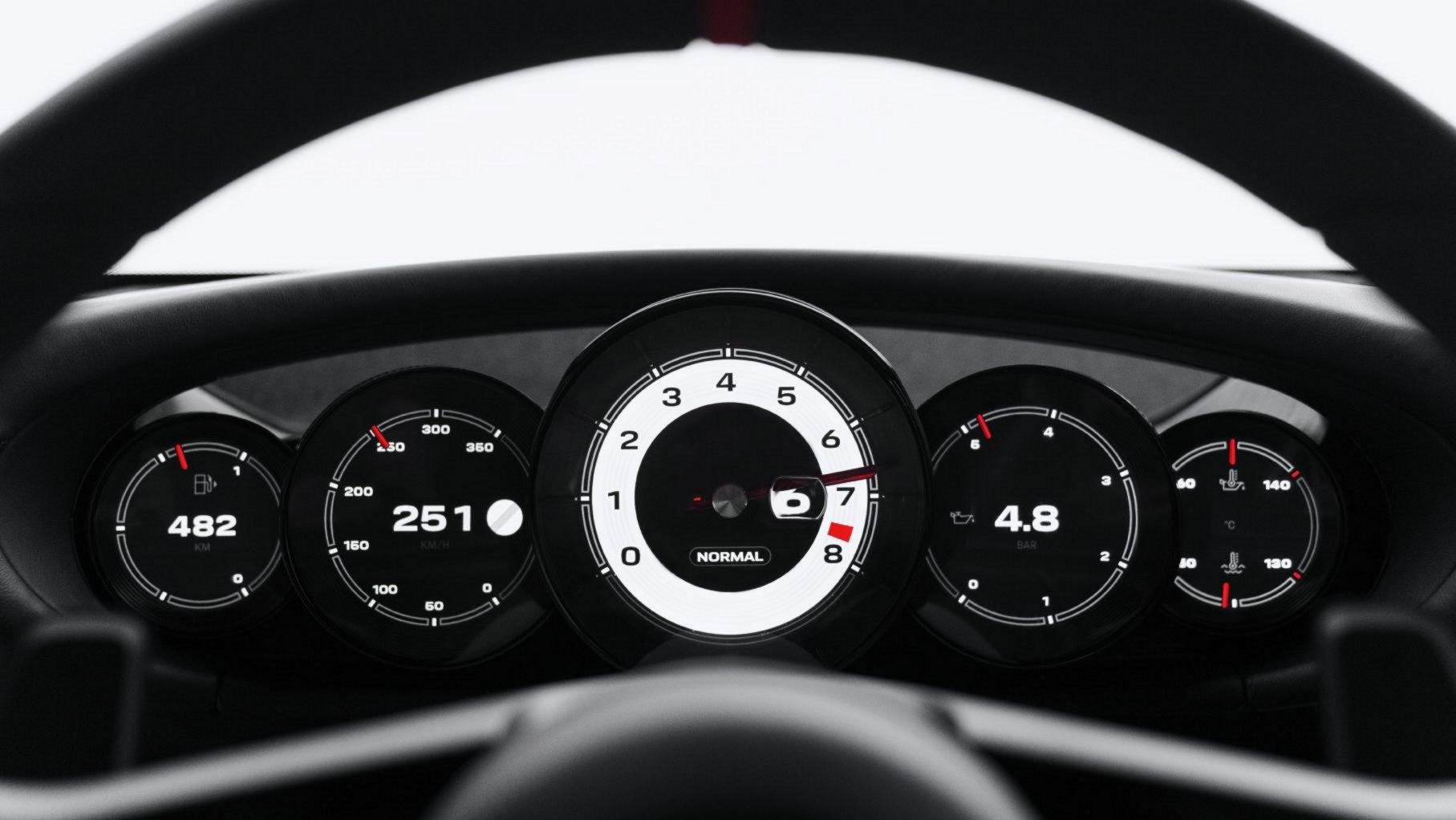
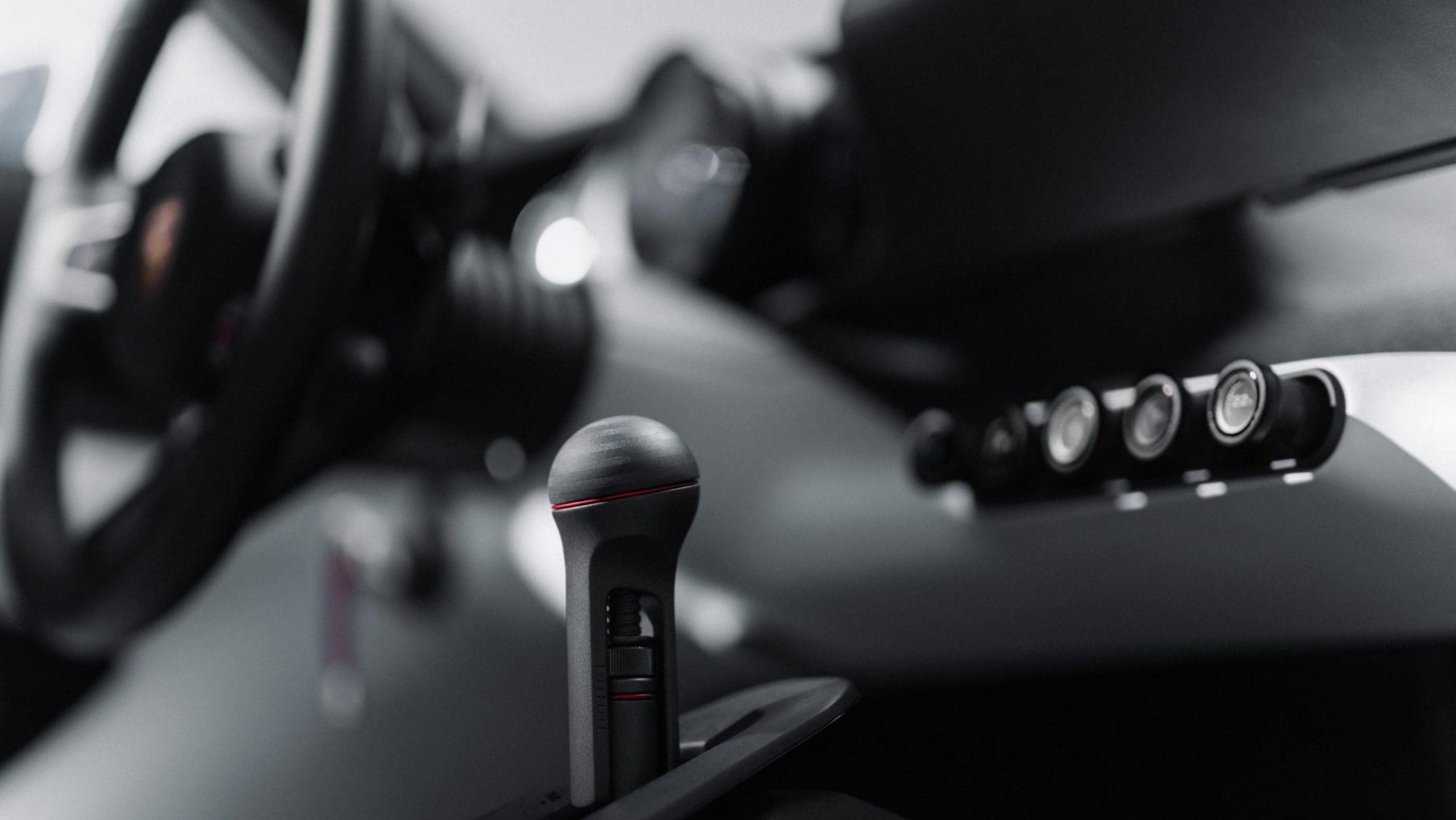
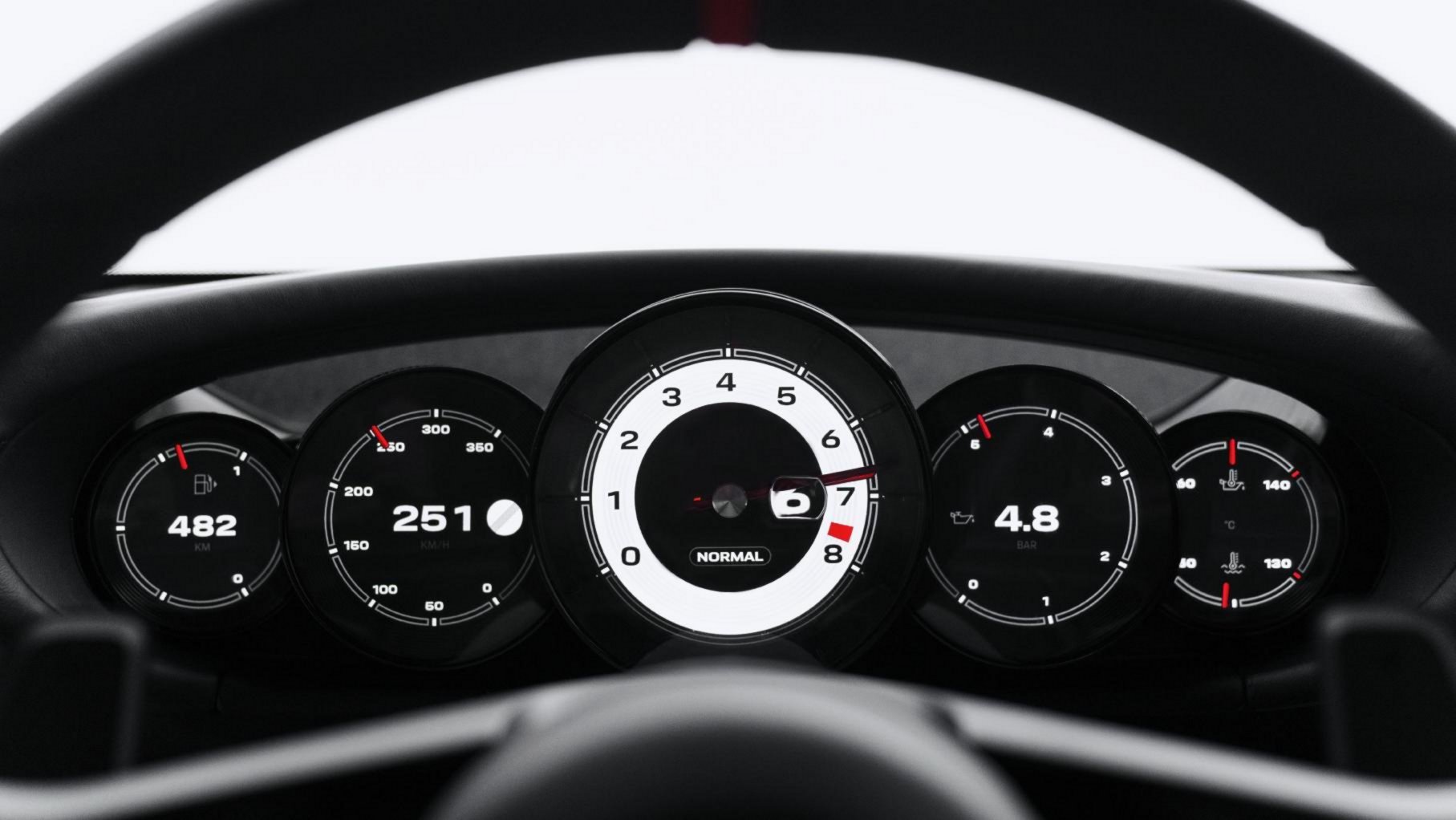
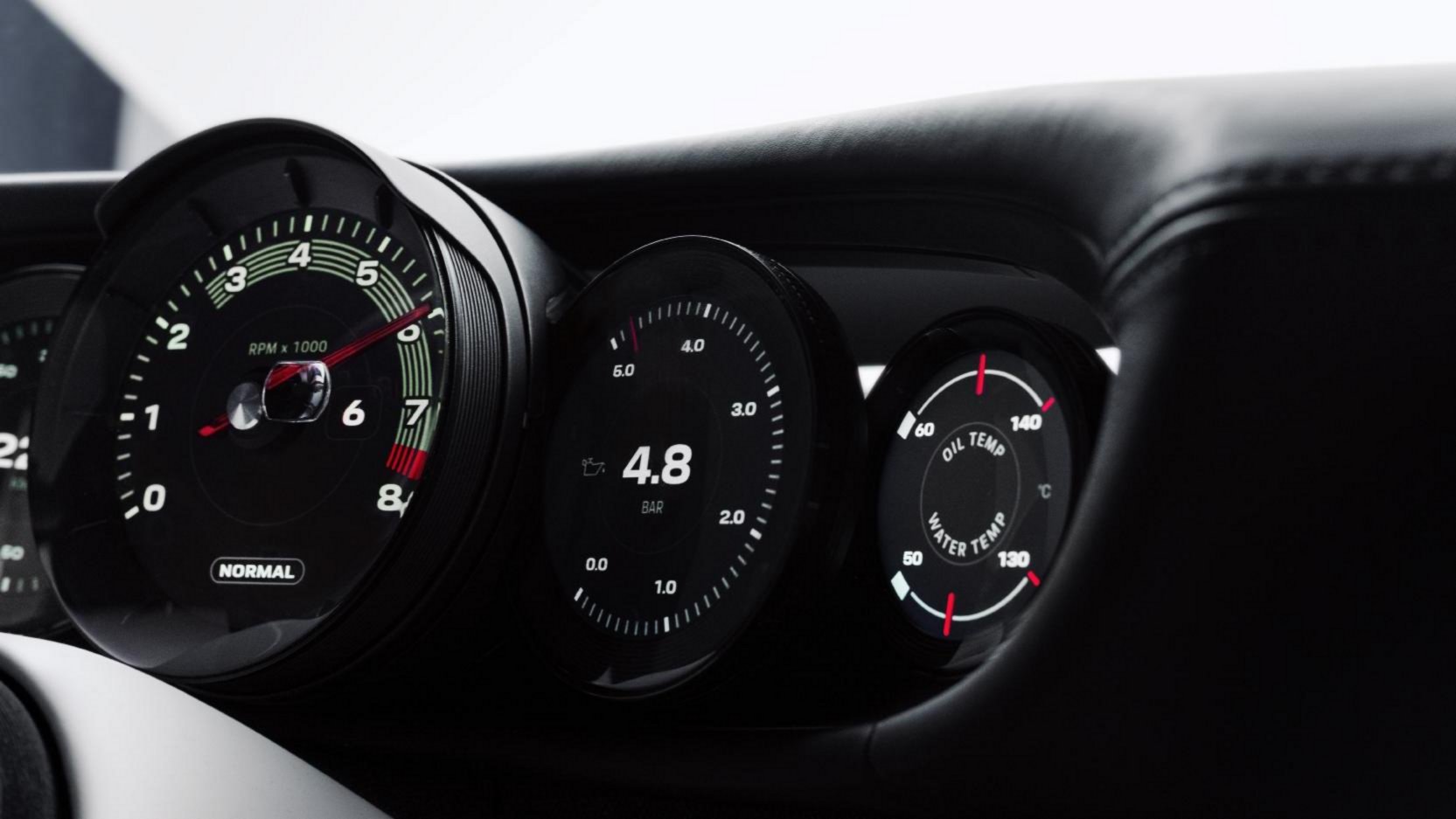
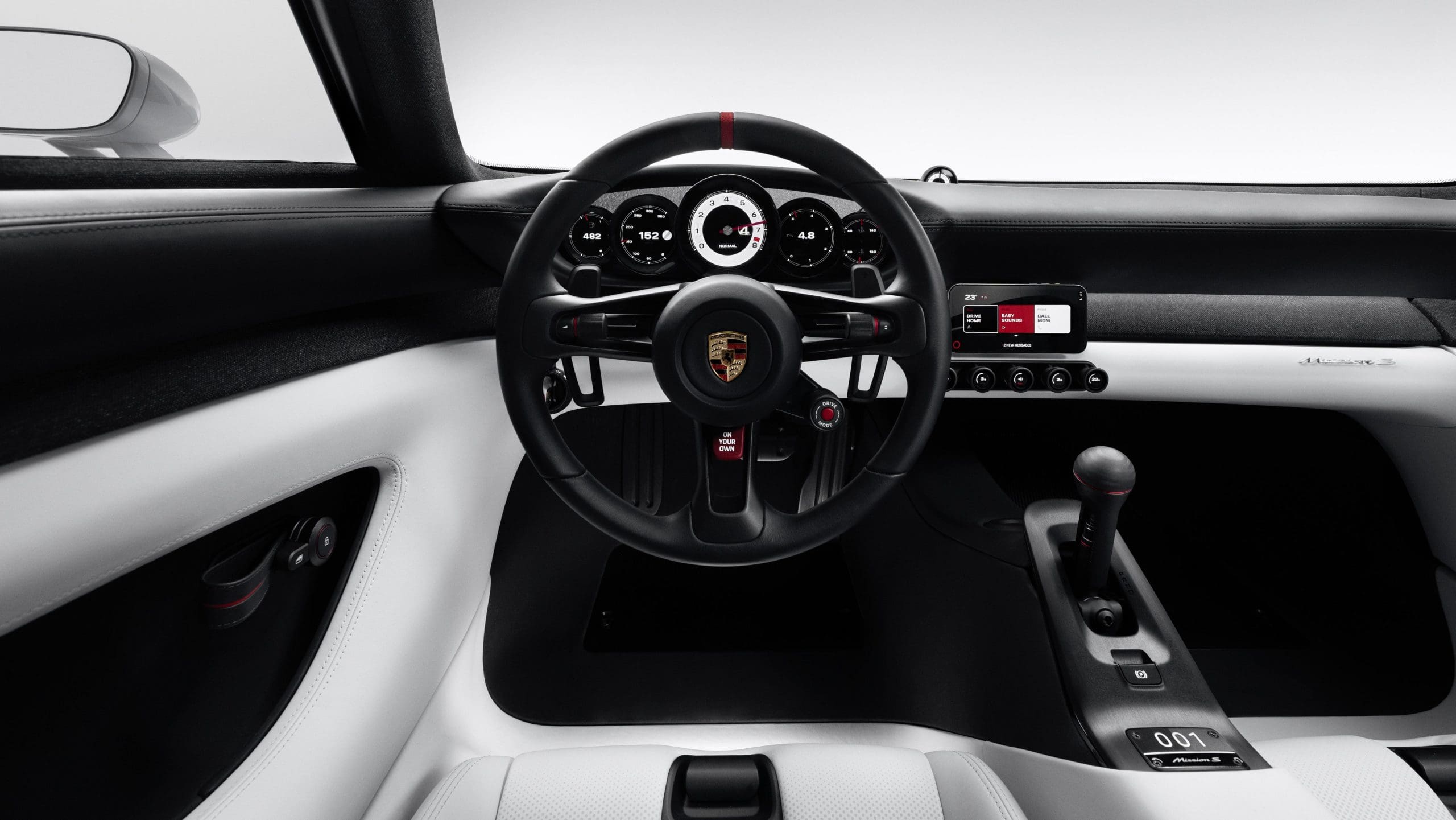
Porsche says that the interior design language is a refined dialect of historic Porsche sports cars such as the 550 Spyder and the 356. This mandate strives to create smooth transitions across the cockpit, blending modern technology with classic functionality. It’s supposed to feel familiar. That translates to a utilitarian balance of analog and digital toggles which elevate driver comfort and focus, and perhaps my favorite feature of all—the height-adjustable shift knob which I’m confident will offer thrilling engagement when used as a sequential. This is the essence of Porsche.
Final Thoughts (For Now)
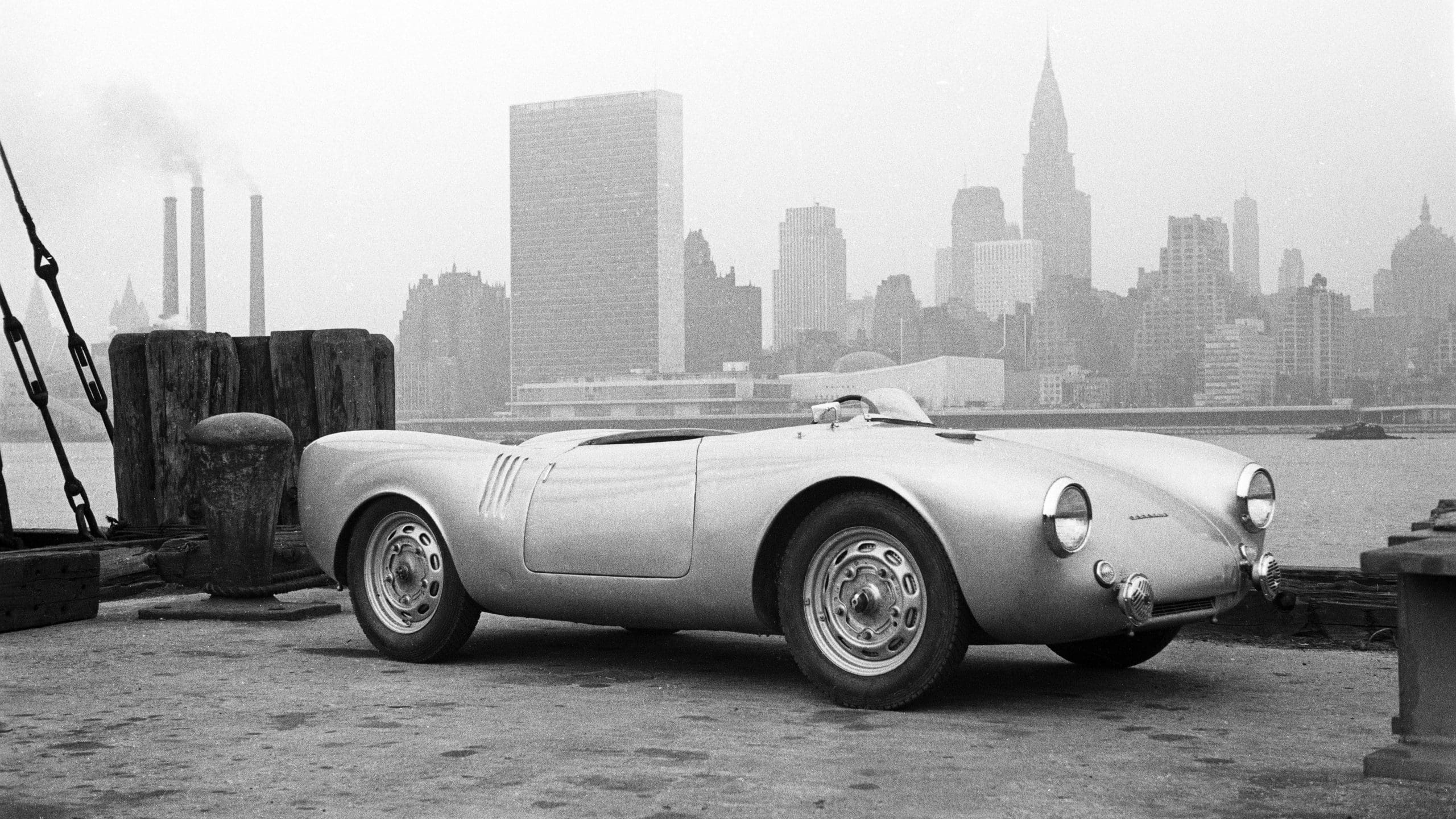
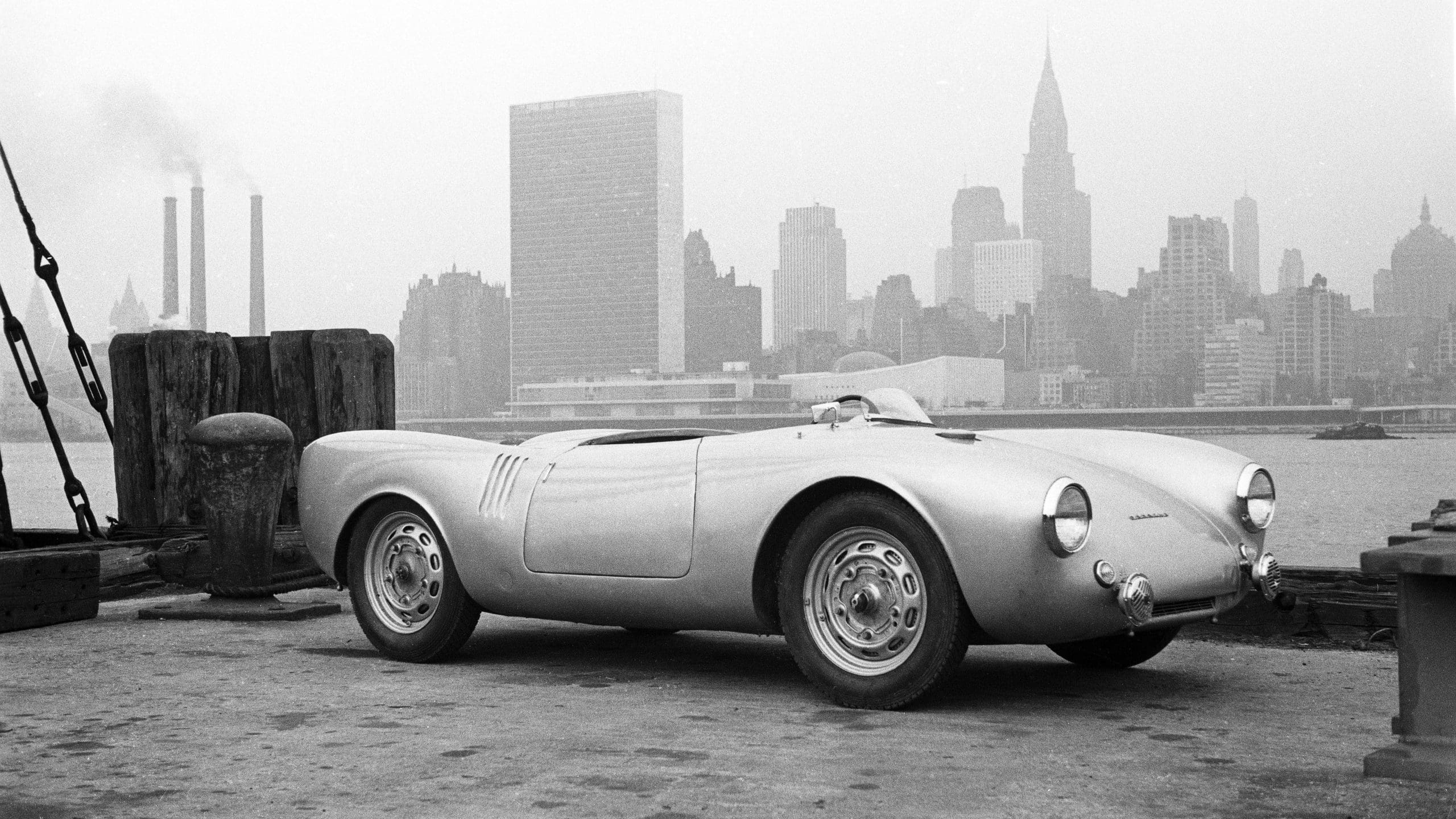
The Porsche Mission S was unveiled at the same location—a pier in Queens, New York—as the mid-engined Porsche 550 Spyder all the way back in 1953. Through this allegory, it’s evident that the German automaker is hoping that its latest concept car will have the same knock-on effect that the brand’s first and still highly revered super sports car did.
The verdict on this, of course, is going to take time, and without any substantive information regarding performance—or perhaps more importantly, pricing—it’s still too early to even speculate. Either way, I’m sure that all P-car fans and sports car lovers alike are cheering this on for what will hopefully become a definitive moment in the brand’s timeline. I know I am.
Walkaround Video
Image Gallery