
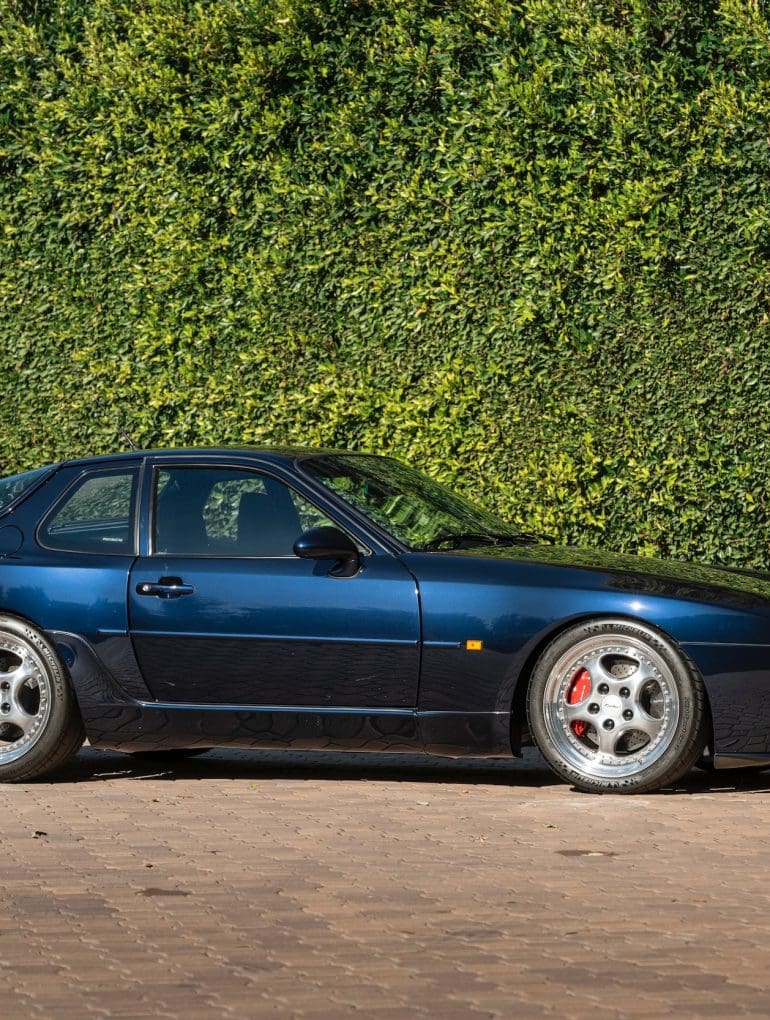

Stuttgart, 1993. Porsche Motorsports at Weissach produced the 968 Turbo S, a limited-production variant celebrating that turbocharged performance could deliver genuine capability within Porsche’s compact front-engine platform. A 3.0-liter turbocharged inline-four produced 305 PS (301 bhp) at 5,400 rpm and 369 lb-ft of torque at 3,000 rpm, establishing 174 mph capability and 0-60 mph acceleration in 4.7 seconds. At introduction, only the 911 Turbo 3.6 produced more torque within Porsche’s lineup, establishing the 968 Turbo S as a genuinely credible performance variant.
The car’s near-perfect 50/50 weight distribution combined with sophisticated handling balance created dynamics rivaling significantly more powerful contemporaries. Production ran from 1993 through 1994, with 14 examples hand-assembled at Weissach: one prototype and 13 customer road cars, establishing the 968 Turbo S as one of the rarest front-engine Porsche variants ever created.
Background and Origins
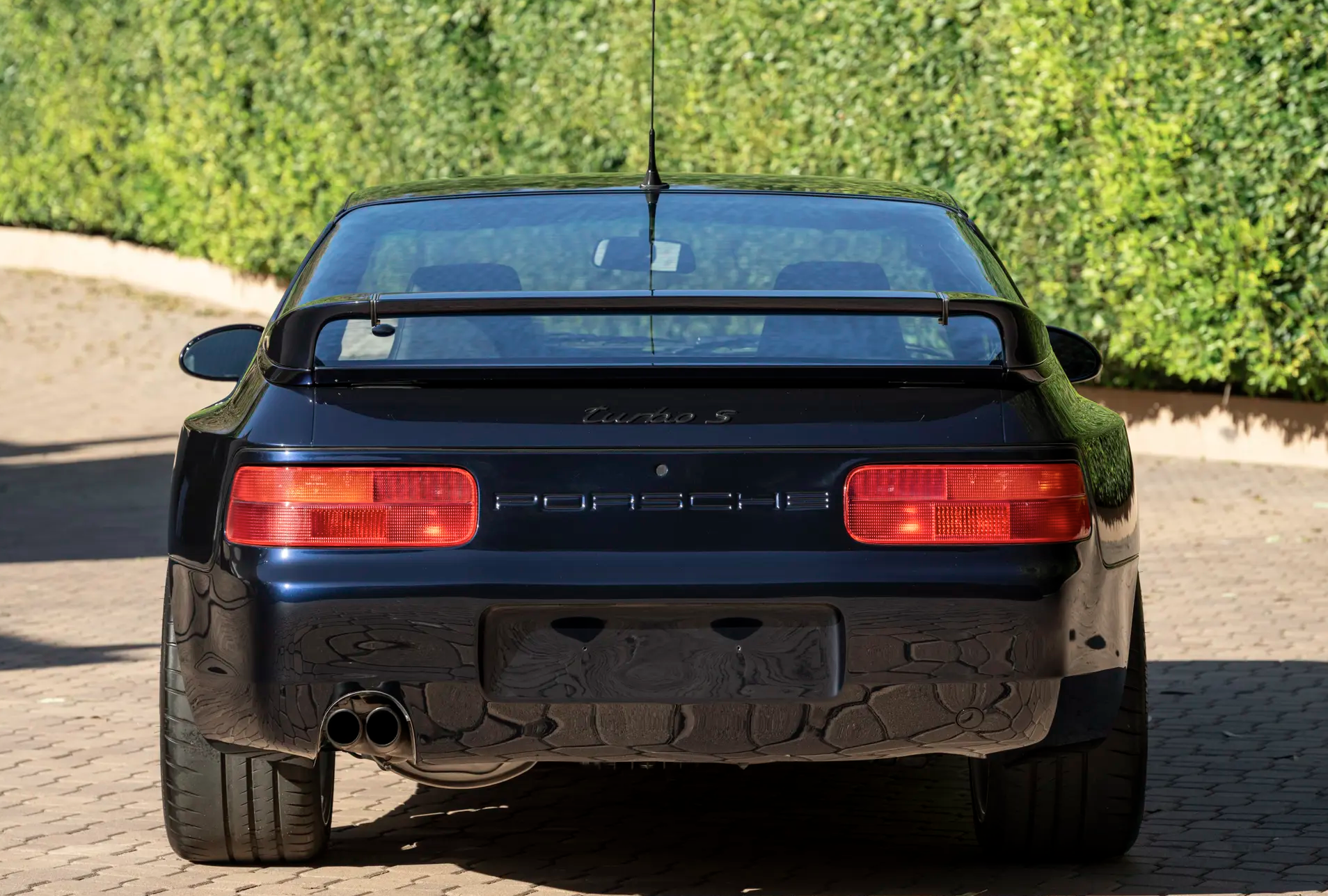
The 968 Turbo S emerged from Porsche Motorsports’ determination to establish homologation credentials within the platform’s structural parameters. Following introduction of the 968 Club Sport in 1993, racing applications including the Turbo RS demonstrated the platform’s potential. Rather than develop an entirely new variant, engineers determined that turbocharged optimization of existing architecture would deliver maximum effectiveness.
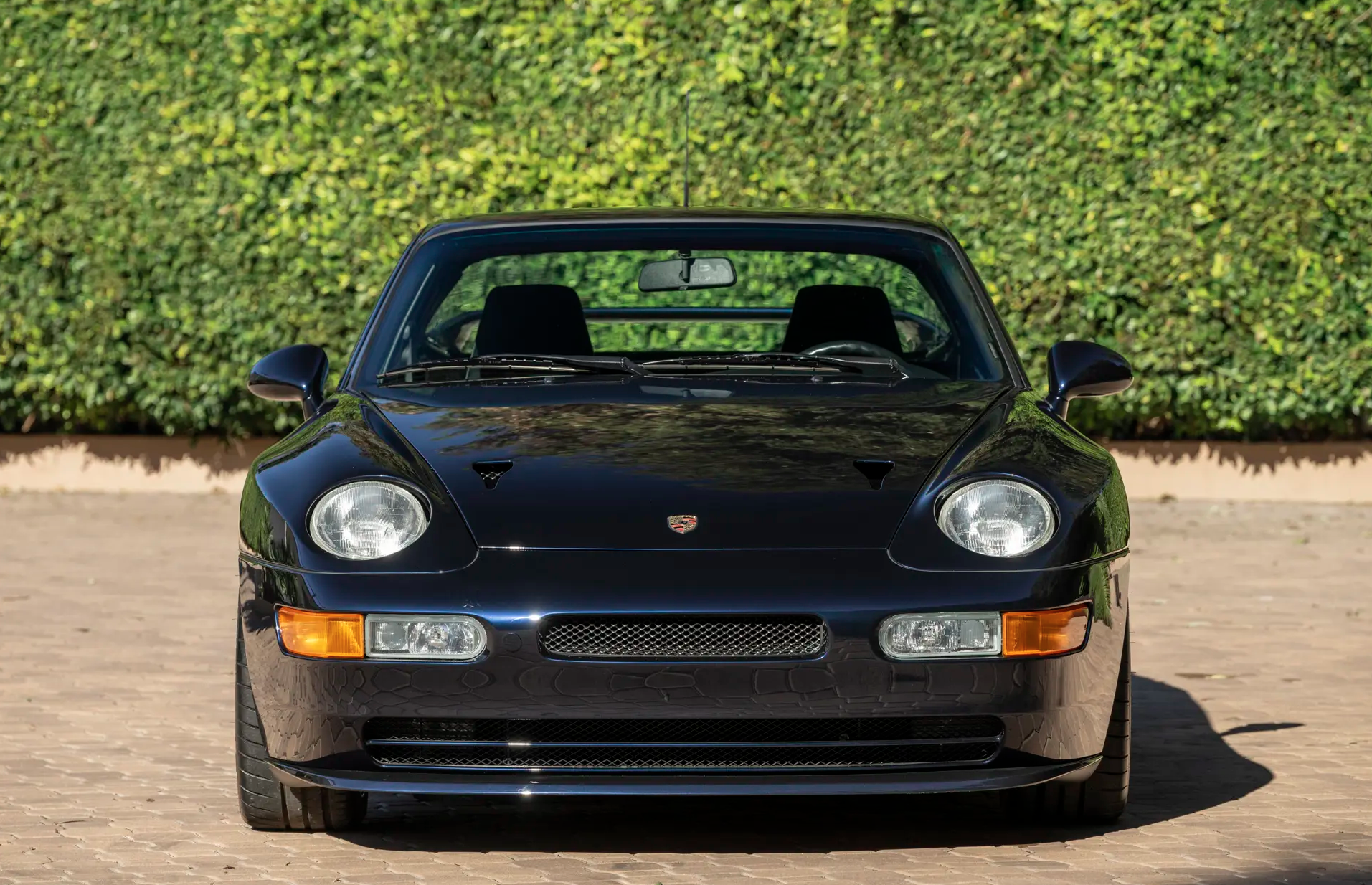
Weissach management recognized that applying proven turbocharged technology would establish a genuine performance variant. Porsche originally contemplated building 50 to 100 units, but economic conditions during the early 1990s recession capped production at 14 cars. The 968 Turbo S served as street homologation for the dedicated race program (968 Turbo RS), which produced four distinct track-focused chassis built separately with enhanced performance specifications and competition-grade engineering.
Design and Engineering
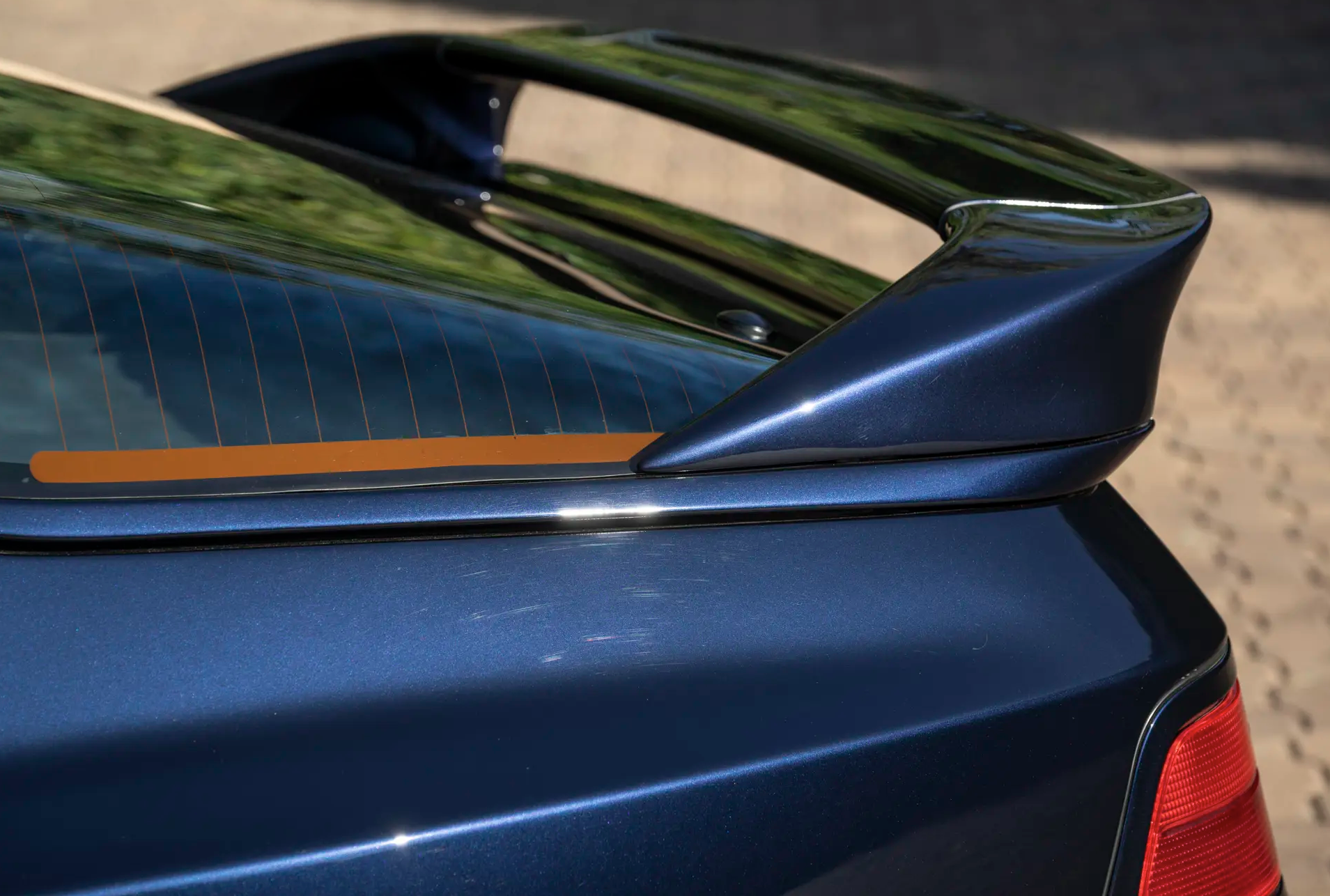
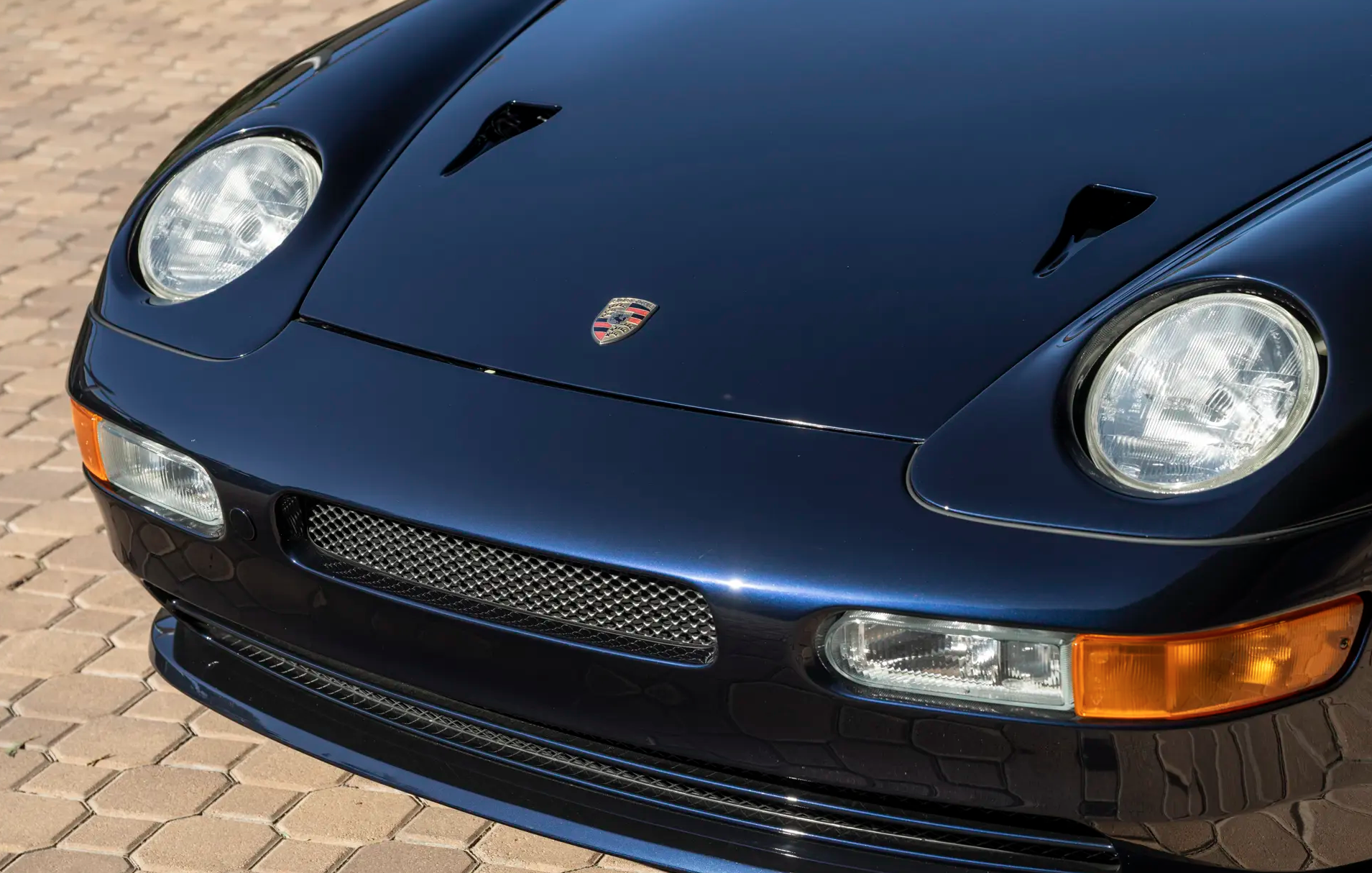
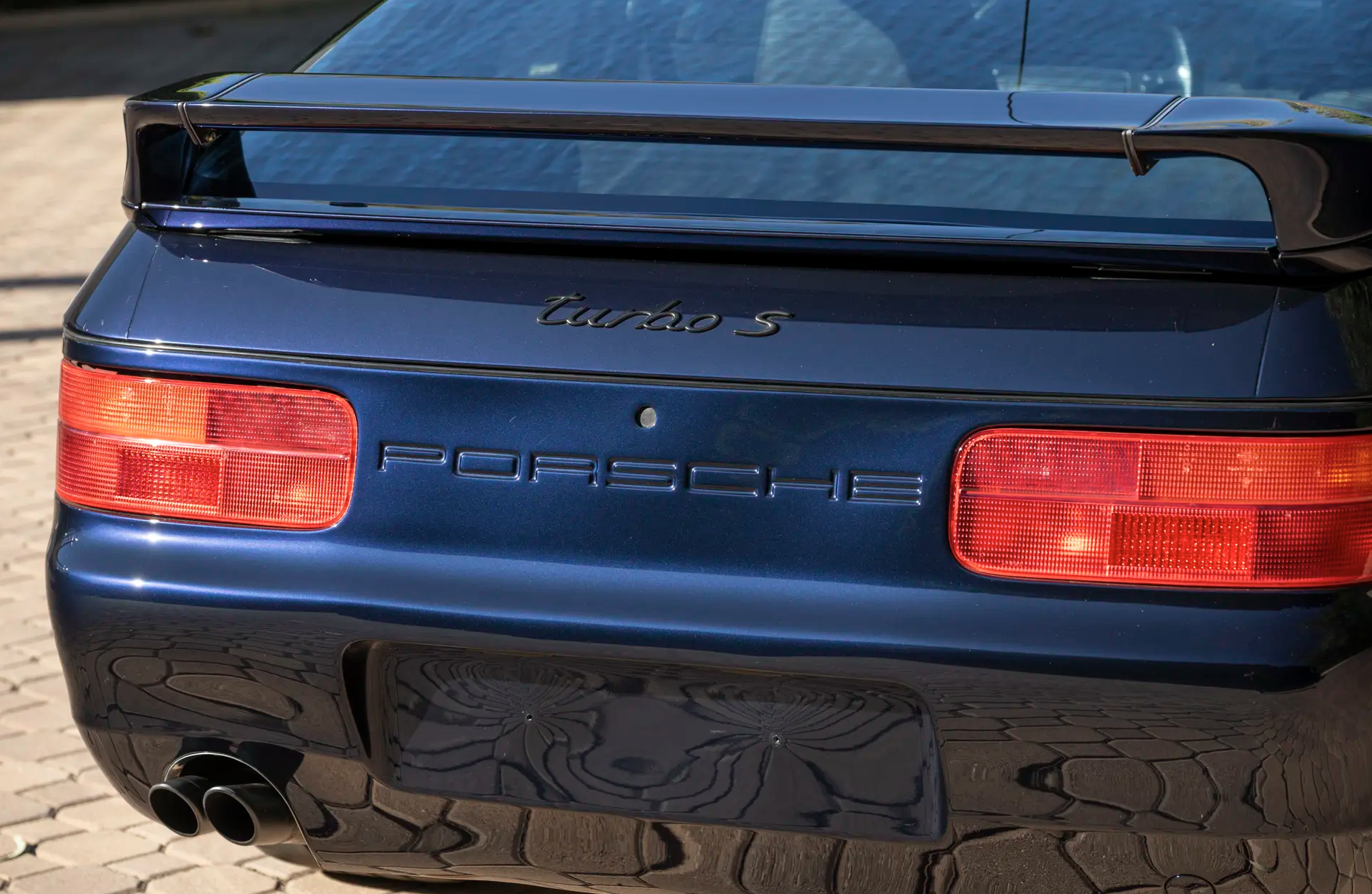
The 968 Turbo S retained the steel monocoque platform that defined the 968, but received systematic performance modifications. The body was lowered by 20 millimeters, establishing more aggressive proportions. Two functional NACA ducts on the hood channeled cool air directly to the intercooler and engine bay cooling. An adjustable rear wing replaced the standard integrated spoiler, providing measurable aerodynamic benefit during sustained high-speed driving. A deep chin spoiler on the front fascia completed the aerodynamic package.
Suspension featured MacPherson struts at the front and semi-trailing arms with torsion bars and adjustable Koni coilover dampers at the rear, the geometry optimized for responsive handling while maintaining practical daily usability. Anti-roll bars were strengthened compared to standard specification. The transaxle configuration—front-mounted engine, rear-installed transmission—established near-perfect 50/50 weight distribution, establishing handling balance genuinely rivaling mid-engine alternatives.
Braking was by significantly upgraded ventilated disc systems providing exceptional stopping power. The reinforced six-speed manual transmission featured close-ratio spacing, with a mechanical clutch-type limited-slip differential (Porsche Option Code M220) providing approximately 40 percent locking and managing torque distribution effectively. An upgraded Sachs clutch provided robust engagement suitable for sustained aggressive driving.
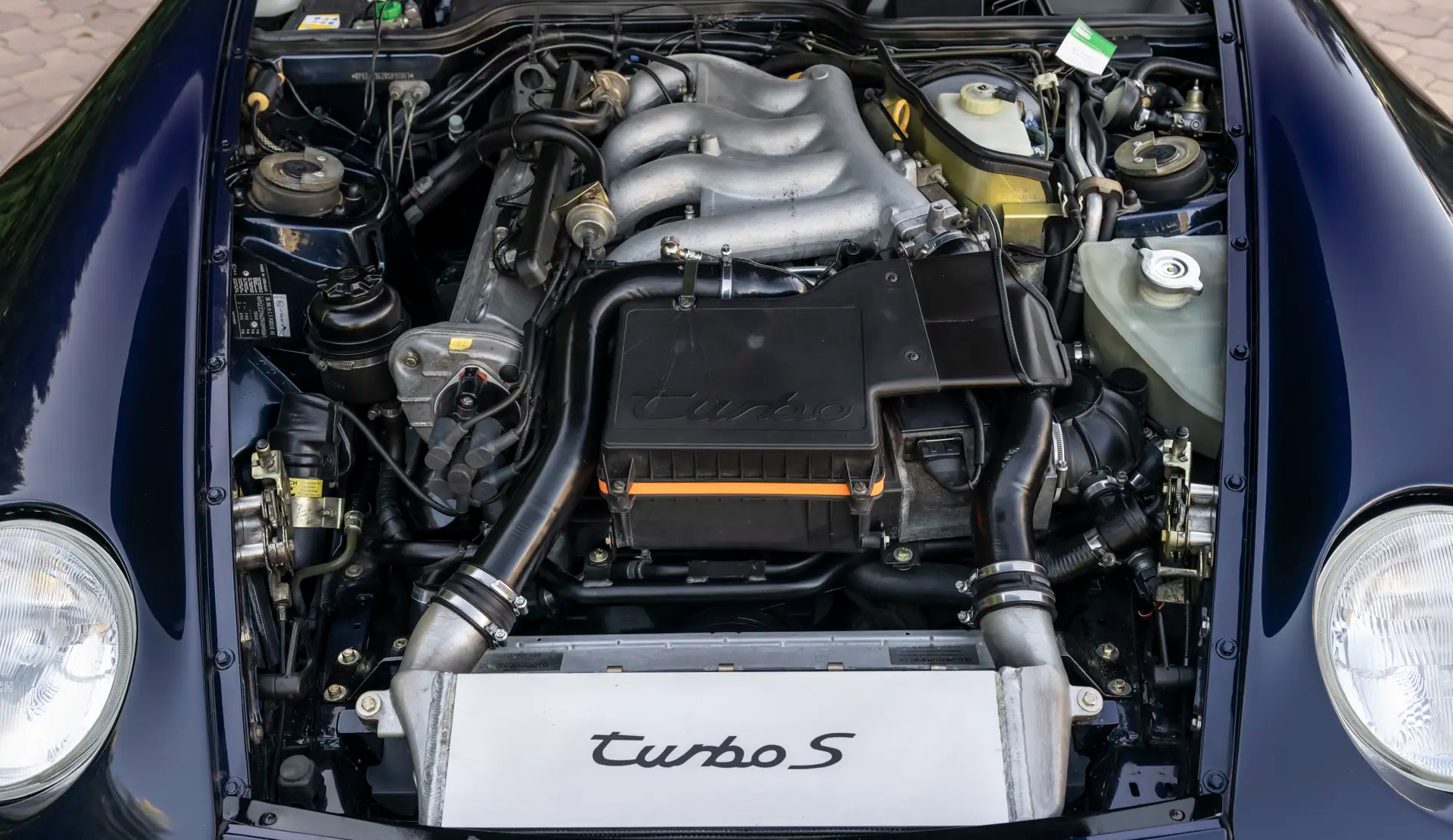
The turbocharged M44/60 inline-four displaced 2,990 cubic centimeters with a single overhead camshaft controlling eight valves. This engine combined the 968’s 3.0-liter cylinder block with an eight-valve head derived from the 944 Turbo, notably without VarioCam variable valve timing. The configuration reflected forced-induction priority over low-end refinement. With 8.0:1 compression ratio and Bosch DME sequential fuel injection, the KKK K27 turbocharger calibrated at 1.0 bar boost produced 305 PS (301 bhp) at 5,400 rpm and 369 lb-ft of torque at 3,000 rpm—establishing responsive power delivery across practical driving scenarios. Curb weight ranged from approximately 1,300 to 1,370 kilograms (2,866 to 3,020 lbs) depending on equipment options, roughly 70 kilograms lighter than standard 968 coupe specification.
Styling
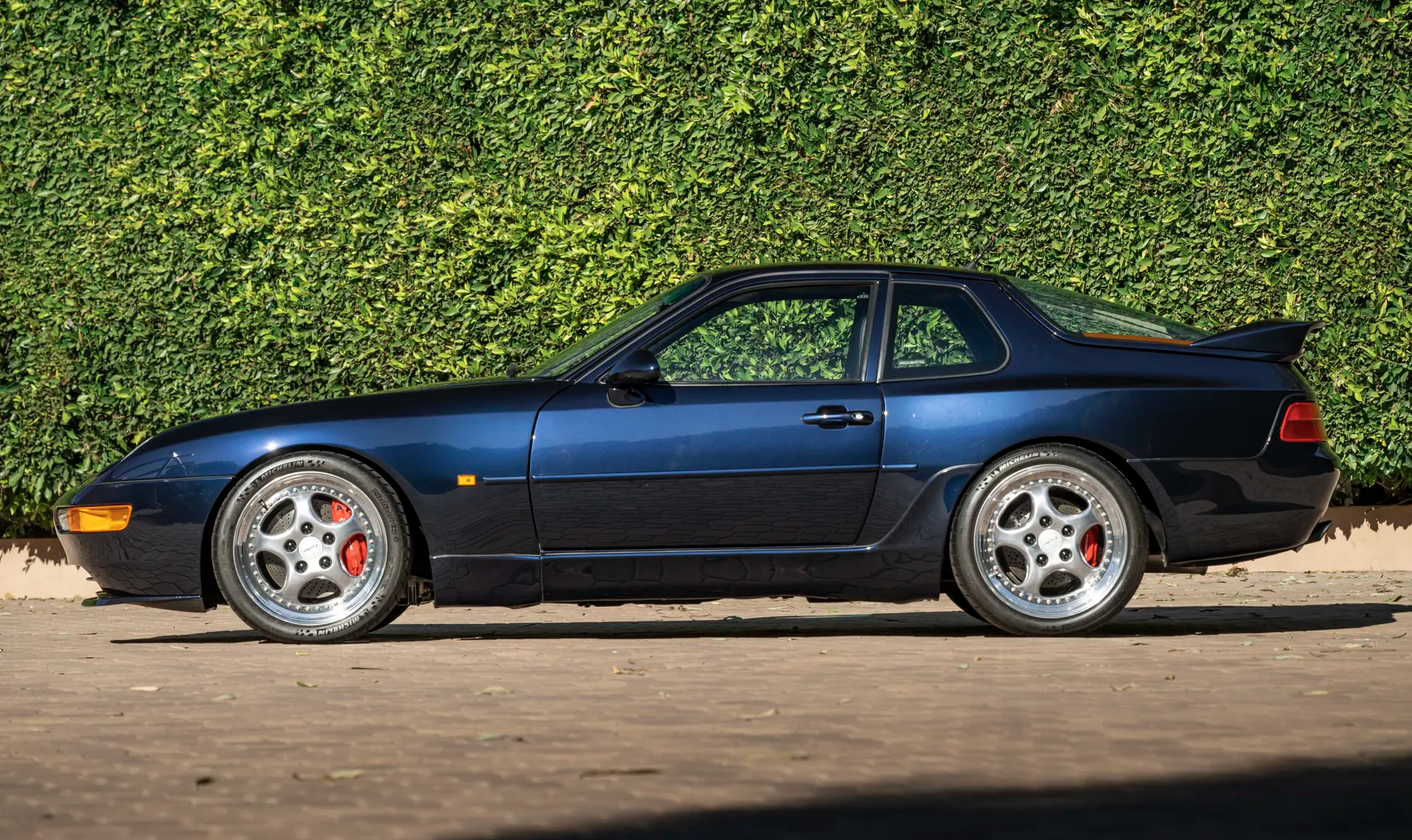
The 968 Turbo S retained the proportions established by the 968, with performance modifications creating distinct visual character. Two functional NACA hood ducts provided aggressive visual emphasis while serving genuine cooling function. The deep chin spoiler and adjustable rear wing on frame-mounted strakes established purposeful aerodynamic design. Three-piece Speedline wheels measuring 18 inches replaced standard specification, providing aggressive stance while channeling cooling air toward brake systems.
Documented exterior colors across the 13 customer builds included Speed Yellow, Grand Prix White, Maritime Blue, Guards Red, Silver, Blood Orange, and custom Paint-to-Sample finishes. The overall appearance reflected practical performance focus rather than theatrical styling drama.
Interior
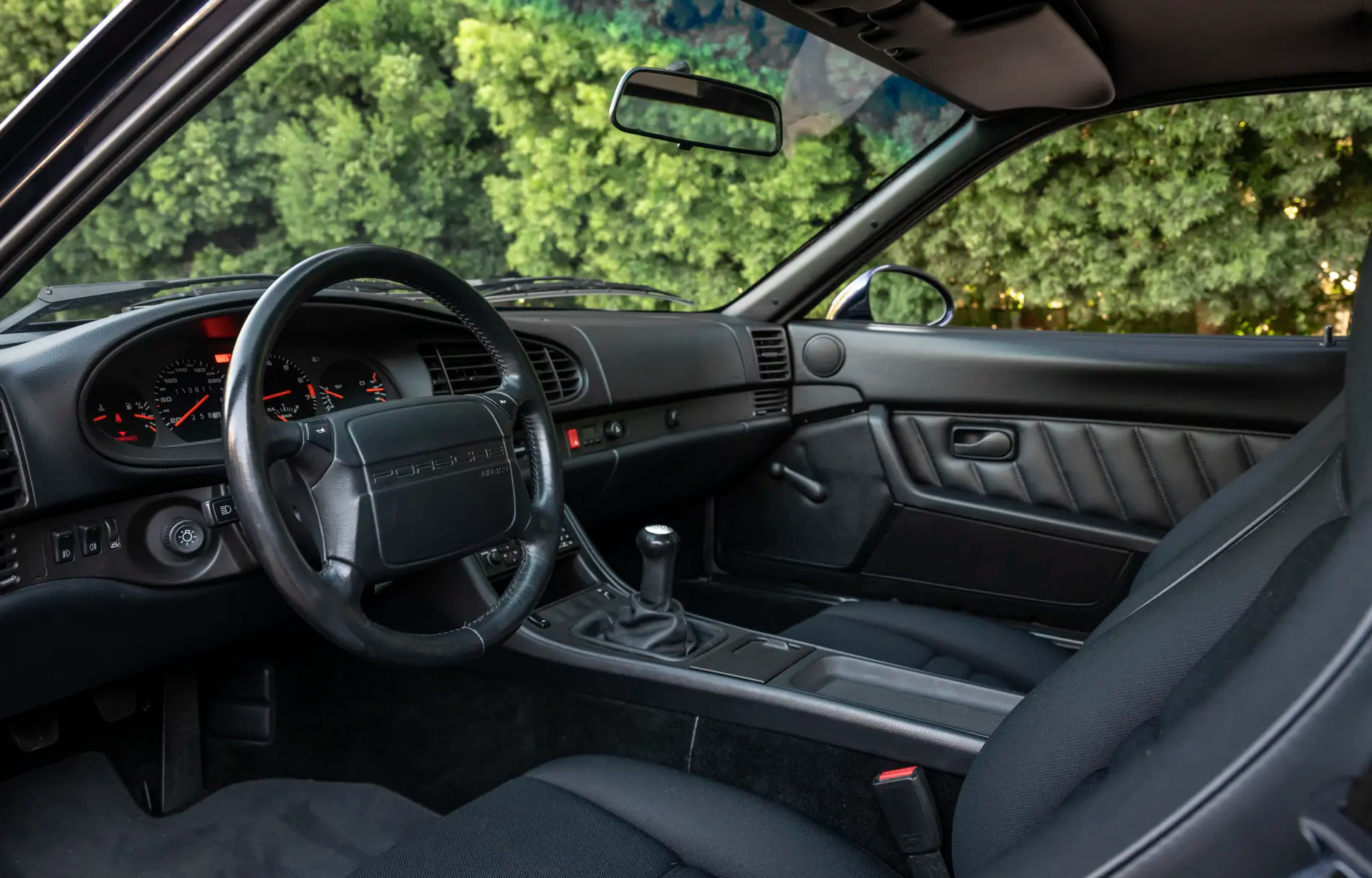
The cabin featured hard-shell Recaro bucket seats upholstered in Alcantara with color coordination matching the exterior paint. Most cars featured manual windows and deleted rear seating, emphasizing weight reduction and performance focus. Equipment options varied significantly across the 13 customer deliveries: air conditioning was fitted to 11 cars, central locking to 6 cars, and airbags to 5 cars.
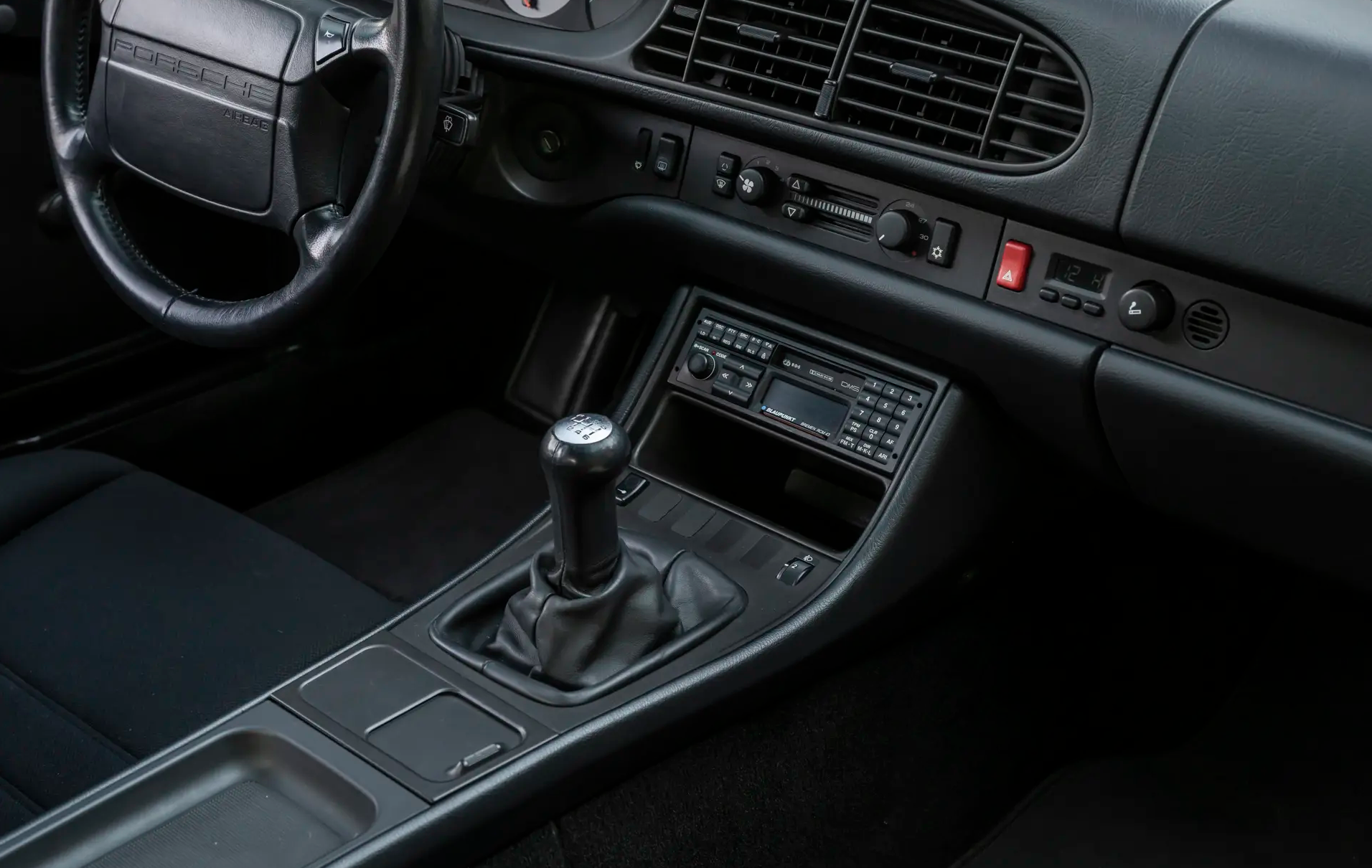
This option variation reflected customer preferences and regulatory requirements across different markets (primarily Rest-of-World and European markets, with at least one North American-specification build using Option Code M553). The driving position remained commanding, with all controls falling naturally to hand. Comprehensive instrumentation displayed essential parameters including boost pressure and performance metrics necessary for exploiting the turbocharged engine’s capabilities.
Specifications
- Engine: Porsche M44/60 turbocharged inline-four, 2,990cc, SOHC, eight valves, KKK K27 turbocharger at 1.0 bar boost
- Power: 305 PS / 301 bhp at 5,400 rpm
- Torque: 369 lb-ft / 500 N·m at 3,000 rpm
- Transmission: Six-speed manual (reinforced G44/01), rear-wheel drive
- Chassis: Steel monocoque, 2,400mm wheelbase
- Suspension: MacPherson struts (front), semi-trailing arms with torsion bars and Koni adjustable dampers (rear), lowered 20mm
- Brakes: Ventilated discs, upgraded calipers, mechanical clutch-type LSD (~40% lock)
- Wheels: 18-inch three-piece Speedline alloy
- Weight: 1,300–1,370 kg / 2,866–3,020 lbs depending on options
- Performance: 174 mph / 280 km/h factory claim, 0-60 mph in 4.7 seconds
Production and History
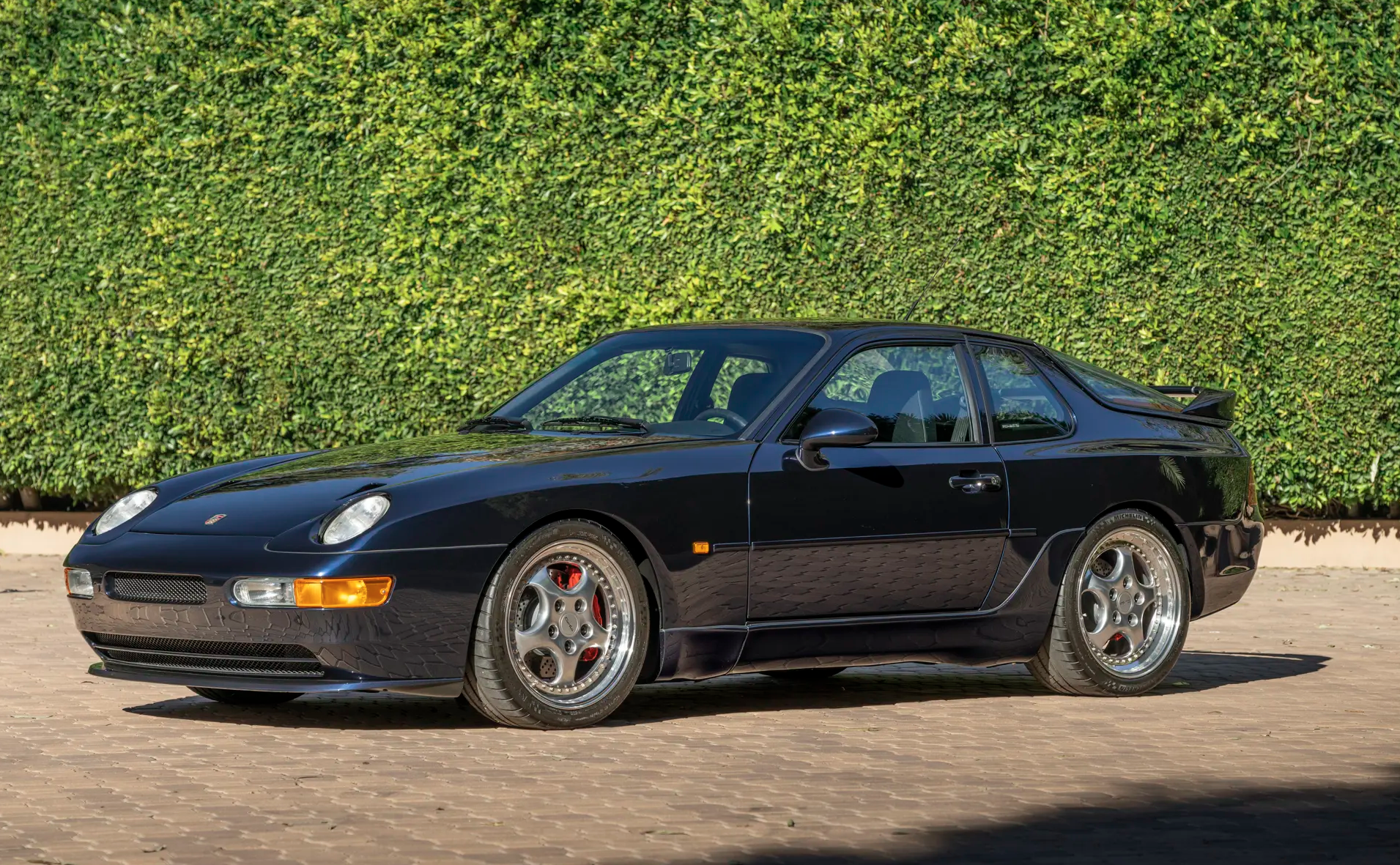
Porsche Motorsports hand-assembled 14 examples at Weissach: one prototype and 13 customer road cars built between 1993 (10 cars) and 1994 (4 cars). Porsche originally contemplated production of 50 to 100 units, but economic recession conditions limited demand and production to 14 cars. These street-legal variants served as homologation counterparts to the dedicated 968 Turbo RS race program, which produced four distinct track-focused chassis with enhanced specifications developed separately.
Equipment options varied across customer deliveries reflecting individual preferences and market requirements. Primary distribution occurred in Rest-of-World and European markets, with documented North American-specification builds using regional emissions and safety specifications.
The 968 Turbo S established genuine turbocharged performance credentials through sophisticated engineering and responsive power delivery. The combination of turbocharged efficiency, near-perfect weight distribution, and mechanical LSD engagement created handling balance comparable to significantly more complex platforms.
Today, 968 Turbo S examples command substantial collector prices reflecting their extreme scarcity and historical significance. The limited production combined with responsive turbocharged character and practical performance engineering ensures lasting interest among serious Porsche collectors.
The Porsche 968 Turbo S represented a pragmatic response to market conditions and homologation requirements, proving that front-engine platform engineering could deliver credible performance. It remains one of the rarest Porsche variants, a significant chapter in the front-engine lineage.