
Tesla’s long-awaited second-generation Roadster is evolving into something considerably more ambitious than a conventional electric sports car. Following years of development and repeated delays, the latest prototype combines a bespoke lightweight platform, dual rear electric motors, active aerodynamic systems, and an optional cold-gas propulsion package developed around technology associated with SpaceX.
The objective is not simply to produce another acceleration-focused electric vehicle. Tesla’s engineers describe the Roadster as an uncompromising driver’s car capable of combining everyday usability with performance technologies that extend beyond the conventional limits of road-car engineering. However, its most extreme capabilities remain development targets rather than independently verified production specifications.
A New Design Built Around Performance
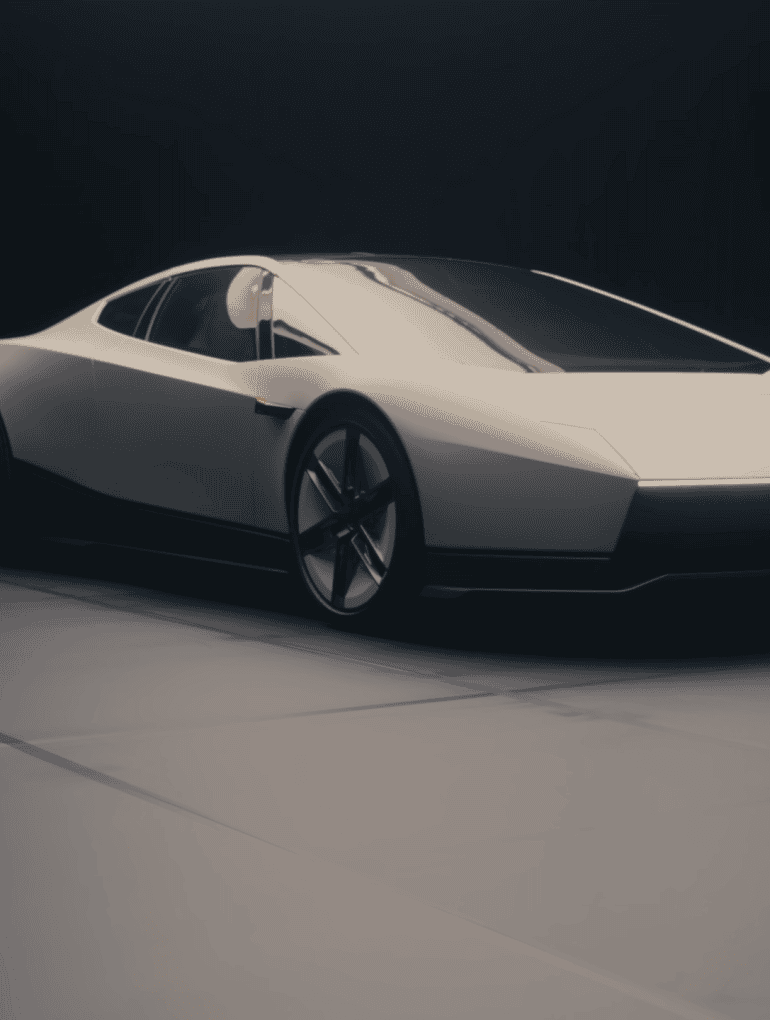
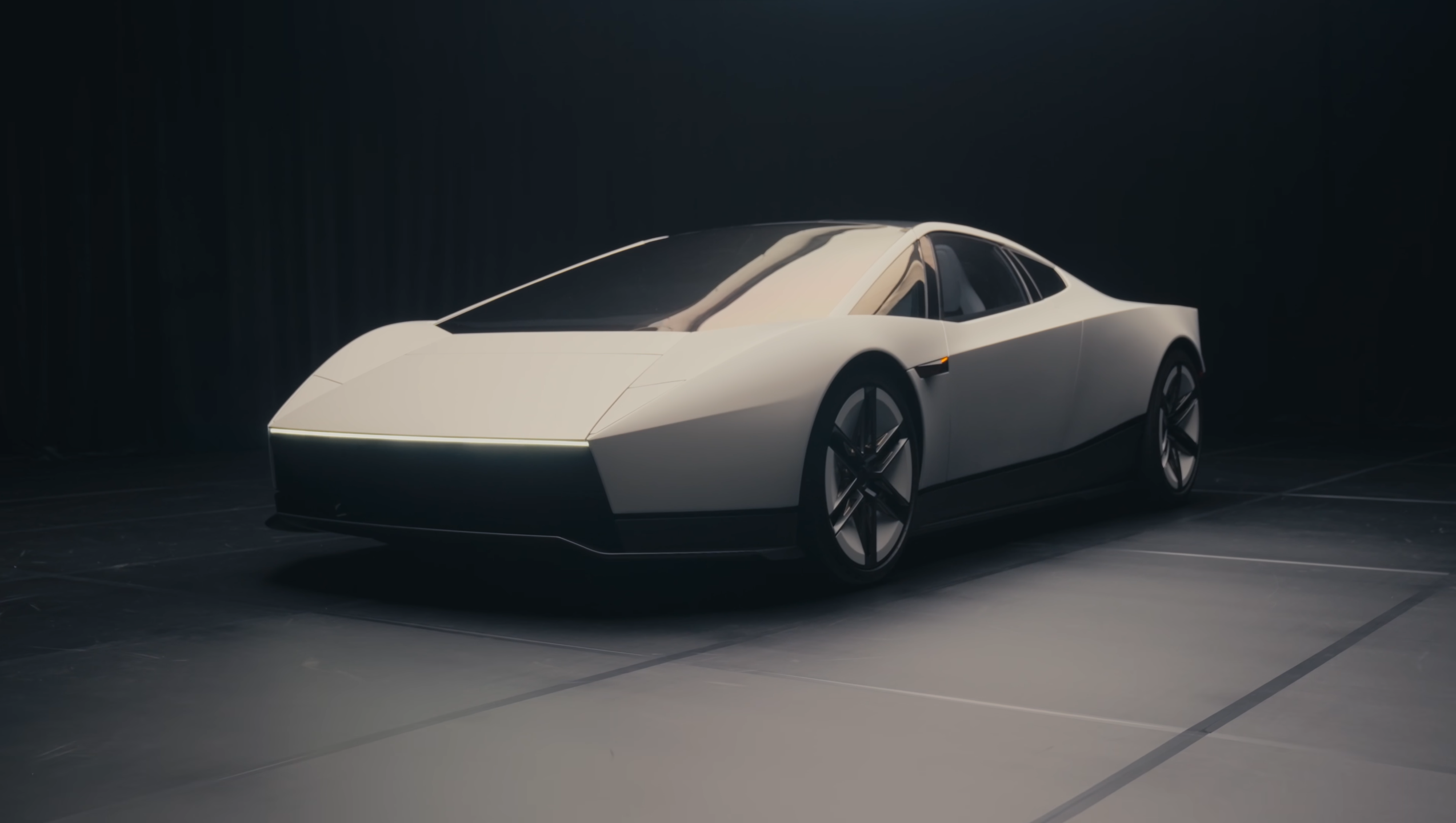
The latest Roadster represents a substantial departure from the concept introduced in 2017. Its exterior adopts a cleaner, more futuristic design language, with tightly integrated lighting, sculpted bodywork, and a long rear profile that conceals much of its aerodynamic complexity.
Tesla says the production car will use a bespoke chassis rather than an adapted platform from another model. The structure combines carbon fiber, aluminum, and other materials according to their intended structural and packaging requirements. The development team is targeting a weight below 1,700 kilograms, an ambitious objective for a high-performance electric vehicle incorporating a substantial battery pack and sophisticated active systems.
The cabin follows the same engineering philosophy. A low seating position places occupants close to the battery pack, while manually adjusted seatbacks and movable pedals reduce the mass associated with conventional powered seat mechanisms. Steer-by-wire technology, a compact steering yoke, and brake-by-wire controls further distinguish the Roadster from traditional sports cars.
Despite its performance ambitions, Tesla intends to preserve grand-touring usability, including heated seats, wireless phone charging, and approximately 310–320 miles of projected driving range.
Dual-Motor Powertrain Targets More Than 1,300 Horsepower
Unlike earlier speculation about a tri-motor or quad-motor configuration, Tesla’s current Roadster prototype uses two electric motors mounted at the rear axle. Each motor has its own inverter and planetary reduction system, allowing the powertrain to control the rear wheels independently for torque vectoring.
The performance-oriented versions are expected to use high-power-density motors operating within an 800–1,000-volt electrical architecture. Tesla describes the standard Roadster as delivering approximately one megawatt of power, equivalent to around 1,340 horsepower, with roughly 960 lb-ft of torque.
The battery is equally important. Tesla says it has developed a bespoke nickel-based lithium-ion cell chemistry and revised the pack architecture to support sustained high-power delivery. Cooling channels on both sides of the cylindrical cells are intended to improve thermal management during repeated high-load operation.
The company is targeting charging performance of approximately 15 to 80 percent in under 15 minutes, with peak charging power exceeding 500 kW under suitable conditions. These figures remain development targets, and final production specifications have yet to be established.
Active Aerodynamics and Fan-Assisted Ground Effect
One of the Roadster’s most distinctive engineering features is its combination of active aerodynamic surfaces and fan-assisted ground effect. Rather than relying exclusively on conventional wings to generate downforce, the system uses deployable skirts and fans to create suction beneath the vehicle.
At lower speeds, the fans are intended to draw air from beneath the chassis, increasing tire loading before conventional aerodynamic devices become fully effective. At higher speeds, movable front and rear skirts open to establish Venturi-style airflow beneath the car. Active wings then adjust between low-drag and high-downforce configurations, with additional control over aerodynamic balance.
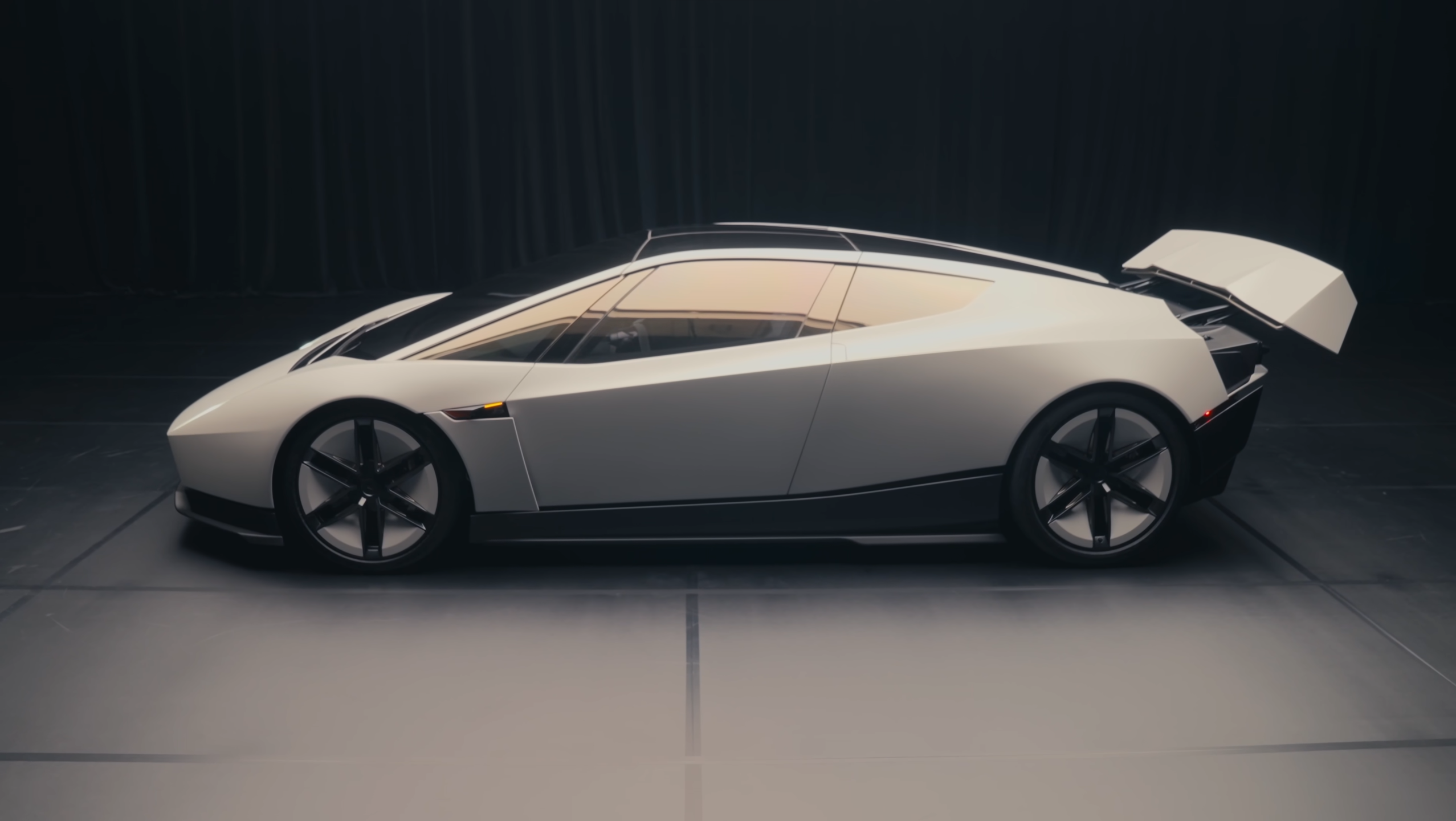
The bodywork is designed to conceal these mechanisms when they are not required. Front aerodynamic elements, wheel-arch openings, rear panels, and the active wing move to accommodate different operating modes while preserving the car’s relatively clean appearance.
Tesla’s broader objective is to improve the relationship between power and usable grip. Even an exceptionally powerful electric vehicle remains constrained by tire friction, making additional aerodynamic loading potentially more valuable than simply increasing motor output.
SpaceX-Inspired Thrusters Take Performance Further
The most radical option is the proposed Thrust package, which incorporates a 200-liter carbon-overwrapped pressure vessel, high-pressure gas valves, and four rear-mounted nozzles. The system is designed to discharge compressed gas to provide additional thrust and assist vehicle stability through controlled directional adjustments.
Tesla representatives describe a target acceleration of 0–60 mph in approximately 0.85 seconds with the system activated. That extraordinary figure has not been independently demonstrated in the supplied material. The vessel would reportedly require a specialized high-pressure nitrogen filling system, with current development fill times of two to six hours and a target of less than 30 minutes.
The proposed Rocket variant goes further, replacing the conventional passenger configuration with a single-seat layout and a substantially larger, approximately 600-liter gas system. Additional thrusters are intended to provide directional control and potentially generate upward thrust.
Tesla has discussed the possibility of limited hovering capability, but the transcript provides no independently verified flight demonstration, validated operating envelope, or confirmed production specification. These features should therefore be regarded as experimental ambitions rather than established capabilities of a road-going vehicle.
Four Variants and an Uncertain Production Timeline
Tesla outlines four planned configurations: Roadster, Performance, Thrust, and Rocket. Each successive version adds hardware and performance capabilities, progressing from a high-output electric sports car toward a machine incorporating active ground effect and auxiliary propulsion.
The company has discussed production in Texas, with the interview indicating a potential 2027–2028 timeframe. Nevertheless, the Roadster’s history warrants caution. First announced in 2017 after earlier development discussions, the second-generation model was originally expected to arrive in 2020. Its specifications, engineering approach, and launch schedule have since evolved considerably.
The new prototype suggests that Tesla is pursuing a more comprehensive performance concept than the original acceleration-focused proposition. Its ultimate success will depend on whether the company can translate its ambitious targets into a lightweight, reliable, road-legal production car without compromising thermal performance, handling, safety, or everyday usability.
For now, the next-generation Roadster remains a compelling engineering proposition—but its most extraordinary claims still await validation in a finished production vehicle.
Source: Top Gear