
1951→1952 Ferrari 212 Export
Ferrari’s early commercial success started with the 166 and, from 1951 onwards, relied on the 212 for continued prosperity. While the factory focused on their larger 340 America for overall wins, the 212 was put in the hands of wealthy clients and spread the Ferrari name abroad.
Being a dual purpose car, the 212 was built in two distinct states of tune. For the serious enthusiasts, 27 examples called the Export model were built for racing in the GT and sports classes. These cars featured a large fuel tank and radical carburetion that sometimes included the thirsty triple setup Weber 32 DCF setup from the 340 America. Power produced by the Export 212 varied from 150 to 170 bhp.
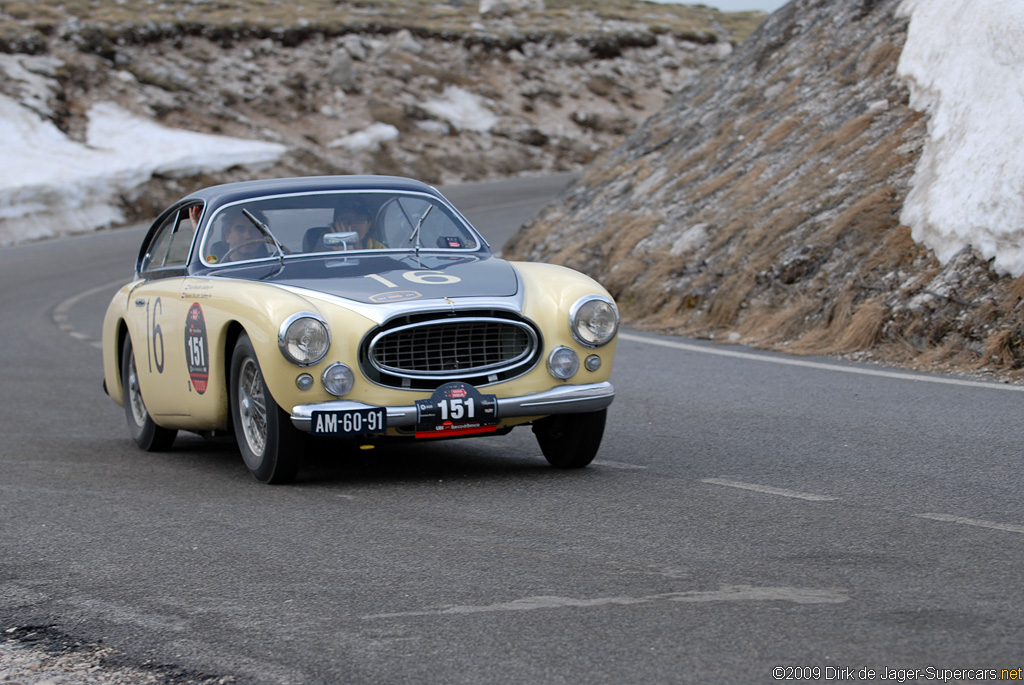
In the 1950s, the 212 Export became the racer of choice for premier events such as the Tour de France, Mille Miglia and Carrera Panamerica. Probably the 212’s finest hour was when Pagnibon and Barraquet drove 0078E to victory at the 1951 Tour de France.
All of the Ferraris sold in 1951 shared the same basic structure having a similar double tube frames and the 212’s chassis was wider and more rigid than its 166 predecessor. Front wheels were located by double wishbones, while the rear used a live axle with transverse leaf springs. Hydraulic, drum brakes were used at all four corners.
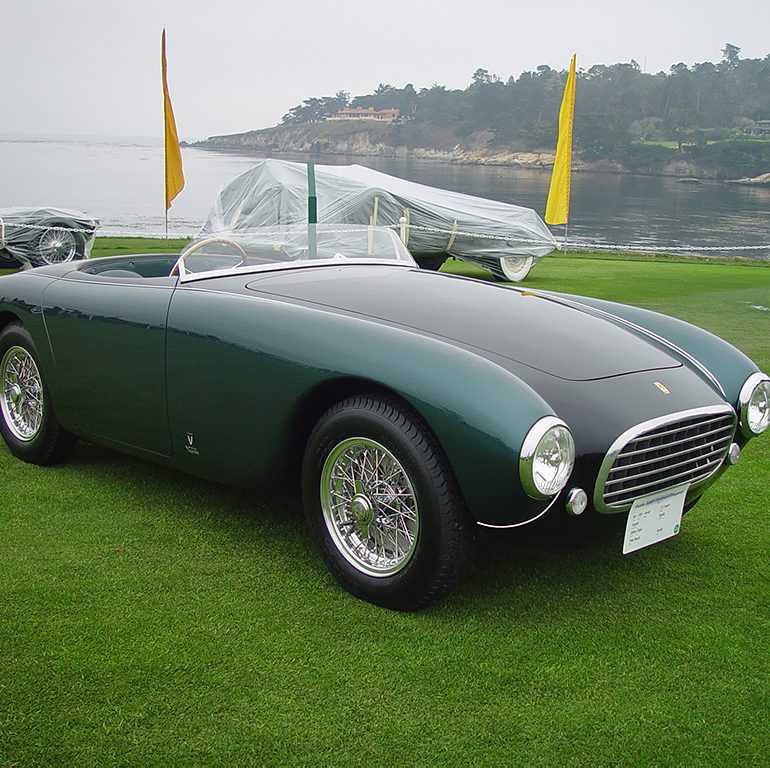
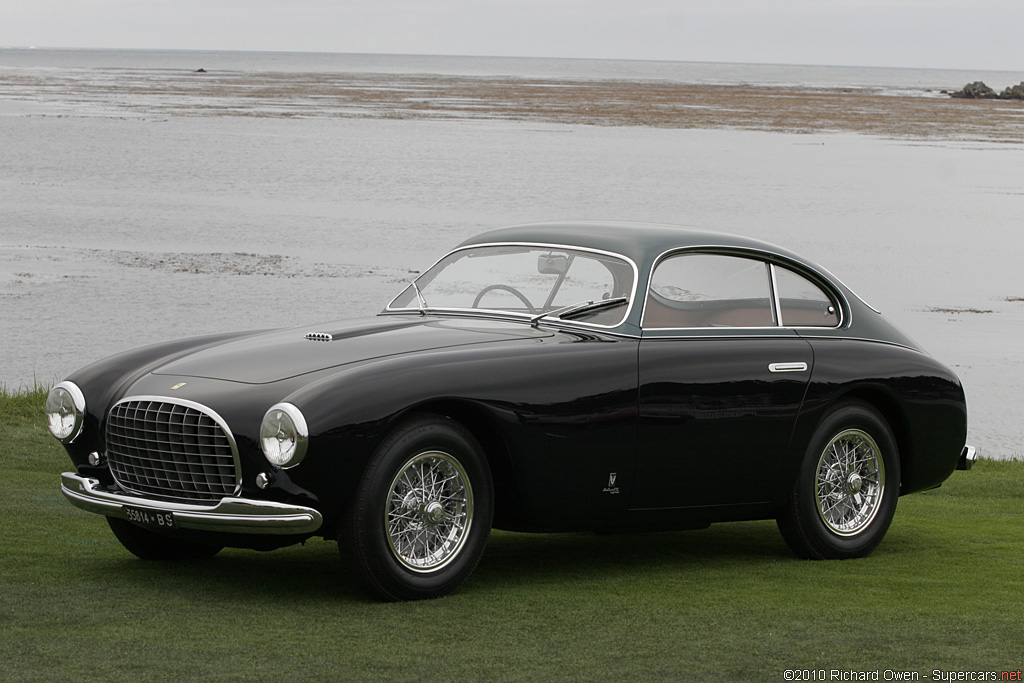
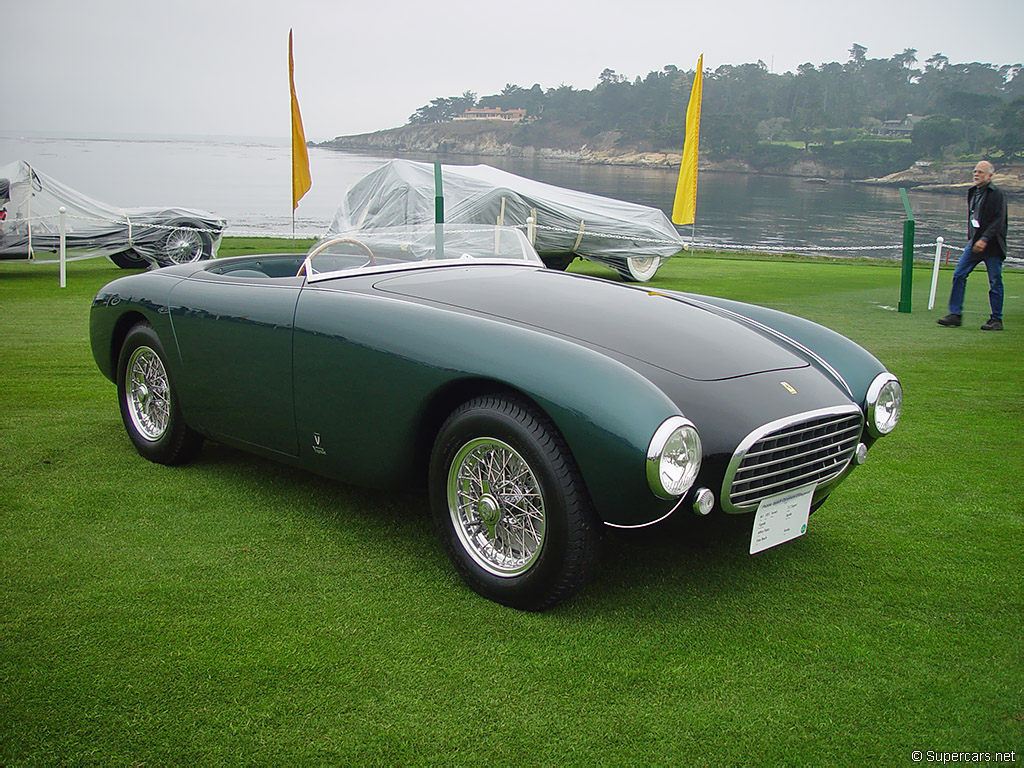
Different bodies graced the 212 chassis and most were spartan with minimal bodywork and little decoration. The most prolific was the Barchetta by Superleggra Touring which became Ferrari’s typical style and a symbol of early Italian racing. Other unique variations included Vignale’s coupes and two interesting cars by Motto.
The 212 served Ferrari well until it was replaced with the 225 Sport with its 2.7 liter engine. Many 212s were upgraded to 225-spec engines and these cars are often referred to as type 212/225. While the later 250 MM and 250 GT overshadowed the 212, it deserves a place in the successful line of GT cars that made Ferrari legendary.
Ferrari 212 Export Specs & Performance
| submitted by | Richard Owen |
| type | Racing Car |
| production years | 1951 – 1952 |
| built at | Modena, Italy |
| production | 27 |
| engine | 60° V12 |
| position | Front Longitudinal |
| aspiration | Natural |
| valvetrain | SOHC, 2 Valves per Cyl |
| fuel feed | Tripple Weber 32 DCF |
| displacement | 2562 cc / 156.3 in³ |
| bore | 68 mm / 2.68 in |
| stroke | 58.8 mm / 2.31 in |
| compression | 8.0:1 |
| power | 126.8 kw / 170 bhp @ 6500 rpm |
| specific output | 66.35 bhp per litre |
| bhp/weight | 174.36 bhp per tonne |
| torque | 215.58 nm / 159 ft lbs @ 6500 rpm |
| redline | 7200 |
| body / frame | Aluminum over Steel Tube Frame |
| driven wheels | RWD |
| front tires | 5.9-15 |
| rear tires | 5.9-15 |
| front brakes | Lockheed Hydrualic Discs |
| rear brakes | single Weber 36 DCF |
| front wheels | F 38.1 x 14.0 cm / 15 x 5.5 in |
| rear wheels | R 38.1 x 14.0 cm / 15 x 5.5 in |
| steering | Worm & Nut |
| f suspension | Double Wishbones w/Houdaille Dampers |
| r suspension | Live Axle w/Transverse Leaf Springs, Houdaille Dampers |
| curb weight | 975 kg / 2150 lbs |
| wheelbase | 2220 mm / 87.4 in |
| front track | 1270 mm / 50.0 in |
| rear track | 1250 mm / 49.2 in |
| transmission | 5-Speed Manual |
| tran clutch | Single Plate Dry Clutch |
| top speed | ~193.1 kph / 120 mph |
| 0 – 60 mph | ~9.0 seconds |
| 0 – 100 mph | ~22.0 seconds |
Ferrari 212 Export Auction Results
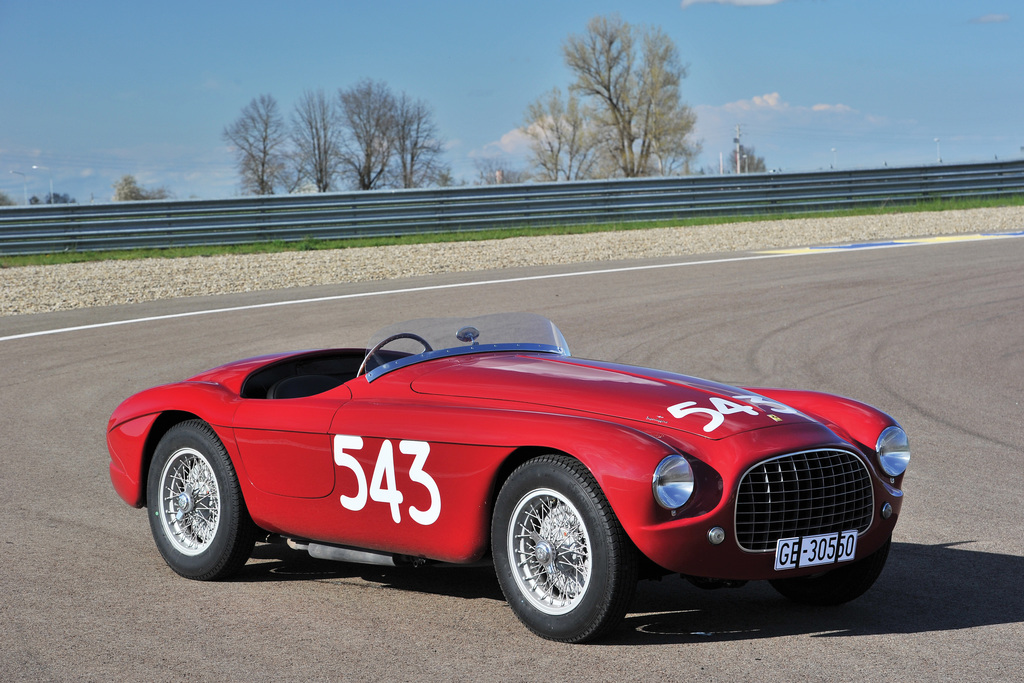
1952 Ferrari 212 Export Barchetta 0158ED – sold for €6,720,000. Bodied 212 Export. Targa Florio competitor in 1952 and 1953. Entrant in the 1956 Mille Miglia. Highly eligible for the world’s greatest historic events, including the Tour Auto, Mille Miglia, the Historic Monaco GP, and the Le Mans Classic. Matching-numbers example; a spectacular early racing Ferrari. Ferrari Classiche certified. Auction Source: Villa Erba 2015 by RM Sothebys1951 Ferrari 212 Export Vignale Cabriolet 0106E – sold for $1,870,000
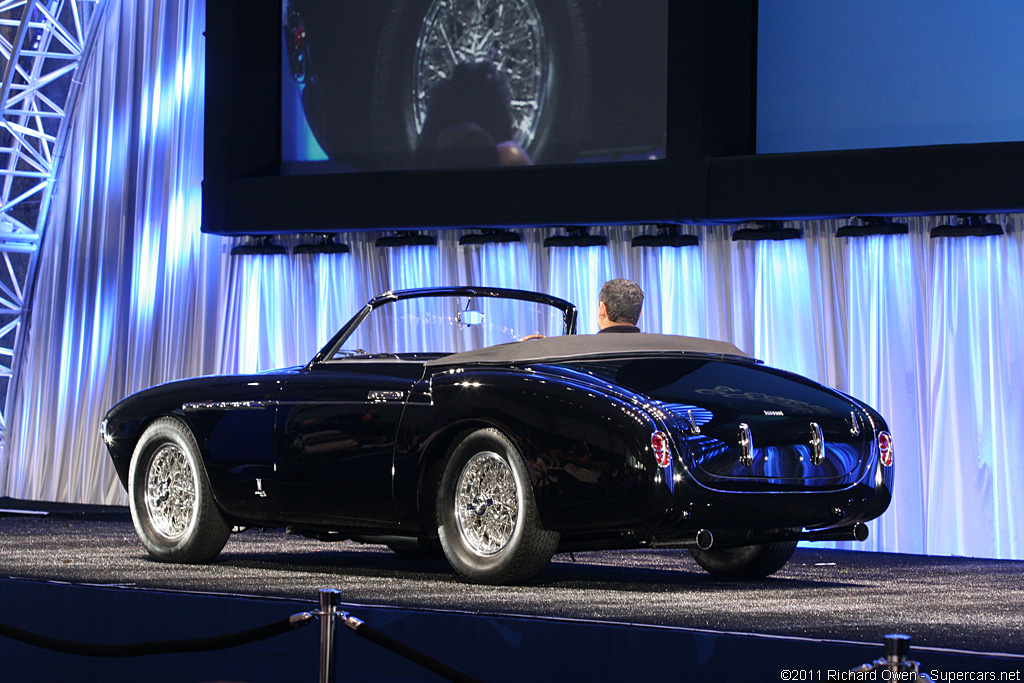
212 Exports Built. Early Even-Digit Serial Number. Wonderful Provenance and Documentation. Only Two Owners Since 1960. Matching-Numbers, Original-Bodied Example. Documented by Ferrari Historian Marcel Massini. Auction Source: 2011 Amelia Island Auction by Gooding & Company