
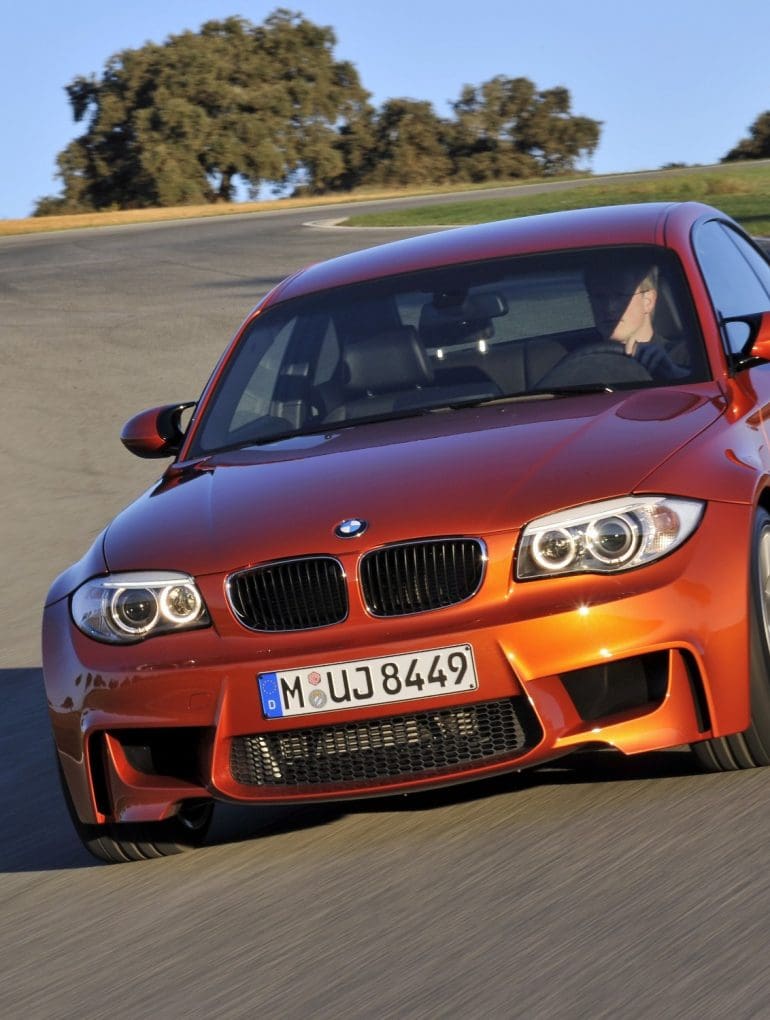

Munich, 2010. BMW unveiled the 1 Series M Coupe, a limited-production compact performance machine celebrating that engineering sophistication could deliver genuine M credentials within accessible proportions. The twin-turbocharged 3.0-liter N54 inline-six produced 335 horsepower at 5,900 rpm and 332 lb-ft of torque, delivering approximately 155 mph capability from a chassis weighing 1,495 kilograms. This was Munich celebrating that a compact platform combined with responsive turbocharging, hydraulic steering and mechanical authenticity could establish extraordinary performance credentials rivaling heavier sports cars. The 1 Series M Coupe could accelerate from 0-60 mph in approximately 4.7 seconds. Production ran from 2011 through 2012, with 6,342 examples built and 6,331 delivered to customers worldwide.
Background and Origins
The 1 Series M Coupe emerged from BMW M’s commitment to create a compact and accessible M machine establishing that performance required engineering sophistication and mechanical directness rather than displacement escalation. The existing 1 Series Coupe platform—relatively lightweight and featuring rear-wheel-drive architecture—provided the ideal foundation for M’s vision. Rather than developing an entirely new platform, the decision was made to install the proven turbocharged N54 engine, develop comprehensive M-specific suspension tuning, and focus on mechanical authenticity through hydraulic steering and limited-slip differential to establish a performance machine challenging contemporary M3 models through agility and engagement rather than raw output.
The development process reflected M’s philosophy of creating drivers’ cars where performance required systematic engineering and mechanical directness. The compact platform ensured that performance remained accessible and engaging rather than intimidating, with proportions and weight distribution favoring responsive handling over technological complication. The two-year development program involved M engineers and test drivers establishing that turbocharged compact platforms could deliver extraordinary driver engagement through careful calibration and mechanical simplicity.
Design and Engineering
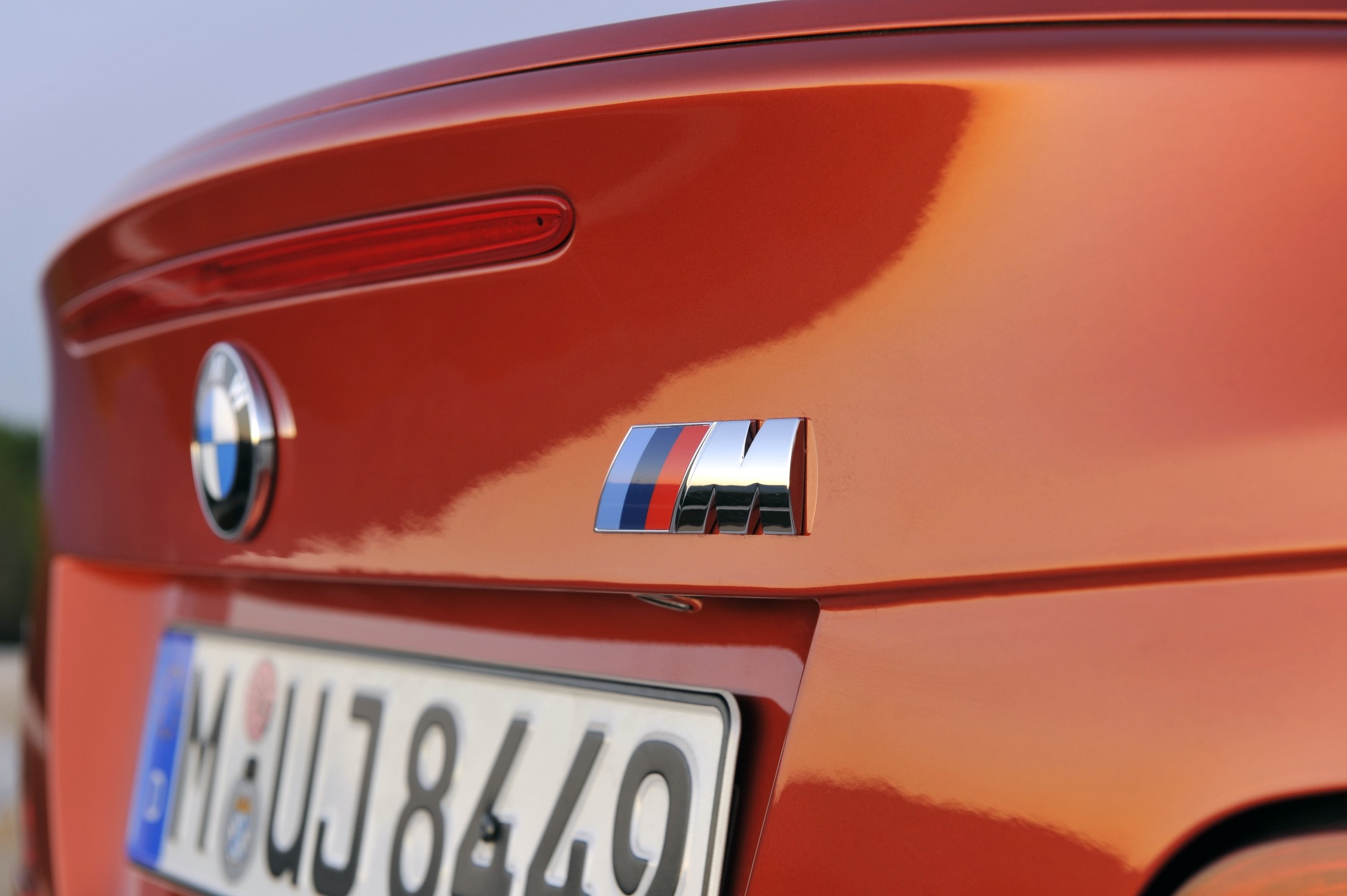
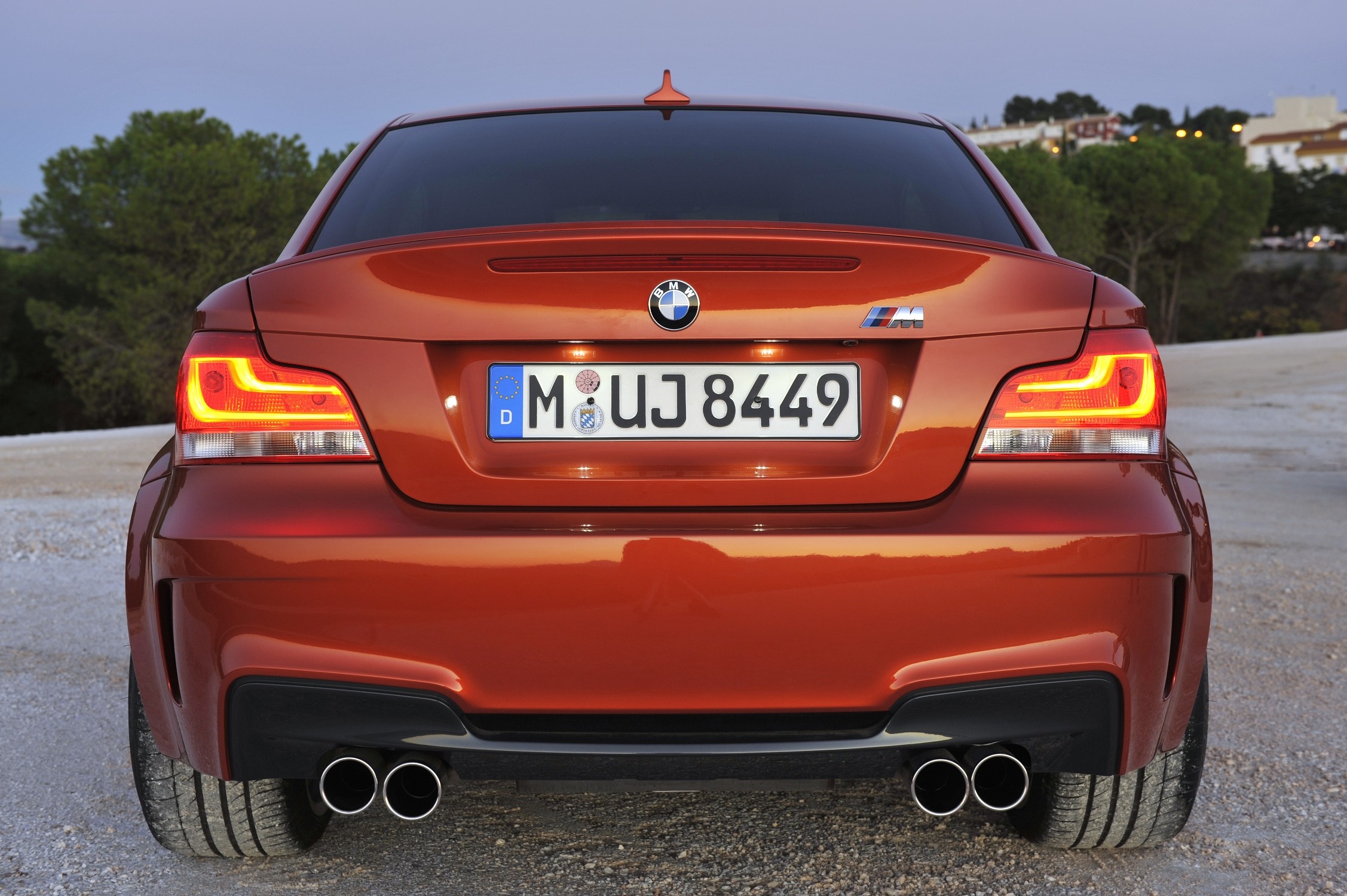
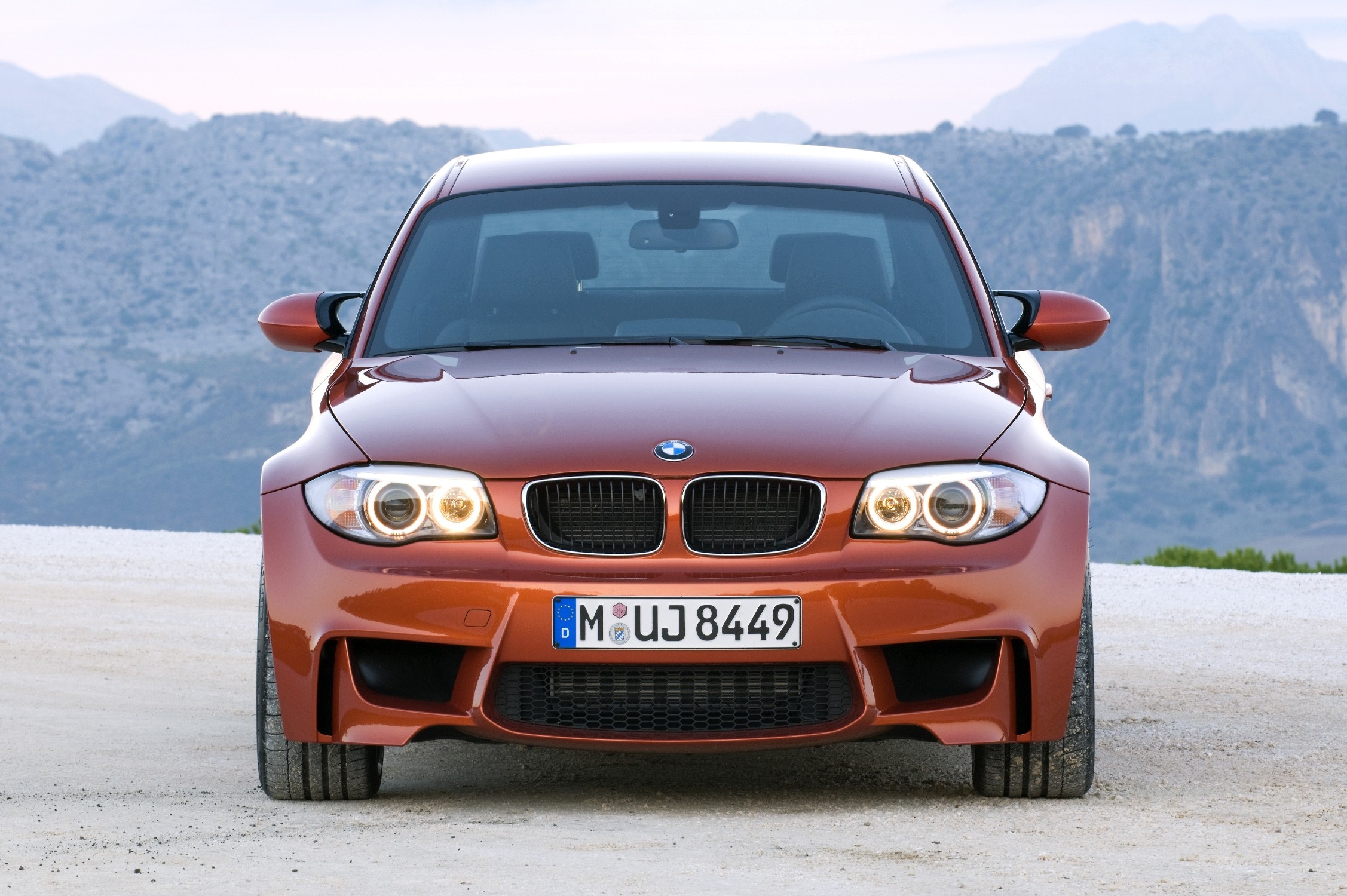
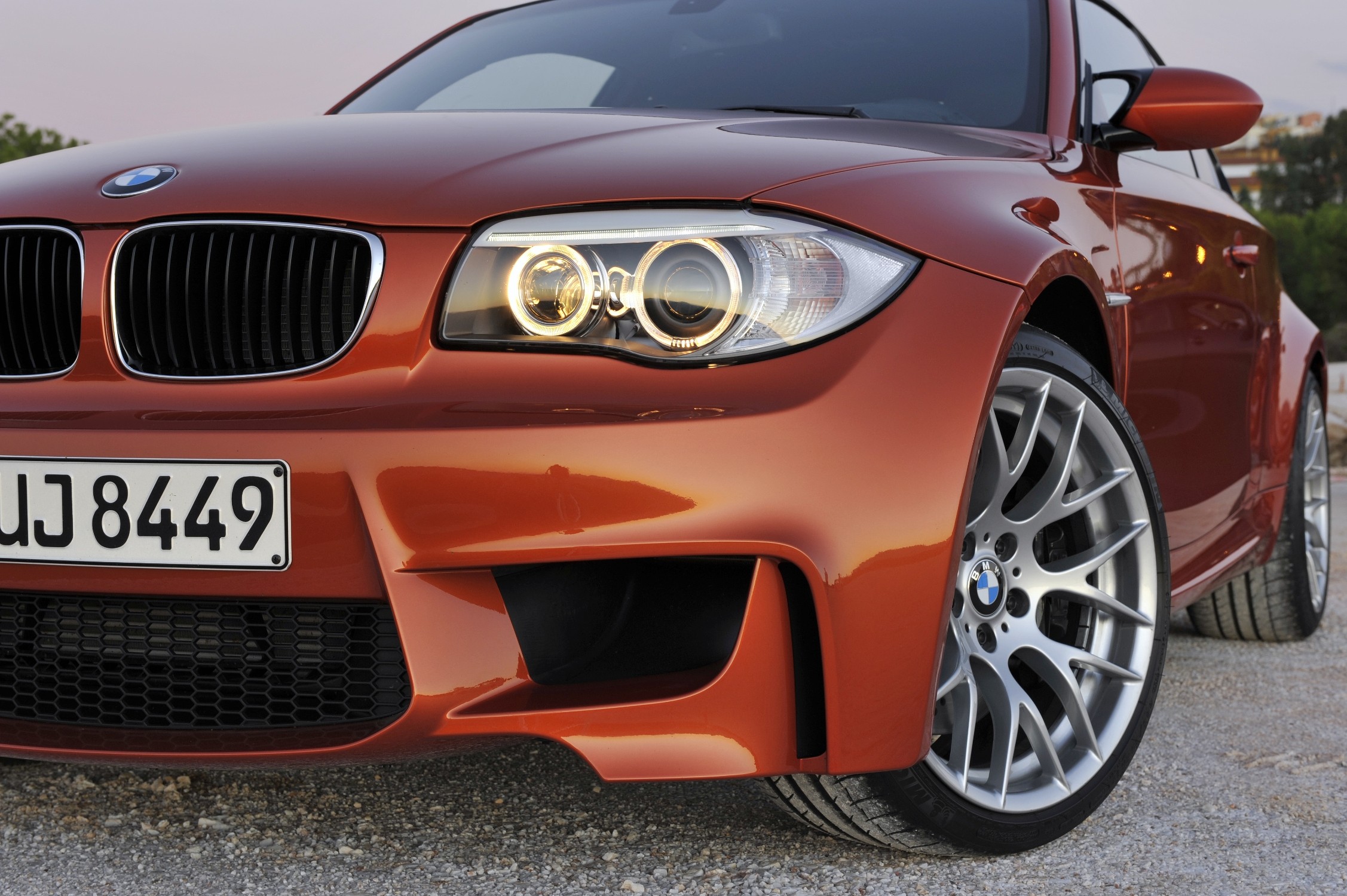
The 1 Series M Coupe retained the elegant proportions established by the standard 1 Series Coupe but incorporated aggressive M-specific modifications establishing its high-performance character. Aerodynamic development included distinctive front air intakes, Air Curtains and a discreet trunk-lid spoiler lip that generated additional downforce at high speed. The widened fender flares accommodated performance tires and widened track geometry establishing the visual foundation for the car’s mechanical purpose. The overall design reflected that genuine performance required engineering sophistication rather than aggressive visual drama, with every modification serving mechanical function.
The chassis employed a double-joint spring-strut front axle with aluminum double-joint construction, paired with an independent five-link rear suspension with coil springs and M-tuned dampers calibrated specifically for responsive handling and high-performance driving dynamics. Anti-roll bars provided cornering control appropriate for circuit-capable performance. Braking featured internally vented and cross-drilled compound discs with 360-millimeter front and 350-millimeter rear rotors, single-piston floating calipers front and rear, providing adequate stopping power for the engine’s performance through a system directly derived from the E90/E92 M3. The hydraulic Servotronic steering provided direct feedback and engaging control characteristics, representing a deliberate decision to eschew electronic steering technology in favor of mechanical engagement and feedback.
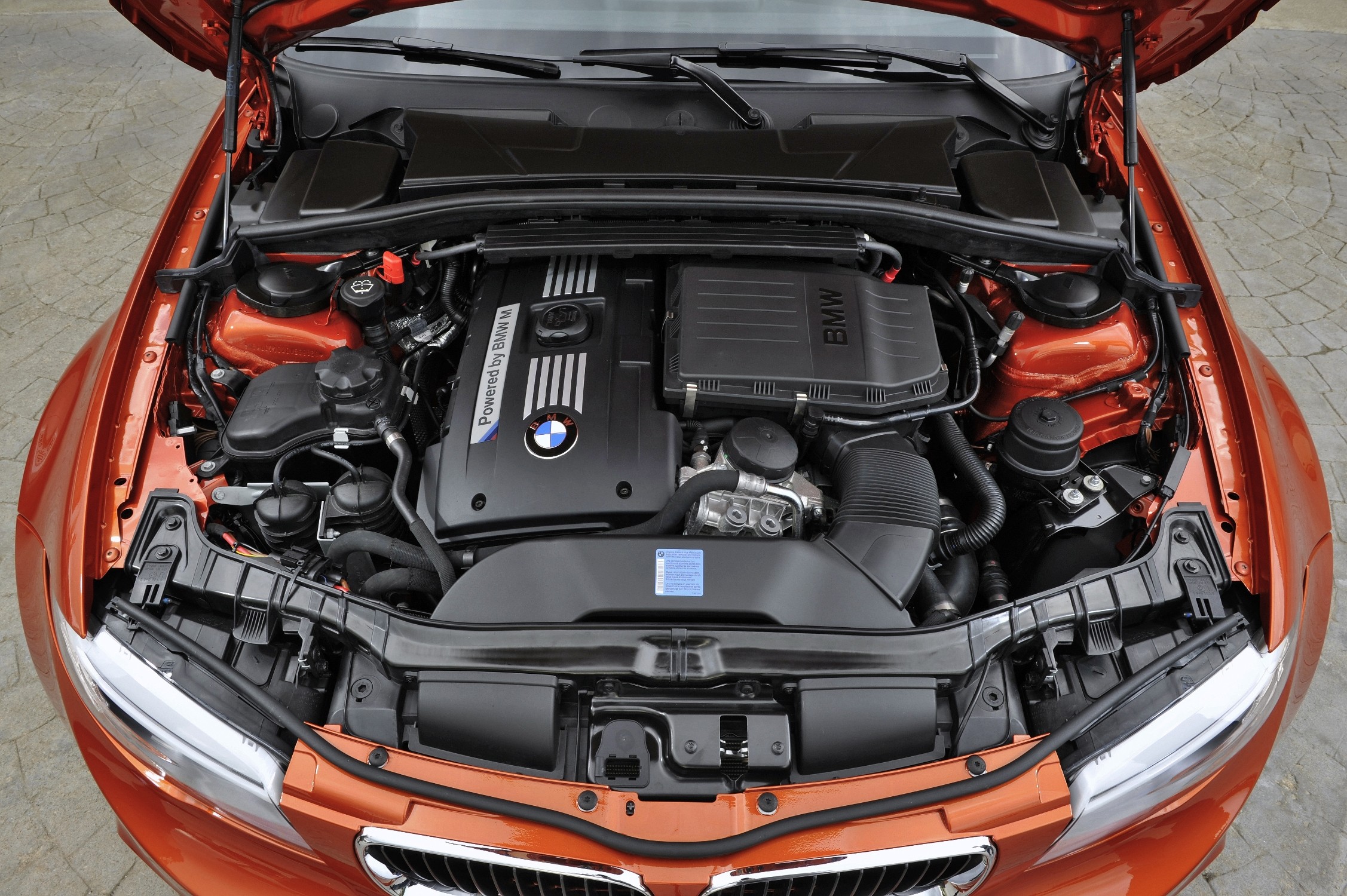
The 2,979-cubic-centimeter twin-turbocharged N54 inline-six represented BMW’s sophisticated approach to turbocharging, displacing 2,979 cubic centimeters with four valves per cylinder—24 total valves—controlled by dual overhead camshafts. The engine featured a twin-turbocharger system with two relatively small turbochargers and an intercooler for cooling, direct fuel injection and Double-VANOS variable valve timing establishing smooth, responsive power delivery across the rev range. With 10.2:1 compression ratio, output reached 335 horsepower at 5,900 rpm and 332 lb-ft of torque from 1,500 to 4,500 rpm, with an electronically controlled overboost function temporarily raising torque to 369 lb-ft under full throttle acceleration.
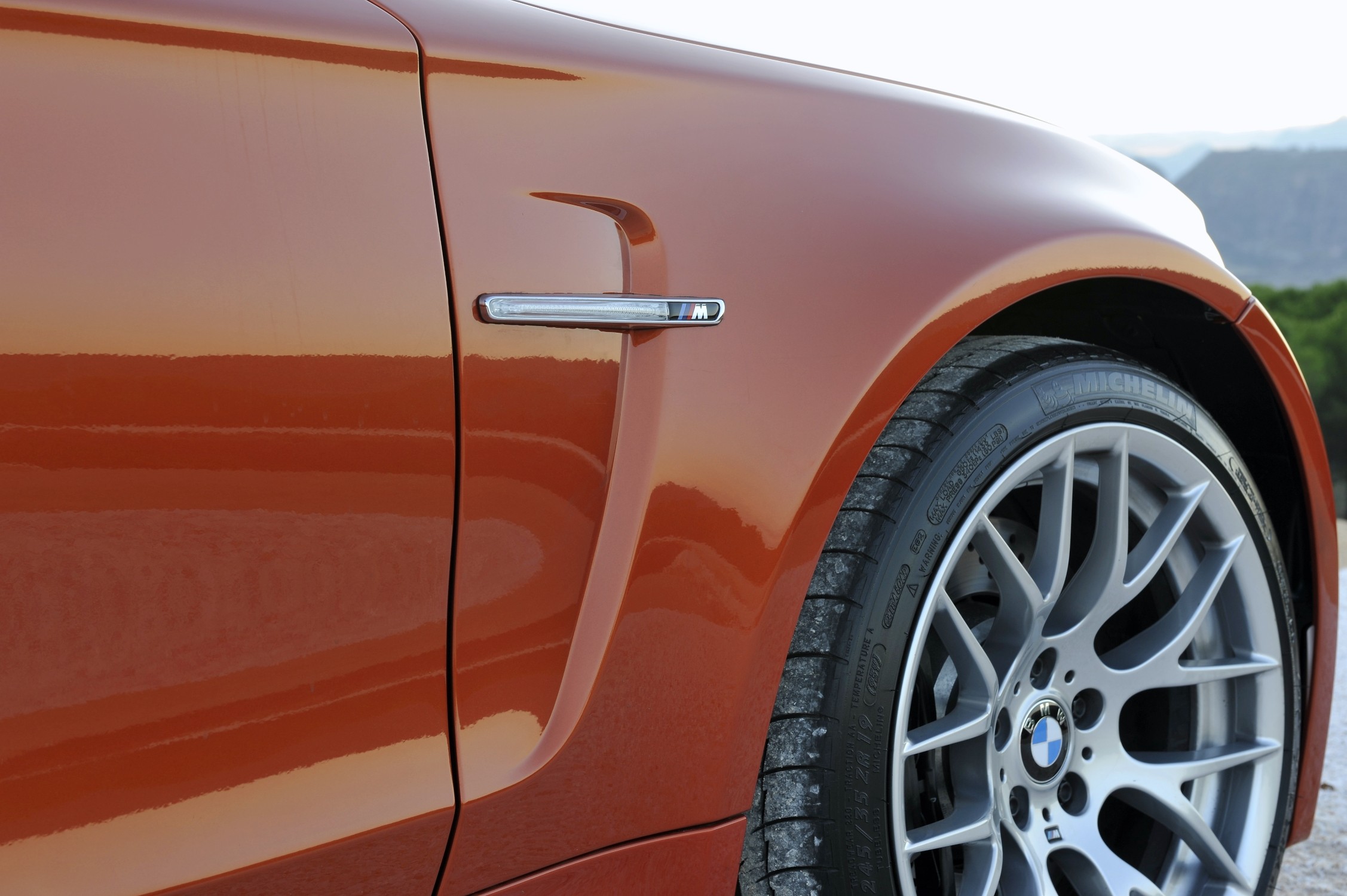
The power delivery was distinctly responsive and engaging, encouraging spirited driving while maintaining smoothness and refinement expected from an M machine. The six-speed manual transmission featured close-ratio spacing optimized for engaging performance driving with mechanical directness. The Variable M limited-slip differential managed torque distribution effectively as a mechanical unit, establishing handling balance suited to circuit driving and spirited road use. This emphasis on mechanical directness and engagement reflected M’s philosophy celebrating driver connection through responsive steering, hydraulic systems and mechanical sophistication rather than electronic complication.
Weight management achieved through extensive aluminum suspension components and a relatively lightweight specification for the segment established the 1 Series M Coupe at 1,495 kilograms DIN (3,296 lbs), establishing an exceptional power-to-weight ratio of approximately 4.4 kilograms per horsepower. This remarkable efficiency enabled 0-60 mph acceleration in approximately 4.7 seconds and electronically limited top speed of 155 mph, establishing superb performance credentials rivaling heavier M3 models through agility and mechanical engagement rather than displacement advantage.
Styling
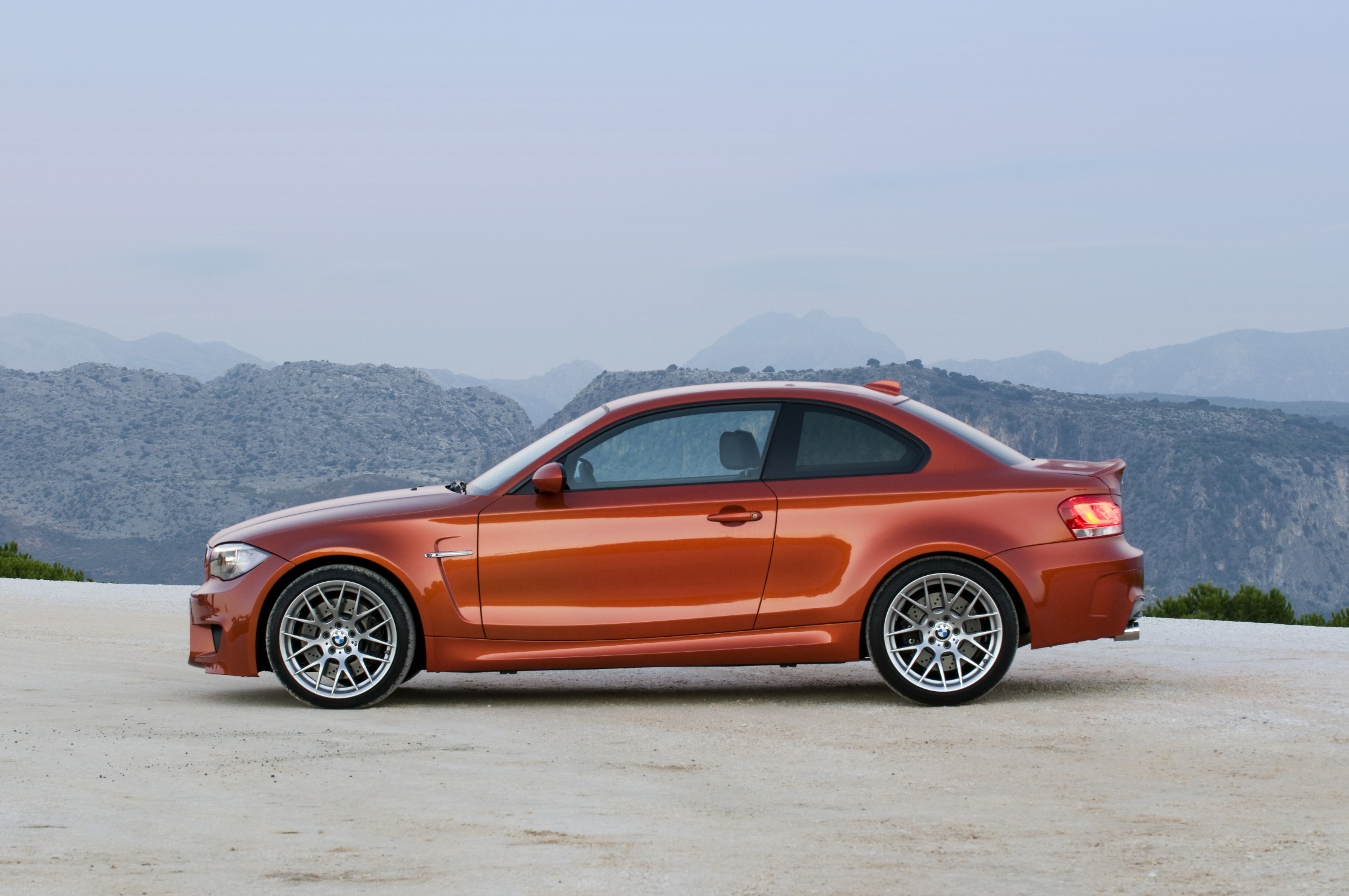
BMW M’s design created visual distinctiveness immediately recognizing the 1 Series M Coupe’s performance character. Aerodynamic elements including the front air intakes, aggressive side skirts and trunk-lid spoiler lip suggested performance through refined engineering rather than theatrical styling. The widened fender flares and lowered suspension established a purposeful stance celebrating mechanical authenticity over visual drama. The compact proportions and carefully restrained design philosophy suggested that genuine performance required engineering sophistication rather than aggressive visual embellishment. The 1 Series M Coupe was offered in three factory exterior colors: Alpine White III, Black Sapphire Metallic, and Valencia Orange Metallic, with each providing distinctive visual character while maintaining the model’s fundamentally purposeful aesthetic.
Interior
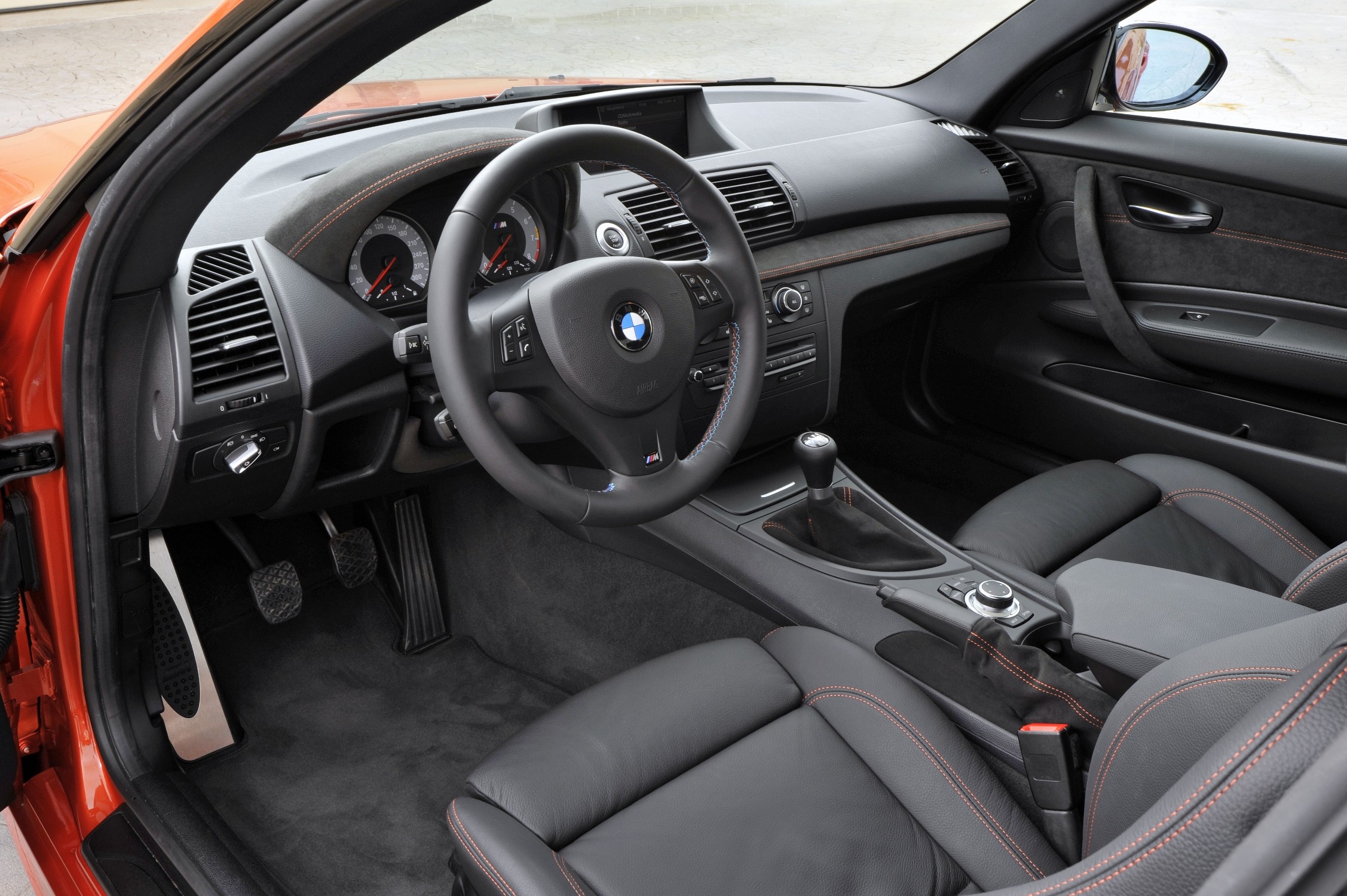
The cabin emphasized performance and driver engagement combined with quality appointments reflecting BMW’s standards. M Sport leather seats with integrated head restraints and pronounced lateral bolsters provided exceptional support during spirited driving while maintaining comfort for extended driving journeys. Dark grey Alcántara trim with Kyalami orange contrast stitching across the dashboard, door panels, shift boot and handbrake established that the interior celebrated performance-focused engineering. The M-specific steering wheel completed the performance-oriented ambiance. The driving position was commanding and well-balanced, with all controls falling naturally to hand. Air conditioning, leather upholstery, and quality audio systems provided contemporary convenience and refinement. The M-specific instrument cluster displayed essential performance parameters with gray dials, red pointers and white illumination. The overall atmosphere balanced performance-focused engineering with the refined quality expected from BMW M ownership.
Specifications
- Engine: BMW N54B30 twin-turbocharged inline-six, 2,979cc, DOHC, 24 valves, direct injection, Double-VANOS
- Power: 335 horsepower at 5,900 rpm (340 hp / 250 kW in metric-market specification)
- Torque: 332 lb-ft (450 Nm) from 1,500-4,500 rpm; 369 lb-ft (500 Nm) with overboost
- Transmission: Six-speed manual, rear-wheel drive
- Chassis: High-strength steel unibody
- Front suspension: Double-joint spring-strut axle with aluminum components
- Rear suspension: Five-link independent axle with coil springs and M-tuned dampers
- Brakes: Internally vented and cross-drilled compound discs, 360mm front / 350mm rear, single-piston floating calipers
- Steering: Hydraulic Servotronic rack-and-pinion
- Differential: Variable M limited-slip differential
- Wheels: 19-inch forged M alloy wheels, 245/35R19 front and 265/35R19 rear
- Weight: 1,495 kg DIN / 3,296 lbs
- Performance: 0-60 mph in approximately 4.7 seconds; 0-100 km/h in 4.9 seconds; 155 mph / 250 km/h electronically limited top speed
Production and Legacy
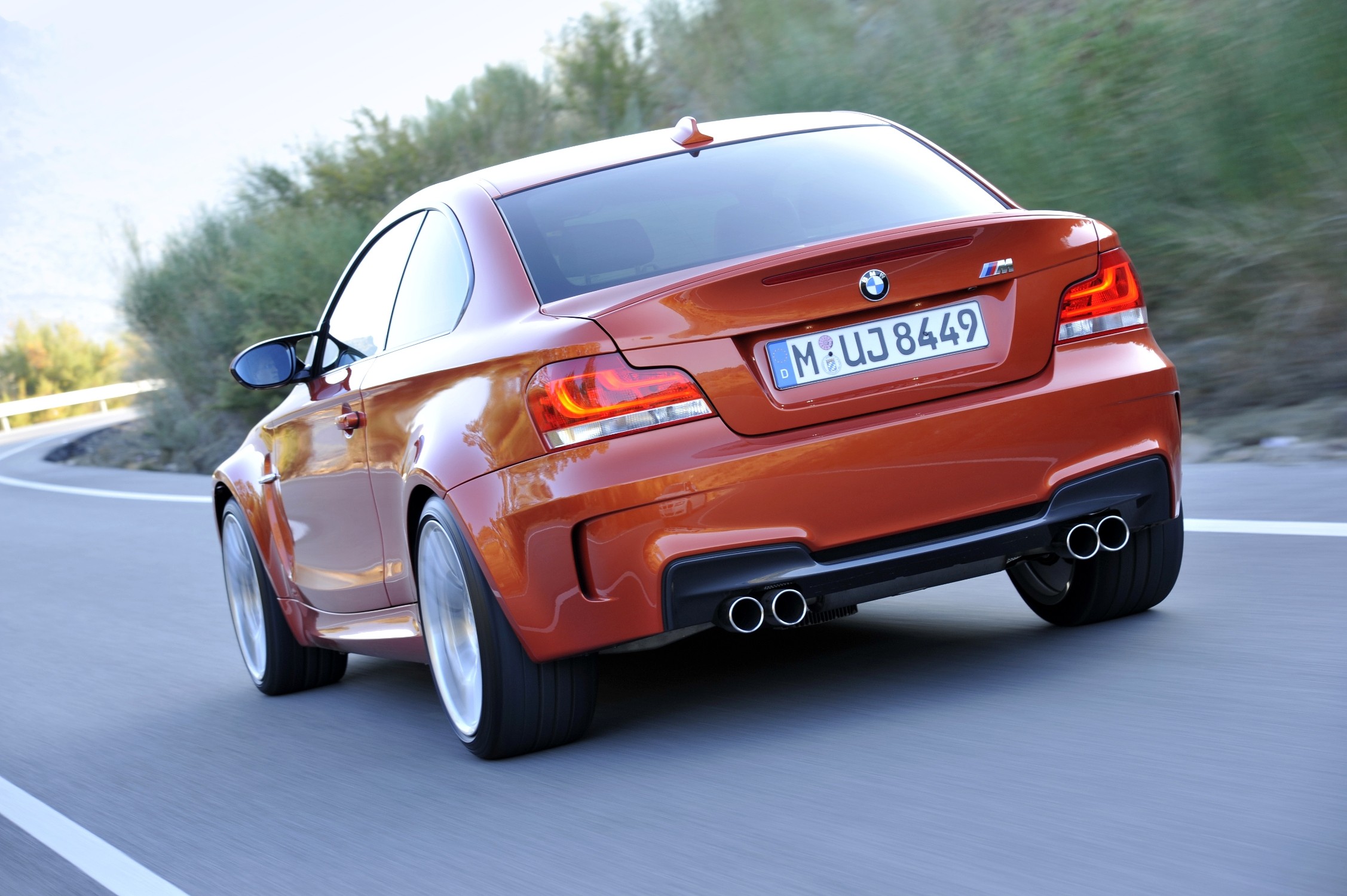
BMW built 6,342 examples of the 1 Series M Coupe at its Leipzig plant between 2011 and 2012, with 6,331 delivered to customers worldwide. Initial production plans targeted roughly 2,700 units, but overwhelming customer demand resulted in production nearly doubling that figure. The production run lasted approximately 16 months, from March 2011 through June 2012. The limited production reflected the car’s exclusive positioning as a genuine M machine rather than a cosmetic performance variant. Each car received meticulous assembly reflecting BMW M’s manufacturing standards and individual optimization for performance driving.
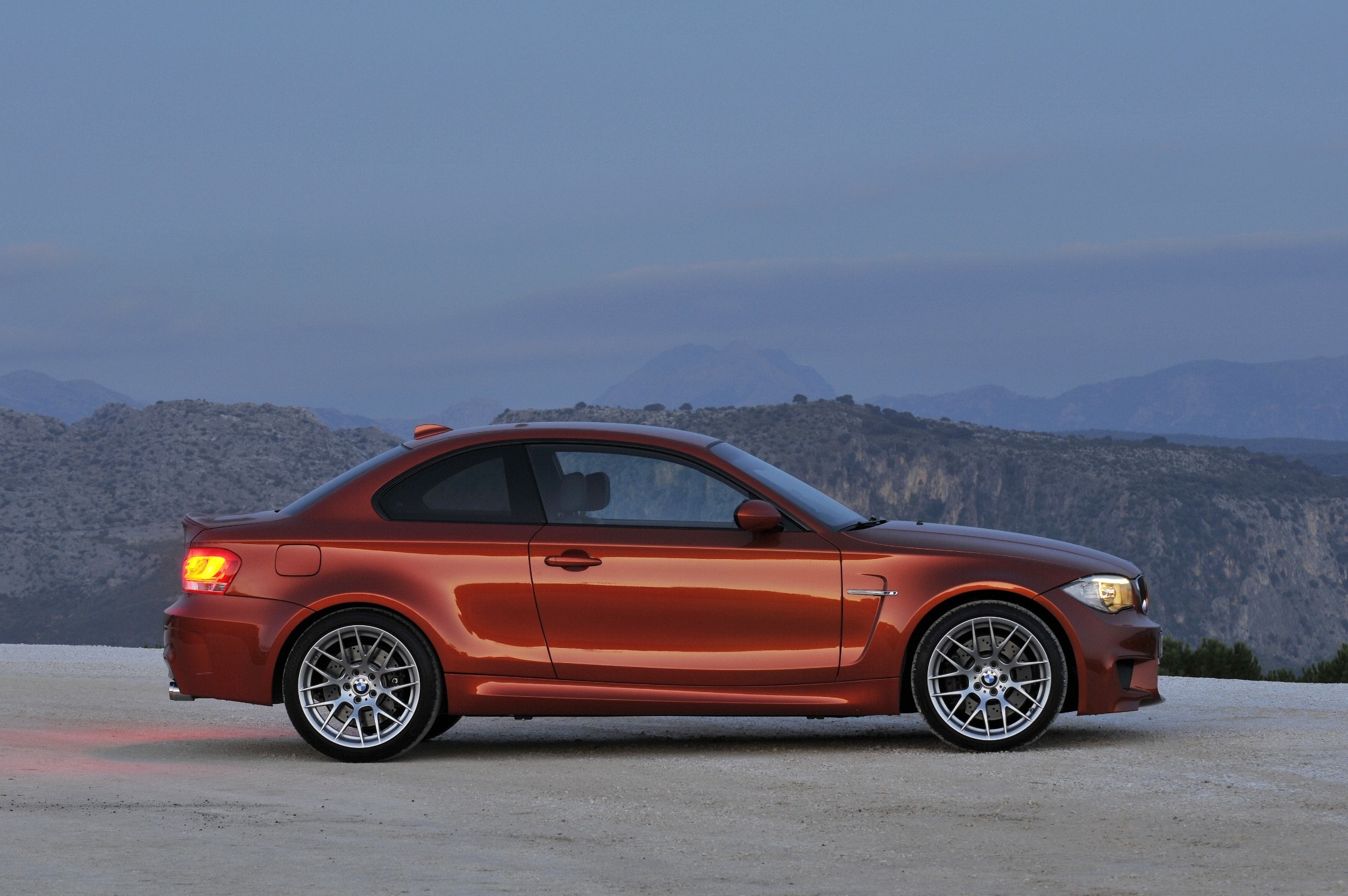
The 1 Series M Coupe proved that turbocharged compact platforms combined with mechanical authenticity could establish extraordinary driver engagement rivaling heavier performance machinery. The combination of responsive turbocharging, hydraulic steering, mechanical differential and lightweight construction established lasting appeal among driving enthusiasts valuing mechanical engagement and authenticity.
Today, 1 Series M Coupe examples command strong collector appreciation reflecting their legendary performance credentials and mechanical sophistication. The combination of responsive turbocharged performance, hydraulic steering feedback, limited production and enduring driver engagement ensure immortal appeal among serious enthusiasts valuing automotive authenticity and mechanical purity.
The BMW E82 1 Series M Coupe represented Munich at its most committed to mechanical engagement, proving that turbocharged compact platforms could establish extraordinary performance credentials through systematic engineering and driver-focused design. It remains one of BMW M’s greatest achievements, establishing an enduring legacy within M’s performance tradition and demonstrating that genuine performance required mechanical engagement and responsive feedback rather than excessive displacement or technological complication.