
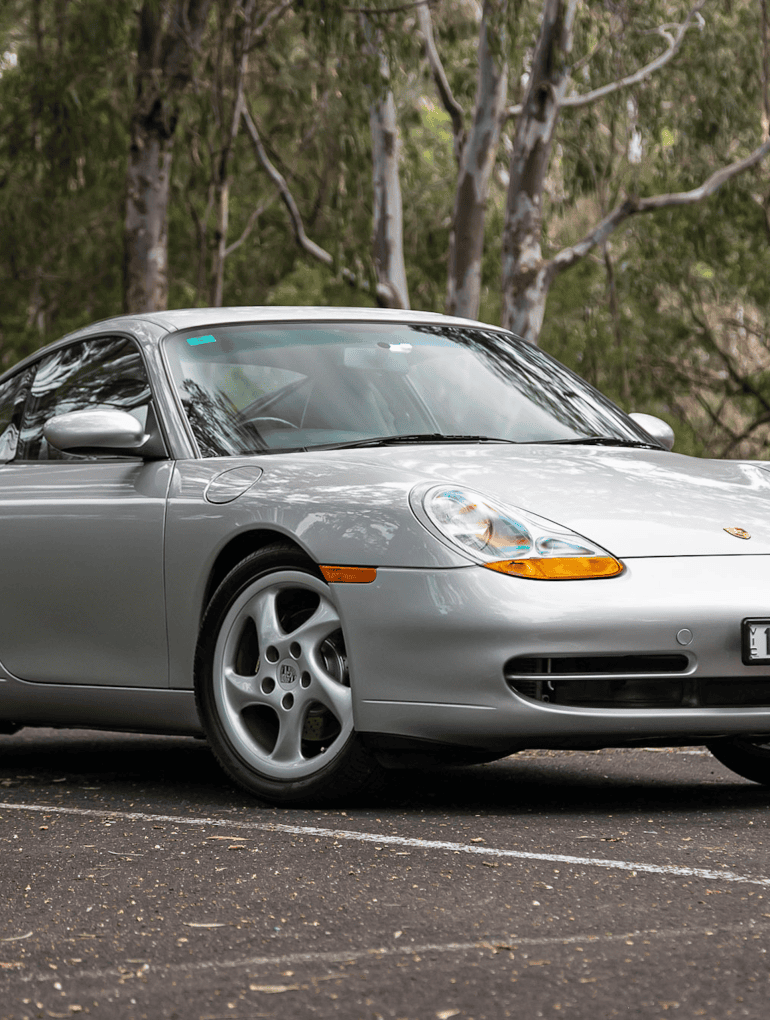

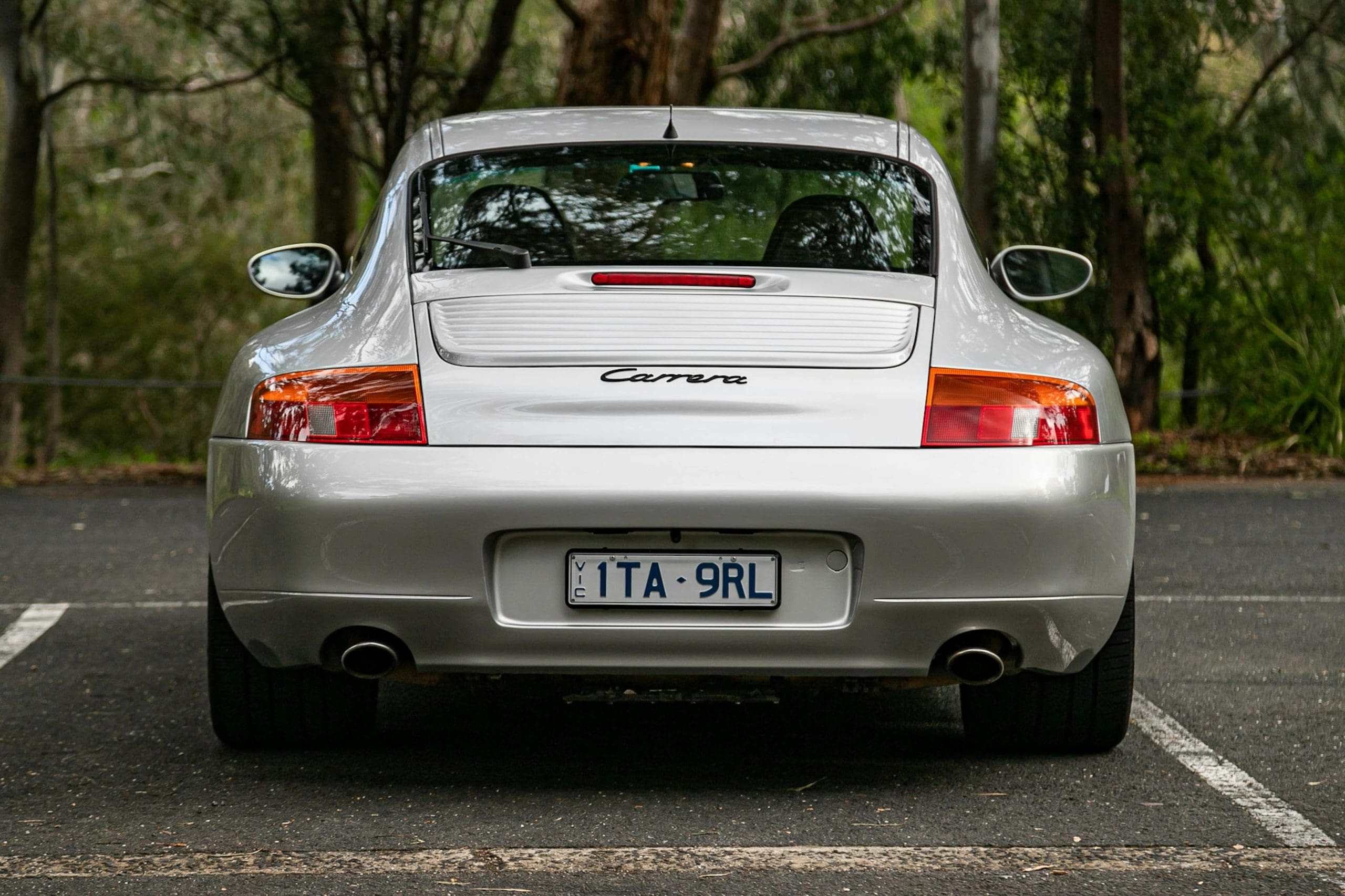
Frankfurt, September 1997. Porsche unveiled the new 911 Carrera at the IAA, introducing the fifth generation of the 911 and the most radical change in the model’s history. Known internally as the 996, it went on sale as a 1998 model and was the first 911 with a water-cooled engine, ending more than three decades of air cooling. Its 3.4-liter flat-six produced 300 PS (296 hp) at 6,800 rpm and 350 Nm (258 lb-ft) of torque, matching the output of the air-cooled 911 Turbo 3.3. Porsche quoted 0-100 km/h (0-62 mph) in 5.2 seconds and a top speed of 280 km/h (174 mph). The 996 was larger, lighter and more refined than the 993 it replaced, as well as less expensive to manufacture, and its design was almost entirely new. Many purists disliked it at first, but it became one of the most commercially important cars in Porsche’s history. Between 1997 and 2005, Porsche built 175,262 cars in the 996 range.
Background and Origins
By the early 1990s, Porsche was in financial trouble. Sales had fallen sharply, the air-cooled 911 was expensive to build, and new emissions and noise regulations were making its engine increasingly difficult to keep in production. Under Wendelin Wiedeking, Porsche reorganized its manufacturing, bringing in consultants associated with Toyota to introduce lean production methods at Zuffenhausen. The company also decided to develop the next 911 alongside a new entry-level model, the Boxster, so the two cars could share parts and development costs.
The Boxster arrived first, in 1996, and the 996 followed a year later. The two cars shared the hood, front fenders, doors, headlights and much of the interior up to the B-pillars. Porsche’s goal was to sell at least 30,000 units a year across both models, and sales of the 996 range alone eventually far exceeded that figure. The 911 itself was almost entirely new. According to Porsche, the only items carried over directly from the 993 were the hood crest, wheel hub covers, steering wheel and airbags. Pinky Lai developed the design under Porsche design chief Harm Lagaay, with the aim of creating a 911 for the new millennium.
Design and Engineering
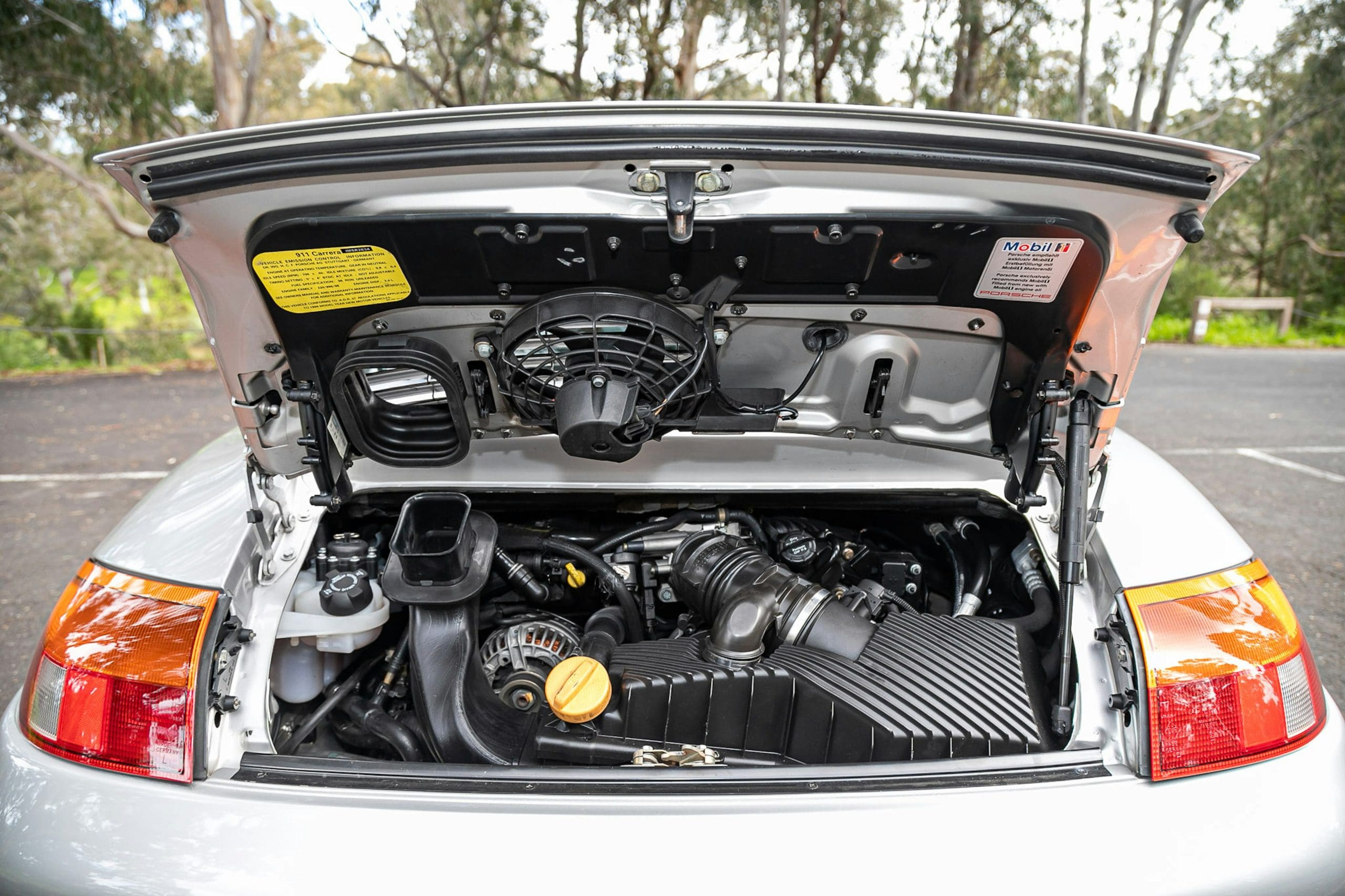
The switch to water cooling was driven as much by engineering requirements as by regulations. To meet stricter emissions standards, Porsche needed four-valve cylinder heads, and those could be cooled reliably in all conditions only with water. The new M96 flat-six displaced 3,387 cubic centimeters and used four valves per cylinder, VarioCam variable intake timing and an 11.3:1 compression ratio. It produced 300 PS at 6,800 rpm while also improving emissions, noise and fuel consumption. Buyers could choose a six-speed manual gearbox or a five-speed Tiptronic S automatic.
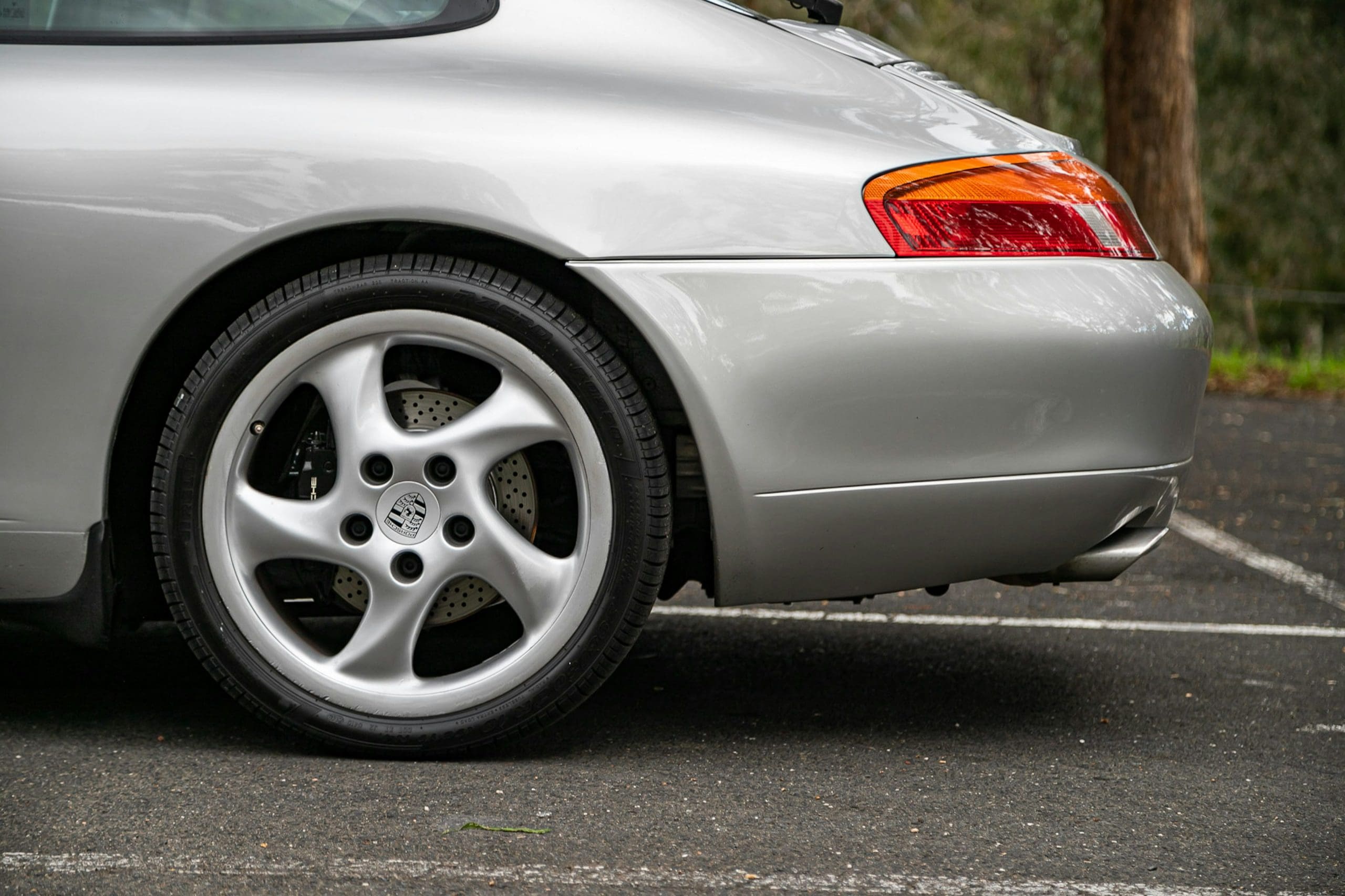
The body was 185 millimeters longer and 30 millimeters wider than the 993’s, and its longer wheelbase improved stability and interior space. Despite its larger size, high-strength steel and new production methods made the 996 about 50 kilograms lighter than its predecessor, with a DIN unladen weight of about 1,320 kilograms for the manual coupe. Aerodynamics also improved, with a drag coefficient of 0.30. The suspension used MacPherson struts at the front and a multi-link rear axle. The 996 was faster, quieter and more comfortable than any previous 911, and its handling was more forgiving at the limit.
The M96 engine later developed a reputation for reliability concerns, particularly failures of the intermediate shaft (IMS) bearing, which can cause severe engine damage. The risk varies by engine version and bearing design, and Porsche revised the hardware during production. Many 996s have covered high mileages without major engine problems, but a car’s service history, engine condition and any documented bearing work remain important considerations for buyers.
Styling
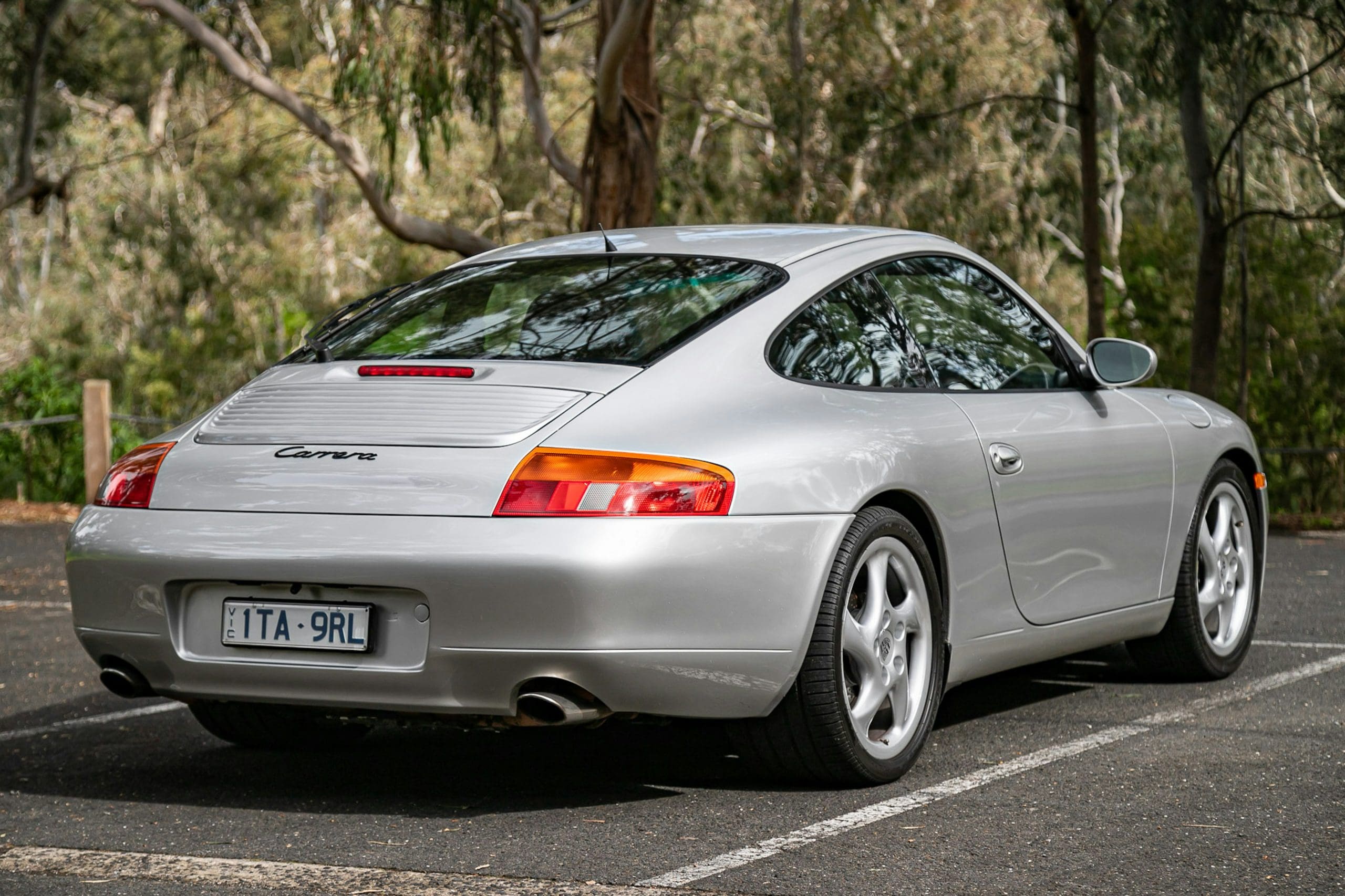
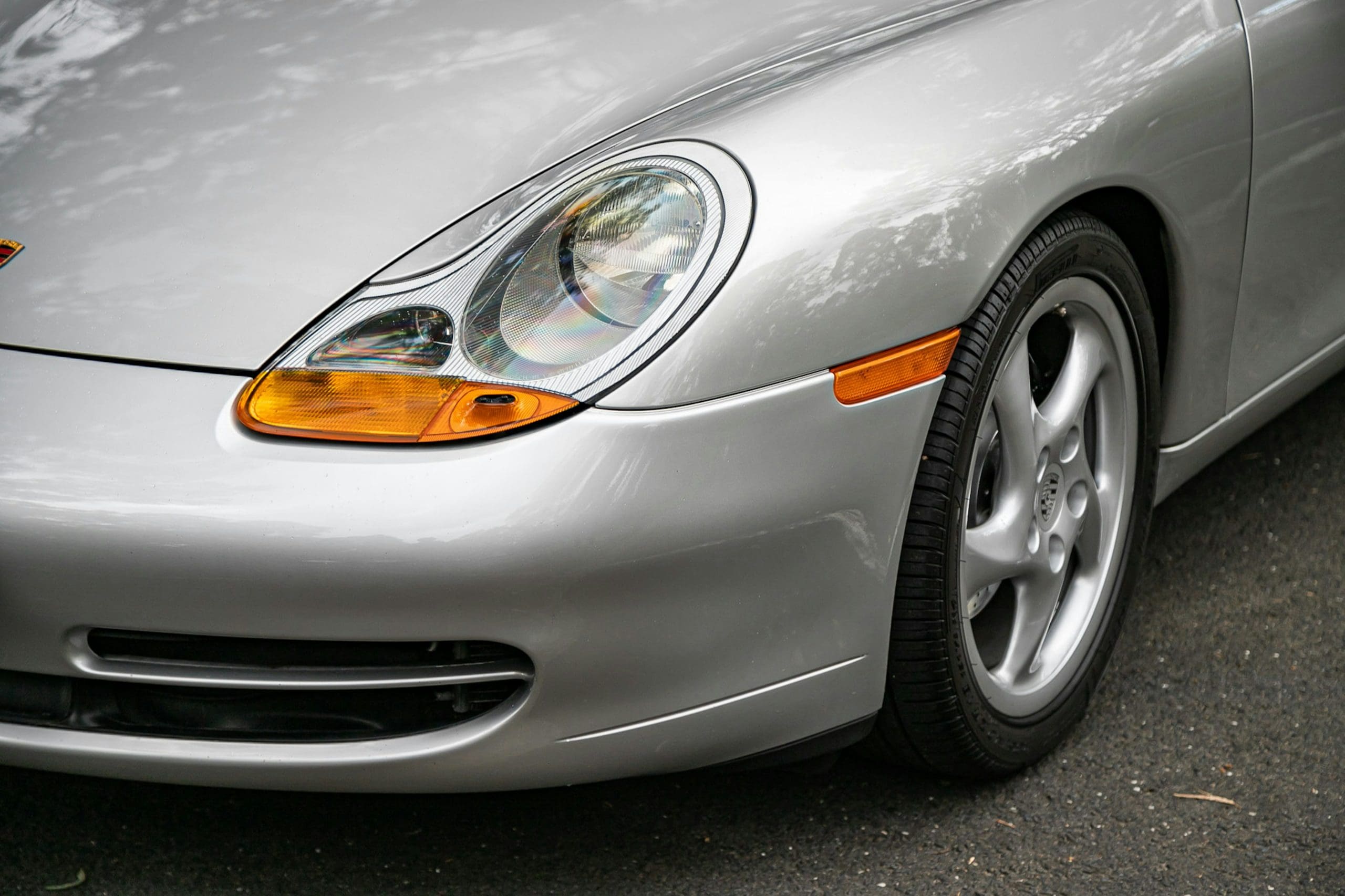
The 996 kept the 911’s familiar silhouette, but nearly every detail was new. The body was smoother and more aerodynamic, with flush glass, a more steeply raked windscreen and a speed-activated rear spoiler. The most controversial feature was the headlights. Shared with the Boxster, these teardrop-shaped “fried egg” units combined the headlights, turn signals and fog lights in one assembly, and many 911 owners disliked sharing the look of Porsche’s less expensive roadster. For the 2002 model year, Porsche fitted the Carrera with headlights derived from the 996 Turbo’s design, which distinguished it more clearly from the Boxster. The Cabriolet joined the coupe for the 1998 model year.
Interior
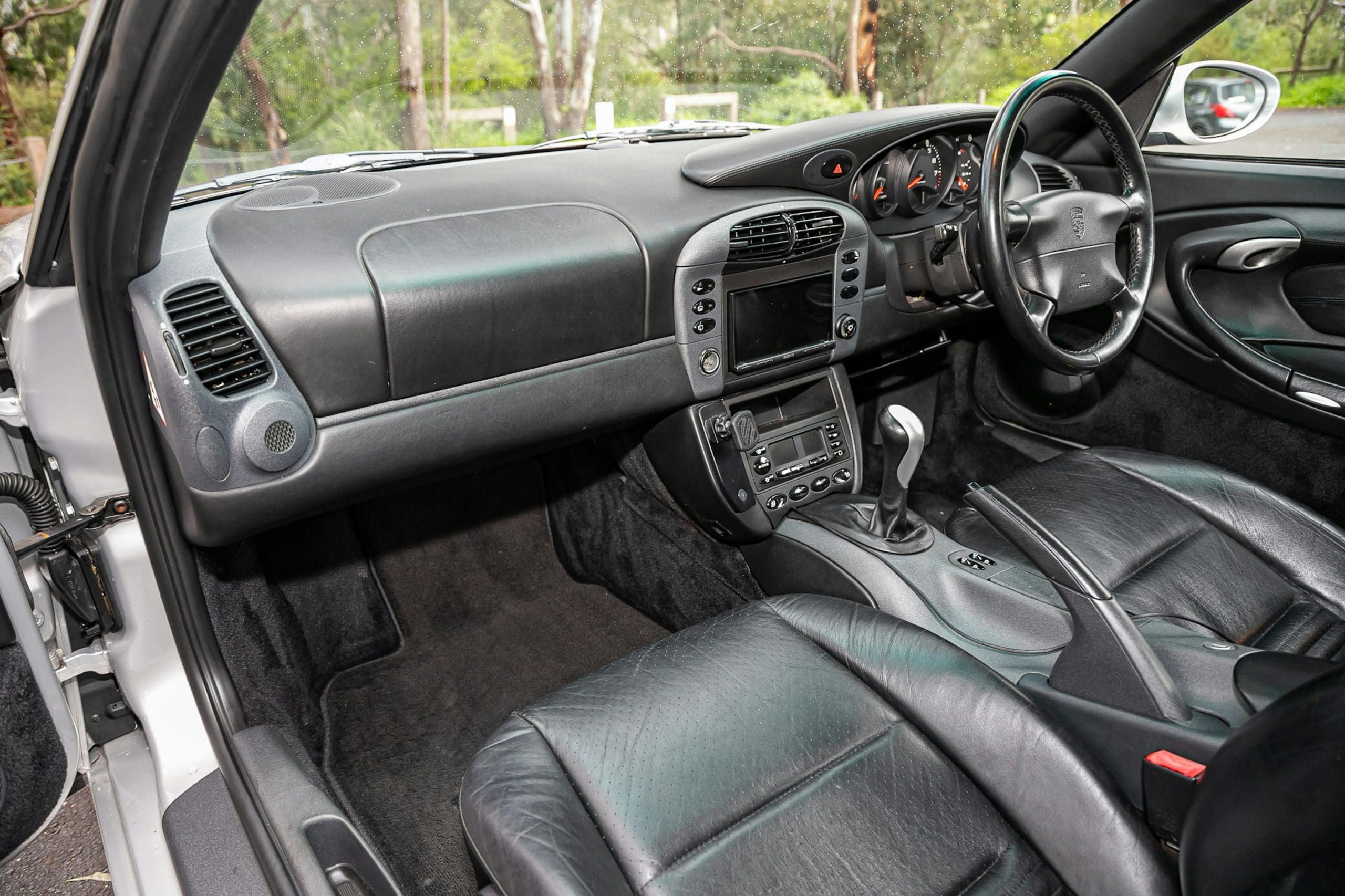
The 996’s cabin was far more modern than the 993’s, with more space, better ergonomics and improved climate control. The traditional five-dial instrument layout was retained, but it was redesigned as a cluster of overlapping dials, with the tachometer in the center and integrated digital displays. Much of the dashboard and many other interior parts were shared with the Boxster, which reduced costs but drew criticism for feeling cheaper than earlier 911s.
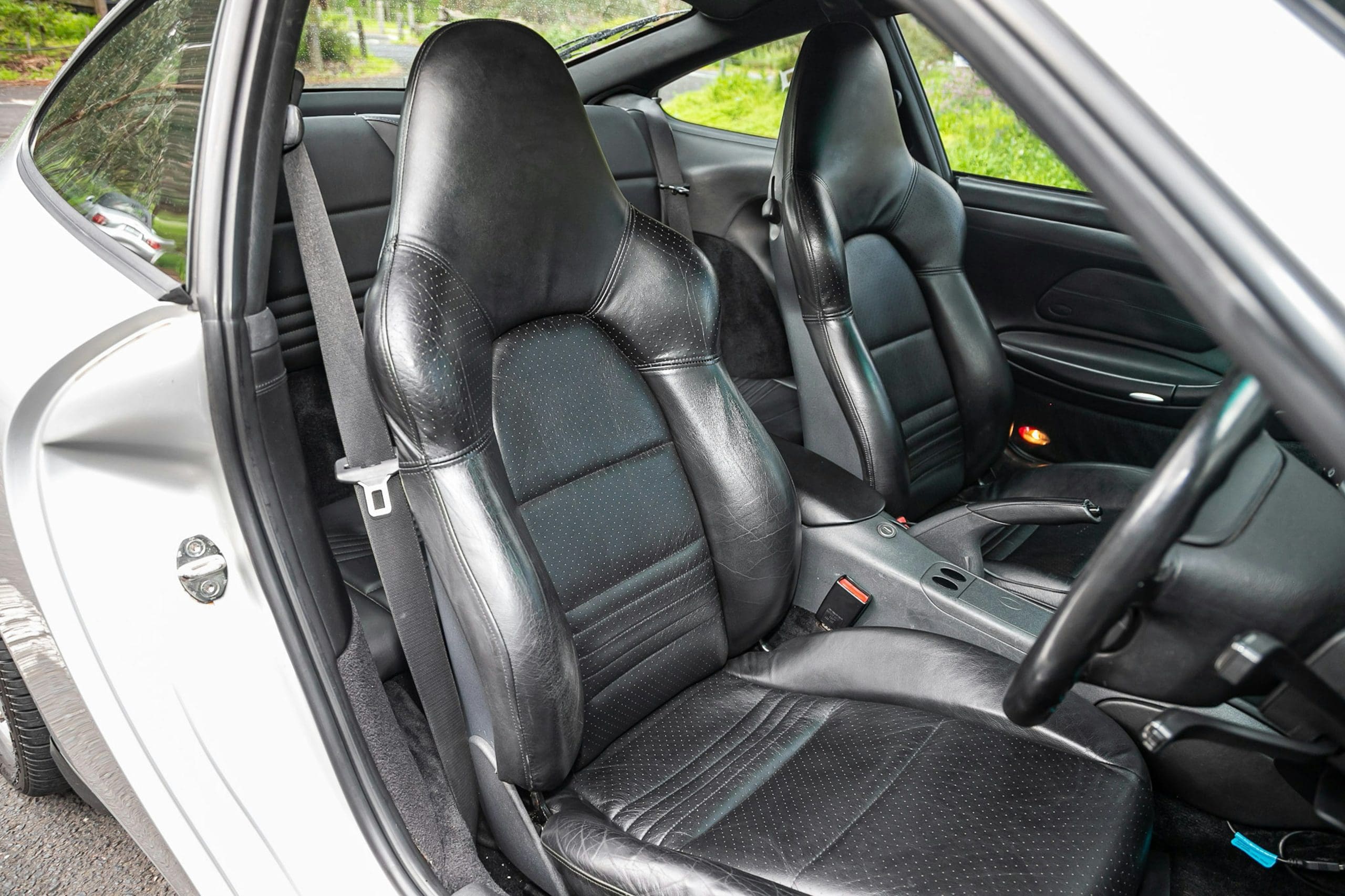
Even so, the larger cabin, quieter ride and improved equipment made the 996 far more practical as an everyday car. For the 1998 model year, the Carrera coupe started at 135,610 Deutschmarks in Germany.
Racing History
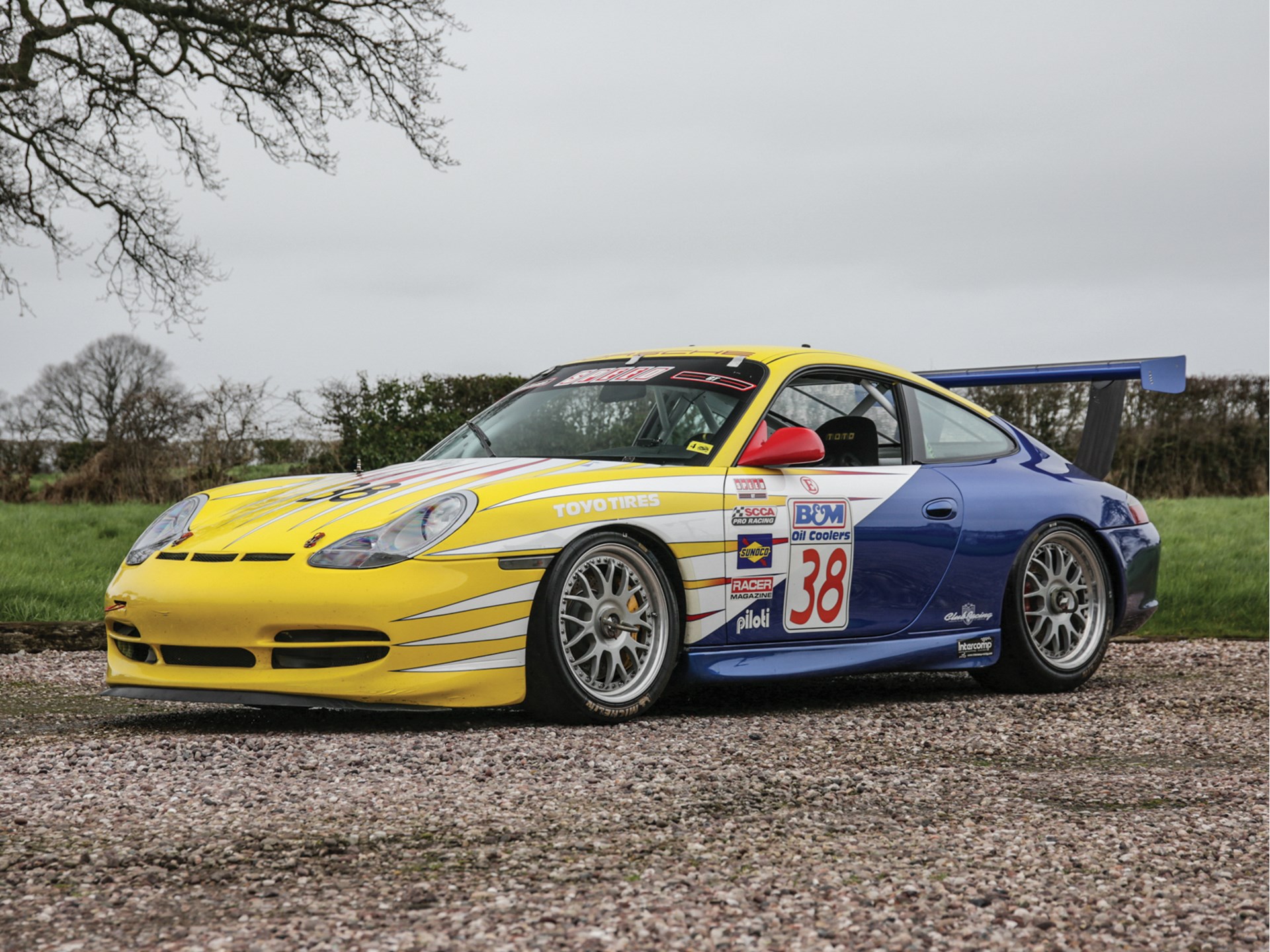
The 996 platform quickly became the foundation of Porsche’s customer racing program. Shortly after the road car was unveiled, Porsche introduced the 996 GT3 Cup for the 1998 Porsche Supercup season, and the national Carrera Cup series adopted it in 1999. Patrick Huisman won four consecutive Supercup titles from 1997 to 2000. His first came in a 993-generation Cup car, and the next three came in the 996 GT3 Cup. The 996-based Cup cars soon became the standard car for Porsche one-make racing around the world.
The road-going 911 GT3, introduced in May 1999, provided the homologation basis for Porsche’s customer GT racers. Unlike the Carrera, it used a naturally aspirated version of the Mezger engine, derived from the 911 GT1 that won Le Mans in 1998. The 996 GT3 R made its debut at the 1999 24 Hours of Le Mans, where Uwe Alzen, Patrick Huisman and Luca Riccitelli won the GT class for Manthey Racing and finished 13th overall. In 2000, the GT3 R won every race in the N-GT class of the FIA GT Championship and also took class wins at Daytona and Sebring.
The competition GT3 RS replaced the GT3 R for 2001, two years before Porsche introduced a road-going GT3 RS, and it proved capable of overall victories. In 2003, The Racer’s Group’s No. 66 GT3 RS won the 24 Hours of Daytona outright against faster prototypes, driven by Kevin Buckler, Michael Schrom, Jörg Bergmeister and Timo Bernhard. That same year, Stéphane Ortelli, Marc Lieb and Romain Dumas won the Spa 24 Hours outright in a GT3 RS entered in the N-GT class, the first overall victory for an N-GT car since the race became part of the FIA GT Championship. The GT3 RSR replaced the GT3 RS in 2004, and according to Porsche specialist Ebimotors, racing versions of the 996 GT3 had won seven classes at Le Mans by 2006.
Specifications
- Engine: Porsche M96 water-cooled flat-six, 3,387cc, DOHC per bank, 24 valves, VarioCam
- Power: 300 PS (296 hp) at 6,800 rpm
- Torque: 350 Nm (258 lb-ft)
- Transmission: Six-speed manual or five-speed Tiptronic S, rear-wheel drive
- Chassis: Galvanized steel unibody with high-strength steel
- Suspension: MacPherson struts (front), multi-link (rear)
- Aerodynamics: Drag coefficient of 0.30
- Weight: Approximately 1,320 kg / 2,910 lbs (DIN unladen, manual coupe)
- Performance: 0-100 km/h (0-62 mph) in 5.2 seconds, 280 km/h (174 mph) top speed
Production and Legacy
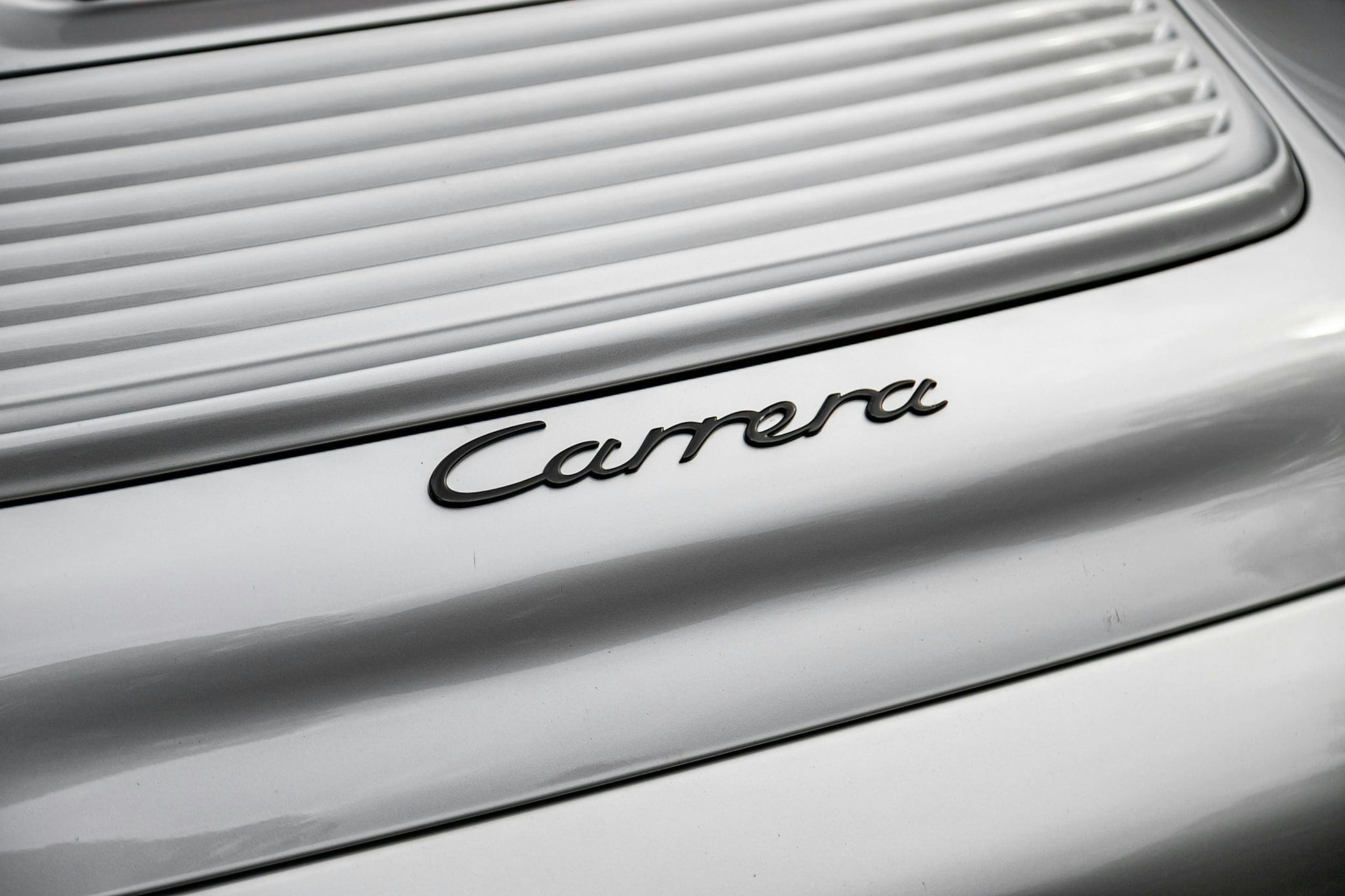
The 996 Carrera was offered as a coupe and Cabriolet from launch, and the all-wheel-drive Carrera 4 joined the range in late 1998. For the 2002 model year, Porsche updated the range with a 3.6-liter engine, increasing the Carrera’s output to 320 PS. The Targa arrived in December 2001, followed by the Carrera 4S Coupé in 2002 and the Carrera 4S Cabriolet in 2003. The Turbo, GT2 and GT3 completed the range. For the 2004 model year, Porsche marked the 911’s 40th anniversary with a limited run of 1,963 Carrera coupes producing 345 PS. The 997 replaced the 996 Carrera in 2004, while some 996 variants remained in production until 2005. In total, Porsche built 175,262 cars in the 996 range.
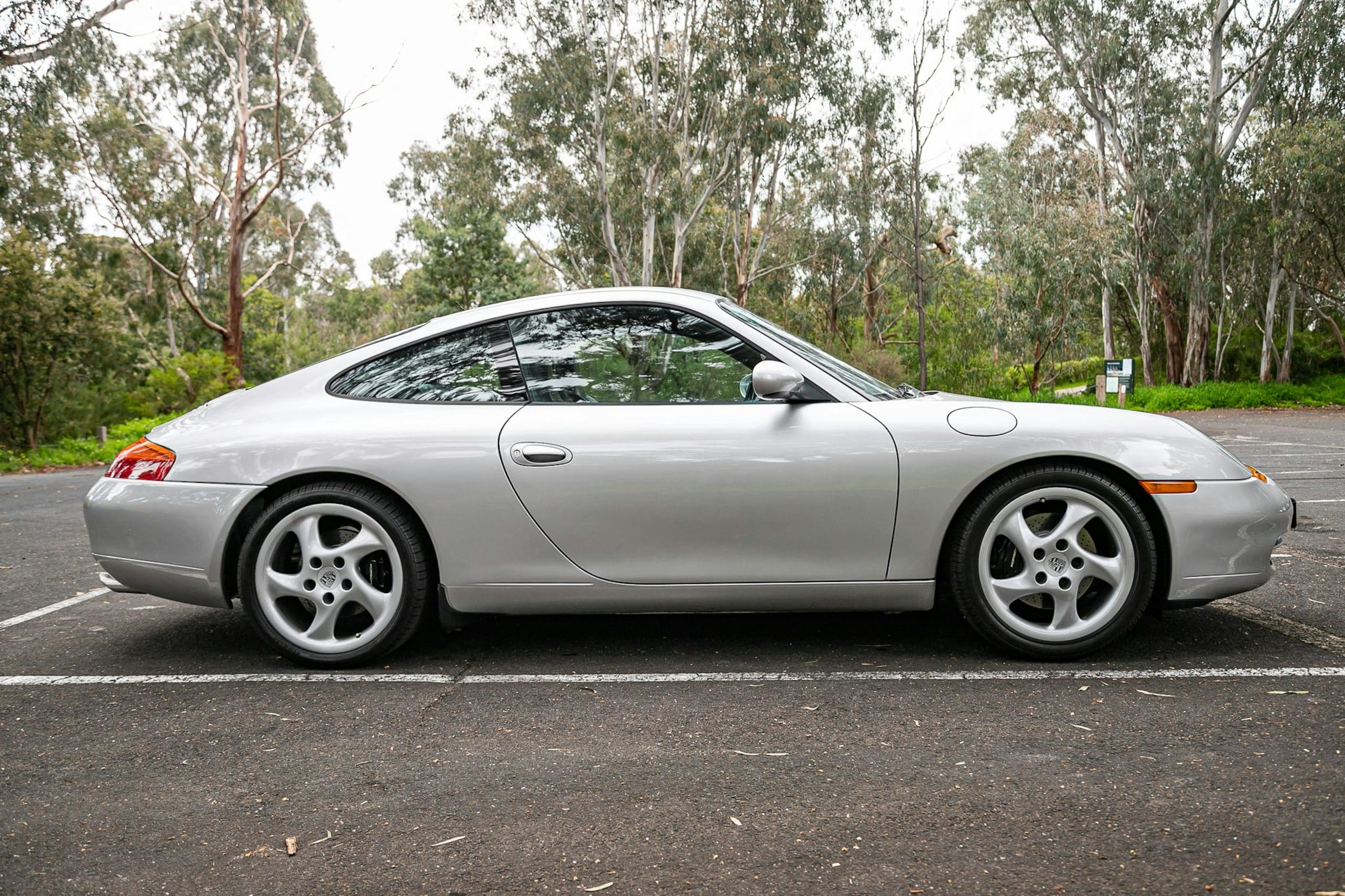
The 996 remains one of the most debated 911s. Its water-cooled engine, Boxster-shared styling and reliability concerns made it controversial, but it was central to Porsche’s transition to a more sustainable business, alongside the Boxster and the company’s manufacturing reforms. Its platform also supported the Turbo, GT2 and GT3 models and a highly successful racing program, and every 911 since has followed its water-cooled approach. For many years, the 996 was the least expensive way to own a 911. Interest among enthusiasts has grown in recent years, especially for well-maintained manual cars, which are increasingly seen as an important part of the 911’s history.