
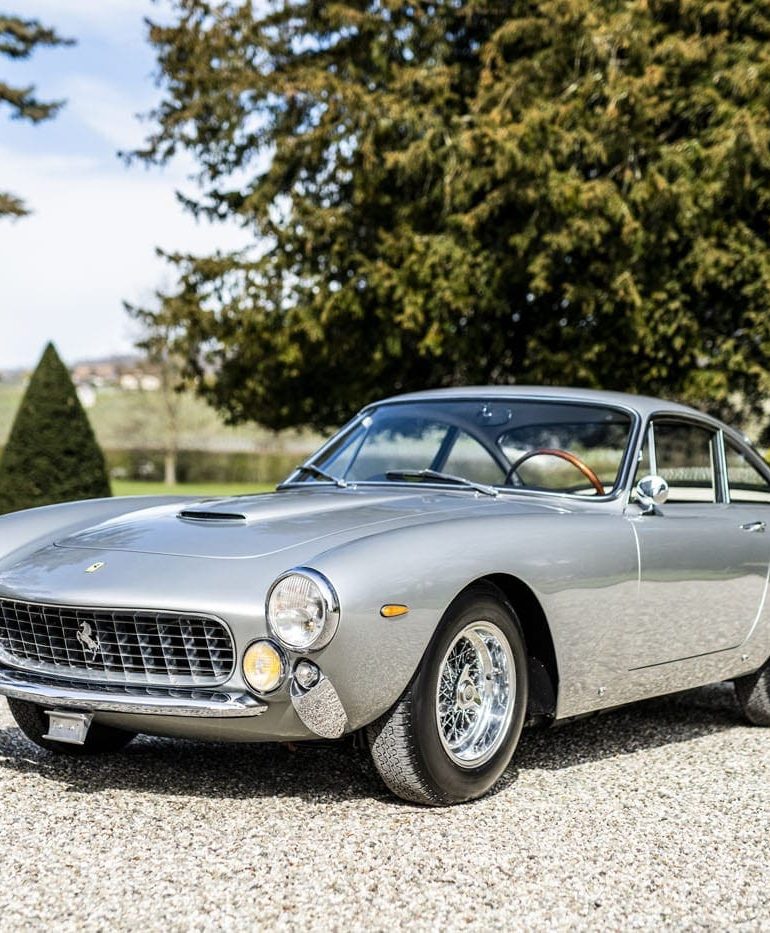
 “Bella figura” is Italian for “beautiful figure.” Winston Goodfellow uses the phrase in the title of the section of his book, “Ferrari – Road and Racing,” on the 250 GT/L, aka Berlinetta Lusso. Preston Lerner, in his book “Speed Read – Ferrari,” says about the 250 GT/L, “The reason it’s remembered so fondly is because it is one of the most beautiful Ferraris ever built. No, check that. It is one of the most beautiful cars ever built.” “One” of the most beautiful? What else would be running for that title? Alfa Romeo 8C 2900 B, certainly; Jaguar E-Type, for sure; Cobra Daytona Coupe, hmmm.
All have potential, but none can match the beauty of the Lusso. One reason that it is “the” most beautiful is because it has stood the test of time – it is as desirable in 2019 as it was in 1963. The Berlinetta Lusso creates a level of lust in the hearts of car aficionados that is matched by no other automobile. It is a work of art. And we haven’t even gotten to the “luxury” part – “Lusso” means “luxury” in Italian.
Carrozzeria Pinin Farina
Battista Farina was born in Cortanze, Italy, in November 1893, the tenth of eleven children. He was nicknamed “Pinin,” which in the local slang means “baby” or “youngest.” He kept that sobriquet for his entire life, eventually becoming an official part of his last name. In 1905, he was apprenticed to his older brother, Giovanni, who had a business repairing carriages and automobiles.
Giovanni grew his business into a coachbuilding firm, Stabilimenti Industriali Farina SA, and, in 1910, Pinin received his first major assignment. At the age of 17, Pinin was given the job of creating a design for the Fiat Zero’s coachwork. His design was so good, that Giovanni Angelli chose it over those of Fiat’s in-house designers. So pleased was Angelli, he presented Pinin with one of the first Zeros off the production line.
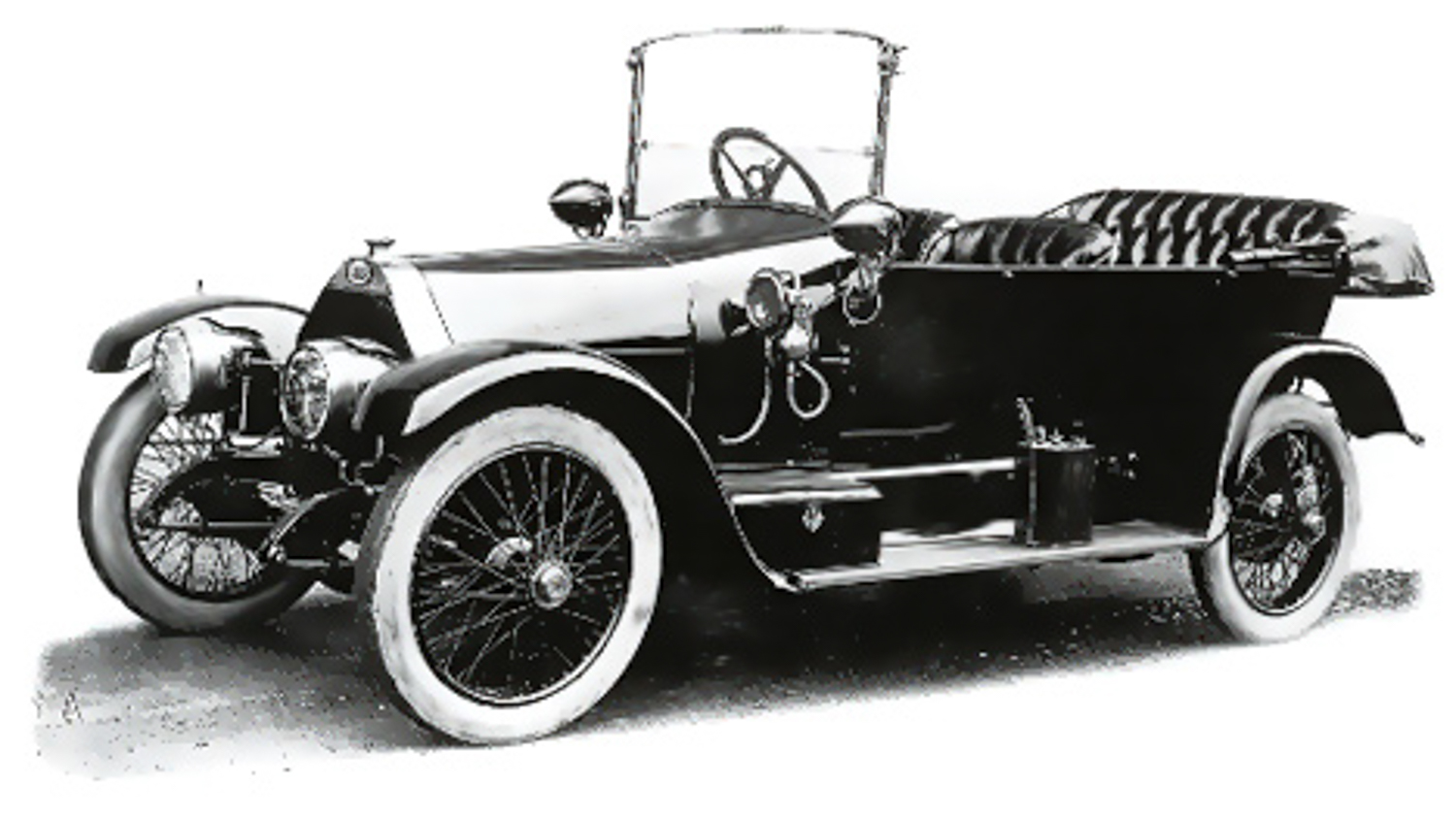
Apparently, Pinin Farina was an impressive designer. On a trip to the United States to learn about some production techniques, he was noticed by Henry Ford and offered a job at Ford. Farina had a more important offer in Italy, so he returned home and was married. He left Stabilimenti Farina, in 1930, to establish his own firm, Carrozzeria Pinin Farina.
His company took on coachbuilding assignments primarily for Fiat and Lancia, but as the company’s reputation grew, assignments came from many premier automobile manufacturers, including Alfa Romeo, Isotta Fraschini, Mercedes-Benz, Rolls-Royce, Hispano-Suiza, and Cadillac. Bodies were built for all styles of automobiles, from cabriolets to limousines.
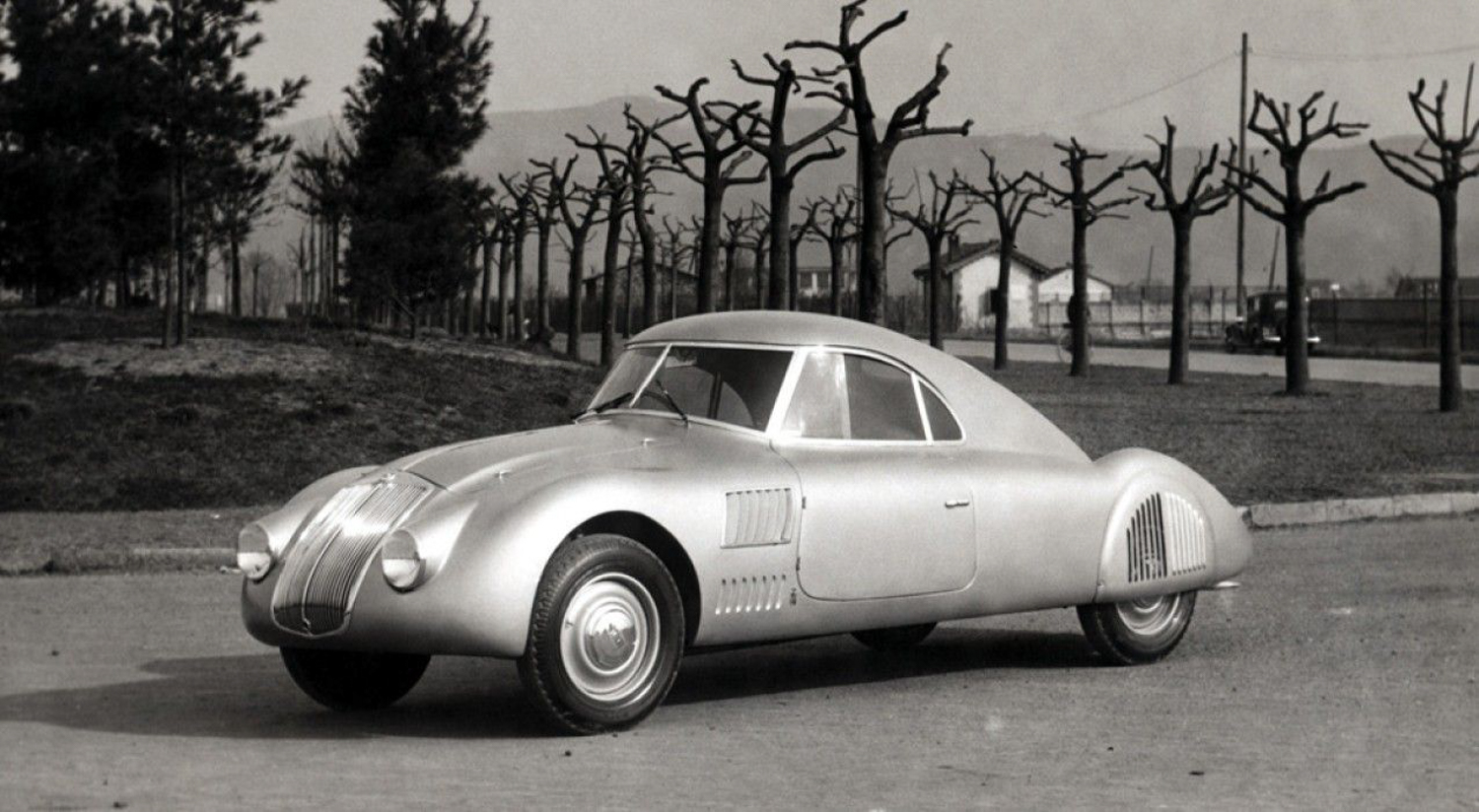
Carrozzeria Pinin Farina was becoming known for innovative design. In 1937, the firm created the Lancia Aprilia Mille Miglia Aerodinamica streamliner. The design, as its name suggests, was to be very aerodynamically slippery. It was pure inspiration, but it was later tested and in fact found to be very slippery. The car finished 26th overall and 4th in class in the 1938 Mille Miglia.
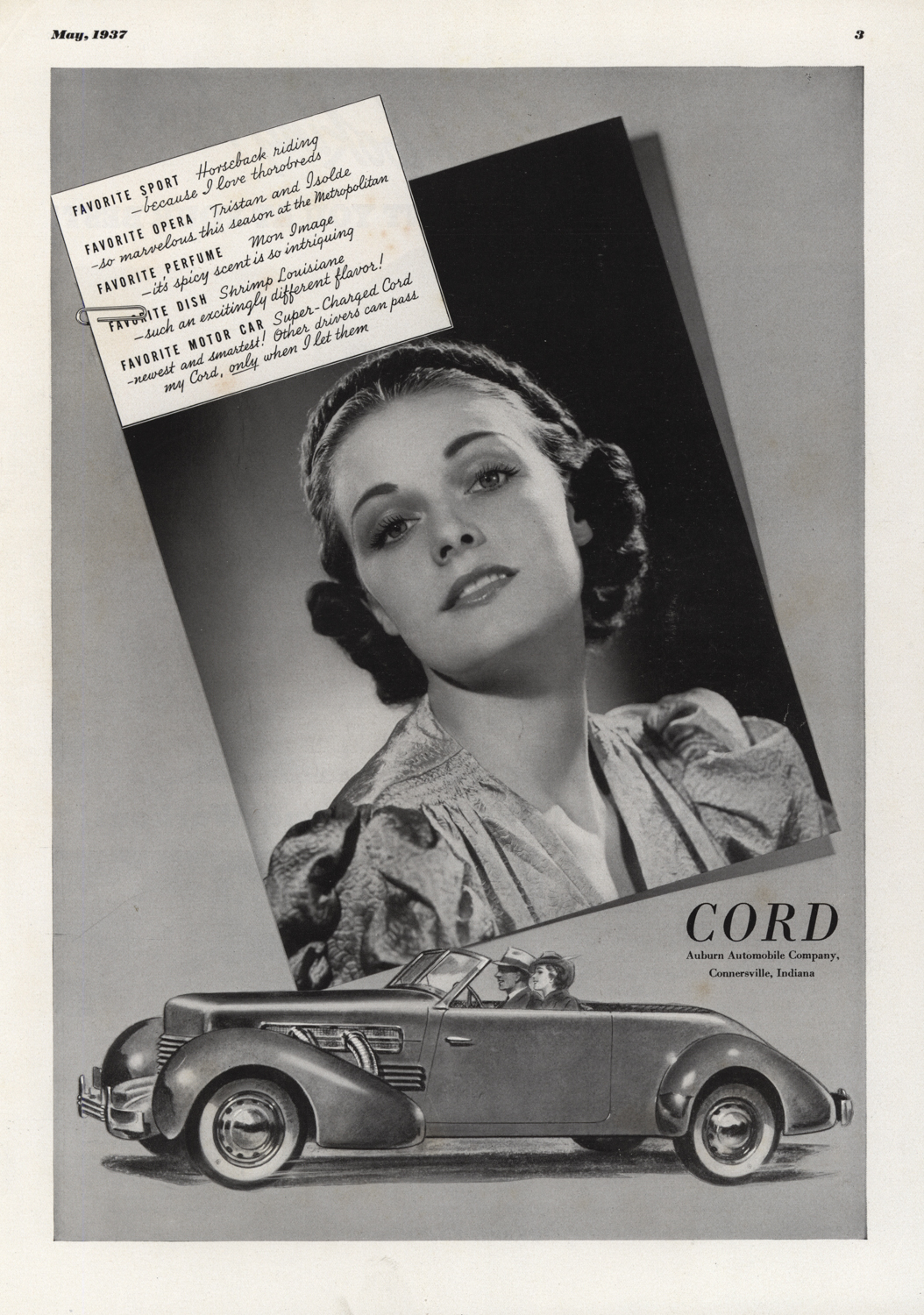
The “Beaulieu Encyclopedia of the Automobile” credits Pinin Farina with being the first European designer to drop vertical radiators and windshields in order to gain better air flow. The influence to make this change came from seeing some milestone designs from America – Cord 810, 1939 Buick and Studebaker, as well as the 1940 Pontiac. But more beautiful coachwork would have to wait.
From 1939 until Italy was out of the war, the company concentrated on war production. Allied bombing took a toll on the company’s facilities, and attitudes affected the company’s ability to regain its status in the world automobile community. When auto shows began again, Italy, as a former part of the Axis, was not allowed to participate.
Recognizing that the company needed to show that it still existed, Pinin and Sergio, his son, drove an Alfa Romeo 6C 2500 S and a Lancia Aprilia cabriolet from Turin to Paris. At the Grand Palais, they parked the cars at the entrance to the Paris Motor Show and guarded their spot throughout the show. Everyone who entered or left the show saw their cars and the two Farinas.
Their stunt was even more successful than Pinin had hoped. They received considerable press attention, and the company was promised a central stand at the show the next year. Carrozzeria Pinin Farina was back in business, and the world knew it.
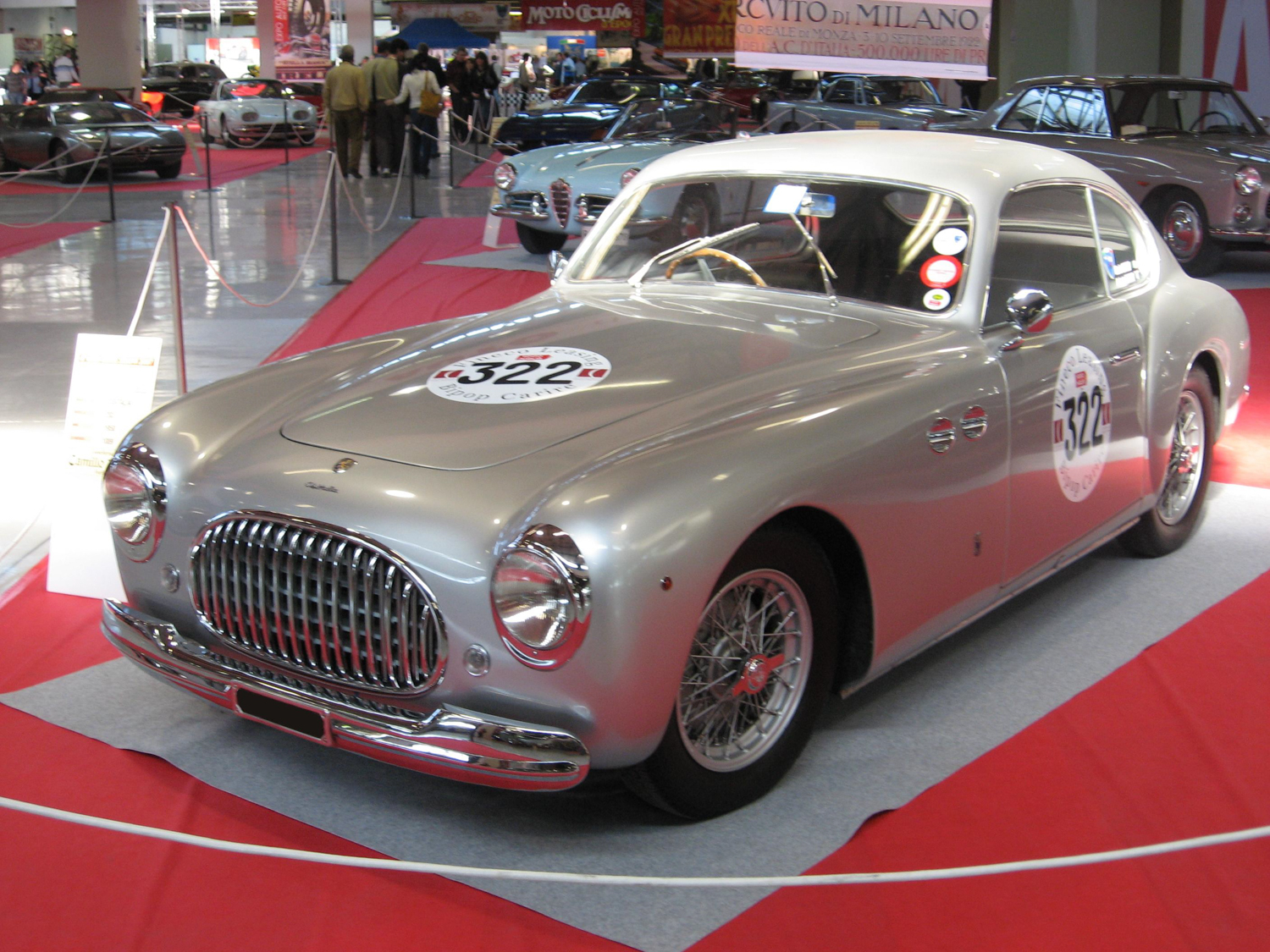
The carrozzeria had another design success as a result of Farina meeting Piero Dusio after the war. Dusio was an interesting fellow – soccer star, race driver, and entrepreneur. One of the firms he started became Cisitalia and, together with Farina, created the Cisitalia 202 GT in 1946. That car has been recognized for its exceptional beauty. It has long been on display at New York’s Museum of Modern Art and remains a part of its permanent collection.
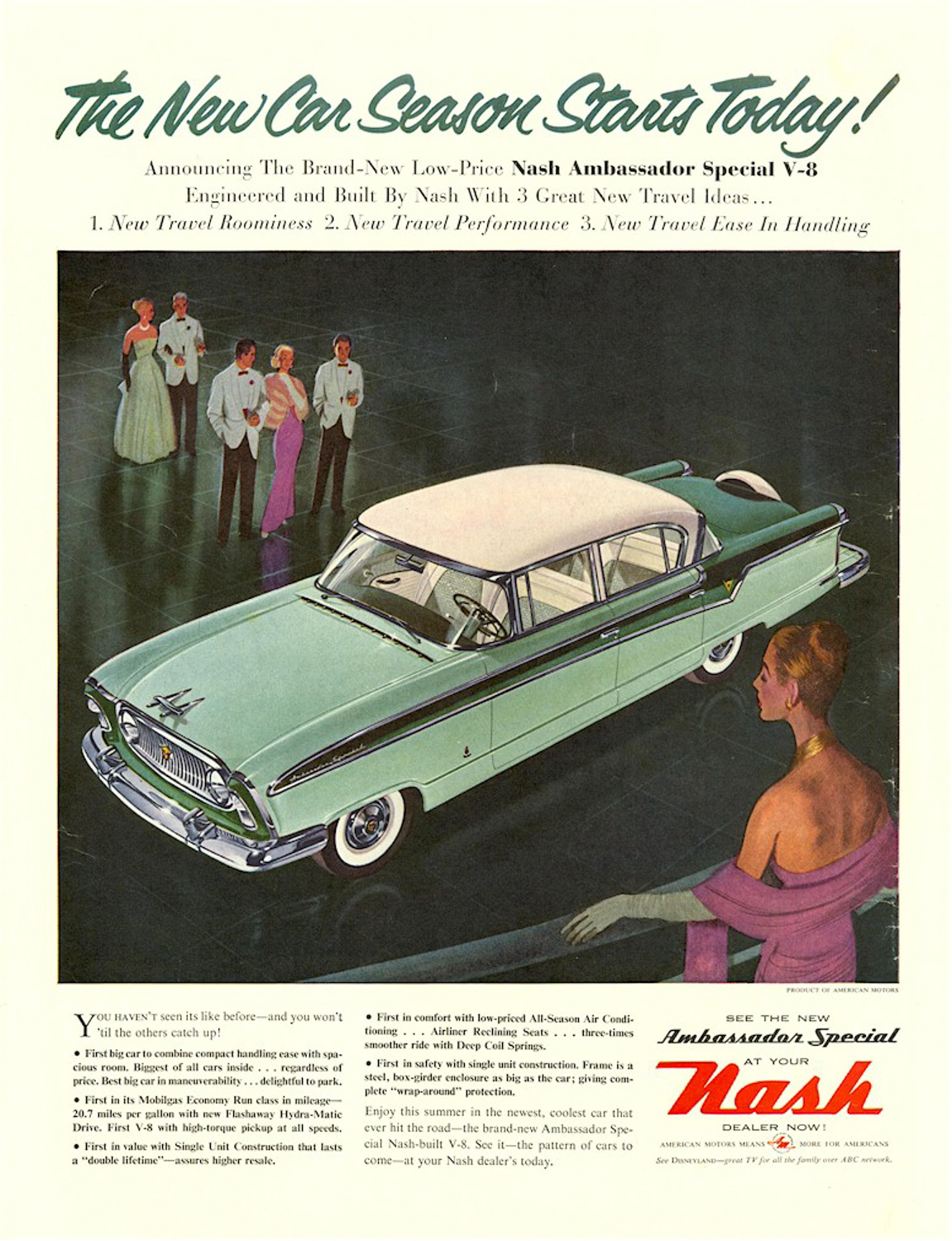
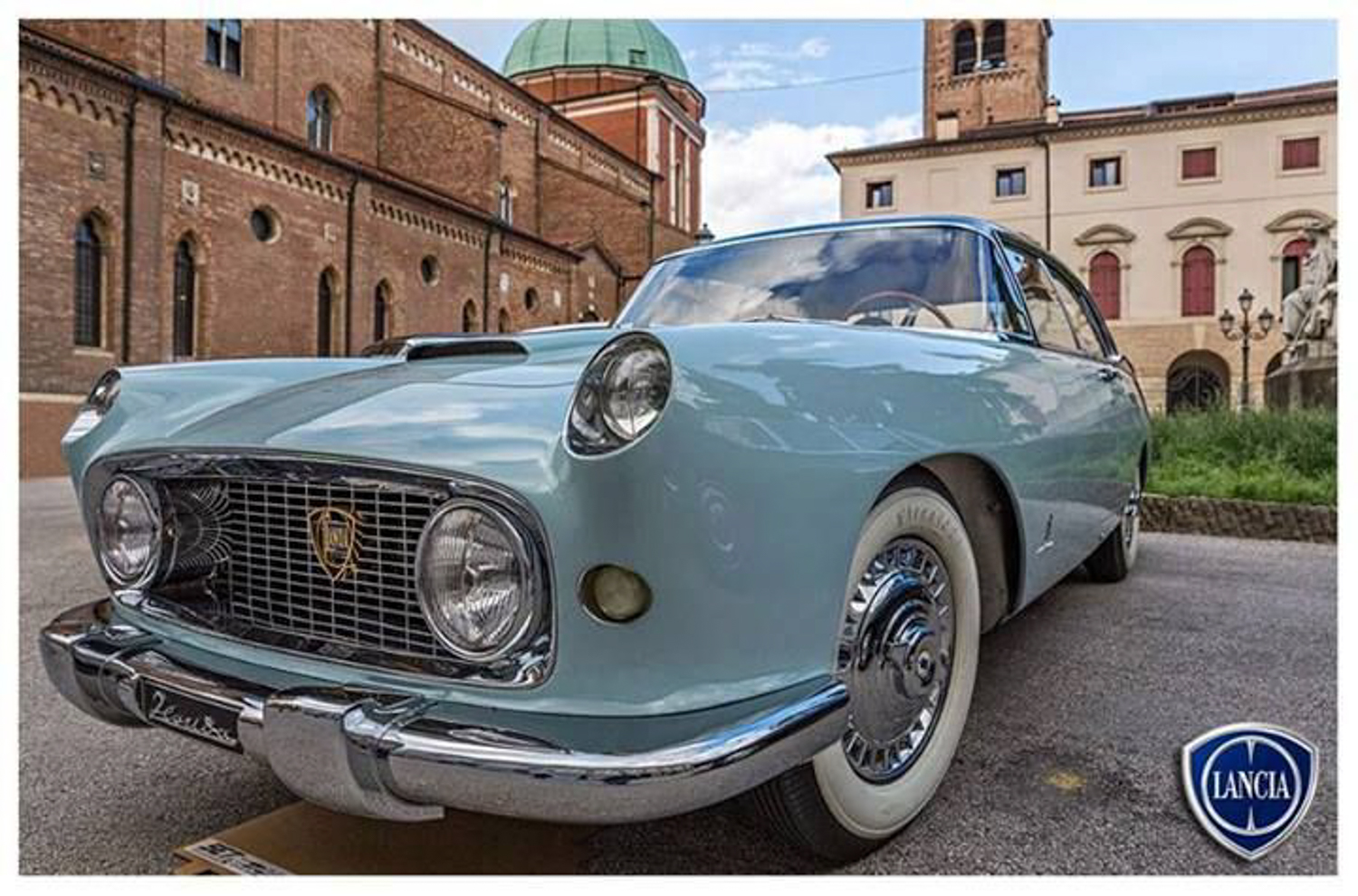
Through the 1950s, business was good. Sergio Farina graduated from the Politecnico di Turino and joined the firm in 1950. The company was doing business with a wide variety of firms. Cars they produced during this decade included some surprises, including the 1952 Nash Ambassador, 1958 – ’60 Cadillac Eldorado Brougham, Alfa Romeo’s beautiful Giulietta Spider convertibles, and concepts for Lancia that were eventually produced as the Lancia Aurelia “Florida” cars. Farina even did work for BMC, producing body designs for Morris, MG and Riley brands, for example.
The ’60s saw production car work like the Peugeot (404) and Fiat 124 Spider, and exotics like the Corvette Rondine, shown at the 1963 Paris Motor Show. 1961 also marked a significant name change for Carrozzeria Pinin Farina. The company name had so often been said as if it was one word, that Pinin decided to affect that change permanently.
He requested that his family name as applied to himself, his direct descendants, and his company be officially changed to Pininfarina.The change was made official by a presidential decree on June 6, 1961. That same year, Sergio Pininfarina became General Manager. Upon his father’s death in 1966, he was named Chairman of the Board.
Pininfarina and Ferrari
The website for Carrozzeria Pininfarina (www.pininfarina.com) begins its elaboration of the relationship between Pininfarina and Ferrari with this paragraph: “’ Ferrari and Pinin? It won’t last. It’s like putting two Prima Donna in the same opera.’ This was the general opinion bandied round the automotive environment in the Fifties. Rash forecasts subsequently belied by facts. Since these two giants met, their combined marques have defined some of the most beautiful cars ever built in a constantly evolving relationship that has now lasted for 60 years and shows no sign of ending, as confirmed by the around 200 Ferraris designed by Pininfarina to date.
Enzo Ferrari was born in 1898 and founded his Scuderia Ferrari in 1929, starting to build cars in 1947. Pinin Farina, born in 1893, founded his ‘Carrozzeria’ in 1930. The meeting between ‘Pinin’ and “The Drake” gives some idea of their characters. Back in 1951, initially, Ferrari let ‘Pinin’ Farina know that he would like to meet him and invited him to Modena. The reply was: ‘I am very willing to meet him but I would rather he came first to Turin.’ He was informed that Ferrari rarely leaves Maranello. ‘Pinin’ retorted that Turin is not at the end of the world. At this point, the negotiation seemed to have a ground to a halt.
But son Sergio found the solution: a meeting on neutral ground. In the end, they finally shook hands at a restaurant in Tortona: half way between Turin and Modena. ‘At a certain point, it was clear – relates ‘Pinin’ in his autobiography – that one of us was looking for a beautiful, famous woman to dress and the other a world-class couturier to deck her out’. This marked the start of the long alliance between Ferrari and Pininfarina.” The agreement reached, it was sealed with a handshake, not a contract.
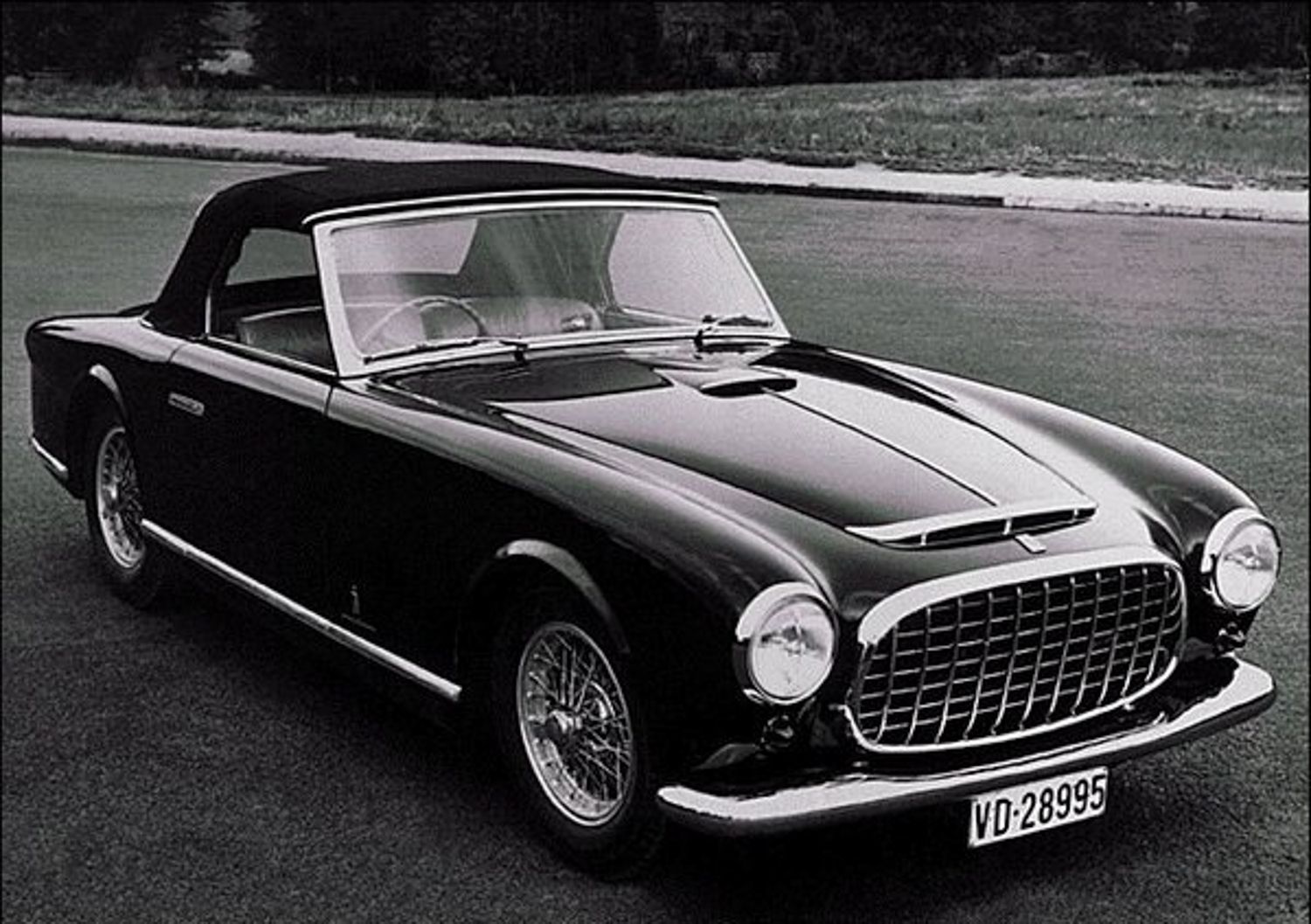
The first collaboration was with the Ferrari 212 Inter. Many Ferraris came after that – both road and racecars – that were designed by Pinin Farina and Pininfarina. Early in the 1950s, there were a variety of Pinin Farina designed Ferraris that followed the 212 Inter, such as the 375 MM, Coupé, America, and Plus built in 1953 and 1954.
There was a 342 America in 1952, then the 340-375 racecars, and a Mondial 500, all designs by Pinin Farina. Production cars weren’t the only Pinin Farina designed cars, there were one-offs, like the Sigma safety car of 1963. But the most significant collaborations between Carrozzeria Pinin Farina and Ferrari came with the 250 series.
Ferrari 250 Series
Model numbers for Ferraris represent the displacement of one cylinder. The bore and stroke for the Ferrari 250 models were 73-mm and 58.8-mm, respectively. For a 12-cylinder car, that produces a total displacement of 2953.21-cc and a single cylinder displacement of 246.1-cc. Using a round number, the model became the 250.
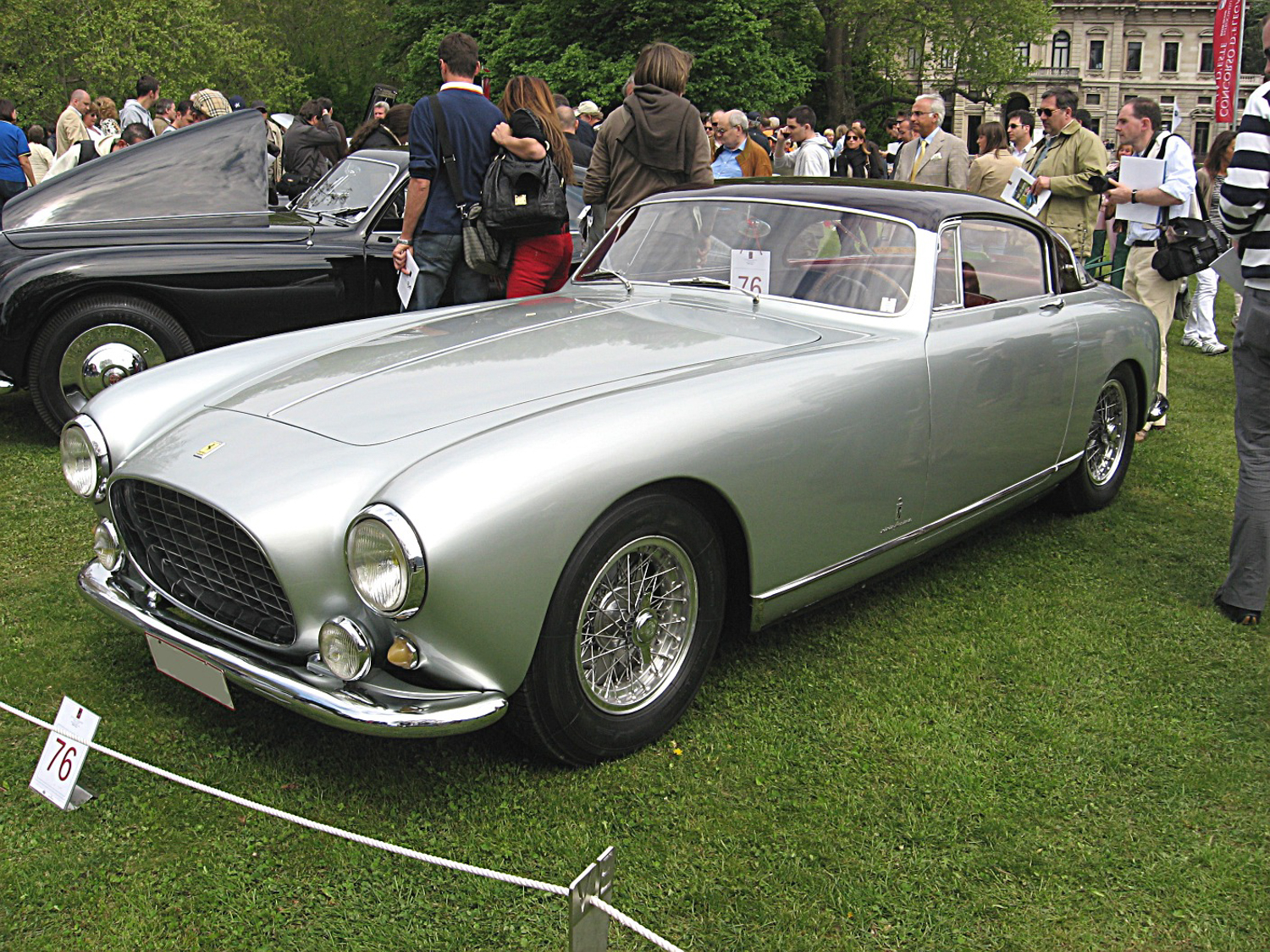
The first Ferrari 250 was the 250 S prototype that won the 1952 Mille Miglia and was subsequently entered in the 24 Hours of Le Mans and the Carrera Panamericana. Pinin Farina took the basic design of the 250 S and created a beautiful 250 MM that debuted at the Geneva Auto Show, in 1953. Previous models looked dated compared to the 250 MM, which went on to compete in races, finishing fourth at the Mille Miglia in 1954.
Vignale built one of the very few 250 Ferraris that were not built by Pinin Farina, the 250 Europa, and showed the car at the Paris Auto Show in 1953. This Ferrari had an engine based on the Colombo-designed V12 with a displacement of 2963-cc from a square engine – 68-mm x 68-mm bore and stroke. The following year, Pinin Farina followed with the Europa GT.
It was the first Ferrari with a smaller, oval grille, a design feature that would remain for quite some time. It had a longer nose, “fulsome sail panel” and mild fins. It also used the Lampredi “long-block” with a slightly reduced displacement of 2953-cc and bore and stroke of 73-mm x 58.8-mm. This was the same engine used in the 250 racecars.
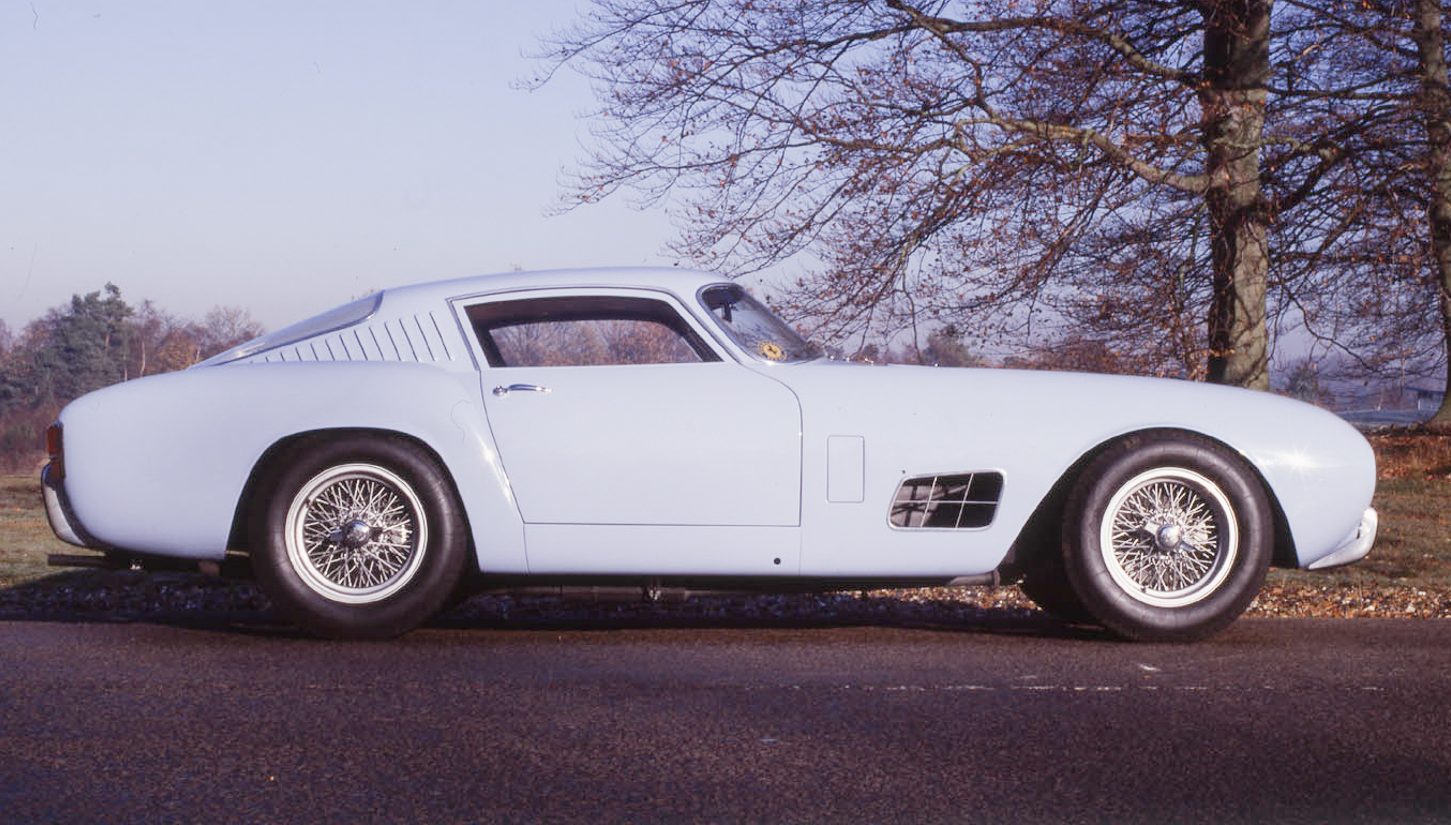
The first true production Ferrari, the 250 GT, started with the 250 GT Competizione. Then came the road cars in both convertible and coupé form in the late 1950s. Pinin Farina was having some very successful years and was at its capacity, so production of the 250s moved first to Carrozzeria Boano and then to Carrozzeria Ellena when Boano closed his company and went to work for Fiat. Eventually, production returned to Pinin Farina in time for a new design for the 250. From 1956 to 1959, Zagato built a run of five 250 GTs, two of which were Italian GT Champions in 1956 and 1957.
May 1958 saw a significant change in Ferrari production. It was a successful effort to standardize production of the 250 GT by Pinin Farina and Ferrari. This would allow production of cars in the hundreds rather than in the tens. Ferrari built a new production facility and Pinin Farina moved into larger facilities about the same time. By 1960, 350 of the GTs had been built with standardized coachwork, along with a few specials that Pinin Farina built for special clients. The 250 GT was named “Sports Car of the Year” by Sports Car Graphic as a result of its styling and production numbers.
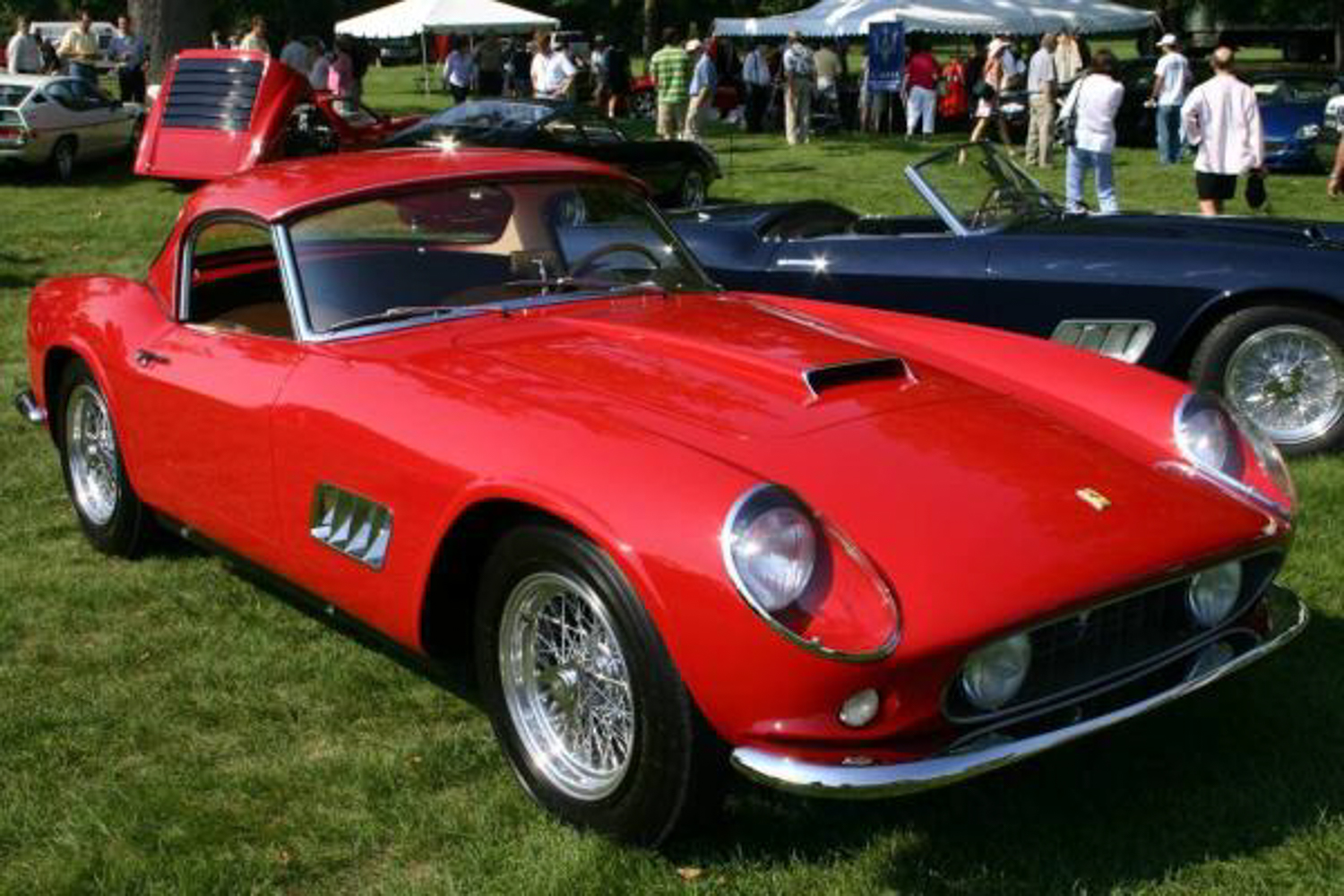
Southern California dealer and racer, Johnny von Neumann, asked for a “simple Spider” in 1958 and was rewarded with the California Spider. It was available with either aluminum or steel bodywork, making it a true dual-purpose Ferrari for street or race track. It looked much like the Series I cabriolet, and the drivetrain was from the 250 Tour de France sports car.
Produced from 1958 to 1963, it was the last open, dual-purpose Ferrari. Production of the California Spider overlapped with the Series II cabriolet, which was produced from 1959 to 1962. It had a different look than the California Spider and was intended for only street use.
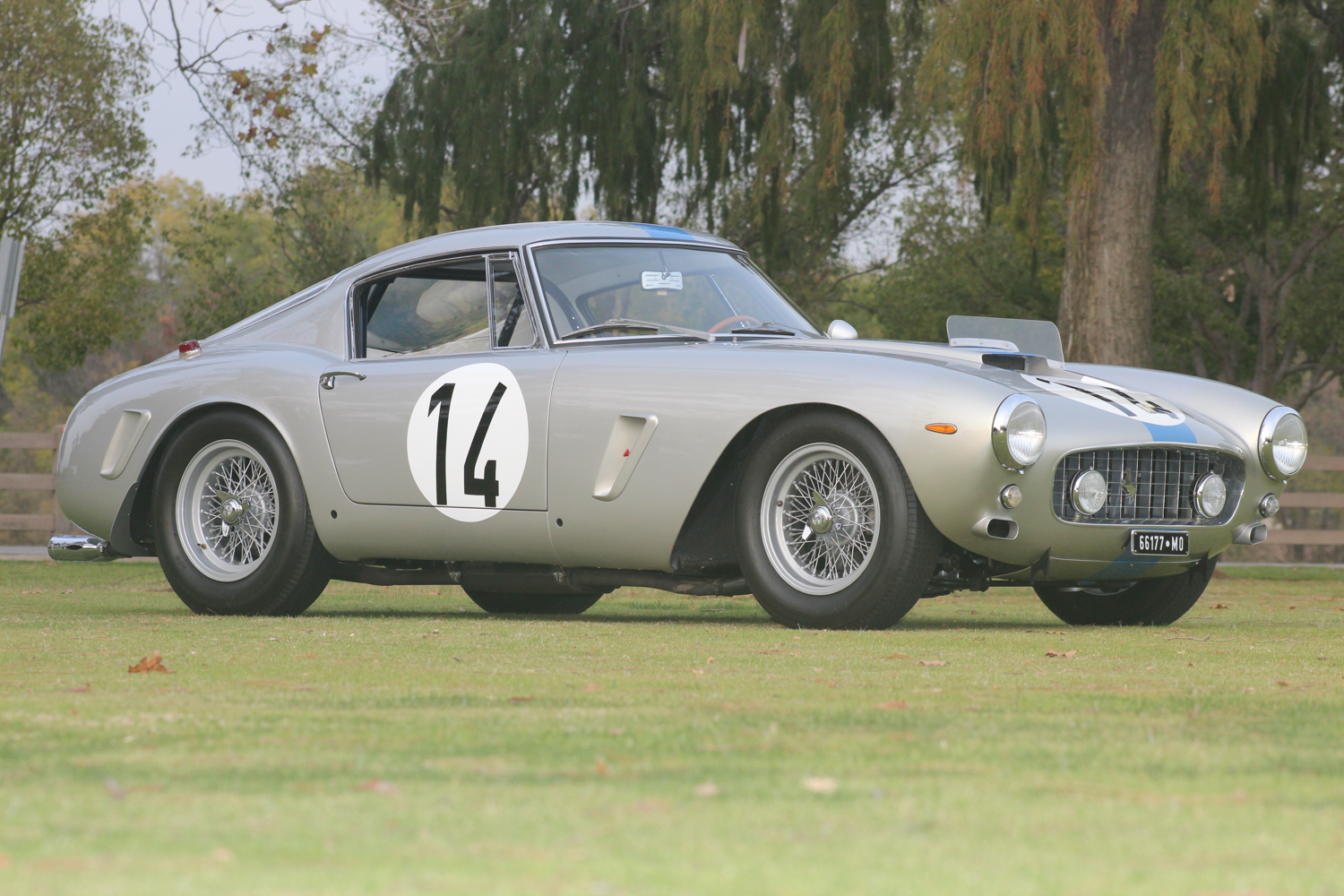
The idea of a dual-purpose Ferrari did not disappear with the California Spider. It was enhanced with the 250 GT SWB (Short Wheel Base) coupe. Winston Goodfellow described the 250 GT SWB as “the definitive dual-purpose sports car.” It was a car that could win on the track then be driven home. It debuted at the Paris Auto Show, in 1959, and had a production run from ’59 to ’62.
The name came from the fact that the wheelbase was 7.8” shorter than the 250 GT. This change in wheelbase was a successful attempt to improve handling. The car was available with either aluminum or steel bodywork, various states of tune, suspension set for street or track and leather interior or stripped for racing.
Pinin Farina’s experience with fastback design began with the 1947 Cisitalia 202, and he applied that experience to the Ferrari, calling it “the first of our three quantum leaps in design with Ferrari.” Pinin Farina and, subsequent to the official name change, Pininfarina was the principal producer of the 250 GT SWB, although several other coachbuilders produced re-bodied versions of the coupe.
Bertone was the only other coachbuilder who was authorized by the factory to build the 250 GT SWB. After the end of production of the SWB, there were no more dual-purpose Ferraris. From then on, there were separate roadcars and racecars.
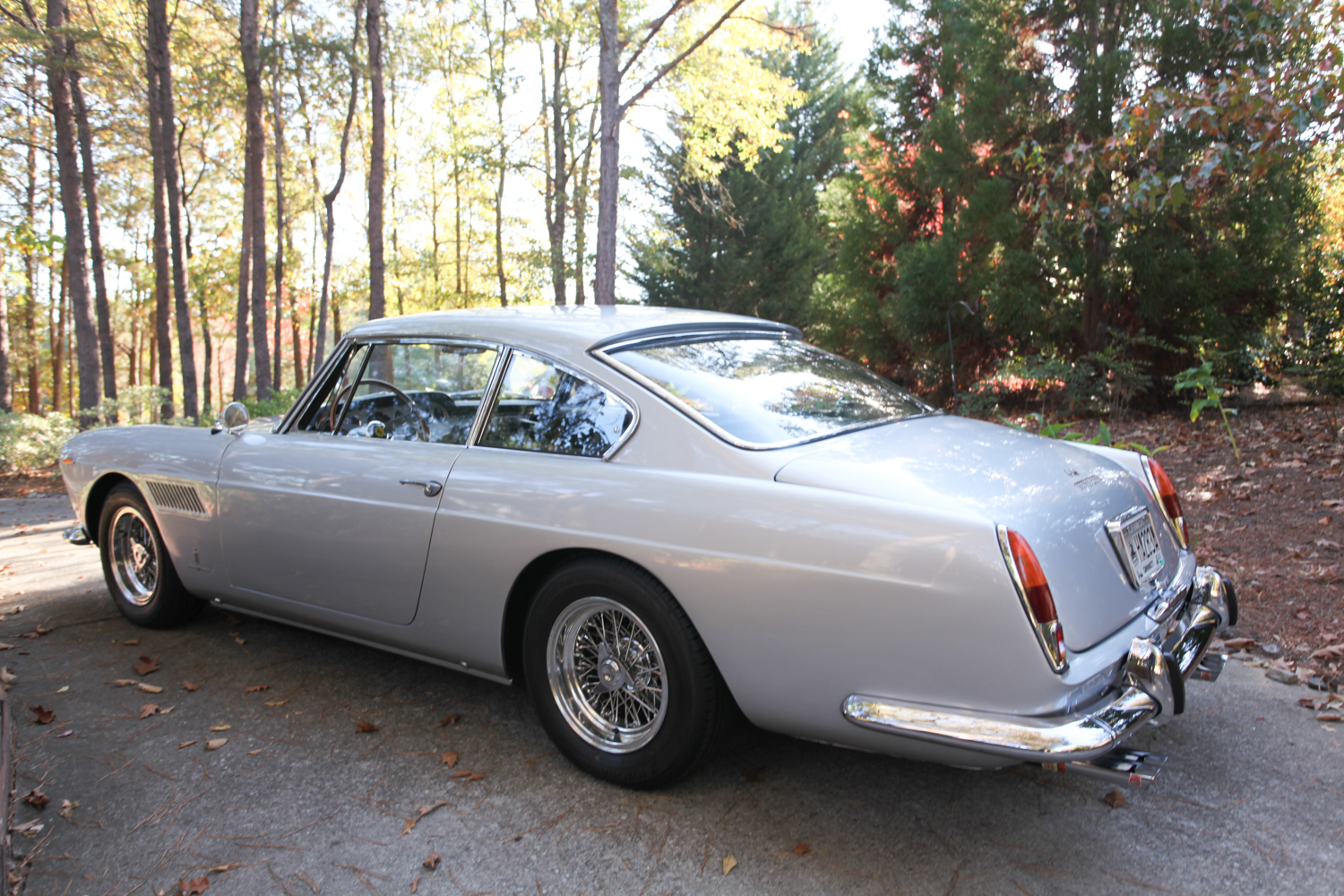
A significant change came about in 1960 with the production of the 250 GTE (see The Classic Ferrari 250 GTE and Driven-1962 Ferrari 250 GTE) and the GT 2+2 – Ferraris with a back seat. According to Piero Ferrari, “the 2-seaters were not my father’s favorite to drive. He loved the 2+2 . . . this was his personal car.” Enzo apparently drove his 2+2 often, although he had a “driver” with him, as well as his little dog.
At the time of the development of the GTE, Sergio Pininfarina was an assistant at the Turin Politechnic wind tunnel and oversaw the wing tunnel testing of the model. Four prototypes were tested to make sure they had the most aero-efficient design. In 1962, Road & Track called it “a not only grand, but glorious, touring car.” A lot of people also thought so. Including Enzo’s car, a total of 954 GTEs were produced, far more than any model up to that time.
Then came the 250 GT/L. Oh, what a beautiful car.
Ferrari 250 GT/L Berlinetta Lusso
“Lusso” means “Luxury,” and it was a significant departure from earlier Ferraris, including the GTE. In some ways, it was designed to attract those potential owners who were more interested in the look that the performance. Still, it had plenty of performance – probably enough to scare some of those who were just looking for a Ferrari because it increased the owner’s social status.
The Lusso had a top speed of 145 mph and could accelerate from zero to 100 in 17 seconds! It was first shown at the 1962 Paris Auto Show and was only produced until 1964. A total of 350 were built. It was the last 250 model produced by Ferrari.
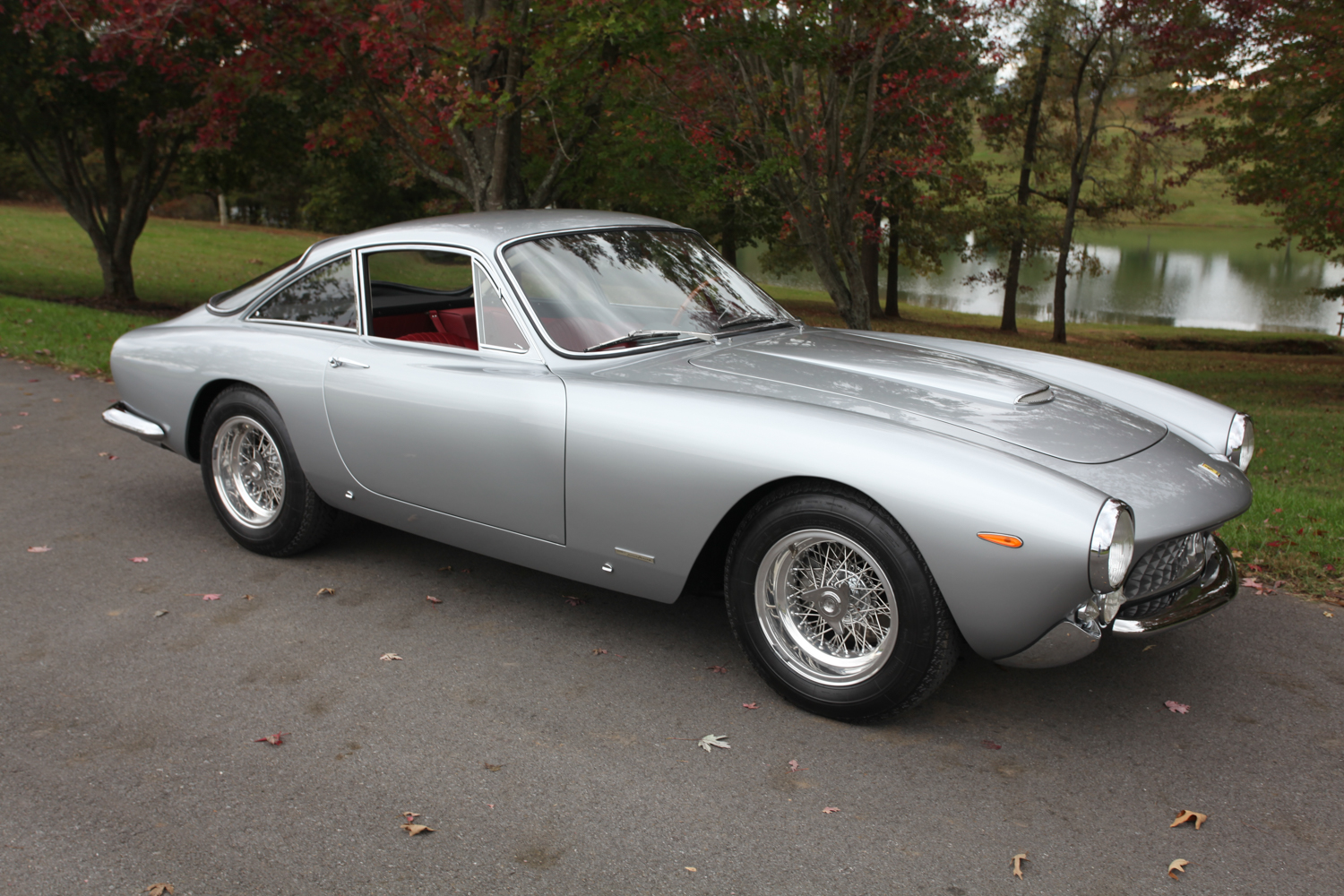
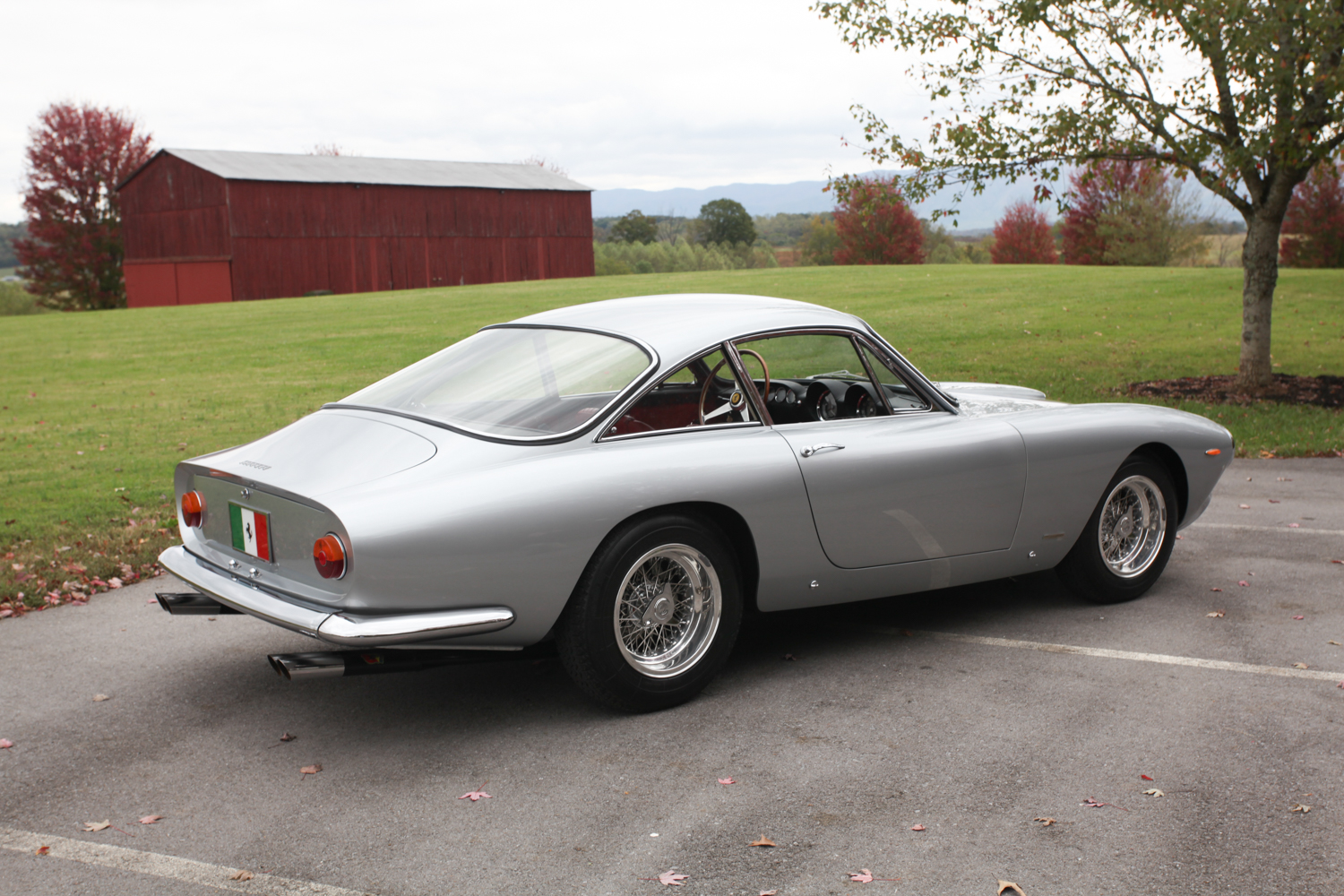
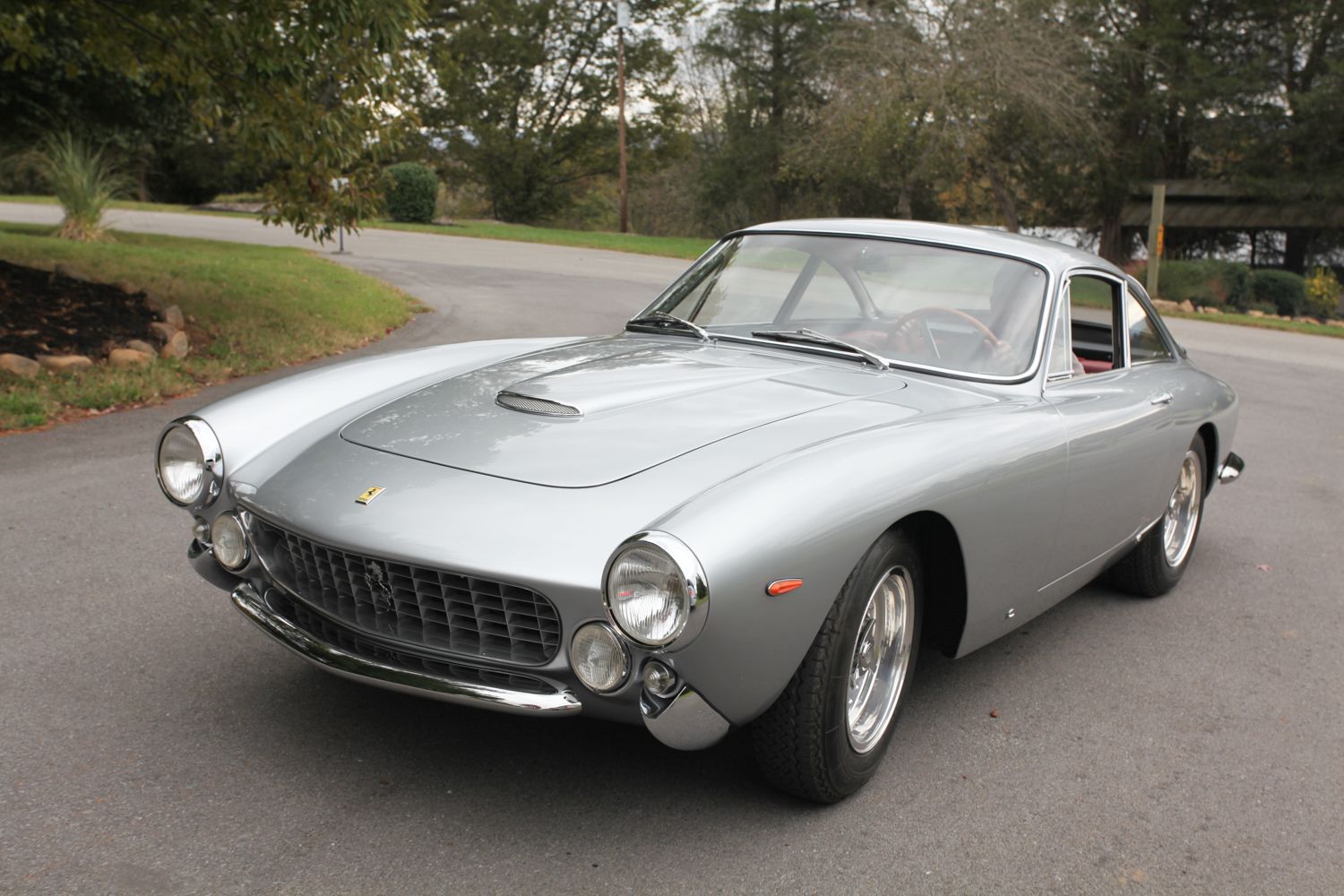
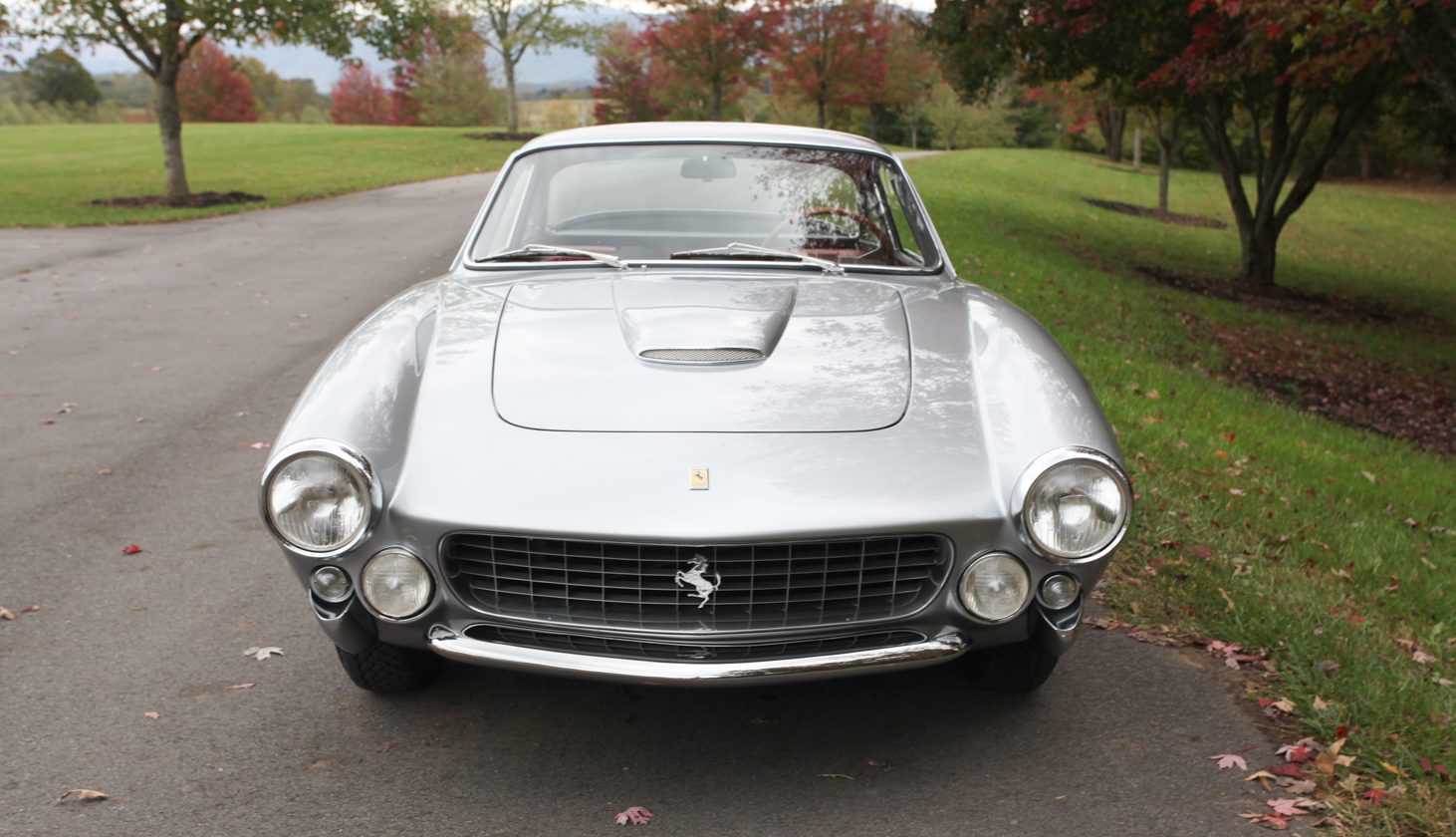
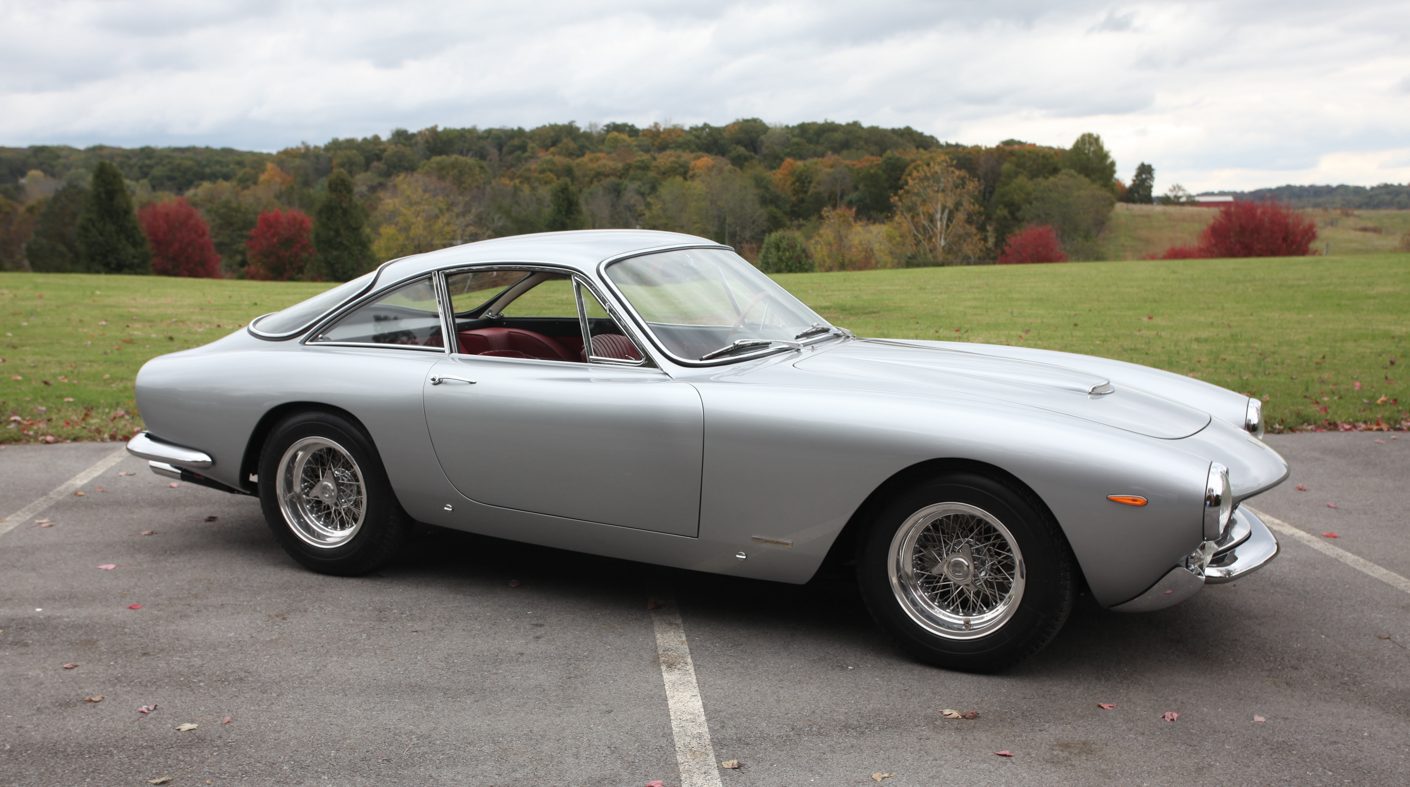
With Pininfarina very busy building other Ferrari models, and cars for other manufacturers, they farmed the body construction out to Carrozzeria Scaglietti. Pininfarina drew the car, but Scaglietti built the body. The result was that, for the first time, there was a badge on a car that said “Designo di Pininfarina” (Designed by Pininfarina). The body was steel, but the hood and trunk lid were aluminum. The body, lacking almost all ornamentation, was sculpted, with the front fenders elongated and the roofline swept back. The effect was to produce an airy greenhouse.
The shape of the roofline appears to have been taken from the GTO or 330LM coupe. The nose was reminiscent of the “sharknose” F1 car and Dino sports racer. The tail included a small spoiler, making it the first road-going Ferrari with an aerodynamic aid. The chassis was based on the GTO, and the Lusso shared its 94.5” wheelbase. Suspension came from the GTO, with independent double-wishbones and coil springs at the front front and live axle on semi-elliptic springs with trailing arms and a Watts linkage at the rear.
The engine was moved several inches forward to provide additional room in the cockpit. That engine was a Colombo-designed V12 with an engine block common to all 250s, but the valves and crank came from the SWB models, and the cylinder heads and pistons were from the GTE. Preston Lerner, in his book “Speed Read – Ferrari,” called the Lusso a “civilized grand touring machine . . . the Lusso exuded the rigorous grace of a ballerina rather than the brawny charisma of the SWB.” Engine horsepower was reduced to 250, because the car was intended for cruising. Not many were raced, but some were. One finished 13th overall at the 1964 Targa Florio.
The interior of the car was just gorgeous. Leather and soft carpet were everywhere, including on the package shelf behind the form fitting seats. The steering wheel was a Nardi – beautiful wood. There was plenty of sound-deadening. And the dashboard – it was unlike that of other Ferraris. The speedometer and tachometer were mounted in the middle of the dash and angled toward the driver. The other gauges were in front of the driver. Opposite of normal practice.
Addicted to Ferraris
Phil and Marth Bachman have owned this Berlinetta Lusso for a long time. Vintage Roadcar interviewed them in January 2018 (Volume 8, Issue 1). They have a preference for Gialo, and many of the Ferraris in their collection are buttercup yellow. They got their first Ferrari in 1984 and have added about one a year since then. Cars that aren’t yellow include a GTO and an F40, which only came in red. Of course, the Lusso is silver because it was not purchased new. Another “used” Ferrari is their oldest – a 1953 166 MM that has been on the Colorado Grand four times.
Driving Impressions
What a delightful automobile! It is beautiful in every way an automobile can be. Obviously, it is beautiful to look at. But, from entering the car to exiting it after a drive, it is all good. The driver’s door is wide, allowing an old guy like me plenty of room to get into the driver’s seat. Not all sports cars from 1963 are kind to old guys when entering. It was easy to slide under the Nardi wheel and into the wonderfully shaped driver’s seat. Can you say comfortable? The seat gives you support without being hard, and provides nicely shaped bolsters to hold you in place when (not if) you find yourself driving with a bit of verve.
Once in place in a car new to me, I like to get familiar with my surroundings. First, though, the seat needed to be adjusted. It was too far back! I was pleasantly surprised that it was not the Italian driving position I have learned to endure – requiring short legs and long arms. There was more than enough legroom. Seat adjusted, the steering wheel was right where my hands thought it should be, as was the shifter.
The dash, as mentioned earlier, was unusual in that the speedo and tach were in the middle angled toward the driver and where they can scare the hell out of a passenger once you get going. The other gauges, clock, gas, water temp, oil temp and pressure are directly in front of the driver. The diameter of the Nardi wheel allows all the gauges to be visible. My only concern was that there are quite a few control knobs, none of which were labeled. After I was assured that none would be important on our drive, I reached for the key.
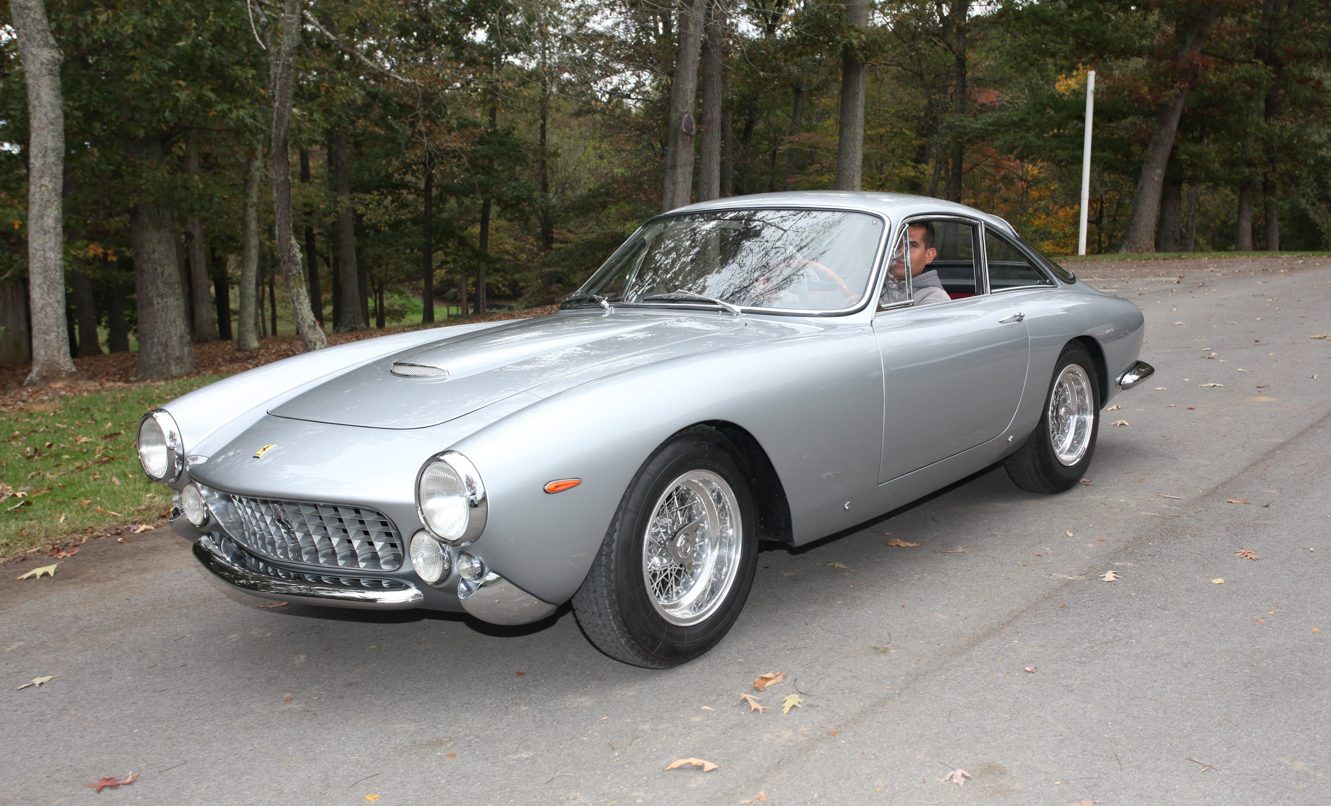
Turn the key all the way clockwise and push it in to start. Oh what a wonderful sound! Three Webers up front and a V12 burbling through the exhaust. The sound is just incredible! It produced the first of many smiles. The door closes with a nice thunk, and the four-speed slips easily into reverse, which is located to the right and up next to third. Slide the clutch out, and nothing happened. My first try had me in neutral – embarrassing.
On the access road to the 4H facility, the car proved to be a little jouncy. This is a car designed for high-speed road travel, not a long driveway. Once on the road, the car was everything you expect from a Ferrari. It handles nicely, taking sweeping curves as if it wanted me to double my speed. Steering is light and very exact. Through the gears, and the car accelerates well. That’s when I noticed that the gas gauge was indicating empty – relief when told it doesn’t work and that the car was filled before we left the “clubhouse.”
I smiled so much, my jaw hurt when we returned to the starting point. I smiled when I accelerated, I smiled when I shifted (so smooth), I smiled when I turned, and I smiled when I braked. The brakes were as good as the rest of the car. The Lusso is my favorite Ferrari so far, and I’ve profiled five now.
Post Script
The Lusso was not the fastest, nor the most expensive, nor the most exotic Ferrari ever built. But it is certainly one of the most beautiful cars ever built. Steve McQueen owned four Ferraris, including a Lusso that was a birthday present from his wife. His Lusso sold for $8000 in 1973. It sold again, at auction, in 2007 for $2.3 million. The Hagerty Valuation Guide shows that Lussos have declined a bit in value over the past three years, with a concours example valued at $1,850,000 now. McQueen’s Lusso, if it came to auction again, would probably double that number. It’s an honor to be the caretaker of a car as important as this Lusso. And I am so very thankful to Phil and Martha Bachman for allowing me to drive it.
Specifications
- Body Two-seat sports saloon
- Chassis Longitudinal with cross members
- Engine Front, longitudinal 60° V12 driving the rear wheels
- Displacement 2953.21 cc (180.22 cid)
- Bore/Stroke 73×58.8 mm (2.87×2.32 inches)
- Valve gear Single overhead camshaft, two valves per cylinder
- Compression ratio 9.2:1
- Induction Three Weber 36DCS carburetors
- Lubrication Dry sump
- Power 250 hp @ 7500 rpm
- Clutch Single dry disc
- Transmission Four – speed with reverse
- Front suspension Independent, double wishbones, coil springs, anti-roll bar, hydraulic dampers
- Rear suspension Live axle, longitudinal semi-elliptic springs and push rods, hydraulic dampers
- Brakes Four wheel discs
- Steering Worm and sector
- Tires 185/15
- Wheelbase 2400 mm (94.5 inches)
- Track front/rear 1395/1387 mm (54.92/54.61 inches)
- Length 4410 mm (173.62 inches)
- Width 1750 mm (68.90 inches)
- Height 1290 mm (50.79 inches)
- Weight 1020-1310 kg (2248.72-2888.06 lbs)