
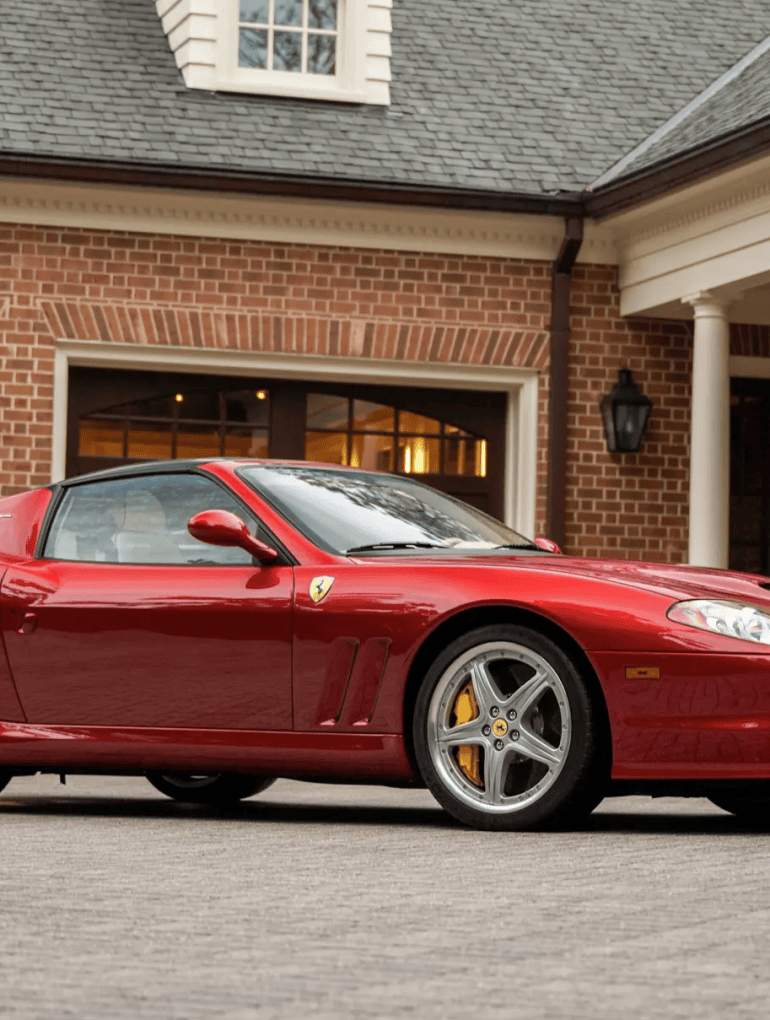

Ferrari unveiled the 575 Superamerica at the 2005 Detroit and Los Angeles auto shows in January before displaying it at Geneva that March, a revolutionary convertible grand tourer celebrating that mechanical sophistication and innovative roof engineering could establish genuine performance credentials while maintaining the open-air experience. The designation “Superamerica” invoked legendary heritage tracing back to the 1950s, reimagined for the twenty-first century through radical engineering. The 5.7-liter naturally aspirated V12 produced 540 PS (533 horsepower) at 7,250 rpm and 434 lb-ft of torque at 5,250 rpm, delivering 199 mph capability from a convertible chassis weighing approximately 1,790 kilograms.
This was Maranello celebrating that high-revving naturally aspirated power combined with revolutionary roof technology could create something genuinely distinctive: the Superamerica could accelerate from 0-60 mph in 4.0 seconds, establishing credentials matching hardtop supercars while maintaining weather protection through patented electrochromic glass technology. Production ran from 2005 through early 2006, with 559 examples hand-built at Maranello, establishing the Superamerica as perhaps the most innovative convertible grand tourer ever created.
Background and Origins
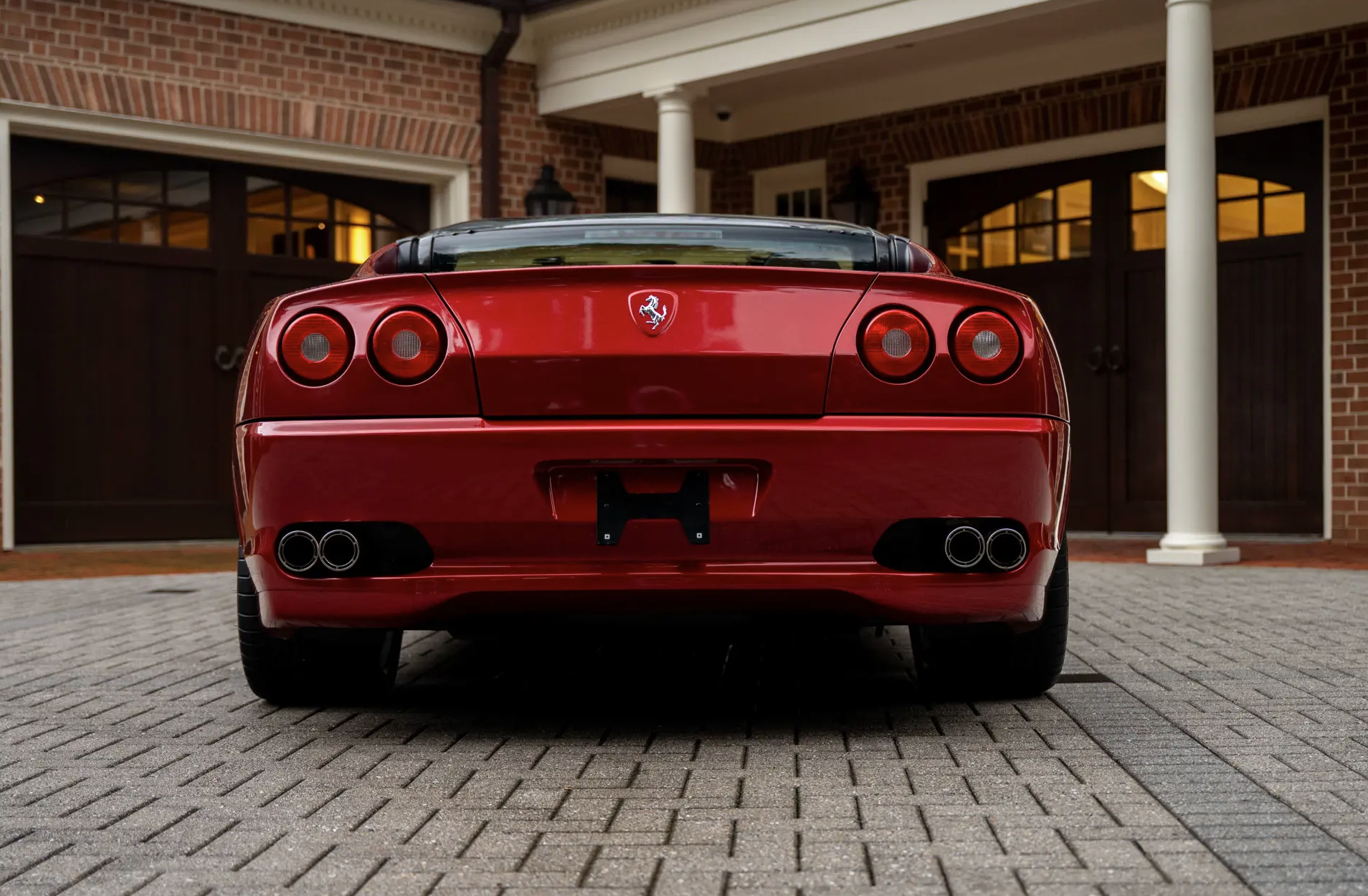
The Superamerica was developed as an open-top derivative of the 575M Maranello, representing Ferrari’s determination to create a genuinely unique grand touring machine. Rather than develop a conventional retractable soft top, management collaborated on innovative electrochromic glass roof technology combined with naturally aspirated V12 power.
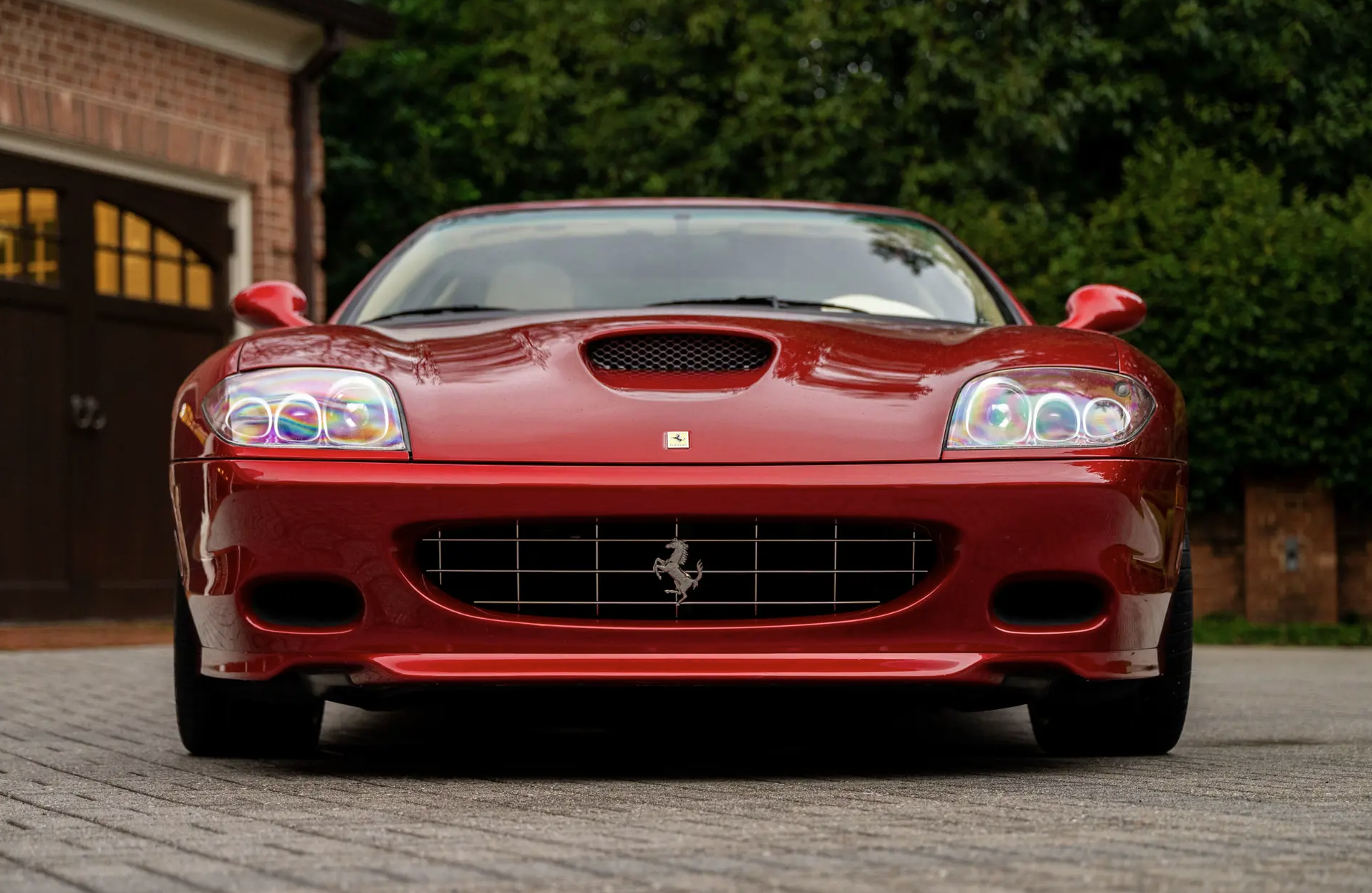
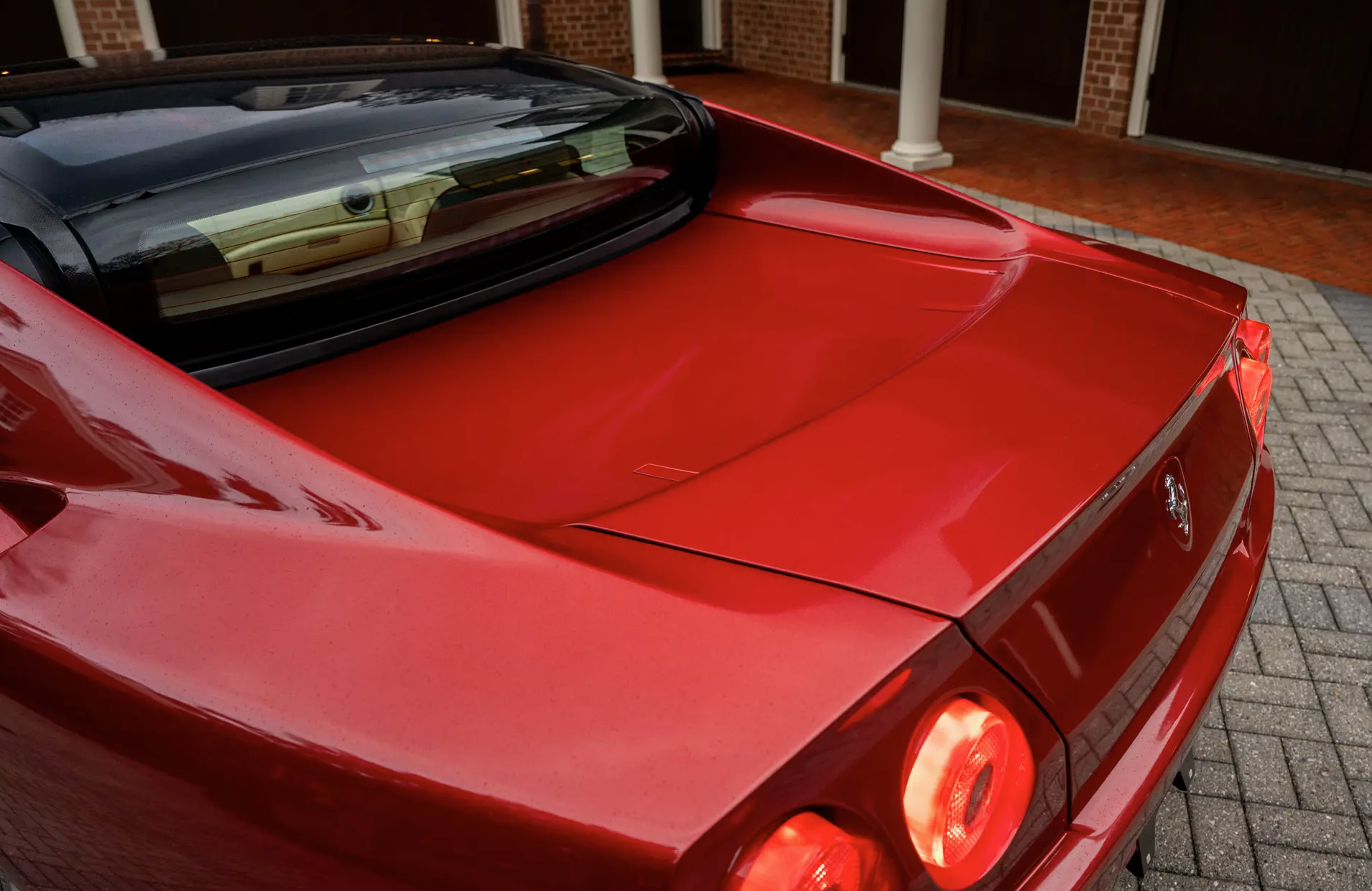
The roof concept originated with Leonardo Fioravanti, whose patented Revocromico system had already been demonstrated on his Alfa Romeo Vola concept. Ferrari subsequently developed the concept into production with Saint-Gobain, translating the rotating glass panel mechanism into road car engineering. The electrochromic roof panel could open or close in ten seconds, while the five-position electrochromic tint system changed from dark to light in less than a minute, providing both mechanical innovation and sophisticated climate management for open-air driving.
Design and Engineering
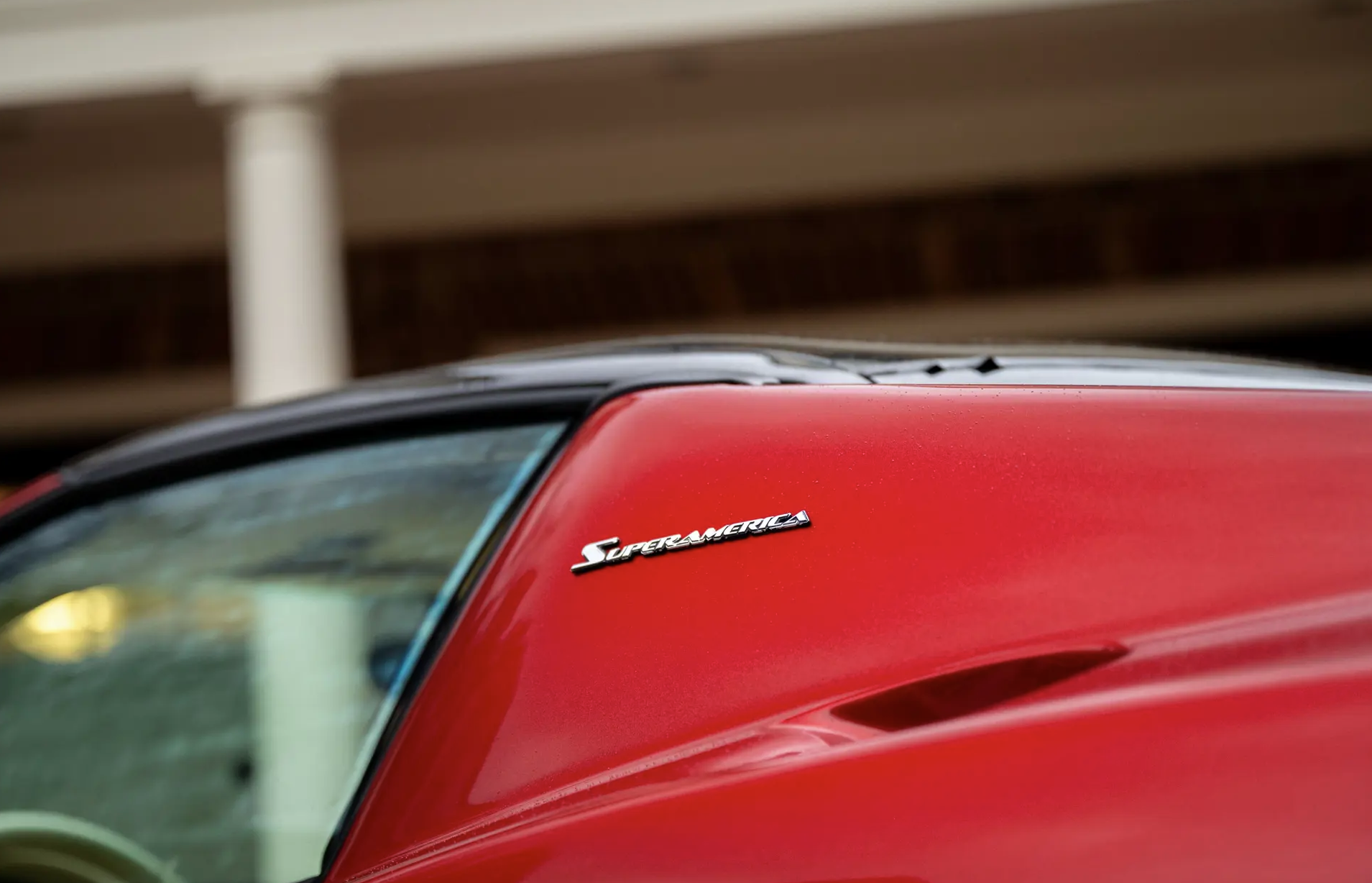
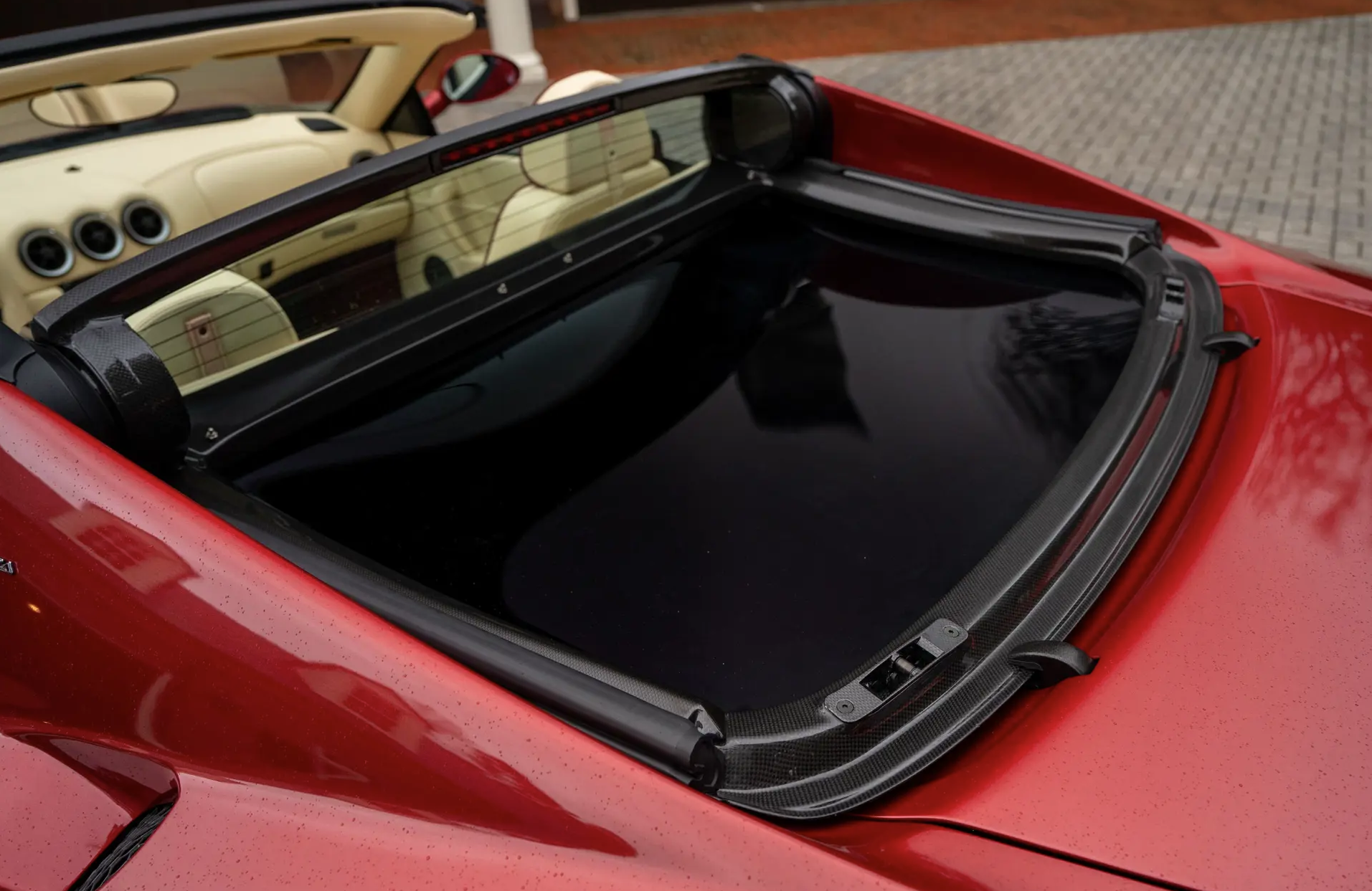
The Superamerica retained Pininfarina’s elegant proportions established by the 575M Maranello, but the revolutionary roof mechanism created immediately recognizable distinctiveness. The electrochromic glass roof panel, hinged on a single axis and rotating rearward to lie flat over the boot, provided weather protection while maintaining open-air driving character. The roof featured carbon-fiber structure managing the mechanical complexity of the motorized mechanism. With the roof deployed, the integrated rear window functioned as wind deflector and third brake light, managing aerodynamic flow during high-speed convertible driving.
The chassis employed independent double-wishbone suspension front and rear with coil springs and adaptive dampers, the geometry optimized for responsive handling while maintaining the refinement expected from a grand tourer. Anti-roll bars provided cornering control without excessive harshness. The standard car used ventilated steel discs with four-piston calipers, while the optional Handling Gran Turismo Competizione (HGTC) package added larger carbon-ceramic discs, six-piston front calipers and four-piston rear calipers.
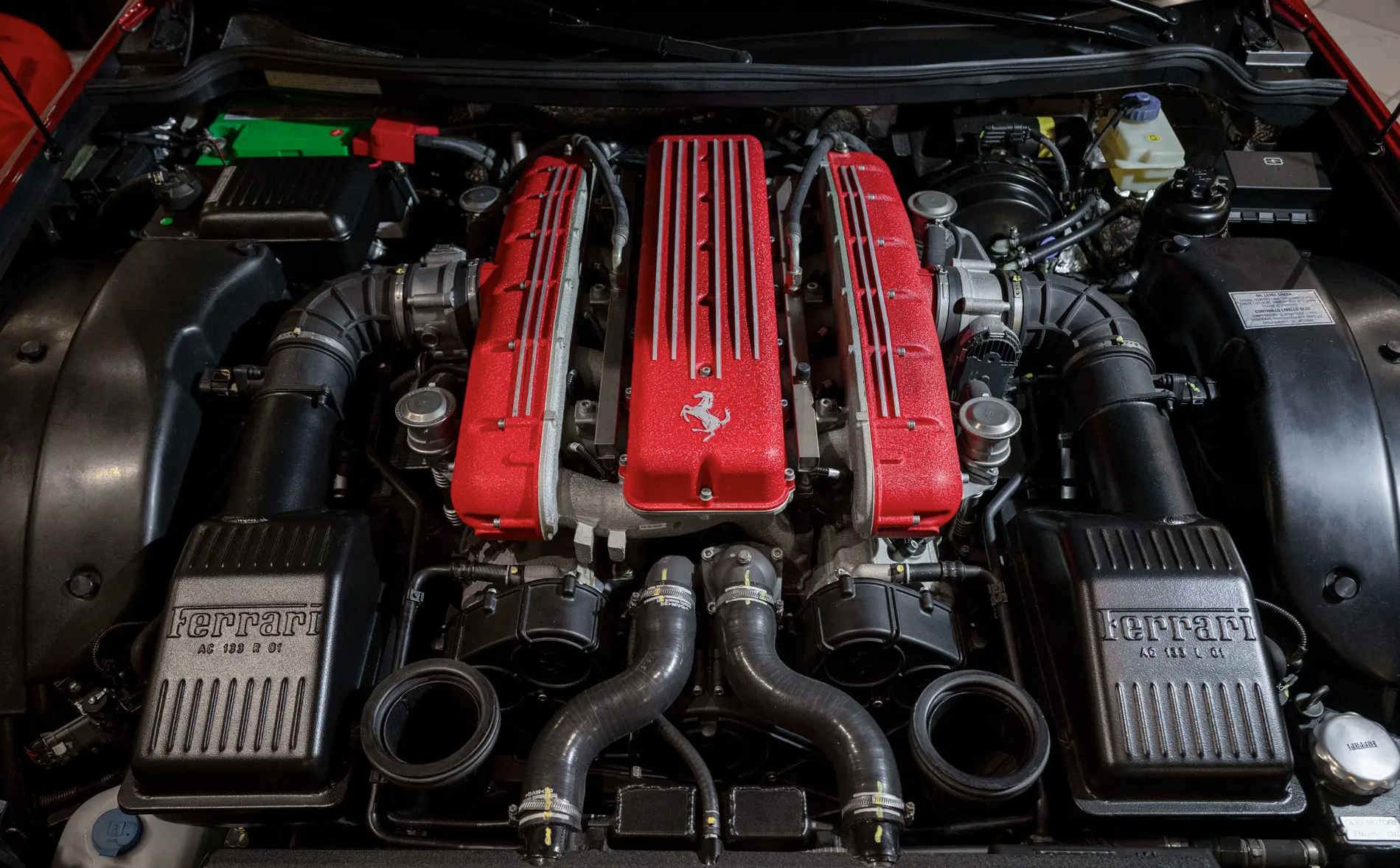
The naturally aspirated F133 G 5.7-liter V12 represented mature naturally aspirated performance, with dual overhead camshafts controlling four valves per cylinder—48 total valves. With 11.2:1 compression ratio and sophisticated Bosch Motronic ME7 fuel management, output reached 540 PS (533 horsepower) at 7,250 rpm and 434 lb-ft of torque at 5,250 rpm. This represented extraordinary naturally aspirated performance celebrating high-revving character and mechanical authenticity without forced induction complexity.
The power delivery was distinctly high-revving in character, requiring proper technique through the six-speed manual transmission or available six-speed F1-style sequential transmission to exploit full performance potential. A limited-slip differential helped maintain traction under acceleration. This emphasis on mechanical directness reflected Ferrari philosophy celebrating driver connection and engineering authenticity.
Weight management achieved through aluminum and composite construction established the Superamerica at approximately 1,790 kilograms (3,946 lbs), establishing a power-to-weight ratio of approximately 3.3 kilograms per horsepower. This exceptional efficiency enabled 0-60 mph acceleration in 4.0 seconds and top speed of 199 mph—remarkable achievement establishing the Superamerica as Ferrari’s claimed world’s fastest production convertible at its introduction.
Styling
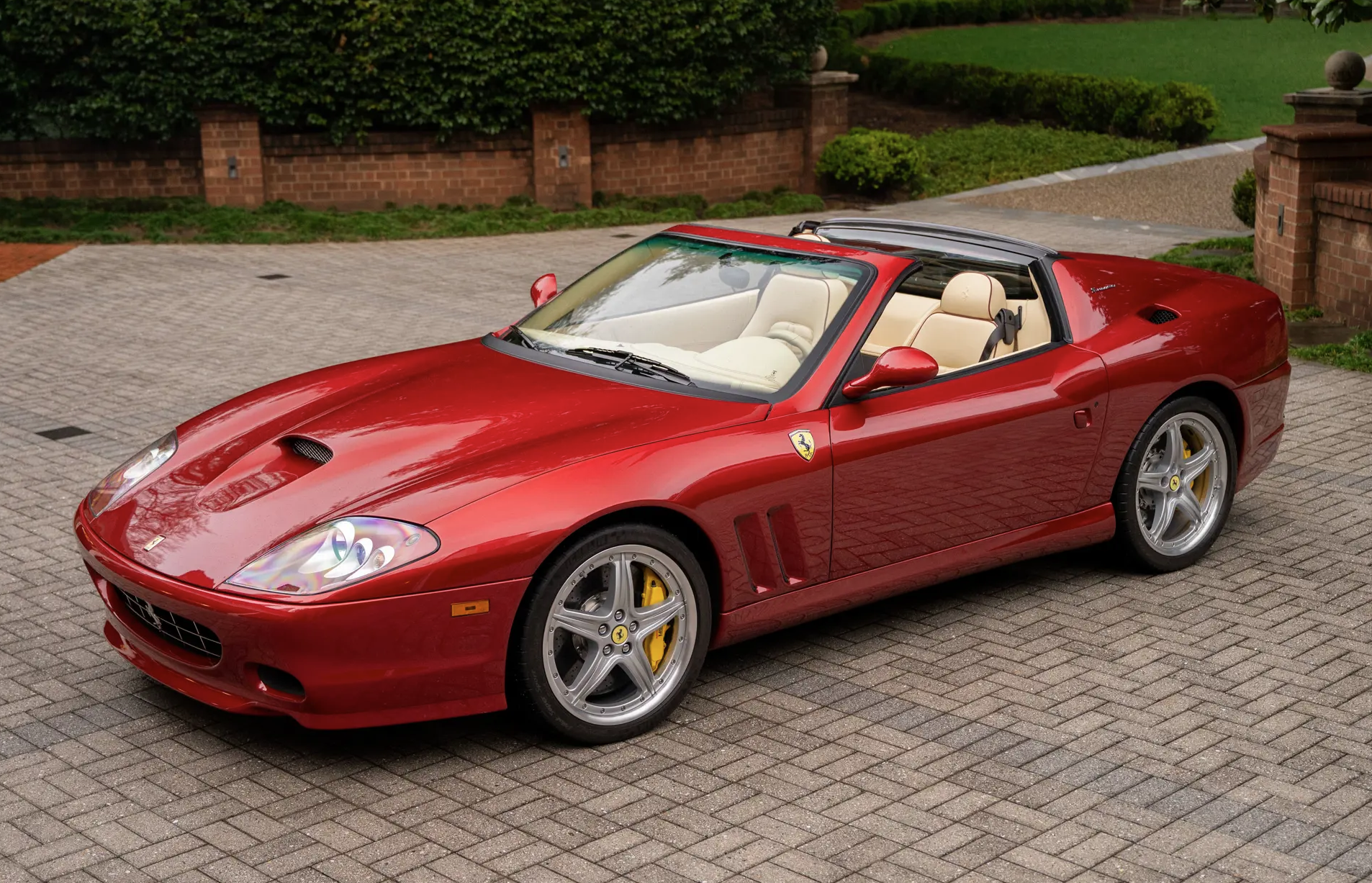
Pininfarina’s proportions created timeless visual elegance reflecting form-follows-function principle. The streamlined profile maintained the 575M’s visual character while celebrating the revolutionary roof mechanism as defining design element. The electrochromic glass roof, whether deployed or retracted, provided visual sophistication establishing the Superamerica’s distinctive identity. The flowing lines and horizontal emphasis emphasized that genuine performance required refined proportion rather than theatrical styling drama.
Interior
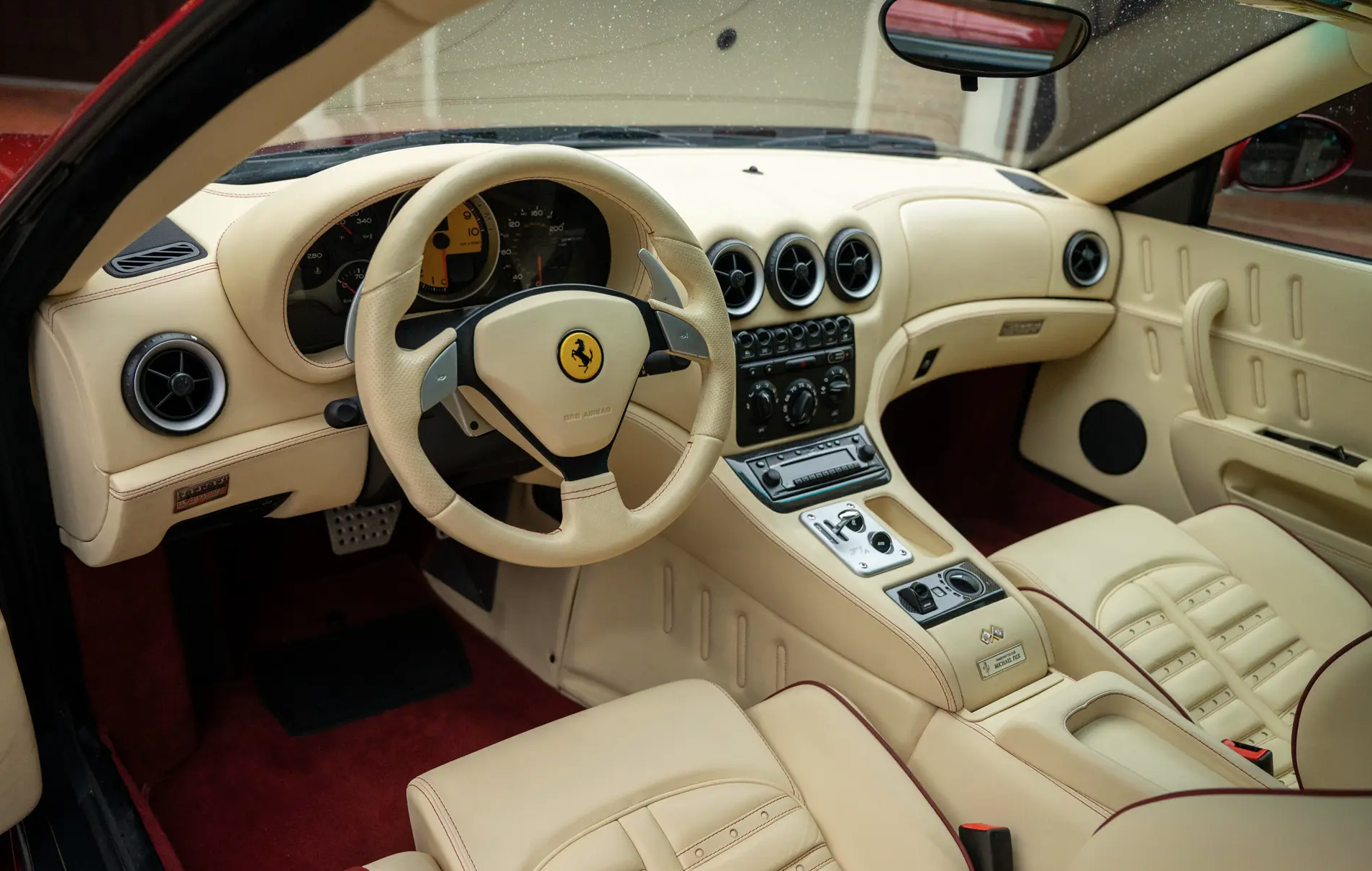
The cabin emphasized driver engagement combined with luxury appointments reflecting Ferrari’s quality standards. High-quality leather seating provided excellent support during spirited driving while maintaining comfort for extended grand touring journeys. Daytona-style seats were available as an option, offering distinctive aesthetic appeal. The driving position was commanding and well-balanced, with all controls falling naturally to hand. Comprehensive instrumentation displayed essential engine parameters including tachometer and fuel consumption monitoring.
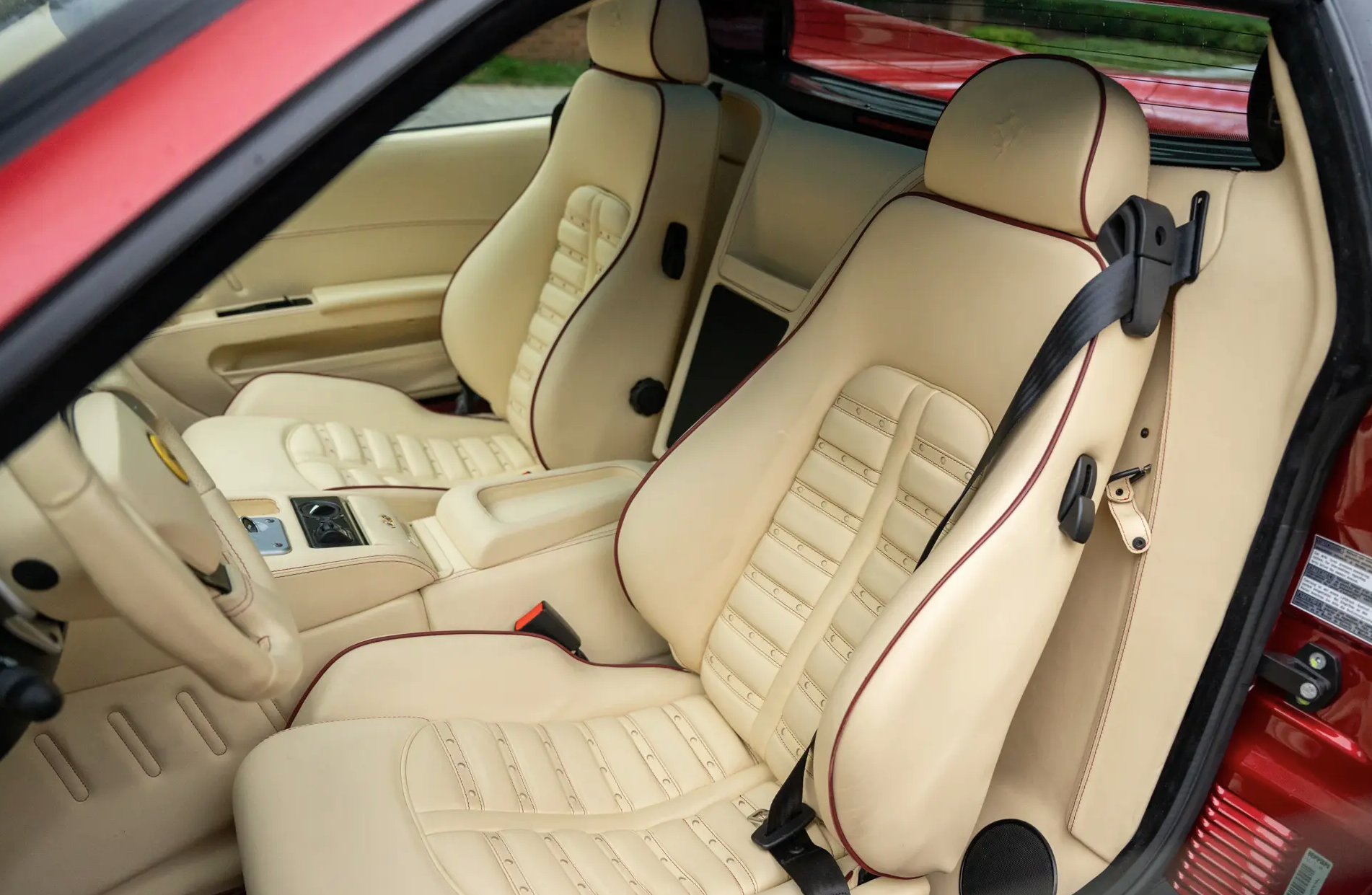
Standard equipment included functional climate control and quality audio systems reflecting contemporary luxury standards. The overall atmosphere balanced performance-focused engineering with genuine automotive refinement. The Superamerica was available through Ferrari’s extensive personalization program, with customers able to specify colors, interior treatments, and optional packages including carbon-fiber trim, Scuderia shields, and navigation upgrades.
Specifications
- Engine: Ferrari F133 G naturally aspirated V12, 5,748cc, DOHC per bank, four valves per cylinder
- Power: 540 PS / 533 hp at 7,250 rpm
- Torque: 434 lb-ft / 588 N·m at 5,250 rpm
- Transmission: Six-speed manual or six-speed F1-style sequential, rear-wheel drive
- Chassis: Tubular steel structure with aluminum bodywork, 2,500mm wheelbase
- Suspension: Independent double wishbones (front and rear), coil springs, adaptive dampers
- Brakes: Ventilated steel discs with four-piston calipers standard; optional HGTC carbon-ceramic system with six-piston front calipers, four-piston rear
- Wheels: 18-inch forged alloy standard (19-inch with HGTC), performance tires
- Weight: Approximately 1,790 kg / 3,946 lbs
- Performance: 199 mph / 320 km/h top speed, 0-60 mph in approximately 4.0 seconds
Production and Legacy
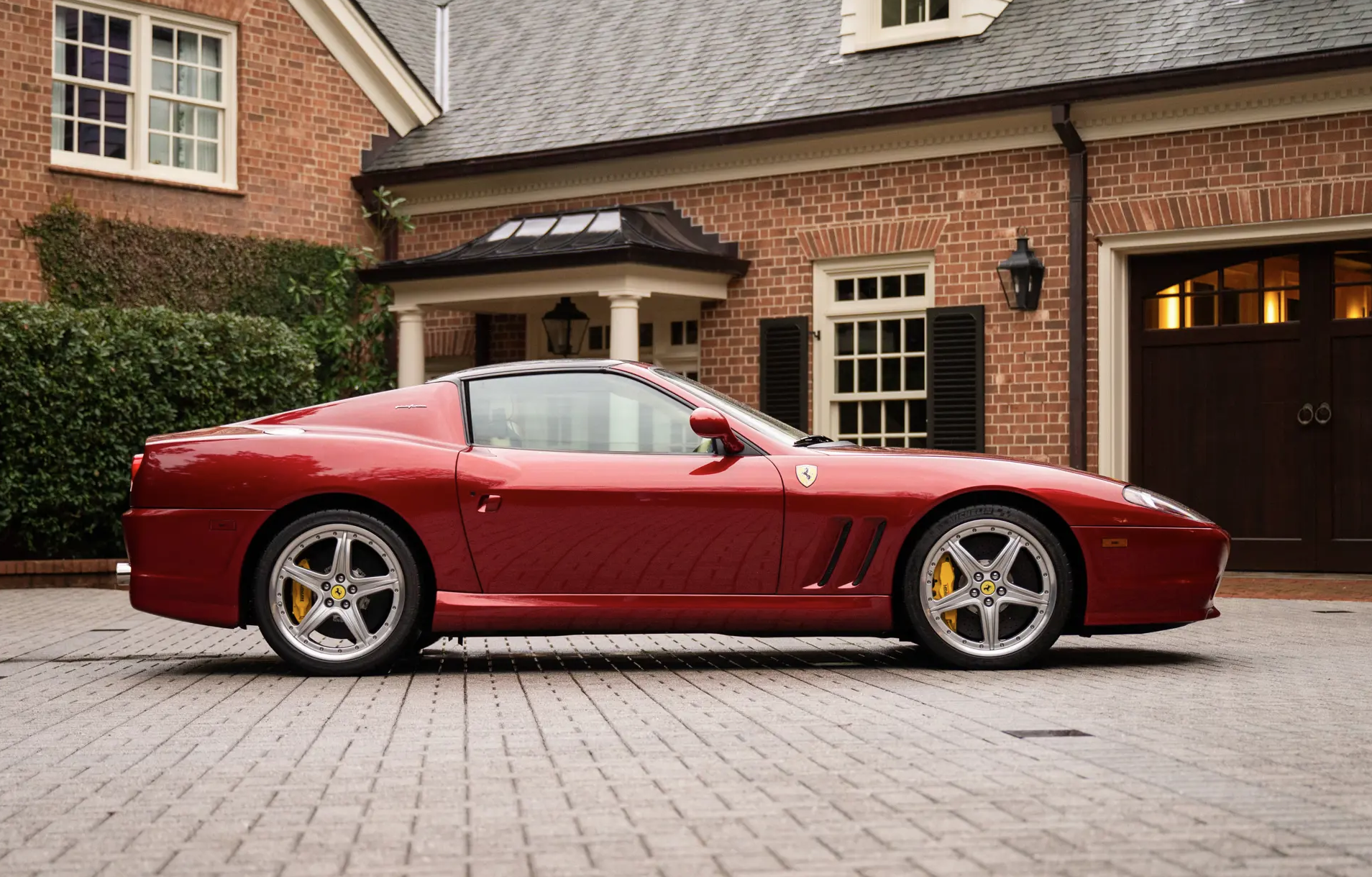
Ferrari produced 559 examples between 2005 and early 2006. The overwhelming majority were equipped with the F1 paddle-shift transmission, with only approximately 43 manual examples built, making manual variants exceptionally rare and valued by collectors. Each car received meticulous assembly reflecting Ferrari’s standards. The extraordinarily limited production reflected the car’s exclusive positioning as Ferrari’s most innovative convertible offering.
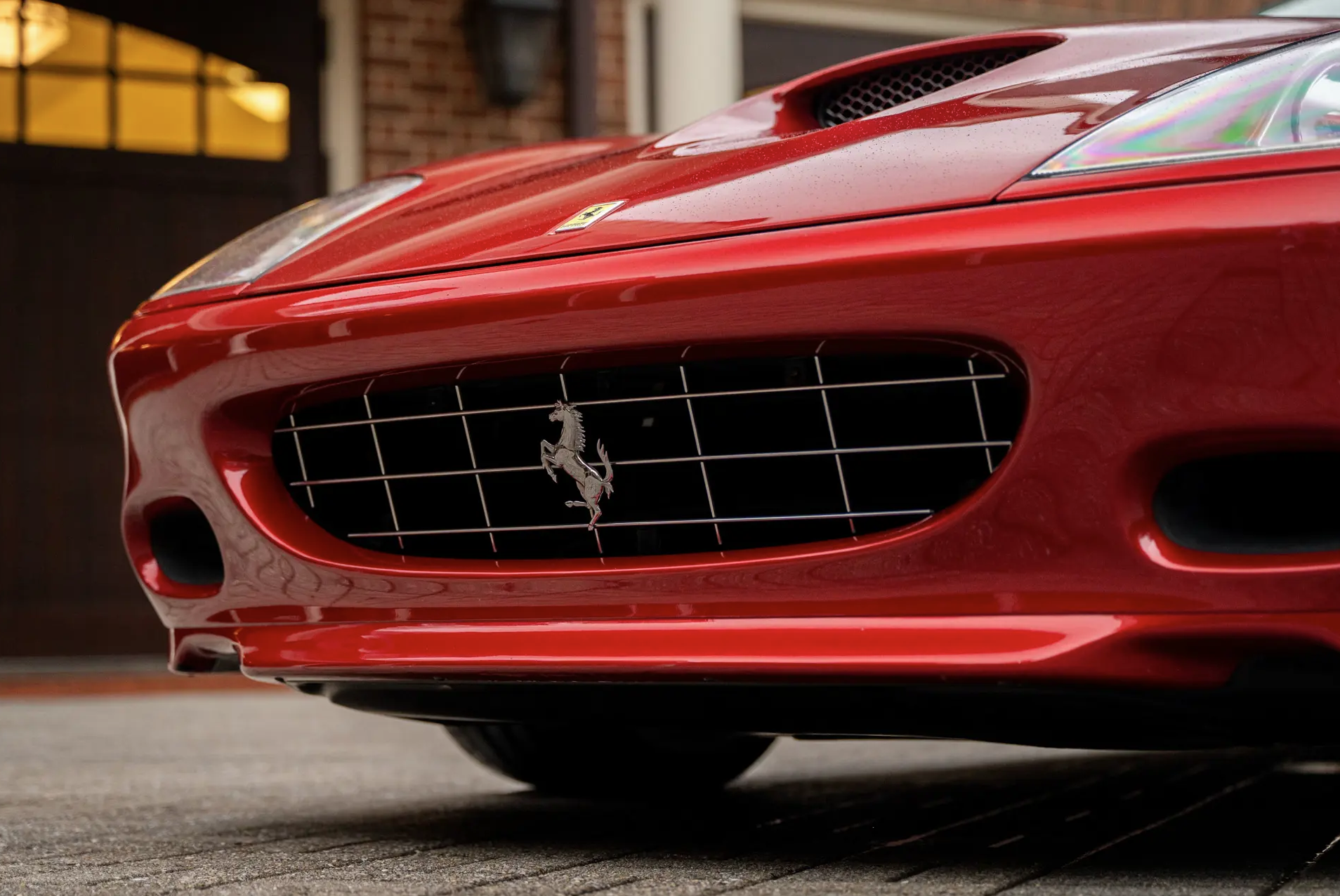
The Superamerica proved that revolutionary roof technology combined with naturally aspirated performance could establish genuine capability within practical grand touring parameters. The combination of high-revving character, innovative engineering, and refined proportions established lasting appeal among Ferrari enthusiasts.
Today, the Superamerica has become a sought-after collector Ferrari, particularly in rare manual and HGTC specifications. The combination of naturally aspirated performance, revolutionary roof mechanism, and authentic Ferrari character ensures lasting appeal.
The Ferrari 575 Superamerica represented Maranello at its most accomplished, proving that mechanical innovation and engineering excellence could create something genuinely distinctive. It remains one of the greatest convertible grand tourers ever created, establishing an enduring legacy within Italian automotive performance.