
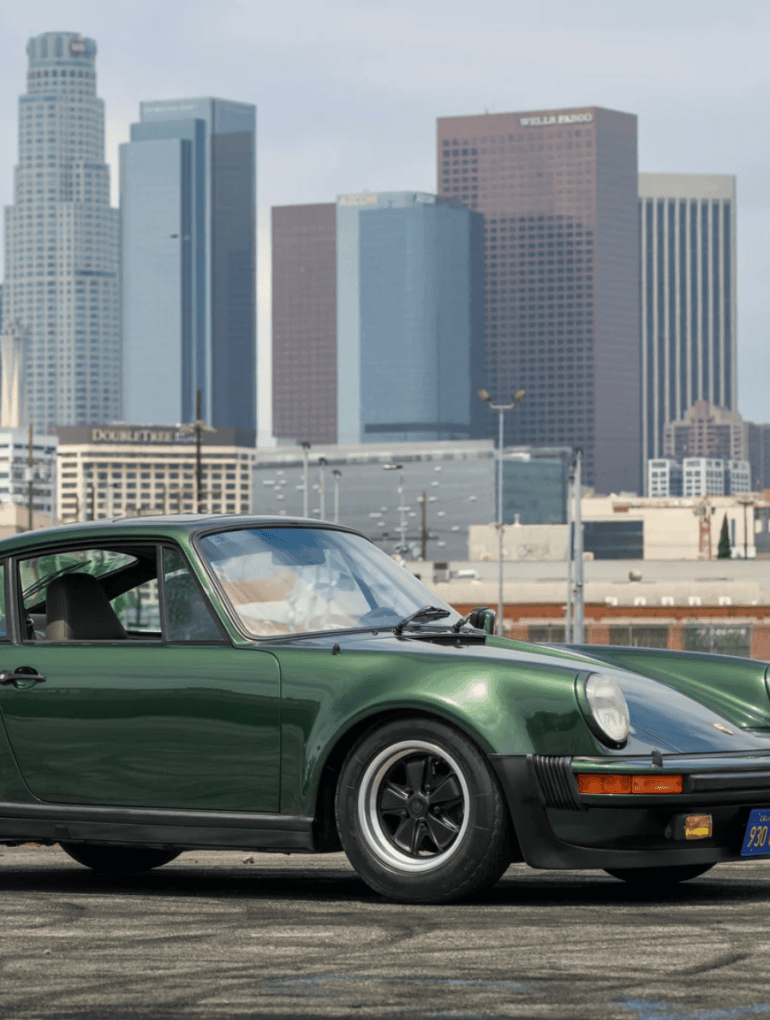

Paris, autumn 1974. Porsche unveiled the 911 Turbo, a car that brought turbocharging, a technology refined in its Can-Am racing program, to the street and turned the 911 into one of the fastest production cars of its era. The 3.0-liter air-cooled flat-six, fed by a single KKK turbocharger, produced 260 PS (256 hp) at 5,500 rpm and 253 lb-ft of torque at 4,000 rpm in a car weighing 1,140 kilograms. Known internally as the Type 930, the Turbo entered production for the 1975 model year, accelerated from 0 to 100 km/h in 5.5 seconds and reached a top speed of 250 km/h (155 mph). When deliveries began, it was the fastest road-legal production car in Germany. Production of the 3.0-liter model ran from 1975 to 1977, with 2,819 examples built.
Background and Origins
The 911 Turbo grew out of Porsche’s racing program. The company had used turbocharging to win the Can-Am championship with the 917/10 in 1972 and the 917/30 in 1973, and in 1974 the Martini-liveried 911 Carrera RSR Turbo 2.1 finished second overall at Le Mans against purpose-built prototypes. That result supported a strategic shift toward production-based GT racing, although Porsche continued to race prototypes and won Le Mans with the 936 in 1976. New FIA rules for 1976 required 400 road cars built within 24 months for Group 4 homologation, so Porsche planned a production run of 400 Type 930s.
As with the 2.7 Carrera RS a few years earlier, Porsche underestimated demand. Orders arrived as soon as the car was announced, series production began in February 1975, and the first 400 cars were completed before the end of that year. Porsche built 274 Turbos for the 1975 model year, and the 1,000th car was completed on May 5, 1976. A requirement intended to satisfy a racing rulebook quickly became one of the company’s most important road cars.
The first turbocharged road-going 911 had preceded the production car. On August 29, 1974, Ferry Porsche’s sister, Louise Piëch, received a turbocharged 911 for her 70th birthday. Known as “Turbo No. 1,” it used the narrow body of the 911 Carrera and a 2.7-liter turbocharged engine, and it carried a Carrera badge rather than Turbo script on the engine lid. The car remains part of the Porsche Museum collection.
Design and Engineering
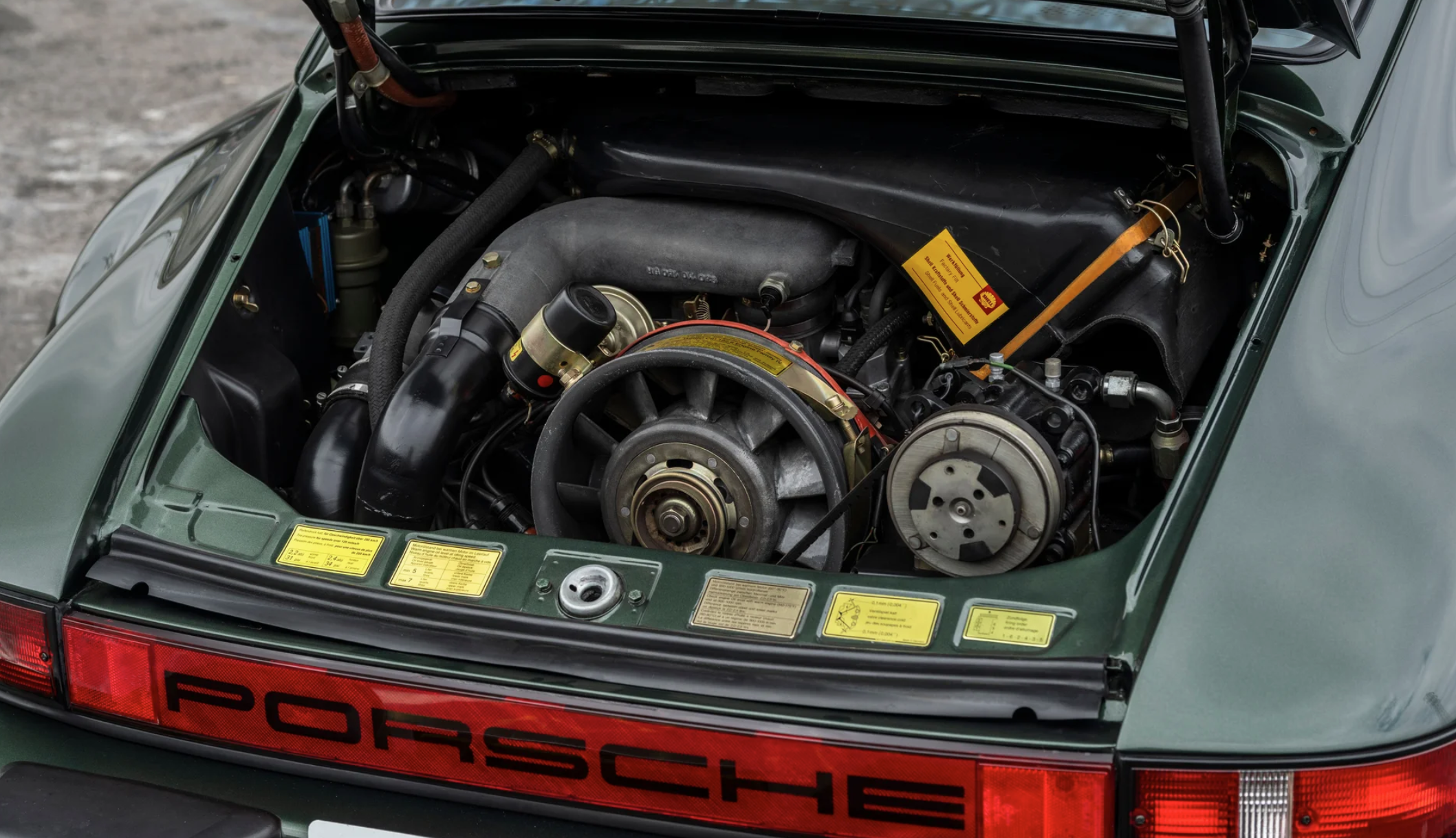
The production car used the 2,994-cubic-centimeter Type 930/50 flat-six, derived from the engine of the Carrera RS 3.0. To make turbocharging reliable in a road car, Porsche reduced the compression ratio to 6.5:1 and used Bosch K-Jetronic fuel injection. A single KKK turbocharger produced a maximum of 0.8 bar of boost, regulated by a wastegate. The 3.0-liter cars had no intercooler, which Porsche introduced with the 3.3-liter Turbo for the 1978 model year. European cars produced 260 PS at 5,500 rpm and 253 lb-ft at 4,000 rpm. US-market cars, fitted with additional emissions equipment, were rated at 245 hp.
Power delivery shaped the car’s reputation. At low engine speeds there was little boost, followed by a sudden surge of torque once the turbo spooled. Combined with the 911’s rear-engine weight distribution, that delayed rush of power required careful throttle control, especially when cornering at speed. Lifting off the throttle in the wrong situation could cause oversteer, which led to the popular nickname “Widowmaker,” a name that came from enthusiasts and the press rather than from Porsche.
Porsche fitted a strengthened four-speed gearbox in place of the five-speed 915 used in other 911s, which was not considered robust enough for the Turbo’s torque. The four widely spaced ratios matched the engine’s broad power band once boost arrived, and a five-speed Turbo did not appear until the 1989 model year. The suspension kept the 911’s MacPherson struts and torsion bars at the front and semi-trailing arms with torsion bars at the rear, with stiffer settings and thicker anti-roll bars to manage the extra performance and wider tires. Ventilated disc brakes were fitted at all four corners, and power assistance was added for 1977.
Styling
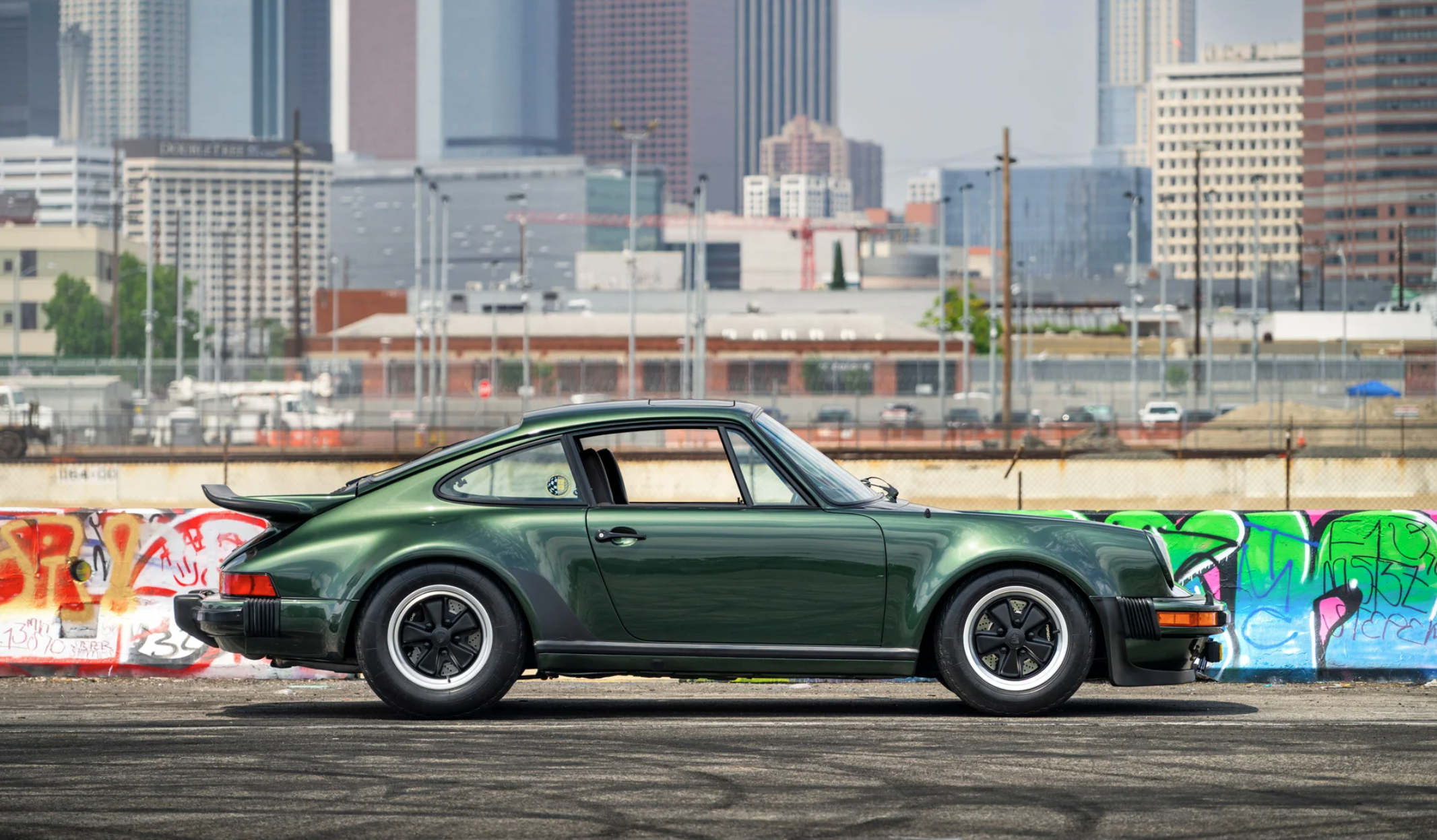
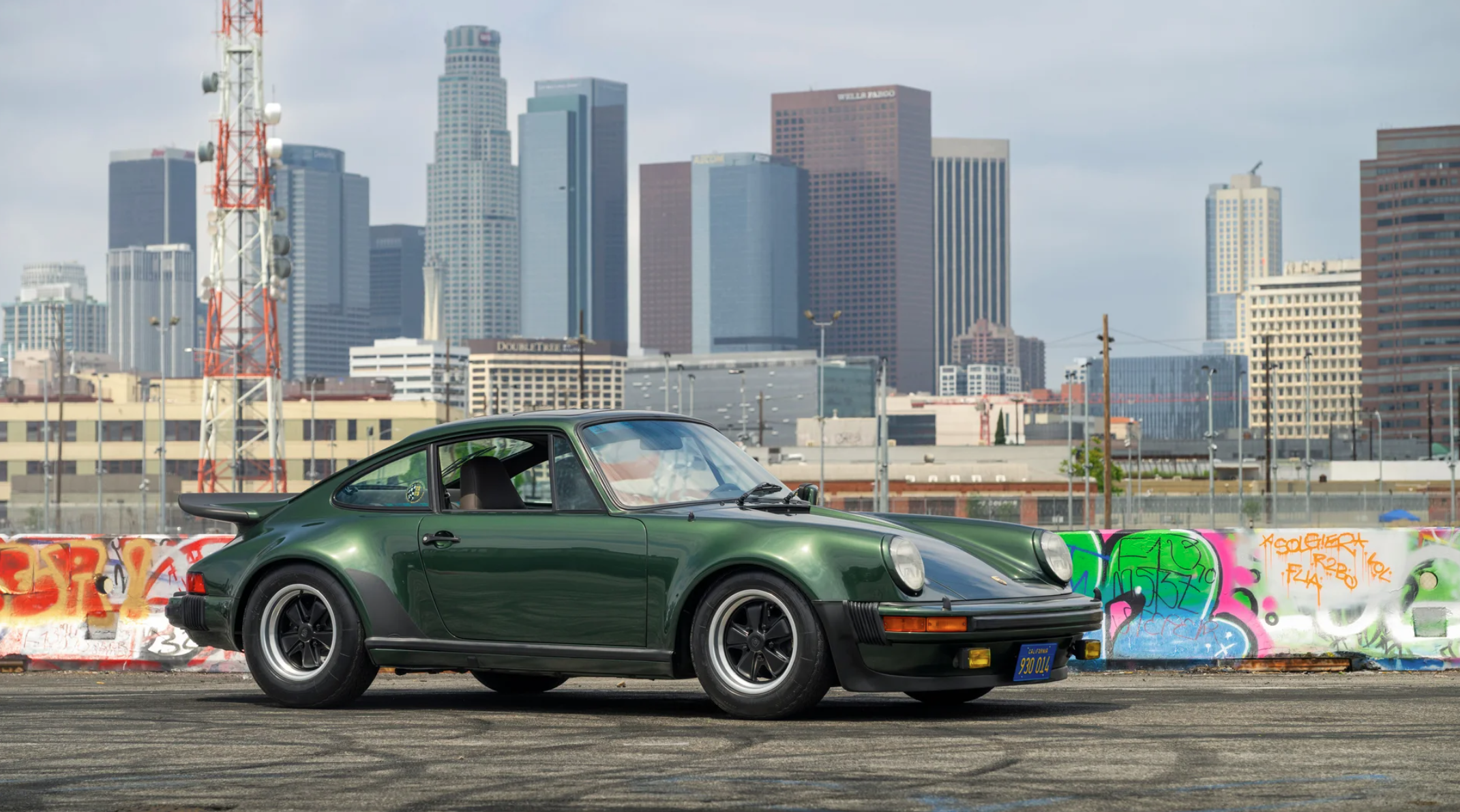
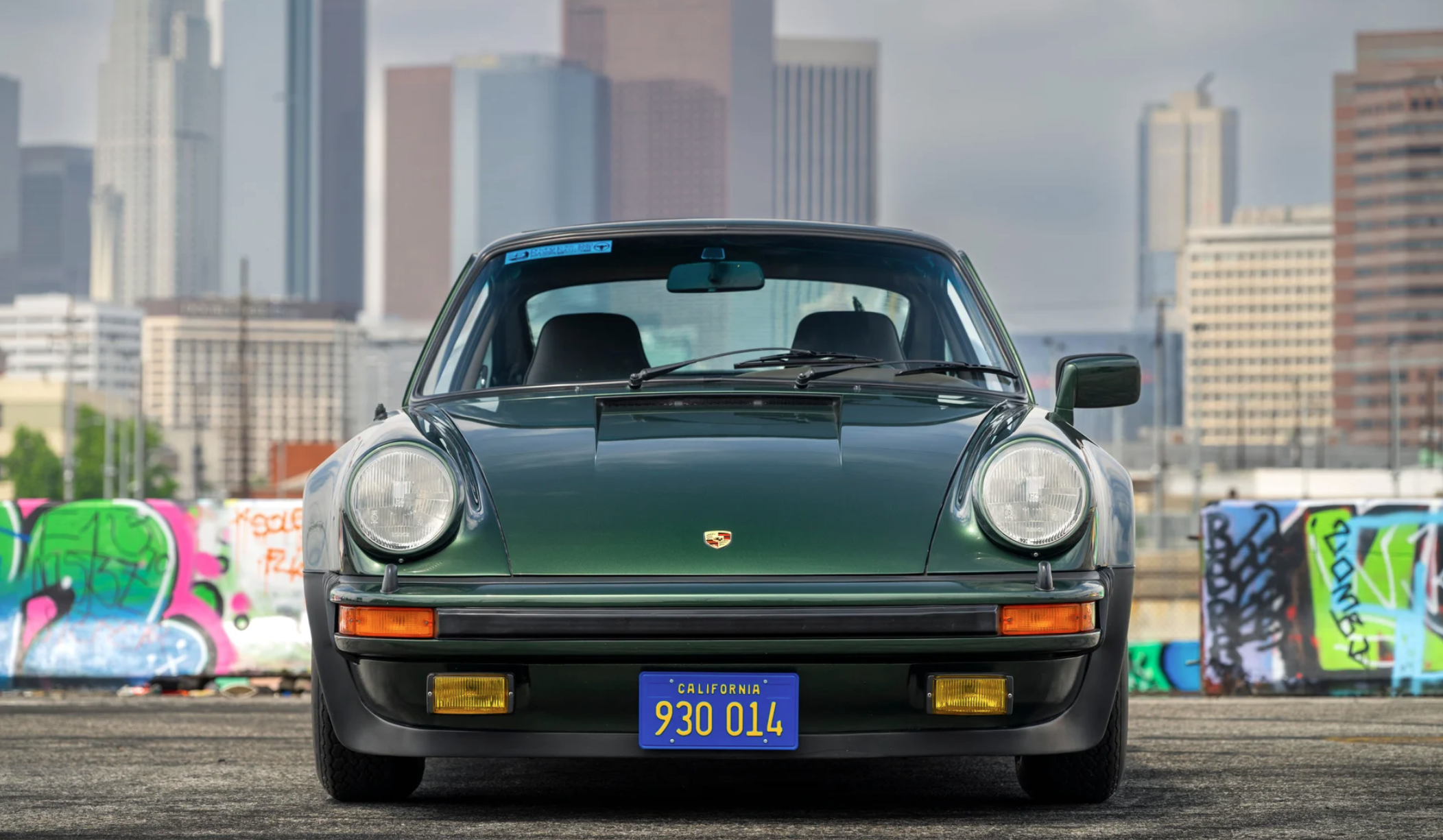
The Turbo was visually distinct from other 911s. Wider front and rear fenders, hand-welded to the body on early cars, covered substantially wider wheels and tires. The most recognizable feature was the large fixed rear spoiler mounted on a glass-fiber reinforced engine lid and edged in polyurethane. Known as the “whale tail” because of its shape, it reduced rear lift at speed and helped direct air into the engine compartment. Early cars rode on forged 15-inch Fuchs wheels measuring 7 inches wide at the front and 8 inches wide at the rear. For 1977, Porsche switched to 16-inch Fuchs wheels with the same widths and added black stone-chip protection to the rear fenders.
Interior
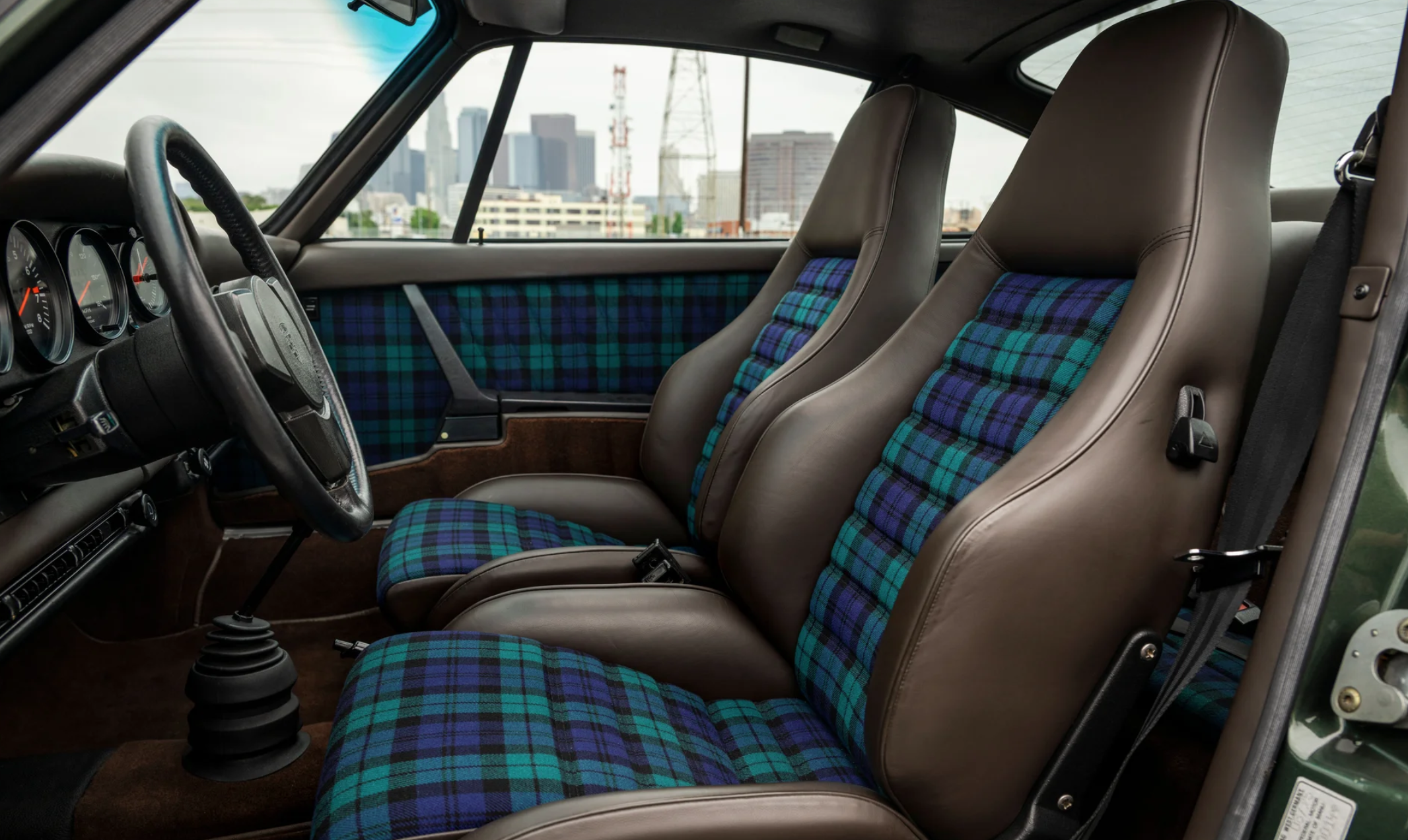
Unlike the stripped Carrera RS that preceded it, the Turbo was Porsche’s flagship and was equipped accordingly. Standard equipment included full leather upholstery, power windows, a leather-wrapped steering wheel, headlight washers, a rear window wiper and automatic heating control. Air conditioning and an electric sunroof were available as options.
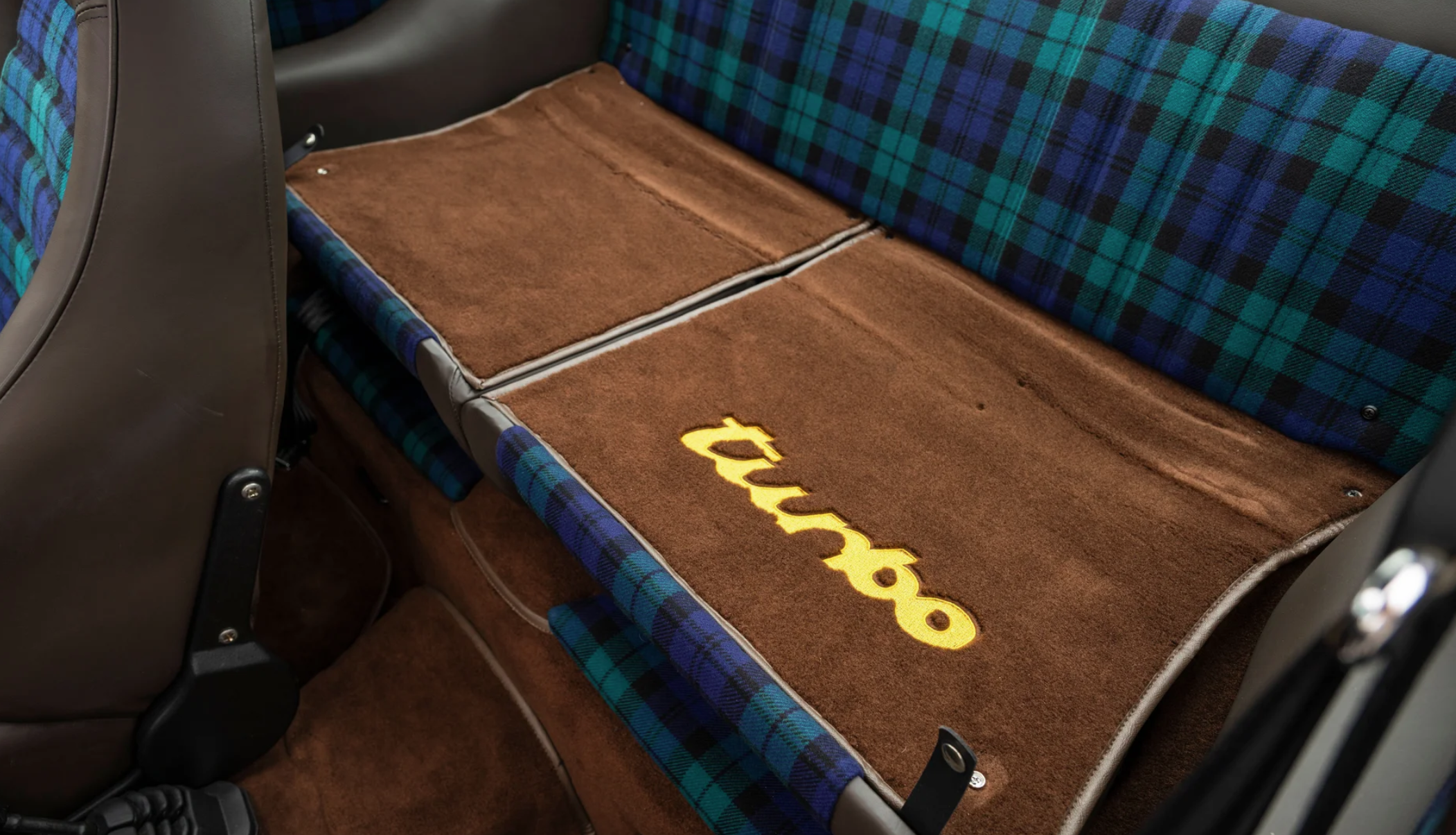
The cabin retained the classic 911 layout, with five round gauges and an upright driving position. For 1977, Porsche added a boost gauge within the tachometer. The combination of luxury and performance established the Turbo as a fast grand touring car rather than a road-going race car.
Racing History
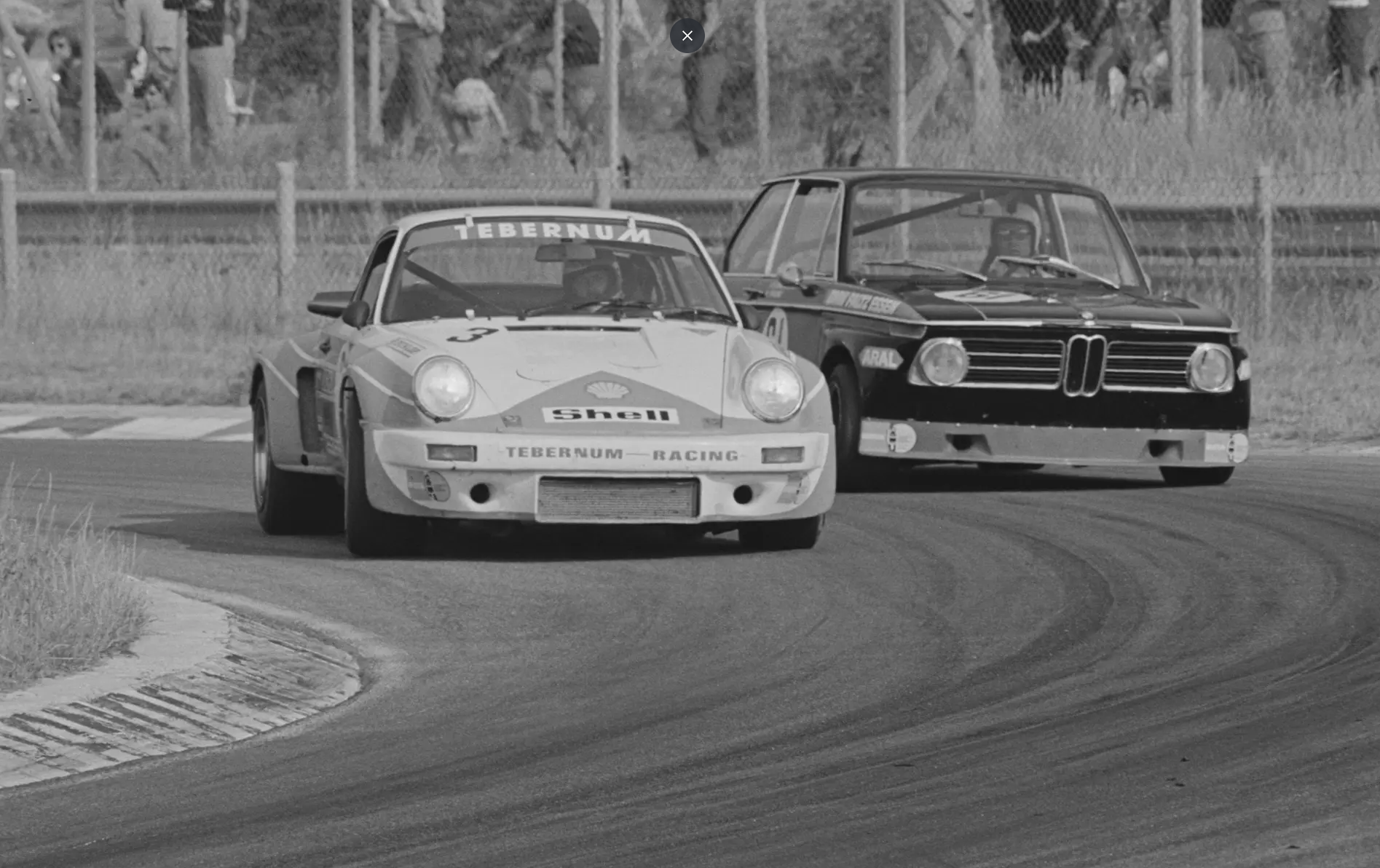
The 930 existed to support Porsche’s racing program, and its competition derivatives became some of the most successful cars the company ever built. After completing the required production run, Porsche received Group 4 homologation in December 1975, opening the way for two race cars for the 1976 season. The 934, named for the 930 and Group 4, was a customer racer built around a standard galvanized 930 body with an aluminum roll cage. As required by the regulations, it retained the production four-speed gearbox and whale tail. Boost was increased to 1.3 bar, and output was rated at 485 PS. Porsche built 31 cars in 1976, followed by ten wider 934/5 models for IMSA in 1977. By early 1976, many leading European GT teams had replaced their Carrera RSRs with the 934. Cars entered by Georg Loos’s Gelo Racing and the Kremer brothers won the European GT Championship, while Vasek Polak’s team won the Trans-Am series in the United States.
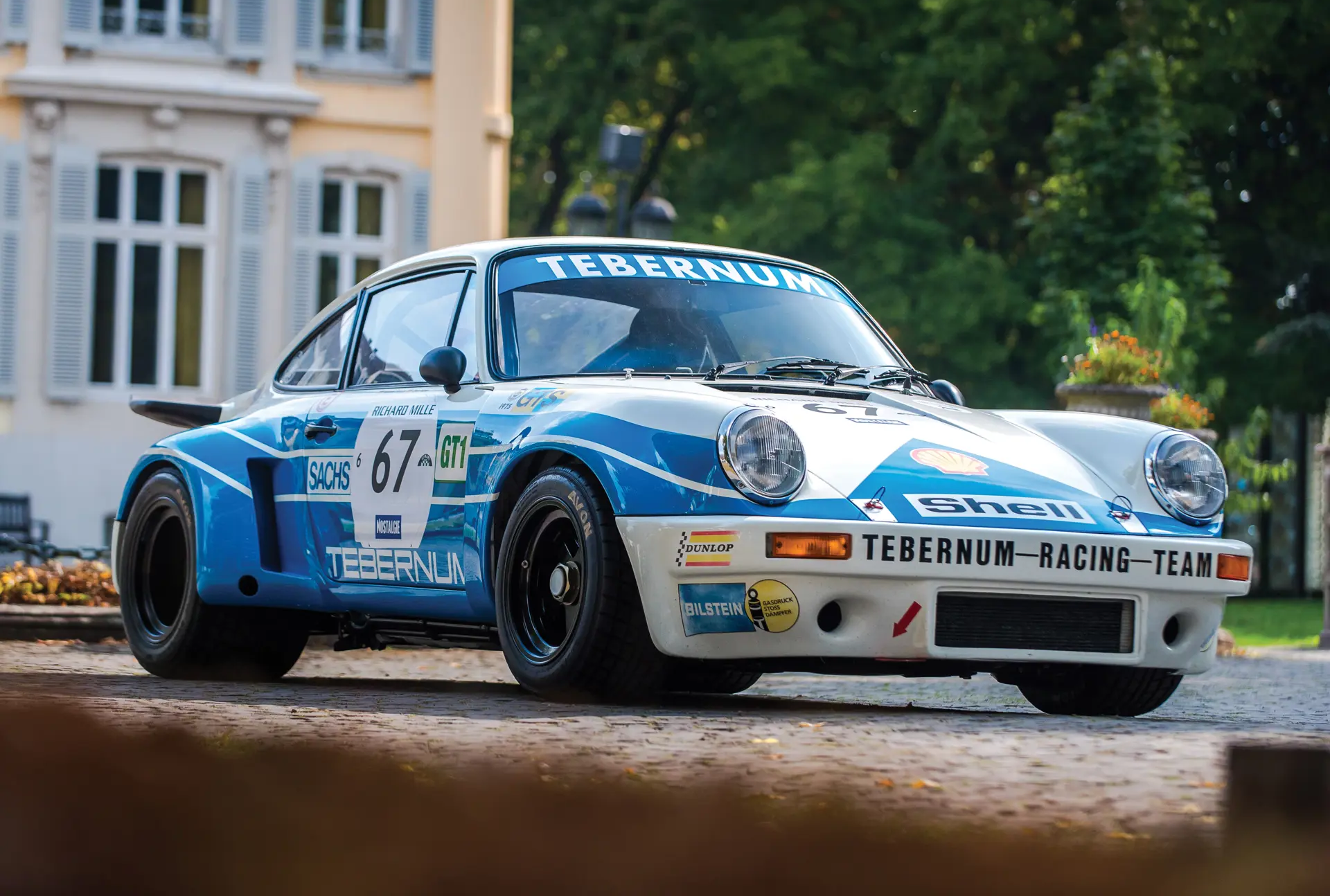
The 935 was the far more extensively modified Group 5 version, designed for silhouette racing in the World Championship for Makes, IMSA and the German DRM. Group 5 regulations allowed major changes while requiring the car to retain the basic profile of the road model, and the 935 used the 930 body as its starting point. The factory team won the 1976 World Championship for Makes, the first of several consecutive titles for Porsche, and customer cars became available during the winter of 1976 to 1977. The Kremer brothers’ 935 K3 won the 1979 24 Hours of Le Mans outright, an extraordinary result for a production-based car. Across their various versions and years of competition, 935s also won the 24 Hours of Daytona and the 12 Hours of Sebring six times each.
Specifications
- Engine: Porsche Type 930/50 air-cooled flat-six, 2,994cc, SOHC per bank, single KKK turbocharger, Bosch K-Jetronic fuel injection, 6.5:1 compression
- Power: 260 PS (256 hp) at 5,500 rpm; 245 hp in US specification
- Torque: 253 lb-ft (343 Nm) at 4,000 rpm
- Transmission: Four-speed manual, rear-wheel drive
- Chassis: Galvanized steel unibody with widened fenders
- Suspension: MacPherson struts with torsion bars (front), semi-trailing arms with torsion bars (rear), anti-roll bars
- Brakes: Ventilated discs front and rear, power assisted from 1977
- Wheels: Forged Fuchs alloys, 7×15 front and 8×15 rear (7×16 and 8×16 for 1977)
- Weight: 1,140 kg / 2,514 lbs
- Performance: 0-100 km/h in 5.5 seconds, 250 km/h / 155 mph top speed
Production and Legacy
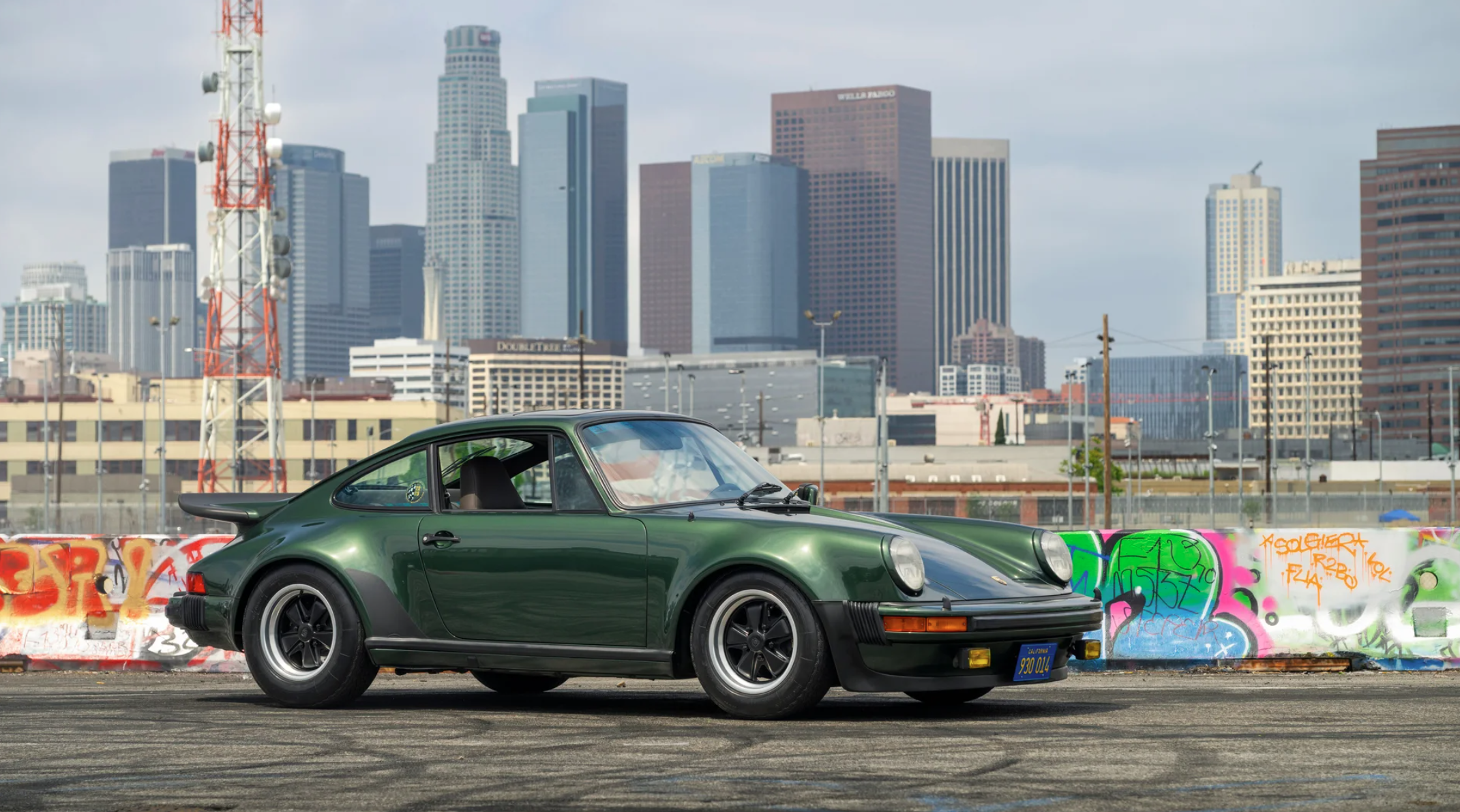
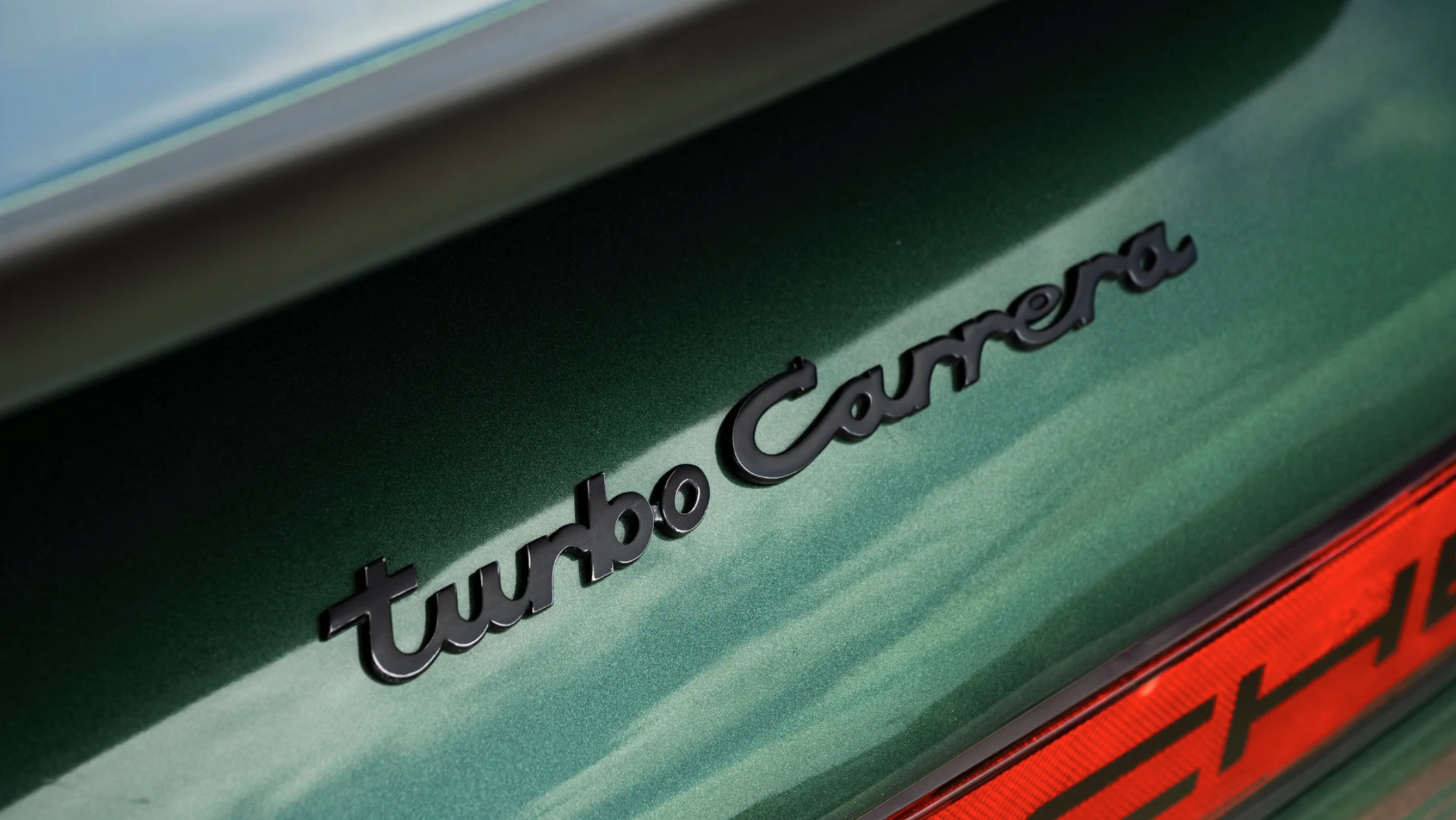
Porsche built 2,819 911 Turbo 3.0s between 1975 and 1977. This is the most widely cited total, although some references give slightly higher figures. Production included 274 cars for the 1975 model year. US sales began with the 1976 model year, when the car was marketed as the Turbo Carrera, and 1,237 of the 3.0-liter cars were built for the US market. For 1978, Porsche replaced it with the 3.3-liter Turbo, which added an intercooler and produced 300 PS, and the 930 remained in production through 1989.
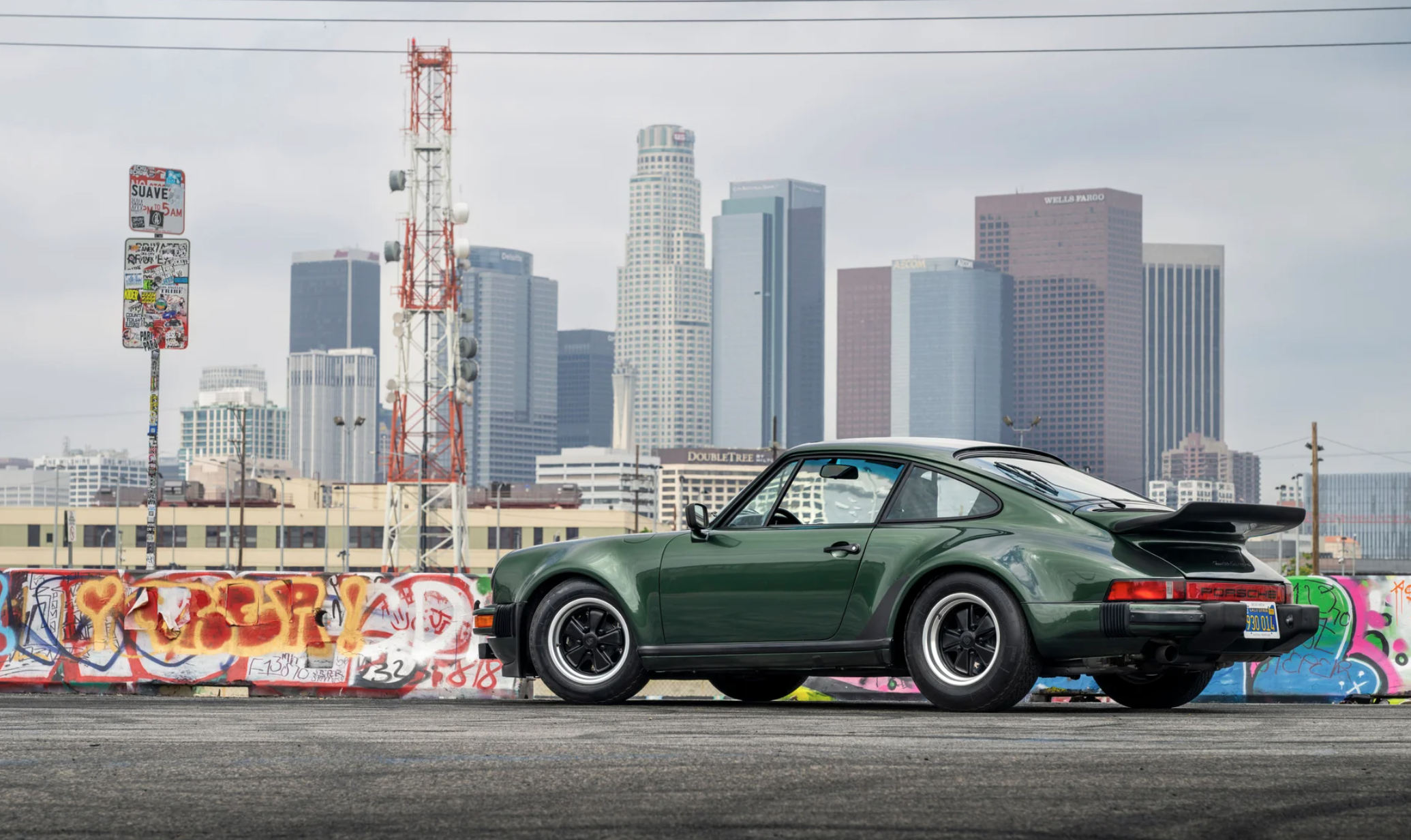
The 3.0-liter Turbo established the long-running formula for the 911 Turbo: a wide-body 911 with the most powerful engine in the lineup, extensive standard equipment and performance capable of challenging exotic mid-engine supercars. It was among the earliest high-performance turbocharged production cars, introduced during the 1970s oil crisis, when many manufacturers were reducing performance. Today, early 3.0-liter cars are highly sought after because of their short production run, their purer specification and their role as the road cars that made the 934 and 935 possible.