
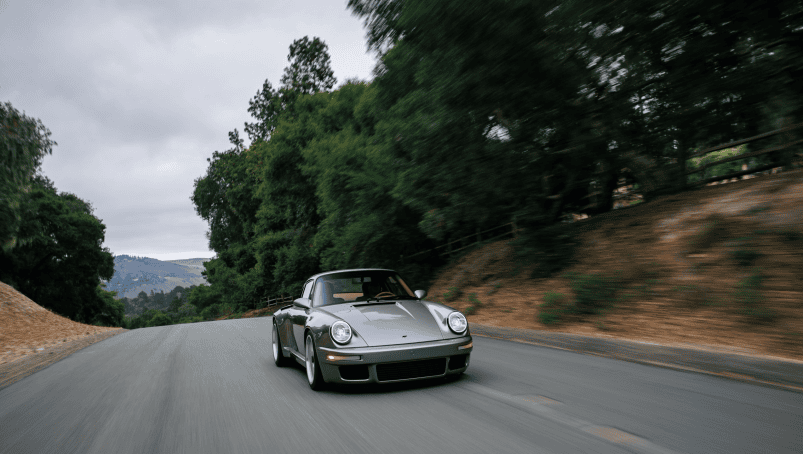
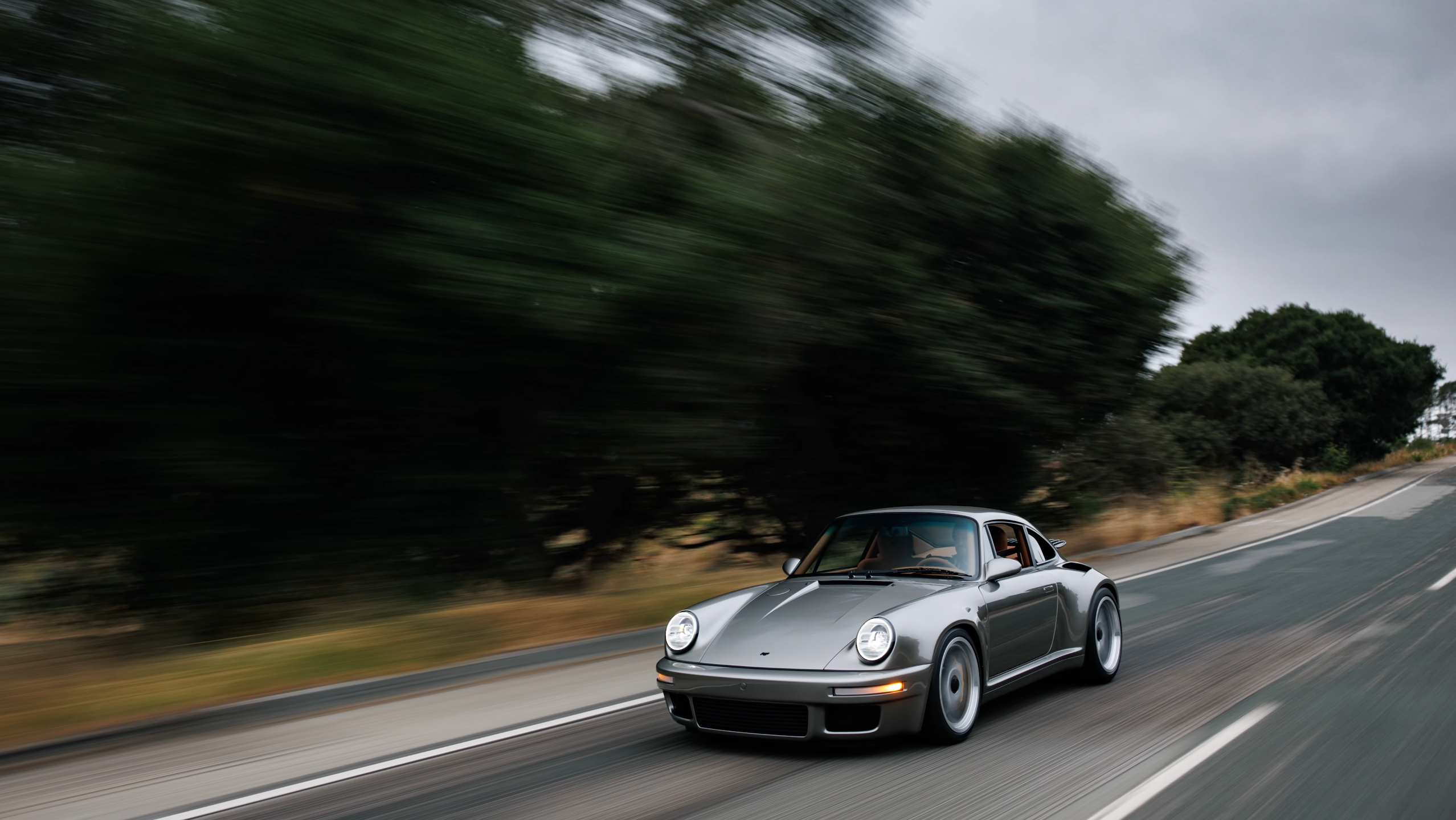
The Ruf EHRA represents a distinctive evolution of Ruf Automobile’s approach to high-performance engineering, combining bespoke carbon-fiber construction, twin-turbocharged power, and understated styling with everyday usability. Explored by automotive photographer Larry Chen, the new model pays tribute to Germany’s Ehra-Lessien test track, where Ruf established a speed record of 212.5 mph in 1987 with Phil Hill behind the wheel.
Carbon-Fiber Architecture and Exterior Design
The EHRA uses Ruf’s proprietary carbon-fiber monocoque architecture, first introduced in 2017. It is the fifth vehicle developed around this platform and features a wider body, adding 20 millimeters on each side compared with the original design.
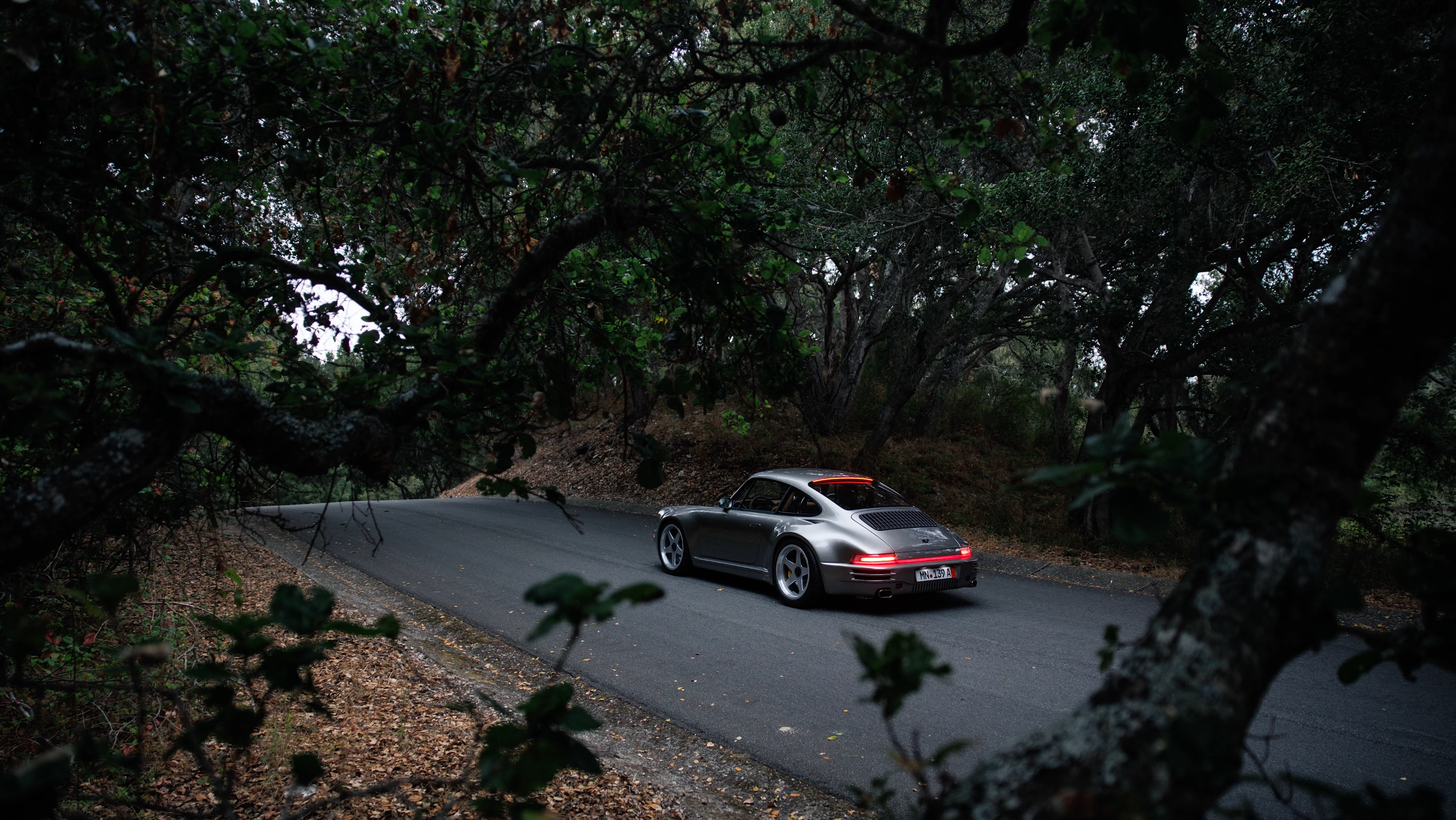
Revised bumpers, aggressive air intakes, and bespoke wheels distinguish its appearance. Instead of a conventional rear wing, an active rear deck element deploys at higher speeds to generate additional downforce, maintaining a clean aerodynamic profile.
Twin-Turbocharged Performance
Power comes from a twin-turbocharged flat-six producing approximately 650 horsepower, slightly exceeding the naturally aspirated SCR. A seven-speed manual transmission emphasizes driver engagement while offering accessible gearing for everyday driving.
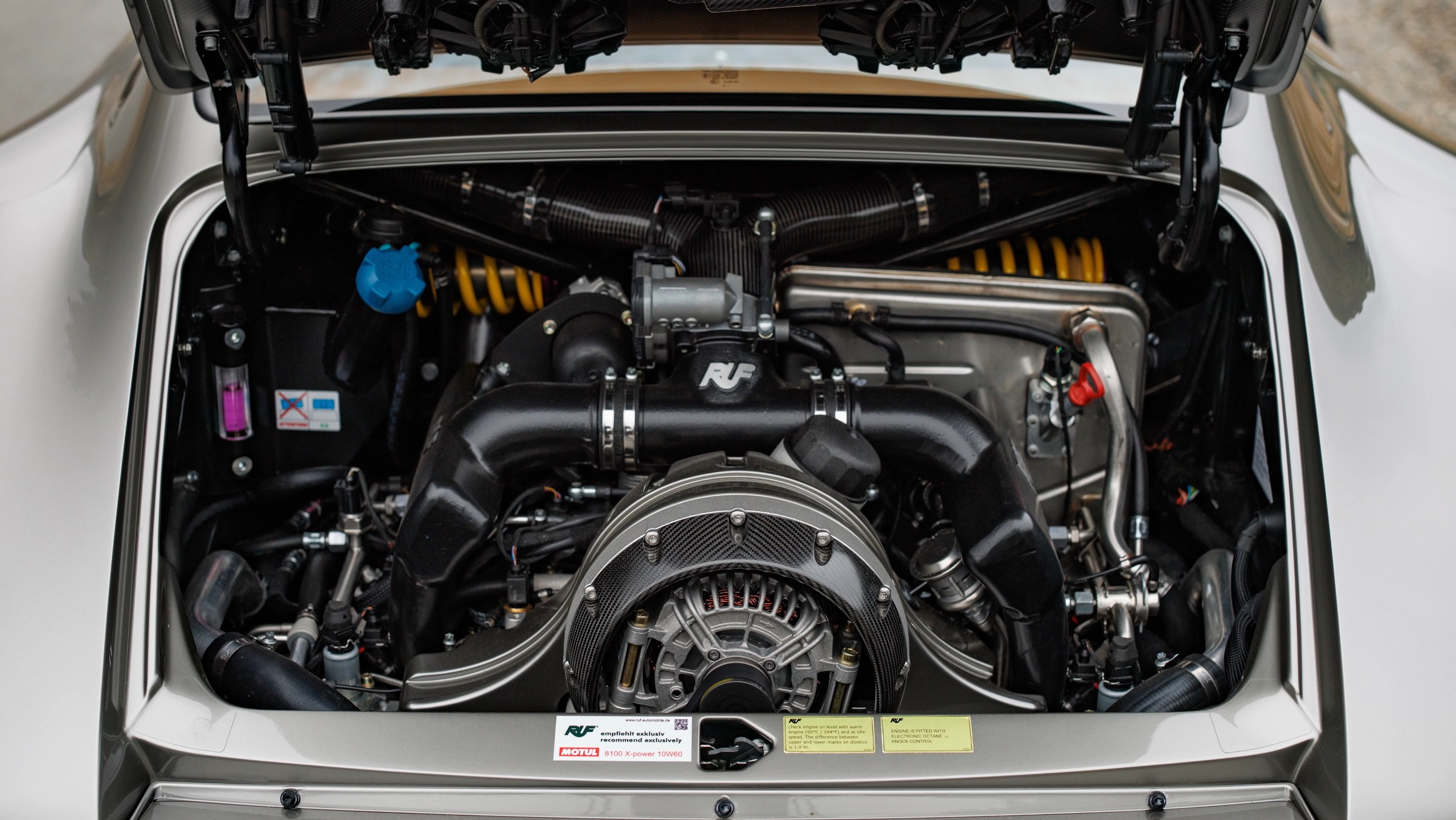
Ruf positions the EHRA as a versatile touring sports car, equally suited to daily use and demanding circuit driving. Official acceleration and top-speed figures remain unannounced as development and testing continue.
Lightweight Engineering and Chassis
The carbon-fiber monocoque forms the passenger cell, complemented by an integrated lightweight steel-alloy roll cage and front and rear subframes. Despite its reinforced construction, the EHRA weighs approximately 1,200 kilograms (2,646 pounds) when wet.
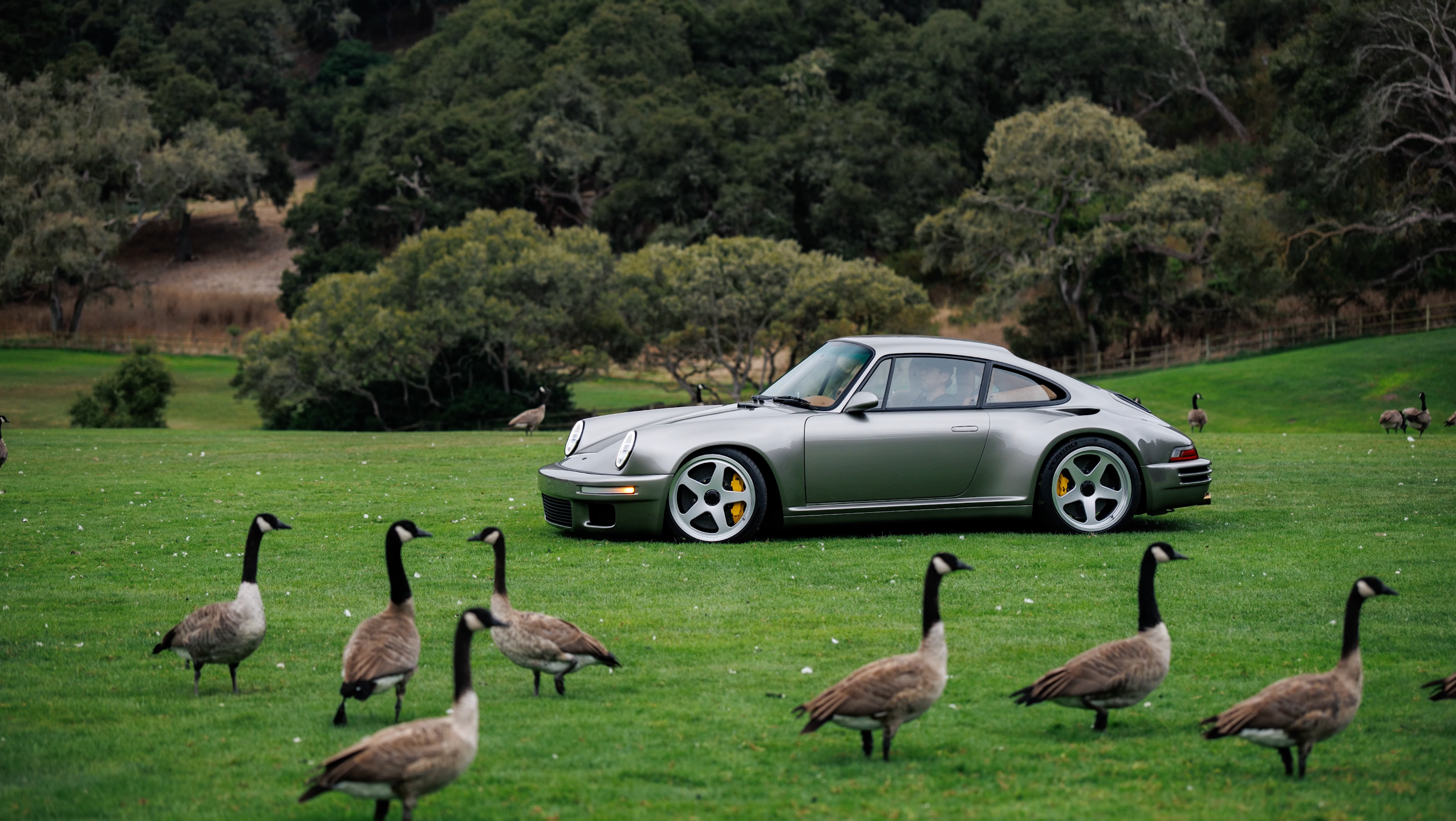
Suspension components developed with KW and Brembo braking hardware complement the bespoke chassis, while a ZF seven-speed gearbox completes the mechanical package.
Bespoke Interior and Technology
Inside, exposed structural carbon fiber highlights the underlying construction. Notable details include 3D-printed titanium pedals featuring a skeletal design for structural efficiency.
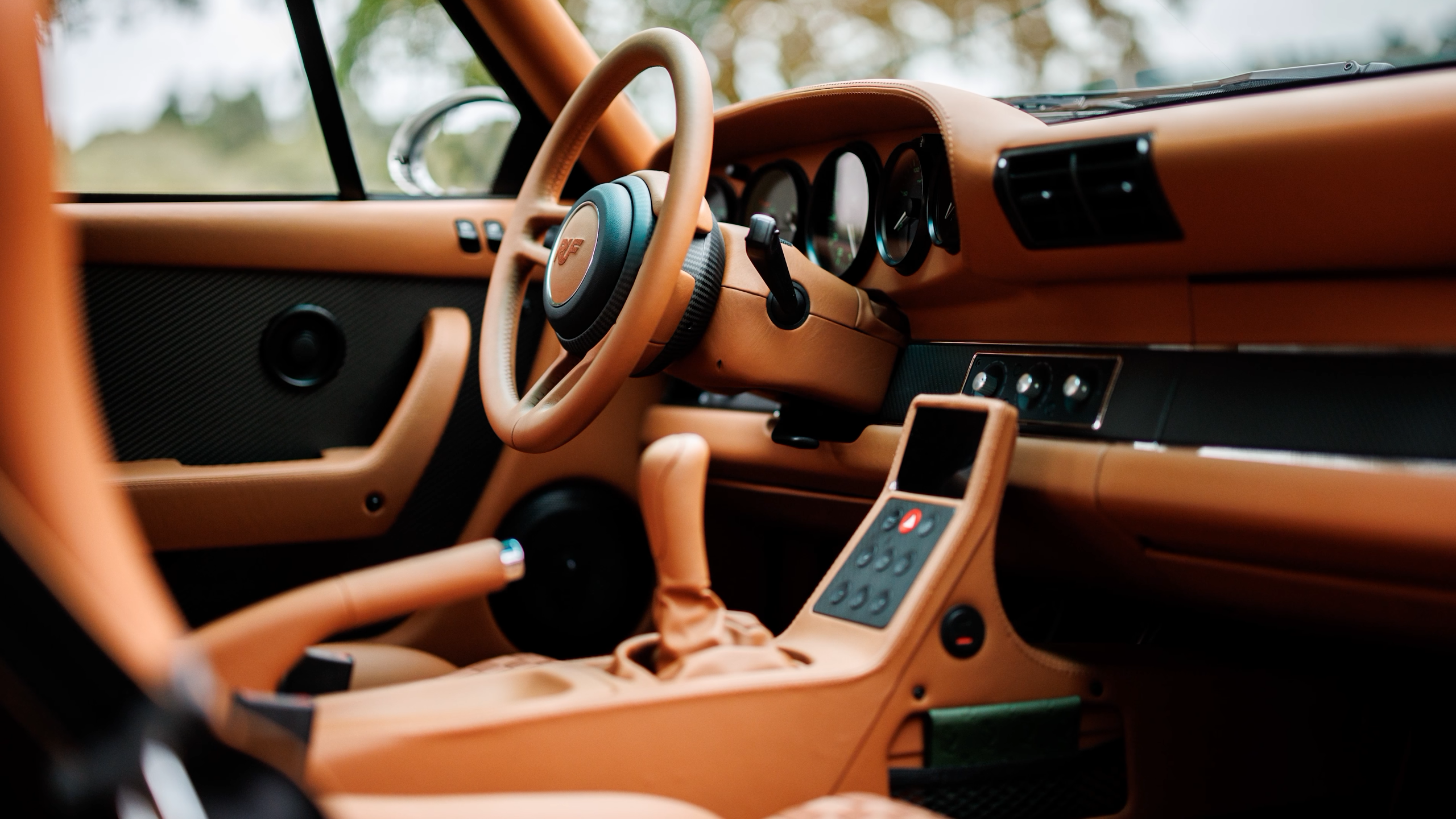
A compact touchscreen displays the automatically adjustable all-wheel-drive torque distribution, while physical controls operate essential functions such as traction control, suspension settings, and the front-axle lift system. The cabin also incorporates airbags, Bluetooth connectivity, and cup holders.
Limited Production and Availability
The EHRA is a fully manufactured vehicle with its own VIN, meeting applicable global safety and emissions requirements. Ruf typically produces just 30 to 35 vehicles annually across its range, although a definitive production cap for the EHRA has not been established.
Ultimately, the EHRA demonstrates Ruf’s commitment to independent engineering, lightweight construction, and traditional driving involvement. Rather than pursuing extreme aerodynamic aggression, it delivers a sophisticated interpretation of high-performance touring.
Source: Larry Chen