

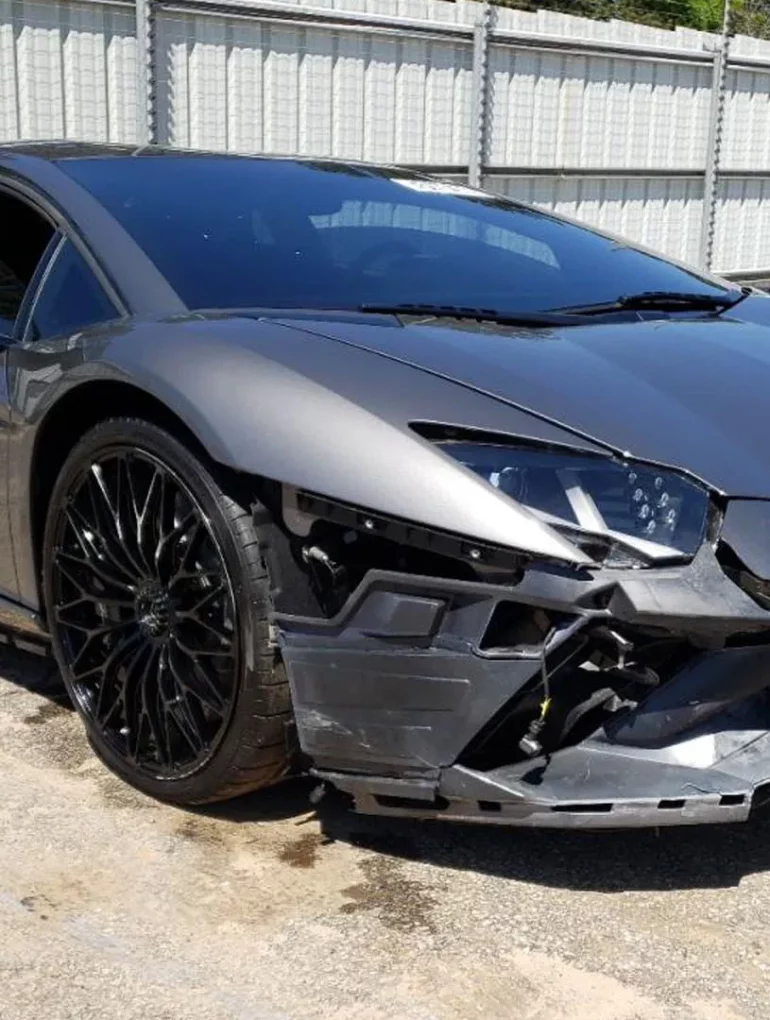

Here’s something most exotic car owners find out the hard way: the insurance policy that works fine for an everyday driver can leave you badly exposed when a serious accident happens. It’s not that insurers are necessarily acting in bad faith. It’s that standard policies were built around standard cars.
When a vehicle is worth $150,000, or $300,000, or more, the assumptions baked into a typical auto policy stop making sense. And the claims process that feels routine for a rear-ended sedan becomes something else entirely.
Why Your Standard Policy Probably Is Not Enough
Most people assume their auto insurance will cover them adequately after an accident. With high-value vehicles, that assumption deserves a closer look.
The Payout Problem Starts with How Your Car Is Valued
Most policies settle based on actual cash value. What’s the car worth today, depreciation included? For a vehicle that holds its value or has appreciated, that number can be a fraction of what you’d actually need to replace it.
Specialty insurers offer agreed value policies, where the payout amount is set when you buy the coverage. No negotiation after the fact, no depreciation argument. If your current policy doesn’t work this way, it’s worth finding one that does before you need it.
There’s also something called stated value coverage, which sounds like the same thing but isn’t. Insurers can still fall back on ACV if it’s lower than the stated amount. That distinction matters enormously at claim time.
A Perfect Repair Still Leaves You with a Loss
Suppose you can restore your exotic car. Good shop, proper parts, you’d never know it was hit. It’s still worth less than it was before the accident, and by more than you might expect. Buyers pay attention to accident history, especially on high-end vehicles.
That loss has a name: diminished value. And in most states, you’re entitled to claim it from the at-fault driver’s insurer. The catch is that nobody’s going to tell you this. You have to know to ask, get an independent appraisal, and be willing to push for it. On a valuable car, the number can easily run into five figures. It’s not a side issue.
Who Fixes Your Car Matters More than People Realize
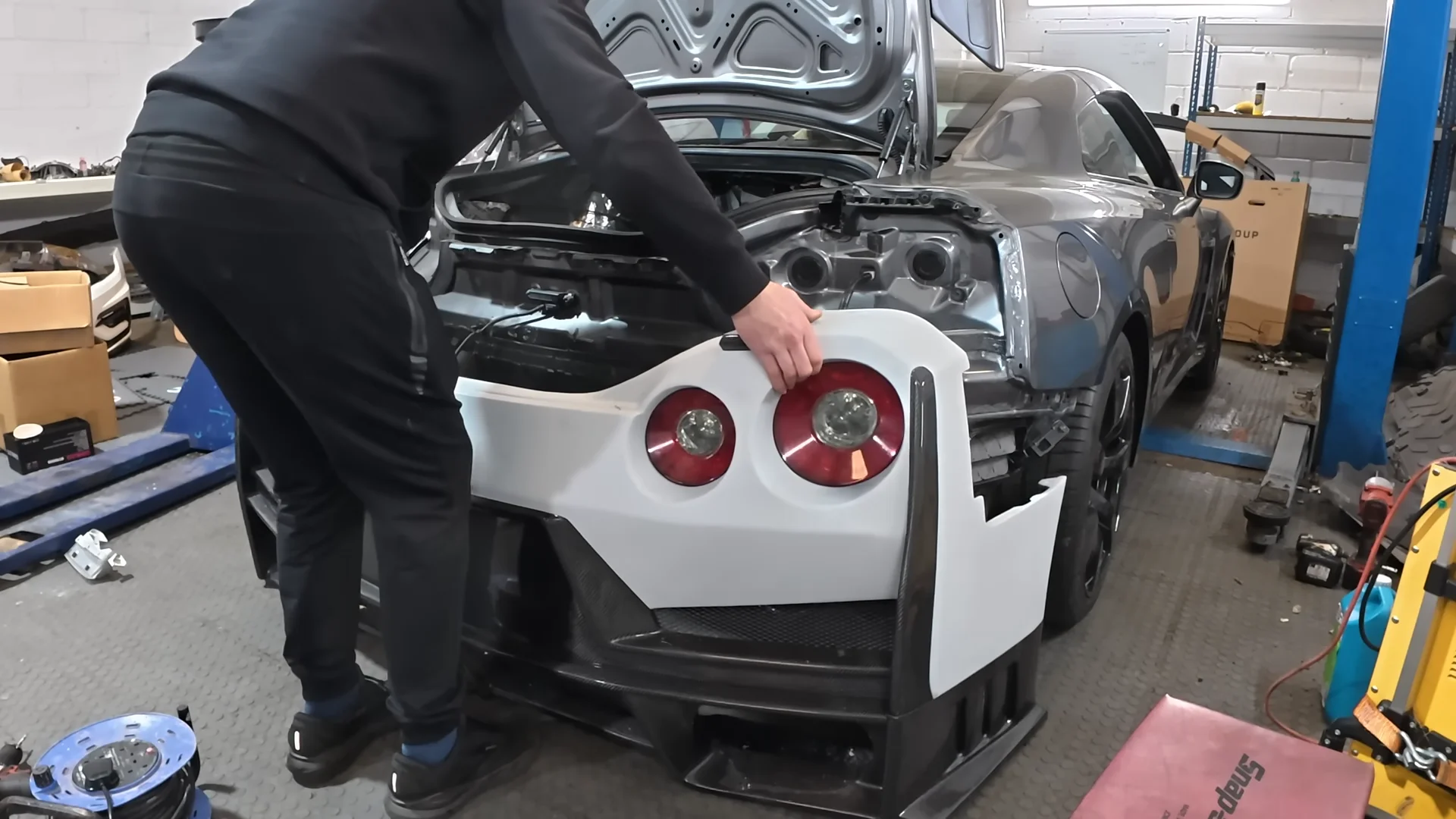
After a collision, insurers tend to prefer repair shops they have existing relationships with. They’ll approve aftermarket parts when OEM parts are what the car actually needs. For a lot of vehicles, the difference is minor. For an exotic, it can affect how the car drives, how it’s rated on future inspections, and what it sells for down the road.
You have the right to insist on OEM parts and a manufacturer-authorized facility. Do it in writing. A Porsche or Ferrari doesn’t get restored to its pre-accident condition at just any body shop, regardless of how capable that shop is with ordinary vehicles.
More Money in Play Means More Resistance from Insurers
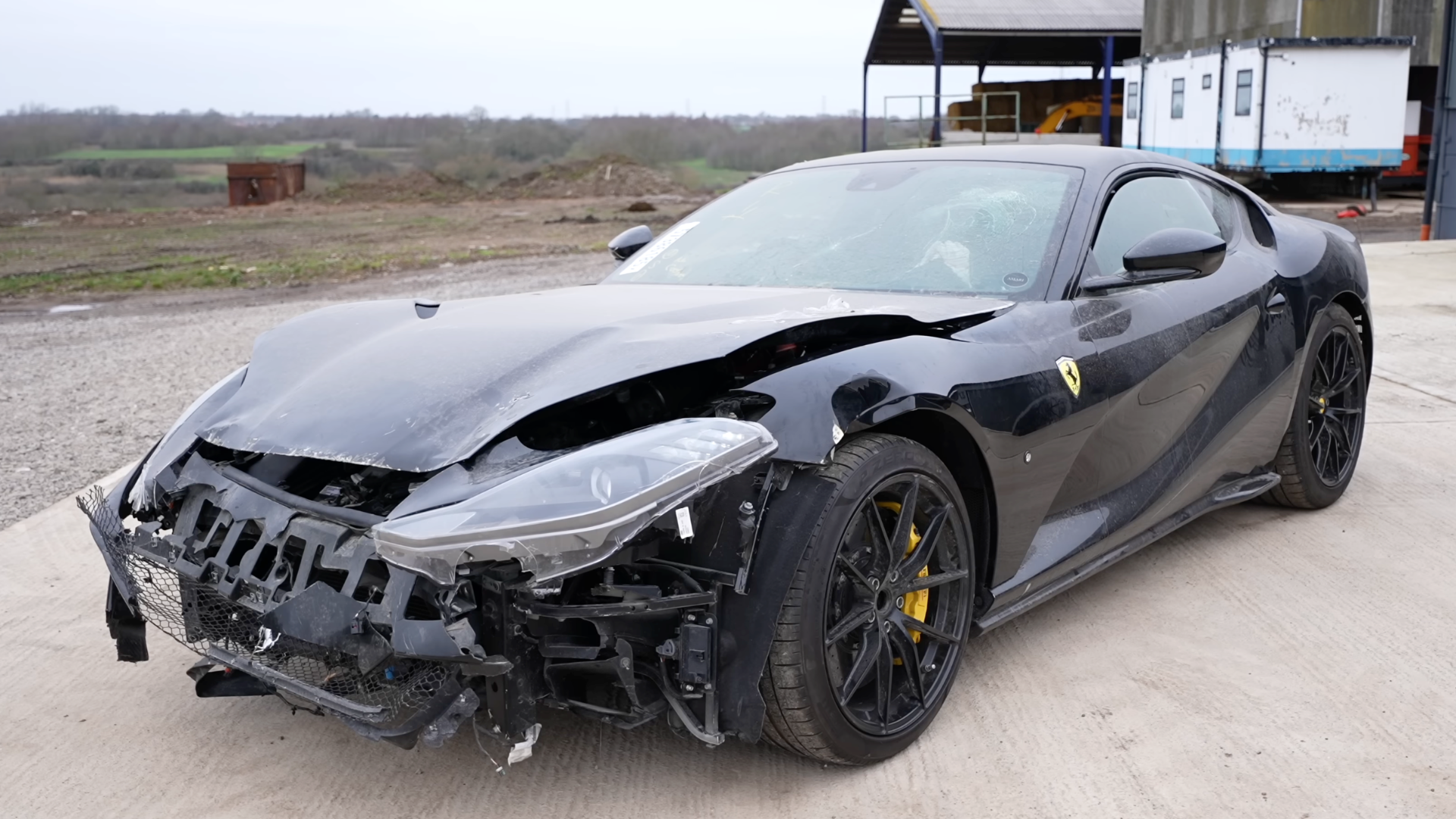
A larger claim gives the other side’s insurer more reason to contest fault, dispute the valuation, or drag out the process. What looks like a clear-cut case can turn into months of back and forth.
State fault laws add another layer. Depending on where you are, being found partially at fault can reduce what you recover, sometimes dramatically. These aren’t rules most people know off the top of their heads, but they have a real effect on outcomes.
On Legal Help: Sooner Is Better

Most people think about hiring an attorney when a claim falls apart. By that point, they’ve often already made concessions that are hard to walk back.
The insurers you’re dealing with have experienced adjusters and legal teams. Their job is to close your claim for as little as possible. Having someone in your corner who does this regularly changes the dynamic. Car accident lawyers in Austin and in other cities handle these cases routinely, and the contingency fee structure means you’re not paying out of pocket to get representation.
One thing that can’t be undone: signing a release. Once that’s done, you’ve settled. Hidden damage found later, medical costs that continue, a valuation you didn’t fully understand at the time, none of that can be reopened. Take the time to have someone review it first.
Worth Doing before Anything Happens
Pull out your current policy and check how it handles valuation. If it’s ACV-based, talk to a specialty insurer. Identify which repair facilities in your area are actually certified for your vehicle. And if you’re ever dealing with a significant claim, get legal advice before you sign anything.
These aren’t complicated steps. But most people skip them until they’re sitting across from an adjuster with a lowball offer and not much leverage.