

Highlights
- Mercedes-AMG’s first full-size SUV developed entirely in-house, and the second model on its AMG.EA electric platform
- The GT 63 SUV makes 1,153 hp from three axial flux motors and can hold 711 hp continuously
- An 800-volt battery with oil-cooled cylindrical cells charges at up to 710 kW
- New ACTIVE RIDE CONTROL+ suspension swaps mechanical anti-roll bars for active hydraulics
- GT 63, GT 55 and GT 53 versions arrive at U.S. dealers in summer 2027 as 2028 models
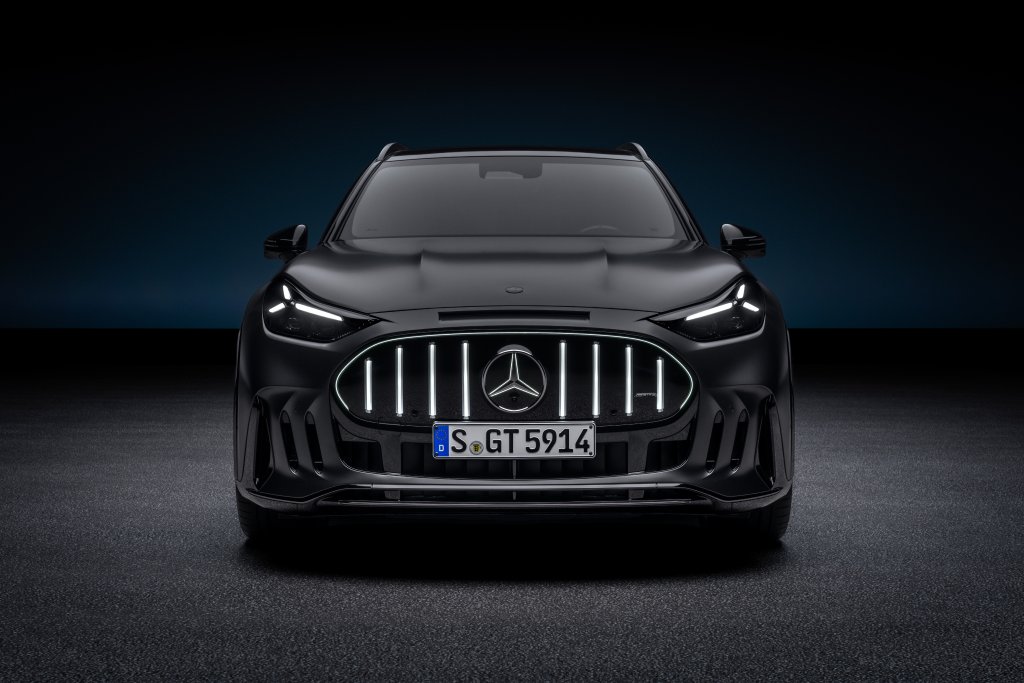
AMG has been putting its badge on fast SUVs since the late 1990s, but there was always a Mercedes-Benz underneath doing most of the work. That changes with the new Mercedes-AMG GT SUV. Revealed today, it’s the first full-size SUV Affalterbach has developed from a clean sheet in its 59-year history, and the second production car to ride on AMG.EA, the dedicated electric platform introduced with the recently unveiled GT 4-Door Coupe.
The spec sheet opens with a big number. In top GT 63 form, the SUV produces 1,153 hp, which is more than Ferrari’s all-electric Luce and arrives in a five-seater weighing close to 5,940 pounds. Mercedes-AMG chairman Stefan Weckbach described the car as “SUV by shape. GT by nature,” which is about as close to a mission statement as the press release gets.
U.S. buyers will see the 2028 GT SUV in dealerships in summer 2027, offered as the GT 63, GT 55 and GT 53. Mercedes hasn’t said anything about pricing yet.
Three Motors and an Oil-Cooled Battery
The two upper models borrow their drivetrain layout from the GT 4-Door Coupe. Two axial flux motors share a housing at the rear axle, and a third sits up front as a booster that only engages when the car needs more power or grip, then decouples when cruising. In the GT 63 that adds up to 1,153 hp and 1,475 lb-ft, while the GT 55 makes 805 hp and 1,372 lb-ft. More interesting than the peak figures is that both can hold 711 hp continuously, which matters far more on a track day than in a launch. AMG estimates the GT 63 will hit 60 mph in 2.4 seconds measured with a one-foot rollout, or 2.6 seconds without, and 124 mph in 6.8 seconds. Top speed is limited to 168 mph.
The GT 53 is the more conventional of the three. It uses two synchronous motors, one at each axle, for 536 hp and 590 lb-ft, and the rear unit drives through a two-speed gearbox with a short first gear for acceleration and city driving and a taller second for the highway. AMG’s estimate is 3.7 seconds to 60 mph with rollout and a 143-mph top speed.
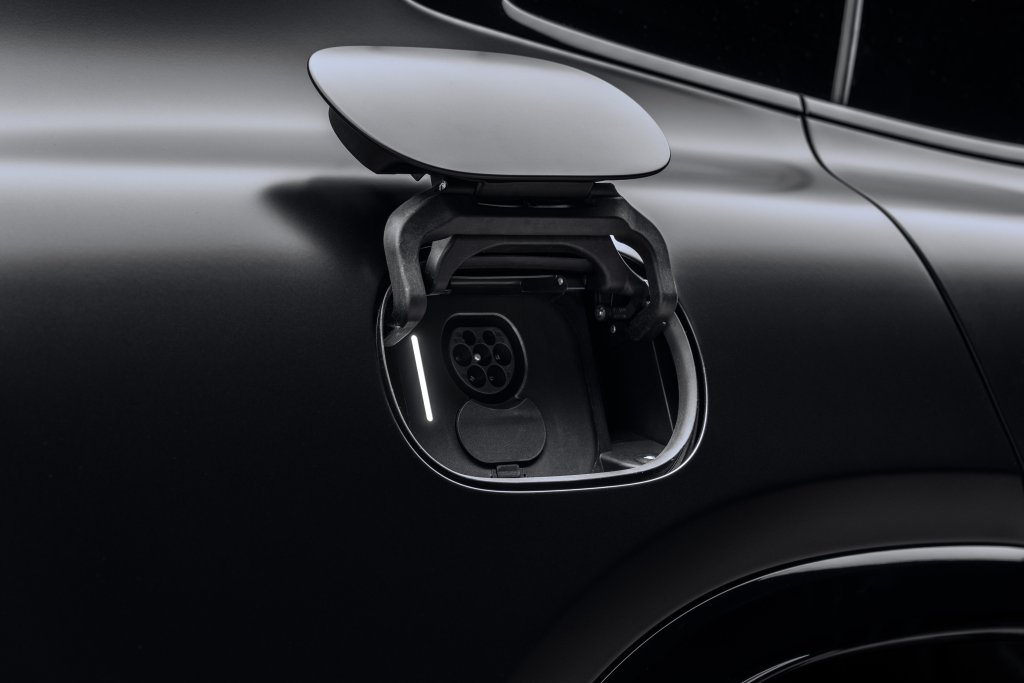
Mercedes credits its Formula 1 program for the battery design. Instead of large cells, the 800-volt pack uses small cylindrical ones about 4.1 inches tall and an inch wide, and each is bathed in a non-conductive oil that pulls heat straight out of it. The GT 63 and GT 55 get 128 kWh of usable capacity and the GT 53 gets 106 kWh. The bigger pack can charge at up to 710 kW on an 800-volt station, going from 10 to 80 percent in 12 minutes, and the GT 53 tops out at 600 kW. Mercedes quotes up to 700 km of WLTP range, or about 435 miles, but those figures are preliminary and the EPA number will almost certainly be lower. U.S. cars will use the NACS plug.
Hydraulics Instead of Anti-Roll Bars
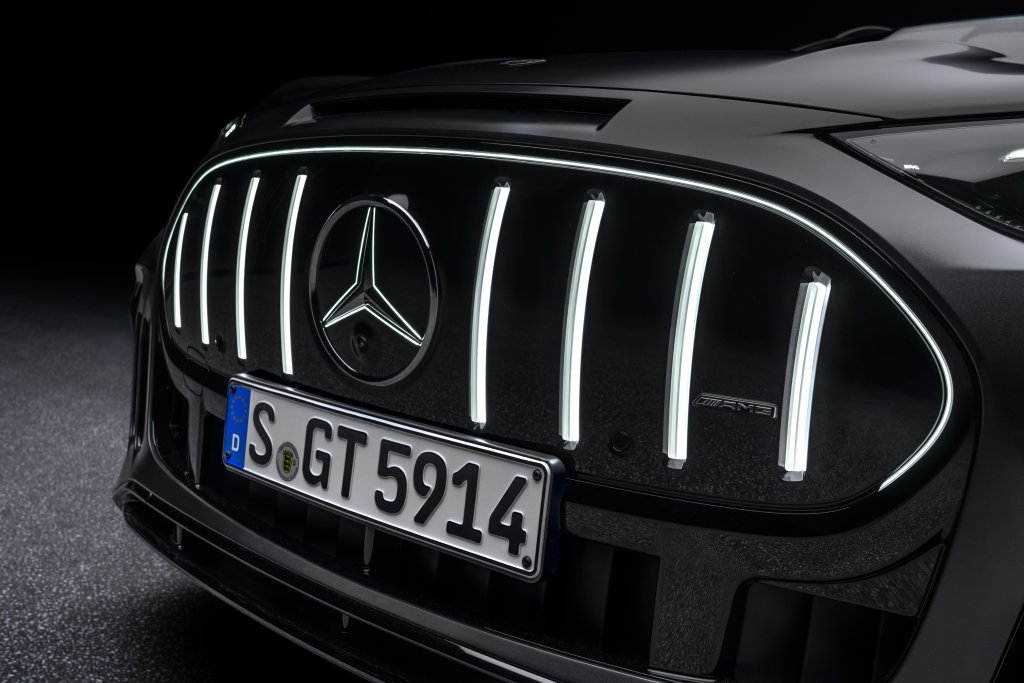
The chassis gets its own piece of new hardware. AMG ACTIVE RIDE CONTROL+, standard on the GT 63 and optional on the GT 55, does away with traditional anti-roll bars and uses hydraulic elements fed by a central pump to control roll in corners, dive under braking and squat under acceleration. Air springs with three settings and an 8.2-liter pressure reservoir let the car change ride height quickly, and it lowers itself at speed to cut drag.
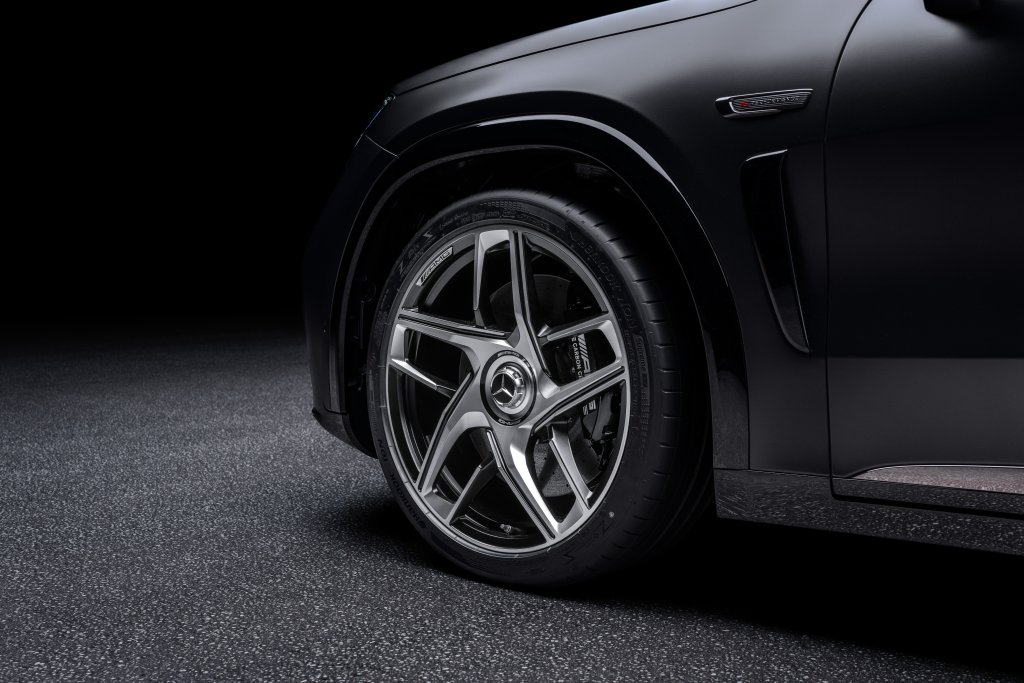
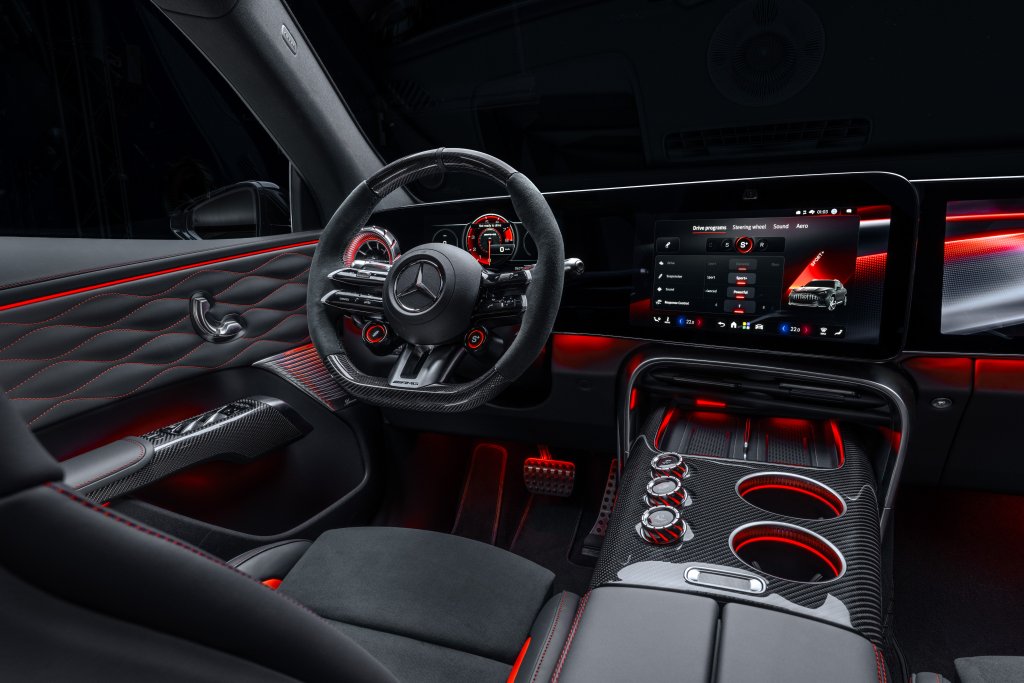
Rear-axle steering comes standard on every version. Under 50 mph the rear wheels turn up to 6 degrees against the fronts to make the SUV easier to place, and above that they turn slightly with the fronts for stability. The GT 63 gets carbon-ceramic brakes as standard, the GT 55 offers them as an option and the GT 53 makes do with steel. GT 63 owners also get three rotary dials on the center console for throttle response, torque split and traction control, which has nine settings.
Then there’s the sound. In AMGFORCE Sport+ mode, the GT 63 and GT 55 play back a V8 and the GT 53 a six-cylinder, and AMG is keen to point out these are real recordings, captured with 16 microphones on cars such as the AMG GT R, rather than synthesized tones. The mode also fakes gearshifts, lets the driver call them up with the paddles and adds a bit of seat vibration for effect. Ferrari went in the other direction with the Luce, choosing to amplify the actual noise coming from its rear axle.
Design and Cabin
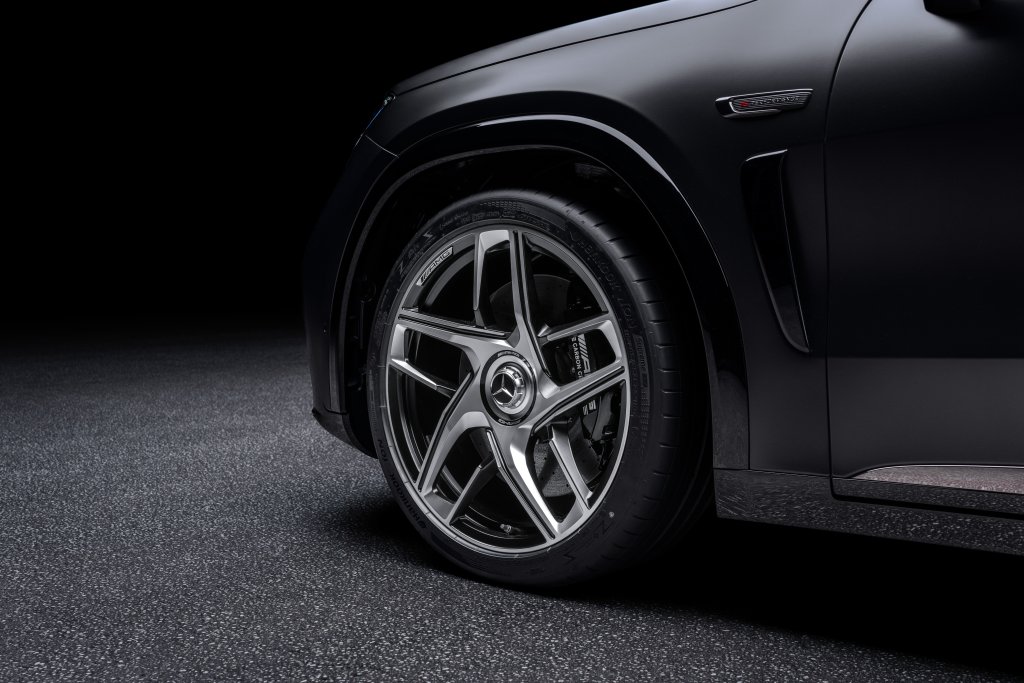
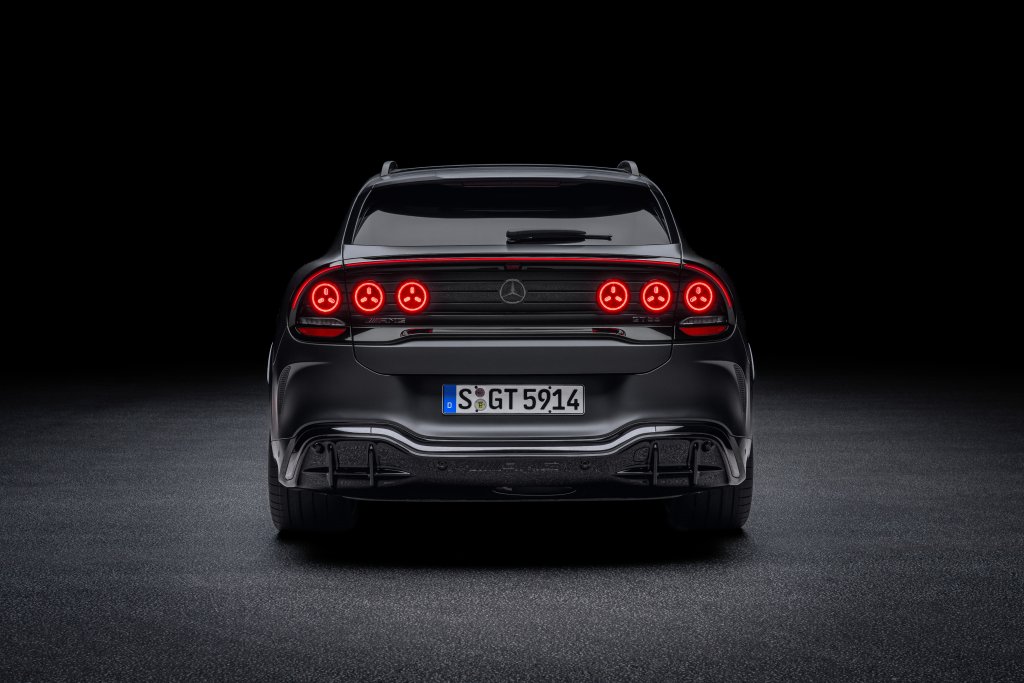
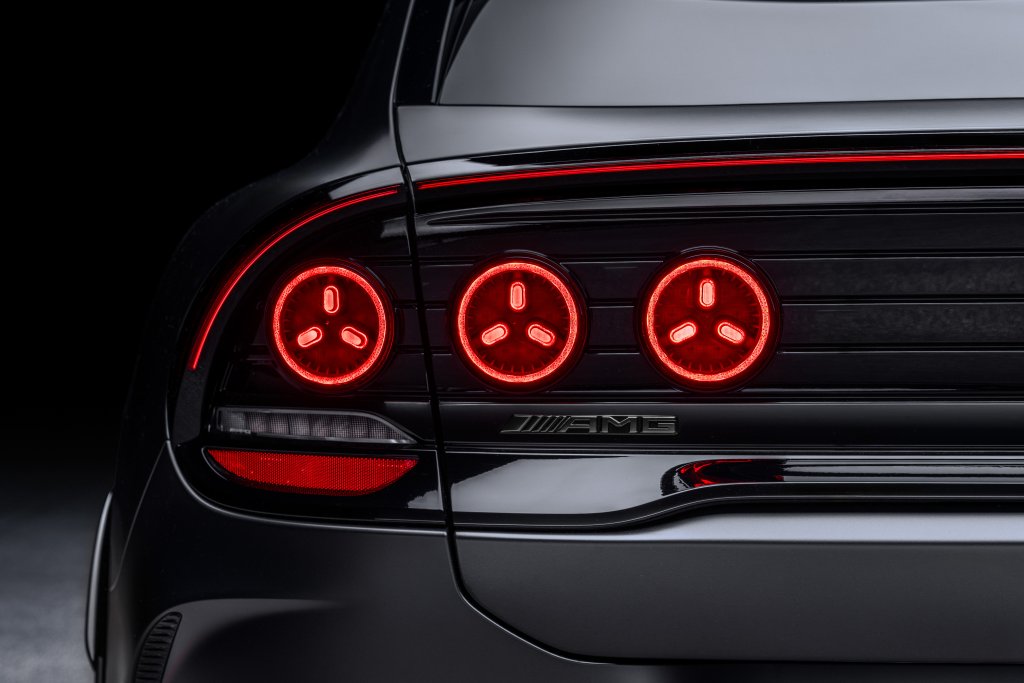
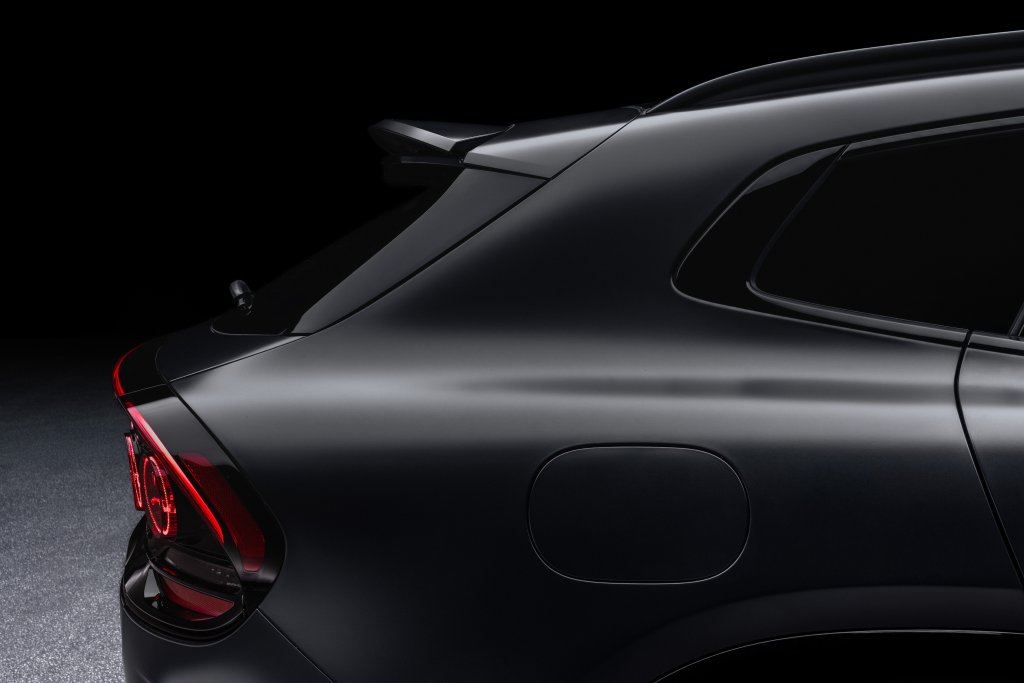
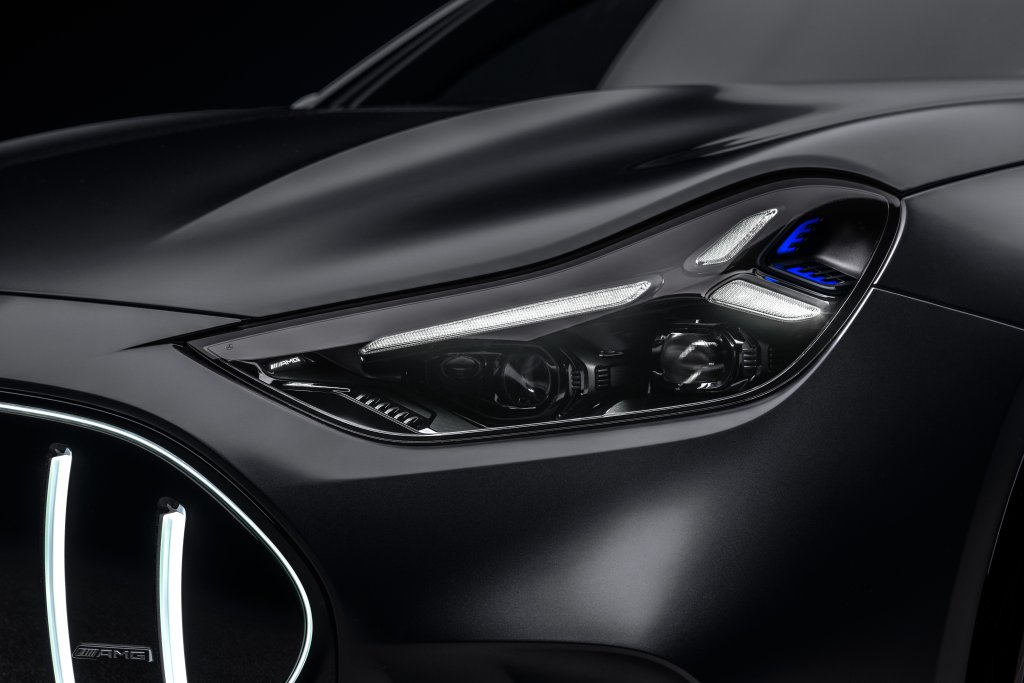
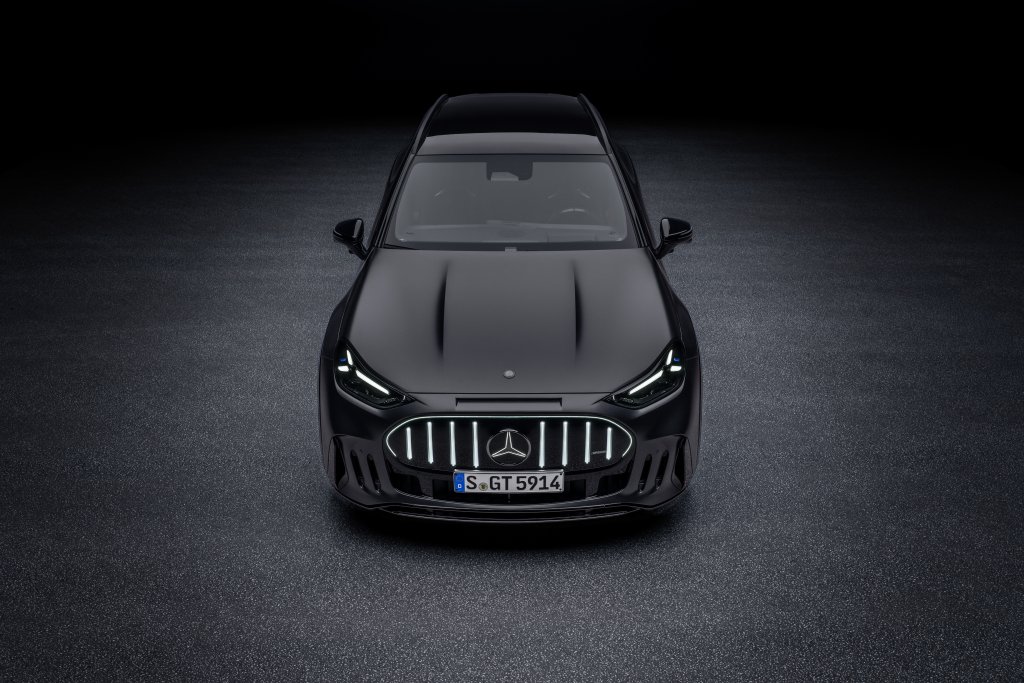
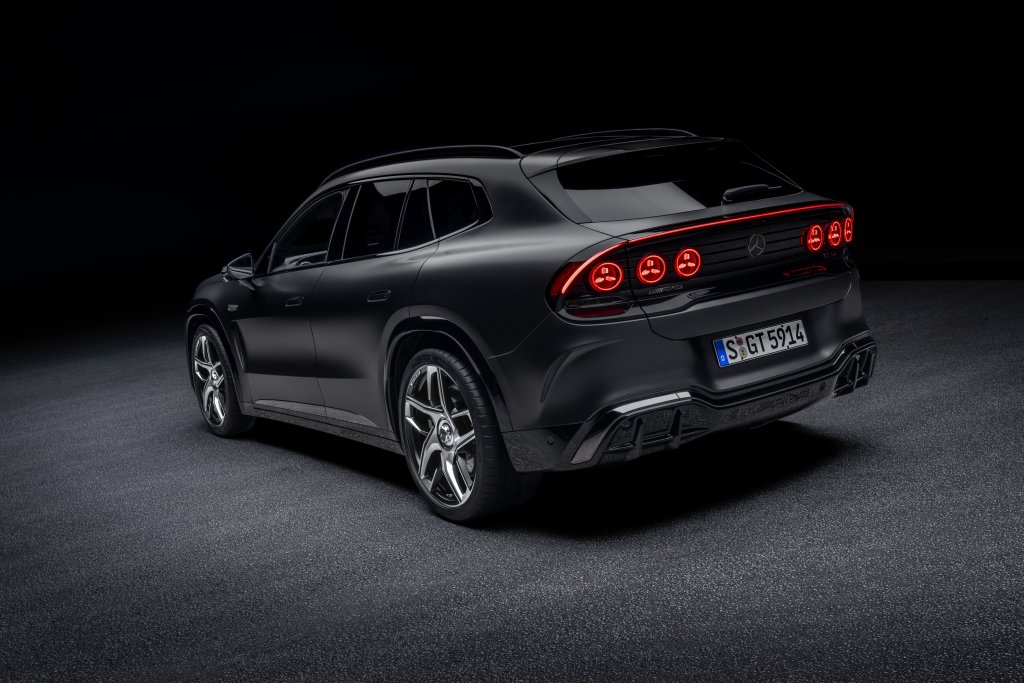
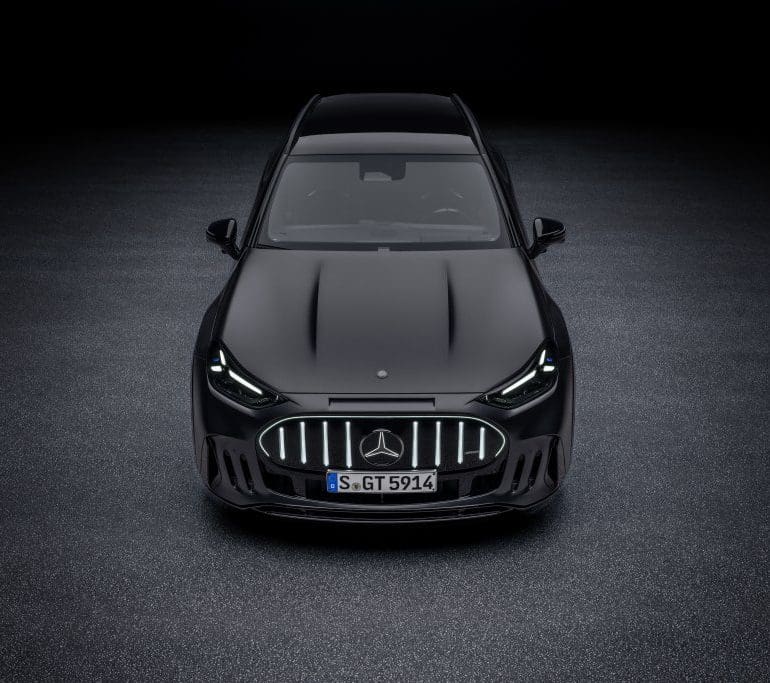
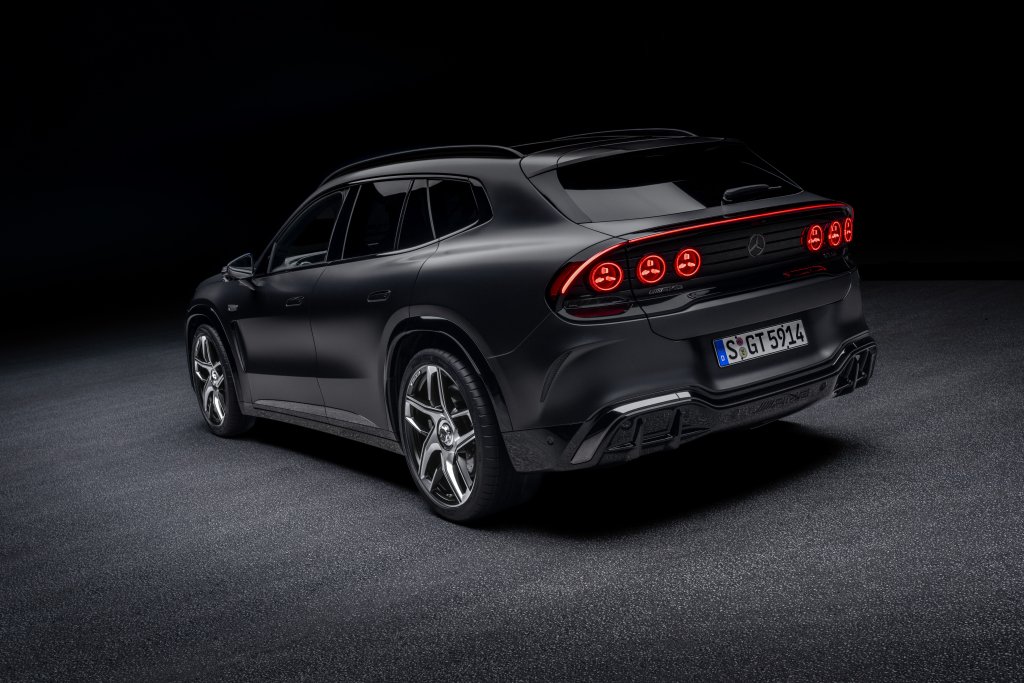
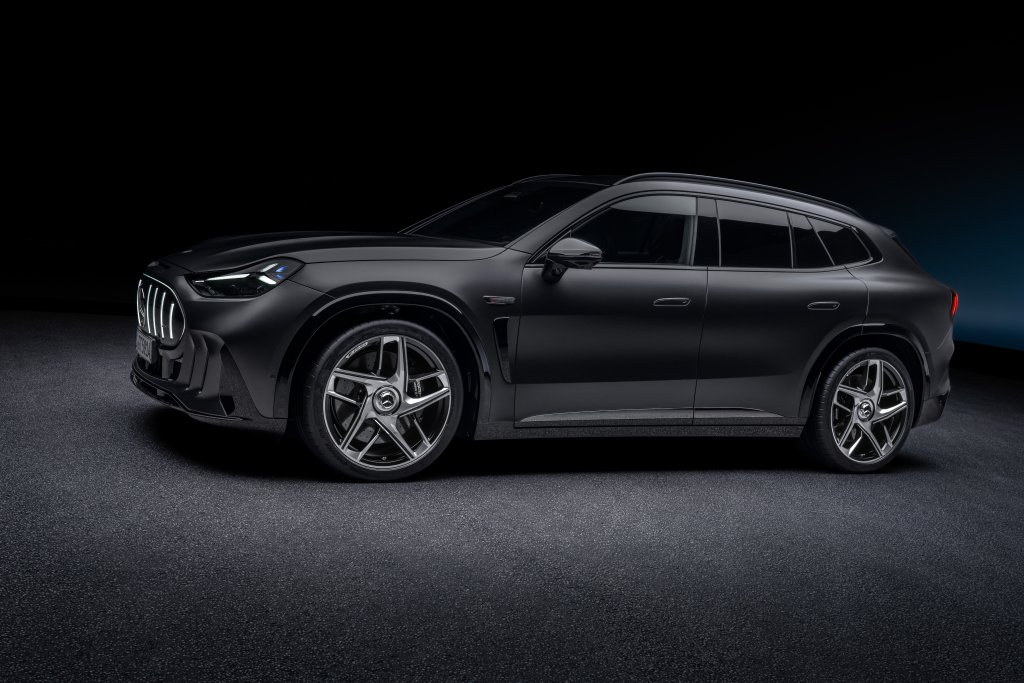
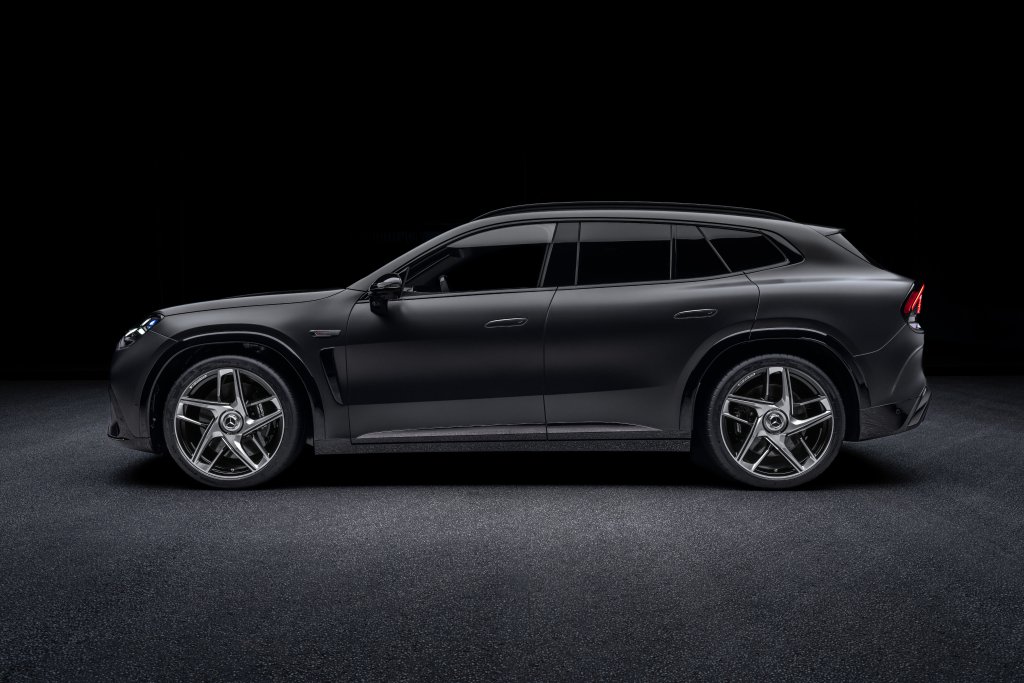
At 200.2 inches long and 65.2 inches tall on a 119.7-inch wheelbase, the GT SUV is a large vehicle, though the falling roofline, frameless windows and six round taillights do a good job of disguising it. The GT 63 and GT 55 carry an active roof spoiler that changes angle with speed, and louvers in the front bumper stay shut unless something needs cooling, which helps the top models reach a 0.27 drag coefficient.
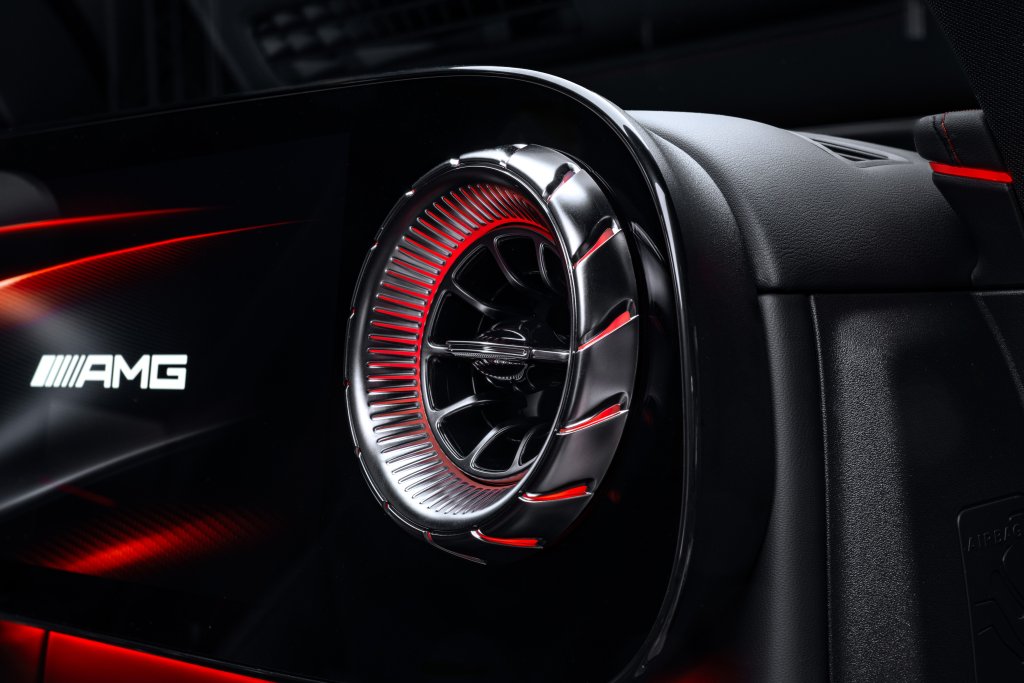
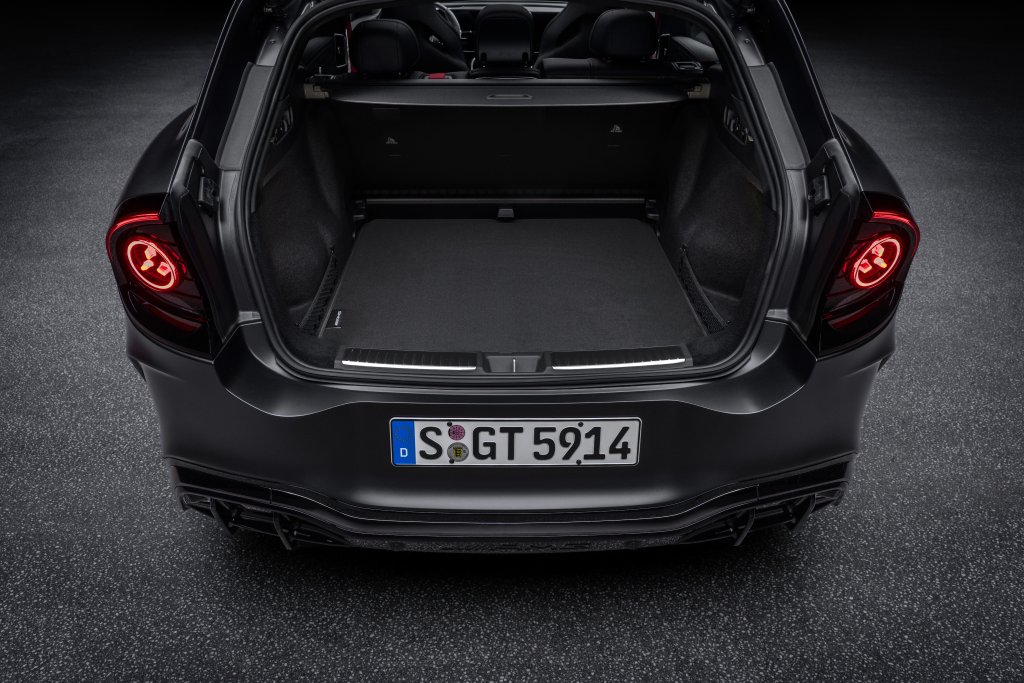
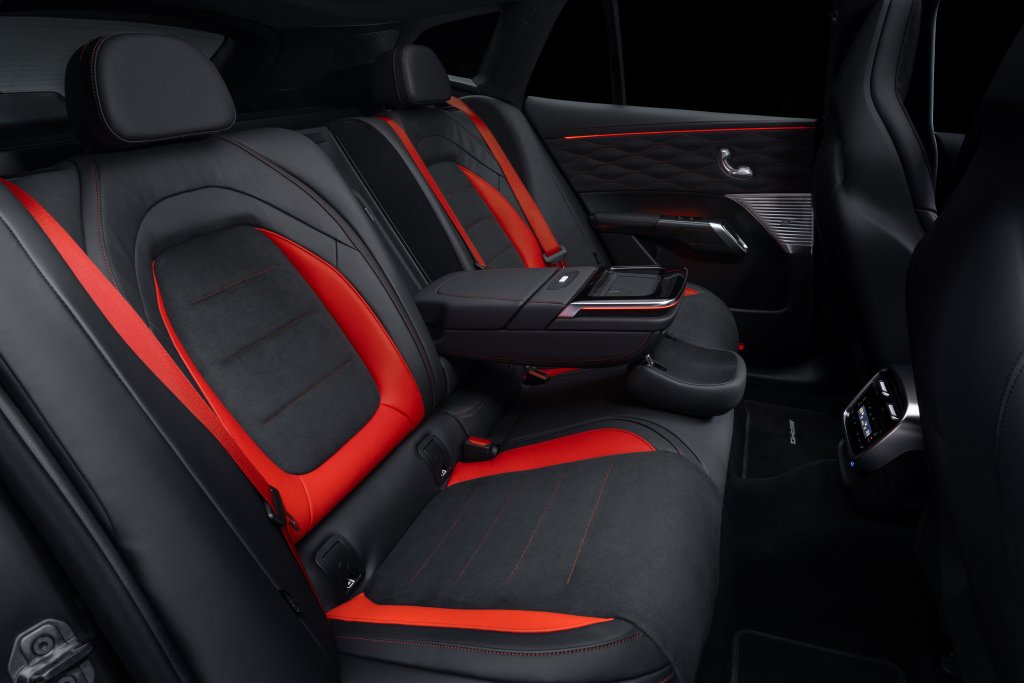
The driver sits lower than in most SUVs, looking at a 14-inch touchscreen tilted toward them and a 10.2-inch instrument display that reads as one panel. A matching 14-inch screen for the passenger is optional. The rear bench seats three, and luggage space comes to 21.4 cubic feet in the back with another 2.8 cubic feet under the hood. Mercedes’ MB.OS software runs the MBUX infotainment, which pulls in AI assistants from ChatGPT, Microsoft and Google, and track-day owners get the AMG Track Pace app, logging more than 80 data points ten times a second.
Built in Sindelfingen
Production will take place in Hall 32 at Sindelfingen, which Mercedes refitted for AMG.EA cars. The plant, which opened in 1915, will also stamp, assemble and paint the bodies.
The GT SUV lands at a moment when much of the performance world is easing off electric cars. Lamborghini scrapped its planned EV, and McLaren and Aston Martin have both stepped back from earlier promises. AMG now has two cars on a purpose-built electric platform, and how buyers respond to this one will say a lot about whether that bet pays off.
Read the full press release here.
Gallery