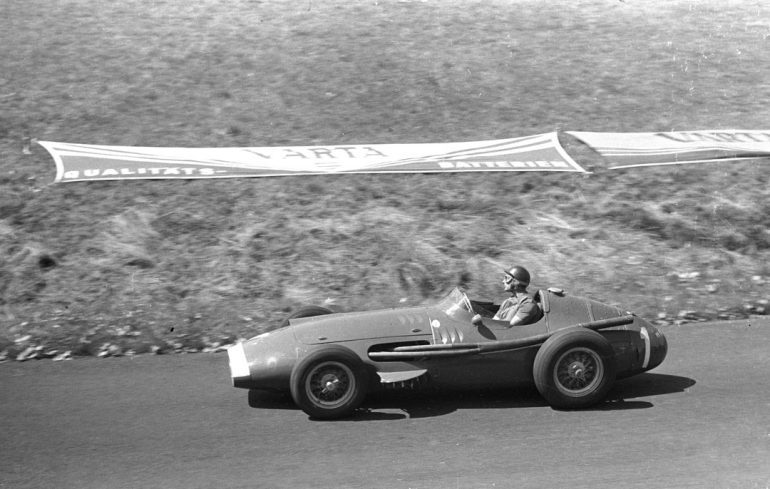


It took a racing department of 240 people and a huge budget to put Michael Schumacher on top of the world and make him the third millennium’s first Formula One champion driver. A department bursting at the seams with people who receive little outside recognition of their efforts, while the title holder savors the international public adulation their hard work—and, in Schumacher’s case, the Ferrari F1-2000 they designed, developed and ran—has brought him.

Yet no one means to sideline the members of a racing department and its suppliers, it just happens: it is the nature of the job. However, without the men and women who make a race team successful—the designers, engine specialists, aerodynamicists, mechanics, tire fitters, fuellers, secretaries and so on—none of our heroes would have become, well, heroes.

Members only$29 / year

Keep going. This is where it gets good.

Supercars.net Membership is for people who'd rather know the spec sheet by heart than skim ten headlines. The rest of this story — and every other one like it — is a few seconds away.

  • Thousands of members-only stories

    Deep dives, driven reviews and the full archive back to 2005.

  • No ads. None.

    The whole site reads like a magazine, on every device.

  • Every car, every spec

    Twenty years of models, numbers and history in one place.

  • 30% off the shop

    Every Supercars.net shirt and piece of merch, all year.

Join Supercars.net — Keep Reading

$29 a year. Cancel anytime, no hoops.
Already a member? Sign in

BY CAR PEOPLE, NOT A NAMELESS MEDIA COMPANY. Your membership keeps a small independent team that celebrates the brands and cars that defined this industry doing this.

Join — Keep Reading $29/yr