
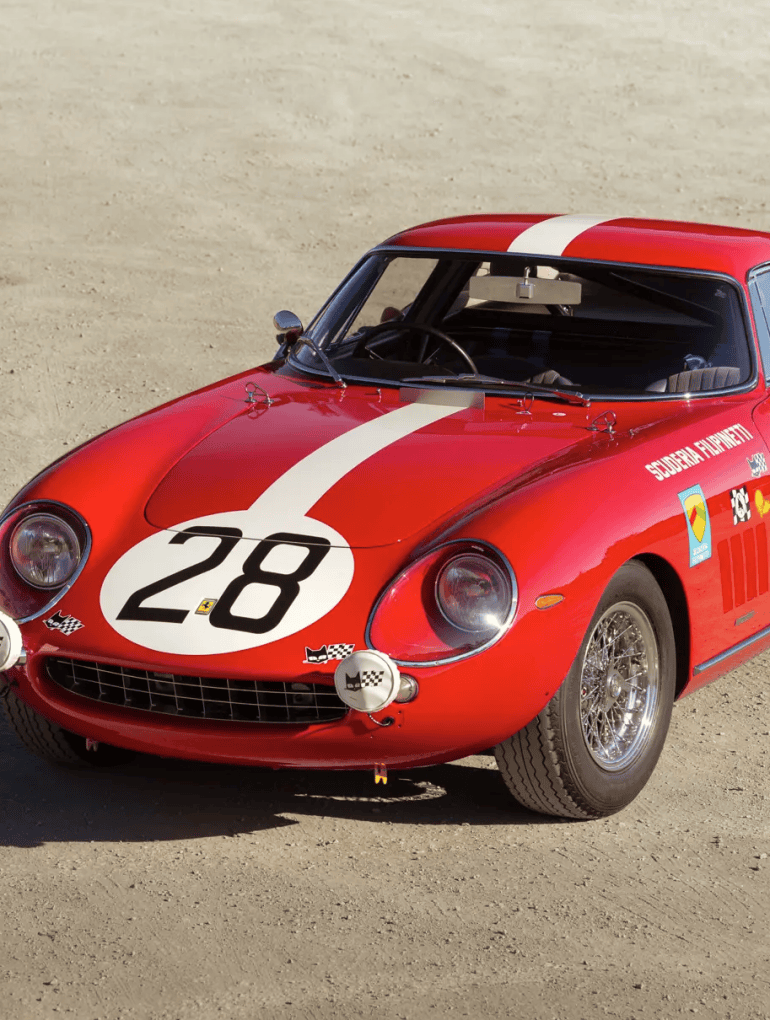

Geneva Motor Show, March 1966. Ferrari introduced the 275 GTB/C Berlinetta Competizione, a revolutionary lightweight homologation special celebrating that racing excellence and mechanical sophistication could establish genuine competition capability within practical grand touring parameters. Designed under Mauro Forghieri’s supervision with bodywork fabricated by Carrozzeria Scaglietti, this was Maranello’s declaration that elegant engineering and meticulous weight reduction could create something genuinely transcendent: the 3.3-liter naturally aspirated V12 produced 280 horsepower at 7,700 rpm in standard form and up to 300 horsepower in full race trim, delivering 152 mph capability from an aluminum-bodied chassis weighing approximately 980 to 1,020 kilograms.
The GTB/C could accelerate from 0-60 mph in approximately 5.9 seconds, establishing credentials rivaling contemporary competition while maintaining the refined character expected from Ferrari grand tourers. Production ran during 1966 onward, with exactly 12 examples built—an extraordinarily limited production reflecting the car’s exclusive competition positioning and hand-built construction—establishing the 275 GTB/C as perhaps the rarest and most collectible Ferrari of its generation.
Background and Origins
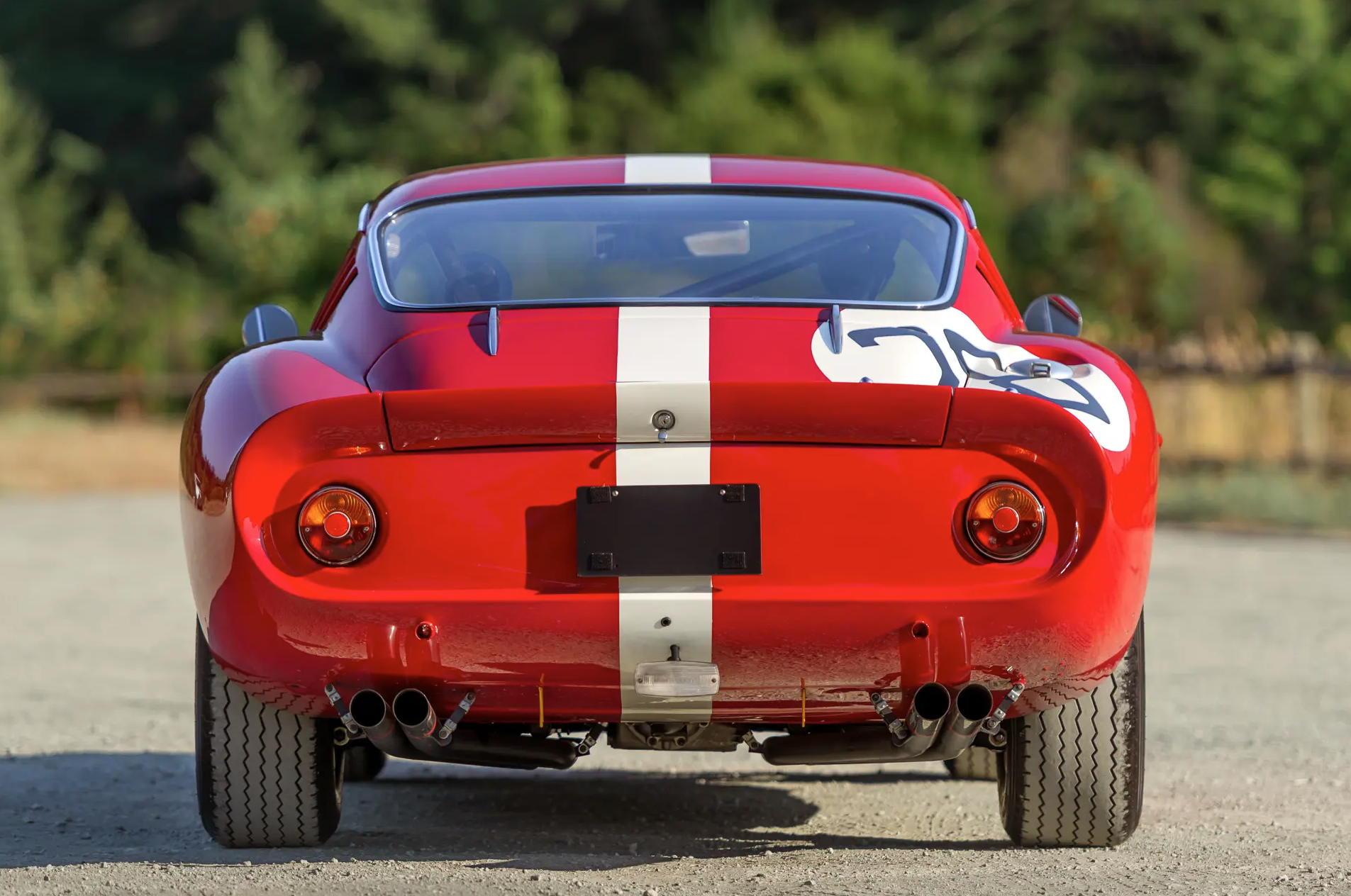
The 275 GTB/C emerged from Ferrari’s recognition that the 275 GTB platform possessed extraordinary development potential within Group 3 GT racing regulations. Rather than develop something entirely new, Maranello management determined that systematic lightweighting, engine optimization, and suspension refinement would establish a genuinely competitive road-racing machine. Mauro Forghieri’s engineering team, working in collaboration with Pininfarina on the overall design direction and Carrozzeria Scaglietti for exclusive lightweight fabrication, approached the project through racing-first philosophy: eliminate unnecessary weight, maximize mechanical purity, and celebrate that authentic performance required uncompromising dedication to essentials.
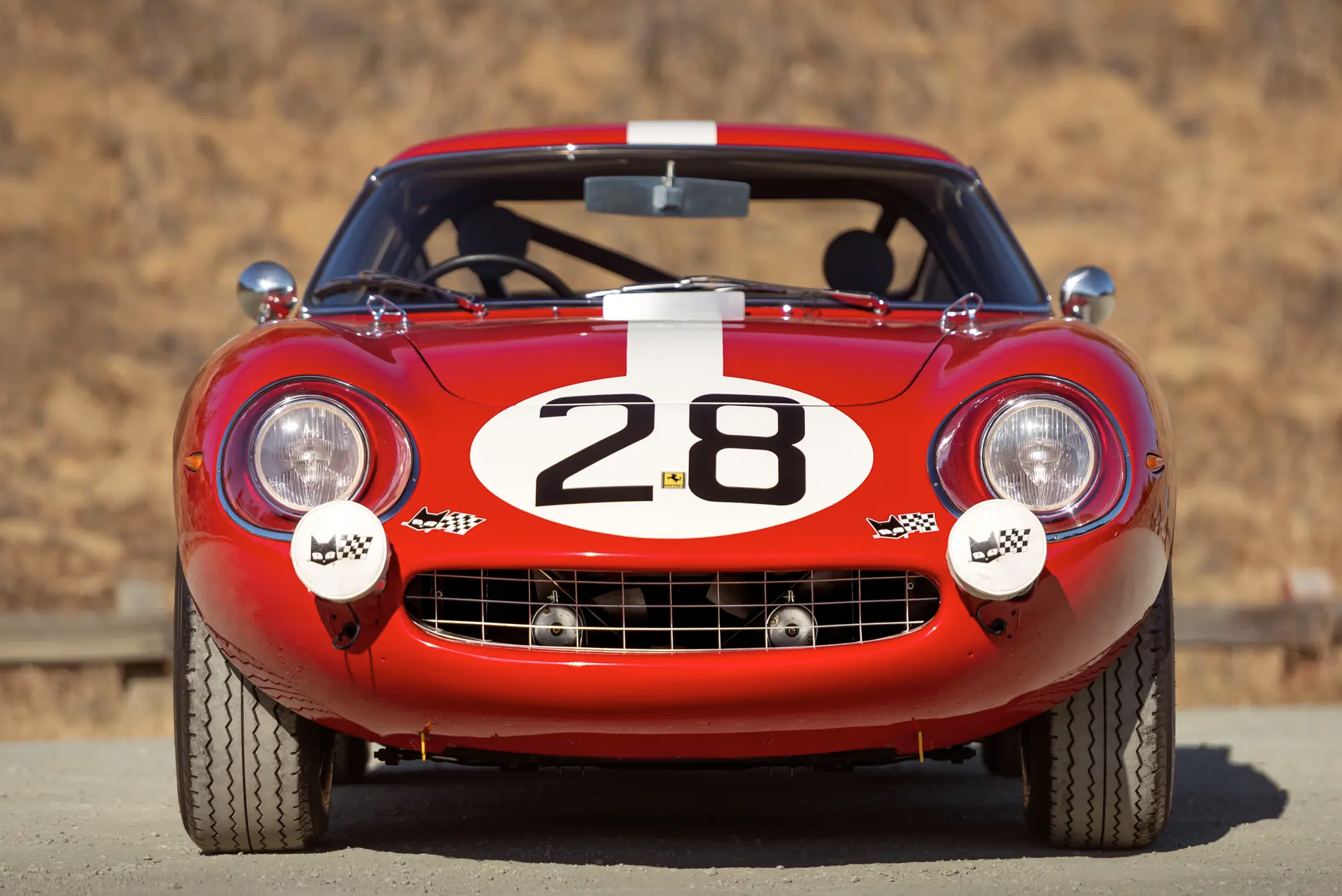
The concept traced directly to racing success: the 250 LM, though refused homologation by the FIA, had demonstrated that Italian machinery could compete at the highest levels. The GTB/C represented Maranello’s response: a front-engined lightweight creation that would establish competition credentials while maintaining the practical grand touring character that defined Ferrari’s road-car philosophy.
Design and Engineering
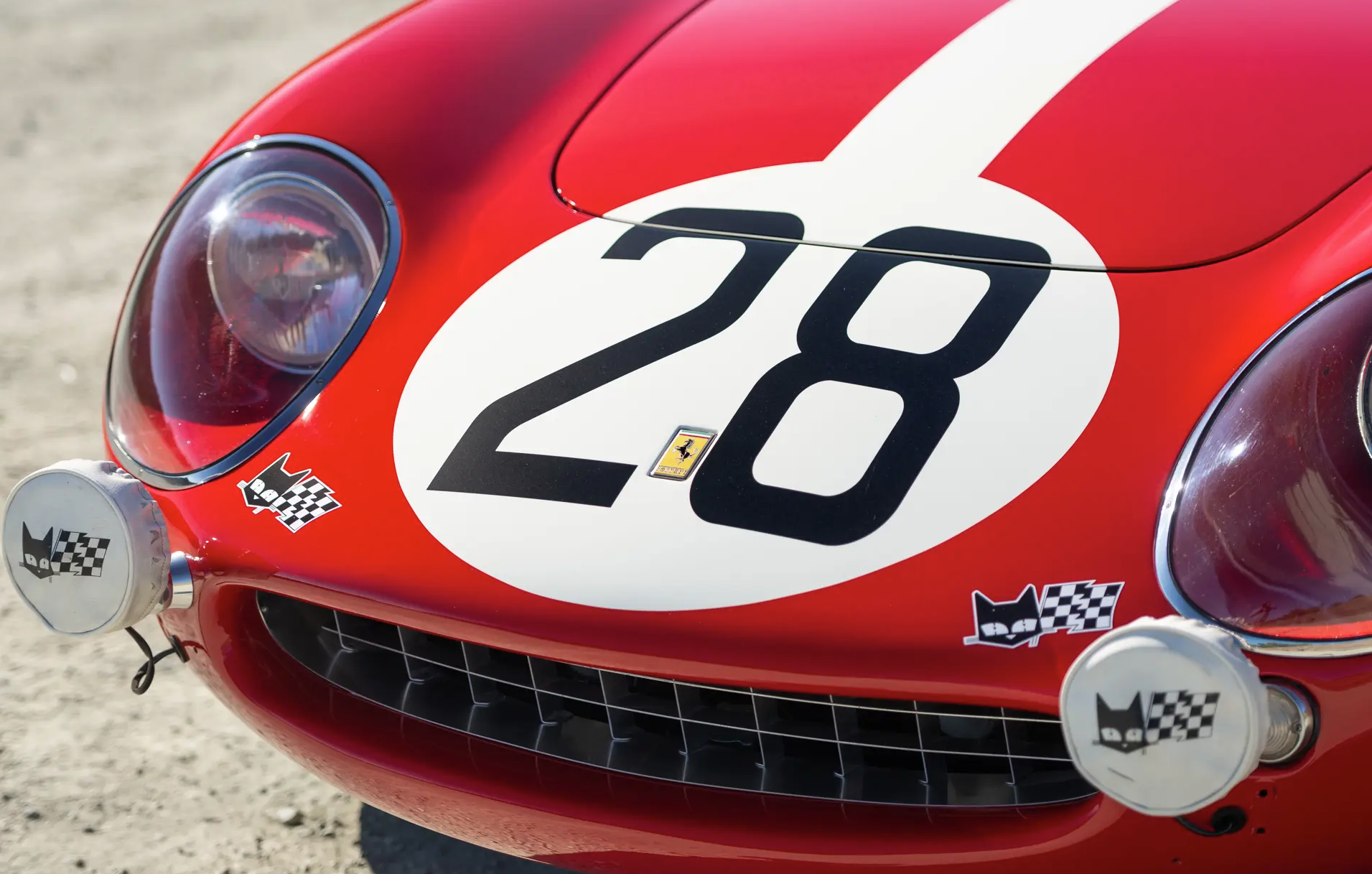
Pininfarina’s elegant proportions were retained from the standard 275 GTB, but Carrozzeria Scaglietti’s comprehensive weight-reduction modifications created distinctiveness immediately recognizable to informed observers. Most dramatically, Scaglietti fabricated the bodywork exclusively from ultra-thin gauge aluminum alloy—some panels measuring as thin as 0.028 inches (0.7 millimeters)—replacing conventional steel construction. This methodical substitution, rather than revolutionary change, maintained structural integrity while achieving extraordinary weight targets. The chassis featured streamlined design optimizations, rigidly mounted torque tube driveline, and systematic elimination of comfort features, establishing a machine that was fundamentally a race car wearing street-legal credentials.
Plexiglas side and rear windows replaced conventional glass, contributing further to weight reduction while maintaining practical visibility. Magnesium alloy engine castings complemented the comprehensive lightweighting program. The Type 590A lightweight chassis tubing provided structural rigidity without unnecessary mass.
Suspension featured independent double-wishbone geometry front and rear with coil springs and sophisticated dampers, the calibration optimized for genuine circuit performance. Anti-roll bars provided cornering control appropriate for competitive driving. The rear-mounted transaxle represented revolutionary packaging for the era, establishing superior weight distribution compared to conventional contemporaries. The upgraded torque tube driveline rigidly connected the front-mounted engine directly to the rear transaxle, eliminating alignment and vibration issues that plagued earlier open-driveshaft 275 configurations. Braking was by four-wheel disc systems providing powerful stopping power adequate for the GTB/C’s acceleration.
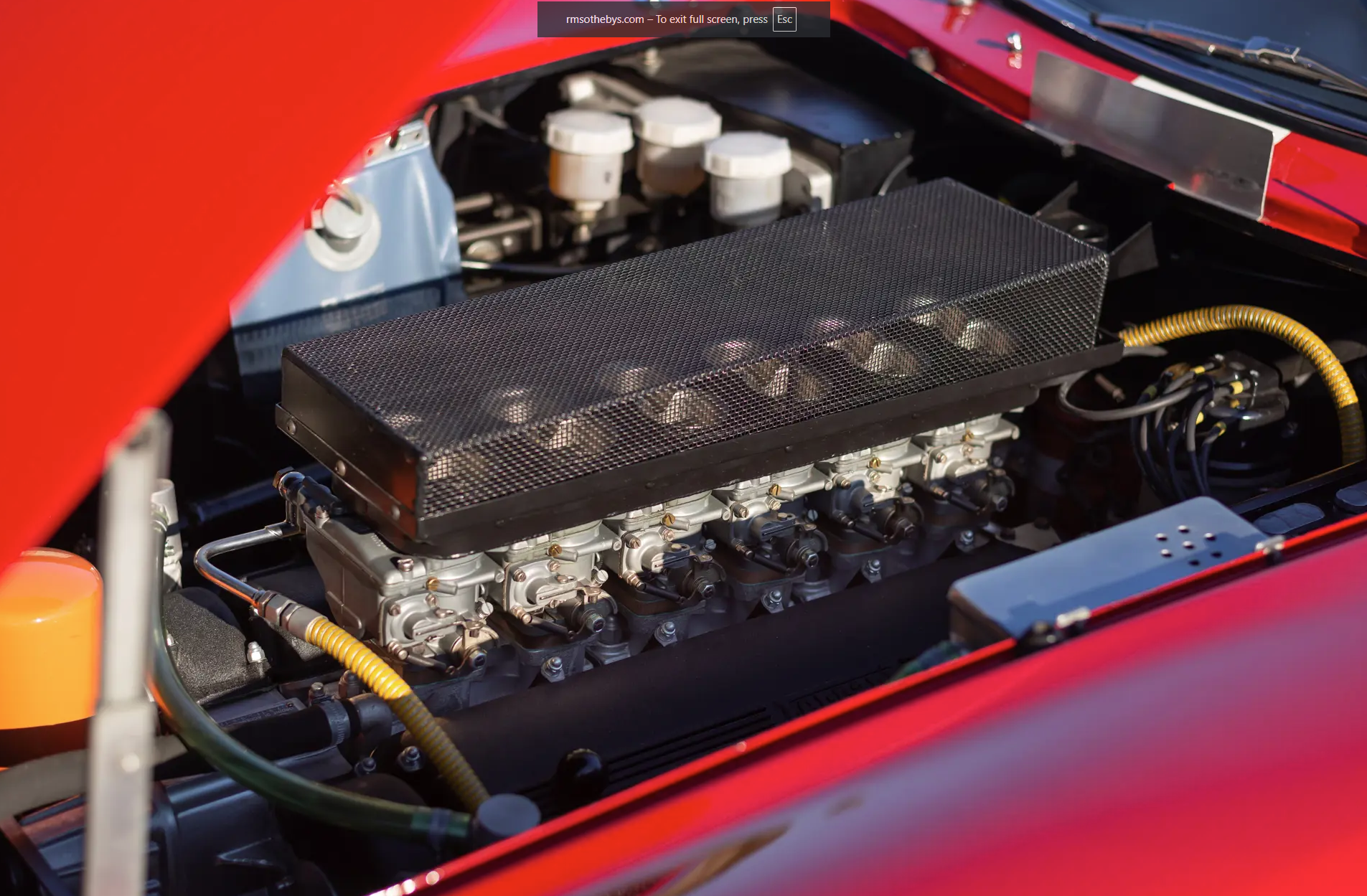
The naturally aspirated 3.3-liter Colombo V12 represented the Tipo 213/Comp specification, featuring a Single Overhead Camshaft per cylinder bank (two camshafts total)—the SOHC configuration that remained standard until the quad-cam 275 GTB/4 arrived later in 1966. The engine delivered 280 horsepower at 7,700 rpm in standard tune and up to 300 horsepower in full race specification, with 217 lb-ft of torque at 5,000 rpm. The engine featured dry-sump lubrication—a racing-essential technology—maintaining oil supply during sustained high-speed driving regardless of cornering forces.
Competition models typically utilized a six-carburetor setup with Weber twin-choke units feeding the 3.3L V12 in race trim, while standard road-oriented examples employed three Weber carburetors. The 60-degree V12 architecture established the mechanical character that defined Ferrari’s performance identity. A compression ratio of 9.5:1 optimized power delivery across practical driving scenarios.
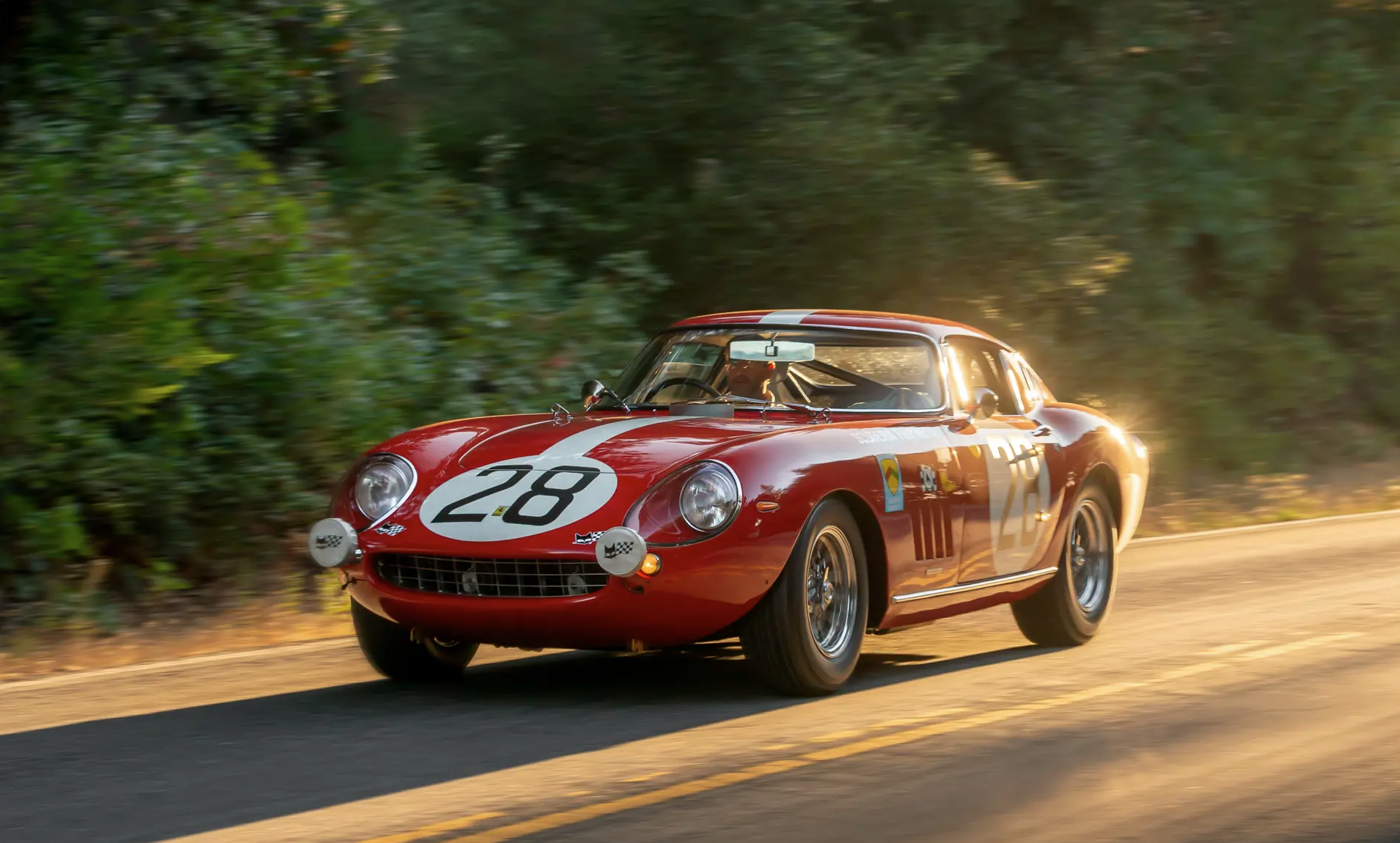
The five-speed manual transaxle featured Porsche-style synchromesh and mechanical limited-slip differential, providing responsive engagement while managing torque distribution effectively. The rigid torque tube—implemented specifically to resolve driveline issues—facilitated consistent power delivery under racing stress. This emphasis on mechanical directness reflected Ferrari philosophy celebrating driver connection over technological intervention.
Weight reduction achieved through aluminum bodywork and systematic deletion of unnecessary equipment amounted to approximately 200 kilograms compared to standard steel 275 GTB specification, establishing the GTB/C at approximately 980 to 1,020 kilograms dry weight. This extraordinary lightness combined with the V12’s responsive power delivery created performance credentials genuinely rivaling purpose-built competition machinery.
Styling
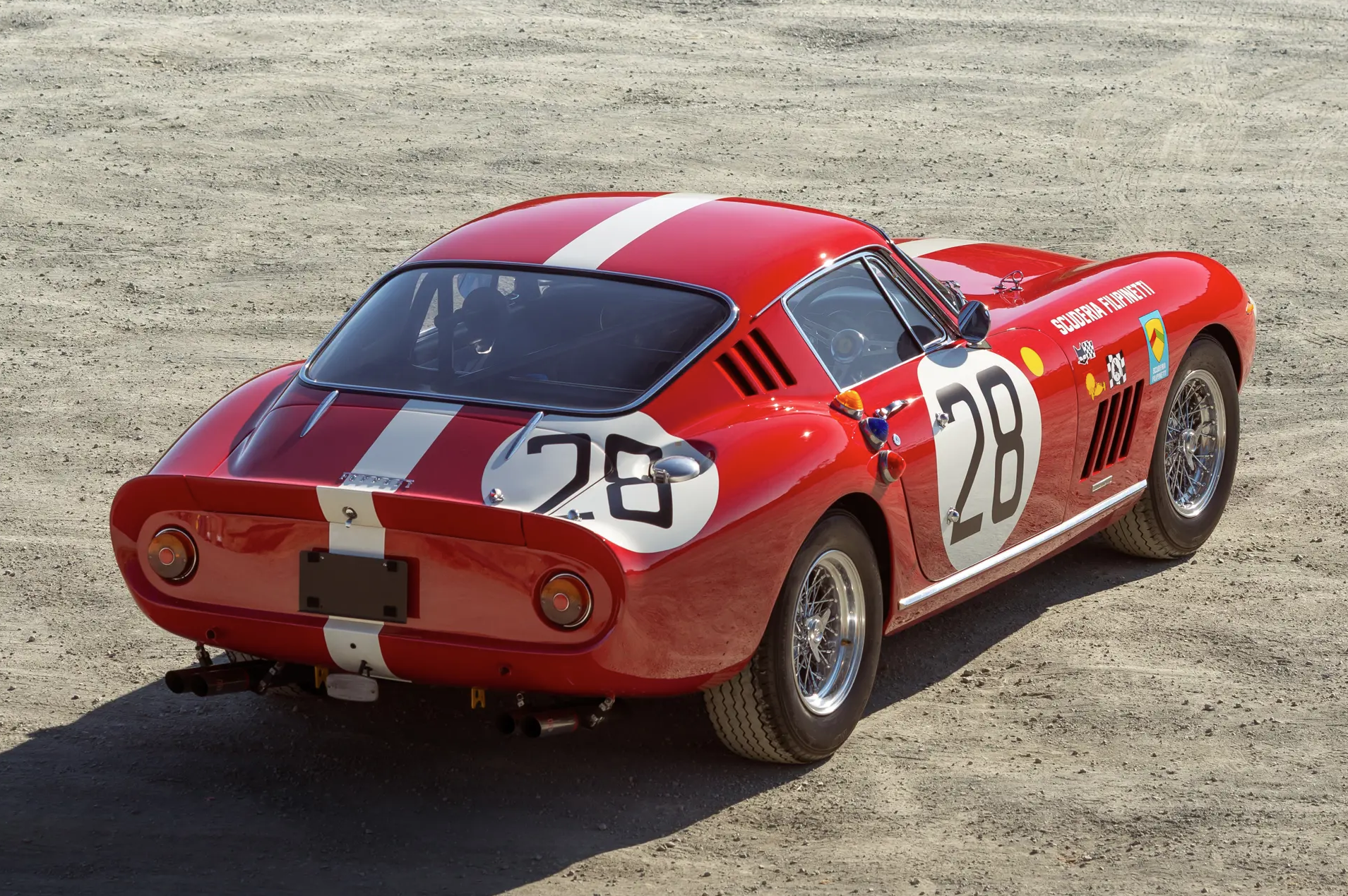
Pininfarina’s proportions created timeless visual elegance reflecting form-follows-function principle. The streamlined profile, rather than featuring aggressive ornamentation, suggested performance through refined proportion and efficient aerodynamic design. The long hood accommodating the longitudinally-mounted engine established classic grand tourer proportions, while the compact cabin emphasized driver engagement. Most GTB/C examples were finished in traditional Ferrari colors: Rosso Corsa red celebrating racing heritage, or elegant blacks and silvers reflecting understated performance philosophy. The visual restraint suggested that genuine performance required no theatrical styling drama.
Interior
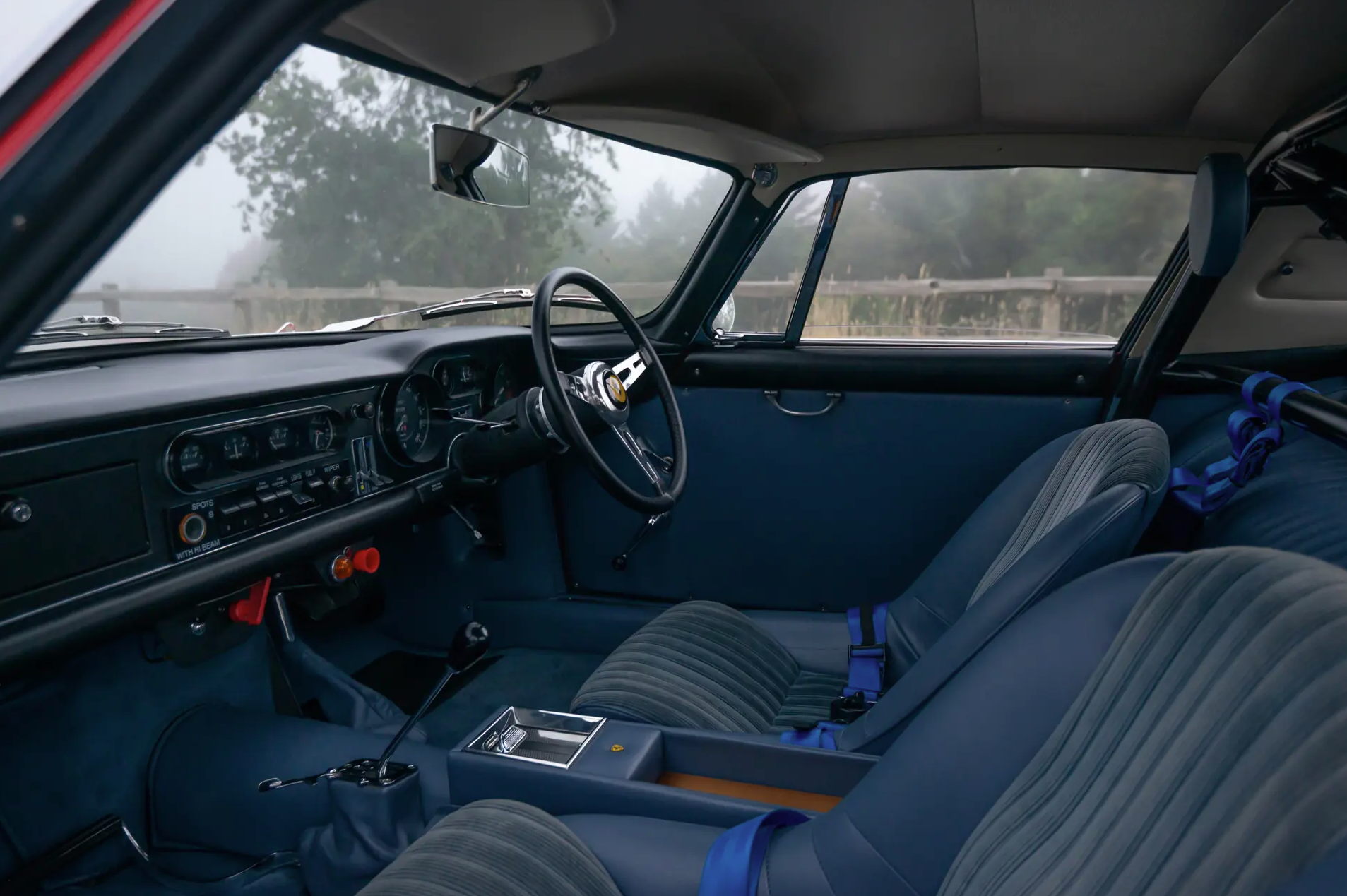
The cabin emphasized uncompromising performance through systematic elimination of unnecessary comfort features. Period-appropriate bucket seats upholstered in vinyl, leatherette, or cloth provided lateral support during aggressive driving while maintaining minimal mass. The driving position was commanding and well-balanced, with all controls falling naturally to hand. Straightforward instrumentation displayed essential parameters: tachometer, fuel level, and speedometer necessary for exploiting the V12’s full potential. The overall atmosphere celebrated that authentic racing machinery required accepting practical compromises: this was fundamentally a competition car wearing street-legal registration, not a luxury grand tourer with performance pretensions.
Specifications
- Engine: Ferrari Tipo 213/Comp naturally aspirated V12, 3,286cc, SOHC per bank (two camshafts total), two valves per cylinder
- Power: 280 PS / 276 hp at 7,700 rpm (standard); up to 300+ hp in full race specification
- Torque: 217 lb-ft / 294 N·m at 5,000 rpm
- Transmission: Five-speed manual with synchromesh, rear-wheel drive with torque tube
- Chassis: Aluminum alloy ultra-lightweight bodywork fabricated by Carrozzeria Scaglietti on Type 590A lightweight chassis tubing, 2,400mm wheelbase
- Suspension: Independent double wishbones (front and rear), coil springs
- Brakes: Four-wheel ventilated discs with hydraulic actuation
- Wheels: 15-inch alloy, period-appropriate tires
- Weight: Approximately 980-1,020 kg / 2,160-2,250 lbs dry/curb weight
- Performance: 152 mph / 244 km/h top speed, 0-60 mph in 5.9 seconds
Racing History
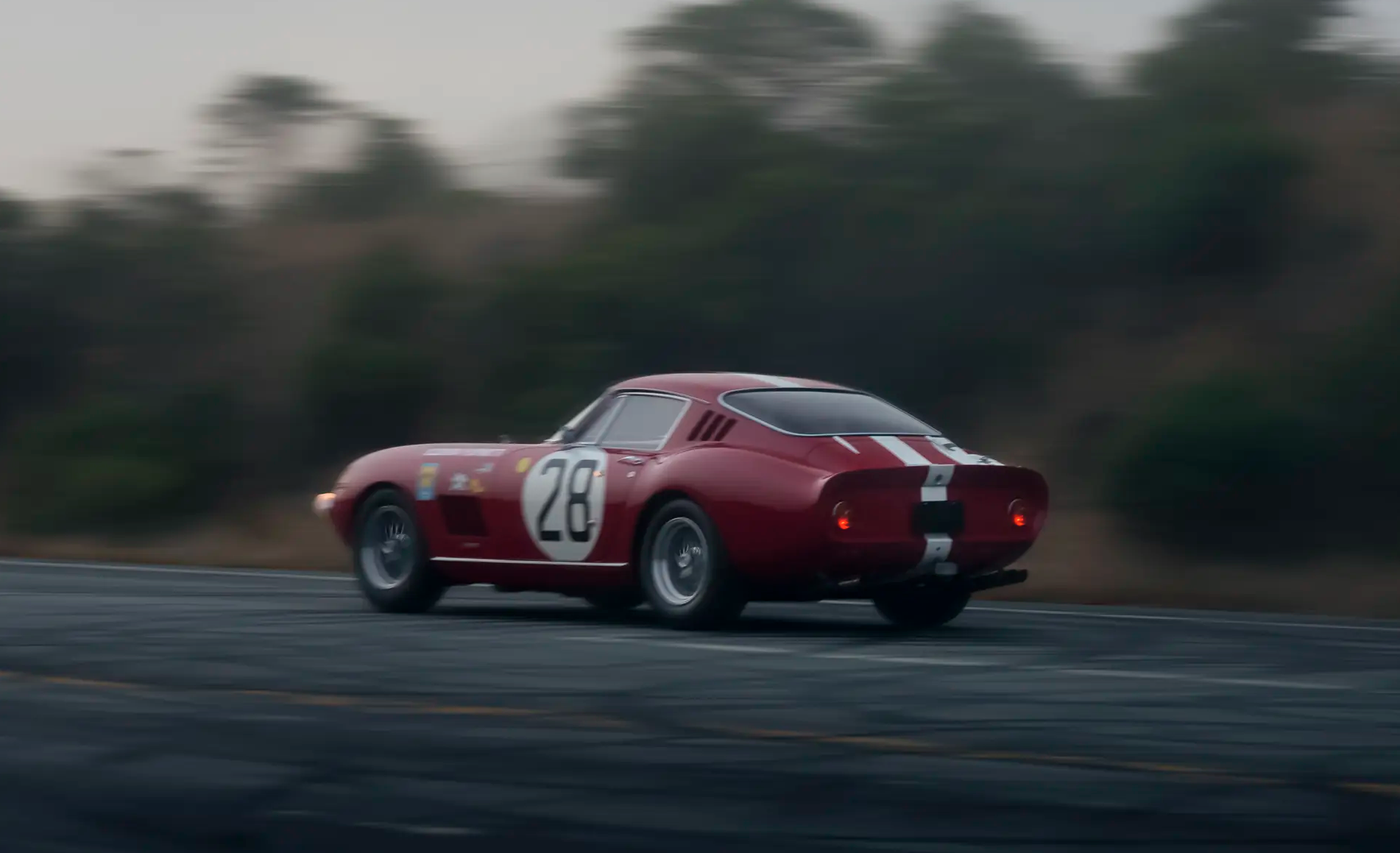
The 275 GTB/C competed in international GT racing from its 1966 introduction, establishing genuine performance credentials through racing success. Lightweight construction and meticulous engine optimization enabled competitive capability against purpose-built racing machinery while maintaining practical road-car usability. The combination of Ferrari’s renowned reliability and sophisticated engineering established the GTB/C as genuinely competitive platform within international GT competition.
Production and Legacy
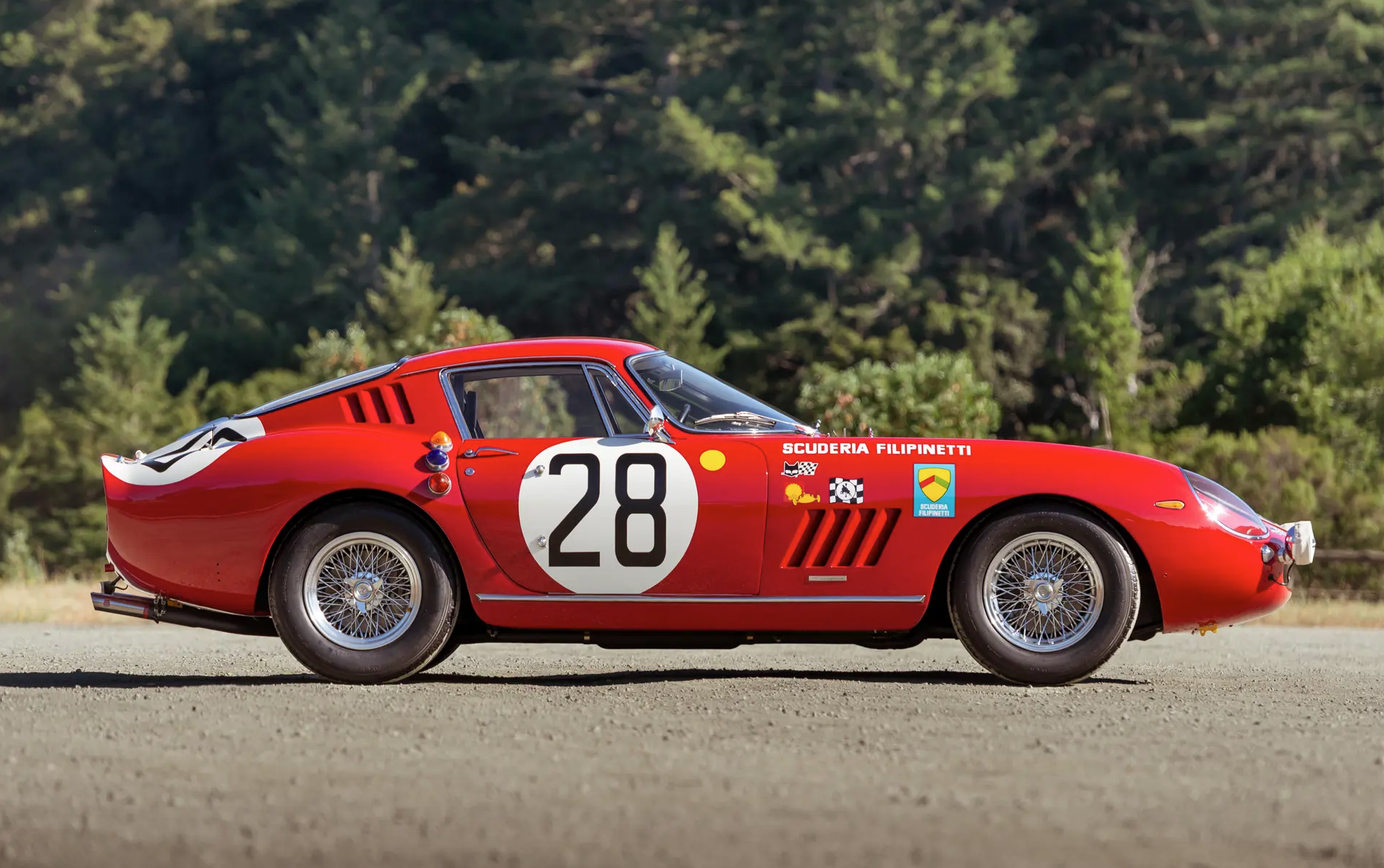
Ferrari hand-assembled exactly 12 examples of the 275 GTB/C (Type 06882 chassis) at Modena, with Carrozzeria Scaglietti exclusively fabricating the ultra-thin aluminum bodywork between 1966 and the late 1960s. Each car received meticulous assembly reflecting Ferrari’s manufacturing standards and individual engineering optimization. The extraordinarily limited production reflected the car’s exclusive competition positioning, available only to customers demonstrating appropriate commitment to genuine performance and racing involvement.
The 275 GTB/C proved that lightweight engineering and mechanical sophistication could establish genuine competition capability within practical grand touring parameters. The combination of aluminum construction, dry-sump V12 power, and racing-first engineering established templates influencing performance car development for generations.
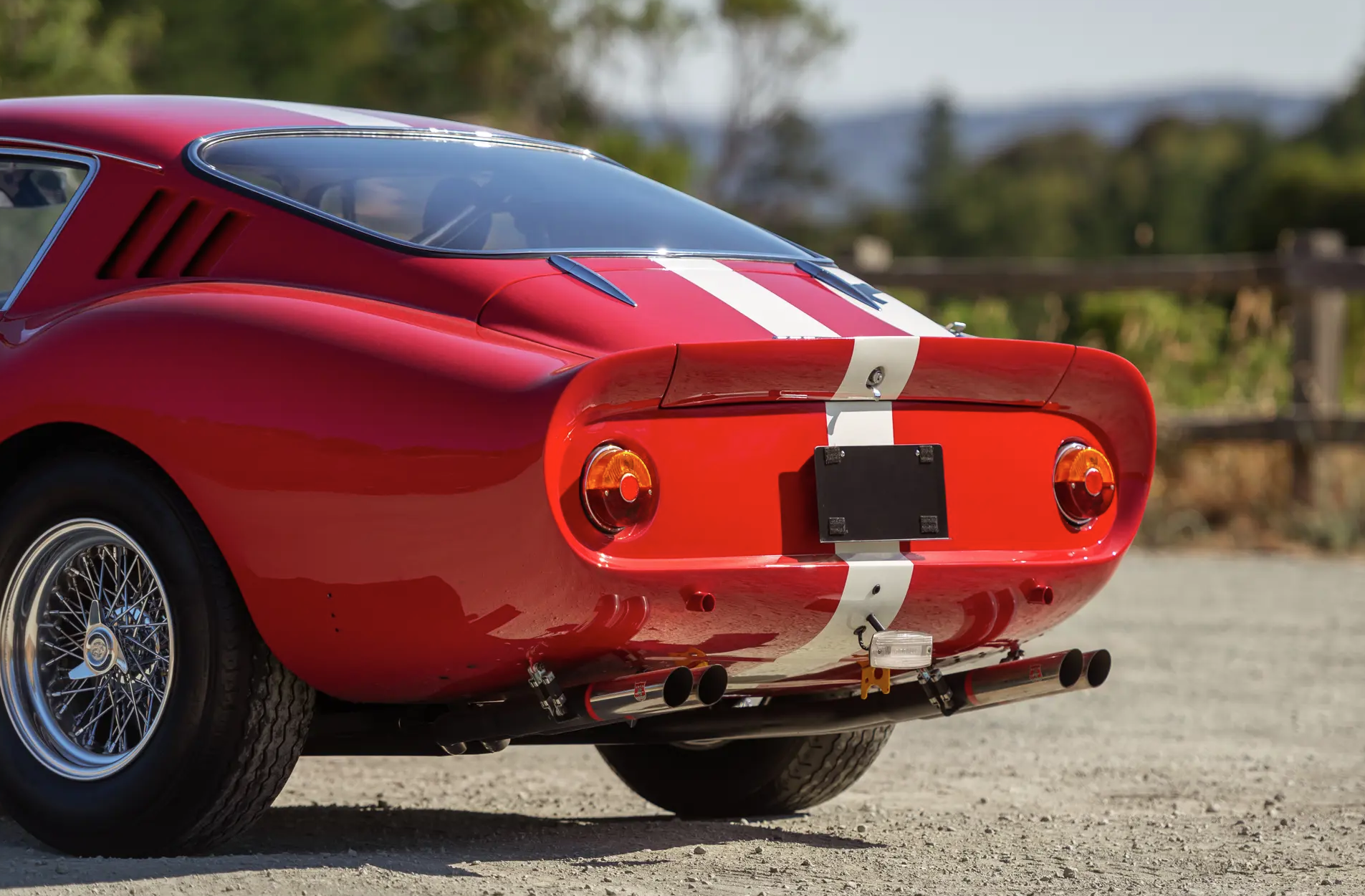
Today, 275 GTB/C examples command extraordinary collector prices reflecting their legendary status and extreme rarity. The combination of Pininfarina elegance, Scaglietti fabrication, V12 character, and authentic racing pedigree ensures immortal appeal among serious Ferrari enthusiasts.
The Ferrari 275 GTB/C Competizione represented Maranello at its most accomplished, proving that mechanical excellence and uncompromising engineering could create something genuinely transcendent. It remains one of the greatest race cars ever built.