
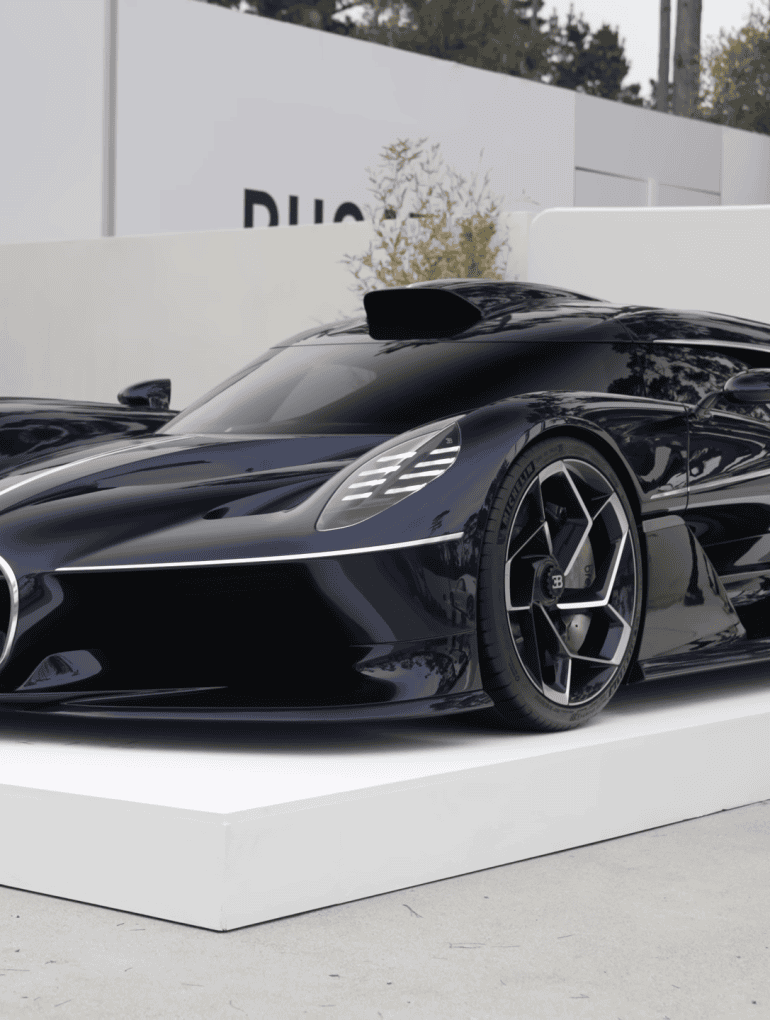
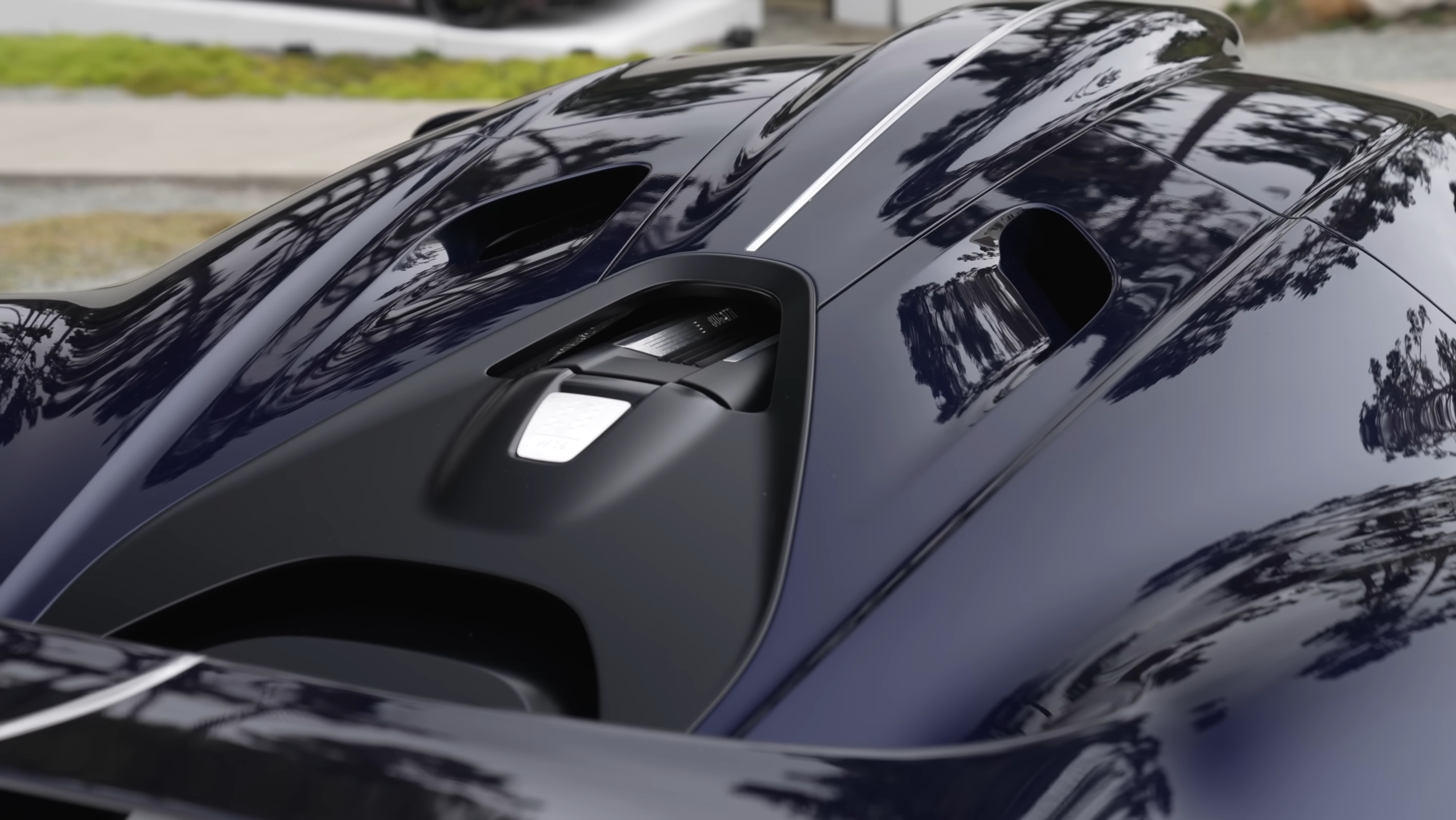
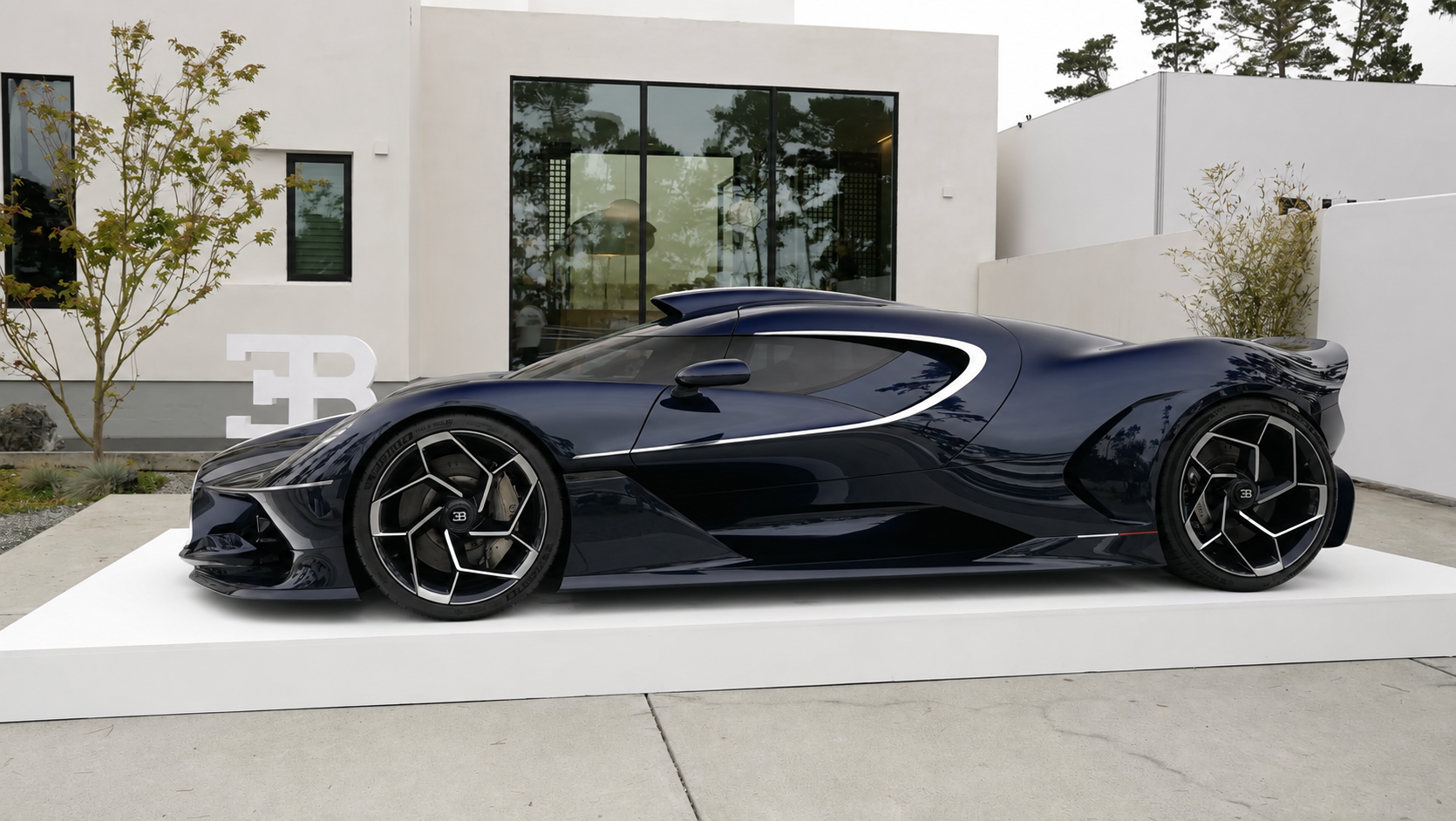
The Bugatti Destrier represents the ultimate expression of the marque’s bespoke Solitaire program, transforming the extreme foundations of the Bolide into a dramatically styled, highly exclusive one-off. As the third Solitaire creation, it follows the Brouillard and FKP Hommage and demonstrates how Bugatti can push its engineering and design philosophy beyond the constraints of conventional production models.
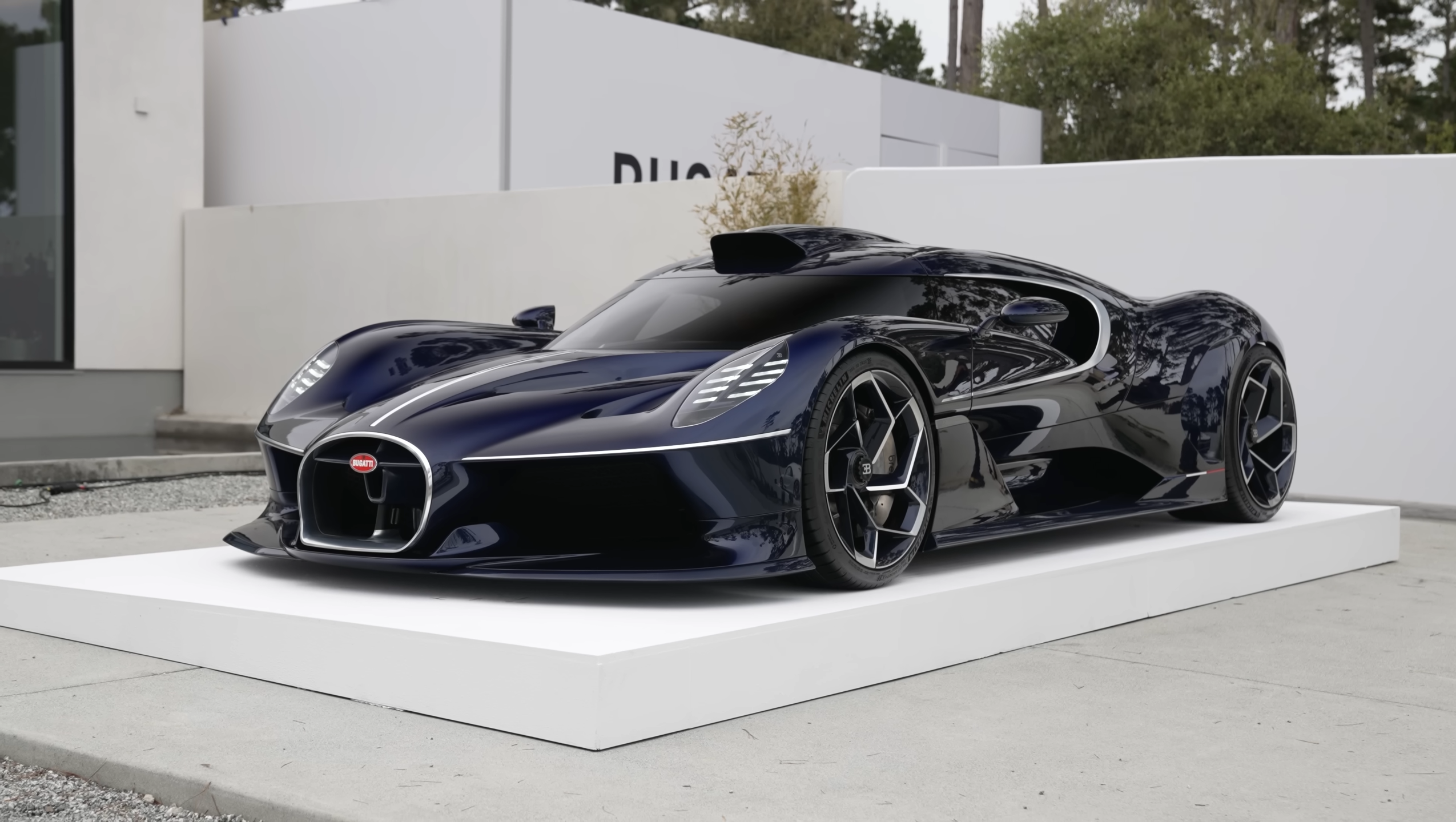
At its core, the Destrier retains the Bolide’s chassis and formidable 8.0-liter W16 powertrain, producing 1,600 horsepower through a quad-turbocharged configuration. Yet outright performance is not its primary objective. Instead, the project places greater emphasis on proportion, craftsmanship, visual impact, and long-term desirability. At roughly one meter tall, its exceptionally low stance, enormous wheels, flowing bodywork, and carefully sculpted negative space give it a presence unlike anything else in the Bugatti range.
According to Bugatti Rimac CEO Mate Rimac, the Solitaire process is deeply collaborative. Customers can either bring their own vision to the company or become involved with an existing concept, working directly with Bugatti’s designers and engineers to define the car’s character, specification, and narrative. For the Destrier, that process involved a customer with an exceptional Bugatti collection, creating an opportunity to turn an existing design vision into a personalized automotive statement.
Although the Destrier incorporates road-oriented elements—including road tires, revised suspension and brakes, and radiator cooling fans—it is not currently certified as a road car. Its Bolide-based architecture lacks airbags and has not undergone conventional road-car crash testing. Nevertheless, Bugatti suggests that additional individual-vehicle approval could potentially make road use possible in certain markets.
Despite being a single example, the engineering program is extensive. Bugatti conducts aerodynamic simulations, develops suspension, steering, brakes, and tires, and performs track testing to ensure the finished vehicle meets the brand’s demanding standards. The interior similarly blends track-derived architecture with luxury, featuring hammered aluminum, copper-threaded fabrics, and controls designed around rapid driver interaction.
The Destrier ultimately illustrates what a true one-off can achieve: unrestricted creativity backed by serious engineering, with the ambition to create an automotive artifact that remains visually and technically compelling decades into the future.
Source: Top Gear