
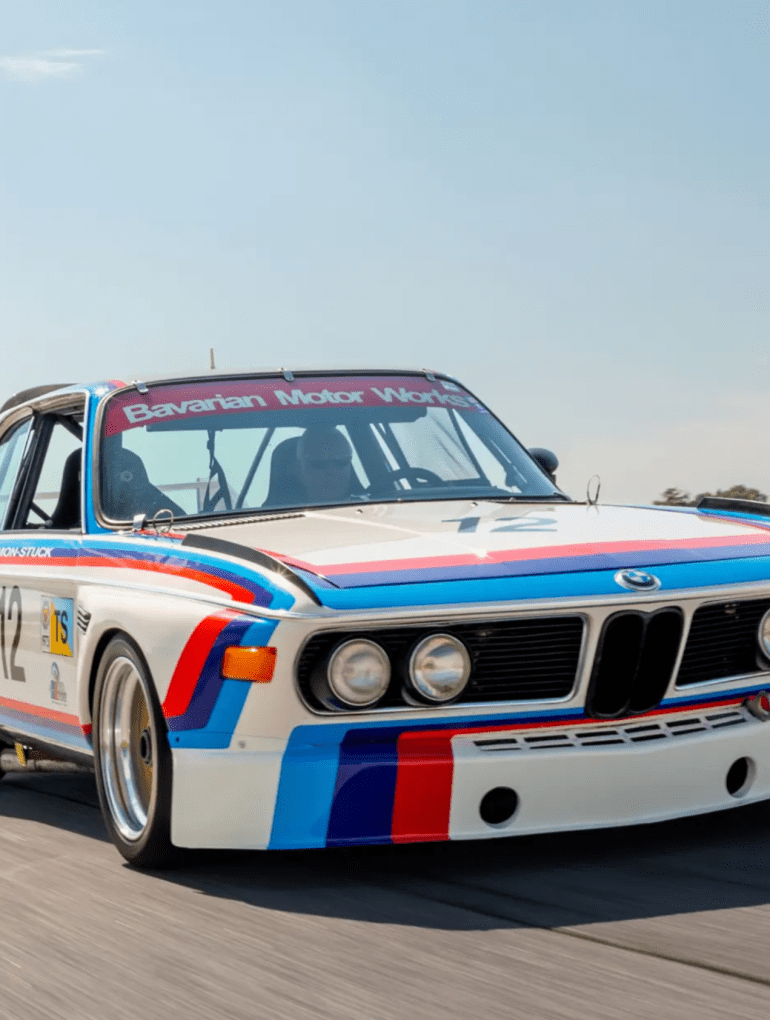

Geneva, March 1971. BMW unveiled the 3.0 CSL, a lightweight homologation special based on the elegant E9 coupe. The “CSL” designation stood for Coupe Sport Leichtbau, with Leichtbau meaning “lightweight construction” in German. Extensive use of aluminum body panels, thinner glass, and deleted sound deadening saved approximately 200 kilograms compared to the standard 3.0 CS. The 3.0-liter inline six produced 180 horsepower initially, later increased to 206 horsepower with fuel injection. This was BMW’s weapon for European Touring Car Championship dominance, a street-legal race car that would become one of the most successful touring cars ever built. Production ran from 1971 to 1975, with approximately 1,265 examples built.
Background and Origins
BMW’s E9 coupe debuted in 1968 as the company’s flagship grand tourer. Designed by Wilhelm Hofmeister, the elegant two-door combined graceful proportions with advanced engineering. In 1971, BMW introduced the 3.0 CS with a larger 2,985cc engine producing 180 horsepower.
BMW Motorsport recognized the E9’s potential for touring car racing. The company wanted to challenge Ford’s Capri and Alfa Romeo’s GTAm in the European Touring Car Championship. FIA Group 2 regulations required 1,000 production examples for homologation, with weight being the critical factor for competitiveness.
Development of the CSL began in 1970 under BMW Motorsport director Jochen Neerpasch. The brief was straightforward: reduce weight everywhere possible while maintaining the E9’s essential structure. Engineers systematically examined every component, asking whether it was necessary or could be lightened.
The result was the 3.0 CSL, debuting at Geneva in March 1971. Aluminum replaced steel for the hood, trunk lid, and doors. Thinner glass was installed throughout. Sound deadening was completely removed. Interior trim was simplified. The weight saving was approximately 200 kilograms, bringing curb weight to 1,165 kilograms.
Design and Engineering
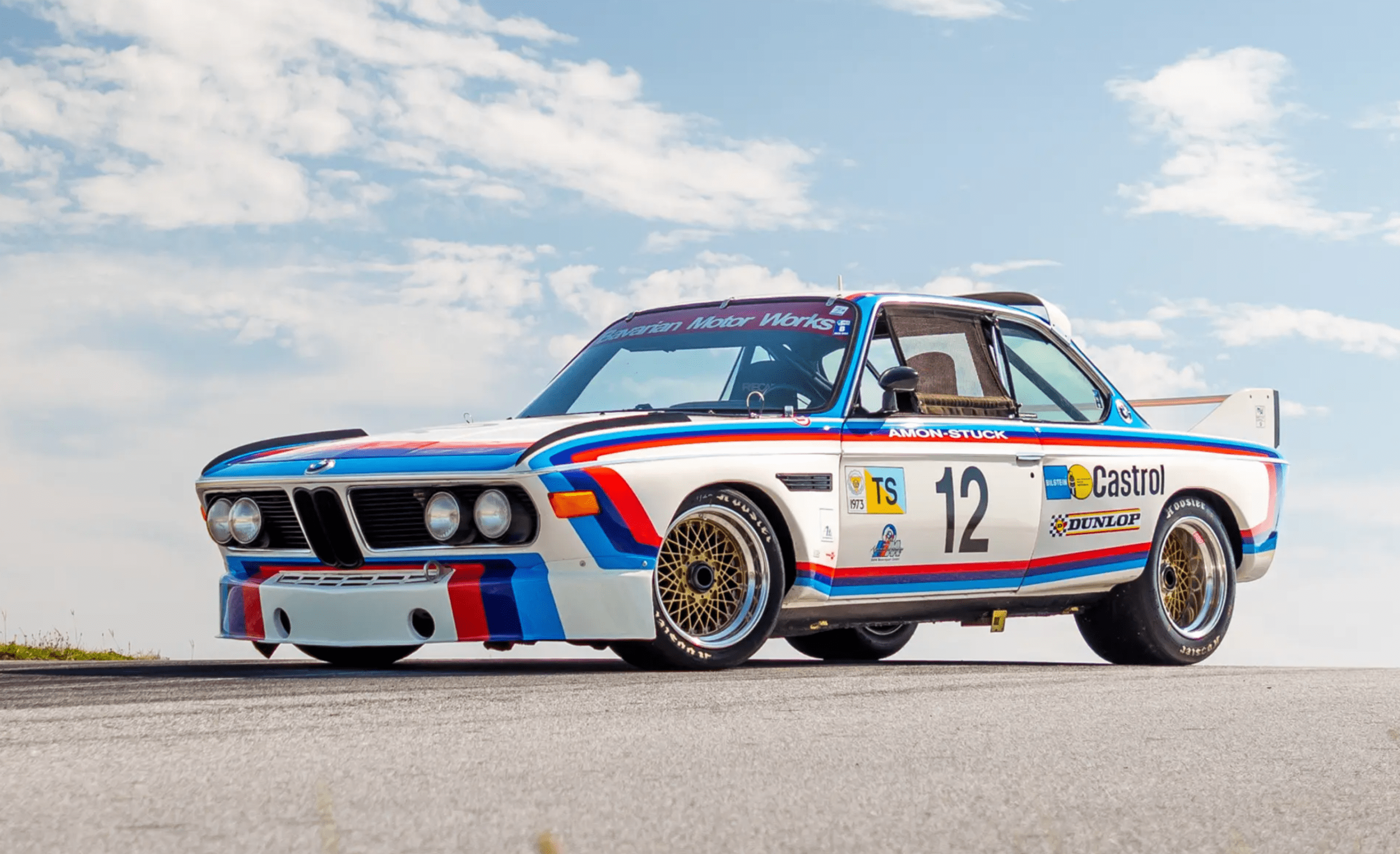
The CSL was based on the E9 coupe’s steel monocoque with a 2,626mm wheelbase. The structure was unchanged from the standard car, though BMW engineers focused on weight reduction rather than reinforcement. Aluminum body panels saved significant mass while maintaining elegant proportions.
Front suspension used MacPherson struts with lower A-arms, coil springs, and telescopic dampers. The rear employed a semi-trailing arm arrangement with coil springs and dampers. Anti-roll bars front and rear controlled body roll. The suspension geometry was revised slightly for racing, with firmer spring rates and uprated dampers.
Braking was by ventilated discs measuring 284mm front and 290mm rear with ATE calipers. Power steering was standard on most markets, though some European examples were delivered without it.
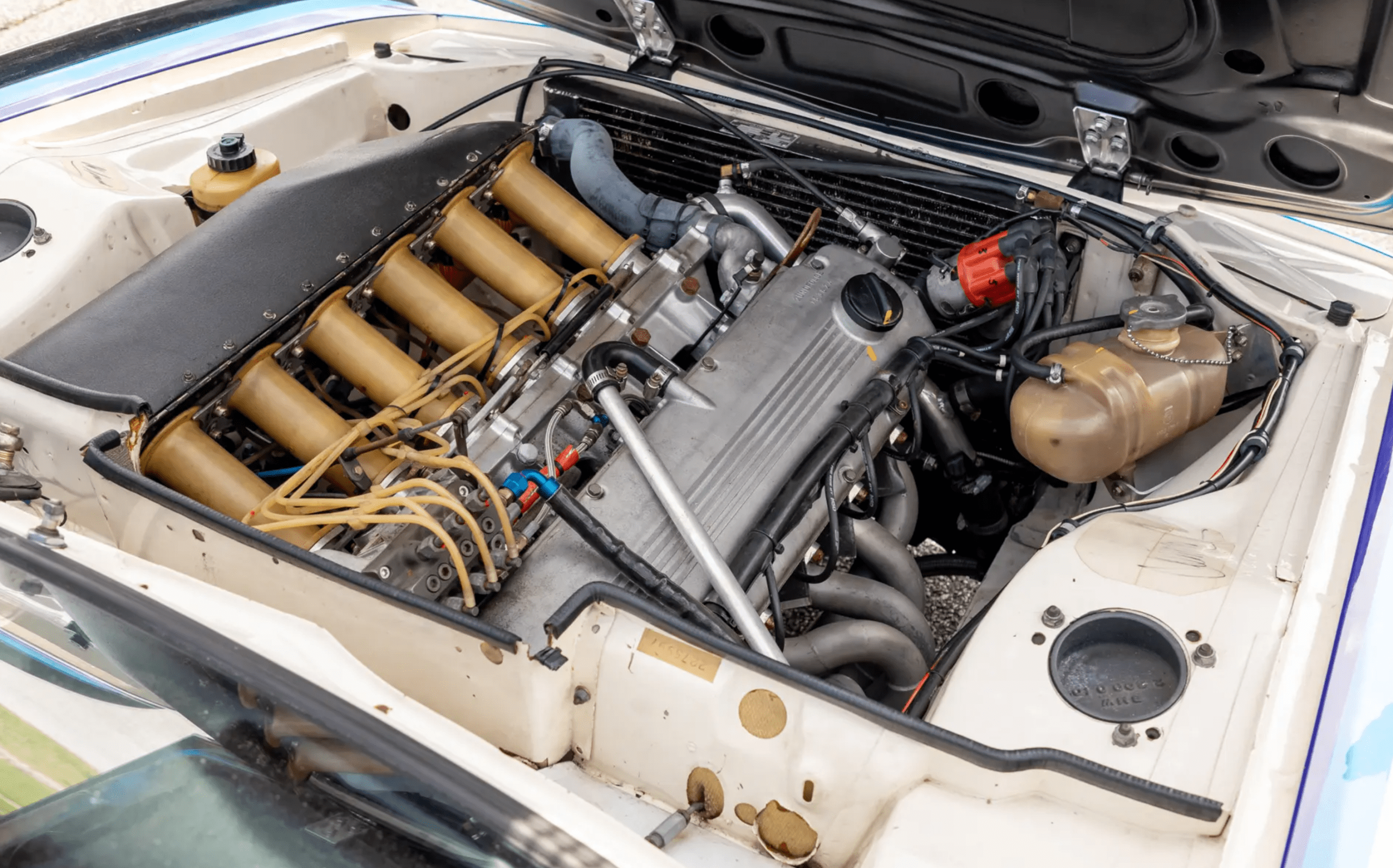
The engine was BMW’s M30 inline six, displacing 2,985cc with an 89.25mm bore and 80mm stroke. This all-iron engine featured a single overhead camshaft, two valves per cylinder, and a 9.0:1 compression ratio. Initial CSLs used twin Zenith carburetors producing 180 horsepower at 6,000 rpm and 199 lb-ft at 3,700 rpm.
From September 1972, BMW introduced the fuel-injected CSL with Bosch D-Jetronic electronic fuel injection. Output increased to 206 horsepower at 5,800 rpm and 210 lb-ft at 4,300 rpm. The improved drivability and performance made the injected version more desirable.
Transmission was a Getrag four-speed manual initially, with a ZF five-speed becoming available from 1973. Close ratios and a 3.45:1 limited-slip differential completed the drivetrain.
Styling
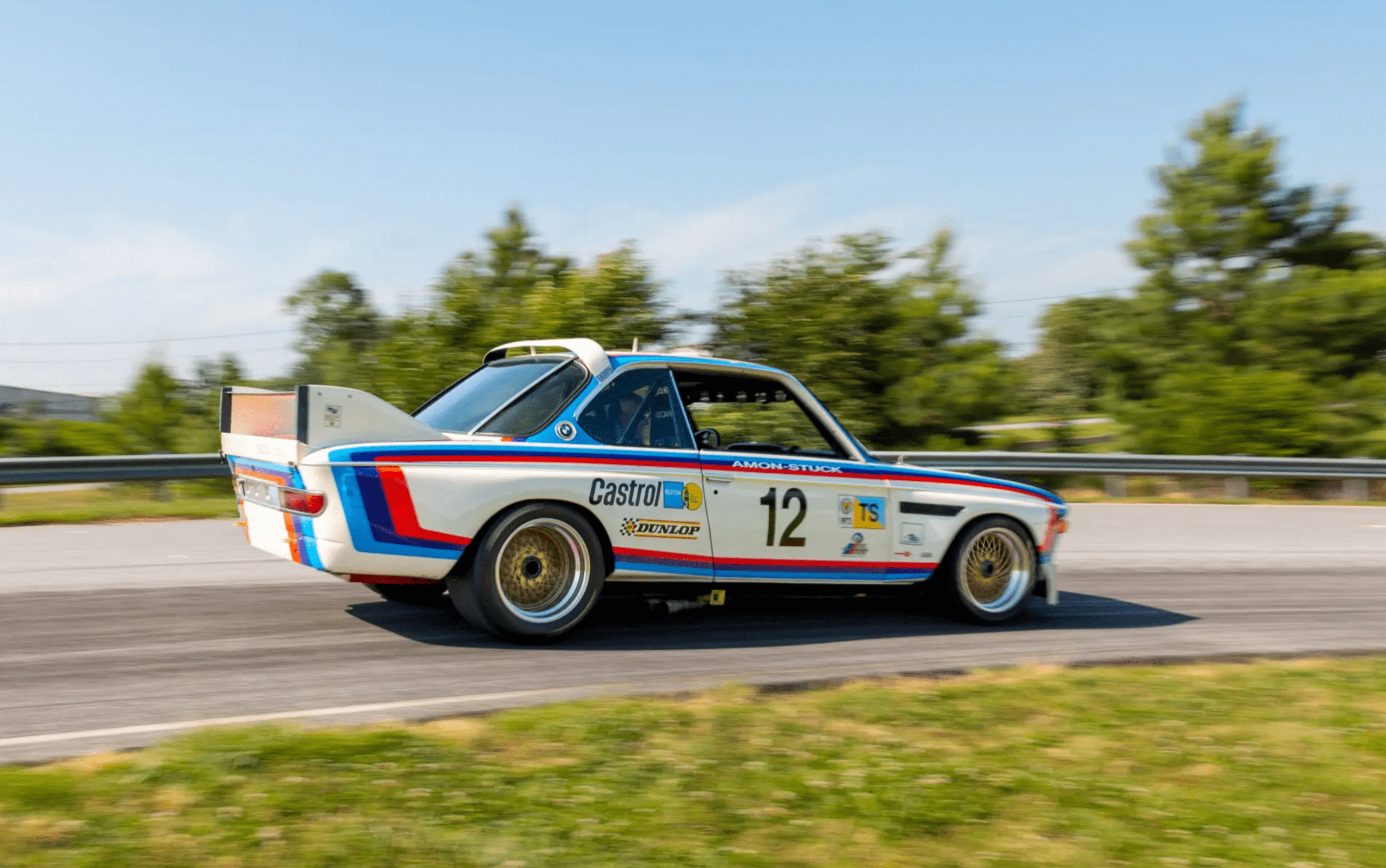
Externally, the CSL was subtly different from the standard E9. The aluminum body panels were unpainted on earliest examples, left in bare metal with only a clear coat. This created a distinctive appearance, though most customers specified paint. Small CSL badges appeared on the C-pillars.
The clean, elegant lines remained unchanged from the standard E9. The long hood, short rear deck, and graceful roofline created timeless proportions. Hofmeister’s signature kink in the C-pillar became a BMW design trademark.
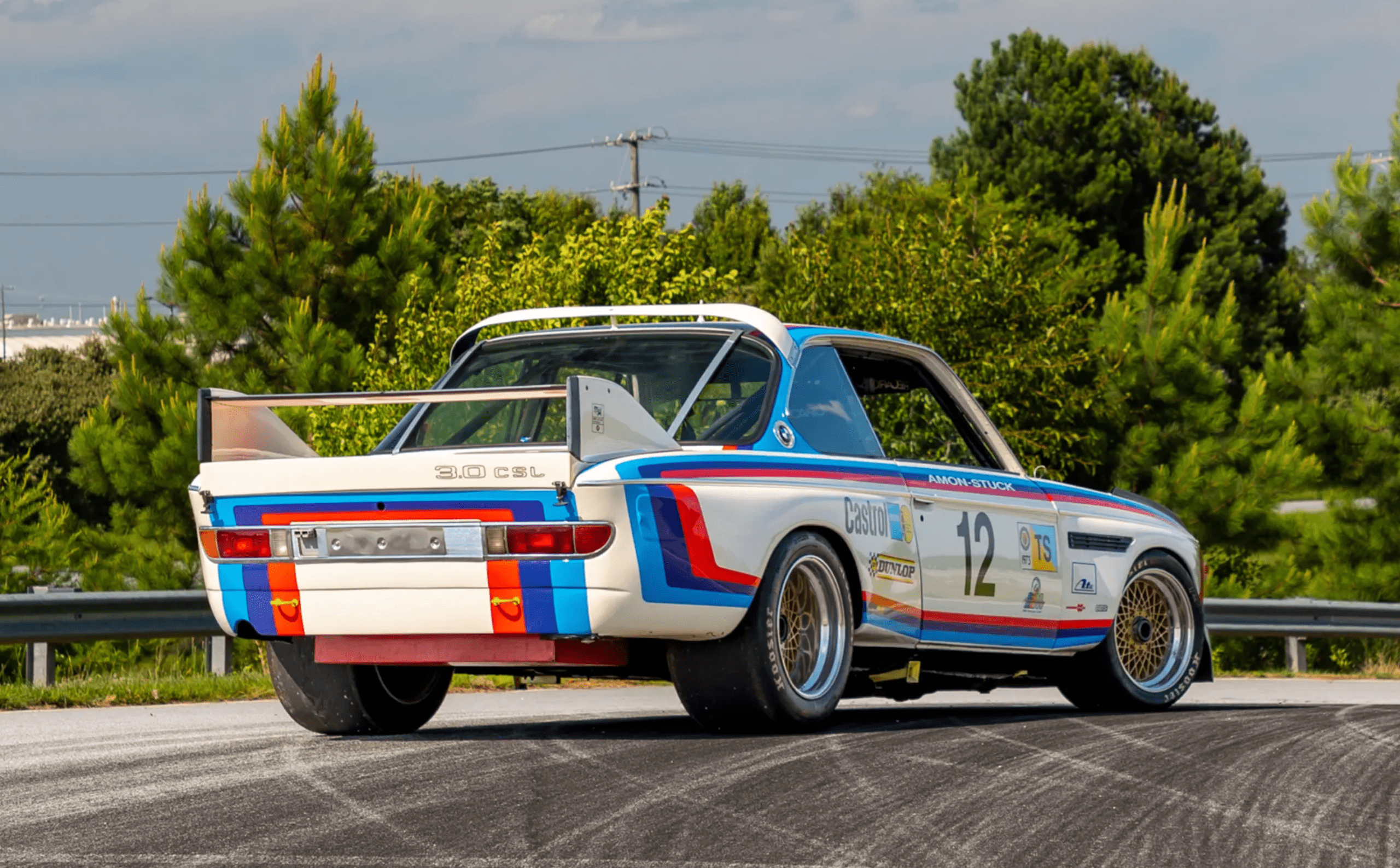
From 1973, BMW introduced aerodynamic aids for homologation purposes. The “Batmobile” CSL received a deep front air dam, side skirts, a roof spoiler, and an enormous adjustable rear wing. These additions dramatically improved high-speed stability, though they compromised the clean styling.
Standard wheels were 6×14-inch steel units, though lightweight alloys became popular. Tire sizes were modest, typically 185/70 R14 or 195/70 R14.
Interior
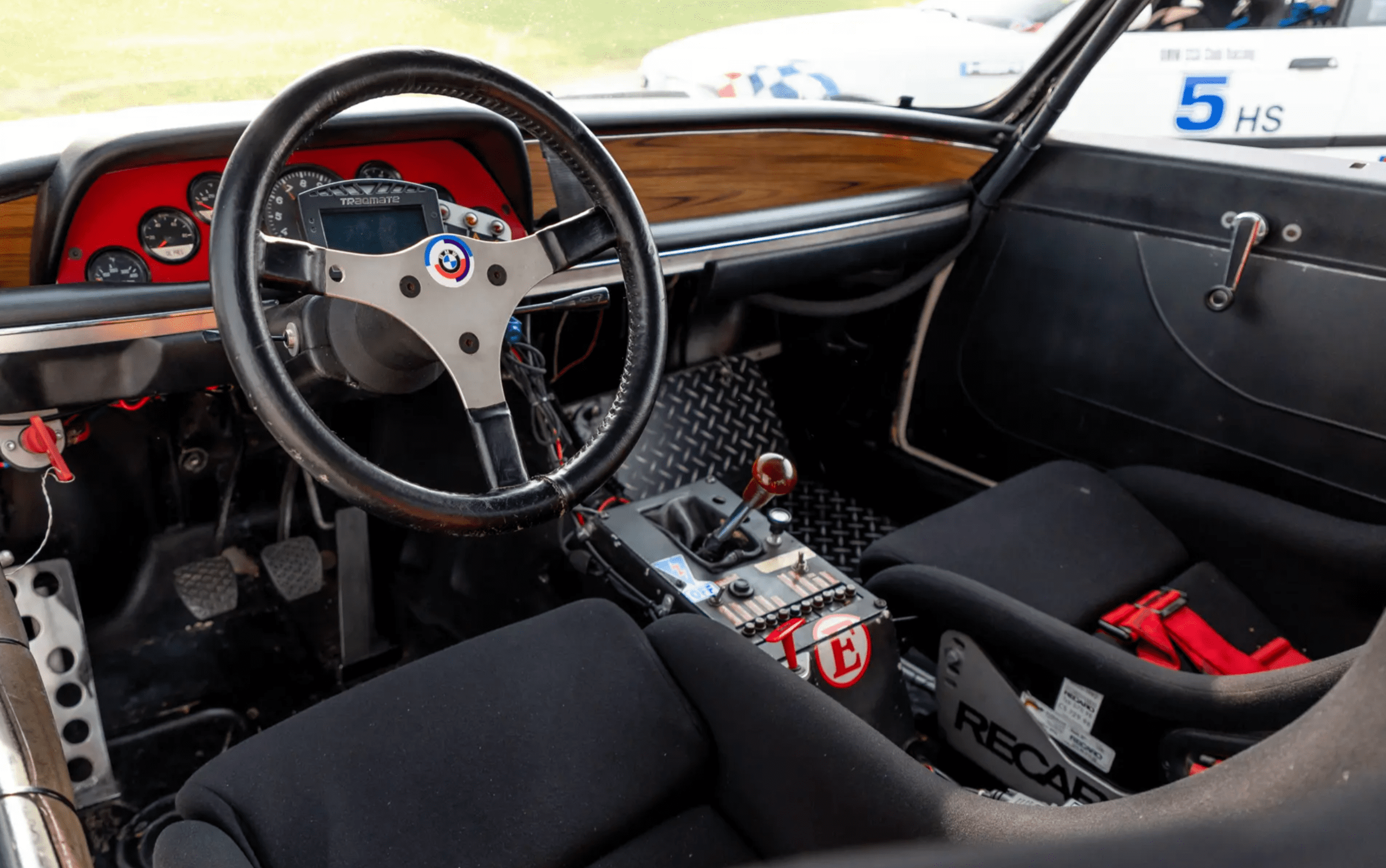
The cabin was stripped to essentials to save weight. Cloth sport seats replaced the standard leather chairs. Rear seats were retained but trimmed in basic cloth. Door panels were simplified, with pull straps replacing conventional handles on some examples.
The dashboard retained the standard E9 layout with comprehensive instrumentation including a tachometer, speedometer, oil pressure, water temperature, and fuel gauges. A wood-rimmed steering wheel faced the driver initially, though many were replaced with sportier alternatives.
Sound insulation was completely removed, creating a raw, unfiltered driving experience. Air conditioning and radio were deleted to save weight, though both could be reinstalled at customer request.
Specifications
- Engine: M30 inline six, 2,985cc (89.25mm x 80mm), SOHC, two valves per cylinder, Bosch D-Jetronic fuel injection
- Power: 206 bhp at 5,800 rpm (fuel-injected)
- Torque: 210 lb-ft at 4,300 rpm
- Transmission: Getrag four-speed or ZF five-speed manual, 3.45:1 limited-slip differential
- Chassis: Steel monocoque, 2,626mm wheelbase
- Suspension: MacPherson struts (front), semi-trailing arms (rear)
- Brakes: Vented discs 284mm (front), vented discs 290mm (rear)
- Wheels: 6×14 steel or alloy, 185/70 R14
- Weight: 1,165 kg
- Performance: 137 mph top speed, 0-60 mph in 7.0 seconds
Competition History
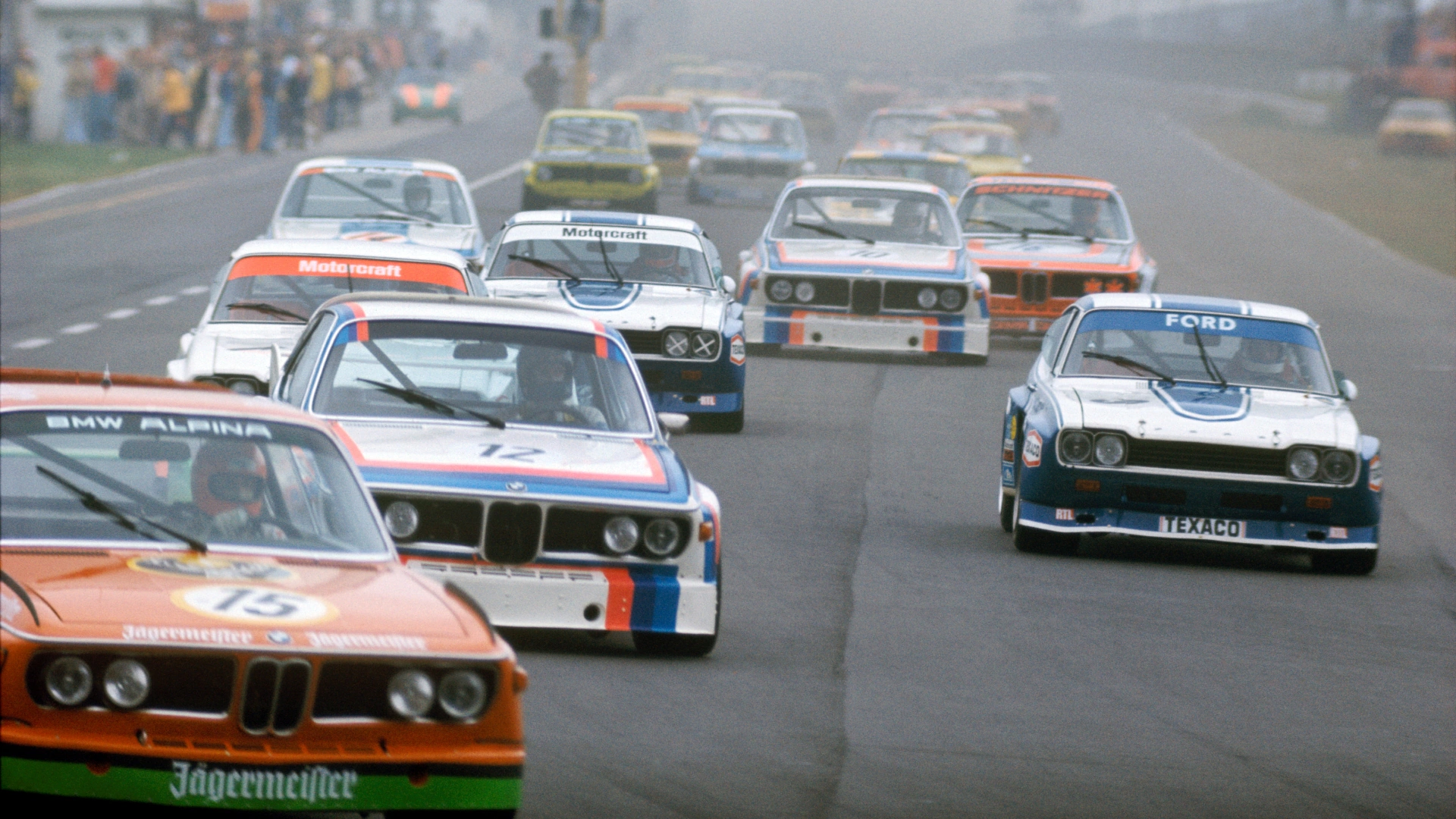
The 3.0 CSL dominated European touring car racing throughout the early 1970s. BMW fielded works-supported entries driven by legends including Hans-Joachim Stuck, Niki Lauda, and Ronnie Peterson. The CSL won the European Touring Car Championship in 1973 with Toine Hezemans driving.
The “Batmobile” aerodynamic package introduced in 1973 transformed the CSL into an even more effective racing weapon. The massive rear wing and front air dam provided genuine downforce, improving high-speed stability and cornering grip. Works CSLs with turbocharged engines producing over 800 horsepower competed in select events.
Beyond works efforts, numerous privateer entries campaigned CSLs in national touring car series worldwide. The combination of light weight, strong inline six engine, and balanced chassis made it competitive across various circuit types.
Production and Legacy
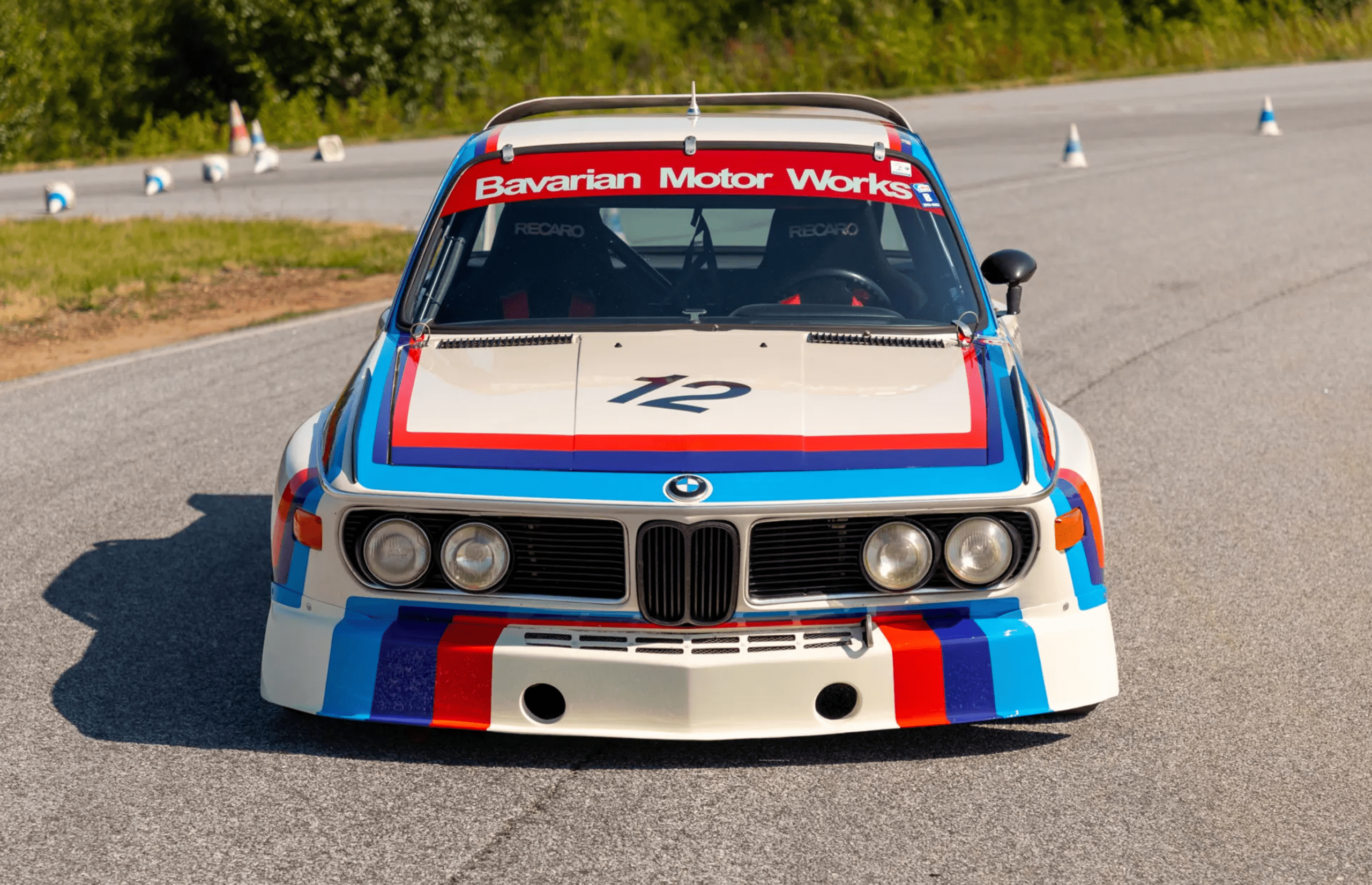
BMW built approximately 1,265 CSLs between 1971 and 1975. Production took place at Karmann coachworks, with aluminum body panels hand-fitted and painted. The majority were left-hand drive for European markets, with fewer than 500 right-hand drive examples built for the UK.
The 3.0 CSL established BMW’s motorsport credentials and created the template for every M car that followed. It proved that lightweight construction mattered as much as power increases, that focused engineering could create exceptional performance without brute force.
Today, 3.0 CSLs are extraordinarily valuable and sought after. The combination of racing success, elegant styling, and limited production has made them among the most collectible BMWs. Clean examples command prices exceeding half a million dollars, with “Batmobile” versions reaching even higher.
The CSL represented BMW at its purest, when homologation requirements created genuinely extreme road cars. It demonstrated that touring car racing could inspire brilliant street machines, that motorsport success translated directly to showroom credibility. The 3.0 CSL remains one of BMW’s greatest achievements, a lightweight masterpiece that proved less can be more.