
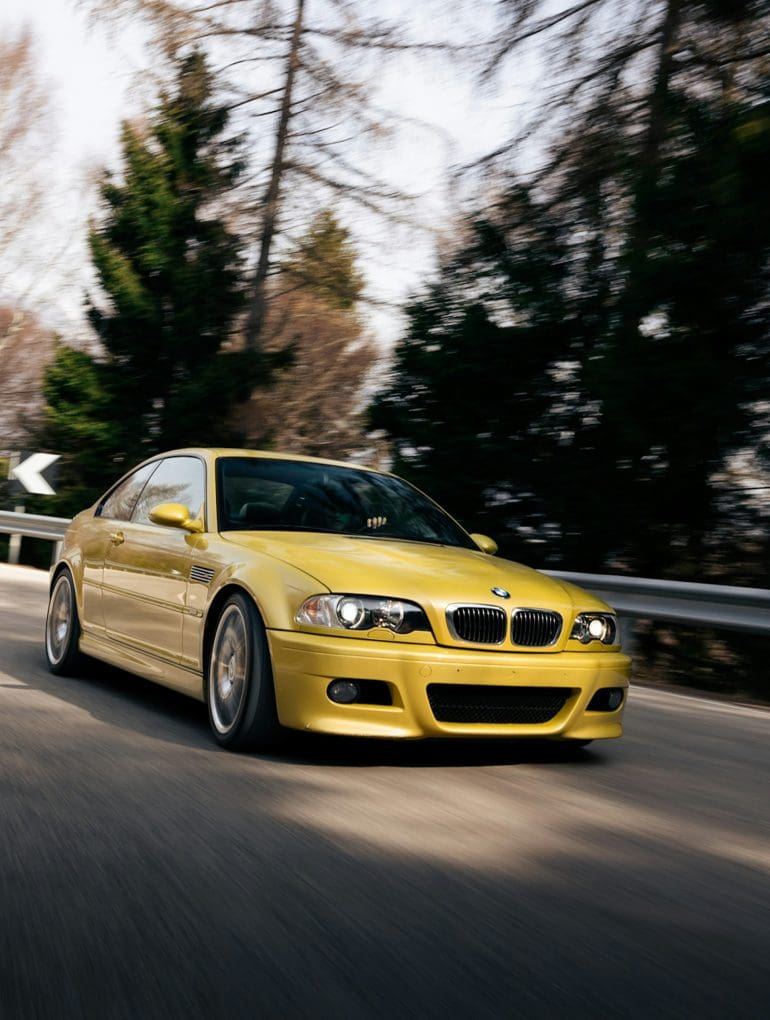

Frankfurt Motor Show, September 1999. BMW unveiled the E46 M3, a refined evolution of the legendary M3 that represented the absolute pinnacle of naturally aspirated inline-six performance. The third-generation M3 featured an all-new 3.2-liter naturally aspirated engine producing 343 horsepower at 7,900 rpm and 269 lb-ft of torque at 4,900 rpm—the highest specific output of any naturally aspirated engine BMW had ever produced, excluding the McLaren F1 collaboration. Available exclusively as a coupe or convertible (the sedan was discontinued), the E46 M3 could achieve 155 mph while delivering 5.2-second 0-60 acceleration through mechanical sophistication and precisely engineered suspension geometry.
This was BMW M at its most refined, proving that naturally aspirated performance could rival turbocharged competitors through intelligent engineering and meticulous development. Production began in October 2000, with approximately 68,000 examples built through 2006 across coupe and convertible variants, establishing the E46 M3 as one of the greatest high-performance coupes ever created and the definitive BMW M3 for many enthusiasts.
Background and Origins
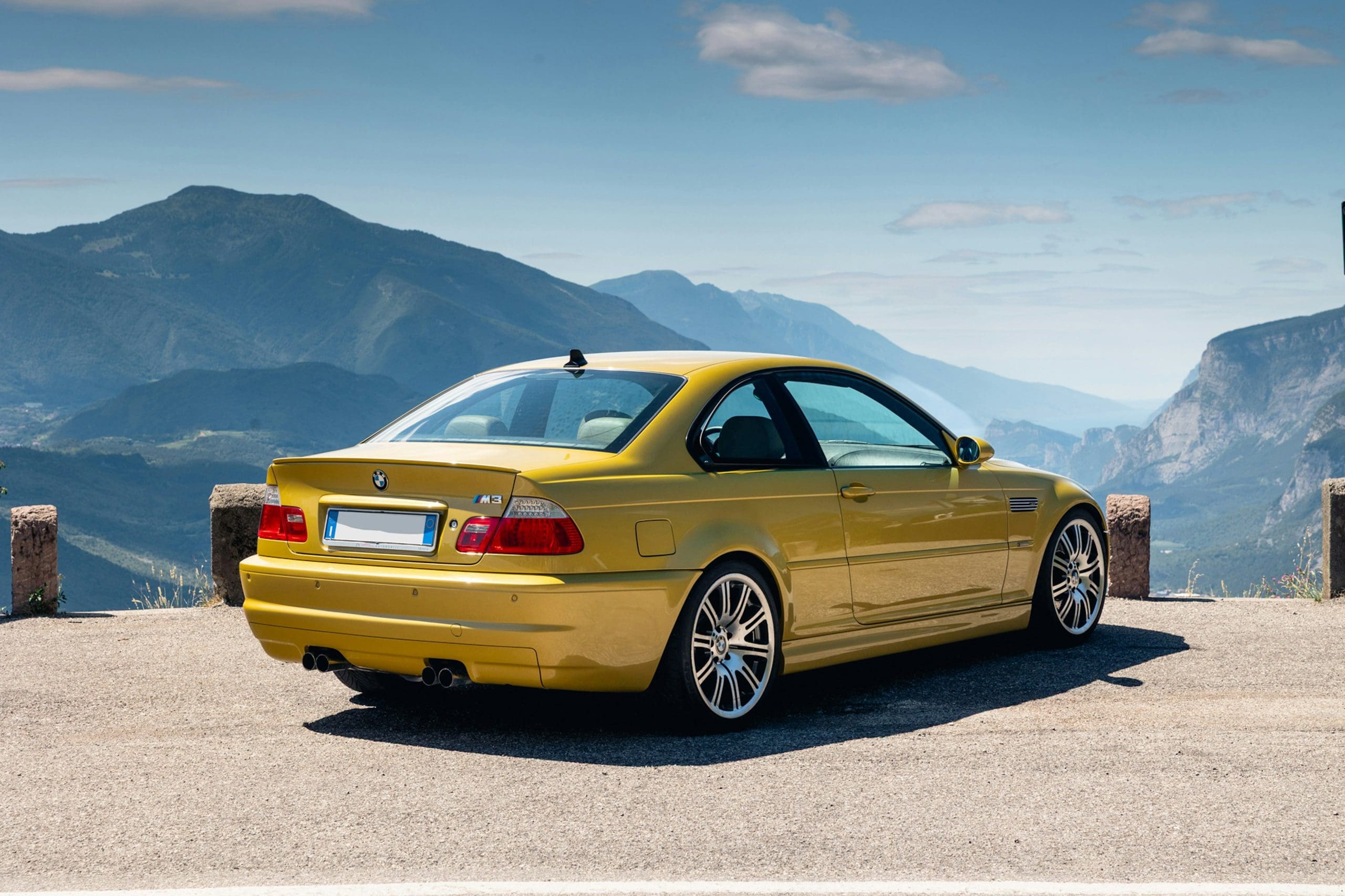
Development of the E46 M3 began immediately following the E36’s replacement by the standard E46 3-Series in 1998. BMW M engineers recognized an extraordinary opportunity to create an M3 incorporating all technological advances developed during the previous generation’s production run. Rather than simply scale up the E36’s 3.2-liter engine to match the larger, heavier E46 platform, engineers completely reconceived the S54 powerplant with emphasis on naturally aspirated refinement and high-revving character.
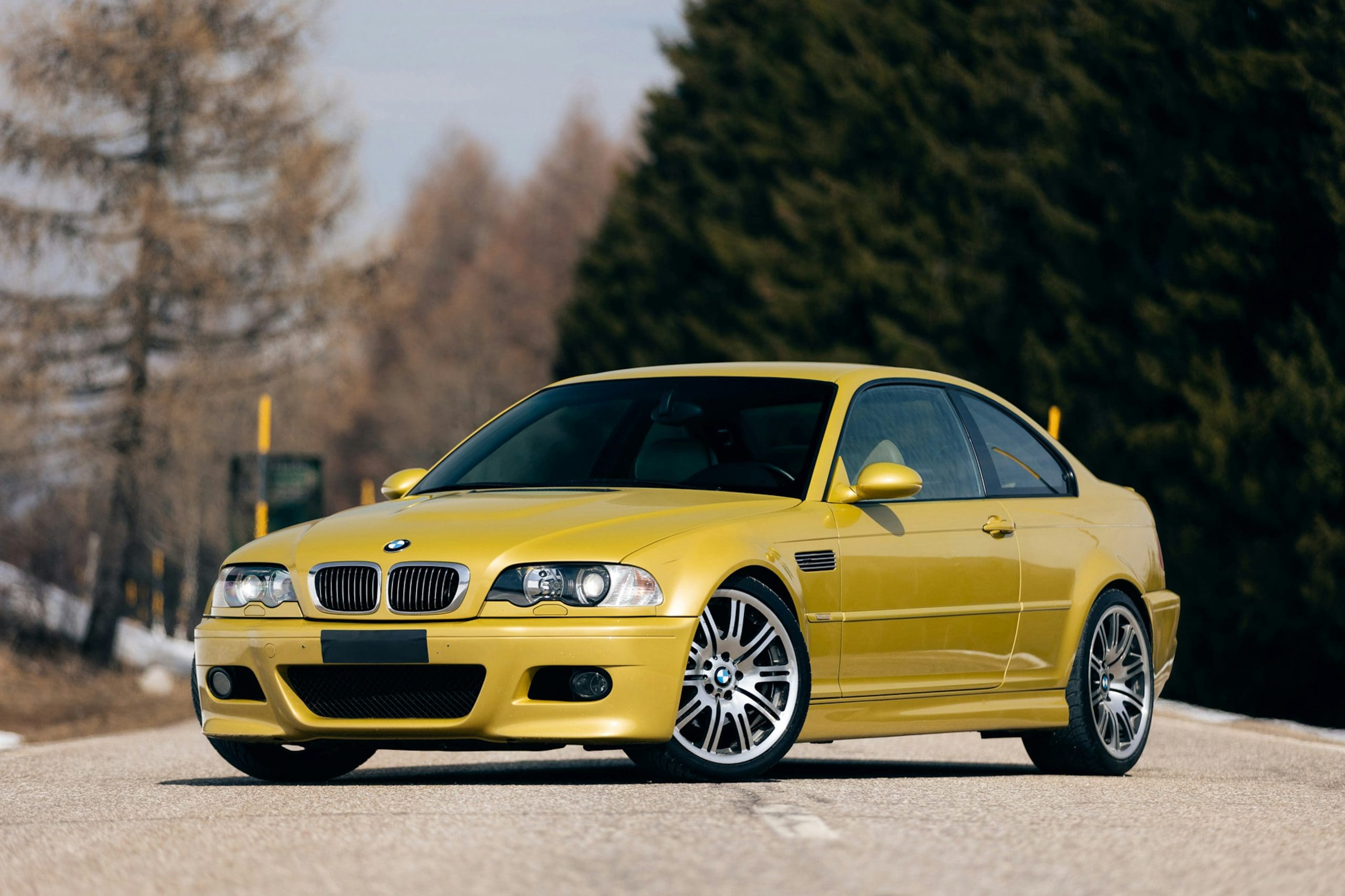
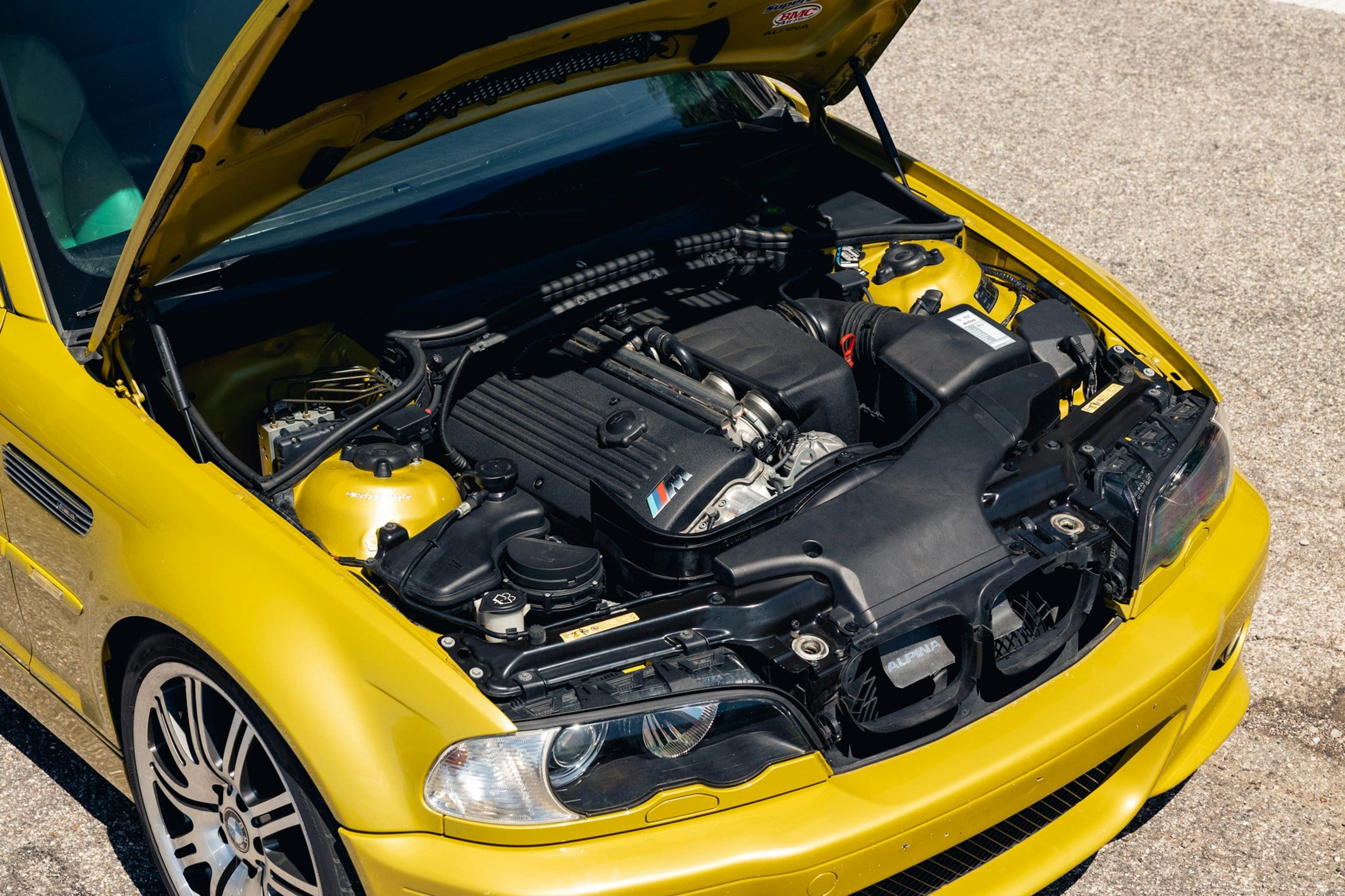
The S54 engine represented the culmination of BMW’s naturally aspirated inline-six expertise. Engineers increased displacement to 3.2 liters through expanded bore and stroke, while incorporating innovations including variable valve timing, six independent throttle bodies, and drive-by-wire electronic throttle control—remarkable for the early 2000s when most manufacturers still employed mechanical throttle cables. The compression ratio was aggressively high at 11.5:1, requiring premium fuel and sophisticated engine management for reliable daily driving.
Significantly, the S54 achieved 109.2 horsepower per liter, an extraordinary achievement for naturally aspirated engines. This specific output rivaled contemporary turbocharged competitors while maintaining the linear power delivery and mechanical authenticity that defined BMW M philosophy. The engine revved to 8,000 rpm with extraordinary rapidity, creating a mechanical symphony that rewarded aggressive driving through the gears.
Design and Engineering
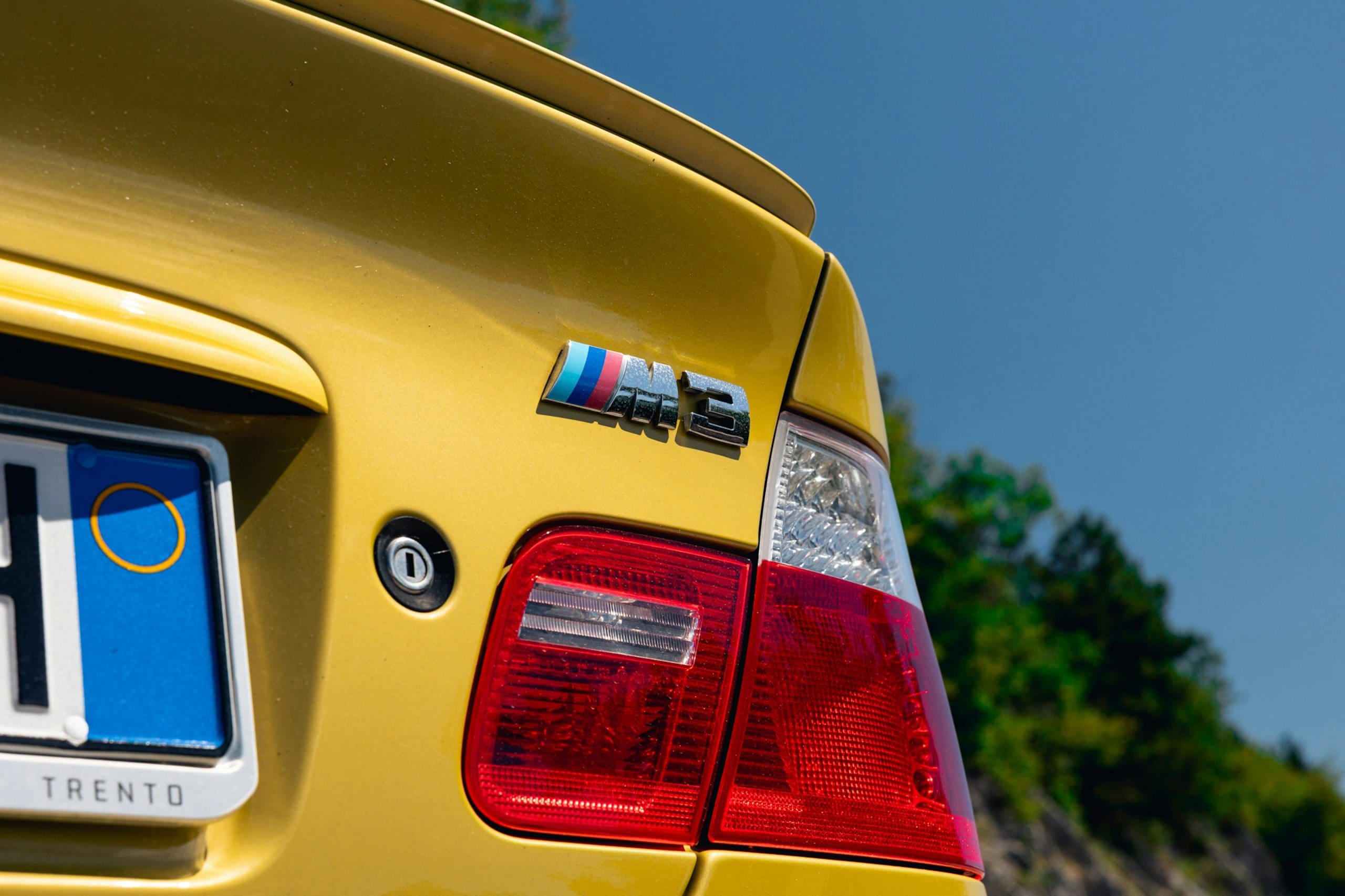
The E46 M3 utilized BMW’s standard 3-Series platform with a 2,730mm wheelbase, but received comprehensive mechanical refinement optimizing performance and handling balance. The suspension featured independent double wishbones front and rear with coil springs and sophisticated dampers, the geometry meticulously tuned for responsive feedback while maintaining ride comfort expected from a practical daily-driver coupe.
Power steering was electronically assisted, providing light control at low speeds while maintaining steering feedback during spirited driving. The braking system featured ventilated discs with four-piston calipers front and rear, providing powerful stopping power adequate for the M3’s extraordinary acceleration. Electronic stability control was available but could be deactivated entirely, allowing skilled drivers to exploit the car’s full potential.
The six-speed manual transmission featured mechanical precision and direct engagement, though an optional SMG II semi-automatic paddle-shift transmission provided automatic functionality with driver-controlled gear selection via steering wheel paddles. The SMG featured adjustable shift aggression and Sport mode enabling extended engine rev ranges before automatic upshifts. Remarkably for enthusiasts, Road and Track magazine designated the 2006 M3 with SMG transmission as their favorite sports car of all time in 2009.
Styling
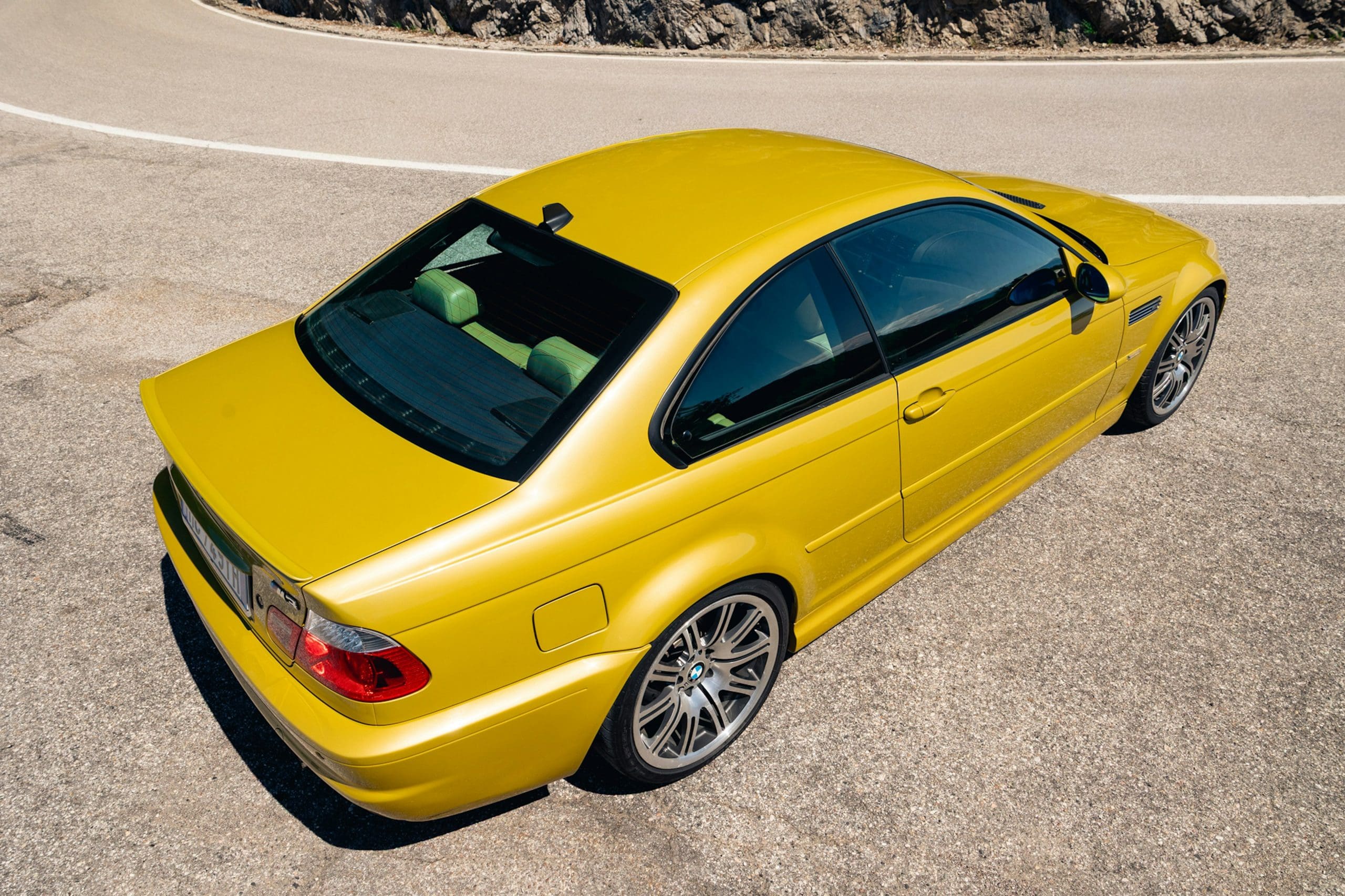
Chris Bangle’s E46 design language emphasized contemporary elegance and functional proportion. The M3 bodywork featured distinctive front and rear bumpers with integrated air intakes providing cooling efficiency. Side skirts and modified fender designs suggested performance through subtle enhancement rather than theatrical aggression. The profile was clean and uncluttered, allowing sophisticated proportions to dominate rather than graphic ornamentation.
The convertible’s soft top retracted entirely into the trunk, maintaining clean proportions when folded, while maintaining structural rigidity through sophisticated engineering. The overall appearance emphasized that genuine performance didn’t require aggressive styling—refined proportions and meticulous detailing defined the M3 character.
Interior
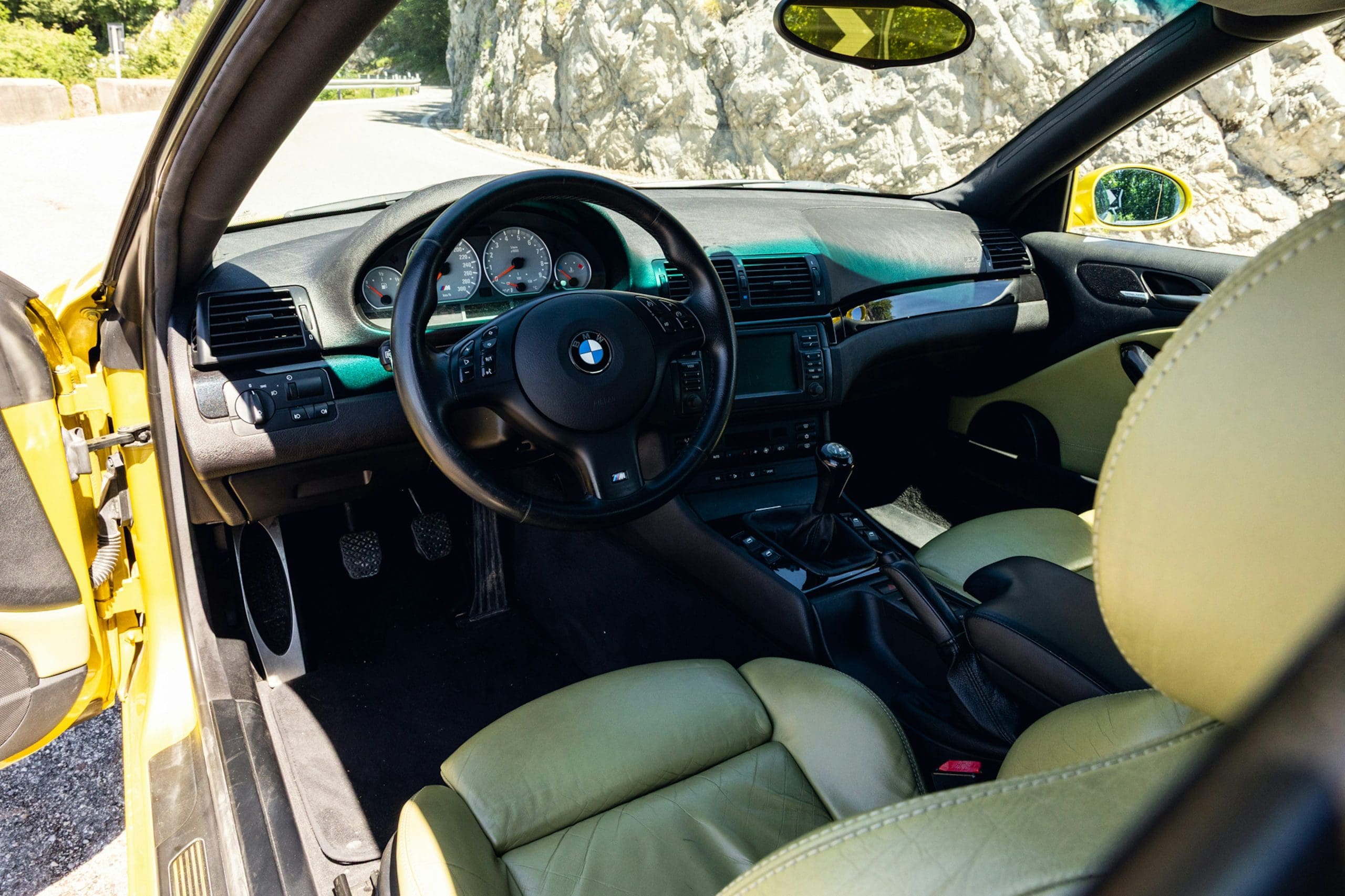
The cabin emphasized driver engagement combined with practical comfort. High-bolstered sport seats provided excellent lateral support during spirited driving while maintaining comfort for extended journeys. The driving position was commanding yet comfortable, with all controls falling naturally to hand. The instrument binnacle featured a large tachometer with red line at 8,000 rpm, complemented by essential gauges displaying fuel consumption and engine parameters.
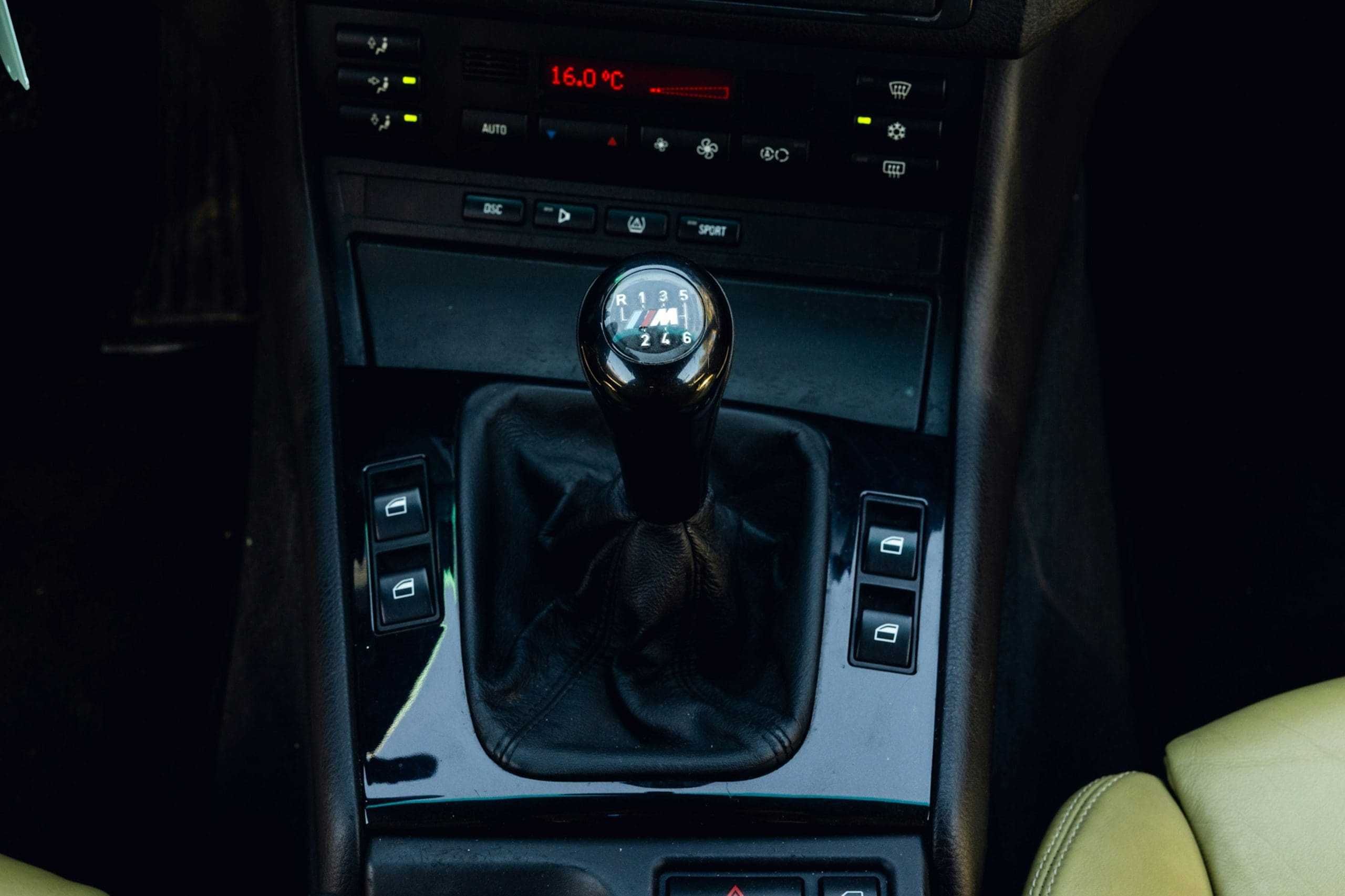
Standard equipment included climate control, premium audio systems, and sophisticated gauges reflecting early 2000s luxury standards. The overall atmosphere balanced racing-derived functionality with genuine comfort appropriate for a practical performance coupe.
Specifications
- Engine: S54 naturally aspirated inline six, 3,246cc, DOHC per bank, four valves per cylinder, variable valve timing
- Power: 343 PS / 338 hp at 7,900 rpm (333 hp in US market)
- Torque: 269 lb-ft / 365 N·m at 4,900 rpm
- Transmission: Six-speed manual or optional SMG II semi-automatic
- Chassis: Steel monocoque, 2,730mm wheelbase
- Suspension: Double wishbones (front and rear), coil springs
- Brakes: Ventilated discs, four-piston calipers (front and rear), ABS, electronic stability control (optional)
- Wheels: 18 or 19-inch alloy, performance tires available
- Weight: 1,570 kg / 3,461 lbs
- Performance: 155 mph / 250 km/h top speed, 0-60 mph in 5.2 seconds
Racing History
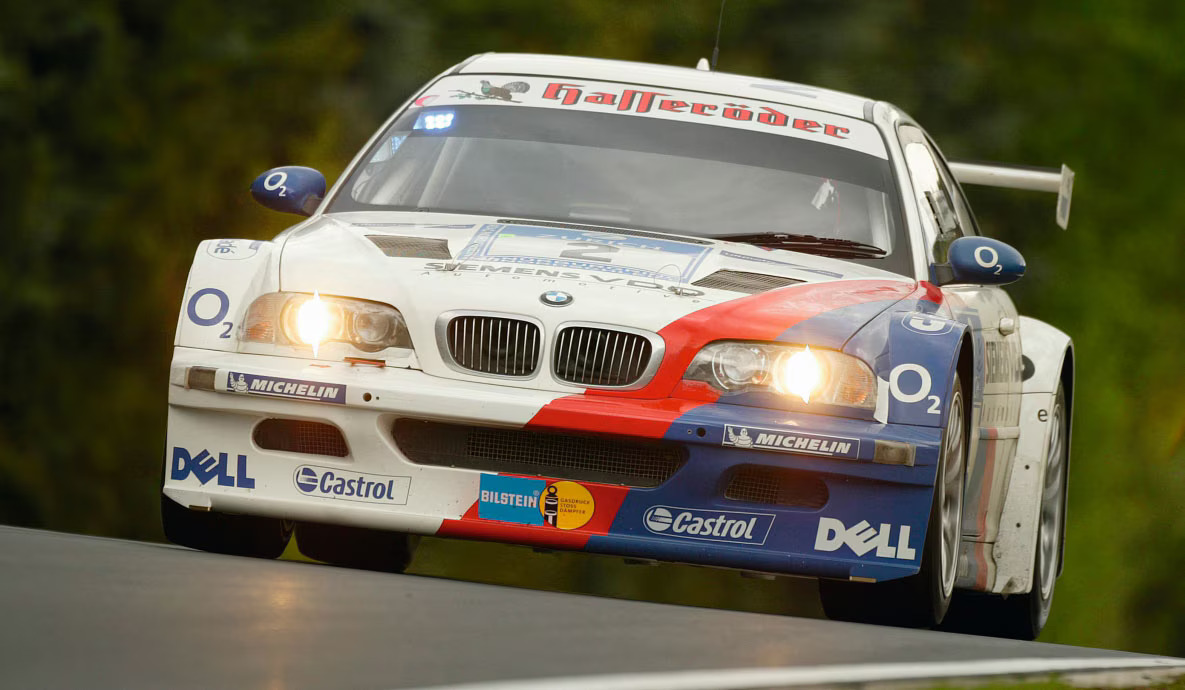
The E46 M3 established itself as a formidable competitor through the BMW M3 GTR variant competing in the American Le Mans Series. The M3 GTR E46 debuted during the 2001 ALMS season, featuring significant performance enhancements including a modified S54 engine producing substantially elevated power output. The racing program proved successful, with the car demonstrating competitive capability against purpose-built racing machinery. The M3 GTR subsequently competed in various international GT racing series, proving that the E46’s engineering foundation was genuinely robust and capable of withstanding extreme competition demands. The racing program ultimately required 100 homologated road-going M3 GTR variants, a requirement that limited racing involvement but firmly established the E46’s racing credibility.
Production and Legacy
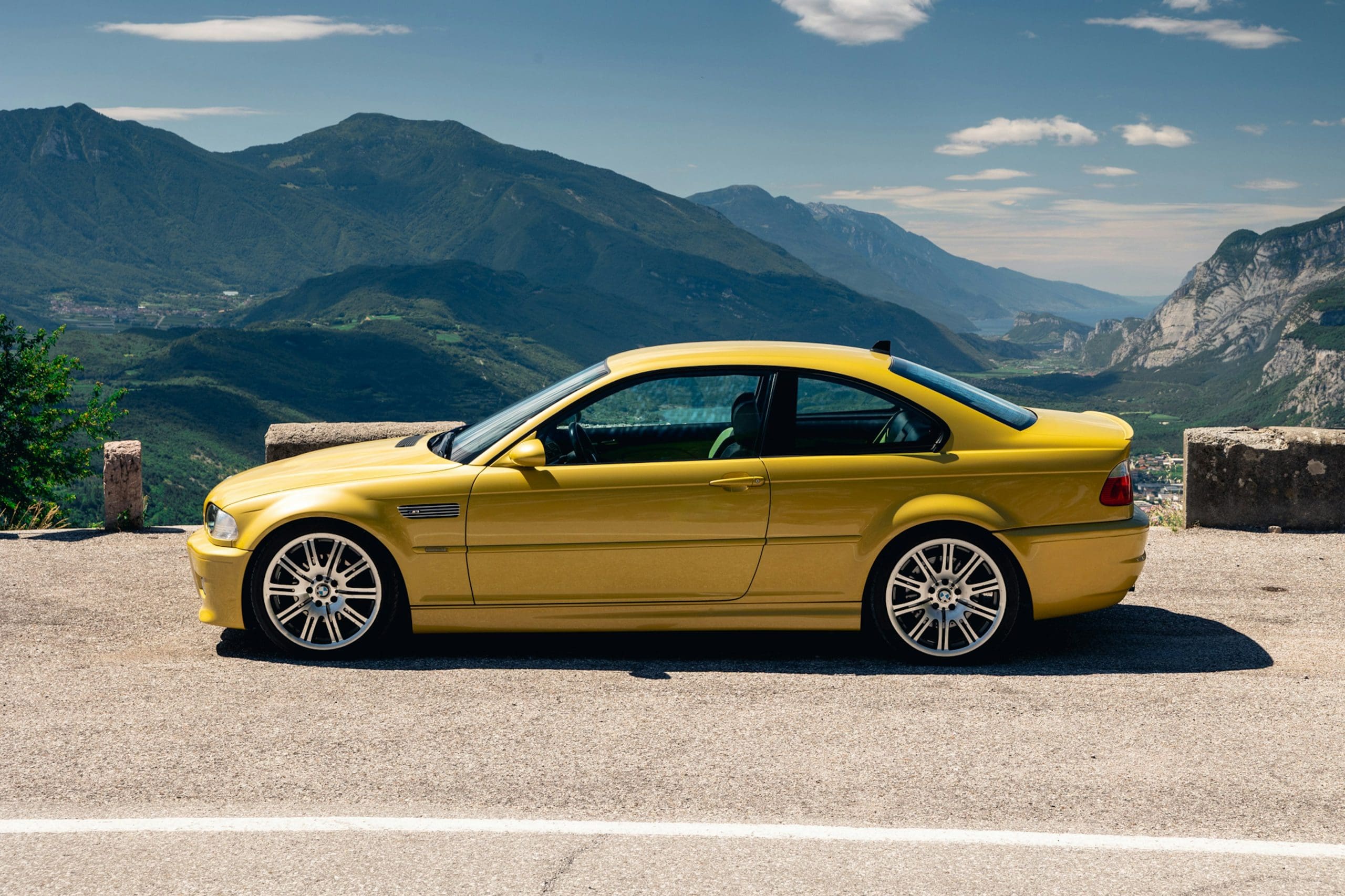
BMW built approximately 68,000 E46 M3 examples between October 2000 and July 2006 across coupe and convertible configurations. Special editions emerged throughout production, including the iconic GTS variant featuring increased power and track-focused engineering. The extended production run reflected sustained customer demand despite the car’s premium pricing and performance requirements.
The E46 M3 proved that naturally aspirated performance remained compelling and viable. It established templates for high-performance engineering that influenced BMW M development for subsequent decades.
Today, E46 M3 examples command respect among enthusiasts and collectors. The combination of naturally aspirated inline-six heritage, six-speed manual transmission option, and refined handling has established enduring appeal.
The BMW M3 E46 represented Munich’s engineering excellence, proving that naturally aspirated performance and mechanical refinement could create something genuinely transcendent. It remains one of BMW’s greatest achievements, a masterpiece establishing the M3 as an automotive legend.