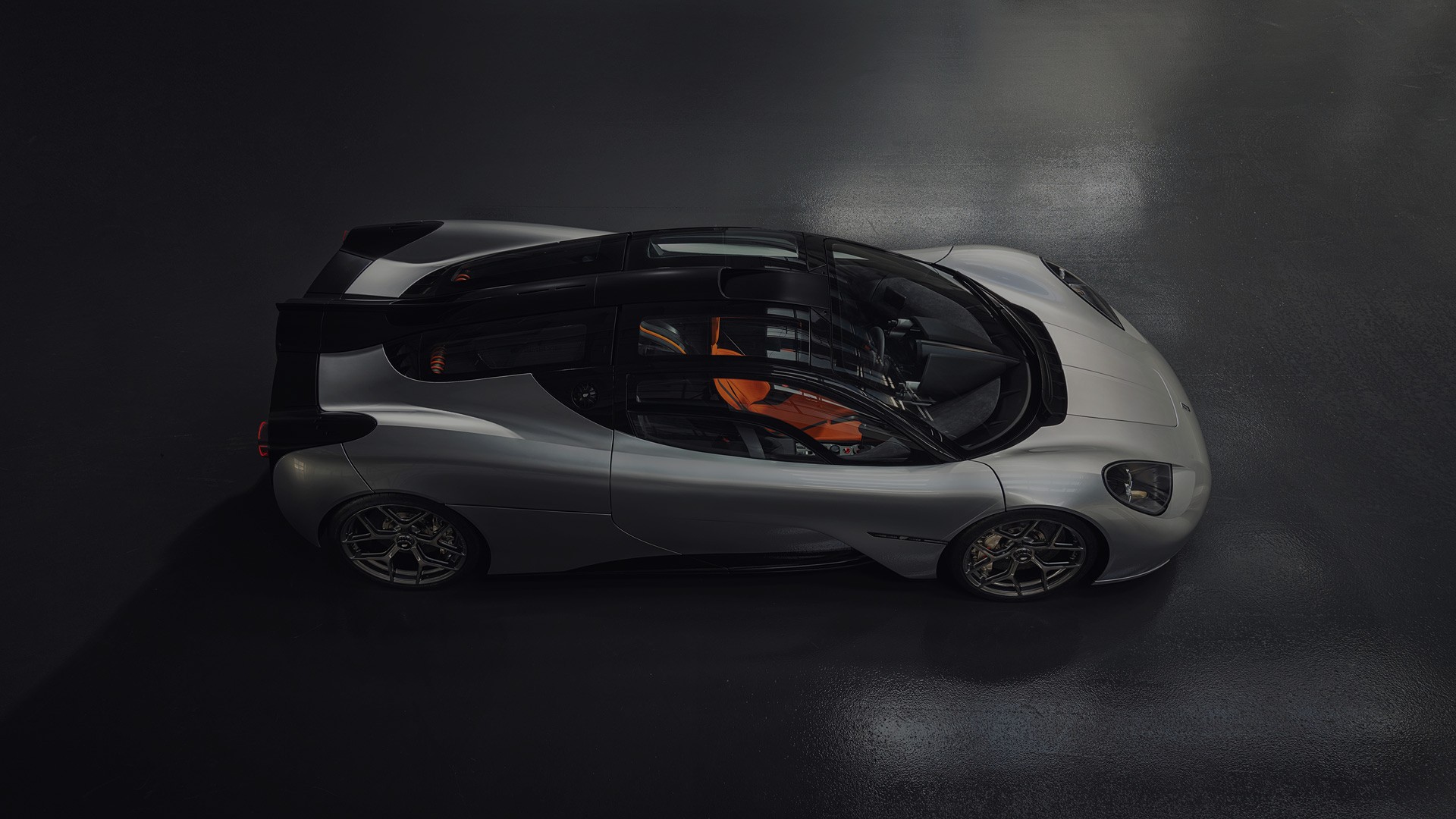

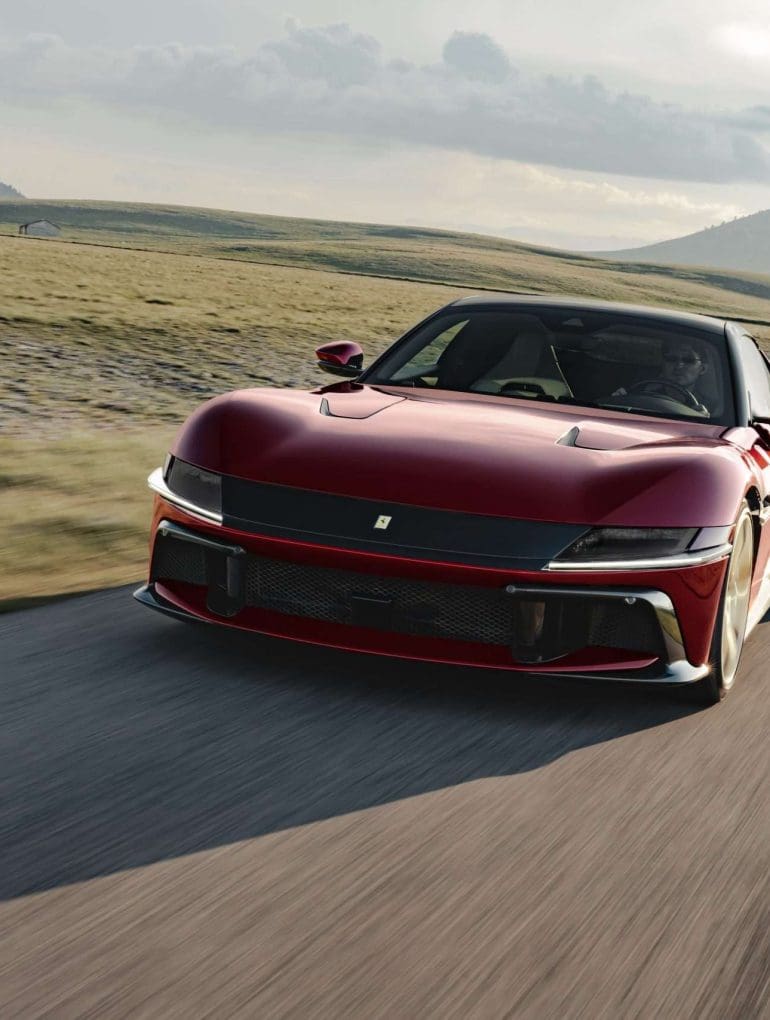

Ferrari has put a clutch pedal back in one of its cars. On July 3, Maranello unveiled the 12Cilindri Manuale, a special series limited to 1,499 units that pairs the naturally aspirated V12 flagship with a gated six-speed shifter and a third pedal. There is a catch worth understanding from the start: nothing here is mechanically connected to the gearbox. The lever and pedal are inputs for a new system Ferrari calls Manuale By-Wire, which sits on top of the familiar 8-speed dual-clutch transmission and lets the driver row through the first six ratios plus reverse. Press a button and the car reverts to a conventional automatic. Ferrari also removed the steering wheel paddles, something it has not done in many years. The message is clear enough. This car is about the shift itself.
How the Manuale By-Wire System Works
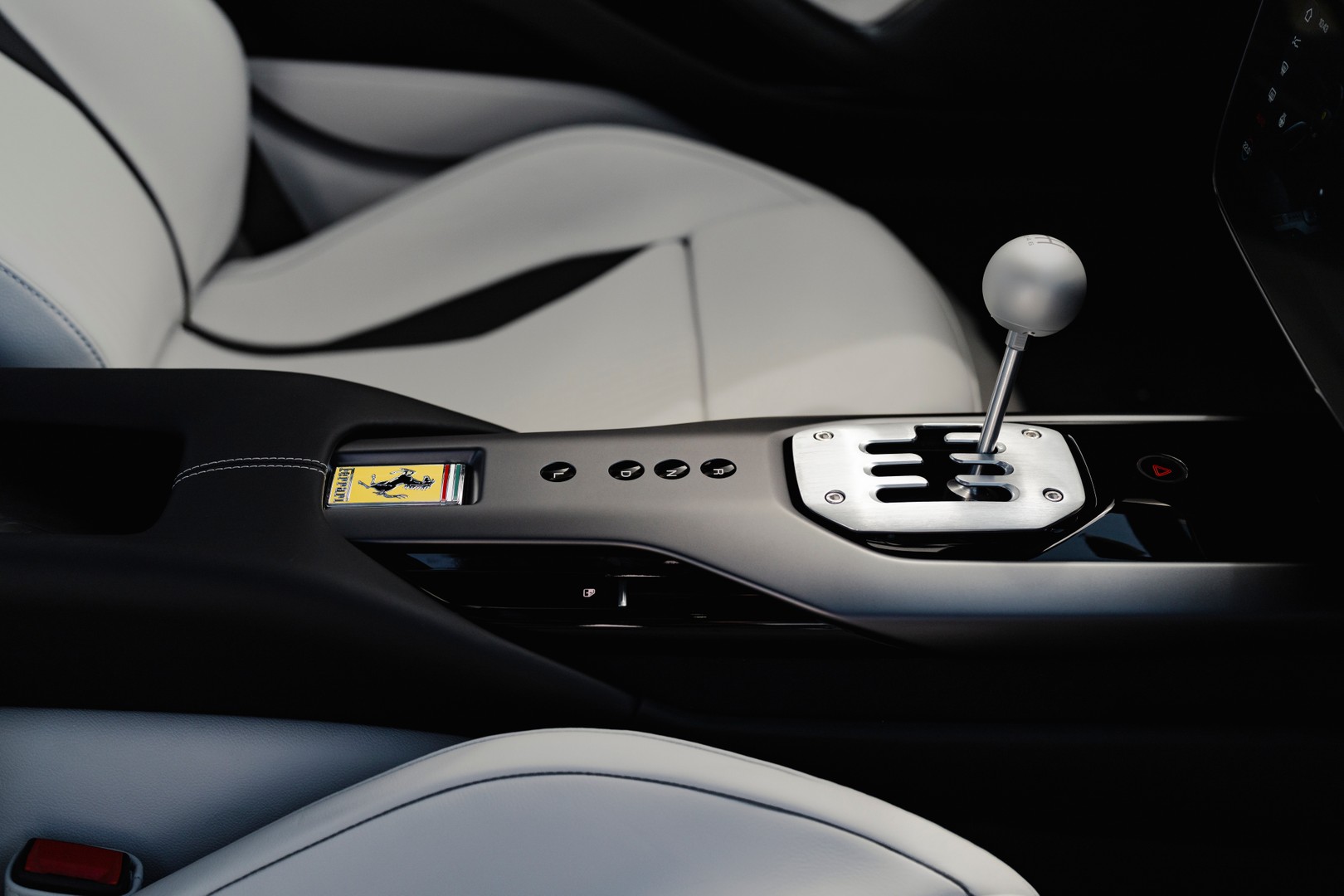
The heart of the system is a mechanical module machined from solid blocks that weighs less than 3.5 kg (7.7 lbs). Inside, a rotating block of high-strength steel and a set of eccentric rollers generate the loads, clicks and self-centering behavior of Ferrari’s old mechanical gearboxes. Two Hall-effect angle sensors read the lever’s position and send it to the gearbox control unit, which handles the actual shift through the DCT hardware. The engine and transmission carry over unchanged from the standard 12Cilindri.
Ferrari built real consequences into the interface. A push-pull solenoid physically locks the lever if the clutch is not depressed or if the selected gear would over-rev the engine. The gate follows the classic pattern with reverse at the top left, engaged by pressing the lever down, and the round aluminum knob carries a backlit screen print showing the six gears and the active driving mode.
Even the sound of the mechanism went through its own development program. Ferrari wanted the metallic action of the gate to register as authentic, not decorative.
The Clutch Pedal
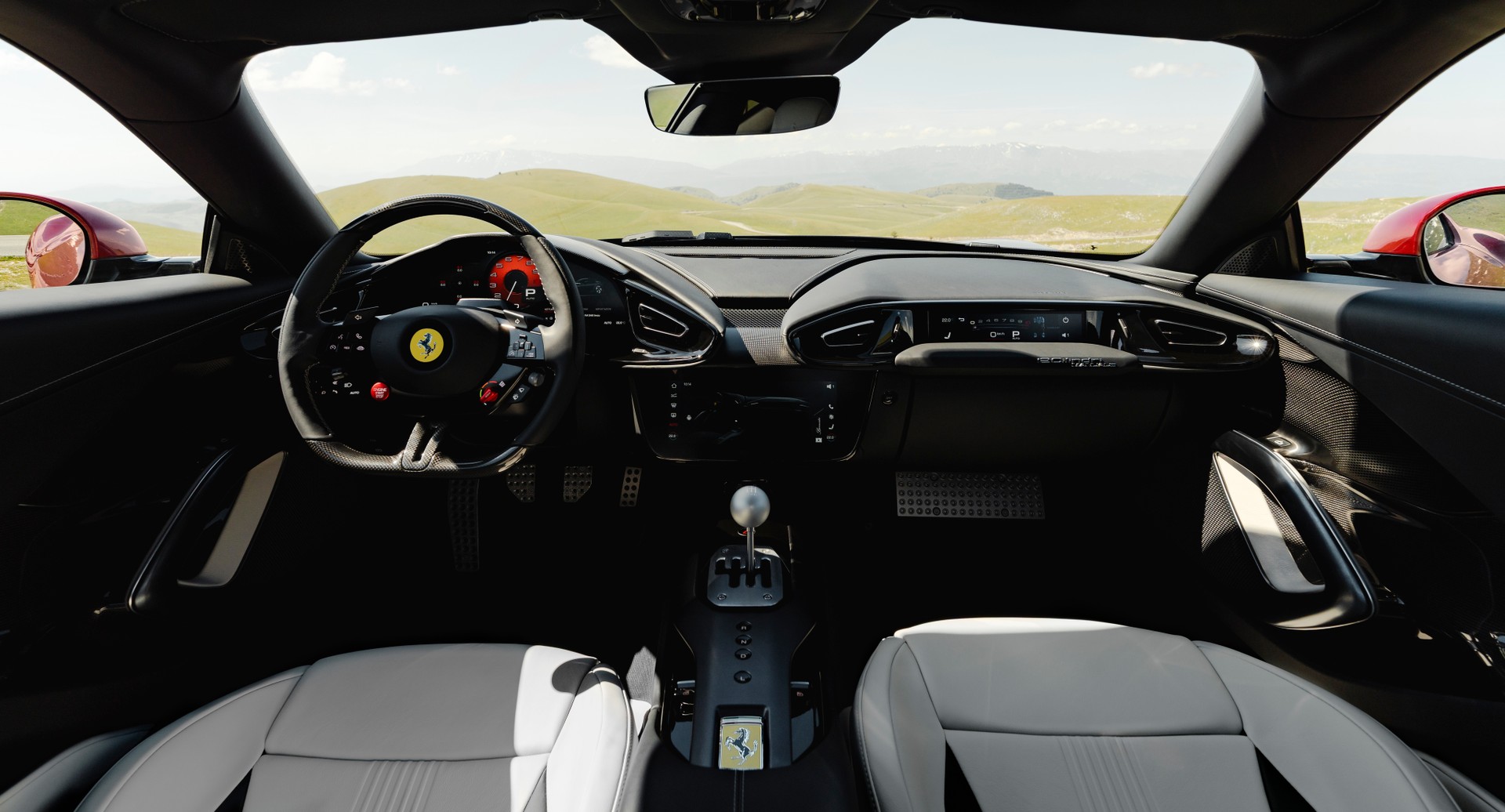
The third pedal is by-wire as well. A position sensor reads pedal travel and translates it into hydraulic actuation of the DCT clutch pack, while a passive arrangement of preload spring, cam and roller recreates the load curve of a cable-and-linkage setup. Get the timing right and the shift is clean. Get it wrong and the car jerks, or stalls outright. Heel-and-toe downshifts work as they would in a classic three-pedal Ferrari, and dedicated coasting logic keeps deceleration smooth all the way down to idle.
Same V12, Same Numbers
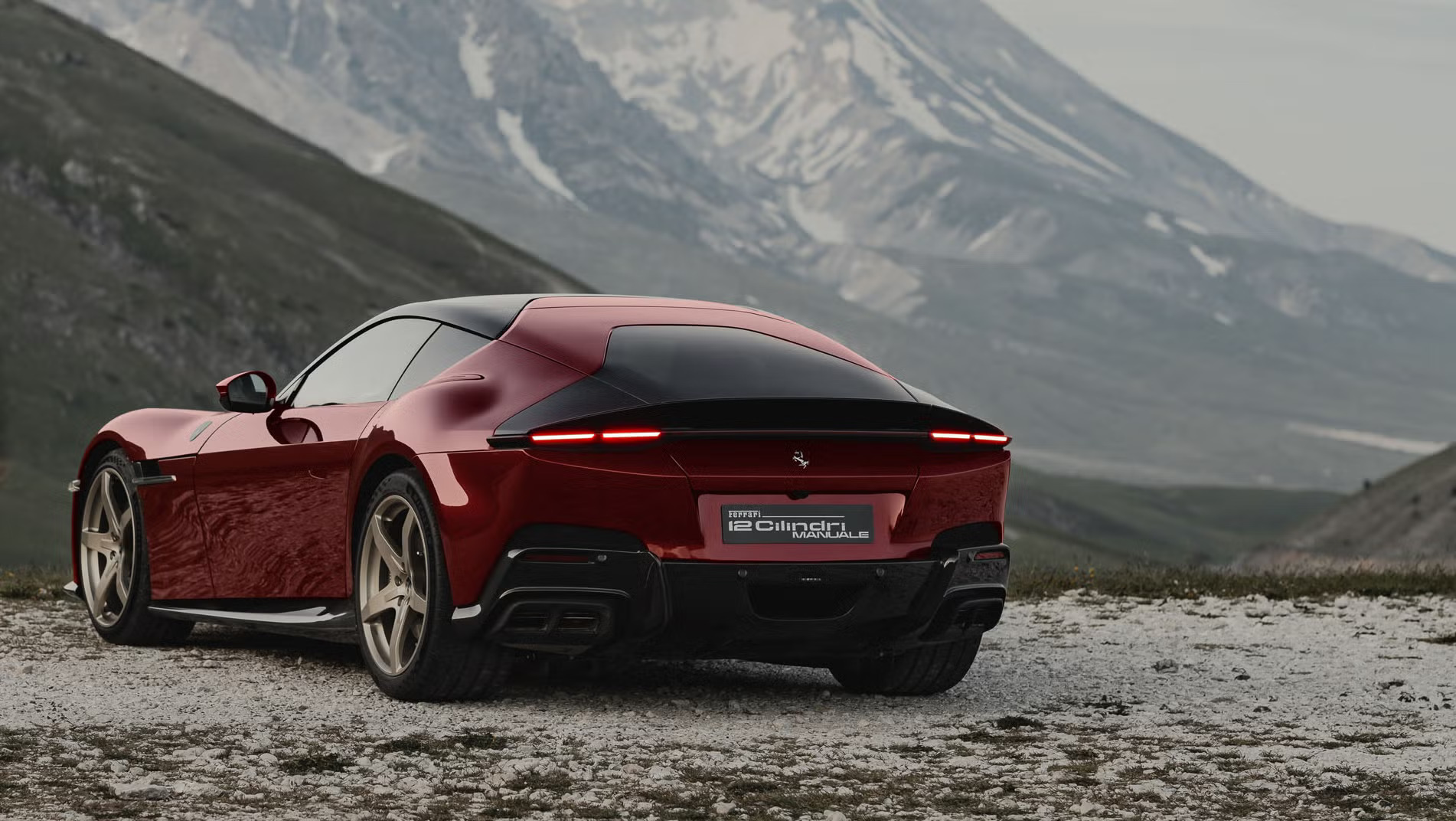
Ferrari left the powertrain alone. The 6.5-liter naturally aspirated 65-degree V12 still produces 819 horsepower at 9,250 rpm and 500 lb-ft at 7,250 rpm, with a ceiling of 9,500 rpm. Ferrari quotes 0-100 km/h (0-62 mph) in 2.9 seconds, 0-200 km/h (0-124 mph) in under 7.9 seconds and a top speed above 340 km/h (211 mph). Dry weight stands at 1,565 kg (3,450 lbs).
Design and Exclusivity
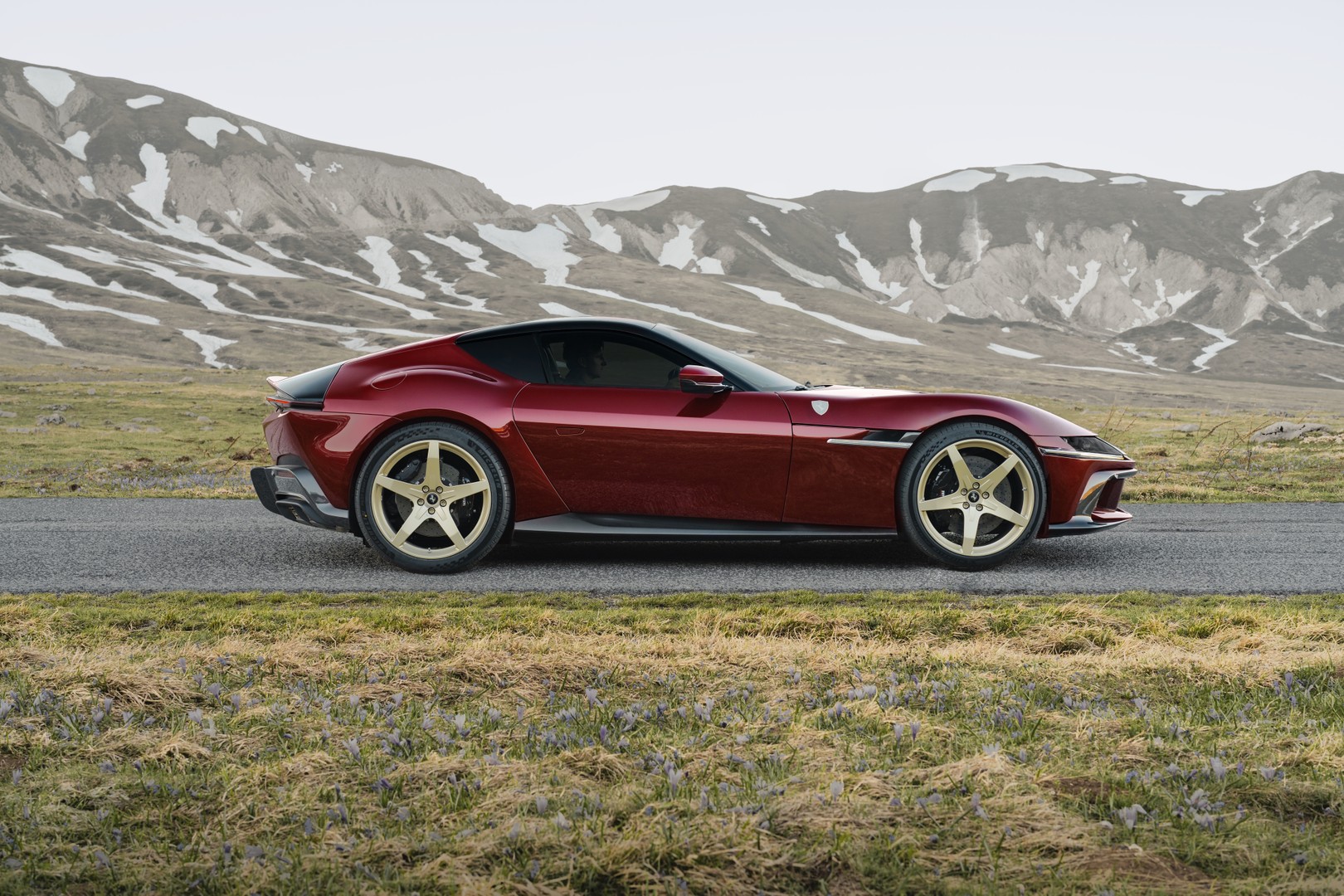
Every one of the 1,499 cars goes through Ferrari’s Tailor Made program. The number is deliberate, echoing the displacement of the first Ferrari twelve-cylinder engine from 1947. The center tunnel wears a leather-trimmed console with an anodized aluminum sculpture shaped like a tuning fork, which houses the control panel and key. Outside, the front splitter and rear wings carry a pinstripe finish honoring the 365 GTB4, the side badge is laser-etched and the scudetto is embossed using a technique borrowed from coin production.
Buyers choose from 25 colors, led by the Rosso Rubino of the launch car, plus forged five-spoke wheels in four finishes and seats trimmed with six vertical grooves referencing the six gears. The car is covered by Ferrari’s seven-year Genuine Maintenance program.