
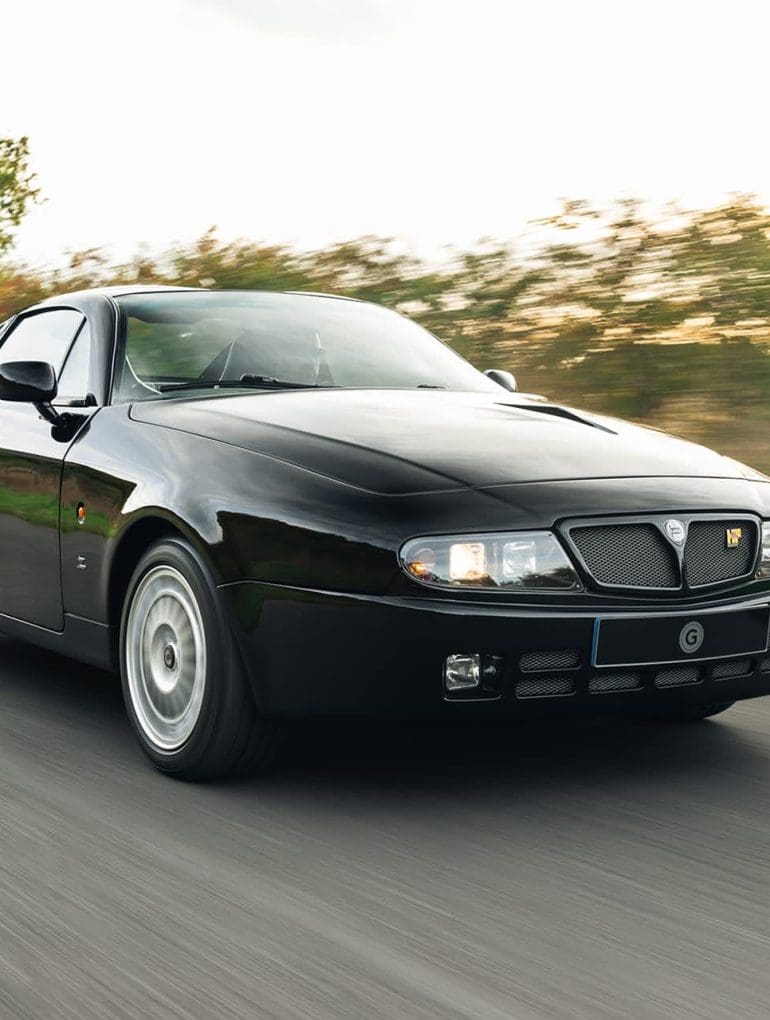

Brussels Motor Show, January 1992. Paul Koot, a Dutch Lancia distributor, unveiled the Hyena Zagato alongside the legendary Italian coachbuilder Carrozzeria Zagato, revealing a stunning aluminum-bodied coupe that immediately captured automotive industry imagination. The car represented an extraordinary collaboration between independent vision and established design heritage, creating something genuinely unprecedented. Based on the legendary Lancia Delta HF Integrale Evoluzione II platform, the Hyena retained the rally icon’s turbocharged 2.0-liter four-cylinder engine producing 250 horsepower and sophisticated four-wheel drive architecture while enveloping it in entirely new Zagato-designed bodywork.
The double-bubble roof, aluminum construction, and carbon-fiber interior created something lighter and more elegant than the standard Integrale, weighing 120 kilograms less while maintaining all the performance-derived capability. This was automotive passion meeting industrial reality, demonstrating that individual vision could create something extraordinary when combined with established expertise. Despite initial optimism for 500 units, escalating production costs and corporate resistance limited the Hyena to just 24 examples built between 1992 and 1994, establishing it as one of the rarest Italian sports cars ever produced.
Background and Origins
The Hyena’s conception emerged from circumstances beyond Koot’s control. In 1990, Zagato stylist Marco Pedracini had proposed a sportier Delta Integrale variant to Lancia management, presenting multiple design concepts for an aerodynamic coupe body. Remarkably, Lancia’s corporate hierarchy dismissed the proposal entirely, failing to recognize the opportunity before them. Frustrated by this lack of vision, Koot decided to pursue the collaboration independently, approaching Zagato directly with the proposal that Lancia had rejected.
Zagato’s enthusiasm proved immediate and genuine. The legendary Milan coachbuilder, with a history extending back to 1927 and collaborations with Lancia dating to the groundbreaking Lambda, recognized the extraordinary potential. Marco Pedracini’s design, previously rejected by Lancia, suddenly found viable expression. The resulting prototype was unveiled at the comparatively small Brussels Motor Show in January 1992, generating immediate acclaim and attracting approximately 12 purchase orders within days of the show’s opening.
The production plan was extraordinarily ambitious: Koot initially targeted 500 units annually, with the vehicles sold through Lancia’s traditional dealer network where Koot maintained extensive relationships. This ambitious target was quickly revised downward to 75 examples as the true costs of hand-built aluminum construction became apparent. Unfortunately for Koot and Zagato, when Fiat executives learned of the project, they adamantly refused to participate or supply donor Integrale chassis. This corporate rejection forced Koot to purchase fully finished Delta HF Integrales from existing inventory, have them stripped to bare shells, and send the chassis to Zagato in Milan for bodywork installation. This unconventional production approach was extraordinarily expensive, further constraining production.
Design and Engineering
The Hyena utilized the proven Delta HF Integrale Evoluzione II platform with its sophisticated multi-link independent suspension and sophisticated active center differential distributing power across all four wheels. The wheelbase and overall proportions remained identical to standard Integrales, but everything else was comprehensively reimagined through Zagato’s design philosophy.
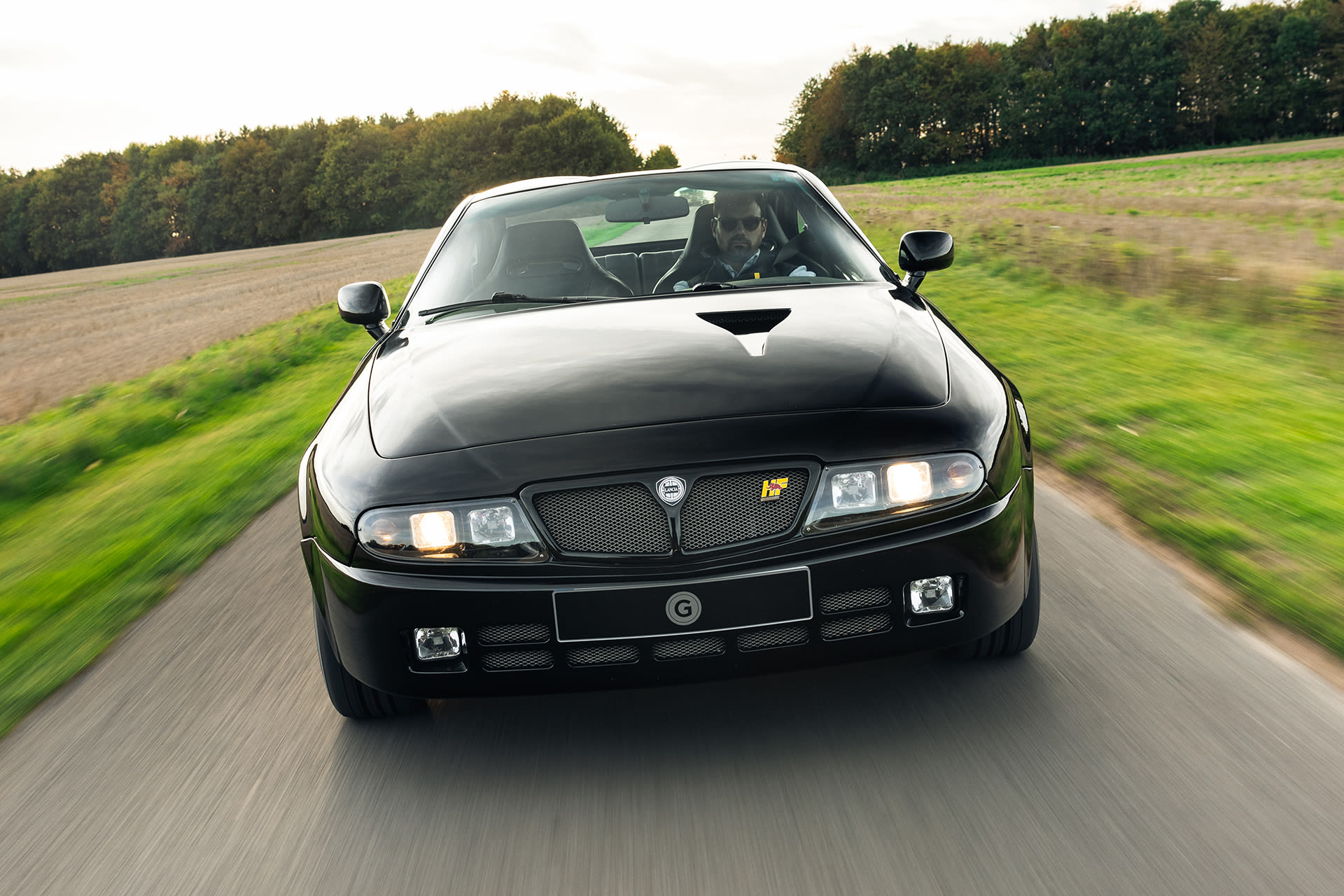
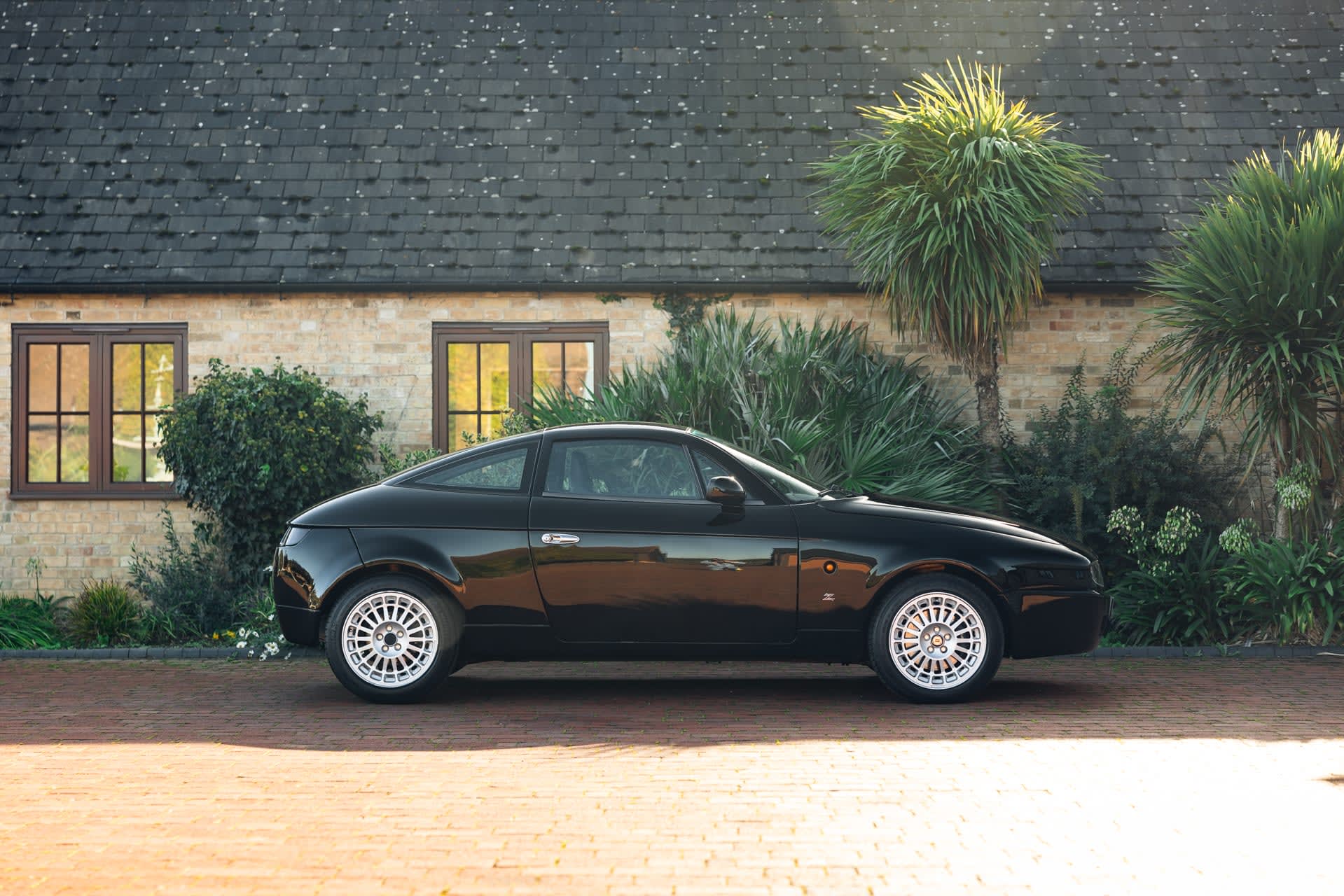
The bodywork represented purely original design craftsmanship. Every single panel was handcrafted from aluminum specifically for the Hyena—not a single component was shared with production Integrales. The low-slung nose featured distinctive headlights sourced from Alfa Romeo SZ, another Zagato design, with four lights mounted behind clear covers alongside indicators and meshed cooling grilles. A large body-colored NACA duct was carved into the sloping front hood, providing functional cooling without visual heaviness.
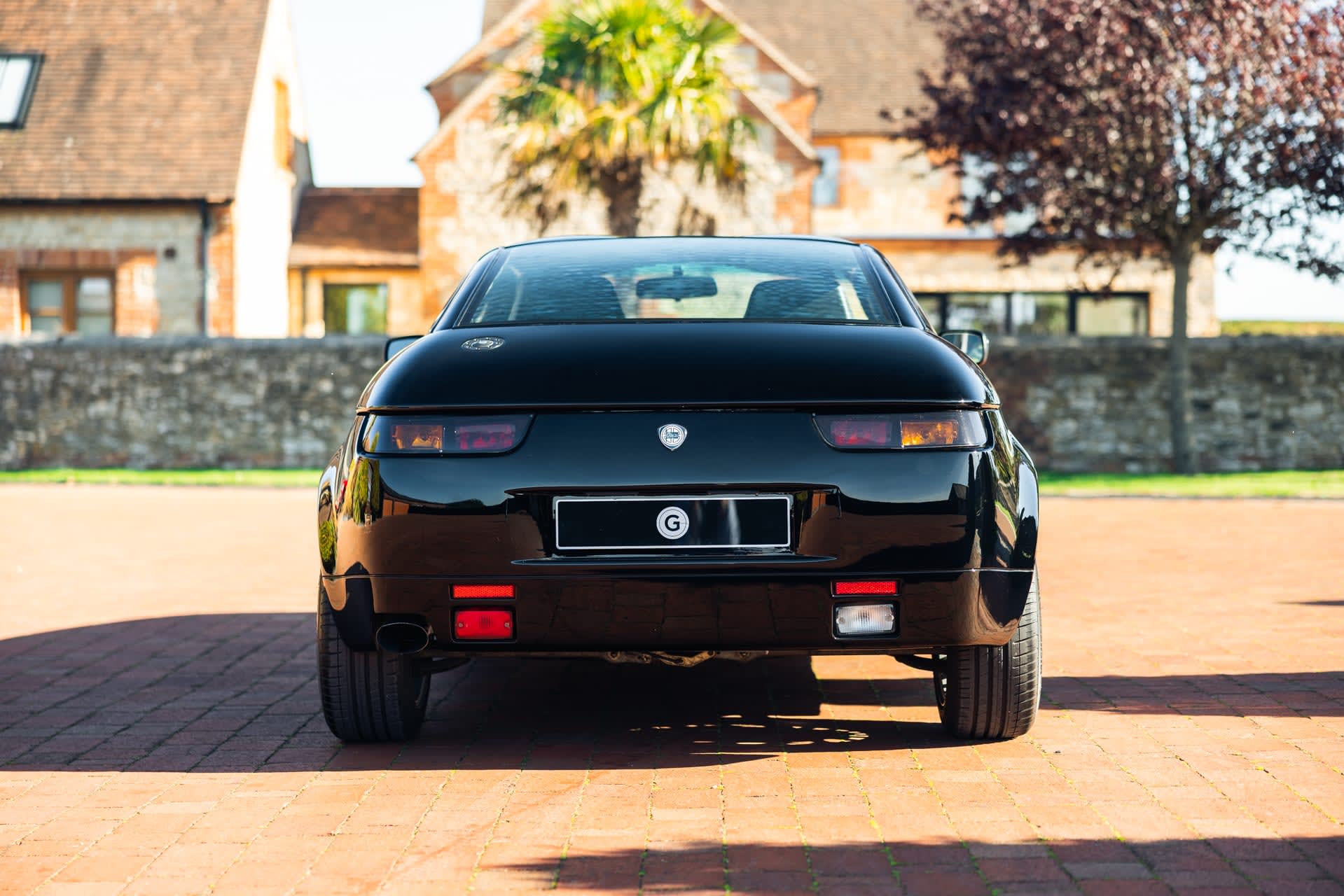
The iconic double-bubble roof represented Zagato’s signature design element, a characteristic hallmark appearing on virtually every significant Zagato creation since the 1950s. The rear quarters featured blended swage lines wrapping from each front wheelarch around the car’s entire rear end, creating sophisticated visual flow. Custom glass throughout the bodywork maintained minimal visual bulk while ensuring excellent visibility. The overall effect was purposeful yet elegant, emphasizing performance through design sophistication rather than aggressive ornamentation.
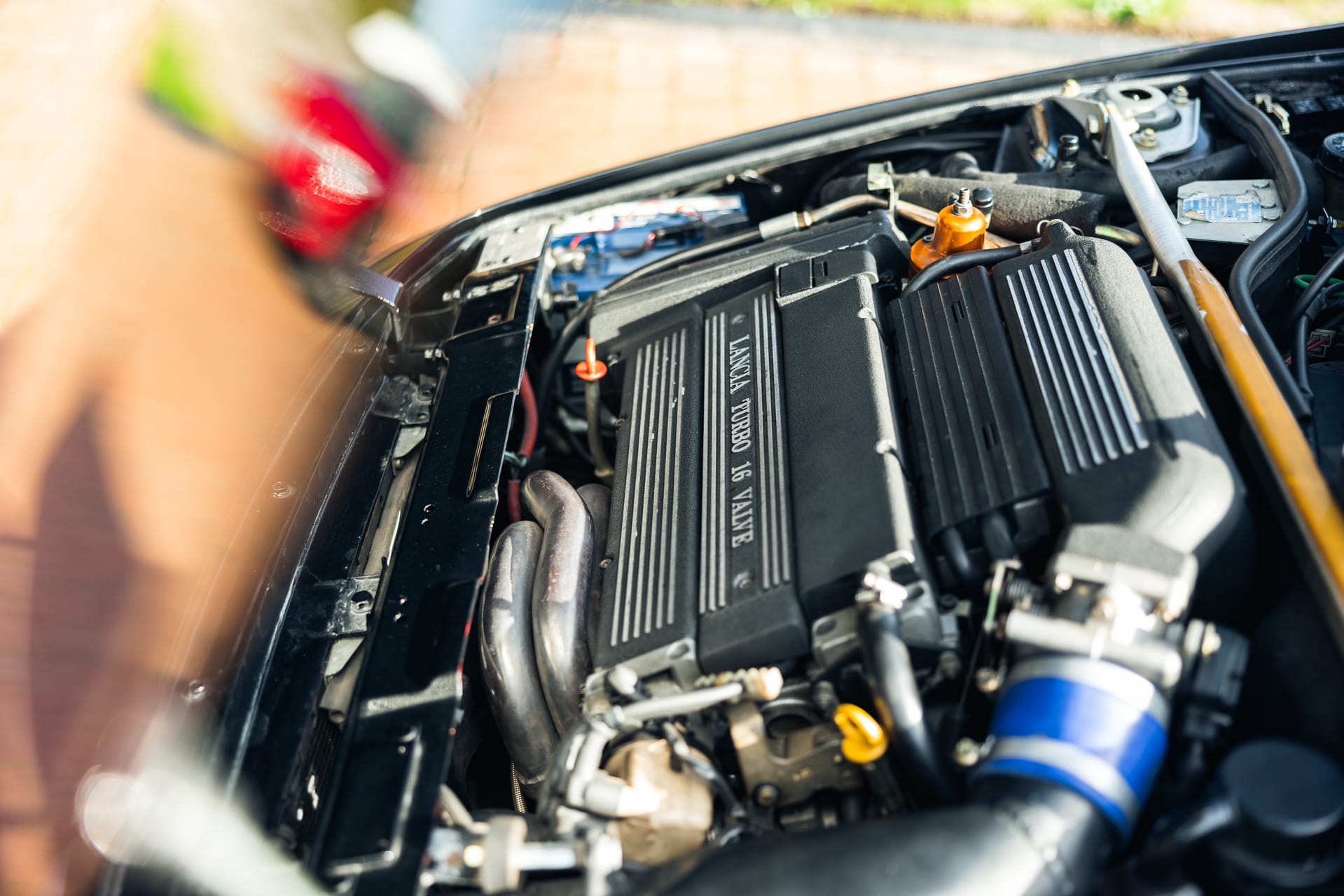
The suspension geometry remained fundamentally identical to the standard Integrale but was thoroughly calibrated for the Hyena’s reduced mass. The active center differential continued distributing power intelligently across all four wheels, ensuring traction during acceleration and cornering. The turbocharged engine maintained its characteristic mid-range thrust and linear power delivery.
The 1,995cc turbocharged inline four-cylinder engine produced 250 horsepower at 5,750 rpm and 220 lb-ft of torque at 3,500 rpm in standard specification. The Garrett turbocharger provided strong boost across a broad rpm range, allowing accessible acceleration without requiring extreme rev-range exploration. Five-speed manual transmission and all-wheel drive completed the performance package, delivering approximately 143 mph top speed and 5.5-second 0-60 acceleration—respectable figures for a naturally aspirated era car.
Styling
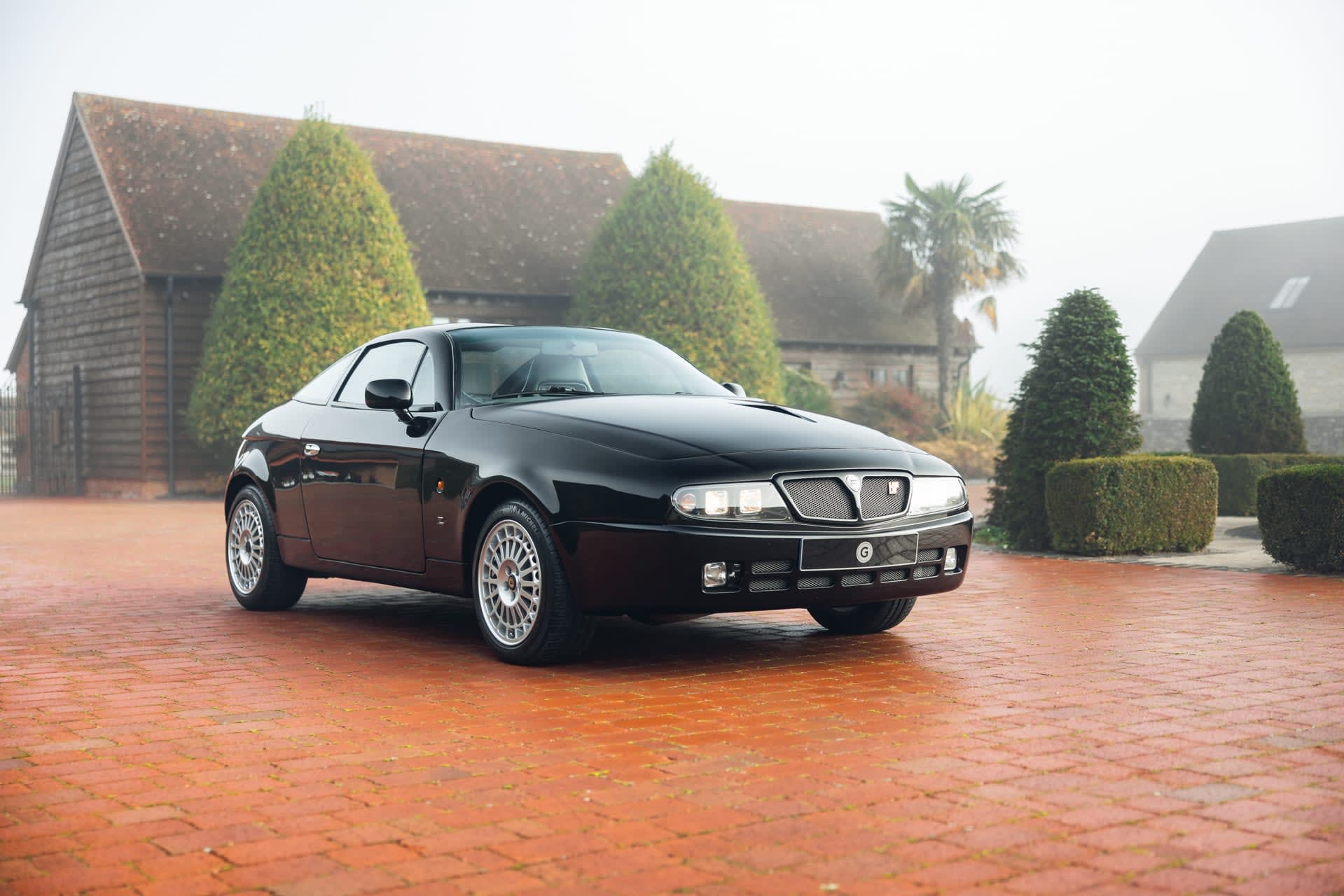
Marco Pedracini’s design emphasized flowing proportions and functional elegance. The compact dimensions, despite being based on the Delta Integrale, created an impression of density and purpose. The profile was uncluttered, allowing sophisticated curves to dominate rather than aggressive bodywork elements. The double-bubble roof created distinctive visual identity while providing practical headroom through raised cabin heights.
Zagato specified that all bodywork be hand-shaped from aluminum, rejecting composite construction despite higher costs. This decision proved economically devastating but technically sound, ensuring authenticity and durability. Most Hyenas were finished in traditional Italian colors: Rosso Corsa red, Blu Notte blue, or Grigio Alloy grey, celebrating Lancia’s racing heritage through classic colorways.
Interior
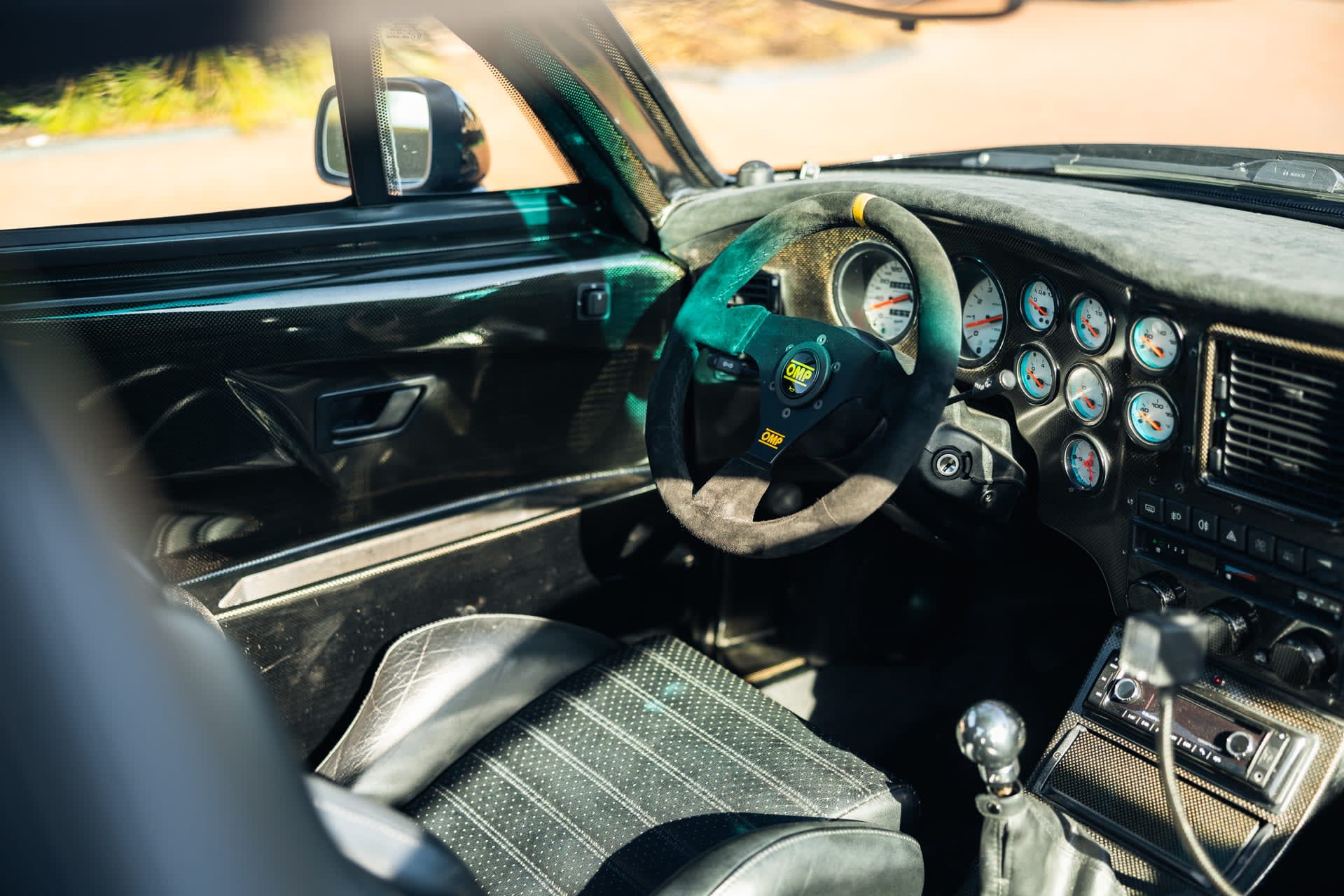
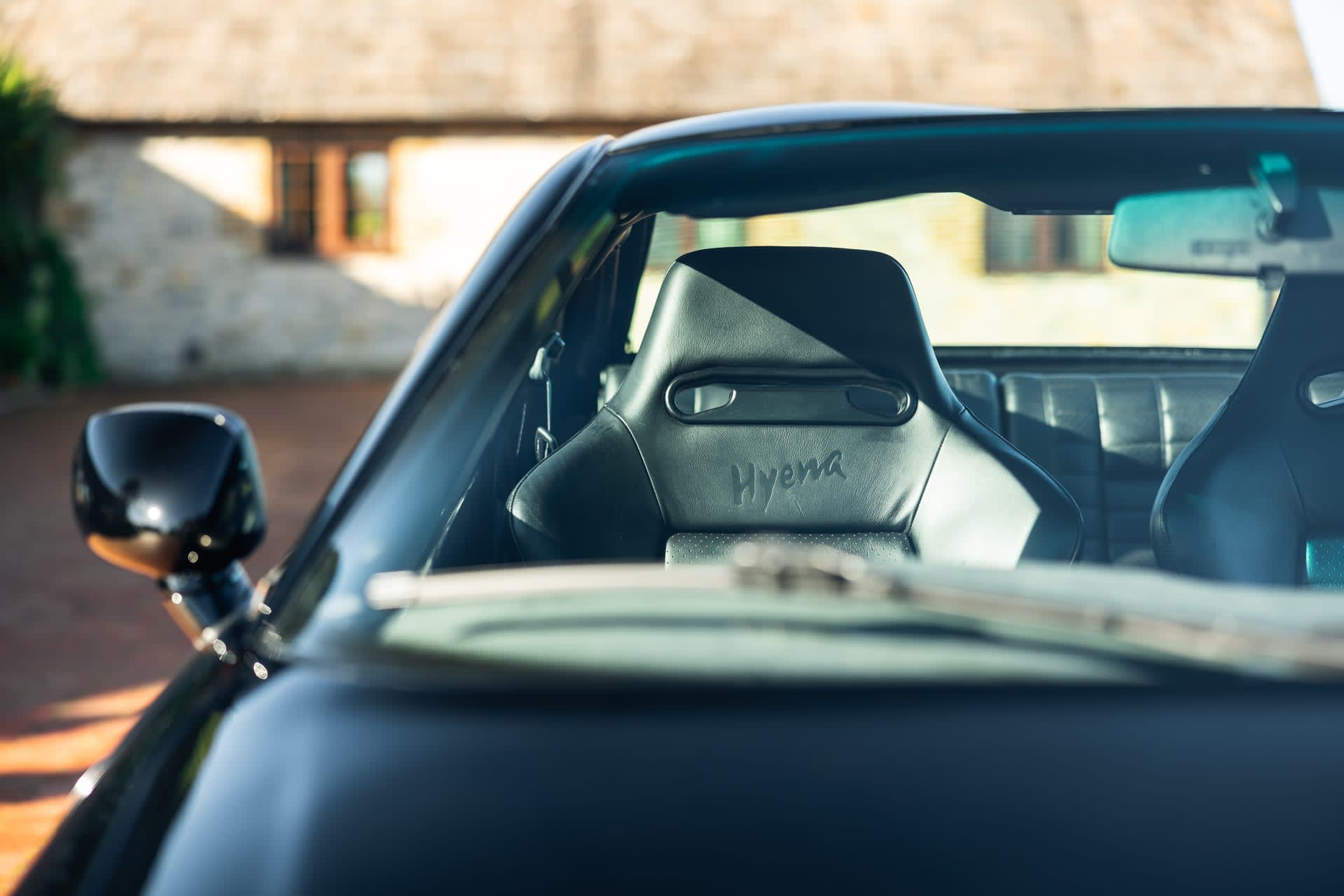
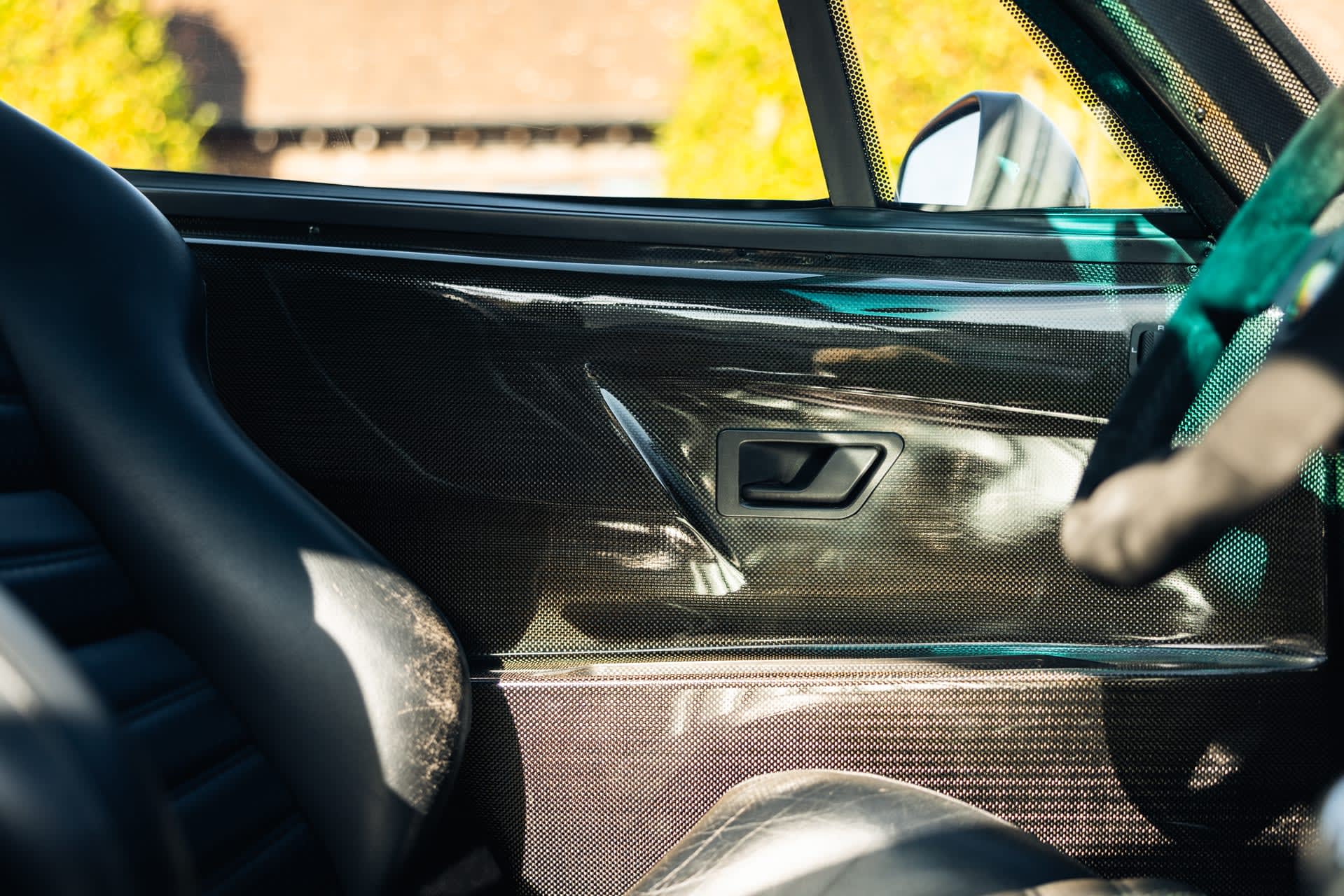
The interior featured bespoke carbon-fiber dashboard, console, and door skins—an extraordinarily sophisticated specification for the early 1990s. Sport seats provided excellent lateral support while maintaining comfort for extended driving. The overall cabin atmosphere emphasized driver engagement through mechanical directness rather than luxury appointments.
Specifications
- Engine: 1,995cc turbocharged inline four, DOHC, 16-valve, Garrett turbocharger
- Power: 250 hp / 253 PS at 5,750 rpm
- Torque: 220 lb-ft / 298 N·m at 3,500 rpm
- Transmission: Five-speed manual, all-wheel drive
- Chassis: Steel platform (Delta Integrale Evoluzione II base), fully revised
- Suspension: Independent multi-link (front and rear), active center differential
- Brakes: Ventilated discs with ABS, four-piston calipers
- Wheels: 16-inch alloy, performance tires
- Weight: 1,148 kg / 2,530 lbs (120kg lighter than standard Integrale)
- Performance: 143 mph / 230 km/h top speed, 0-60 mph in 5.5 seconds
Production and Legacy
Lancia/Zagato produced exactly 24 Hyena examples between January 1992 and 1994, substantially below initial targets due to production costs and Fiat’s refusal to supply chassis. The decision by corporate Fiat to discontinue the Delta HF Integrale in 1994 directly ended Hyena production, eliminating the donor-car supply that had sustained the project. The truncated production run transformed the Hyena from intended affordable-sports-car alternative into one of the rarest Italian automobiles ever created.
Each car was assigned a production number and received meticulous assembly reflecting Zagato’s hand-built craftsmanship standards. Early production included several prototype variants featuring different interior appointments and engine calibrations, with later examples receiving refinements addressing initial ownership feedback.
Today, Hyena Zagatos command substantial collector values reflecting their extraordinary rarity. The combination of Zagato design pedigree, limited production, and Delta performance foundation has established legendary status among Italian automotive enthusiasts.
The Lancia Hyena Zagato represented individual vision meeting design heritage, proving that passion and expertise could create something genuinely extraordinary despite corporate indifference. It remains one of the final grand gestures celebrating Lancia’s sports car tradition before the brand’s decline.