
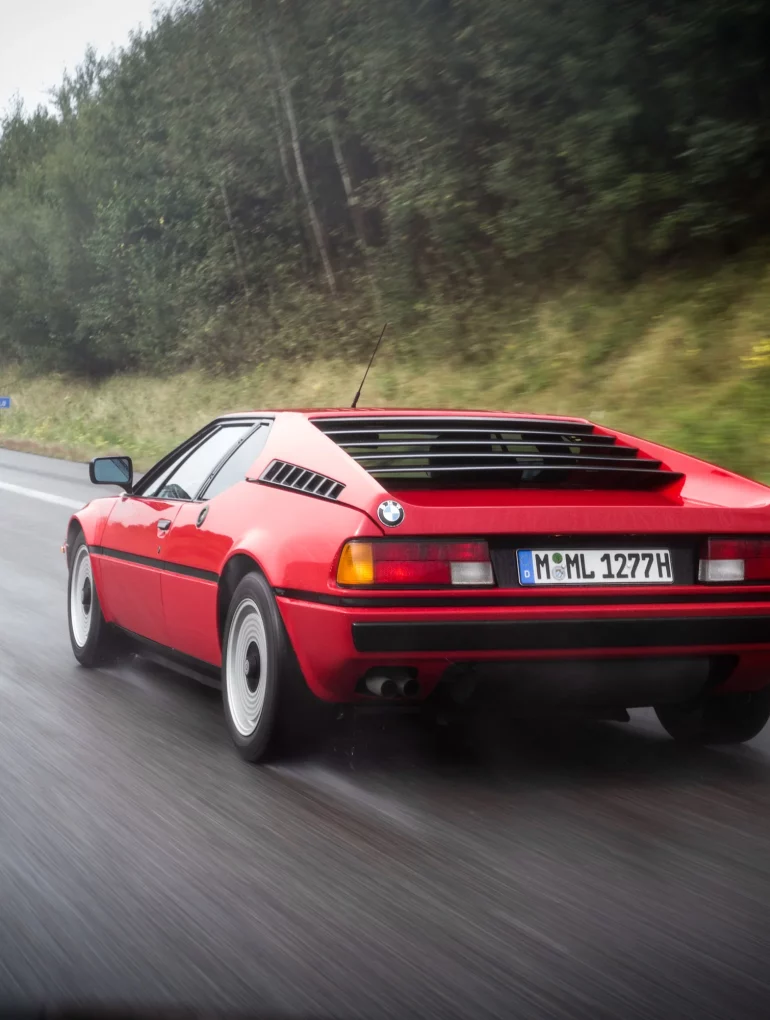

Paris Motor Show, October 1978. BMW unveiled the M1, a revolutionary mid-engine supercar representing the Munich manufacturer’s first mid-engine production sports car and a high-water mark for BMW Motorsport GmbH’s performance division. Designed by Giorgetto Giugiaro at Italdesign, the M1 embodied a radical departure from BMW’s established tradition of front-engine performance cars, establishing the template for mid-engine sports cars that would define the industry for decades. The naturally aspirated 3.5-liter M88 inline-six produced 277 horsepower at 6,500 rpm and 243 lb-ft of torque at 5,000 rpm, delivering 163 mph capability while enabling 5.6-second 0-60 acceleration through mechanical sophistication and responsive handling.
This was Jochen Neerpasch’s audacious vision: a homologation special that would establish BMW’s racing credentials while demonstrating that German engineering could produce world-class exotic machinery. Production commenced in 1978 but proceeded painfully, with 399 road examples and 54 race cars built through 1981, establishing the M1 as one of the rarest and most exclusive BMWs ever produced.
Background and Origins
The M1 project originated from BMW’s determination to compete successfully in international sports car racing during the mid-1970s. The 3.0 CSL, BMW’s previous competition weapon, had proven increasingly outclassed by Porsche’s dominance in Group 5 racing. Jochen Neerpasch, director of BMW Motorsport, envisioned a completely new platform: a mid-engine supercar that would compete effectively while establishing BMW as a genuine exotic manufacturer.
The design brief fell to Giorgetto Giugiaro at Italdesign in Turin, the legendary stylist who had previously shaped the Lancia Stratos and other automotive icons. Rather than create something aggressively theatrical, Giugiaro emphasized functional elegance and purposeful proportion, resulting in proportions that remained visually contemporary decades after introduction. The design immediately captured automotive industry imagination when unveiled, establishing the M1 as something genuinely special.
The production approach proved extraordinarily complex. Initially, BMW contracted with Lamborghini to manufacture the M1 at Sant’Agata, leveraging the Italian specialist’s experience with supercar production. However, Lamborghini’s severe financial difficulties and persistent quality issues forced BMW to relocate final assembly to Karosserie Baur in Munich. This unconventional production path—with components sourced from multiple suppliers before final assembly—resulted in manufacturing delays and cost escalation that fundamentally compromised the M1’s commercial viability.
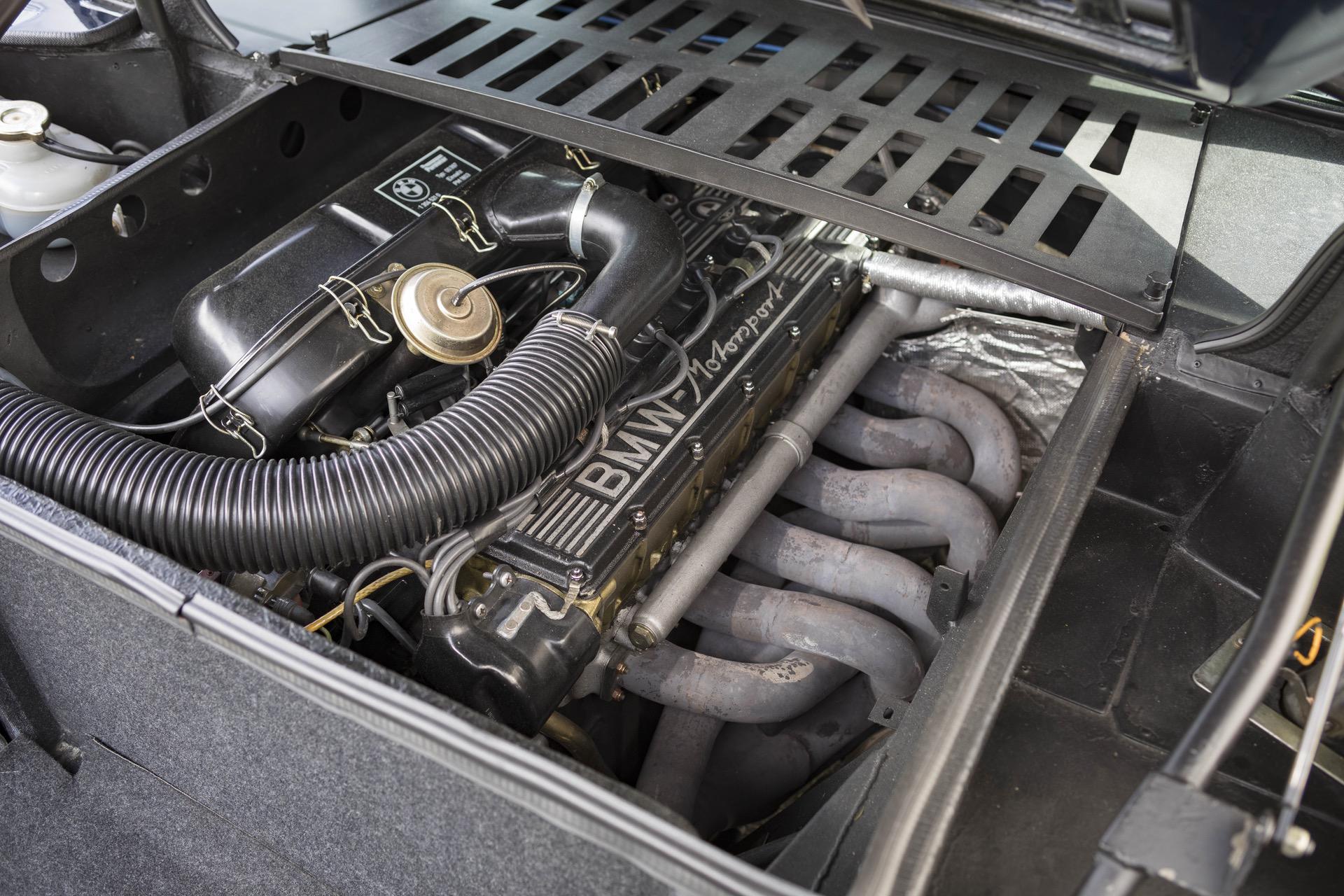
The engine represented refinement rather than revolutionary development. Based on BMW’s proven M88 inline-six architecture, the unit was enlarged to 3.5 liters and thoroughly optimized for high-revving performance. The dual overhead camshaft configuration controlled four valves per cylinder with remarkable precision, establishing the breathing efficiency essential for naturally aspirated performance at a time when competitors increasingly pursued turbocharged solutions.
Design and Engineering
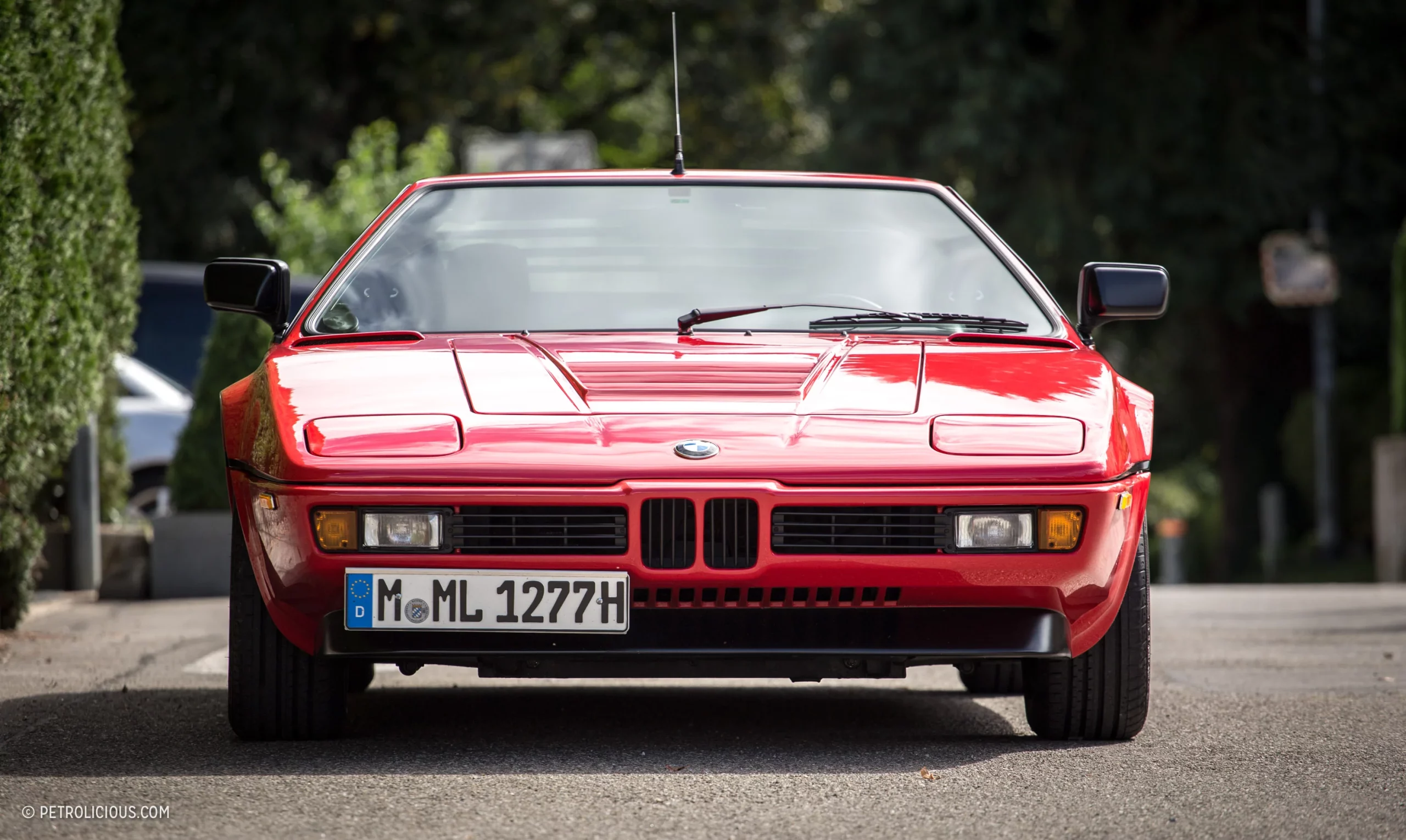
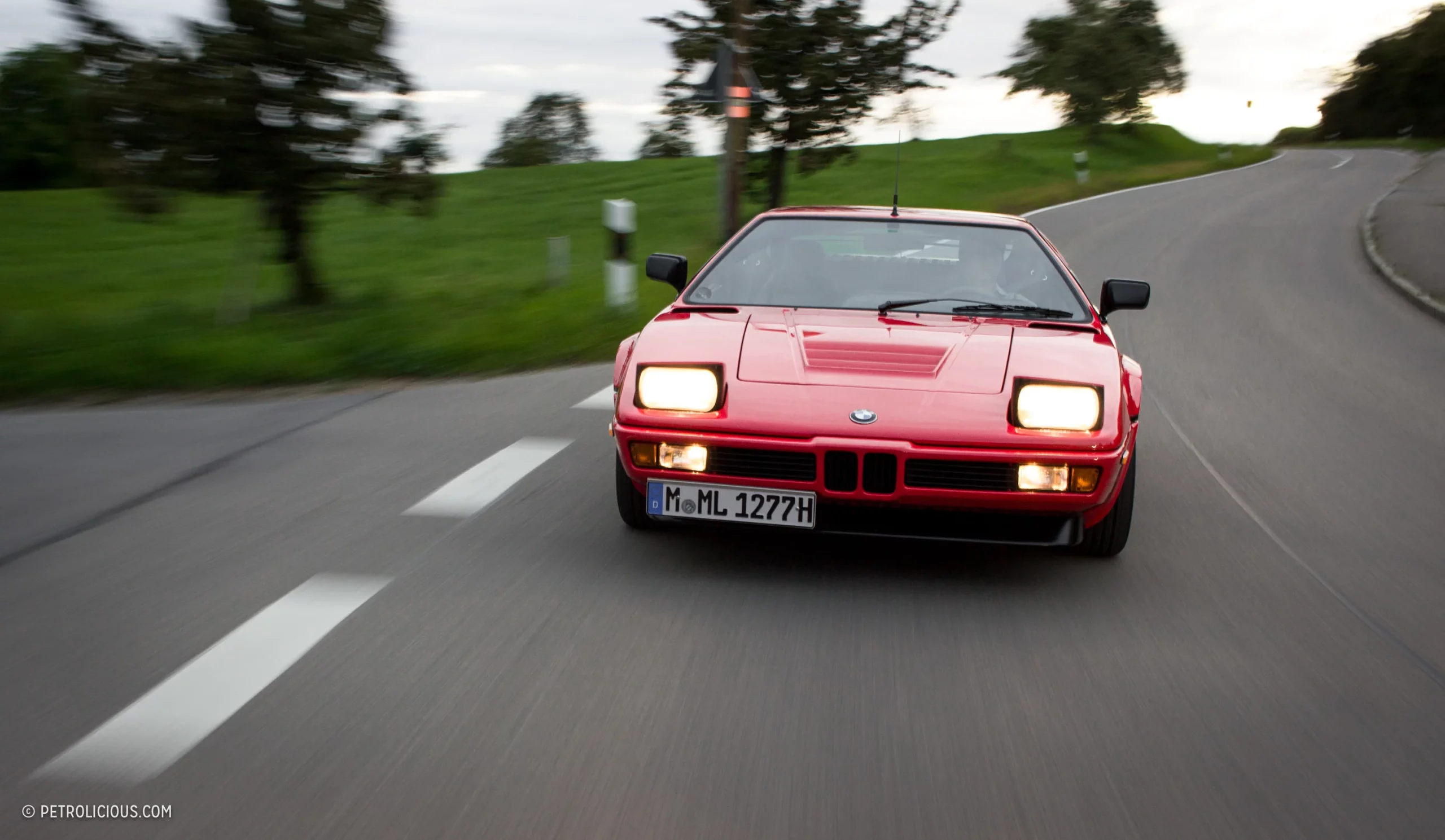
Giorgetto Giugiaro’s design created proportions emphasizing functional elegance. The low nose featured sharp horizontal lines characteristic of contemporary Italian design, with pop-up headlights maintaining aerodynamic efficiency when retracted. The narrow twin-kidney grille sat unusually low on the front fascia, while large cooling air intakes provided necessary engine bay ventilation. The profile was clean and purposeful, with the mid-engine positioning evident through sculpted side surfaces and prominent wheel arches.
The mid-engine layout positioned the M88 inline-six behind the cockpit, optimizing weight distribution and creating ideal handling balance. The longitudinal engine mounting mated directly to a ZF five-speed transaxle in the rear. The chassis utilized a tubular steel spaceframe structure with bonded fiberglass bodywork, minimizing weight while maintaining structural integrity adequate for high-performance driving. The wheelbase measured 2,560 millimeters, establishing perfectly balanced proportions.
Suspension featured independent double wishbones front and rear, complemented by coil springs and sophisticated dampers. The geometry was meticulously tuned for responsive handling while maintaining ride comfort expected from a practical grand tourer. Anti-roll bars provided cornering control without excessive harshness. Unassisted rack-and-pinion steering ensured uncompromised road feel during everyday driving and maximum feedback during spirited performance.
The M88 engine displaced 3,453cc with a bore and stroke optimized for high-revving naturally aspirated efficiency. With 9.5:1 compression ratio and Kugelfischer mechanical fuel injection, output was 277 horsepower at 6,500 rpm and 243 lb-ft of torque at 5,000 rpm. The power delivery was distinctly high-revving in character, requiring disciplined driving through the gears to access full performance potential. Racing versions, fitted with modified turbochargers and higher boost pressures, could achieve outputs exceeding 850 horsepower for dedicated competition use.
Styling
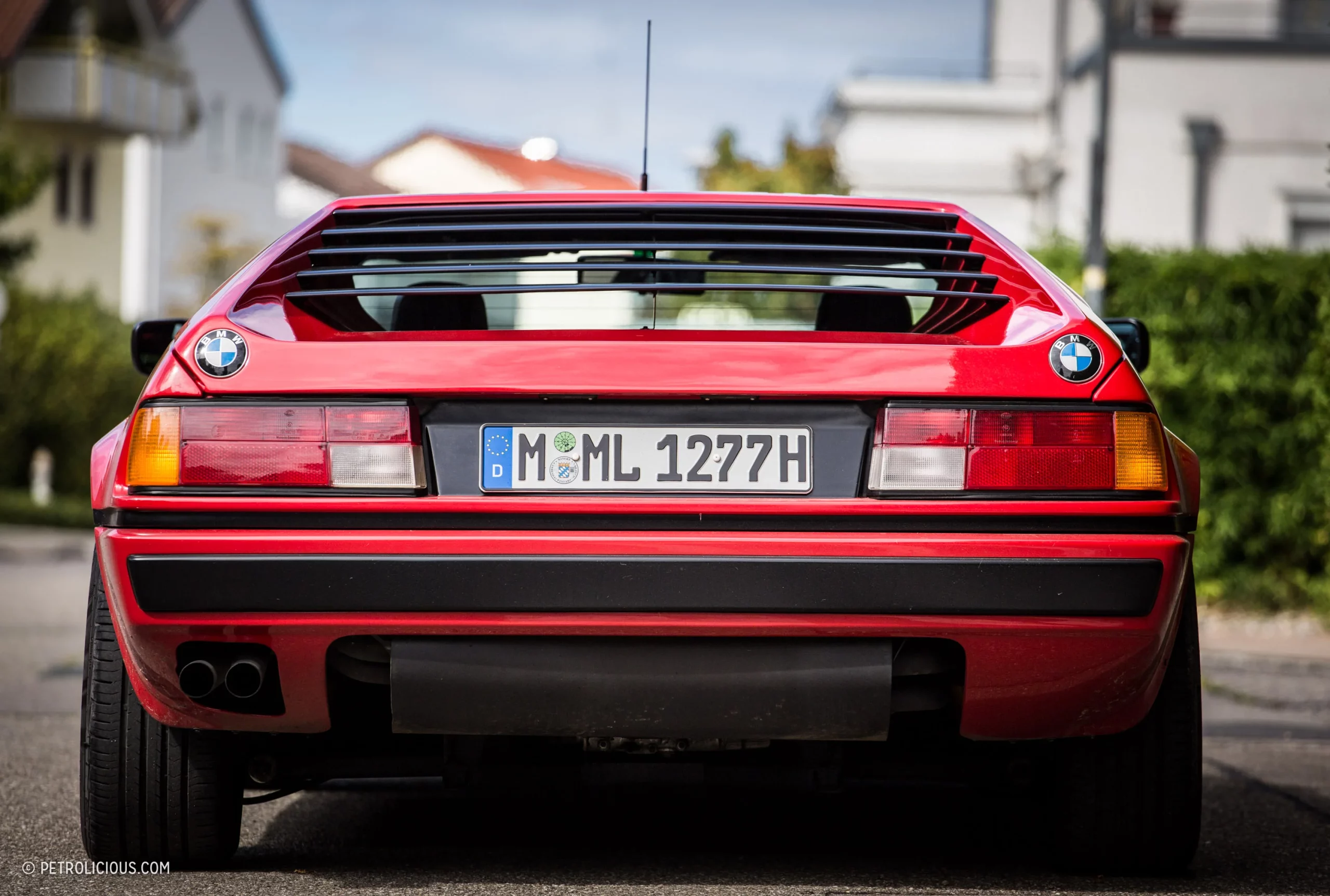
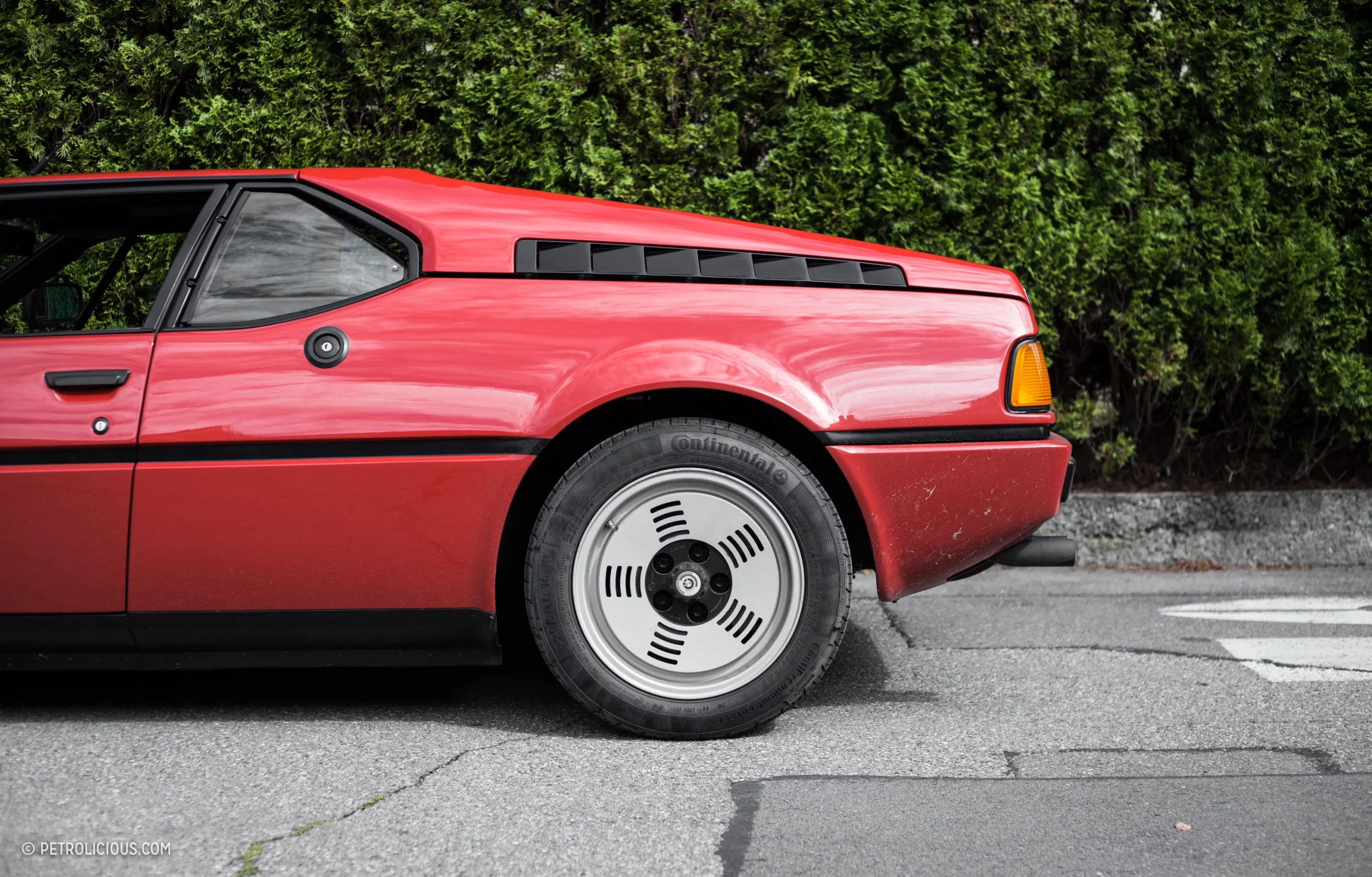
Giugiaro’s design language emphasized timeless proportions and functional integration. The distinctive body featured pop-up headlights creating a flush aerodynamic surface when retracted, distinctive Giugiaro design trademark. The sharp lines and sculpted surfaces suggested performance through refined proportion rather than aggressive ornamentation. At the rear, integrated cooling ducts and aerodynamic appendages reflected the car’s mid-engine configuration while providing genuine aerodynamic benefit.
The overall appearance was unmistakably purposeful, suggesting that genuine performance didn’t require theatrical styling—refined proportions and meticulous engineering defined the M1’s character. Most examples were finished in traditional factory colors: Inka Orange, Henna Red, Alpine White, Dark Blue, or Polaris Metallic, elegant finishes celebrating the car’s sophisticated engineering heritage.
Interior
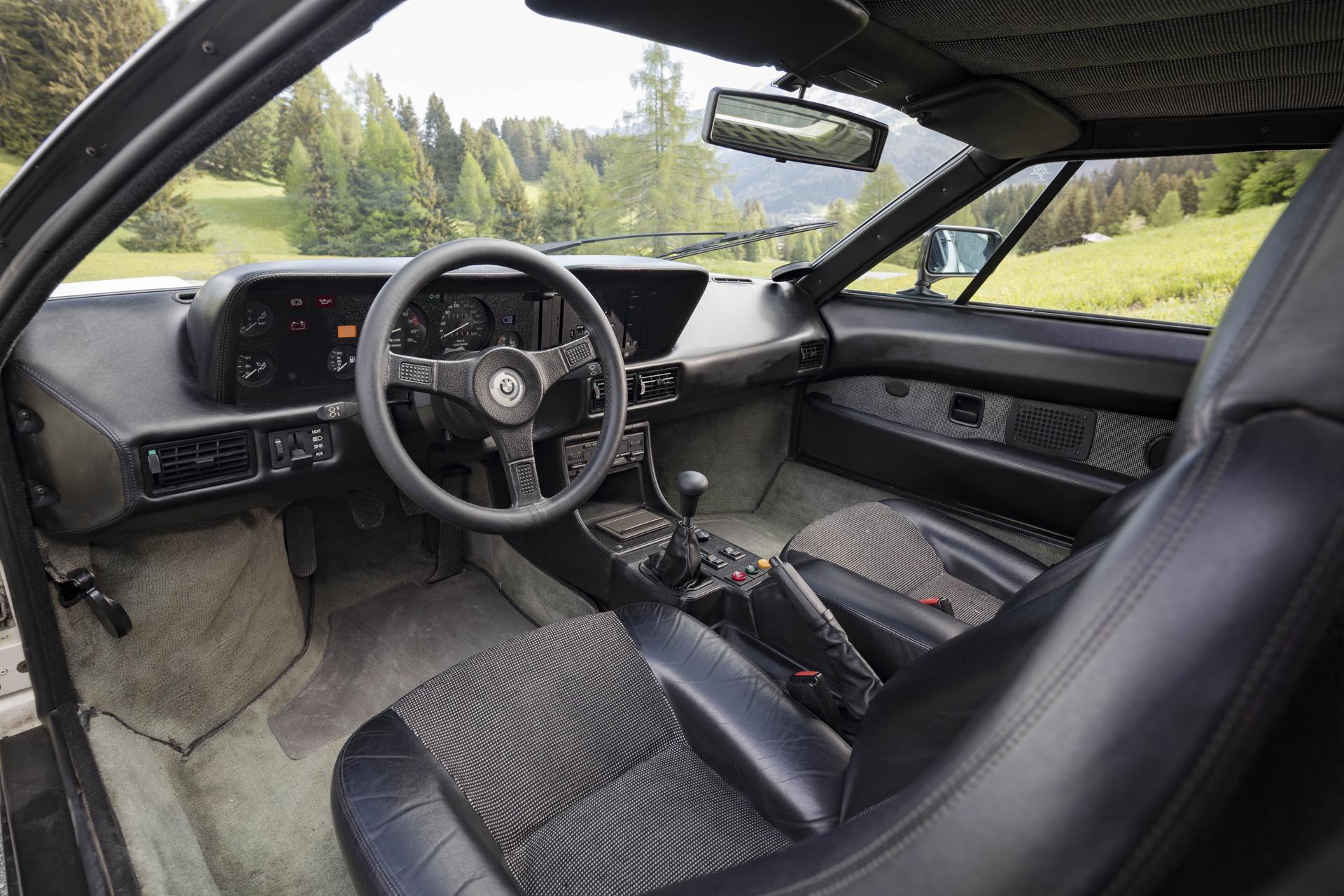
The cabin emphasized driver engagement combined with practical comfort. Supportive sport seats covered in high-quality leather provided excellent lateral support during aggressive driving while maintaining comfort for extended road journeys. The driving position was commanding and forward-positioned, offering excellent all-around visibility. The instrument binnacle featured comprehensive gauges displaying engine parameters essential for exploiting the M1’s high-revving nature.
Standard equipment included climate control, power windows, and quality audio systems reflecting contemporary luxury standards. The overall atmosphere balanced racing-derived functionality with genuine comfort appropriate for practical performance-oriented ownership by wealthy enthusiasts.
Specifications
- Engine: M88 naturally aspirated inline-six, 3,453cc, DOHC, four valves per cylinder
- Power: 277 PS / 273 hp at 6,500 rpm
- Torque: 243 lb-ft / 330 N·m at 5,000 rpm
- Transmission: Five-speed ZF manual transaxle, rear-wheel drive
- Chassis: Tubular steel spaceframe with fiberglass body, 2,560mm wheelbase
- Suspension: Independent double wishbones (front and rear), coil springs
- Brakes: Ventilated discs, four-piston calipers (front and rear)
- Wheels: 16-inch Campagnolo alloy, performance tires
- Weight: 1,300 kg / 2,866 lbs
- Performance: 163 mph / 262 km/h top speed, 0-60 mph in 5.6 seconds
Racing History
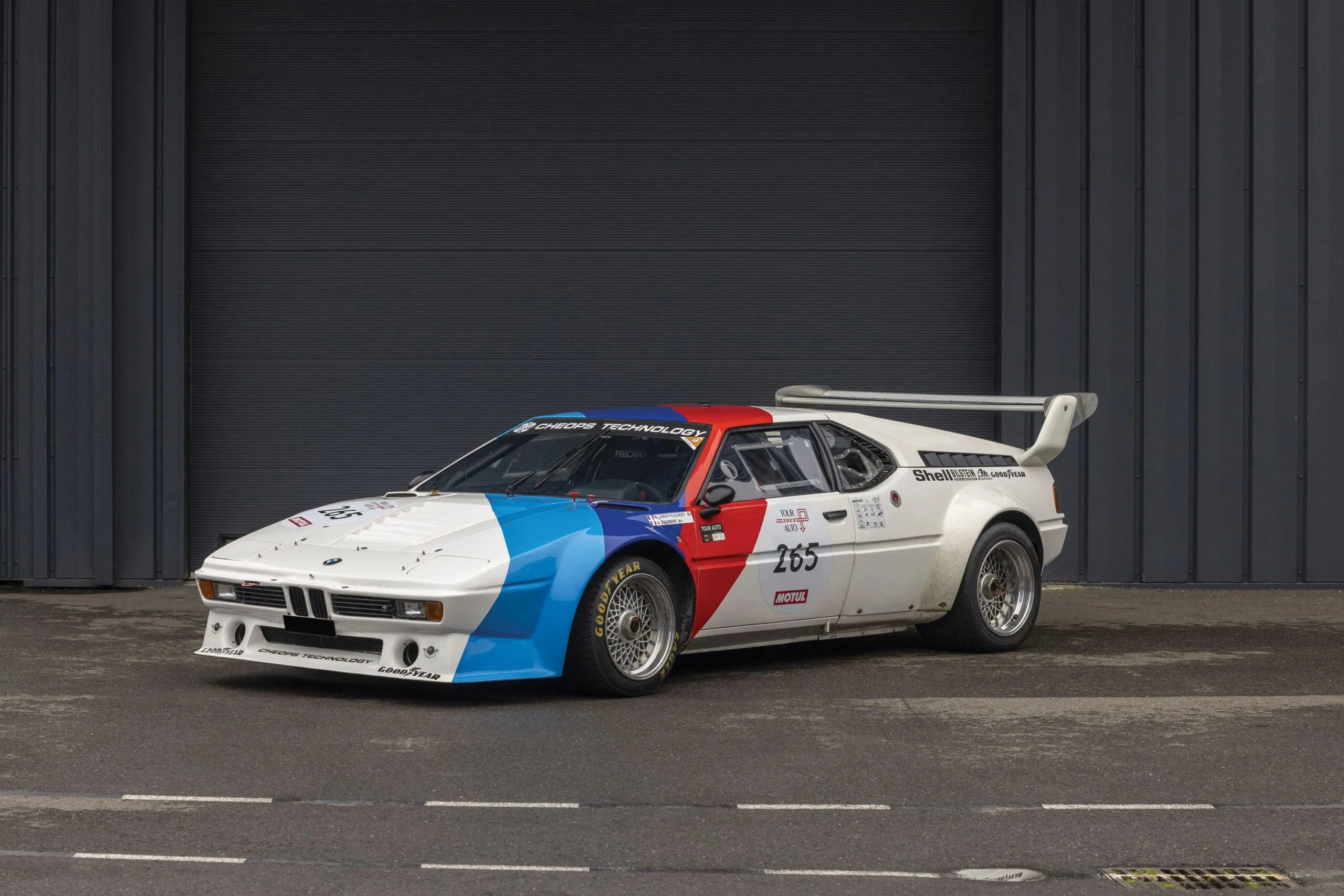
The M1’s racing story proved extraordinary despite commercial struggles. Originally conceived for Group 4 international racing competition, regulatory changes eliminated the M1’s planned venue before homologation was achieved. Rather than abandon racing aspirations, Jochen Neerpasch conceived an innovative one-make championship series—the BMW M1 Procar Championship—supporting Formula 1 Grand Prix meetings across Europe during 1979 and 1980.
The Procar concept proved revolutionary: the five fastest Formula 1 drivers from practice sessions competed alongside professional racing drivers in identically prepared BMW M1 Procars, creating spectacular racing showcasing the world’s best drivers competing on level terms. The inaugural 1979 championship was won by two-time world champion Niki Lauda, who secured the title with three victories at Monaco, Silverstone, and Hockenheim. Nelson Piquet won the 1980 championship, establishing himself before his first Formula 1 world championship achievement. The series attracted extraordinary driver talent including Mario Andretti, Alain Prost, James Hunt, Emerson Fittipaldi, and Riccardo Patrese, establishing the Procar as one of motorsport’s most prestigious competitions.
Production and Legacy
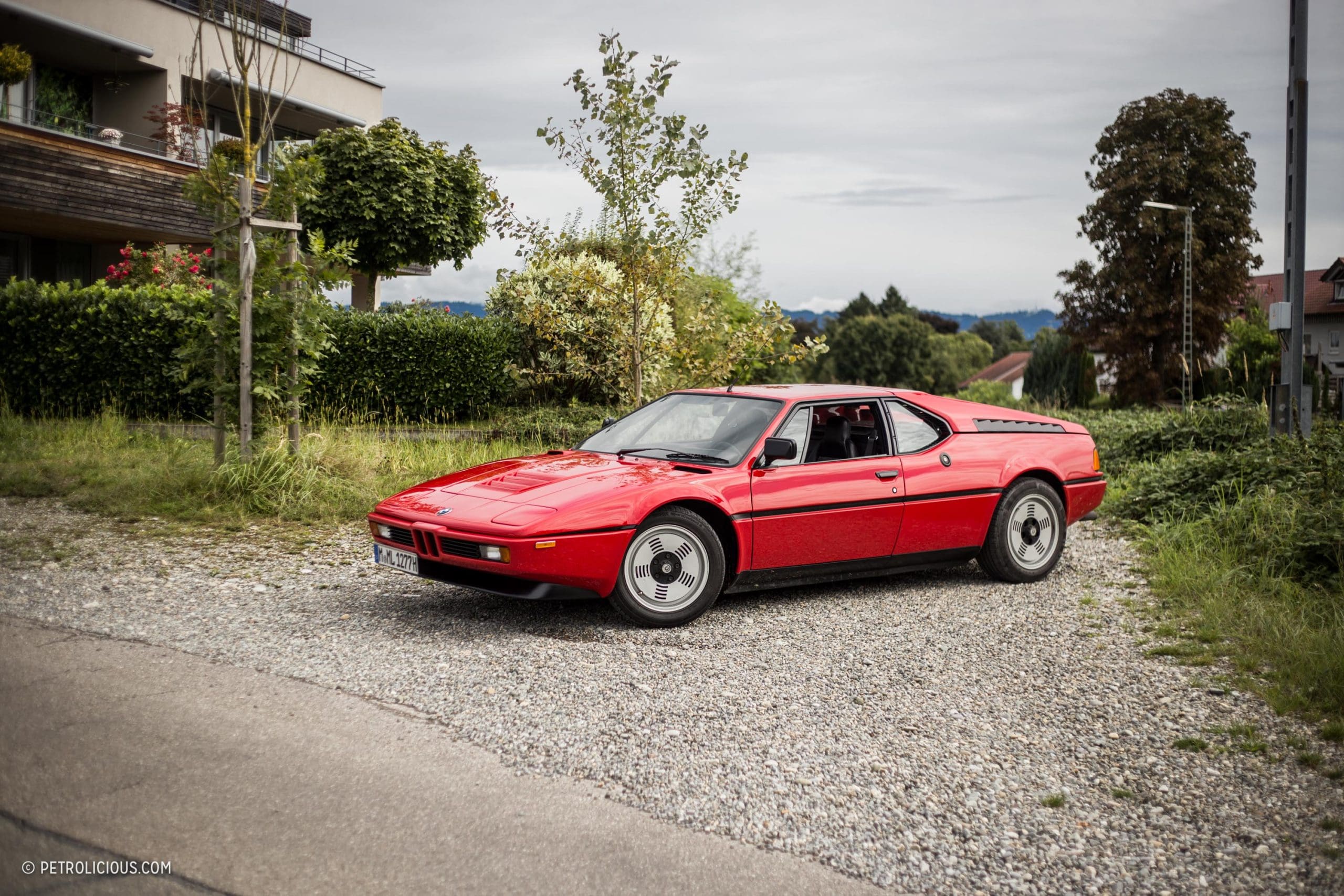
BMW hand-assembled 453 M1 examples between 1978 and 1981, with production delays limiting customer deliveries. The extended development, manufacturing complexity, and disappointing commercial reception established the M1 as a genuine rarity. Each car received meticulous assembly reflecting BMW’s manufacturing standards while incorporating customer personalization reflecting Motorsport’s bespoke philosophy.
The M1 proved that mid-engine technology could enhance production cars beyond racing applications. The combination of Giugiaro design excellence, natural aspiration, and German engineering established lasting appreciation among collectors.
Today, M1 examples command substantial collector prices reflecting their legendary status and historical significance. The combination of design purity, racing heritage, and limited production ensures immortal appeal.
The BMW M1 represented Munich at its most visionary, proving that revolutionary engineering and beautiful design could create something genuinely transcendent. It remains one of BMW’s greatest achievements, a masterpiece establishing the M Division’s legendary performance heritage.