
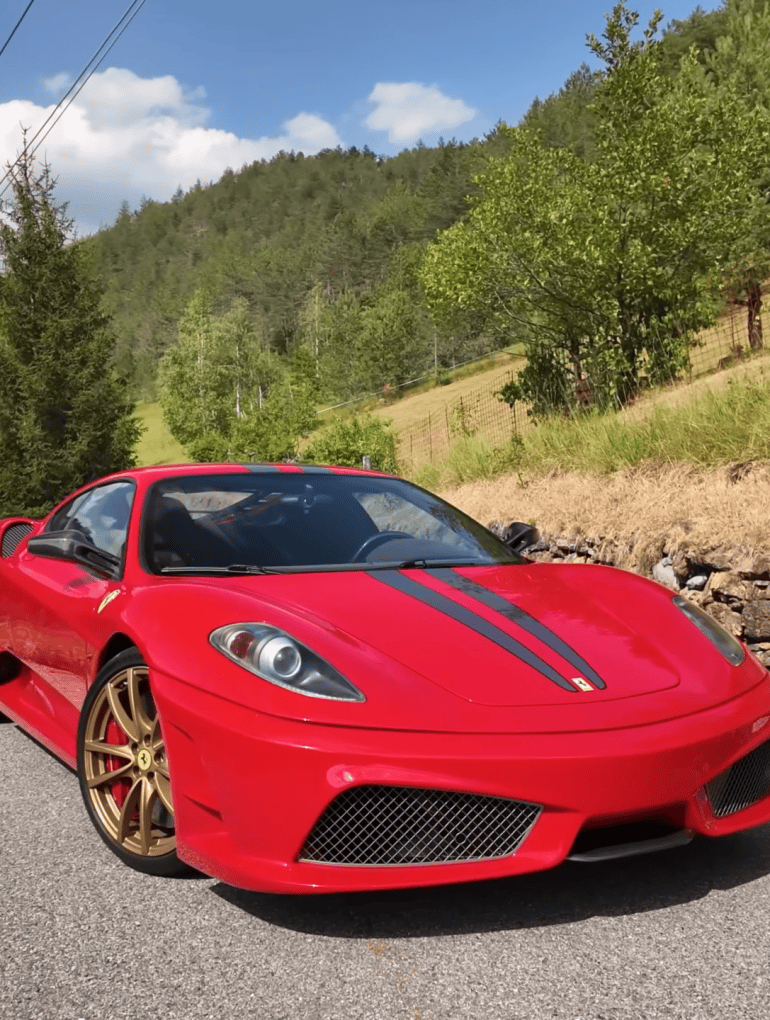
The Ferrari 430 Scuderia represents one of the defining high points of Ferrari’s naturally aspirated V8 era—a road car engineered with an unmistakable emphasis on performance, driver involvement, and racetrack capability. Nearly two decades after its introduction, it has increasingly earned recognition as a modern classic, particularly as Ferrari’s current technology moves toward electrification and increasingly complex drivetrains.
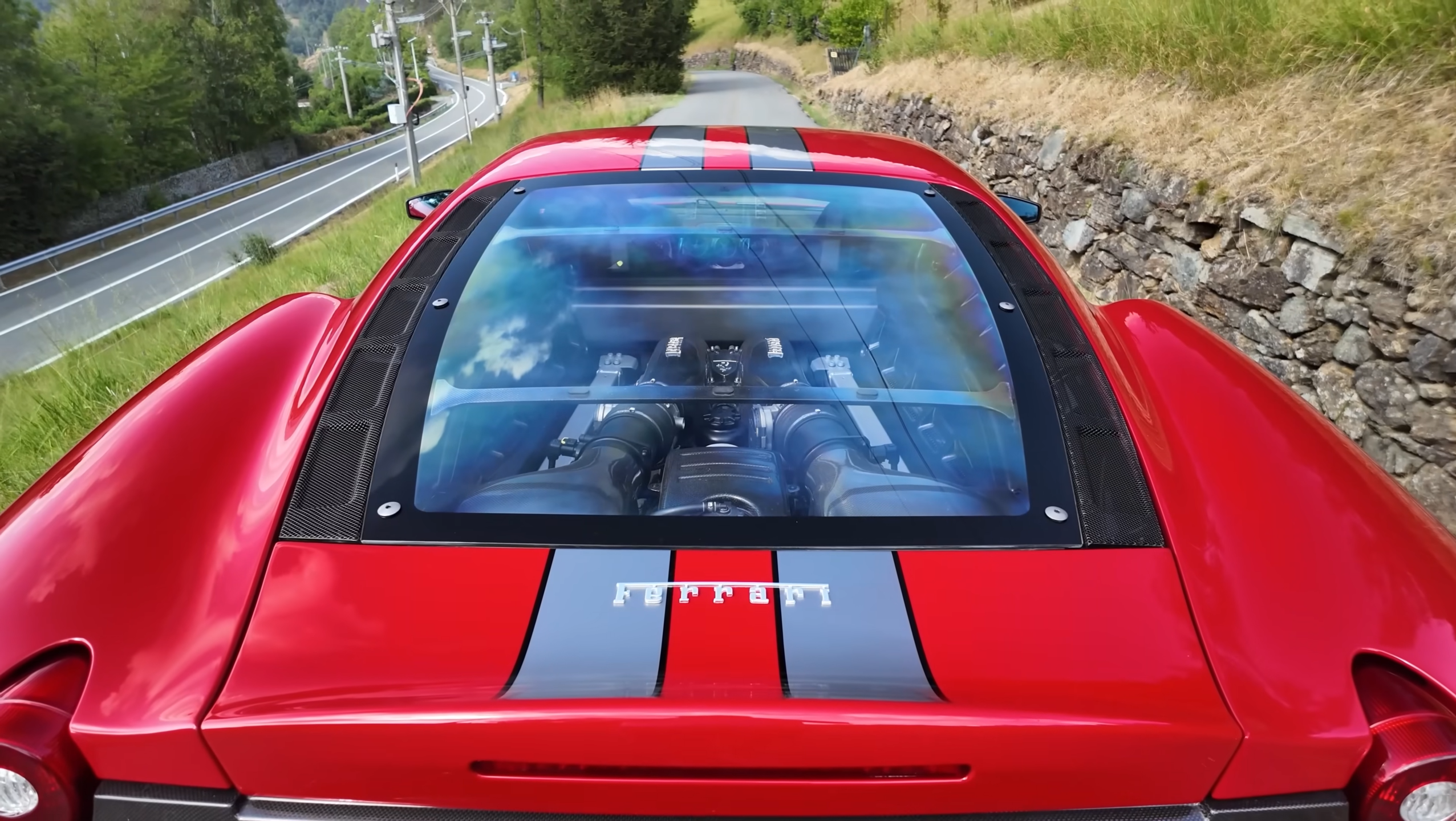
Although visually related to the standard F430, the Scuderia received extensive engineering revisions designed to improve aerodynamic efficiency, cooling, and weight reduction. Its motorsport influence is especially apparent at the rear, where large centrally mounted exhaust outlets replace the conventional F430 arrangement. Inside, Ferrari pursued the same uncompromising philosophy, stripping away equipment to reduce weight by approximately 100 kilograms. Bare metal, exposed structural elements, race-oriented equipment, and available harnesses reinforce the car’s connection to Ferrari’s competition machinery.
At its heart is a 4.3-liter naturally aspirated V8 producing 510 horsepower and 470 Nm of torque. However, the Scuderia’s character is defined by more than its output. The substantial weight reduction dramatically improves its power-to-weight ratio, while the engine’s ability to rev to 8,650 rpm delivers the visceral response and escalating intensity associated with Ferrari’s pre-hybrid V8s.
The braking and transmission systems further underline its track-focused philosophy. Larger carbon-ceramic brakes provide the stopping power required by its performance, while Ferrari’s F1 Superfast 2 single-clutch automated manual transmission delivers gear changes in approximately 60 milliseconds. Unlike a modern dual-clutch gearbox, its shifts retain a distinctly mechanical, aggressive character rather than prioritizing seamlessness. The result is a 0–100 km/h time of 3.6 seconds and a claimed top speed of around 320 km/h.
Revised suspension and steering further sharpen the Scuderia’s responses, transforming winding roads into its natural environment. Yet its lasting appeal extends beyond numbers. Developed with input from Michael Schumacher, the 430 Scuderia combines speed with an unusually direct mechanical connection between driver and machine.
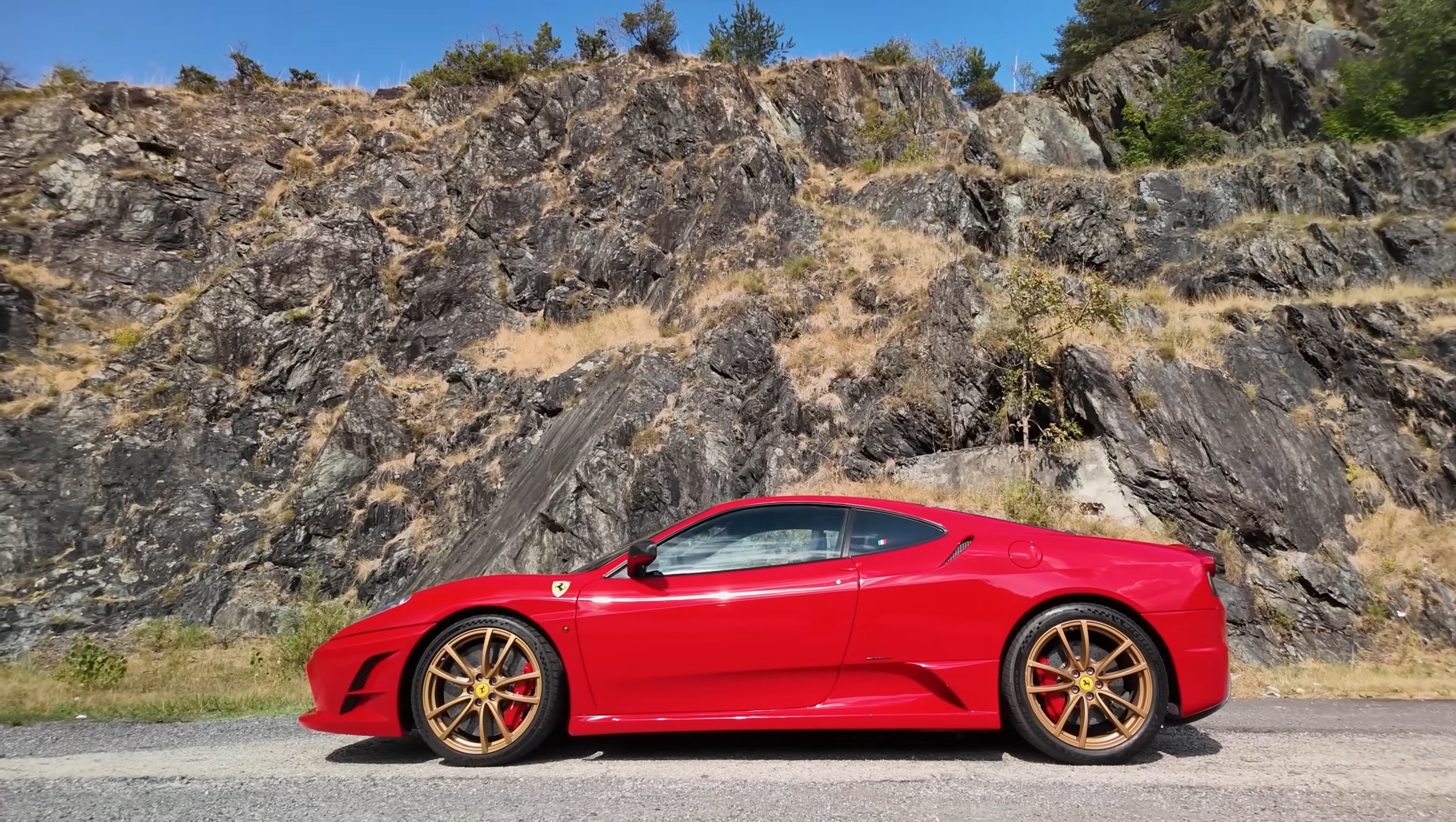
That character is also driving renewed collector interest. The owner’s experience reflects a broader shift in the market as enthusiasts increasingly recognize the rarity and significance of naturally aspirated, lightweight Ferraris with minimal electronic intervention. More than an investment asset, the 430 Scuderia remains a car designed to be driven—and that uncompromising purpose may ultimately define its legacy.
Source: Collecting Cars