

BMW M celebrated the final iteration of the M3 GTS, a revolutionary track-focused homologation special representing the ultimate expression of lightweight engineering and naturally aspirated performance within practical road-legal parameters. The designation “GTS” invoked extraordinary heritage: the designation represented BMW’s most exclusive and uncompromising performance expression. The 4.4-liter naturally aspirated V8 produced 450 PS (444 horsepower) at 8,300 rpm and 325 lb-ft of torque at 3,750 rpm, delivering 190 mph capability from a coupe weighing approximately 1,530 kilograms.
This was Munich celebrating that mechanical excellence and systematic weight reduction could create something genuinely transcendent: the M3 GTS could accelerate from 0-60 mph in approximately 4.0 seconds, establishing credentials rivaling turbocharged competitors through high-revving sophistication and racing-derived engineering. Production ran exclusively during 2010 and 2011, with exactly 138 examples hand-assembled—a deliberately limited production reflecting the car’s exclusive club-sport positioning—establishing the M3 GTS as perhaps the rarest and most collectible modern BMW M car ever created.
Background and Origins
The M3 GTS emerged from BMW M’s recognition that the E92 M3 Coupe platform possessed extraordinary development potential for club-sport racing applications. Rather than develop an entirely new competition platform, management determined that systematic engine enlargement, comprehensive weight reduction, and racing-focused engineering would establish a genuinely credible club-sport machine. The project represented ambitious vision: create a road-legal coupe capable of genuine circuit competitiveness while maintaining practical usability for owners pursuing motorsport involvement. Official preview occurred in November 2009, with customer deliveries commencing in mid-2010.
Development leveraged racing success of the M3 DTR touring car program and the competitive M3 GT2 endurance racing variant. Engineers extracted technologies and engineering solutions directly from racing applications, translating them into road-legal specification while maintaining the uncompromising character that defined GTS philosophy. The result would prove to be the most track-focused, most powerful, and most exclusive M3 ever created.
Design and Engineering
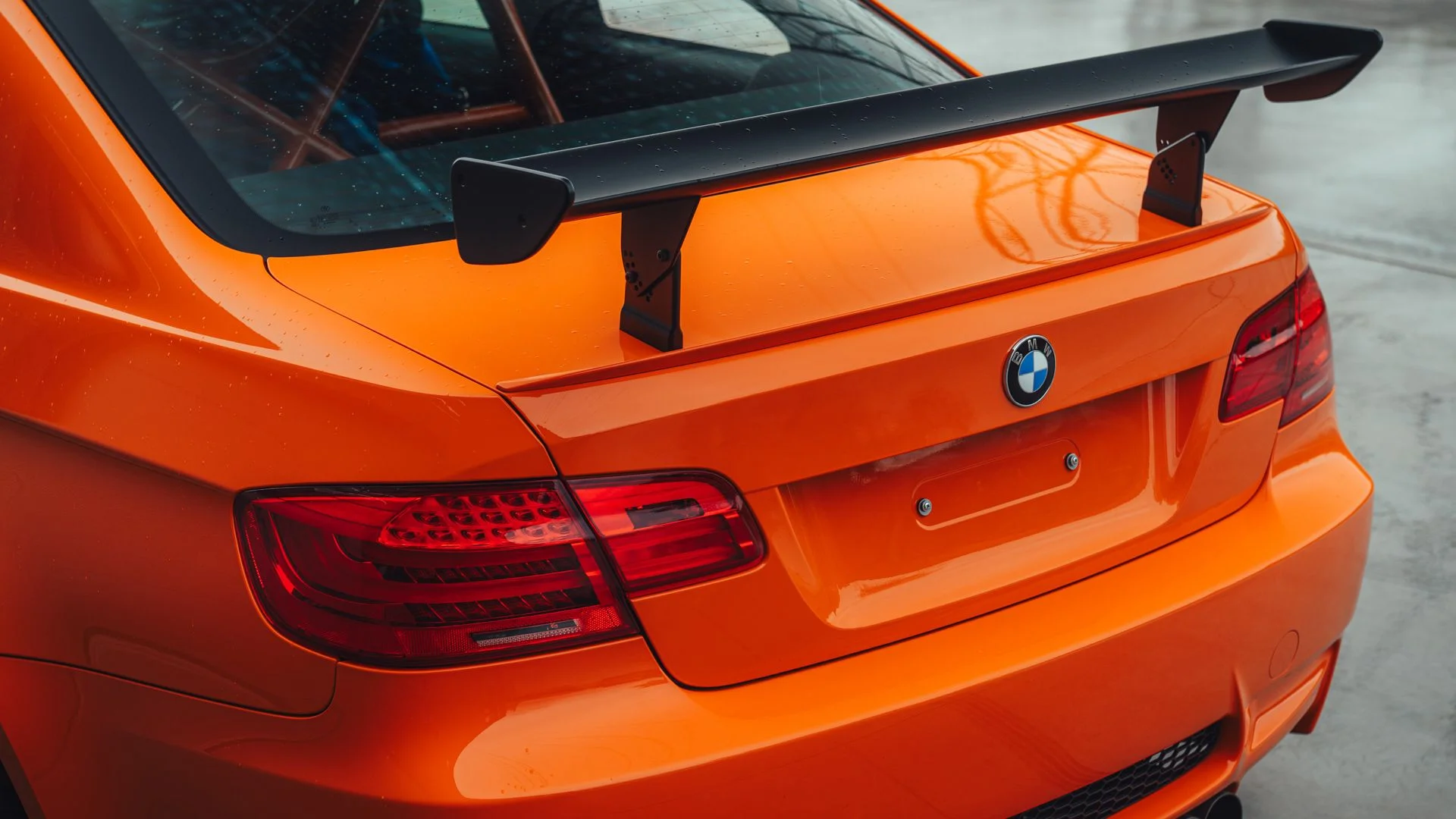
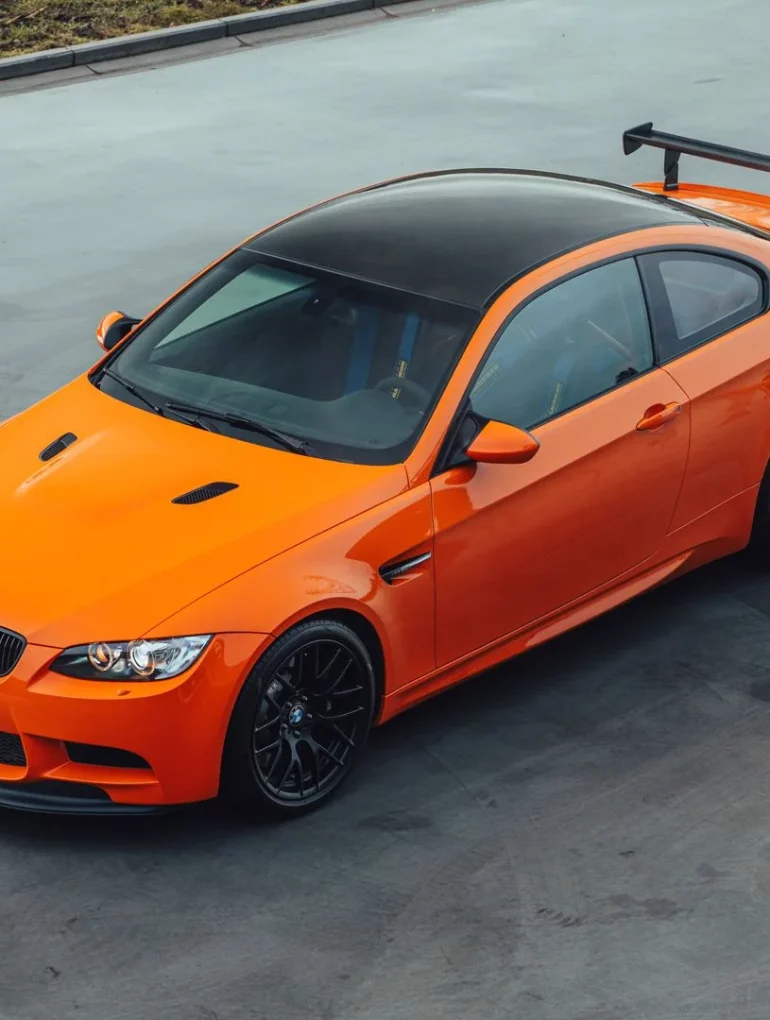
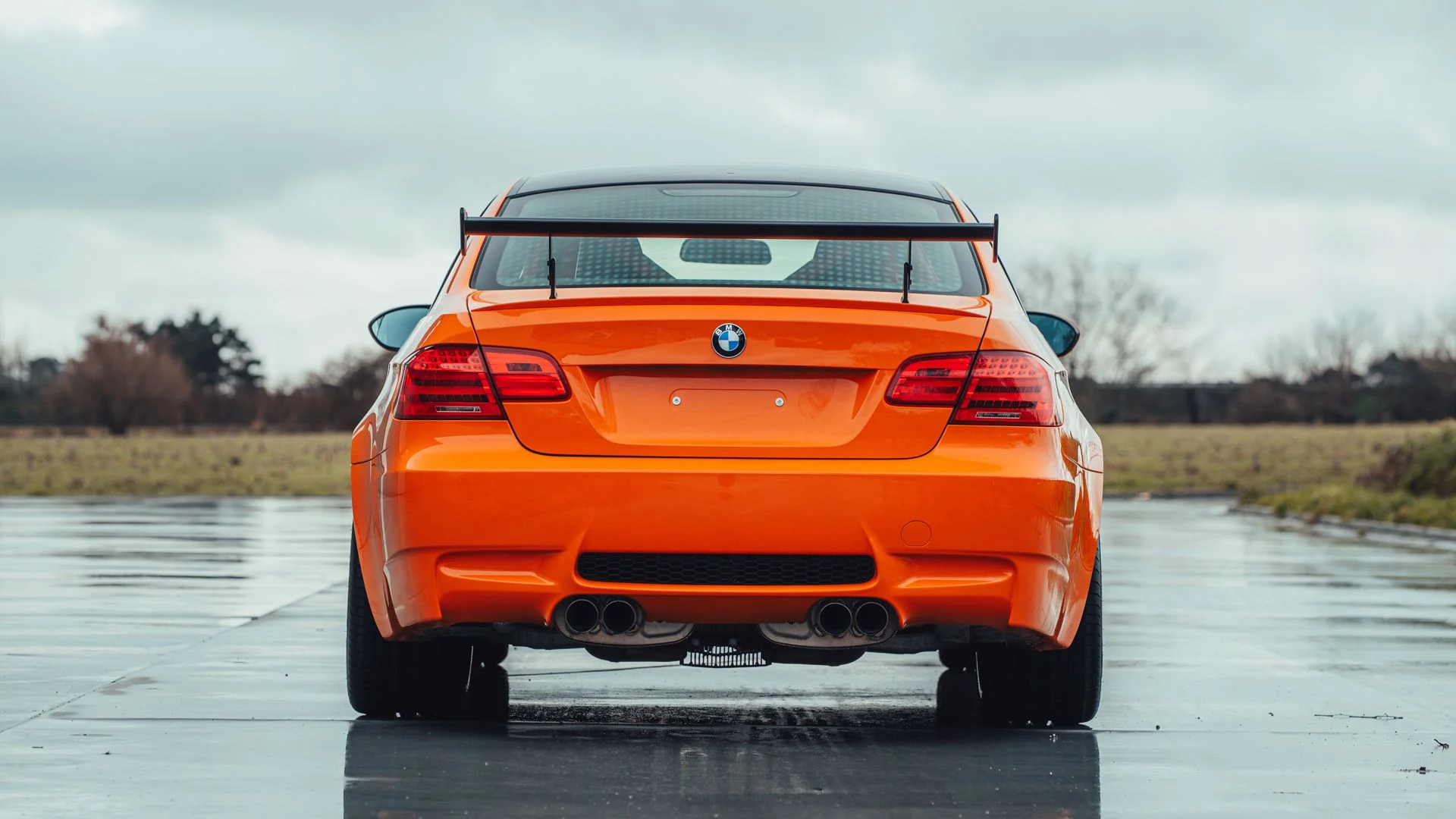
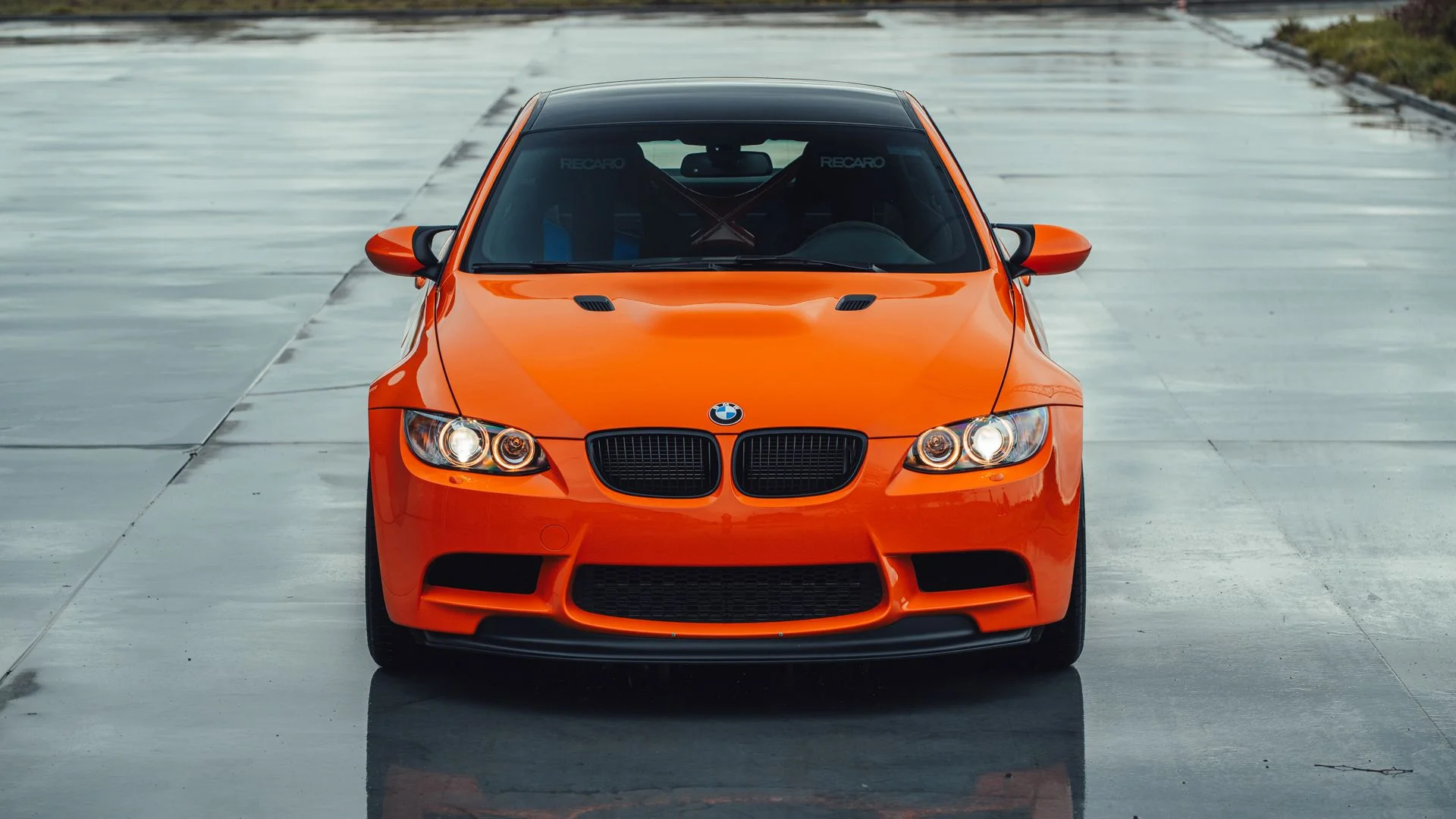
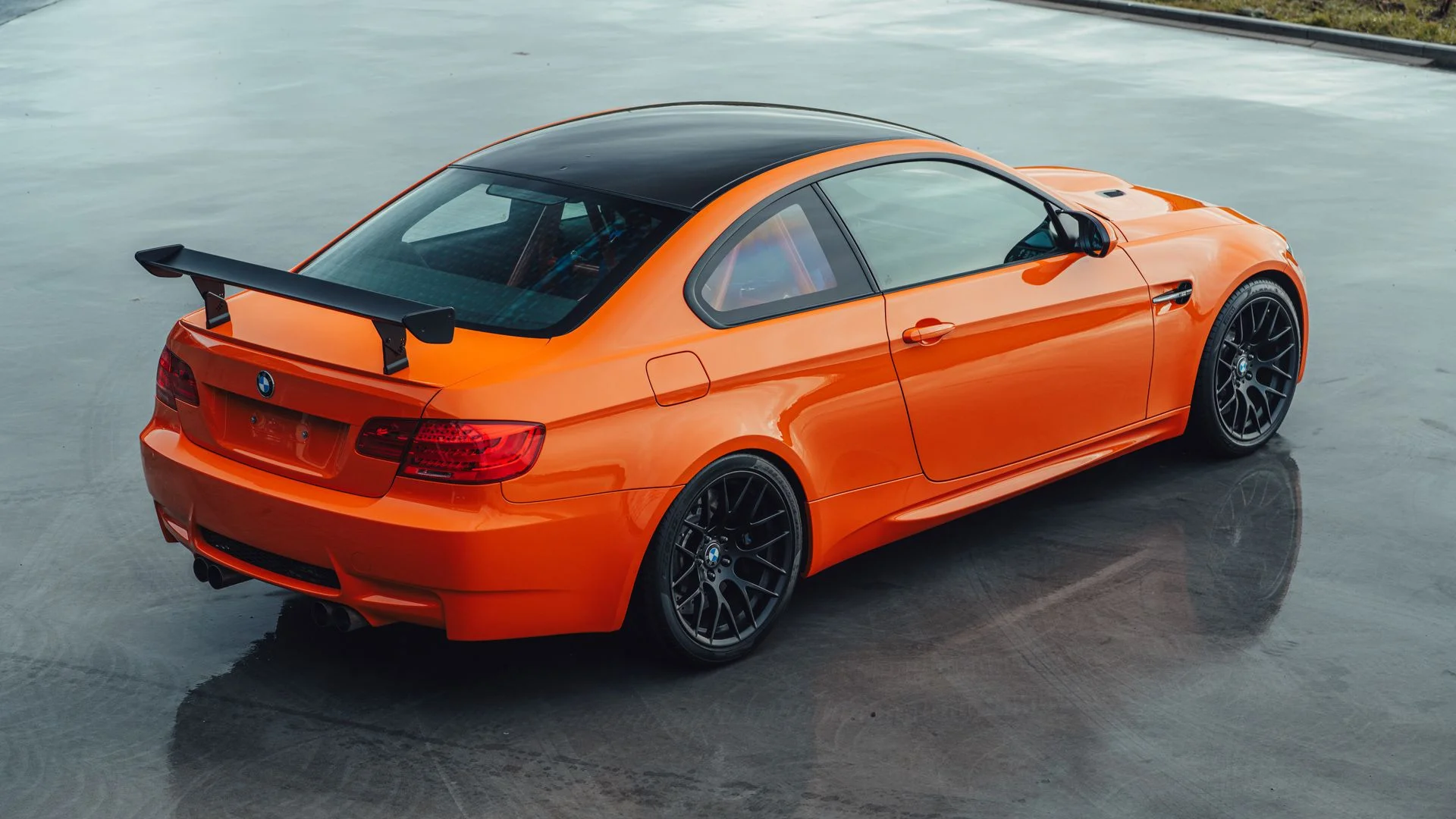
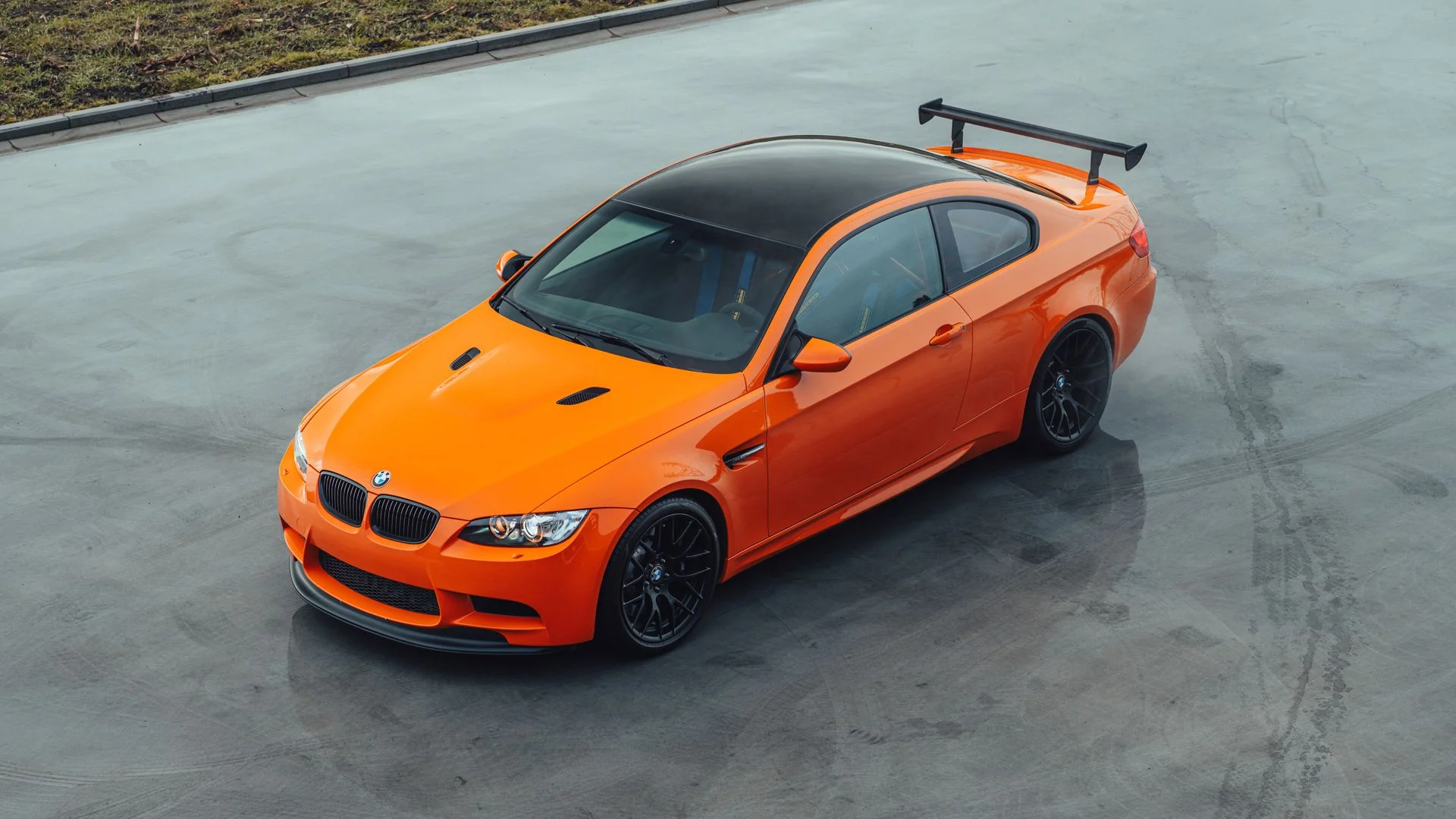
The M3 GTS retained the elegant proportions established by the E92 M3, but comprehensive lightweight modifications and aerodynamic optimization created immediately recognizable distinctiveness. The distinctive hood featured two functional air scoops channeling cool air toward the engine compartment. Carbon-fiber roof panel replaced conventional steel, while standard steel doors and hood underwent selective lightweighting. The aerodynamic package included an aggressive front splitter, side-mounted air intakes for engine cooling, and a towering carbon-fiber rear wing generating measurable downforce while establishing visual drama. Lightweight polycarbonate Macrolon windows replaced glass on rear and side windows, contributing significantly to weight reduction.
The chassis utilized a steel unitized monocoque with aluminum subframes and independent suspension geometry front and rear. The front employed a double-joint spring strut axle (MacPherson strut derivative) and the rear featured a multi-link suspension configuration with coil springs and adjustable dampers. The geometry was completely recalibrated for circuit performance. Adjustable aerodynamic elements—splitter trim, wing angle, and active cooling—allowed drivers to optimize setup across different circuit configurations. Braking was by heavy-duty motorsport steel compound disc systems with six-piston calipers front and four-piston rear, providing exceptional stopping power adequate for the GTS’s extraordinary acceleration.
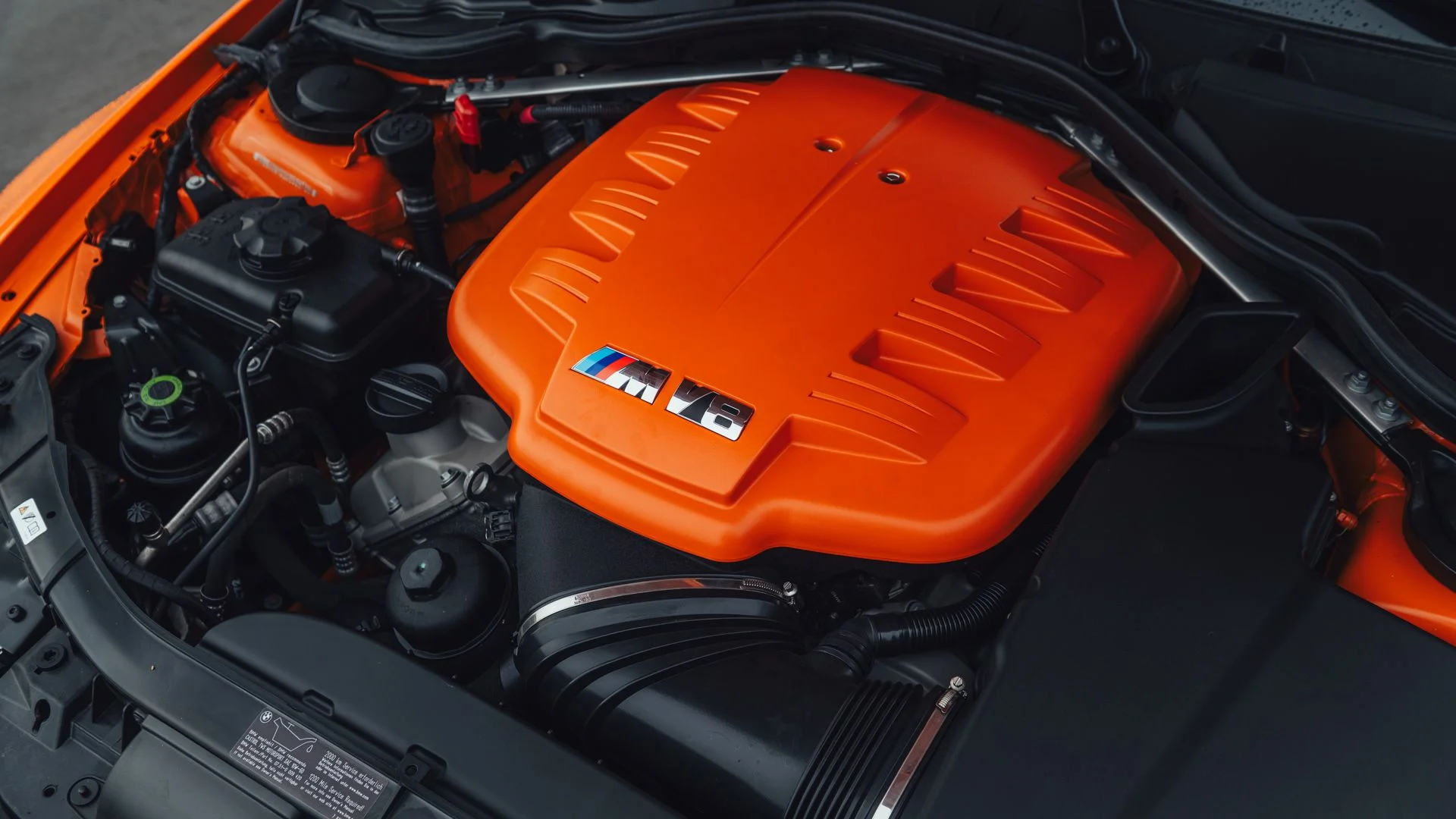
The naturally aspirated S65B44 V8 displacement increased from the standard 4.0 liters to 4.4 liters through a longer stroke of 82 millimeters, with bore dimensions of 92 millimeters creating an oversquare configuration optimizing high-rpm operation. With sophisticated variable valve timing and revised intake manifold incorporating resonance plenum technology, output reached 450 PS (444 horsepower) at 8,300 rpm and 325 lb-ft of torque at 3,750 rpm. This represented extraordinary naturally aspirated performance from increased displacement without forced induction complexity.
The power delivery remained distinctly high-revving in character, requiring disciplined driving through the seven-speed dual-clutch automatic transmission to exploit full performance potential. The performance-optimized transmission featured shorter ratios and quicker shift times compared to standard M3 specification, with shift paddles and center gear selector lever providing driver engagement. The limited-slip differential with motorsport-calibrated locking distributed power to rear wheels during acceleration and cornering, establishing handling response genuinely comparable to purpose-built racing machinery.
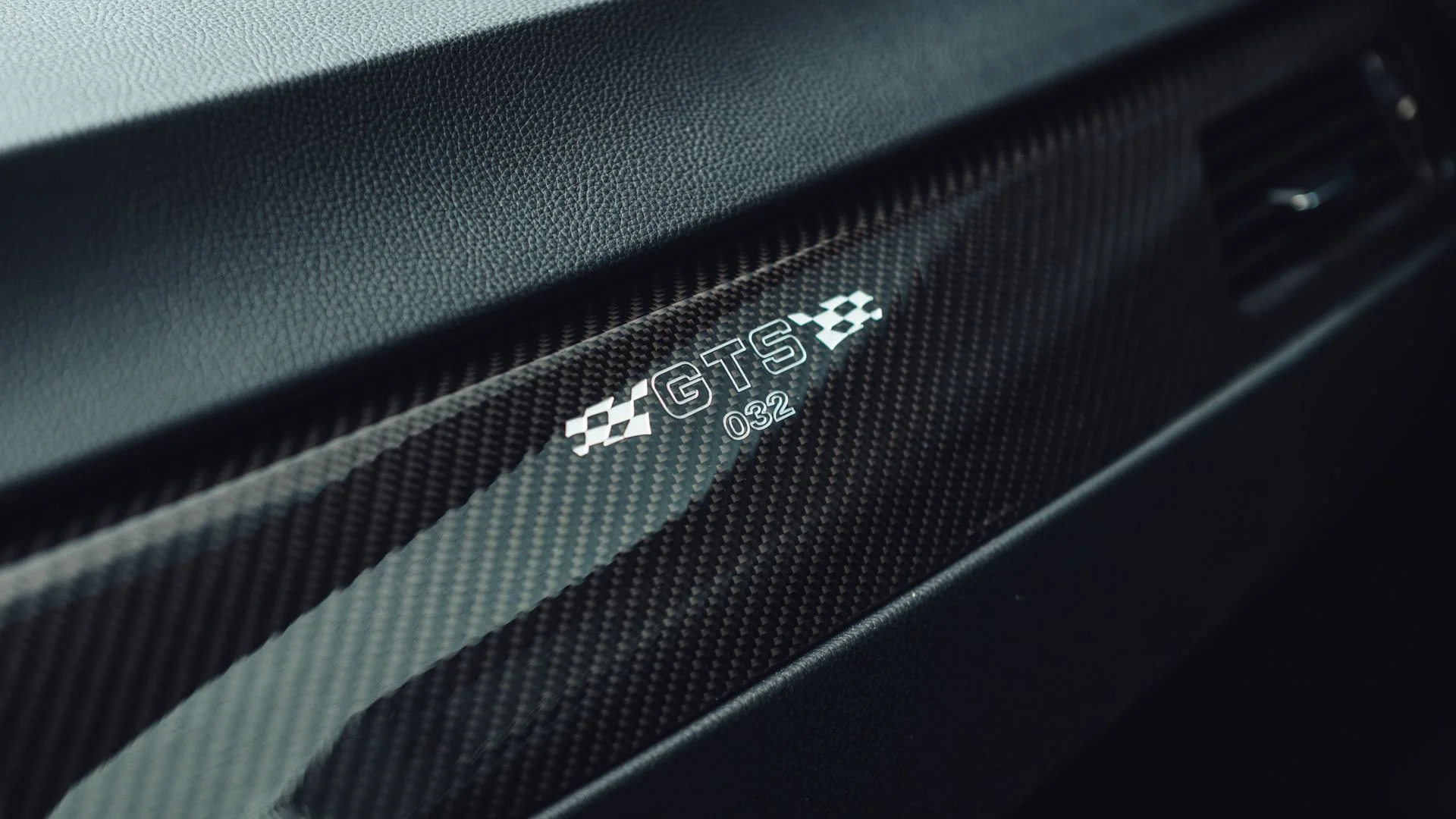
Weight reduction achieved through the carbon-fiber roof, lightweight Macrolon windows, titanium rear silencer, lightened center console, and systematic rear-seat deletion amounted to approximately 140 kilograms compared to the standard M3 Coupe. The GTS weighed approximately 1,530 kilograms dry weight, establishing an extraordinary power-to-weight ratio of approximately 3.4 kilograms per horsepower. This exceptional efficiency enabled 0-60 mph acceleration in approximately 4.0 seconds and top speed of 190 mph—remarkable achievement for naturally aspirated configuration.
Styling
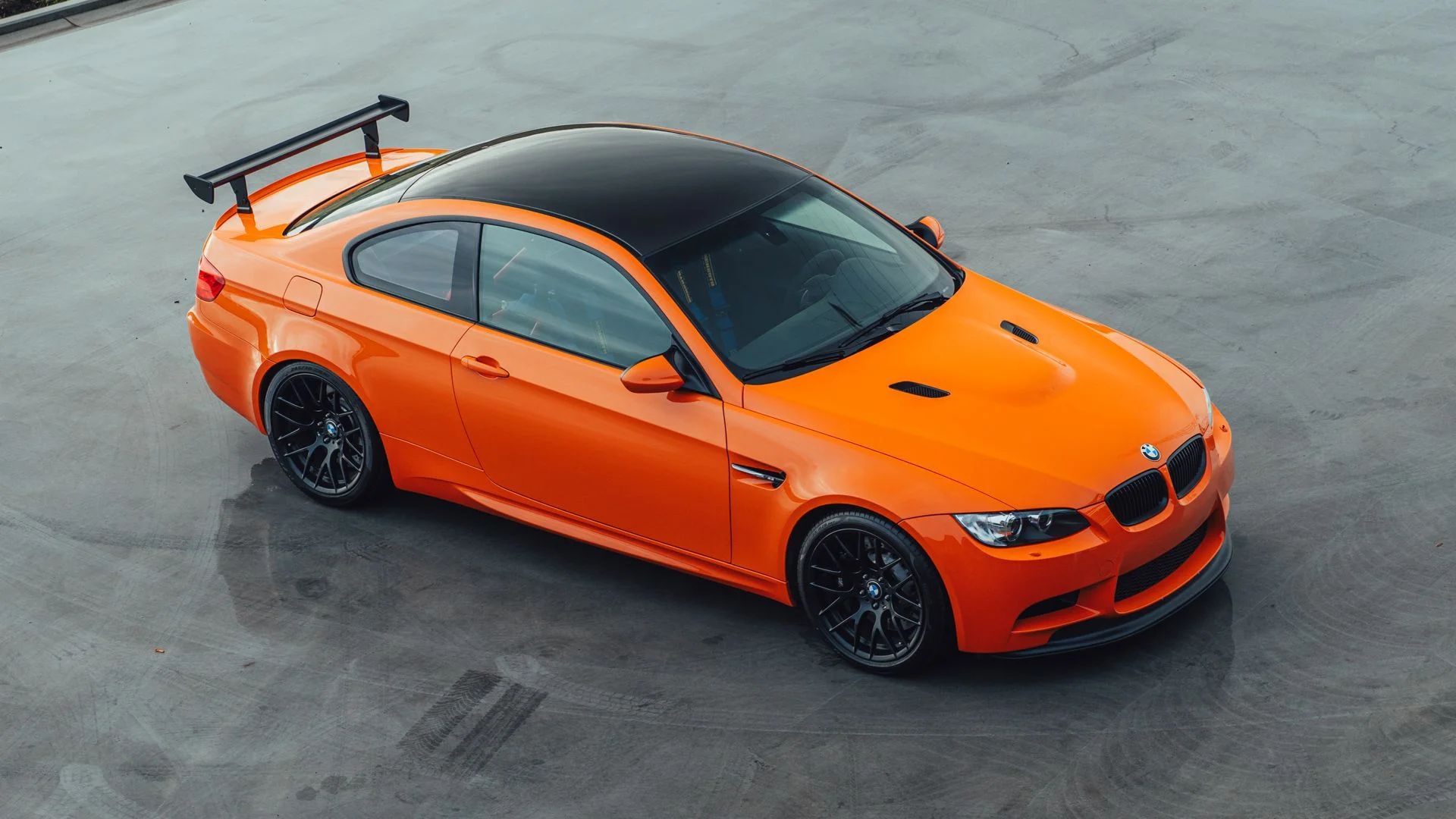
The M3 GTS design created visual drama immediately recognizable as distinct within the M3 family. Two functional air scoops dominating the hood channeled cool air while establishing visual aggression. The carbon-fiber roof and carbon-fiber rear wing—distinctive architectural elements—generated genuine aerodynamic benefit while defining the GTS’s competition intent. The signature defining characteristic was the iconic Fire Orange (Feuerorange) finish applied to virtually all customer examples, distinguishing the GTS from standard M3 variants through its unmistakable color identity.
Interior
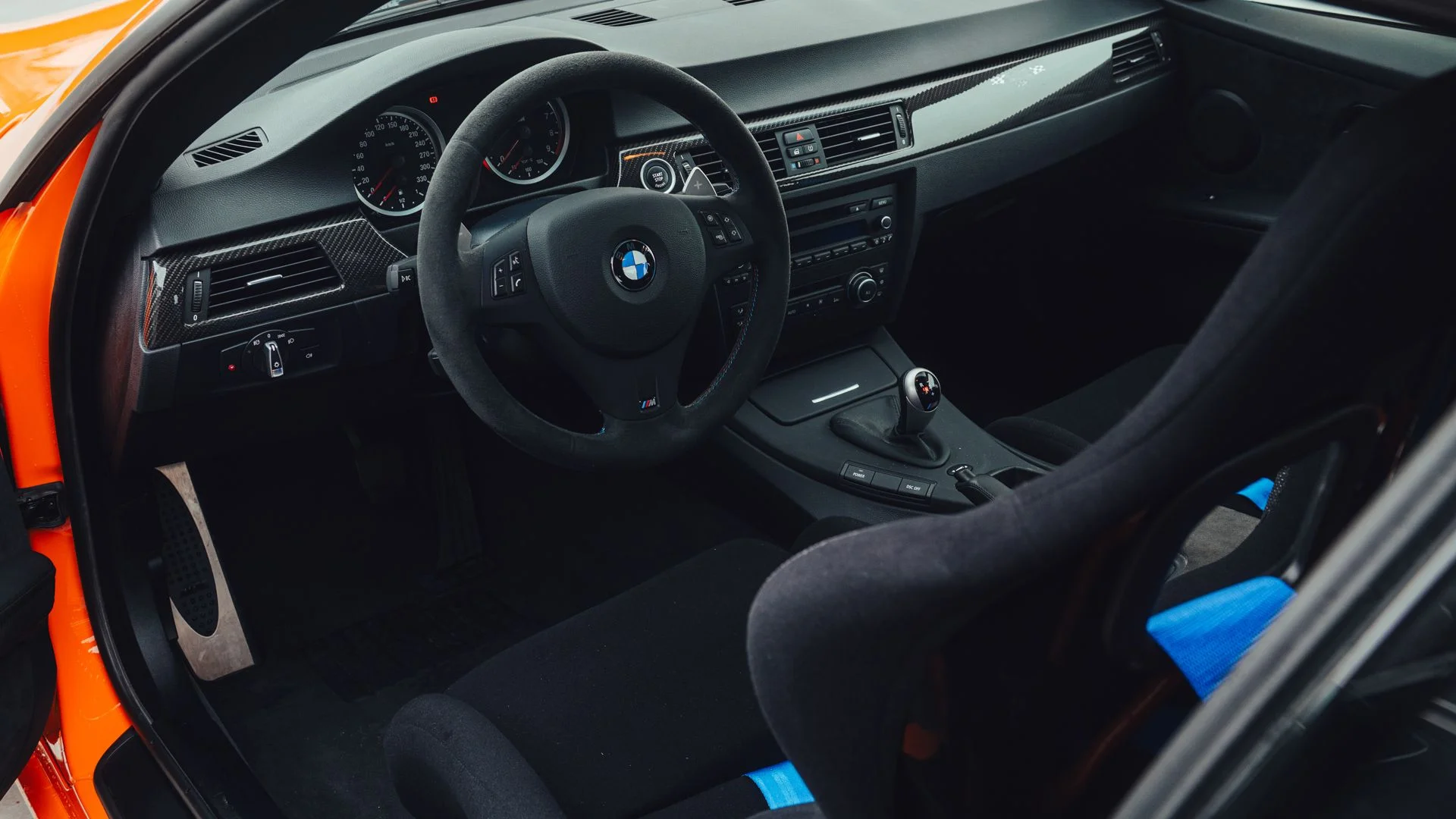
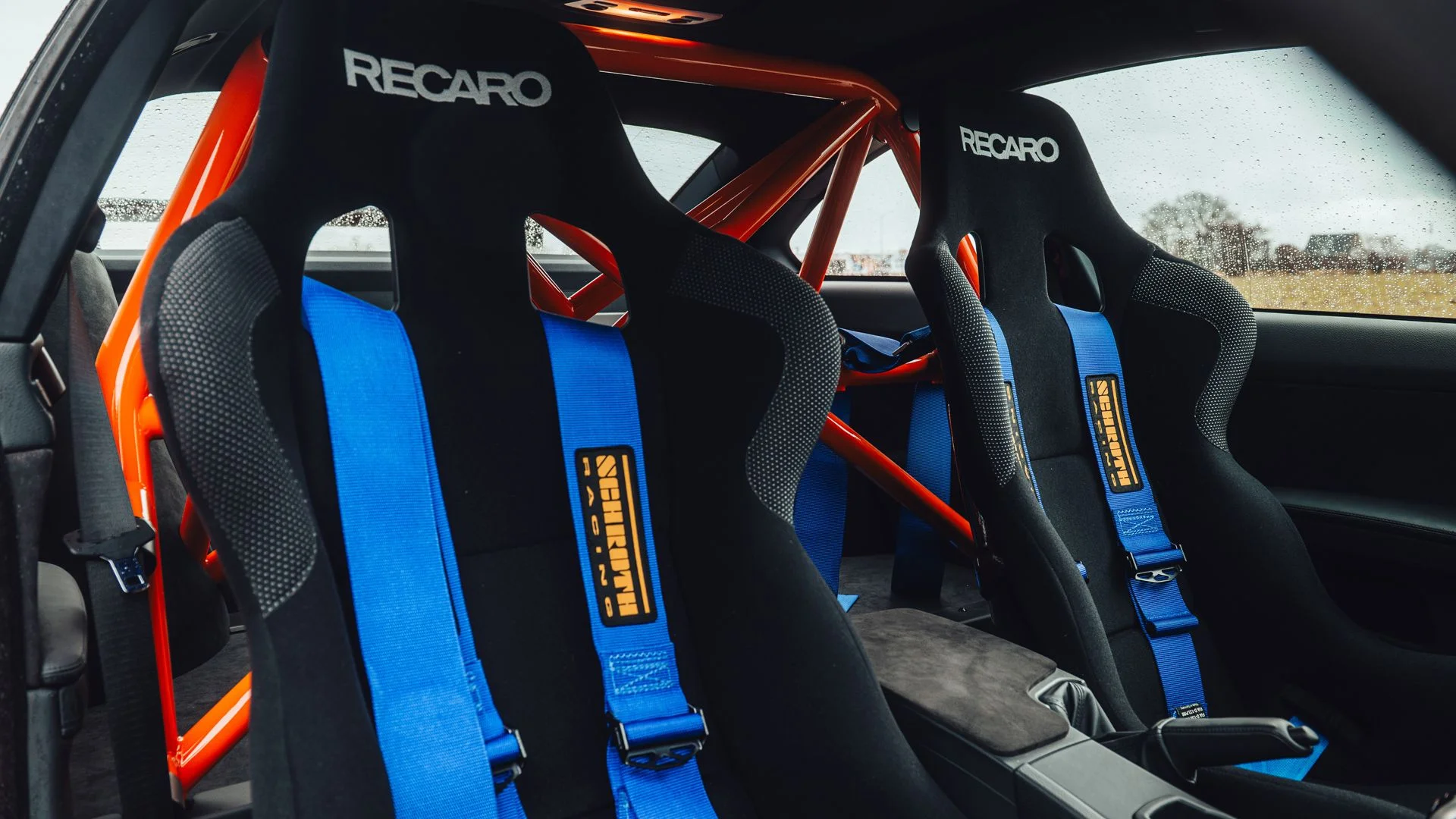
The cabin emphasized uncompromising driver engagement through systematic elimination of unnecessary equipment. Fixed carbon-fiber sport seats upholstered in performance materials provided exceptional lateral support during aggressive driving while maintaining minimal mass. Rear seats were completely deleted in favor of weight reduction. Standard equipment deletions included air conditioning and radio systems—though both could be re-added at customer request at no additional cost. Hydraulic power steering and power windows were retained as functional equipment.
Straightforward instrumentation displayed essential performance parameters: engine parameters, lap timing, and telemetry monitoring through the onboard computer system. The overall atmosphere celebrated that genuine circuit machinery required accepting comprehensive practical compromises: this was fundamentally a race car wearing street-legal registration, not a luxury grand tourer with performance pretensions.
Specifications
- Engine: BMW S65B44 naturally aspirated V8, 4,361cc, DOHC per bank, four valves per cylinder
- Power: 450 PS / 444 hp at 8,300 rpm
- Torque: 325 lb-ft / 440 N·m at 3,750 rpm
- Transmission: Seven-speed dual-clutch automatic with paddle shifters, rear-wheel drive
- Chassis: Steel unitized monocoque with aluminum subframes and carbon-fiber roof panel, 2,760mm wheelbase
- Suspension: Double-joint spring strut axle (front), multi-link suspension (rear), coil springs, adjustable dampers
- Brakes: Steel compound ventilated discs, six-piston front calipers, four-piston rear, motorsport-calibrated ABS
- Wheels: 19-inch forged alloy, performance tires
- Weight: Approximately 1,530 kg / 3,373 lbs dry weight
- Performance: 190 mph / 305 km/h top speed, 0-60 mph in approximately 4.0 seconds
Production and Legacy
BMW M hand-assembled exactly 138 examples of the M3 GTS between 2010 and 2011 at Munich facilities. Customer deliveries commenced in mid-2010. Each car received meticulous assembly reflecting BMW Motorsport standards and individual optimization for customer-specific requirements. The extraordinarily limited production reflected the car’s exclusive club-sport positioning, available exclusively to customers demonstrating appropriate commitment to motorsport involvement and performance credentials.
The M3 GTS proved that naturally aspirated engineering combined with comprehensive weight reduction could establish genuine competition capability within road-legal parameters. The combination of high-revving character, systematic lightweighting, and racing-first engineering established lasting appeal extending far beyond conventional performance car enthusiasts.
Today, M3 GTS examples command extraordinary collector prices reflecting their legendary status and extreme rarity. The combination of naturally aspirated performance, exclusive Fire Orange identity, limited production, and authentic racing pedigree ensures immortal appeal.
The BMW M3 GTS represented Munich at its most accomplished, proving that mechanical excellence and uncompromising engineering could create something genuinely transcendent. It remains one of the greatest modern BMW achievements, establishing the M3 GTS as an automotive legend.